This site is supported by our readers. We may earn a commission, at no cost to you, if you purchase through links. This content is for general informational and educational purposes only and is not a substitute for professional medical, dermatological, or nutritional advice.
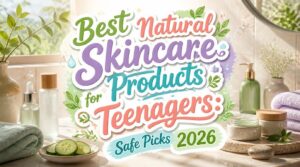
A new breakout can make a bathroom shelf feel like a chemistry lab: foaming washes, “clean” labels, and a tiny bottle of tea tree oil promising miracles. Teen skin doesn’t need a ten-step routine, but it does deserve products that won’t sting, clog pores, or hide questionable ingredients behind “fragrance.”
The best natural skincare products for teenagers pair gentle formulas with clear ingredient lists, fragrance-free labels, and noncomedogenic textures. A ceramide moisturizer can calm flaky cheeks; salicylic acid can help clear a stubborn chin.
Starter-friendly kits and skin-type picks can turn that crowded shelf into a routine you’ll stick with.
Table Of Contents
- Key Takeaways
- Best Natural Skincare Products for Teenagers
- Best Products by Teen Skin Type
- How to Choose Safe Natural Skincare
- Best Ingredients for Teenage Skin
- Simple Natural Skincare Routine for Teenagers
- Frequently Asked Questions (FAQs)
- What is a good natural skin care routine for teenagers?
- What is the best skin care brand for teenagers?
- What is the best skincare for teenage skin?
- What are the best skin care products for teenagers?
- Can natural skincare completely prevent teenage acne?
- When should teens start using skincare products?
- Are expensive natural products always better quality?
- Can boys use the same products as girls?
- How long before seeing skincare routine results?
- How should teens patch-test new skincare products?
- Conclusion
Key Takeaways
- Keep teen skincare simple: use a gentle cleanser, lightweight noncomedogenic moisturizer, and broad-spectrum SPF 30 or higher every morning.
- Choose fragrance-free products with clear ingredient lists, and look beyond vague “natural” or “nontoxic” claims for credible third-party certifications.
- Match treatment ingredients to your skin’s needs—salicylic acid for clogged pores, ceramides and hyaluronic acid for dryness, and aloe or azelaic acid for irritation and redness.
- Give a routine 6–8 weeks to work, patch-test new products first, and see a dermatologist if acne is painful, scarring, or affecting your confidence.
Best Natural Skincare Products for Teenagers
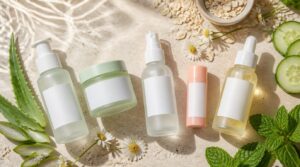
Finding a skincare routine that’s actually safe for your skin — not just "natural-sounding" — takes a little digging, but the good news is some brands are doing the work right.
A guide to exfoliating your face without irritation can help you choose the right approach for your skin type.
These five kits are built with teens in mind, skipping the sketchy stuff and leaning on ingredients that are gentle, effective, and honestly kind of impressive.
Here’s what made the cut.
Kinship Besties Kit
The Kinship Besties Kit packs everything a beginner needs into one tidy set: a fragrance-free cleanser, a ceramide moisturizer, a salicylic acid spot treatment, and an SPF 30 mineral sunscreen with a non-greasy finish. Natural skincare for teenagers really doesn’t get simpler. Everything is nontoxic, clearly labeled, and arrives in a reusable travel pouch you’ll actually want to carry around.
Just as teens benefit from data-centered reading approaches that build lasting habits, starting with a structured skincare routine early can lead to healthier skin practices for life.
Cocokind Daily Routine Pack
If you want something even more pared back, the Cocokind Daily Routine Pack is worth a look. It’s built around plant-based ingredients that work gently on teenage skin without stripping or clogging pores, so the noncomedogenic moisturizer sits comfortably under your sunscreen.
Everything is fragrance-free, packaged sustainably, and priced to be actually accessible. Clean beauty without the inflated price tag.
Honest Normal Combo Skin Trio
The Honest Normal Combo Skin Trio offers something similar but adds a bit more structure for normal to combination skin. Three products make up the set: a Gentle Gel Cleanser, the antioxidant-packed Daily Green Juice Serum, and a Hydrogel Cream.
At $62, this natural skincare trio is EWG Verified and vegan, and you can grab it at Target or Amazon.
Ursa Major Everyday Essentials Bundle
Step up from the Honest Trio and you’ll find Ursa Major’s Everyday Essentials Bundle, a clean beauty set built on natural ingredients:
- Gentle daily cleanser
- Balancing toner
- Plant-based moisturizer
- Zero parabens or silicones
- Recyclable, vegan packaging
For nontoxic teenage skin care, it’s hard to beat.
INNBEAUTY PROJECT Complete Routine Kit
If you’re just getting started with skincare, the INNBEAUTY PROJECT Complete Routine Kit keeps things refreshingly simple. You get a gel cleanser, a lightweight moisturizer, and an acne-fighting serum, all made with clean, nontoxic ingredients for teenage skin.
The textures are noncomedogenic (meaning they won’t clog your pores), and fragrance is kept low so sensitive skin stays calm.
Best Products by Teen Skin Type
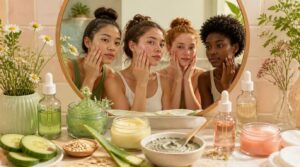
Not every teen’s skin works the same way, and the right product really does depend on what yours is actually doing. Whether you’re dealing with nonstop breakouts, tight dry patches, or something in between, there are clean options built for your specific situation. Here’s a breakdown by skin type to make it easier to find your fit.
For ingredient-conscious picks, explore ethical skincare ingredient trends that balance teen-friendly results with transparent sourcing.
Oily and Acne-Prone Skin
Your skin making extra sebum isn’t a flaw, it’s just biology working overtime.
Extra oil isn’t a flaw—it’s simply your skin’s biology working overtime
For oily, acne-prone skin, a gentle foaming cleanser twice daily (plus after sweating) clears pores without stripping. Look for nontoxic, natural ingredients like salicylic acid or niacinamide, and always finish with a lightweight, oil-free moisturizer.
Sensitive skin care principles apply here too: no harsh scrubbing, no alcohol.
Dry and Dehydrated Skin
Unlike oily skin, dry skin needs a different focus: keeping moisture sealed in, not clearing things out.
A ceramide cream applied right after washing seals your skin barrier, and hyaluronic acid draws water deeper where it counts.
Try these habits:
- Spritz a hydrating toner first
- Apply moisturizer on damp skin
- Keep showers under 10 minutes
- Use warm water, not hot
Sensitive and Irritated Skin
If your face stings after washing or turns red from a new product, your skin is asking for a calmer approach. A sensitive skin care routine starts with skin barrier repair. Choose gentle cleansers with no alcohol or dyes, then layer a fragrance-free moisturizer on damp skin. Anti-inflammatory skincare ingredients like aloe vera help quiet redness fast.
| Symptom | Common Trigger | Gentle Fix |
|---|---|---|
| Stinging or burning | Fragranced products | Fragrance-free cleanser |
| Redness or flushing | Alcohol-based toners | Aloe vera or oat mist |
| Dry, flaky patches | Hot water, harsh soap | Barrier repair cream |
Combination and Congested Skin
Your T-zone is an oil slick, but your cheeks feel tight and dry. That’s combination skin, and it often comes with congested skin too: bumpy pores, especially around the nose and chin.
A salicylic acid cleanser helps dissolve that buildup, while noncomedogenic products keep moisture in without blocking pores. Nontoxic skincare makes this balance easier to find.
Tween and Beginner Routines
Starting fresh is actually the easiest place to be. If you’re new to skincare, a simple teen skincare routine with just three steps is enough:
- A gentle cleanser for teens formulated with natural ingredients
- A lightweight, nontoxic moisturizer
- Broad-spectrum SPF 30 sunscreen
Sensitive skin solutions work perfectly here since they’re mild and forgiving for skin still figuring itself out.
How to Choose Safe Natural Skincare
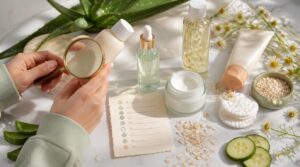
Picking a skincare product that’s actually safe takes more than just reading "natural" on the label. There’s a handful of things worth checking before you add anything to your routine — from how a brand lists its ingredients to whether those claims are even verified. Here’s what to look for.
Ingredient and Fragrance Disclosure
When you flip over a bottle and see ‘fragrance’ on the label, that one word can hide dozens of ingredients. The fragrance loophole lets brands keep parabens or phthalates, types of endocrine disruptors, out of plain sight.
Brands aren’t required to list them individually. So ingredient transparency matters, and you can often find fragrance breakdowns on a brand’s own website.
Potential Endocrine-Disrupting Ingredients
Those hidden ingredients have a name worth knowing: endocrine-disrupting chemicals, substances tied to hormone disruption that can mimic or block your body’s natural signals.
Parabens and phthalates are the most common culprits, often tucked inside the fragrance loophole you read about. Choosing products labeled "paraben-free," "phthalate-free," and "BPA-free" is a simple, practical step toward cutting that exposure from your routine.
Trusted Third-Party Safety Certifications
Trusting a brand’s word alone only goes so far. Third-party certifications mean an outside organization actually checked the claims. Look for these on your products:
- EWG Verified: screens 1,400+ restricted ingredients
- MADE SAFE: confirms no known harmful chemicals
- USDA Organic: verifies sourcing standards
Each one signals that a product has cleared real safety standards, not just clean beauty marketing language.
Greenwashing Claims to Question
Even with solid certifications, greenwashing can still slip through. These claims deserve a second look:
| Claim | What It Implies | What to Ask |
|---|---|---|
| "Natural" | Clean, safe formula | Check for parabens and the fragrance loophole |
| "Eco-friendly" | Planet-conscious brand | Any real emissions data? |
| "Non-toxic" | No endocrine disruptors | Where’s the third-party proof? |
Transparency beats taglines every time. Look beyond the buzzword before you buy.
Price, Packaging, and Overall Value
Spending $32 to $60 on natural skincare products for teenagers sounds like a lot, but the overall value gets better when you buy bundles, which usually save 15 to 30 percent versus single items.
Look for kits with recyclable packaging and airless pumps too.
Seasonal sales can shave off another 10 to 20 percent, making budget-friendly routines easy to build.
Best Ingredients for Teenage Skin
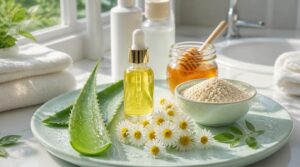
Not all natural ingredients are created equal — some genuinely work for teen skin, and a handful stand out for their research-backed results. Knowing which ones to look for makes reading ingredient labels a lot less overwhelming. Here are the five worth keeping on your radar.
Tea Tree Oil for Breakouts
Tea Tree Oil can help with acne breakouts, but treat it like a strong active, not a harmless shortcut. Never dab pure essential oil straight onto your skin.
Mix one part tea tree oil with three parts noncomedogenic jojoba oil, patch-test first, then apply a tiny amount only to spots. Skip eyes and lips, and stop if stinging or redness shows up.
Aloe Vera for Sensitive Skin
When your face feels hot, tight, or easily annoyed, aloe vera can be a calming extra step. Its clear inner-leaf gel is mostly water and helps moisturize sensitive skin without feeling heavy.
Choose fragrance-free, noncomedogenic products with aloe high on the list. After gentle cleansers for teens, apply a thin layer, then moisturize. Patch-test fresh gel first, and drain away the yellow latex.
Willow Bark for Clogged Pores
Willow Bark is a gentle helper for clogged pores, especially if stronger acne products leave your skin dry. It contains salicin, a plant compound related to salicylic acid, and can loosen surface buildup.
For teenagers building a natural skincare routine, choose a fragrance-free, noncomedogenic cleanser or toner with willow bark. It’s best for maintenance, not stubborn active congestion, so don’t expect overnight pore magic.
Vitamin C for Dark Spots
Dark spots love to linger. A vitamin C serum is great for hyperpigmentation treatment, blocking melanin (the pigment behind discoloration) and fighting free radical damage from sun exposure.
- Apply just a few drops to clean skin each morning
- Layer it before moisturizer and sunscreen
- Start every other day to build antioxidant protection
- Expect dark spot fading after about 3 months
Azelaic Acid for Redness
If your skin flushes easily, azelaic acid might become your new go-to. Found naturally in grains like wheat and barley, it works as a gentle anti-inflammatory ingredient that calms visible redness without stripping sensitive skin.
It’s well tolerated across most skin types and comes in creams or gels. Start with a lower concentration and apply twice daily for steady, noticeable results.
Simple Natural Skincare Routine for Teenagers
Building a solid skincare routine doesn’t have to be complicated — in fact, the simpler, the better for teen skin. A few consistent steps done right can make a bigger difference than a ten-product shelf full of trendy extras. Here’s what a natural, no-fuss routine actually looks like when you break it down.
Gentle Daily Cleansing
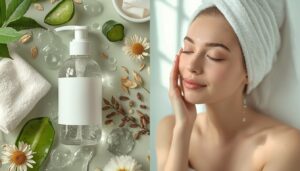
The right gentle cleansers for teens skip harsh sulfates and use mild surfactants that clean without stripping natural oils. A pH-balanced formula around 5.5 to 6.5 is key for skin barrier repair. Rinse with lukewarm water.
- Reach for gentle plant-based formulas
- Choose noncomedogenic products
- Rinse lukewarm, never hot
- Go fragrance-free for sensitive skin
- Add a hydrating toner after cleansing
Lightweight Noncomedogenic Moisturizing
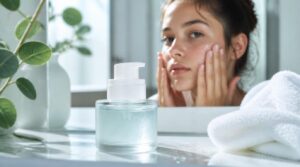
After cleansing, your skin still needs moisture but not a heavy, greasy layer sitting right on top. A lightweight moisturizer labeled noncomedogenic (meaning it won’t clog pores) with hyaluronic acid or glycerin pulls water in without feeding breakouts. It also helps steady oil regulation.
Apply it while still damp from that hydrating toner to support skin barrier repair more effectively.
Broad-Spectrum Sunscreen Every Morning
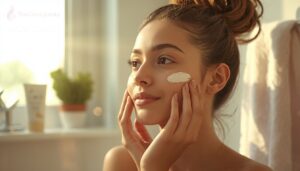
Lock in that lightweight moisture with broad-spectrum sunscreen every morning, even when the sky looks gray. Choose SPF sunblock labeled SPF 30 or higher, then let it settle for two to five minutes before makeup.
- Face
- Neck
- Ears
- Hairline
- Hands
Mineral sunscreen suits sensitive skin. Pick a budgetfriendly SPF or lightweight SPF lotion, then reapply it every two hours outdoors.
Post-Workout Sweat and Makeup Removal

After sunscreen and a workout, don’t let sweat sit around. Wash your face with warm water and a gentle cleanser after changing out of damp clothes.
Can’t shower yet? Nontoxic face wipes can lift surface sweat, makeup, oil, and sunscreen until you can rinse properly. Skip harsh scrubs. Cleansing and moisturizing keeps your Teen skincare routine simple, while Plantbased skincare in Sustainable packaging feels like a thoughtful extra.
When to Seek Dermatology Care

Although most Teenage skin care stays simple, some problems need more than a Dermatologist-tested cleanser.
Get help for Hormonal acne that hurts, scars, or affects confidence. For Breakout prevention tips, ask about your options.
Frequently Asked Questions (FAQs)
What is a good natural skin care routine for teenagers?
Three basic steps work best: a natural skincare routine for teenagers means cleanse, moisturize, then use SPF daily, choosing gentle plantbased formulas and noncomedogenic products for skin barrier repair, breakouts, teen selfesteem and skin confidence.
What is the best skin care brand for teenagers?
Kinship is a strong teen skin care choice for its simple five-step routine, gentle natural ingredients, and daily SPF. It suits acne-prone or sensitive skin without making clean beauty feel confusing or overly complicated.
What is the best skincare for teenage skin?
Like a calm reset after a busy day, the best teenage skincare is gentle and consistent: cleanse, moisturize, and wear SPF daily. Choose clean beauty with natural ingredients, then add one acne treatment for sensitive skin.
What are the best skin care products for teenagers?
The best teenage skin care uses a gentle cleanser, lightweight moisturizer, and SPF 30 daily. For acne or sensitive skin, choose fragrance-free formulas with natural ingredients like aloe, willow bark, or azelaic acid for a simple clean beauty routine.
Can natural skincare completely prevent teenage acne?
No. Natural skincare can support acne prevention by reducing irritation and supporting skin microbiome support, but teenage acne also involves hormones, genetics, stress, and inflammation. Choose gentle organic ingredients, not harsh “cures,” and seek help for stubborn breakouts.
When should teens start using skincare products?
A good rule of thumb: start around ages 10 to 12, when hormonal changes can bring oily skin or acne. Teenagers usually need only gentle cleansers for teens, moisturizer, and sunscreen, not a crowded shelf.
Are expensive natural products always better quality?
No. Expensive natural products may pay for packaging and marketing, not better results. For teenage skincare, compare active natural ingredients, stable formulas, and fragrance levels. Price vs efficacy matters less than what your skin tolerates.
Can boys use the same products as girls?
Boys can use the same products as girls. Teenage skin concerns come from hormonal changes and skin type, not gender. Choose genderneutral, noncomedogenic skincare, plus gentle exfoliation for teens, based on oiliness, dryness, sensitivity, and breakouts.
How long before seeing skincare routine results?
Expect hydration and skin-barrier comfort within 1–2 weeks. For oily skin, acne, breakouts, and hormonal acne, give your routine 6–8 weeks of daily use; fading marks or stubborn texture may take up to 12 weeks.
How should teens patch-test new skincare products?
Patch testing uses a quarter-sized spot: apply your normal amount twice daily to inner forearm for 7–10 days. Sensitive skin, gentle exfoliation, teen skincare education, and parental skincare guidance matter. Wash off hives or stinging.
Conclusion
Slow and steady wins the race: build your routine around what your skin actually needs, not the loudest label on the shelf. The right natural skincare products for teenagers are gentle, clearly disclosed, and easy to use consistently.
Keep it simple: cleanse, moisturize, wear sunscreen, then give each product time to work. If breakouts hurt, scar, or won’t ease up, a dermatologist can help. Healthy skin isn’t perfect, it’s comfort and confidence in your face.