This site is supported by our readers. We may earn a commission, at no cost to you, if you purchase through links. This content is for general informational and educational purposes only and is not a substitute for professional medical, dermatological, or nutritional advice.
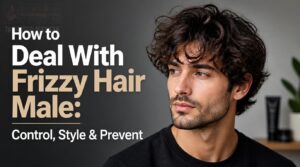
You rinse, condition, and style the same way every morning. Then humidity hits, and ten minutes later it looks like you skipped all of it. Frizz doesn’t care about your routine if the routine is wrong.
The real issue isn’t your hair type. Most men treat frizz after it forms instead of stopping it before it starts. Small shifts in how you wash, dry, and style separate a smooth finish from a puffy one.
Knowing how to deal with frizzy hair as a man starts with what’s happening inside each strand, and ends with habits that keep moisture where it belongs.
Table Of Contents
- Key Takeaways
- How Can Men Control Frizzy Hair?
- Why Does Men’s Hair Get Frizzy?
- Best Washing Routine for Frizzy Hair
- How to Dry and Style Hair Without Frizz
- How Men Can Prevent Frizz Long Term
- Frequently Asked Questions (FAQs)
- Is frizzy hair unhealthy?
- Why is my hair always frizzy male?
- Can frizzy hair be fixed?
- Is frizzy hair dry or oily?
- What are the best hairstyles for men with frizzy hair?
- How often should I shampoo and condition my hair?
- What is the difference between hair oil and hair serum?
- How do I know which leave-in conditioner is best for my hair type?
- Does diet affect mens frizzy hair directly?
Key Takeaways
- Frizz usually gets worse when you try to fix it after it starts, so the priority is stopping it early with the right wash/dry/style order.
- Work leave-in conditioner into the mids and ends on damp hair, then seal it with a small amount of oil and finish with anti-frizz styling to block humidity.
- Dry carefully by blotting with a microfiber towel, using a wide-tooth comb, and leaving hair untouched until it’s fully dry (heat opens the cuticle and increases frizz).
- Long-term control comes from protecting cuticles from causes like rough towel friction, humidity/heat/sun, chlorine, and sleep friction, plus regular trims to prevent split ends from spreading damage.
How Can Men Control Frizzy Hair?

Controlling frizzy hair comes down to a few key habits you build into your daily routine. The good news is that none of them are complicated — they just require the right order and the right products. Here’s where to start.
Once you’ve nailed the basics, this guide to frizzy hair remedies and product picks can help you fine-tune your routine for any climate or hair type.
Start With Damp Hair
Timing matters. Damp hair sits at roughly 60% dry, not dripping, just lightly moisturized. After rinsing with lukewarm or cold water, blot with a microfiber towel until hair feels slightly moist. That’s your window for frizz prevention.
- Squeeze a section; no dripping means you’re ready
- Blot, don’t rub
- Check that moisture feels even throughout
- Style before your hair fully dries
Apply Leave-in Conditioner
Once your hair is damp, reach for a leave-in conditioner. Grab a dime-sized amount for short hair, a quarter for medium, or a half-dollar for long. Work it through the mids to ends only and keep clear of the roots to prevent grease.
Then comb through with a wide-tooth comb to spread it evenly and help detangle before air drying.
Beyond taming frizz, it also offers heat protection benefits when applied before using any styling tools.
Seal Moisture With Hair Oil
After the leave-in conditioner, seal that moisture in with a hair oil while your hair is still damp. A few drops through the mid-lengths and ends is plenty.
Oil forms a protective film over the cuticle, slowing water loss as your hair dries. Skip the roots to prevent buildup. Done right, your hair moisture can last two to four days.
Use Anti-Frizz Styling Products
Once your hair oil is in, layer a styling product over it. A hair serum, antifrizz serum, or argan oil-based cream all smooth the cuticle and block humidity. Work a small amount from mid-length to ends, after your leave-in conditioner has absorbed.
For curlier or thicker hair, a light hold gel gives extra control while still letting the hair move.
Avoid Touching Drying Hair
Once your products are in, step away. Every time you run fingers through damp hair, you lift the hair cuticle, and a lifted cuticle is an open door for frizz. Curly and wavy textures are especially vulnerable.
Leave hair completely untouched until it’s dry, and the definition you built with your styling products will actually hold.
Why Does Men’s Hair Get Frizzy?

Frizz doesn’t just happen — there’s always a reason behind it. Understanding what’s working against your hair is the first step to actually fixing it. Here are the most common causes of frizzy hair in men.
Frizz always has a cause, and finding it is the first step to fixing it
Raised or Damaged Cuticles
Each strand has a hair cuticle, a protective outer layer made of overlapping scales. When those scales lift or crack, moisture escapes fast and frizz takes over. Common culprits include:
Sealing those scales back down with the right formula — whether a serum, leave-in, or curl cream — is exactly where hair drying styling products built for air drying earn their place in your routine.
- Aggressive brushing that disrupts cuticle sealing
- Chemical treatments that compromise hair cuticle health
- Rough towel drying that prevents hair cuticle smoothing
Hair shaft repair starts with keeping those scales flat.
Humidity, Heat, and Sun
Hot, humid days are basically a recipe for frizzy hair. High humidity causes strands to absorb moisture from the air, making them swell and puff outward.
Direct sun makes it worse, drying the surface fast and creating rough texture that raises friction. A leave-in serum or anti-humidity spray before you go out helps maintain your hair moisture balance all day.
Overwashing and Moisture Loss
Wash too often and your scalp fights back, producing more oil to replace what you stripped. That’s the overwashing cycle.
Signs you’re overdoing it:
- Hair feels brittle but scalp looks oily
- Frizz worsens over time
- Scalp itches or flakes
- Color fades fast
A good moisturizing sulfate free shampoo fights hair dryness, restores hair hydration, and maintains your hair moisture balance.
Towels, Hats, and Friction
Rough towel friction lifts the hair cuticle and causes frizzy hair.
A microfiber towel cuts that friction and speeds up drying.
| Contact Type | Friction Level | Frizz Risk |
|---|---|---|
| Terry cotton towel | High | High |
| Microfiber towel | Low | Low |
| Damp hat liner | High | High |
| Dry hat liner | Medium | Medium |
| Air-dry, no contact | None | Lowest |
Hats can also trap humidity, adding more frizz risk.
Hair Type and Health
Your hair type is one of the biggest factors behind male frizzy hair.
- Curly and coily types have naturally raised cuticles, so regular moisturizing becomes essential
- High porosity hair absorbs humidity fast but can’t retain moisture
- Chemically treated hair loses elasticity, which creates flyaways
Hair damage prevention starts with knowing your type. The right routine depends on it.
Best Washing Routine for Frizzy Hair

How you wash your hair matters just as much as what you put on it afterward. A few simple changes to your routine can make a real difference in how your hair looks and feels. Here’s what to do.
Choose Sulfate-Free Moisturizing Shampoo
The wrong shampoo makes frizzy hair worse. Sulfate-based shampoos strip your scalp bare, so swapping them is the smartest fix in your hair care routine. A sulfate-free moisturizing formula protects oils and helps hair texture improvement.
| Look For | Avoid |
|---|---|
| Coco-glucoside | Sodium lauryl sulfate |
| Glycerin | Alcohol-based formulas |
| Argan or jojoba oil | Harsh detergents |
| pH-balanced mix | Strong fragrances |
| Gentle surfactants | Stripping agents |
Shampoo Only When Oily
Even a sulfate-free shampoo can dry out frizzy hair if you use it too often. Shampoo when your scalp feels oily, not on a fixed schedule. Oily hair usually looks its best on wash day. If it still looks fine by day three, skip it. Washing only when needed keeps your scalp clean without stripping the moisture frizzy hair depends on.
Condition After Every Wash
Skipping washes keeps moisture in, but conditioning puts it back. Shampoo opens the hair cuticle, leaving strands prone to frizz. Conditioner seals it, which is the basis of hair moisturizing techniques and hair friction reduction.
Apply conditioner from mid-lengths to ends, leave it on for about two minutes, then rinse. For dry hair, a leave-in conditioner improves overall moisture retention.
If you’ve ever used heavy products like petroleum jelly near your scalp, knowing how to remove Vaseline from hair without damage can save your moisture routine from an occlusive buildup that conditioner alone won’t fix.
If you’re still battling frizz after conditioning, these tips for reducing frizz in faux locs can help you pinpoint and tackle the root cause.
Rinse With Lukewarm Water
Beyond conditioning, lukewarm water (98°F to 105°F) closes the hair cuticle and helps hair moisture retention. Hot water strips oils; a cold water rinse seals poorly. Both worsen frizzy hair, so adjust regardless of your hair washing frequency.
- Test on your inner wrist
- Target 98°F to 105°F
- Avoid hot water
- Skip cold rinses
- Rinse gently
Deep Condition Weekly
Weekly deep conditioning is the step most men overlook. A deep conditioner or hair mask gives your hair concentrated moisturizing and hair nourishment that helps hair repair, far beyond what regular conditioner delivers.
| Hair Type | Best Formula | Frequency |
|---|---|---|
| Coarse or curly | Shea or coconut butter | Weekly |
| Fine or oily | Lightweight, protein-free | Monthly |
| Damaged or treated | Keratin hair mask | Twice weekly |
How to Dry and Style Hair Without Frizz
How you dry and style your hair matters just as much as how you wash it. The wrong move at this stage can undo everything you did in the shower. Here are the best techniques to keep frizz from sneaking back in.
Blot With Microfiber Towels
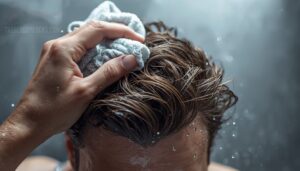
The moment you grab a regular cotton towel and start rubbing, you’re already inviting frizz in. Microfiber towels lift water into ultra-fine fibers instead of pushing it across your hair. Press and blot gently, switching to a dry section as the towel gets saturated. This matters most for coarser hair textures and high-porosity hair, which lose manageability fast from friction.
Use a Wide-Tooth Comb
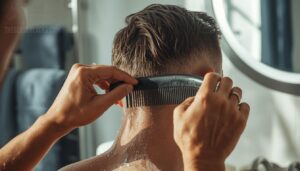
After blotting, reach for a wide-tooth comb before applying any hair styling products. Starting at the ends and working upward prevents large knots and reduces hair damage. Damp hair with conditioner still coating it gives the comb enough slip to glide through. Section thicker hair as you go.
This one step in your hair care routine keeps frizz from forming.
Air-Dry Whenever Possible

Skip the blow dryer when you can. Heat opens the hair cuticle and drives frizz up fast, so air dry whenever possible to keep your hair’s natural moisture where it belongs.
After combing, apply a leave-in conditioner or a small drop of oil to damp hair. Then leave it alone. Touching or scrunching during drying disturbs the cuticle and undoes your whole hair care routine.
Use Low Heat
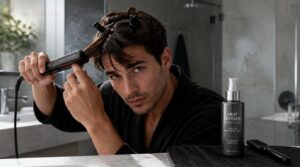
When you can’t avoid heat, keep it controlled. High temperatures cause real hair damage and push frizz to the surface fast. Use your heat styling tools the right way:
- Set to low heat (250°F to 350°F)
- Apply heat protectant first
- Choose ceramic or tourmaline tools
- Style in small sections
- Let hair cool before touching
That’s basic hair protection in practice.
Choose Frizz-Friendly Hairstyles

Your cut does half the work. Male frizzy hair reacts badly to too many short layers or too much bulk. Both kill weight and shape. Ask your stylist for cuts that keep length where it counts.
For styling, work a few drops of argan or jojoba oil through damp hair, then finish with an anti-humidity spray to lock it in.
How Men Can Prevent Frizz Long Term

Controlling frizz day-to-day is one thing, but keeping it under control long term takes a few consistent habits. The good news is that none of them are complicated — they just need to become part of your routine. Here’s what actually helps over time.
Trim Split Ends Regularly
Split ends silently work against you. Once an end splits, damage travels up the shaft, making frizz worse and leaving hair more prone to breakage.
That’s why regular trimming is a key part of any hair maintenance routine. Aim for every six to eight weeks. A quick dusting trim removes minimal length but keeps your hair strength and elasticity strong.
Protect Hair From Chlorine
Chlorinated water causes real hair damage, lifting cuticles and stripping moisture. Rinse your hair with clean water before entering the pool for simple but effective hair protection.
For swimmers who also use henna, pairing this pre-rinse habit with a guide to maximizing henna color longevity on straight hair can help protect both moisture and dye from chlorine’s stripping effects.
- Saturate strands with fresh water first to limit chlorine absorption
- Apply a light hair cream or argan, jojoba, or coconut oil as a barrier
- Rinse immediately after swimming to flush any residue out
Limit Sun and Heat Damage
UV rays and high heat fry your hair the same way chlorine does. On sunny days, wear a hat with a brim and apply broad spectrum SPF 30 along your entire hairline.
When you’re styling, keep heat tools low and use a protectant spray first. On humid days, that combination helps lock in moisture and fight frizz before it starts.
Sleep on Satin or Silk
Protection doesn’t stop when the sun goes down. Your pillow creates friction all night, and cotton snags the hair cuticle, leaving you with more frizz by morning. Swapping to a satin or silk pillowcase is a simple fix:
- Cuts hair surface friction while you sleep
- Preserves your hair’s moisture balance
- Boosts hair manageability overnight
- Adds passive frizz and humidity protection
Consider Professional Keratin Treatments
When nothing else seems to tame your frizz, professional keratin treatments are worth serious consideration. A stylist applies a keratin solution, lets it sit a few hours, then seals it in with a flat iron. The result is smoother, more manageable hair lasting three to six months. For a salon-quality boost between appointments, a home keratin treatment kit can help maintain that smooth, frizz-free finish.
Keep in mind: some formulas contain chemicals that may irritate sensitive scalps.
Frequently Asked Questions (FAQs)
Is frizzy hair unhealthy?
Frizz has built a reputation as proof your hair is in crisis. It isn’t. Male frizzy hair is mostly a hair porosity issue, not a sign of serious hair health problems or hair breakage.
Why is my hair always frizzy male?
Your hair porosity is often the real reason behind persistent frizz. When the cuticle lifts, humidity easily gets in. Male frizzy hair responds well to a leave-in conditioner or serum that locks moisture in place.
Can frizzy hair be fixed?
Yes, frizzy hair can be fixed. The right products and habits, like leave-in conditioner, hair oils, and anti-humidity sprays, make a real difference. Consistency is what turns it around.
Is frizzy hair dry or oily?
Dry hair is almost always behind the frizz. When your cuticles are raised, moisture escapes easily. Your hair type plays a role too, and even an oily scalp can leave ends dry and frizzy.
What are the best hairstyles for men with frizzy hair?
Dampen your styling, like laying a smooth base before you stack layers. Try a sleek high ponytail or zipper braid for humidity control, plus scissor-straight textured cuts that hold your hair texture.
How often should I shampoo and condition my hair?
Shampoo every 2 to 3 days with a hydrating, sulfate-free formula, especially if your scalp gets oily. Condition after each wash, focusing mid-lengths and ends, 3 to 5 minutes. Trim split ends every 68 weeks.
What is the difference between hair oil and hair serum?
Frizz needs balance: oil penetrates your hair shaft for long-lasting moisture, while serum coats the cuticle to smooth strands fast. Use oil as pre-wash, serum after styling for a sleek finish and control.
How do I know which leave-in conditioner is best for my hair type?
How do I know which leave-in conditioner is best for my hair type? Look for a lightweight formula if your hair is fine or easily weighed down, and a richer cream with oils for thick or coarse hair. Match texture, density, and goals.
Does diet affect mens frizzy hair directly?
Picture diet as your hair’s foundation, not a quick fix. Poor micronutrients and weak protein intake can dry hair fibers and raise frizz. Better hydration, omega-3s, and vitamins support overall hair health, indirectly.