This site is supported by our readers. We may earn a commission, at no cost to you, if you purchase through links. This content is for general informational and educational purposes only and is not a substitute for professional medical, dermatological, or nutritional advice.
Sensitive, dry skin doesn’t need more products—it needs the right ones. The difference between a moisturizer that soothes and one that quietly worsens your skin barrier often comes down to a handful of ingredients buried deep in a label most people never read.
Fragrance, drying alcohols, and high-dose acids are some of the most common culprits hiding in formulas marketed to sensitive skin. Meanwhile, the ingredients that genuinely repair—ceramides, hyaluronic acid, and niacinamide—require specific concentrations to do meaningful work.
These ten dermatologist-reviewed hydrating moisturizers for sensitive dry skin cut through the noise, so you know exactly what you’re putting on your skin and why it works.
Table Of Contents
- Key Takeaways
- Top 10 Hydrating Moisturizers
- 1. Retinol Collagen Hyaluronic Acid Moisturizer
- 2. Illiyoon Ceramide Ato Concentrate Cream Moisturizer
- 3. Neutrogena Fragrance Free Daily Moisturizer
- 4. La Roche-Posay Toleriane Dermallergo Moisturizer
- 5. Vanicream Sensitive Skin Moisturizer
- 6. Cetaphil Hydrating Face Body Cream
- 7. L’Oreal Paris Hydra-Renewal Face Moisturizer
- 8. Aestura Atobarrier365 Ceramide Barrier Cream
- 9. The Ordinary Natural Moisturizing Factors Hyaluronic Acid
- 10. Aveeno Calm Restore Redness Relief
- Key Ingredients for Dry Sensitivity
- Ingredients Sensitive Skin Should Avoid
- Texture and Skin Type Match
- How to Compare Moisturizers
- Application Tips for Better Hydration
- Frequently Asked Questions (FAQs)
- What is the best hydrating moisturizer for sensitive skin?
- What is the best moisturizer for dry skin and sensitive skin?
- What moisturizer should I use after benzoyl peroxide?
- Can dry skin use niacinamide?
- What is the most hydrating moisturizer for sensitive skin?
- What is the best moisturiser for very dry, sensitive skin?
- Which type of moisturizer is best for dry, sensitive skin?
- How to hydrate extremely dry, sensitive skin?
- What is the best moisturizer for dry, sensitive skin?
- How do you rehydrate dry sensitive skin?
- Conclusion
Key Takeaways
- Ceramides, hyaluronic acid, and niacinamide are the ingredients that genuinely repair sensitive, dry skin — but only when present in meaningful concentrations, not just listed on the label.
- Fragrance, drying alcohols, and high-dose exfoliating acids are the most common barrier disruptors hiding in formulas that claim to help sensitive skin.
- Applying moisturizer to lightly damp skin within three minutes of cleansing measurably improves humectant absorption and reduces transepidermal water loss.
- Texture should match your skin’s actual needs — thick ceramide creams for very dry or eczema-prone skin, lightweight gel-creams for oily or combination types — because the wrong consistency undermines even the best formula.
Top 10 Hydrating Moisturizers
Finding the right moisturizer for sensitive, dry skin isn’t guesswork — it comes down to knowing which formulas actually protect your barrier without triggering a reaction.
For a deeper look at barrier-friendly formulas ranked by skin type and climate, the best facial moisturizers for dry sensitive skin break down exactly what to look for before you buy.
Each option below was selected based on its ingredient profile, tolerance record, and suitability for reactive skin. Here are ten dermatologist-approved moisturizers worth a closer look.
1. Retinol Collagen Hyaluronic Acid Moisturizer
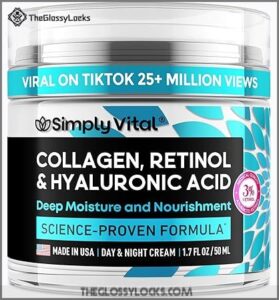
The SimplyVital Collagen Cream packs three proven actives into one formula — retinol for cell turnover, collagen to support firmness, and hyaluronic acid to bind moisture where your skin needs it most.
Because retinol can irritate, start using it just once or twice a week and always follow with SPF 30+ during the day. Patch test first.
The pump dispenser keeps things hygienic, though reaching the last bit of product can be frustrating. Best suited for those easing into retinol carefully.
| Best For | Anyone — men or women — who wants to ease into retinol-based anti-aging skincare while keeping skin hydrated and firm. |
|---|---|
| Volume | 1.7 fl oz |
| Skin Type | Dry, all skin types |
| Fragrance-Free | Not stated |
| Non-Comedogenic | Not stated |
| Key Ingredient | Retinol & Collagen |
| Application Area | Face & Neck |
| Additional Features |
|
- Combines three powerhouse ingredients (retinol, collagen, and hyaluronic acid) in a single moisturizer
- Works for both day and night use, and can be applied to the face and neck
- Helps visibly firm skin while keeping dryness and rough patches in check
- Retinol increases sun sensitivity, so SPF 30 is a must every morning
- Can cause irritation or redness, especially at first — beginners need to start slow
- The pump design makes it hard to get every last bit of product out of the bottle
2. Illiyoon Ceramide Ato Concentrate Cream Moisturizer
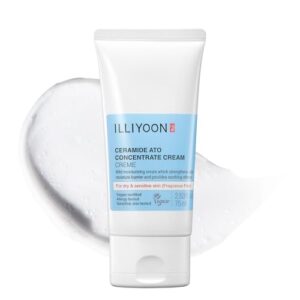
If retinol felt like a step up in complexity, the Illiyoon Ceramide Ato Concentrate Cream is a step toward simplicity. Its multi-molecular phytoceramide complex delivers encapsulated ceramides that release on contact, reinforcing your barrier and cutting transepidermal water loss over time.
The bio-identical mix of ceramides, cholesterol, and fatty acids closely mirrors your skin’s own lipid structure — which means repair feels natural rather than forced. Clinically validated to reduce redness and itching, it’s safe for eczema-prone skin and even infants.
| Best For | Anyone with dry, sensitive, or eczema-prone skin who wants a straightforward, deeply hydrating barrier repair cream — including babies and those recovering from skin irritation. |
|---|---|
| Volume | 2.53 fl oz |
| Skin Type | Dry, sensitive, all ages |
| Fragrance-Free | Not stated |
| Non-Comedogenic | No |
| Key Ingredient | Phytoceramides |
| Application Area | Face |
| Additional Features |
|
- Mirrors your skin’s natural lipid structure with a bio-identical ceramide, cholesterol, and fatty acid blend, making barrier repair feel seamless
- Clinically validated to reduce redness, itching, and sensitivity — safe for all ages including infants
- Locks in moisture for up to 100 hours, making it an excellent overnight recovery treatment
- Rich, occlusive texture can clog pores and isn’t suitable for acne-prone or fungal acne-prone skin
- May feel too heavy for those who prefer lightweight, fast-absorbing moisturizers
- Those with extreme sensitivities should patch test first, as allergic reactions are possible
3. Neutrogena Fragrance Free Daily Moisturizer
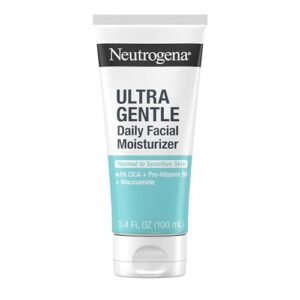
Where the Illiyoon leans on lipid complexity, the Neutrogena Fragrance Free Daily Moisturizer keeps things refreshingly straightforward. Its multivitamin complex — niacinamide, pro-vitamin B5, and vitamin E — works together to calm redness, condition the barrier, and defend against daily environmental stress.
The formula is noncomedogenic and fragrance-free, making it a reliable daily option for sensitive or rosacea-prone skin. It absorbs quickly, layers cleanly under sunscreen, and won’t pill.
| Best For | Sensitive, rosacea-prone, or reactive skin types who want a clean, no-fuss daily moisturizer that layers well under sunscreen. |
|---|---|
| Volume | 4.16 oz |
| Skin Type | Sensitive, reactive, dry |
| Fragrance-Free | Yes |
| Non-Comedogenic | Yes |
| Key Ingredient | Niacinamide & CICA |
| Application Area | Face & Neck |
| Additional Features |
|
- Niacinamide, vitamin E, and CICA work together to calm redness and strengthen the skin barrier
- Lightweight, fast-absorbing formula that won’t clog pores or pill under sunscreen
- Free from fragrance, parabens, mineral oil, and dyes — great for easily irritated skin
- The protective foil seal on the nozzle can be tricky to remove
- A little goes a long way, so it takes some trial and error to find the right amount
- Results may vary depending on how your skin responds to specific ingredients like niacinamide
4. La Roche-Posay Toleriane Dermallergo Moisturizer
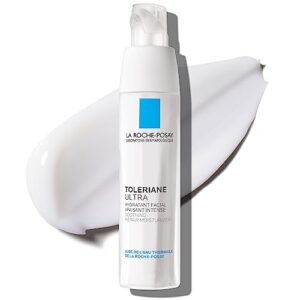
Neutrogena covers the basics well, but if your skin reacts to almost everything, you may need a step up in protection. The La Roche-Posay Toleriane Dermallergo was built specifically for ultra-sensitive and rosacea-prone skin, combining Neurosensine and Thermal Spring Water to reduce reactivity while delivering lasting hydration.
Its patented airless pump keeps bacteria and air out, which matters when your skin is already compromised. Fragrance-free, alcohol-free, and hypoallergenic — it’s a clinically sound choice for daily use, even under makeup.
| Best For | People with ultra-sensitive, rosacea-prone, or allergy-reactive skin who need a clinically gentle moisturizer they can trust daily. |
|---|---|
| Volume | 2.47 oz |
| Skin Type | Dry, ultra-sensitive, rosacea |
| Fragrance-Free | Yes |
| Non-Comedogenic | Yes |
| Key Ingredient | Thermal Spring Water |
| Application Area | Face |
| Additional Features |
|
- Patented airless pump keeps bacteria and air out, protecting the formula and your skin
- Free from fragrance, alcohol, parabens, and preservatives — a rare find for reactive skin types
- Absorbs quickly and layers well under makeup or sunscreen without pilling
- Pricey for the amount of product you get
- Can feel slightly tacky right after applying
- A few users notice a faint chemical smell despite the fragrance-free claim
5. Vanicream Sensitive Skin Moisturizer
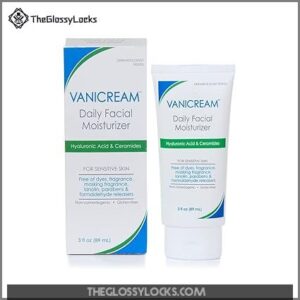
When your skin’s philosophy is "less is more," Vanicream makes a compelling case. This moisturizer strips away fragrance, dyes, lanolin, and parabens — leaving only what your barrier actually needs. Five ceramides (NG, NP, AS, AP, and EOP) work alongside glycerin, hyaluronic acid, and squalane to pull moisture in and keep it there.
The texture is lightweight enough for daily use without clogging pores, yet substantial enough to feel protective. It works under makeup and suits both face and body.
| Best For | People with sensitive, rosacea-prone, or reactive skin who want a clean, no-frills daily moisturizer without unnecessary additives. |
|---|---|
| Volume | 3 fl oz |
| Skin Type | Sensitive, dry, rosacea-prone |
| Fragrance-Free | Yes |
| Non-Comedogenic | Yes |
| Key Ingredient | Ceramides & Squalane |
| Application Area | Face |
| Additional Features |
|
- Free from fragrance, dyes, lanolin, parabens, and formaldehyde-releasers — a genuinely clean formula for sensitive skin
- Five ceramides plus hyaluronic acid, squalane, and glycerin deliver real, lasting hydration without clogging pores
- Lightweight enough to wear under makeup or layer with other treatments day or night
- No SPF, retinol, or anti-aging actives — you’ll need separate products if those are priorities
- May not be rich enough for very dry or eczema-prone skin that needs heavier, more occlusive moisture
- Packaging can vary between shipments, which may affect how familiar the dispenser feels to use
6. Cetaphil Hydrating Face Body Cream
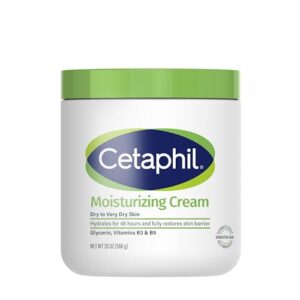
Cetaphil has long been a dermatologist’s go-to for a reason. This cream pairs glycerin and panthenol to pull water into the skin, while petrolatum and dimethicone seal it there — a classic humectant-occlusive pairing that works particularly well on very dry or eczema-prone skin.
For warmer days when heavy occlusives feel like too much, lightweight facial moisturizers for hot climates offer that same hydration without the heaviness.
The thick but non-greasy texture spreads easily across both face and body, offering 48-hour hydration without fragrance, parabens, or sulfates. Apply it to slightly damp skin, and you’ll notice the difference by morning.
| Best For | Anyone with dry to very dry or eczema-prone skin — including kids and those with sensitive skin — who needs a reliable, no-frills daily moisturizer for both face and body. |
|---|---|
| Volume | 20 oz |
| Skin Type | Dry to very dry, sensitive |
| Fragrance-Free | Yes |
| Non-Comedogenic | Yes |
| Key Ingredient | Sweet Almond Oil |
| Application Area | Face & Body |
| Additional Features |
|
- Clinically tested for 48-hour hydration using a smart humectant-occlusive combo (glycerin, panthenol, and dimethicone) that actually locks moisture in
- Fragrance-free, paraben-free, and sulfate-free — gentle enough for sensitive and eczema-prone skin, even on children
- Versatile 20 oz tub works head-to-toe, tackling rough spots like hands, elbows, and feet just as well as the face
- The thick formula can feel heavy or pore-clogging on oily or acne-prone skin
- No SPF, so you’ll need a separate sunscreen for daytime use
- The jar packaging isn’t the most travel-friendly — a pump dispenser would be much easier on the go
7. L’Oreal Paris Hydra-Renewal Face Moisturizer
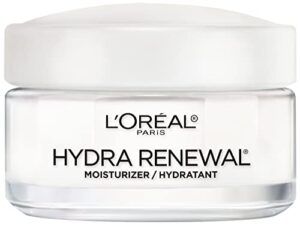
For dry, sensitive skin that needs daily moisture without drama, the L’Oréal Paris Hydra-Renewal earns its spot. Pro-Vitamin B5 binds water to the skin surface and helps maintain a soft, supple feel throughout the day — working much like panthenol does in clinical formulations.
The lightweight, pump-dispensed cream absorbs quickly, skips fragrances and mineral oil, and won’t clog pores. Dermatologist-tested and non-comedogenic, it fits cleanly into both morning and evening routines, either alone or layered under makeup.
| Best For | People with dry or sensitive skin who want lightweight, all-day hydration that works solo or under makeup. |
|---|---|
| Volume | 1.7 oz |
| Skin Type | Dry and sensitive |
| Fragrance-Free | Not stated |
| Non-Comedogenic | Yes |
| Key Ingredient | Pro-Vitamin B5 |
| Application Area | Face |
| Additional Features |
|
- Pro-Vitamin B5 locks in moisture throughout the day for a consistently soft, supple feel
- Lightweight, fast-absorbing formula is non-comedogenic and free of parabens and mineral oil
- Dermatologist-tested and gentle enough for both morning and evening routines
- The thin texture may feel insufficient for those who prefer a richer, more nourishing cream
- Not ideal for very dry skin types that need deeper, more occlusive hydration
- Those needing heavier moisture may need to look at alternatives like the Collagen Moisture Filler
8. Aestura Atobarrier365 Ceramide Barrier Cream
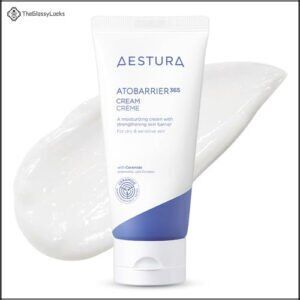
If your barrier feels perpetually depleted, this Korean-formulated cream makes a compelling case. The Aestura Atobarrier365 delivers seven essential ceramides through a capsule delivery system that releases gradually into the stratum corneum, reducing transepidermal water loss over an extended window — up to 120 hours by the brand’s claim.
Fragrance-free, alcohol-free, and non-comedogenic, it also contains panthenol for added comfort. It’s particularly useful after microneedling or retinol recovery, when your barrier needs rebuilding, not challenging.
| Best For | Anyone with dry, sensitive, or eczema-prone skin who needs serious barrier repair — especially after treatments like microneedling or retinol use. |
|---|---|
| Volume | 2.70 fl oz |
| Skin Type | Dry, very dry, sensitive |
| Fragrance-Free | Yes |
| Non-Comedogenic | Yes |
| Key Ingredient | Ceramide Capsules |
| Application Area | Face |
| Additional Features |
|
- Ceramide capsule delivery system provides gradual, long-lasting hydration for up to 120 hours
- Fragrance-free, non-comedogenic, and NEA-accepted — a safe pick for reactive or compromised skin
- Layers well under makeup and sunscreen for an easy addition to your existing routine
- Rich, heavy texture can feel greasy, especially for those with oilier skin
- Some users find it too occlusive to wear comfortably under makeup
- Higher price point than comparable drugstore barrier creams
9. The Ordinary Natural Moisturizing Factors Hyaluronic Acid
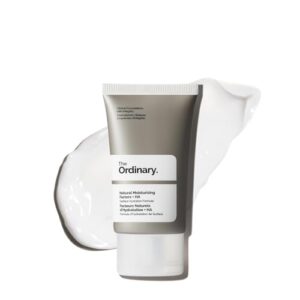
Budget-friendly doesn’t have to mean basic. The Ordinary’s Natural Moisturizing Factors + HA mimics what your skin already produces — amino acids, ceramides, urea, sodium PCA, and hyaluronic acid — making it one of the most ingredient-transparent options on this list.
The lightweight, fragrance-free formula absorbs quickly without greasiness, works under sunscreen without pilling, and suits oily-to-combination skin that can’t tolerate heavier creams. A small amount covers your face and neck, so the tiny bottle lasts longer than you’d expect.
| Best For | Those with oily, combination, or sensitive skin who want a science-backed, no-frills moisturizer that hydrates without heaviness. |
|---|---|
| Volume | 1 fl oz |
| Skin Type | Oily, combination, sensitive |
| Fragrance-Free | Yes |
| Non-Comedogenic | Not stated |
| Key Ingredient | Hyaluronic Acid & Urea |
| Application Area | Face & Neck |
| Additional Features |
|
- Packed with skin-identical ingredients (ceramides, urea, hyaluronic acid) that mimic your skin’s natural moisture factors for genuine barrier support
- Fragrance-free and lightweight — absorbs fast, plays well under makeup and sunscreen, and won’t clog pores
- Highly concentrated formula means a little goes a long way, making the small bottle surprisingly good value
- Needs a short dry-down period before layering other products, which can slow down your morning routine
- The tiny 1 fl oz size looks easy to lose in a skincare drawer and may feel underwhelming for the price point
- Requires a patch test first and shouldn’t be used on broken or compromised skin
10. Aveeno Calm Restore Redness Relief
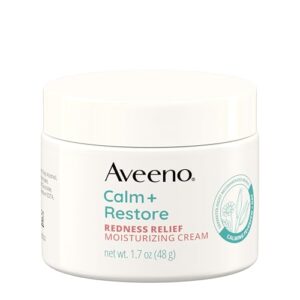
Redness-prone skin needs calming, not just hydrating — and Aveeno’s Calm Restore Redness Relief grips both at once. Feverfew extract and oat-derived avenanthramides work together to reduce visible redness, while ceramide NP reinforces the moisture barrier where irritation often breaks it down.
The formula is fragrance-free, fast-absorbing, and light enough to wear under makeup daily. Some users report mild initial stinging, so patch testing first is wise — especially if your skin is highly reactive.
| Best For | Anyone with sensitive, redness-prone, or rosacea-prone skin who wants a lightweight daily moisturizer that soothes and hydrates without irritation. |
|---|---|
| Volume | 1.7 oz |
| Skin Type | Sensitive, dry, combination |
| Fragrance-Free | Yes |
| Non-Comedogenic | Yes |
| Key Ingredient | Oat & Ceramides |
| Application Area | Face |
| Additional Features |
|
- Feverfew and oat actives actively calm visible redness rather than just masking it
- Ceramides and vitamin B5 rebuild the moisture barrier over time
- Fragrance-free, non-comedogenic, and light enough to layer under makeup or SPF
- Some users experience mild stinging or burning on first use
- Results can vary, with less effectiveness for certain skin types over time
- Small 1.7 oz size may not last long with daily full-face use
Key Ingredients for Dry Sensitivity
Not all moisturizer ingredients are created equal, especially when your skin is both dry and reactive. Knowing which ones actually do the heavy lifting can save you from wasted money and unnecessary flare-ups. Here are the key ingredients worth looking for on the label.
If you’re managing diabetes specifically, prioritizing ingredients that reinforce the skin barrier matters even more — explore the best lotions for diabetic dry skin to see which formulas are worth the attention.
Hyaluronic Acid and Glycerin
Think of these two as your skin’s water team. Hyaluronic acid holds up to 1,000 times its weight in water, plumping the surface layers on contact. Glycerin draws moisture from the air directly into your skin, working continuously throughout the day.
Together, they deliver:
- Surface plumping via HA’s water-binding network
- Deeper moisture through glycerin’s smaller molecules
- Sustained hydration even in dry climates
- Barrier support through consistent moisture balance
Using a layered hydration strategy with both ingredients ensures your skin remains resilient and soft.
Ceramides for Barrier Repair
Hyaluronic acid and glycerin pull water in, but ceramides decide whether it stays. They form the lipid matrix between skin cells — think mortar holding bricks — and when that matrix thins, transepidermal water loss climbs fast.
Ceramides are the mortar between skin cells — without them, moisture escapes faster than any serum can replace it
Topical ceramides, especially combined with cholesterol and fatty acids in a natural lipid trio, rebuild lamellar structures and restore what dry, sensitive skin loses daily.
Niacinamide for Visible Redness
Once your barrier is rebuilt, niacinamide steps in to quiet what ceramides can’t fully address on their own: visible facial redness. At concentrations around 4–5%, it lowers inflammatory mediators like IL-8, calming irritated skin from within. For dermatologist-recommended rosacea management, that matters.
It also limits pigment transfer between cells, so post-redness discoloration fades more evenly over consistent weeks of use.
Squalane for Softening Skin
While niacinamide calms redness from within, squalane works on the surface — sealing moisture in place.
A lightweight emollient, it absorbs fast with no greasy feel, making it dermatologist recommended for dry sensitive skin.
Squalane delivers:
- Fast, non-greasy absorption without residue
- Prevention of moisture evaporation throughout the day
- Non-comedogenic and fragrance-free skin hydration
- Stable performance in both day and night formulas
Oat and Panthenol Soothing
Calming reactive skin takes the right pairing — and oat extract with panthenol delivers exactly that. Oat beta glucan forms a soothing film that visibly reduces redness within minutes, while panthenol transports moisture deeper into the stratum corneum, cutting water loss after cleansing.
Together, they quiet inflammatory mediator activity, making them ideal for skin irritation relief during seasonal dryness or indoor heating cycles.
Ingredients Sensitive Skin Should Avoid
Finding the right moisturizer is only half the battle — knowing what to avoid is just as important for sensitive, dry skin.
Some ingredients that appear in popular formulas can quietly disrupt your skin barrier, triggering redness, stinging, or breakouts before you even realize the cause. Here are the key offenders to watch for on any ingredient label.
Added Fragrance and Dyes
Fragrance is one of the most common triggers for allergic contact dermatitis, yet labels rarely list the individual chemicals involved — often just "fragrance" covers dozens of compounds.
Watch for these on ingredient lists:
- Synthetic musks and fixatives
- Citrus or floral essential oil extracts
- FD&C color dyes
- Parfum or "fragrance mix" catch-alls
For reactive or sensitive skin, fragrance-free formulas are the safer default.
Drying Alcohol-heavy Formulas
Alcohol evaporates fast — and for sensitive dry skin, that speed comes at a cost. High concentrations strip away natural skin lipids, weakening the skin barrier over time and triggering stinging in already-reactive skin. Some formulas add glycerin or hyaluronic acid to offset drying, but they rarely fully compensate. Check labels carefully and choose fragrance-free, humectant-rich alternatives instead.
| Alcohol Format | Drying Impact on Sensitive Skin |
|---|---|
| Gel with alcohol | High — rapid evaporation, minimal emollient residue |
| Lotion with alcohol | Moderate — some barrier-softening residue remains |
| Aerosol or spray | High — dispersed widely, accelerates surface drying |
| Alcohol + glycerin mix | Lower — humectant partially offsets moisture loss |
| Alcohol-impregnated wipes | High — concentrated burst triggers immediate dryness |
Harsh Exfoliating Acids
Acids dissolve dead cells — helpful, but risky for sensitive dry skin. AHAs like glycolic penetrate deeply; BHAs like salicylic clear pores. Both can strip your barrier, triggering stinging and flaking.
- AHAs increase sun sensitivity without daily SPF
- BHAs can over-dry already reactive skin
- PHAs offer gentler, surface-level exfoliation
- Concentrations above 5% risk irritation
- Never layer acids with retinoids
Irritating Essential Oils
Some oils marketed as "natural" are among the most reliably reactive ingredients in skincare. Lavender, tea tree, citrus, clove, and lemongrass oils can all trigger allergic contact dermatitis, chemical burns, or phototoxicity — even at low concentrations.
| Oil | Primary Risk |
|---|---|
| Citrus/Lemongrass | Phototoxicity, sensitization |
| Clove/Tea Tree | Burns, dermatitis |
| Lavender | Allergic reactions |
Check every ingredient label carefully.
Strong Retinoid Combinations
Retinoids are powerful — but pairing them incorrectly can seriously compromise a already-sensitized barrier. High-strength retinoids combined with exfoliating acids or vitamin C on the same night can overwhelm reactive skin, causing persistent redness and peeling.
If you’re using retinoids, encapsulated or low-concentration formulas reduce irritation. Always follow with ceramides and niacinamide to support your lipid matrix while renewal happens.
Texture and Skin Type Match
Not every moisturizer works the same on every skin type, and texture matters more than most people realize. Choosing the wrong consistency can leave your skin feeling greasy, tight, or just under-moisturized by midday. Here’s how to match the right texture to what your skin actually needs.
Creams for Very Dry Skin
When skin feels perpetually tight or flaky, thick emollient creams do what lighter formulas simply can’t — they form a protective film that reduces transepidermal water loss for hours.
Look for ceramide and cholesterol complexes, which replenish the lipid matrix and strengthen your barrier over several weeks. Dermatologist-recommended picks for deep hydration tend to be rich, creamy, and fragrance-free — exactly what compromised skin needs most.
Balms for Cracked Areas
Cracked heels and split fingertips need an occlusive seal that holds. Balms with petrolatum or wax slow moisture loss, while emollients fill surface gaps to restore flexibility.
- Barrier lipid replenishment via ceramides and fatty acids
- Petrolatum or wax for lasting occlusive protection
- Panthenol or glycerin to soothe irritated, raw skin
- Rich emollient texture that absorbs without residue
Lotions for Daily Comfort
When balms feel like too much for an ordinary Tuesday, a lightweight daily lotion fills the gap. These water-rich formulas absorb quickly, making them ideal for your morning routine without leaving residue on clothing.
Look for humectants like glycerin paired with niacinamide for barrier repair — they keep skin comfortable through hours of wear without the heavy finish sensitive skin often can’t tolerate.
Gel-creams for Lighter Hydration
Gel-creams occupy a useful middle ground — lighter than a lotion but more structured than a serum. Their water-rich matrix absorbs within about 60 seconds, leaving a breathable, non-greasy finish that won’t interfere with sunscreen or makeup.
The hydrogel base delivers humectants like hyaluronic acid and glycerin steadily through the day, making them a reliable choice for maintaining skin hydration levels without heaviness.
Non-greasy Face Formulas
Most lightweight emulsions rely on water-rich bases that deliver glycerin and hyaluronic acid without weighing down your skin. These formulas absorb quickly, leaving a matte finish that’s comfortable under sunscreen all day.
Look for:
- Silicone spreadability via dimethicone for a velvet, non-tacky layer
- Noncomedogenic labels ensuring pores stay clear
- Quick absorption that locks in facial hydration within seconds
Your daily facial moisturizer doesn’t need to feel heavy to work.
How to Compare Moisturizers
Not all moisturizers are built the same, and for sensitive dry skin, the differences really matter. Knowing what to look for helps you cut through the marketing noise and focus on what your skin actually needs. Here are the key factors worth comparing before you commit to a formula.
Barrier Repair Performance

Barrier repair performance separates a genuinely therapeutic moisturizer from one that simply feels nice. Look for formulas that target lamellar structure repair through ceramide-rich blends — these restore the lipid matrix and reduce TEWL within hours.
| Feature | Strong Performer | Weak Performer |
|---|---|---|
| TEWL Reduction | ≥20% in 2 hours | Minimal change |
| Ceramide Penetration | Liposome-delivered | Surface-only |
| Long-term Strength | Improves over 4 weeks | Short-lived relief |
Fragrance-free Formulation
Scent is deceptive — a product can smell neutral yet still contain masking agents that irritate sensitive skin. True fragrance-free formulation means no added perfuming agents, no solvents used to hide odor. Check the label carefully.
pH balance matters too, ideally 5.0–5.5, reducing irritation risk. Always patch test before committing, since even dermatologist-approved formulas can trigger individual reactions.
Face and Body Suitability
Not every moisturizer suits your face and body equally. Facial skin is thinner and more reactive, making non-comedogenic formulas essential there.
- Face: fragrance-free, non-pore-blocking textures only
- Body: richer creams for elbows, knees, and dry patches
- Dual-use products: test on both zones — what soothes one may irritate another
Seasonal skin changes shift your needs, so reassess every few months.
Packaging and Hygiene
Packaging shapes how clean your product stays between uses. Airless pump dispensers limit air exposure and reduce microbial ingress — a real advantage for sensitive skin that reacts to contamination quickly.
Jars require finger contact every use, which introduces bacteria. Look for tamper-evident seals and visible batch numbers, so you can verify freshness and trace the product if something causes irritation.
Price Versus Ingredient Value
Price doesn’t always predict performance. A budget-friendly ceramide cream can repair your skin barrier just as effectively as a luxury option — if the concentrations are meaningful.
What drives cost up is often formulation complexity or brand prestige, not better results for dry and sensitive skin. Check the first five ingredients before the price tag.
Application Tips for Better Hydration
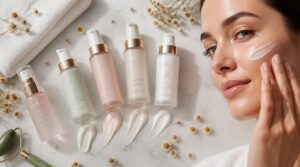
Choosing the right moisturizer is only half the equation — how you apply it matters just as much. Even the best formula won’t perform well if your skin isn’t prepped to receive it. These five practical steps can help you get the most out of every application.
Apply on Damp Skin
Timing your moisturizer application makes a real difference. When skin is lightly damp, humectants like hyaluronic acid and glycerin pull that surface water deeper into the epidermis — boosting hydration instantly. Damp skin also helps thin creams spread without tugging, which protects your sensitive skin barrier from mechanical irritation.
Three reasons to apply on damp skin:
- Humectant diffusion works faster with moisture already present
- Occlusive ingredients seal hydration before water evaporates
- Products distribute evenly, preventing concentrated, patchy areas
Pat dry gently — don’t rub — and apply within three minutes of bathing.
Use After Gentle Cleansing
What you cleanse with matters — but what you do immediately after matters just as much. Freshly cleansed skin loses its protective lipid matrix, leaving it vulnerable to moisture loss.
That’s why applying a post-cleanse toner with humectants like glycerin within 30 seconds kicks off your skin barrier repair process before your daily moisturizer seals everything in.
Layer Serum Before Moisturizer
Once your toner absorbs, a hydrating serum comes next — before your daily moisturizer. Serums are water-based and lightweight, which lets actives like hyaluronic acid reach the epidermis directly.
- Wait 60 seconds after applying before layering your moisturizer
- Pat gently — don’t rub — to aid absorption
- Avoid pilling by not applying moisturizer too soon
- Fragrance-free serums reduce irritation under sensitive-skin creams
Seal Flaky Patches Overnight
Once your serum is sealed in, flaky patches need a different strategy at night. A petrolatum-based occlusive balm applied directly over dry areas creates a physical barrier that prevents transepidermal water loss while you sleep.
| Skin Concern | Best Overnight Choice |
|---|---|
| Severe flakiness | Petrolatum or shea balm |
| Mild dryness | Ceramide-rich night cream |
| Sensitive patches | Fragrance-free squalane layer |
Pat — never rub — to avoid further irritation.
Patch Test Before Use
Before applying any new moisturizer to your full face, test it on a small, inconspicuous area — the inner arm or behind the ear works well. Leave it on for 7 to 10 days, checking daily for redness, itching, or swelling.
If irritation appears, wash it off immediately. One product at a time keeps results reliable.
Frequently Asked Questions (FAQs)
What is the best hydrating moisturizer for sensitive skin?
The best moisturizer pairs a humectant like hyaluronic acid with a barrier-sealing occlusive — think ceramides plus petrolatum.
For sensitive skin, fragrance-free, dermatologist-approved formulas with a triple lipid complex consistently deliver deep hydration without triggering reactions.
What is the best moisturizer for dry skin and sensitive skin?
For dry, sensitive skin, the right moisturizer prioritizes ceramides, humectants, and gentle occlusives — no fragrance, no harsh actives. La Roche-Posay and Vanicream consistently earn strong dermatologist-recommended marks for barrier repair.
What moisturizer should I use after benzoyl peroxide?
Benzoyl peroxide works hard against acne — but it leaves skin dry and stripped. After using it, reach for a fragrance-free, non-comedogenic moisturizer with ceramides or hyaluronic acid to rebuild your barrier without clogging pores.
Can dry skin use niacinamide?
Yes, niacinamide works well for dry skin — it strengthens your barrier to reduce moisture loss and calm redness. Start at 2–5% concentration and patch test first to avoid irritation.
What is the most hydrating moisturizer for sensitive skin?
Ceramide-rich, fragrance-free formulas with hyaluronic acid and glycerin tend to work best. They combine humectant pull and barrier repair in one step — no irritants, just steady, deep hydration your skin can actually hold onto.
What is the best moisturiser for very dry, sensitive skin?
An ounce of prevention is worth a pound of cure. For very dry, sensitive skin, a ceramide-rich, fragrance-free cream is your best choice — it restores your lipid barrier, seals moisture in, and calms skin reactivity.
Which type of moisturizer is best for dry, sensitive skin?
Thick creams work best — they combine humectant and occlusive ingredients to draw in moisture and seal it. Look for ceramides, glycerin, and fragrance-free formulas to support barrier repair without irritation.
How to hydrate extremely dry, sensitive skin?
Ironically, the more aggressively you treat extremely dry, sensitive skin, the worse it gets. Apply a humectant then occlusive within three minutes of cleansing, use pH-balanced cleansers, and seal flaky patches overnight for lasting skin barrier repair.
What is the best moisturizer for dry, sensitive skin?
The best moisturizer for dry, sensitive skin balances humectants like hyaluronic acid with barrier-repairing ceramides — fragrance-free, dermatologist-approved formulas that hydrate deeply without triggering irritation or disrupting your skin’s natural protective layer.
How do you rehydrate dry sensitive skin?
Rehydrating dry, sensitive skin means layering humectants and occlusives: apply your moisturizer to damp skin within three minutes of cleansing to trap water, then seal with a barrier-supporting cream containing ceramides overnight.
Conclusion
The theory that more products mean better results doesn’t hold up—sensitive skin thrives on simplicity and precision. Every hydrating moisturizer for sensitive dry skin on this list was chosen because its ingredients earn their place, not just fill a bottle.
Your barrier doesn’t need a dozen steps. It needs the right ceramides, the right humectants, applied consistently on damp skin. Choose one formula that fits your texture preference, and stay with it.