This site is supported by our readers. We may earn a commission, at no cost to you, if you purchase through links. This content is for general informational and educational purposes only and is not a substitute for professional medical, dermatological, or nutritional advice.
Your scalp has more oil glands per square centimeter than most of your skin, yet dry scalp is one of the most common complaints trichologists hear. The irony is real. A structure designed to stay hydrated can still crack, flake, and itch when the wrong habits knock its balance off.
Cold air, sulfate-heavy shampoos, and poor nutrition chip away at the skin barrier faster than those glands can compensate. Natural remedies for dry scalp work precisely where the problem starts, restoring what the scalp lost rather than masking symptoms. Knowing which ones to use, and when, makes all the difference.
Table Of Contents
- Key Takeaways
- Identify Your Dry Scalp Triggers
- Moisturizing Oils for Dry Scalp
- Soothing Natural Dry Scalp Remedies
- Daily Habits for Scalp Hydration
- Use Dry Scalp Remedies Safely
- Frequently Asked Questions (FAQs)
- How can I hydrate my scalp naturally?
- What is the fastest way to get rid of dry scalp?
- What am I lacking if I have a dry scalp?
- How can I moisturize my dry scalp?
- What is the best natural remedy for dry scalp?
- How do I get rid of dry scalp asap?
- How do you rehydrate a dry scalp?
- What can I use for extremely dry scalp?
- What foods help improve dry scalp?
- How does stress affect scalp health?
- Conclusion
Key Takeaways
- Dry scalp and dandruff aren’t the same thing — dry scalp needs moisture, while dandruff needs antifungal treatment, so getting the diagnosis right is what makes your routine actually work.
- Sulfates, hot water, and overwashing strip your scalp’s natural oils faster than they can be replaced, so switching to a gentle shampoo and lukewarm water is one of the most impactful changes you can make.
- Coconut, jojoba, and olive oils restore your scalp’s moisture barrier at the source, and applying them two to three times weekly — especially as overnight treatments — delivers the most consistent relief.
- What you eat directly affects your scalp, and low levels of omega-3s, zinc, biotin, and vitamin D are common hidden drivers of persistent dryness that topical remedies alone won’t fully fix.
Identify Your Dry Scalp Triggers

Before you can treat dry scalp, you need to know what’s causing it in the first place. The triggers vary more than most people expect — from the weather outside to what’s happening inside your body. Here’s a look at the most common culprits worth paying attention to.
Some scalp issues, like dryness and flaking, can share roots with everyday habits that also cause hair breakage — making small routine tweaks a surprisingly effective place to start.
Skin conditions like psoriasis and fungal infections are among the biggest offenders, and understanding common dry scalp causes and treatments can help you pinpoint the right fix faster.
Dry Scalp Versus Dandruff
Before you treat your scalp, know what you’re dealing with. Dry scalp and dandruff look similar but have opposite causes. Understanding dry scalp vs dandruff differences can help you choose the right treatment, since dandruff is medically termed pityriasis capitis and involves fungal activity, while dry scalp simply lacks sufficient natural oils.
Three key differences:
- Flake size: Dry scalp produces small, fine, white flakes; dandruff flakes are larger, oily, sometimes yellow.
- Oil production: Dry scalp means too little sebum; dandruff means too much.
- Treatment: Dry scalp needs moisture; dandruff needs antifungal shampoos.
Cold and Dry Weather
Cold, dry weather weakens your scalp’s lipid barrier, causing flaking. Indoor heating is equally drying.
| Weather Trigger | Scalp Effect |
|---|---|
| Cold outdoor air | Weakens lipid barrier |
| Indoor heating | Accelerates water loss |
| Low humidity | Causes micro-cracks |
| Vasoconstriction | Limits follicle nutrients |
| Wet scalp in cold | Raises fungal risk |
Aim for 40-50% indoor humidity, wear a hat outdoors, and try essential oils for relief.
Harsh Hair Products
Your shampoo might do more damage than cold air. Sulfates like SLS strip your scalp’s natural oils, parabens inflame skin, and drying alcohols cause flaking.
Four ingredients to avoid:
- Sulfates (SLS, SLES) disrupt scalp pH balance
- Parabens increase scalp itch
- Drying alcohols deplete scalp hydration
- Synthetic fragrances trigger irritation
Switching to sulfate-free shampoo and fragrance-free options helps protect your scalp.
Overwashing and Hot Water
Products aren’t the only culprit. Washing too often and using hot water strip away your scalp’s natural oils, leaving the skin dry and prone to irritation.
| Issue | What Happens |
|---|---|
| Daily washing | Strips scalp oils |
| Hot water | Lifts hair cuticles |
| Sebum loss | Triggers overproduction |
Aim for lukewarm water near 100°F, and wash two to three times weekly to protect scalp hydration.
Pairing this routine with a shampoo and conditioner formulated for dry scalp can help reinforce your moisture barrier between washes.
Nutrient or Health Conditions
What you eat shows up on your scalp. Nutritional deficiencies in zinc, biotin, vitamin D, vitamin E, and iron disrupt moisture retention and skin repair.
Common triggers include:
- Vitamin D deficiency impairs skin barrier function
- Omega-3 deficiency reduces scalp oil production
- Zinc and biotin weaken cell and keratin repair
- Iron or B vitamin complex cuts tissue oxygen delivery
Moisturizing Oils for Dry Scalp
Oils are one of the most effective tools for restoring moisture to a dry scalp, and a few specific ones consistently stand out for their results. Each works a little differently, so knowing your options helps you choose what fits your hair type and routine. Here are the top oils worth considering.
Coconut Oil Treatment
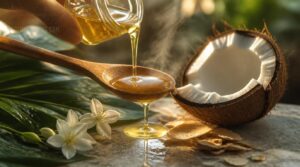
Coconut oil is a reliable first step for a dry scalp. Its lauric acid penetrates the scalp more deeply than most oils, restoring your natural lipid barrier and sealing in moisture. Warm 1-2 tablespoons in your palms, massage in using circular motions, and leave it on for 30 minutes before washing. Two treatments per week works for most people.
Olive Oil Treatment
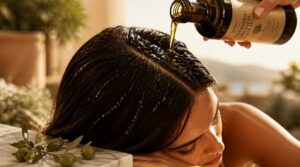
Olive oil soothes a dry, tight scalp by forming an emollient barrier that slows moisture loss and softens flakiness. For best results, pair it with a quality product—this guide to the best olive oil brands for hair breaks down which ones are pure enough to nourish without leaving buildup.
- Mix with a lighter oil to spread it more evenly, or apply it directly to dry areas
- Leave on for 10 minutes, then rinse with lukewarm water before shampooing out
- Patch test first and avoid applying to broken or irritated skin
Jojoba Oil Treatment
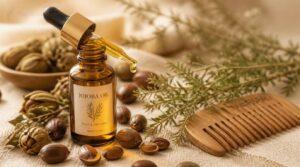
Jojoba oil sits closer to your scalp’s own sebum than almost any plant oil, which makes it absorb quickly without leaving a greasy residue. Its long-chain fatty acids form a light protective layer that reduces moisture loss and soothes irritation.
It also has antioxidant and anti-inflammatory properties, making it a smart pick when your scalp is dry and reactive.
Proper Oil Application
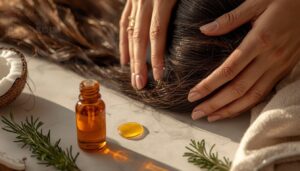
The method matters as much as the oil itself. Warm your oil slightly, then apply it topically using a natural scalp sectioning approach for thorough scalp moisturization.
- Divide hair into sections, front to back
- Warm the oil between your palms
- Apply drops directly to each scalp section
- Massage in circular motions for 5 minutes
- Apply pre-shampoo or leave on overnight
Treatment Frequency
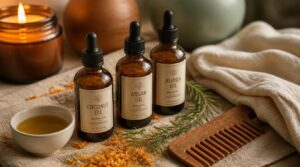
How often you apply matters just as much as which oil you choose. For mild dryness, once weekly is enough. If your scalp is flaking or persistently itchy, aim for two to three times per week. Oily scalps should stay at once every two weeks to avoid excess sebum. Overnight treatments, used one to two times weekly, deliver the deepest moisture.
Soothing Natural Dry Scalp Remedies
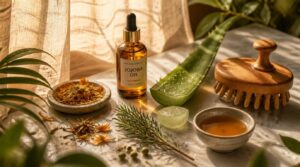
Beyond oils, there are other natural remedies worth adding to your scalp care routine. Some work by reducing inflammation, others by balancing the scalp’s pH or fighting off fungal buildup. Here are five options that are easy to use at home and backed by solid evidence.
Diluted Tea Tree Oil
While tea tree oil can ease scalp itch, applying it undiluted makes it a known skin irritant. Pair it with a carrier oil like coconut before use.
- Keep tea tree concentration to 1-2 drops per teaspoon of carrier oil
- Do a patch test on your inner wrist first
- Leave on for 10 minutes, then rinse
- Look for high terpinen-4-ol content
Aloe Vera Gel
If tea tree oil is the active fighter, aloe vera gel is the calming backup. The inner leaf gel is roughly 99% water, so it delivers immediate surface hydration without feeling heavy. Its anti-inflammatory compounds help quiet your scalp itch and redness. Apply a small amount directly to dry areas, leave it for 15 to 20 minutes, then rinse off.
Apple Cider Vinegar Rinse
Where aloe vera soothes, apple cider vinegar takes a more active role.
Its acetic acid content gives it a pH around 3.1 to 3.4, helping rebalance the scalp surface and gently exfoliate dead skin cells. That acidity also creates an antimicrobial environment that may slow irritant buildup.
Mix one part vinegar with three parts water, and never use it undiluted.
Witch Hazel Treatment
Witch hazel takes a quieter approach than vinegar. Its tannins and flavonoids reduce scalp inflammation and pull away excess oil without stripping all moisture, which makes it useful when your scalp is irritated but not severely dry.
Apply it with a cotton pad to affected areas, or dilute it with jojoba oil for scalp sensitivity. Choose an alcohol-free distillate to avoid compounding dryness with frequent use.
Banana Avocado Mask
This fruit-based hair mask gives your dry scalp a genuine deep moisture boost.
- Banana hydrates with potassium, silica, and B vitamins
- Avocado oils penetrate hair shafts for deep conditioning
- Together they help restore your scalp moisture balance
- Always use ripe fruit for smooth, lump-free blending
Mash both until smooth, apply to damp hair and scalp, leave 20 minutes, rinse well.
Daily Habits for Scalp Hydration
What you put on your scalp matters, but so does how you treat it every day. Small, consistent habits can make a real difference in keeping your scalp balanced and hydrated. Here are the daily practices worth building into your routine.
Gentle Chemical-Free Shampoo
What you wash your hair with matters more than most people realize. Harsh sulfates strip your scalp’s natural oils, leaving it tight and dry.
That’s why ingredient awareness matters — for a closer look at one popular option, this breakdown of whether Pantene damages your hair or works fine depends heavily on your specific scalp type and hair texture.
Switching to a gentle, chemical-free shampoo with naturally-derived cleansers like decyl glucoside helps preserve your scalp’s pH balance and moisture. These formulas suit all hair types and provide real, lasting relief without compromising cleanliness or effectiveness.
Cooler Water Temperature
Hot water quietly strips your natural oil barrier, leaving the scalp tight and irritated.
A simple shift helps:
- Wash with lukewarm water (36-40°C) for effective cleansing
- Finish with a cool rinse (around 15-20°C) to seal in moisture
- Stay below 41°C to avoid triggering compensatory oil overproduction
That final cool rinse also boosts scalp circulation, supporting healthier follicles naturally.
Hydration and Omega-3 Foods
Your scalp reflects what you eat. Omega-3 rich foods like salmon, sardines, and flaxseed support healthy cell membranes, and that’s directly how your skin stays hydrated and resistant to dryness. Fish oil supplements fill the gap when your natural diet falls short.
Your scalp mirrors your diet — omega-3 rich foods like salmon and flaxseed keep skin hydrated from within
Drinking enough water throughout each day matters too, since internal hydration reaches every single skin layer, scalp included.
Scalp-Supporting Vitamins and Minerals
Vitamins and minerals are quiet workers. When one runs low, your scalp feels it first. Four key nutrients to keep in check:
- Iron and vitamin C: iron oxygenates follicles; vitamin C improves iron absorption
- Zinc: helps with protein synthesis, reduces thinning
- Biotin and vitamin B6: maintain hair structure
- Vitamin D: fuels new growth
Vitamin A and omega-3s fill out the picture.
Seasonal Moisture Adjustments
Cold air strips scalp moisture faster than warm weather does, and indoor heating makes it worse too. Your routine needs a seasonal reset, not just a quick product swap.
| Habit | Winter Change |
|---|---|
| Wash frequency | Reduce to twice weekly |
| Heat settings | Lower blow-dry heat |
| Natural oils | Weekly scalp oil treatment |
| Product switch | Use moisturizing formulas |
| Tracking patterns | Note flaking against weather |
Use Dry Scalp Remedies Safely
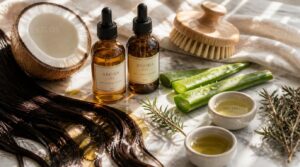
Natural remedies can do a lot of good, but how you use them matters just as much as which ones you choose. A few simple precautions keep your scalp protected and help you get the most out of each treatment. Here’s what to keep in mind before and during any home remedy routine.
Patch Test New Remedies
Before you apply any new remedy to your scalp, patch test first to catch reactions early. This matters most with concentrated natural ingredients.
- Apply a small amount to your inner wrist
- Leave it on for 48 hours without washing
- Check for redness, papules, or swelling
- Remove it immediately if any irritation appears
- Consult a doctor if your results are unclear
Dilute Essential Oils
Once you’ve passed your patch test, don’t use essential oils straight from the bottle. They’re far too concentrated for direct scalp contact and can cause burning or allergic reactions.
Dilute to 1-2% by mixing 6 to 12 drops of essential oil per ounce of carrier oil, such as coconut or sweet almond. Apply the mixture, leave it for 30 minutes, then shampoo out thoroughly.
Avoid Broken Scalp Skin
Diluting your oils is one layer of protection, but the skin it touches matters just as much.
Don’t apply any remedy, diluted or not, to broken, cracked, or bleeding scalp skin. Open skin invites irritation and infection, turning a gentle scalp care routine into a setback. Let any abrasions heal completely first.
Stop Treatments After Reactions
If your skin reacts to a natural remedy, discontinue use immediately and rinse thoroughly with cool water. Continuing after a reaction risks making symptoms worse.
Watch for:
- Redness, itching, or swelling shortly after use
- New blisters or a spreading rash
- Symptoms that return after briefly improving
- Burning or irritation that wasn’t there before
Monitor symptoms closely over the following 24 hours.
When to See Dermatologists
Natural scalp remedies and homeopathic scalp care work well for many people, but they’ve limits.
If persistent scalp irritation doesn’t improve after two weeks, see a dermatologist. The same goes for recurring scalp rashes, unexplained hair thinning, or any skin change that keeps worsening. When a suspicious mole appears, don’t wait — early evaluation matters.
Frequently Asked Questions (FAQs)
How can I hydrate my scalp naturally?
Think of your scalp like dry soil. It won’t fully recover until you address both surface moisture and your deeper biological needs. Overnight oil treatments, scalp massage techniques, and water-rich foods are your essential starting points.
What is the fastest way to get rid of dry scalp?
Coconut oil is your fastest option. Warm a small amount, massage it into your scalp, and leave it for 10 minutes. It delivers an instant moisture boost while reducing irritation almost immediately.
What am I lacking if I have a dry scalp?
Dry scalp deficiencies often point to low omega-3 fatty acids, zinc, biotin, or vitamin D. These nutrients directly regulate sebum production, skin cell turnover, and your scalp’s natural moisture barrier.
How can I moisturize my dry scalp?
Moisturizing your scalp starts with pre-wash oil treatments using coconut, olive, or jojoba oil. Apply to the scalp, let it sit, then cleanse gently. Consistency matters more than any single product.
What is the best natural remedy for dry scalp?
No single answer fits every scalp, but coconut oil consistently leads for good reason. It moisturizes, carries antifungal properties, and calms irritation, giving you a solid, adaptable foundation to build your entire scalp routine on.
How do I get rid of dry scalp asap?
The fastest dry scalp fix targets moisture directly. Quick relief tips include massaging jojoba or coconut oil onto your scalp, rinsing with cool water, and switching to a gentle, chemical-free shampoo for immediate scalp comfort.
How do you rehydrate a dry scalp?
Scalp dehydration is more fixable than you might think. Massaging a nourishing oil into your scalp, washing with cooler water, and eating omega-3 rich foods like salmon all work to restore your scalp’s moisture balance.
What can I use for extremely dry scalp?
For an extremely dry scalp, your best options combine coconut oil, aloe vera, and gentle cleansing to restore moisture and calm irritation. A nutrient-rich diet with omega-3s helps long-term scalp health from the inside out.
What foods help improve dry scalp?
What you eat reaches your scalp. Omega-3-rich foods like salmon, avocado, and walnuts support the scalp’s lipid barrier, while vitamin A sources, yogurt, turmeric, bananas, and zinc-rich foods help reduce inflammation and keep skin hydrated.
How does stress affect scalp health?
Chronic stress raises cortisol levels, which can push hair follicles into a prolonged resting phase, slow regeneration, and trigger visible shedding, often noticed a few months after the stressful event began.
Conclusion
Think of your scalp as a garden that’s been left without water for far too long. The wrong products and daily habits strip its moisture faster than it can recover on its own.
Natural remedies for dry scalp work differently. They restore what was taken, not just cover what’s cracked. Oils, rinses, and small consistent habits add up more than you’d expect. Give them enough time, and your scalp will clearly show you the difference.