This site is supported by our readers. We may earn a commission, at no cost to you, if you purchase through links. This content is for general informational and educational purposes only and is not a substitute for professional medical, dermatological, or nutritional advice.
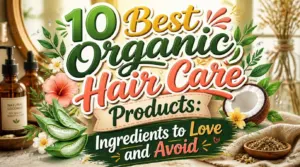
I once spent $40 on a "natural" shampoo, only to flip the bottle over and find sodium lauryl sulfate sitting third on the list. Turns out, "organic" on the front label means nothing if the back tells a different story. As a cosmetic chemist, I’ve formulated with enough surfactants and silicones to know exactly where brands cut corners.
Your scalp absorbs more than you’d think, and harsh additives can quietly disrupt its balance for weeks before you notice the damage. The good news? Genuine organic hair care products exist, backed by real ingredient lists, not just clever marketing. Let’s get into the ten that actually earn the label.
Table Of Contents
- Key Takeaways
- Top 10 Organic Hair Care Products
- 1. Mielle Organics Rosemary Mint Hair Oil
- 2. Andalou Naturals Argan Stem Cell Shampoo
- 3. Mielle Organics Rosemary Mint Shampoo
- 4. Argan Oil and Shea Shampoo
- 5. Herbal Formula Shampoo Bar
- 6. Moisture and Shine Lavender Shampoo
- 7. Avalon Organics Volumizing Rosemary Shampoo
- 8. Innersense Organic Sweet Spirit Leave In
- 9. Dr Bronners Organic Hair Creme
- 10. California Naturals Regro Hair Care
- How to Choose Organic Haircare
- Ingredients Worth Looking For
- Ingredients to Avoid
- Safety, Results, and Sustainability
- Frequently Asked Questions (FAQs)
- What are the best organic hair products?
- What is the healthiest hair care brand?
- What shampoo is good for lupus hair loss?
- What shampoo is good for contact dermatitis?
- What are organic hair care products?
- Where can I buy natural hair care products?
- Are organic hair products a good choice?
- Is organic hair care better for the environment?
- Are hair products made with organic ingredients?
- What is the healthiest hair product?
- Conclusion
Key Takeaways
- "Organic" or "natural" on the front label doesn’t guarantee a clean formula, so always flip the bottle and check the actual ingredient list for sulfates, parabens, silicones, and vague "fragrance" terms.
- Look for beneficial ingredients like rosemary (scalp circulation), argan oil (shine and moisture), shea butter (hydration), and aloe vera (lightweight hydration), while avoiding sulfates, parabens, phthalates, silicones, and PEGs.
- Match products to your specific hair type and scalp concerns, since porosity, curl pattern, and issues like dandruff versus psoriasis all require different formulas.
- Give any new organic product about four weeks to show real results, and always patch test first since natural ingredients like essential oils can still cause allergic reactions.
Top 10 Organic Hair Care Products
I’ve spent years reading ingredient labels so you don’t have to, and these ten products actually earned their spot on this list. No filler brands, no greenwashing, just formulas that work as hard as their labels claim. Let’s get into what’s worth putting on your shelf.
If soothing sensitive skin post-shave is part of your routine too, this guide to the best after-shave balms for mature men rounds out your shelf with the same no-nonsense standard.
1. Mielle Organics Rosemary Mint Hair Oil
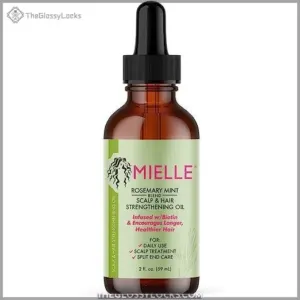
If your scalp’s been flaking or feeling tight and dry, this oil earns its cult status honestly. The biotin and rosemary combo targets circulation, while castor, tea tree, and peppermint oils add that tingly, "it’s working" sensation.
Use it as a pre-wash treatment or leave-in for split ends. Just rinse after 10 minutes if you’re prone to buildup — those essential oils are potent, so patch test first if your scalp runs sensitive.
| Best For | Anyone dealing with a dry, flaky scalp or frizzy, damaged hair who wants a multitasking oil for scalp massages, pre-wash treatments, or split-end care. |
|---|---|
| Sulfate-Free | No |
| Cruelty-Free | Not specified |
| Key Botanical | Rosemary Mint |
| Vegan | Not specified |
| Volume | 2 fl oz |
| Product Type | Scalp Oil |
| Additional Features |
|
- Nutrient-rich blend of biotin, rosemary, mint, and essential oils helps soothe dry scalp and reduce flaking
- Versatile use as a scalp treatment, pre-wash oil, or leave-in for split ends
- Suitable for all hair types and designed to support thicker, healthier-looking strands over time
- Essential oils may irritate sensitive scalps, so a patch test is recommended before regular use
- Can cause buildup if left in too long — rinsing after 10 minutes is best for most people
- Works best as part of a full hair care routine rather than a stand-alone conditioner
2. Andalou Naturals Argan Stem Cell Shampoo
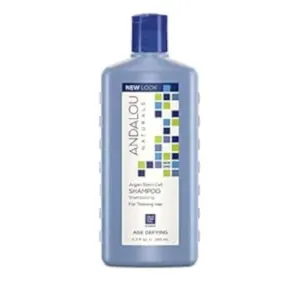
Once your scalp’s calmed down, this shampoo picks up where oil treatments leave off. Andalou’s formula leans on PhytoCellTec argan stem cells, plus apple and grape extracts, to support follicle vitality and cut down on breakage.
It’s sulfate-free, so color-treated strands stay protected while buildup washes away. Biotin and rosemary leaf round out the mix for scalp balance. Think of it as a gentle reset button — not an overnight miracle, but a solid daily step toward fuller, shinier hair over time.
| Best For | People with thinning, dull, or weak hair (including color-treated hair) who want a gentle daily shampoo to support fuller, shinier results over time. |
|---|---|
| Sulfate-Free | Yes |
| Cruelty-Free | Not specified |
| Key Botanical | Argan Stem Cell |
| Vegan | Not specified |
| Volume | 11.5 oz |
| Product Type | Conditioner |
| Additional Features |
|
- Uses argan stem cell science plus antioxidant-rich fruit extracts to support strand vitality and reduce breakage
- Clean, sulfate-free formula (also free of parabens, phthalates, and synthetic dyes) that’s safe for color-treated hair
- Purifies the scalp of oil and buildup while stimulating a healthier hair growth cycle
- Requires consistent, regular use to see noticeable results
- Formulated specifically for thinning or weak hair, not a general-purpose shampoo for all hair types
- Results build gradually rather than delivering an overnight transformation
3. Mielle Organics Rosemary Mint Shampoo
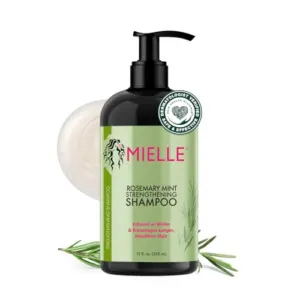
If daily use is your goal, this one’s built for it. Sodium C14-16 olefin sulfonate cleanses gently, so scalps don’t dry out between washes. Peppermint and rosemary leaf oils bring that tingly, wide-awake feeling, while panthenol and biotin soften strands as you rinse.
Coconut and babassu oils smooth the cuticle, cutting down on frizz. It’s marketed as sulfate-free in most variants, works across natural, relaxed, or color-treated hair, and comes in a hefty 12 oz bottle that’ll last through plenty of shower sing-alongs.
| Best For | Men and women with dry, damaged, or textured hair who want a gentle daily cleanser that strengthens strands and soothes the scalp. |
|---|---|
| Sulfate-Free | Yes |
| Cruelty-Free | Not specified |
| Key Botanical | Rosemary Mint |
| Vegan | Not specified |
| Volume | 12 oz |
| Product Type | Shampoo |
| Additional Features |
|
- Sulfate-free formula lathers gently without stripping natural moisture
- Biotin and panthenol help strengthen weak, brittle hair from the root
- Coconut and babassu oils smooth the cuticle and cut down on frizz
- Works best when paired with the Rosemary Mint Hair Masque for full results
- Needs thorough rinsing to fully remove the lather
- Contains sodium C14-16 olefin sulfonate, which some may confuse with harsher sulfates
4. Argan Oil and Shea Shampoo
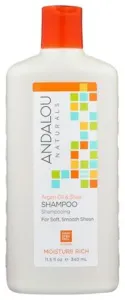
Nine bucks gets you a nice bottle here, and honestly, that price point had me skeptical at first. But 71% certified organic content isn’t nothing, and the argan oil actually penetrates the strand instead of just sitting on top like some cheaper oils do.
Sweet orange extract perks up circulation at the follicle, while shea butter fills gaps in the cortex for real elasticity gains. If you’ve got dry, curly hair that snaps easily, this combo targets moisture and strength at once—just know organic formulas can be pickier about shelf life.
| Best For | People with dry, curly, or textured hair who need extra moisture, elasticity, and strength without breaking the bank. |
|---|---|
| Sulfate-Free | Not specified |
| Cruelty-Free | Not specified |
| Key Botanical | Argan Oil |
| Vegan | Not specified |
| Volume | 11.5 oz |
| Product Type | Conditioner |
| Additional Features |
|
- 71% certified organic ingredients at an affordable $9.99 price point
- Argan oil penetrates the strand for real moisture and shine, not just surface coating
- Sweet orange extract and shea butter team up to boost circulation and rebuild elasticity
- Organic formulations can be less stable and may have a shorter shelf life
- Results may vary depending on individual hair type and porosity
- Some may find the 11.5 oz size runs out quickly with regular use
5. Herbal Formula Shampoo Bar
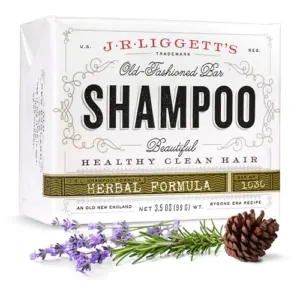
A solid bar swaps the bottle for soap, and this one’s built on rosemary, lavender, and cedarwood oils, which means real scalp circulation benefits, not just a nice smell.
It lathers fine once wet and rinses clean without residue. Since there’s no plastic bottle involved, it’s about as zero-waste as shampoo gets. Store it dry between uses, though, or you’ll end up with a mushy puck instead of a bar—learned that one the hard way.
| Best For | Eco-conscious travelers and anyone with permed, colored, or curly hair who wants a gentle, plastic-free shampoo bar for flights, camping, or gym use. |
|---|---|
| Sulfate-Free | Yes |
| Cruelty-Free | Yes |
| Key Botanical | Lavender/Cedarwood |
| Vegan | Yes |
| Volume | 3.5 oz bar |
| Product Type | Shampoo Bar |
| Additional Features |
|
- Sulfate-free, all-natural formula with olive, coconut, and castor oils plus antioxidant-rich vitamin E and essential oils
- Zero-waste, TSA-friendly design that replaces roughly 24 oz of liquid shampoo without any plastic bottle
- Handmade in small batches using solar-powered production, and it’s cruelty-free, vegan, and non-GMO
- Needs to be stored dry between uses or it turns into a mushy, unusable puck
- Requires a different application method than bottled shampoo, since you apply it directly with your hands or the bar itself
- As a handmade product, each bar looks a little different, so appearance isn’t perfectly consistent
6. Moisture and Shine Lavender Shampoo
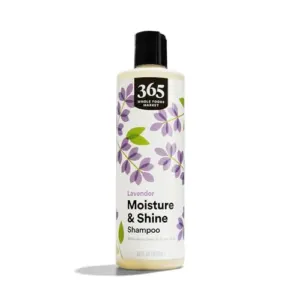
Grab this one when your hair’s thirsty but you’re still chasing shine. The formula leans on avocado and coconut oils to seal moisture into each strand, while aloe vera juice acts as a humectant, trapping water after every rinse.
Before you commit to a bottle, it’s worth reading up on gentle formulas that support scalp health and reduce shedding so you’re not trading shine for hidden irritants.
Rosemary extract and olive-derived phytosterols do the shine work, reflecting light instead of coating hair in silicone. Chamomile and nettle keep the scalp calm, and lavender ties it together with a soft, cooling scent that never smells synthetic.
| Best For | Anyone with dry, thirsty hair who wants real shine back without weighing strands down in silicone. |
|---|---|
| Sulfate-Free | Yes |
| Cruelty-Free | Yes |
| Key Botanical | Hemp/Argan |
| Vegan | Not specified |
| Volume | 16 fl oz |
| Product Type | Shampoo |
| Additional Features |
|
- Hemp seed and argan oil deliver deep moisture and noticeable shine
- Sulfate-free formula is gentle enough for daily washing
- Free from 240 banned ingredients, including parabens and phthalates, for cleaner beauty standards
- Botanical oils may not suit every hair type
- Meeting organic-claim standards means the ingredient list is fairly strict
- Lavender scent, while natural, won’t appeal to those who prefer fragrance-free products
7. Avalon Organics Volumizing Rosemary Shampoo
Flat, limp hair needs volume, not more weight, and this shampoo delivers exactly that. Rosemary leaf extract helps maintain scalp balance while plant-based surfactants create gentle foam without stripping moisture.
Quinoa protein reinforces each strand, adding body, and calendula soothes as aloe vera juice hydrates without dragging hair down. The pH-balanced formula skips sulfates and parabens entirely.
Just know this one’s built specifically for fine, thinning hair—if yours runs thick or oily, you probably won’t see the same lift.
| Best For | People with fine or thinning hair who want a gentle, plant-based shampoo that adds volume without weighing strands down. |
|---|---|
| Sulfate-Free | Yes |
| Cruelty-Free | Yes |
| Key Botanical | Organic Botanicals |
| Vegan | Yes |
| Volume | 11 oz |
| Product Type | Shampoo |
| Additional Features |
|
- Made with organic botanicals, rosemary extract, and essential oils for a naturally gentle clean
- Free from sulfates, parabens, phthalates, and synthetic dyes or fragrances
- Vegan, non-GMO, and biodegradable, great for eco-conscious shoppers
- Not formulated for thick or oily hair, so results may fall flat for those textures
- Contains essential oils, which may not suit those with sensitive skin or scalp
- Focused purely on volumizing, so it won’t address other hair concerns like frizz or color protection
8. Innersense Organic Sweet Spirit Leave In
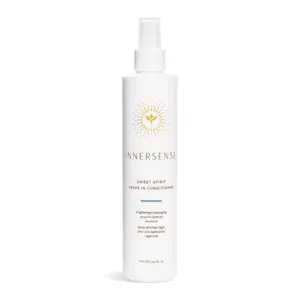
Ever spray detangler on wet curls and watch it just sit there? This one actually works. Lightweight leave-in spray with rosemary oil for scalp circulation, aloe for hydration without buildup, and honey as a humectant, pulling moisture into strands.
Emollient oils add slip, so combing through knots won’t feel like a wrestling match. Works on wavy, curly, or straight hair, damp or dry.
Vegan-friendly formula, no greasy residue, just soft, manageable hair that holds its bounce.
| Best For | Anyone with wavy, curly, or straight hair who wants a lightweight leave-in spray that detangles, hydrates, and smooths without weighing hair down or leaving residue. |
|---|---|
| Sulfate-Free | Not specified |
| Cruelty-Free | Yes |
| Key Botanical | Aloe/Rosemary |
| Vegan | Not vegan |
| Volume | 10 fl oz |
| Product Type | Detangling Spray |
| Additional Features |
|
- Detangles and smooths knots easily thanks to emollient oils and slip-boosting ingredients
- Hydrates and calms frizz using aloe vera, rosemary, and honey without causing buildup
- Works on all hair types and textures, whether hair is damp or dry
- Contains honey extract, so it’s not actually vegan despite being marketed as such
- Only comes in a 10 fl oz size, which may not last long with regular use
- Fragrance-free version exists, so be sure to pick the right variant if that matters to you
9. Dr Bronners Organic Hair Creme
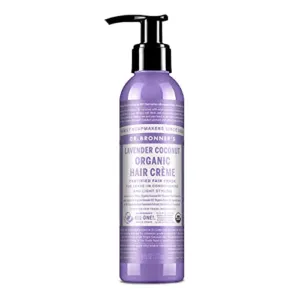
Think of this one as a multitasker in a squat little 6-ounce bottle. It blends organic coconut, jojoba, and hemp seed oils for a leave-in styler with light hold, no synthetic detergents or foaming agents involved.
Use it on wet or dry hair to smooth flyaways and boost shine. It won’t replace a strong-hold gel, but for softening texture and calming frizz between washes, it’s a dependable, ingredient-honest pick.
| Best For | Anyone with frizzy, dry, or textured hair who wants a light, natural leave-in styler for everyday touch-ups rather than heavy-duty hold. |
|---|---|
| Sulfate-Free | Yes |
| Cruelty-Free | Yes |
| Key Botanical | Jojoba/Hemp |
| Vegan | Yes |
| Volume | 6.08 oz |
| Product Type | Leave-In Cream |
| Additional Features |
|
- Made with organic jojoba, hemp, and coconut oils for real moisture and shine
- USDA Organic, Fair Trade, vegan, and cruelty-free credentials
- Works on both wet and dry hair, so it fits easily into any routine
- Only offers light hold, so it won’t manage stubborn or thick hair
- Not a rinse-out conditioner, which may not suit those wanting a deeper treatment
- May not be enough for anyone needing strong, all-day styling control
10. California Naturals Regro Hair Care
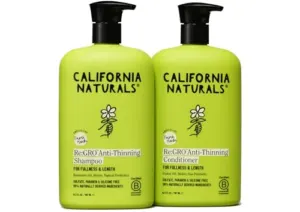
Thinning hair isn’t just a texture issue, it’s often a scalp issue, and that’s where this duo earns its spot. The shampoo pairs biotin, zinc, and caffeine with rosemary and pumpkin seed oil to nourish follicles and calm flaking, all silicone- and sulfate-free.
Pair it with the 5% Capixyl serum for a full anti-thinning routine. Results take patience, but the clean formulation and recyclable packaging make daily use feel like self-care, not a chore.
| Best For | Anyone dealing with thinning hair or scalp concerns who wants a clean, vegan formula free from parabens, sulfates, and silicones. |
|---|---|
| Sulfate-Free | Yes |
| Cruelty-Free | Yes |
| Key Botanical | Rosemary/Argan |
| Vegan | Yes |
| Volume | 16.5 oz |
| Product Type | Shampoo/Conditioner Set |
| Additional Features |
|
- Biotin and argan oil help strengthen strands and reduce breakage
- Rosemary extract stimulates follicles and supports a healthier scalp
- Leaping Bunny Certified vegan and cruelty-free with 99% naturally derived ingredients
- Natural fragrance may be less noticeable than synthetic scented options
- Without silicones, results may feel different than silicone-based products
- Improvements to thinning and scalp health may take time to notice
How to Choose Organic Haircare
Grabbing any bottle labeled "organic" off the shelf isn’t a strategy, it’s a gamble, and your hair deserves better odds than that. As a chemist, I’ve learned the real fit comes down to a handful of specific factors, not just a pretty label. Here’s exactly what to check before you buy.
Match Your Hair Type
Ever bought a shampoo that worked wonders for your sister but left your strands looking sad? That’s porosity level testing at work. Curl pattern, scalp density, and elasticity all matter too.
Understanding your specific curl patterns can help you choose the right products for your texture.
- Low porosity: lighter formulas
- Curly/coily: heavier emollients
- Fine scalp: avoid buildup
- Seasonal shifts change oil production
Match ingredients to your actual hair, not trends, for real hydration and scalp health.
Check Organic Certifications
Once you know your porosity, check the label. That "organic" seal isn’t just marketing fluff — it means certified inspectors did an on-site audit, checked records for traceability, and verified ingredient origins meet strict thresholds. Look for USDA organic or EWG verified badges. If a brand can’t explain its certification process, that’s a red flag for real ingredient transparency.
Compare Scalp Concerns
Certification’s just step one. Your scalp tells its own story, and reading it right matters more than any label.
- Dandruff vs psoriasis: flakes are white and mild; psoriasis brings thick, silvery scales
- Seborrheic dermatitis: greasy yellow patches with redness
- Folliculitis identification: small red bumps signal follicle inflammation
Sebum production balance and microbiome health shift symptoms fast. Match sulfate-free, natural ingredients to your actual scalp health needs, not just dry scalp and flaking guesses.
Review Ingredient Transparency
Reading a label shouldn’t feel like cracking a code. Ingredient transparency means every substance gets named, its function disclosed, sourcing traceable.
| Check | Green Flag | Red Flag |
|---|---|---|
| Fragrance | Listed components | Vague "parfum" |
| Certifications | COSMOS, USDA verified | Unverifiable logos |
| Safety Data | Public SDS access | No contact info |
Decoding fragrance labels and verifying certifications separates real clean beauty standards from marketing noise.
Consider Daily Styling Needs
What does your morning actually look like? If you’re rushing out the door, you need a water-based, sulfate-free shampoo that rinses fast and layers with lightweight leave-ins for humidity frizz control.
Add UV protection if you’re outdoors, sweat-resistant styling for workouts, and you’ve got real support for all hair types—no harsh chemicals, no stiffness, just balanced moisture that lasts.
Ingredients Worth Looking For
Once you’ve picked a certification and checked the label for red flags, it’s time to look for the good stuff. Certain plant-based ingredients show up again and again in the best formulas, and for good reason. Here are five worth circling on your next ingredient list.
Argan Oil for Shine
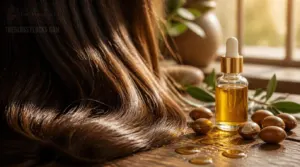
Argan oil earns its shine reputation honestly. It smooths the cuticle so light bounces evenly instead of scattering, restores lipid balance with oleic and linoleic acids, and locks in lightweight moisture without weighing hair down. Bonus: it protects color vibrancy and plays nice with heat tools.
Any of the best organic hair care products worth buying leans on this natural ingredient over harsh chemicals for real, lasting gloss.
Rosemary for Scalp Support
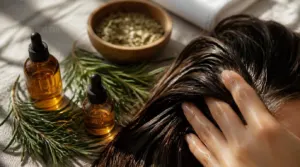
Massage rosemary in and wake your scalp up. It boosts scalp circulation, feeding follicles oxygen and nutrients, while calming irritation and flakes between washes.
Look for it in:
- Rosemary mint oils
- Leave-in mists
- Rinse-off shampoos
- Diluted scalp treatments
Always dilute essential oil in a carrier first—your scalp will thank you, not sting from it.
Shea Butter for Moisture
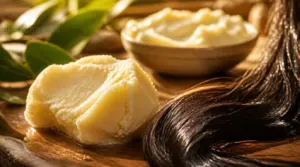
Ever wonder why your grandma’s hair looked so soft without a single "smoothing serum"? Shea butter’s the answer—it melts at skin temperature, sealing in hair hydration and reinforcing your scalp barrier.
| Property | Benefit | Result |
|---|---|---|
| Fatty acids | Deep conditioning | Less breakage |
| Antioxidants | Scalp protection | Calmer skin |
| Emollient film | Moisture lock | Softer texture |
No harsh chemicals, just real moisturize power.
Aloe for Lightweight Hydration
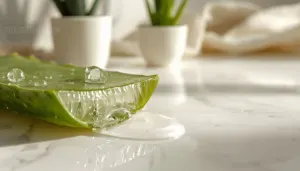
Think of aloe vera like a sponge that knows when to let go: it’s mostly water, so it hydrates fast without weighing hair down. Its humectant properties pull moisture in, while amino acids support cuticle repair.
- Lightweight hydration for fine hair
- Balanced scalp pH
- Better moisture retention
No greasy buildup—just clean, organic hair care doing its job.
Tea Tree for Balance
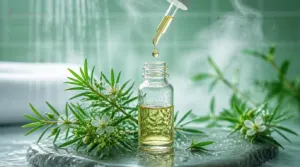
That medicinal, minty smell hitting your scalp? That’s tea tree oil going to work on excess sebum and unwanted microbes.
| Benefit | How It Works | Result |
|---|---|---|
| Sebum control | Balances oil production | Less greasy roots |
| Antimicrobial action | Terpinen-4-ol targets fungi | Cleaner scalp microbiome |
| Mental clarity | Aromatherapeutic scent | Refreshed, focused wash day |
Always dilute—1-2 drops per teaspoon of carrier oil keeps things soothing, not stinging.
Ingredients to Avoid
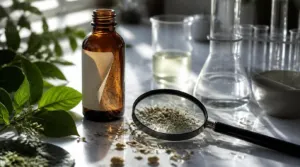
Now let’s flip the script and talk about what you actually want to keep out of your bottle. As a chemist, I’ve read enough ingredient labels to know that "natural" claims on the front don’t always match what’s happening on the back. Here are the five offenders worth scanning for before you buy.
Sulfates and Harsh Surfactants
Strip too hard and you’ll pay for it later—dry, frizzy strands that used to shine. Sodium lauryl sulfate is the biggest culprit, stripping scalp lipids fast.
Why it matters:
- Foaming chemistry ≠ better cleaning
- Cleansing shouldn’t cost you moisture
- Plant-derived surfactants clean gently
Look for sulfate-free labels using coconut-derived cleansers instead of harsh chemicals that leave your scalp screaming.
Parabens and Phthalates
Sulfates aren’t the only sneaky ingredients hiding in your bottle. Parabens and phthalates raise real concerns—they can mimic estrogen and interact with hormones, especially with daily cumulative exposure.
| Ingredient | Function | Concern |
|---|---|---|
| Parabens | Preservative | Estrogen mimicry |
| Phthalates | Fragrance fixative | Endocrine disruption |
| Alternatives | Phenoxyethanol | Safer, effective |
Choose paraben-free, phthalate-free formulas—your scalp (and hormones) will thank you.
Silicones and Mineral Oils
Silicones and mineral oils give you that instant silky feel, but they’re doing it by coating your hair, not nourishing it. Over time, that creates silicone buildup, weighing down strands and blocking real hydration.
Mineral oil’s stable, sure, but it’s petroleum-derived and poor on environmental biodegradability.
Plant oils like argan offer similar slip with genuine moisture barrier efficacy—no residue required.
Synthetic Fragrance Concerns
Fragrance is one word hiding dozens of chemicals, thanks to trade-secret loopholes. That single label can mask allergens and endocrine disruptors, both linked to hormone shifts and contact dermatitis. Some folks even get headaches or breathing trouble from it.
Fragrance is one word hiding dozens of chemicals, masking allergens and endocrine disruptors that can trigger hormone shifts and skin reactions
My rule: if it’s not fragrance free or naming its scent ingredients, I skip it. Transparency isn’t optional in clean beauty.
PEGs and Petrochemicals
Ever wonder why some shampoos leave a strange, waxy film on your strands? Blame PEG molecular weight—longer chains can coat hair without truly conditioning it. PEGs may also harbor PEG impurities like 1,4-dioxane.
Petrochemicals bring their own baggage: environmental persistence and questionable sourcing. I look for plant-based emulsifiers instead—cleaner synthetic surfactant alternatives that skip harsh chemicals entirely. Real nontoxic hair care shouldn’t require a chemistry degree to trust.
Safety, Results, and Sustainability

Picking a great organic shampoo is only half the job, you also need to know it’s safe on your skin and kind to the planet.
That means checking how your scalp reacts, giving your hair time to actually show results, and looking at what happens to the bottle once it’s empty.
Here’s what to keep in mind before you commit to a new routine.
Patch Testing Sensitive Scalps
Patch testing matters even for "natural" formulas—rosemary and tea tree oils can trigger allergies too. Apply a small amount to your upper back, then wait: reactions are delayed, often appearing at 48 hours, sometimes not till 72-96 hours. Skip swimming or heavy sweating during this window. Watch for redness, swelling, or bumps—that’s your standardized signal something’s not scalp-friendly.
Four-week Results Timeline
Four weeks. That’s roughly how long clean, sulfate-free formulas need to prove themselves on your strands.
- Day 7: less oily, smoother
- Day 14: fuller, easier detangling
- Day 21: itching fades
- Day 28: shine and softness peak
- Day 28: better scalp oil balance
Moisture climbs up to 12%, frizz drops 15%. Real manageability improvements—not marketing fluff.
Refillable Packaging Options
That empty bottle doesn’t have to hit the trash. Refill stations at stores like Ceremonia’s let you bring containers back; home concentrate systems cut shipping weight dramatically.
| Option | Waste Cut | Best For |
|---|---|---|
| In-store refill | High | Locals |
| Home concentrate | 80% | Busy folks |
| Flexible pouch | 60% | Small spaces |
Mono material designs keep glass and aluminum genuinely recyclable—true clean hair care, start to finish.
Cruelty-free Brand Standards
Cruelty-free means checked, not just claimed. Real Leaping Bunny certification requires supplier audits, animal testing cut-off dates, and full supply chain transparency—no exceptions.
Ethical sourcing gets confirmed through third-party verification processes, not brand promises. That’s the difference between vegan hair care marketing and the real deal.
Check the logo. If a brand can’t back it up, walk.
Plastic-free Shampoo Bars
Ever wonder how one little bar replaces three plastic bottles? That’s the magic of plastic-free shampoo bars—concentrated cleansers using gentle coconut surfactants, lasting 60-90 washes.
Perks include:
- Zero-waste packaging
- TSA-friendly travel size
- No sulfate stripping
- Compostable wrapping
- Long-term savings
Store dry between uses, and you’ve got sustainable hair care that actually performs.
Frequently Asked Questions (FAQs)
What are the best organic hair products?
Your best bets combine rosemary for scalp microcirculation, argan oil for shine, and shea butter for moisture—think Mielle Organics, Andalou Naturals, and other nontoxic formulas free of sulfates and silicones, packaged sustainably by transparent, plant-based brands you can trust.
What is the healthiest hair care brand?
Look for B-Corp certification, cruelty-free testing, and full ingredient transparency, that combo signals real accountability, not just marketing.
Brands nailing nontoxic formulas, scalp health efficacy, and eco-friendly packaging (think refillable bottles) genuinely earn the "healthiest" label, not just the hype.
What shampoo is good for lupus hair loss?
Since lupus flares mean scalp inflammation, choose fragrance-free, sulfate-free shampoos with gentle cleansing systems. Rosemary and aloe support scalp health without harsh chemicals, while nontoxic formulas protect your scalp barrier and reduce breakage—helping calm irritation instead of adding fuel to it.
What shampoo is good for contact dermatitis?
Pick a fragrance-free, sulfate-free shampoo with gentle glucoside surfactants and calming aloe or panthenol. Minimal ingredient lists help you spot triggers fast, especially avoiding dyes and harsh preservatives that commonly set off contact dermatitis flares.
What are organic hair care products?
Think of it as Popeye’s spinach — real, plant-powered fuel instead of empty promises. These formulas rely on traceable, certified botanicals, natural surfactants, and zero synthetic pesticides, giving you clean, chemical-free hair care you can actually trust.
Where can I buy natural hair care products?
You’ll find them everywhere now: specialty beauty boutiques, supermarket organic aisles, subscription boxes, and ethical beauty marketplaces all stock clean, nontoxic formulas.
Local wellness studios often carry curated lines too, so sustainable, natural options are genuinely easy to track down these days.
Are organic hair products a good choice?
Yes, if you check labels. Lower scalp irritation risk, plant-based cleansers, and reduced environmental runoff make natural and organic shampoos worthwhile—though lather performance and long-term hair strength still depend on ingredient sourcing ethics and your specific hair type.
Is organic hair care better for the environment?
Generally yes: biodegradable formulas, reduced aquatic toxicity impact, and organic farming biodiversity cut ecological strain. Sustainable sourcing and shorter supply chain emissions matter too—so check ingredient lists, not just the label, before trusting any "eco-friendly" claim.
Are hair products made with organic ingredients?
My friend once bought "organic" shampoo, only to find rosemary listed dead last.
Real organic hair care products need USDA or ECOCERT certification, verifying traceable ingredient supply, not just a marketing claim—check labels for actual sulfate-free shampoo formulas and clean plant-based ingredients.
What is the healthiest hair product?
There’s no single winner here—it depends on your scalp and strands. But sulfate-free formulas with transparent ingredient lists, gentle surfactants like decyl glucoside, and proven botanicals such as rosemary or tea tree consistently support scalp microbiome health best.
Conclusion
Your hair doesn’t need a science experiment; it needs honesty on the label. That $40 lesson taught me to flip bottles before falling for buzzwords, and it’s exactly why these picks made the cut.
Real organic hair care products won’t hide behind vague claims, they’ll show their ingredients proudly, right there for you to check. Give your scalp four weeks, watch the difference, and trust what you can pronounce. Clean formulas aren’t a trend, they’re simply what your hair deserves.