This site is supported by our readers. We may earn a commission, at no cost to you, if you purchase through links. This content is for general informational and educational purposes only and is not a substitute for professional medical, dermatological, or nutritional advice.
Shaving irritation affects roughly 45% of men and a significant portion of women who shave regularly—yet most cases trace back to a handful of preventable mistakes.
The skin barrier (your skin’s outermost protective layer) is thinner and more vulnerable right after shaving, making it easy to trigger redness, burning, and those stubborn raised bumps that linger for days.
Small changes in preparation and technique can shift the entire outcome. From warming your skin before the first stroke to choosing the right post-shave soother, natural solutions work with your skin’s biology—not against it.
Table Of Contents
- Key Takeaways
- Causes of Shaving Irritation
- Razor Burn Vs Razor Bumps
- Natural Pre-Shave Prevention Tips
- Safer Shaving Technique
- Natural Post-Shave Relief
- Top 5 Natural Shaving Soothers
- Frequently Asked Questions (FAQs)
- Do home remedies help irritated skin after shaving?
- How do you get rid of razor bumps after shaving?
- How to prevent razor burn & other shaving irritations?
- How do you get rid of ingrown hairs after shaving?
- What should I do if my shave is irritated?
- How do you get rid of a shave rash?
- How do you make shaving less irritating?
- How do you fix irritated skin after shaving?
- What is the best natural thing after shaving?
- How to stop itching down there immediately after shaving?
- Conclusion
Key Takeaways
- Dull blades and shaving against the grain are the two biggest mechanical causes of irritation — swap your razor every five to seven shaves and always follow the direction your hair grows.
- Your skin’s protective barrier (the outer layer that locks in moisture) is most vulnerable right after shaving, so cooling it with water and applying aloe vera gel immediately gives it the best chance to recover.
- Razor burn and razor bumps aren’t the same thing — the burn fades within days, but bumps (caused by hair curling back under the skin) can linger for two weeks or more, and require a different approach to treat.
- Simple pre-shave prep — a warm compress, a pH-balanced cleanser, and a moisturizing shaving cream — reduces friction before the blade ever touches your skin, which is where most irritation actually starts.
Causes of Shaving Irritation
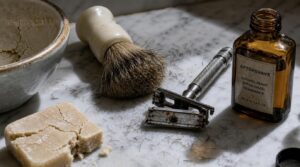
Shaving irritation rarely comes out of nowhere — something in your routine is usually the culprit. The good news is that most causes are easy to spot once you know what to look for. Here are the most common ones worth paying attention to.
If your skin tends to react badly no matter what you try, understanding what makes skin sensitive in the first place can help you tackle the root cause rather than just the symptoms.
If you’re dealing with persistent irritation, brushing up on straight razor shaving techniques can help you spot where your routine is going wrong.
Dry Shaving
Dry shaving is quick and convenient, but your skin pays a price. Unlike wet shaving, which softens hair with water and lather first, dry shaving cuts hair at the surface with little preparation. That missing step increases friction against your skin. Over time, this can trigger razor burn — redness, stinging, and irritation that shows up fast after shaving.
Repeated irritation can also lead to razor bumps, and witch hazel’s role in soothing razor bumps is worth exploring as a gentle, accessible remedy for post-shave skin.
Wet shaving reduces irritation thanks to lubricating cream and water.
Dull Razor Blades
A dull blade is a common culprit behind razor burn. As you shave, blade edge damage builds up — tiny microchip formation along the cutting edge causes tugging instead of clean cuts. That drag increases friction against your skin.
Replace razors every five to seven shaves, and rinse blades dry after use to slow corrosion that accelerates dullness.
Shaving Against Grain
Blade sharpness matters, but shaving direction plays just as big a role. Going against the grain cuts hair below the skin surface.
That sharper angle makes it easier for hair to curl back and become trapped under skin, leading to razor bumps (ingrown hairs) and razor burn.
Shaving with hair growth reduces friction and keeps irritation in check.
Sensitive Skin Reactions
Some people’s skin reacts more intensely to shaving because their skin barrier is already compromised. Stinging, burning, or redness can appear even with a clean, sharp blade.
Fragrances in shaving products are a common trigger.
If your skin flares easily, patch-test new products and choose alcohol-free, fragrance-free formulas with moisturizing agents like aloe to keep irritation in check.
Tight Clothing Friction
What you put on after shaving matters — but so does what you put on next. Tight clothing friction can quietly undo all your post-shave care.
Synthetic or mixed fabrics pressed firmly against freshly shaved skin increase rubbing with every movement. Sweat makes it worse by softening skin, raising friction further.
Choose loose, breathable cotton right after shaving to let your skin recover undisturbed.
Razor Burn Vs Razor Bumps
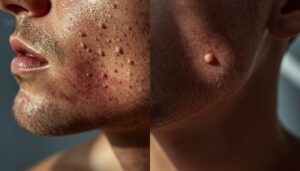
Razor burn and razor bumps might look similar at first glance, but they’re actually two different skin reactions. Knowing which one you’re dealing with makes a real difference in how you treat it. Here’s what to watch for with each.
Razor Burn Symptoms
Razor burn — technically called irritant contact dermatitis — shows up quickly. You might notice red rash appearance within minutes of finishing your shave. The skin can look flushed in patches or streaks. Alongside that redness, a burning stinging sensation often follows, sometimes feeling like mild heat rather than sharp pain.nnYou may also experience itchy tender skin that stays sensitive to the touch, along with some swelling inflammation in the shaved area. Small red bumps can appear too, easily mistaken for something more serious. These symptoms usually fade within a few days, offering natural relief from itching and stinging without treatment.nn| Symptom | When It Appears | Duration |n|—|—|—|n| Red rash | Within minutes | Hours to days |n| Burning/stinging | Soon after shaving | Minutes to hours |n| Itching/swelling | Shortly after shaving | 1–2 days |
Ingrown Hair Bumps
Ingrown hairs tell a different story than razor burn. Instead of a surface flush, you’re dealing with hair curled back into skin — triggering a localized inflammation called pseudofolliculitis barbae. The trapped hair causes raised, red or tan bumps, sometimes with a tiny dark dot at the center.
Bacterial infection risks rise if you scratch or pick at bumps, potentially leading to post-inflammatory hyperpigmentation — lasting dark patches even after healing.
| Feature | Ingrown Hair Bump |
|---|---|
| Appearance | Raised red or tan papule |
| Core cause | Hair re-entering the skin |
Common Affected Areas
Both razor burn and razor bumps can show up almost anywhere you shave. The most common trouble spots include the jawline and neck, where skin is thin and hair grows in multiple directions. The upper lip, sideburns, armpits, legs, and bikini line are also frequently affected.
| Area | Main Irritation Risk |
|---|---|
| Jawline & Neck | Multi-directional hair growth |
| Upper Lip & Sideburns | Repeated short strokes |
| Bikini Line & Pubic Area | Friction from clothing |
Healing Time Differences
How long will your skin take to bounce back? That depends on what you’re dealing with. Razor burn heals faster — usually within two to three days — because it affects only the outer skin layer. Razor bumps, which involve the hair follicle beneath the surface, often linger for a week or longer.
Razor burn fades in days, but razor bumps can linger for weeks
| Condition | Healing Time | Recovery Type |
|---|---|---|
| Razor Burn | 2–3 days | Surface healing |
| Razor Bumps | 1–2 weeks | Deep follicle recovery |
| Repeated Irritation | 2+ weeks | Delayed barrier repair |
Resting between shaves gives your skin’s barrier time to rebuild. Without that rest, each shave restarts irritation before recovery finishes.
Infection Warning Signs
Most shaving irritation clears on its own — but sometimes it doesn’t.
Watch for spreading redness, increasing pain, heat, swelling, or pus drainage. These signal bacterial infection or folliculitis (infected hair follicles). Fever means it’s spreading systemically. Blistering may indicate herpes virus.
See a doctor if symptoms worsen — you may need a topical antibiotic cream.
Natural Pre-Shave Prevention Tips

What you do before the razor even touches your skin matters more than most people realize. A few simple habits can make the difference between smooth results and days of redness and irritation. Here are the natural pre-shave steps worth adding to your routine.
Warm Compress Preparation
Before you pick up a razor, a warm compress can make a real difference. It softens hair and opens pores, which means less drag and less irritation.
- Temperature: Aim for around 104°F (40°C) — comfortably warm, never scalding. Test it on your wrist first.
- Cloth: Use a clean, soft towel that’s absorbent enough to hold heat well.
- Soaking: Saturate the cloth, then wring out the excess so it’s warm but not dripping.
- Duration: Hold it against your skin for 10–20 minutes max. Stop immediately if you feel stinging or increased redness.
Gentle Skin Cleansing
Once your warm compress has done its work, the next step is washing your face with the right cleanser. This matters more than most people think.
Choose a pH balanced cleanser with mild surfactants — these lift dirt without stripping your skin’s natural oils. Look for barrier support ingredients like glycerin or ceramides, and always do a residue free rinse before reaching for your razor.
Moisturizing Shaving Cream
After cleansing, your skin is ready for a protective layer before the blade ever touches it. That’s where a moisturizing shaving cream earns its place.
A good formula does three things:
- Creates a barrier lubrication layer that lets the razor glide instead of scrape
- Delivers humectants like glycerin to hold moisture at the skin surface
- Supplies emollients such as shea butter or vitamin E to soften hair and reduce raw, tight feeling after each pass
Look for creams with aloe vera and a skin-compatible pH-balanced formula — these natural soothing remedies calm skin before irritation even starts.
Simple Shaving Oil
A shaving oil takes your prep one step further. While cream builds a foam barrier, oil creates a slick, transparent layer that lets the blade glide cleanly without dragging. Because it stays clear, you can actually see exactly where you’re shaving — useful for edging or detail work.
A simple DIY blend starts with a carrier oil base like jojoba or grapeseed, then adds a few drops of tea tree oil for antibacterial, anti-inflammatory support. This combination moisturizes while actively working to prevent razor burn before it starts.
Fresh Razor Blades
A dull blade is one of the most overlooked causes of razor burn. As edge coating wears down and micro geometry degrades, the blade drags instead of slicing — pulling hair rather than cutting it cleanly.
Replace your razor every five to seven shaves. When passes feel slower or rougher than usual, that’s your signal.
Safer Shaving Technique
How you shave matters just as much as what you put on your skin beforehand. Small adjustments to your technique can make a big difference in how your skin feels afterward. Here are five simple habits worth building into your routine.
Shave With Grain

Think of your razor like a car following a road — it works best when it goes with the flow, not against it.
Shave in the direction your hair grows to reduce razor burn and protect your skin barrier (the outer layer that keeps moisture in). This also lowers your chances of painful ingrown hairs forming beneath the surface.
Use Light Pressure
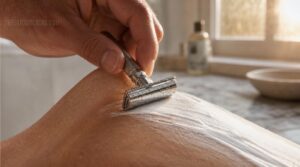
Most people press harder when the razor doesn’t seem to cut well — but that usually makes things worse.
Light pressure lets the blade glide cleanly across the skin.
When combined with a sharp blade and moisturizing cream, minimal force shaving does all the work naturally, helping with preventing razor burn without dragging or irritating your follicles.
Short Controlled Strokes

Short strokes are your best defense against friction buildup. Instead of long sweeping passes, keep each stroke to 1–2 inches and lift the blade before resetting. This gives you more control over angle consistency and lets you respond quickly if skin starts to feel tight or dry.
- Stroke length control reduces how much skin the blade stresses in one pass
- Short strokes make it easier to maintain blade angle across curved areas like the jawline
- Direction discipline improves when you reset often — less temptation to drift across the grain
- Working area by area helps you notice drag or dryness before it causes razor burn
- Better skin glide comes naturally when each stroke starts on a freshly lubricated surface
Breaking your shave into small zones — chin, jaw, cheeks — lets you pause, reassess, and adjust technique without grinding the blade repeatedly over the same patch. That simple habit alone can substantially reduce razor bumps over time.
Rinse Blade Often

A dirty blade is a slow blade. Rinse after every stroke — don’t wait for buildup to stall your shave.
Use hot water over cold to flush hair and lather cleanly. For cartridge razors, direct the flow back to front through the head.
Regular rinsing prevents clogging, reduces drag, and cuts your risk of razor burn dramatically.
Avoid Repeated Passes

Each extra pass is a small insult to your skin. Once you’ve gone over an area, limit shaving passes — going back repeatedly scrapes already-exposed skin and increases redness fast.
- Consistent blade angle reduces missed spots
- Control stubble length before you start
- Minimize pressure so the blade glides cleanly
- Skin reset between passes with fresh lather
Natural Post-Shave Relief

Once the razor’s done its job, your skin needs a moment to recover. The good news is that a few simple, natural steps can calm redness and irritation fast. Here’s what actually works.
Cool Water Rinse
Rinsing with cool water right after shaving is one of the simplest things you can do for your skin. Water around 65–75°F helps lower your skin’s surface temperature, reducing that familiar post-shave heat and redness. A quick 20–30 second splash is enough — no scrubbing.
Then gently pat your skin dry, and apply a soothing moisturizer while your skin is still slightly damp.
Cold Compresses
Once your skin is cool from that water rinse, a cold compress can take things a step further. Apply it gently — no rubbing — for 10 to 20 minutes at a time. Always wrap your ice pack or cold gel pack in a cloth first to protect sensitive skin from direct cold contact.
- Use a chilled damp washcloth for face and neck areas
- Wait 10 minutes between applications to avoid overcooling
- Stop immediately if skin turns pale, numb, or more painful
Aloe Vera Gel
After a cold compress, aloe vera gel is your next best friend. Aloe vera gel is about 99.5% water, plus polysaccharides (gel-like plant sugars) that help it cling to your skin instead of running off. That combination delivers real moisturizing and anti-inflammatory relief to irritated tissue.
Apply it 2–3 times daily after shaving to calm razor burn and skin irritation.
Witch Hazel Toner
Once the aloe has settled, reach for a witch hazel toner. Witch hazel is a natural astringent — meaning it gently tightens pores and reduces swelling. It’s also anti-inflammatory, so it calms the redness that shaving leaves behind. Choose an alcohol-free formula to avoid extra dryness, especially on sensitive skin.
Apply it lightly with a cotton pad, then follow with moisturizer.
Diluted Tea Tree Oil
Tea tree oil is a potent natural antiseptic worth adding after witch hazel — but dilution is non-negotiable. Its active compound, terpinen-4-ol, delivers anti-inflammatory and antibacterial action that helps calm razor burn and prevent infected ingrown hairs.
- Dilution ratio: 2–3 drops per teaspoon of carrier oil (roughly 1–3%)
- Carrier oils: coconut, almond, or jojoba work well
- Patch test first: apply to your inner wrist, wait 24 hours
- Never apply undiluted — it can worsen irritation
- Storage: keep your blend in a cool, dark place
Top 5 Natural Shaving Soothers
Some natural ingredients do a better job than others for calming skin after a shave. The five options below are worth keeping on your shelf. Each one brings something specific to the table, so let’s take a closer look.
1. Handcraft Fractionated Coconut Carrier Oil
Think of fractionated coconut oil as a blank canvas — light, neutral, and ready to work with whatever you put on it.
Handcraft’s version is 100% pure and fragrance-free, making it a smart pick for sensitive, post-shave skin. It absorbs quickly without leaving a greasy film, so it won’t clog your pores.
You can use it alone as a pre-shave barrier oil or mix it with a few drops of tea tree oil for added antibacterial protection.
| Best For | Anyone with sensitive skin who wants a clean, no-fuss carrier oil for moisturizing, shaving prep, or mixing with essential oils. |
|---|---|
| Form | Liquid oil |
| Skin Use | Moisturizer |
| Fragrance | Fragrance-free |
| Cruelty-Free | Yes |
| Chemical Additives | None |
| Volume | 16 fl oz |
| Additional Features |
|
- Absorbs fast and doesn’t leave a greasy residue, so your skin feels smooth without that heavy, oily feeling
- Completely fragrance-free and chemical-free, making it a solid choice for sensitive or reactive skin
- Super versatile — works as a standalone moisturizer, hair treatment, or base for essential oils
- Some bottles have arrived leaky, which means you might get less than you paid for
- The pump dispenser can be messy and harder to control than a simple cap
- No scent at all, which is great for some but might feel a little flat if you enjoy a light fragrance in your skincare
2. Nature Nates Raw Unfiltered Honey
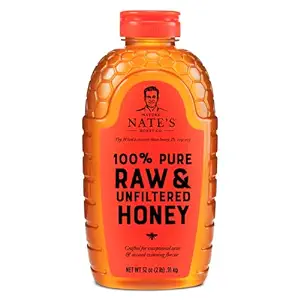
Raw honey has been used as a skin soother for centuries — and there’s good reason it’s stuck around.
Nature Nate’s is raw and unfiltered, meaning it retains natural enzymes and antioxidants that processed honey loses. These compounds help calm irritated skin and support healing. Its thick, flowing texture creates a gentle barrier over freshly shaved skin.
Apply a small amount to irritated areas and leave it on for 10–15 minutes before rinsing. Your skin will thank you.
| Best For | Anyone who wants a pure, natural sweetener they can drizzle on everything from morning oatmeal to a hot toddy — and feels good knowing exactly what’s in the jar. |
|---|---|
| Form | Liquid honey |
| Skin Use | Topical remedy |
| Fragrance | Natural honey scent |
| Cruelty-Free | Yes |
| Chemical Additives | None |
| Volume | 32 oz |
| Additional Features |
|
- 100% pure, raw, and unfiltered — no fillers, just real honey with natural enzymes and pollen intact
- The flip-top squeeze bottle makes dispensing easy and mess-free
- Award-winning flavor backed by ChefsBest, so it’s not just healthy — it actually tastes great
- Not certified organic, and the pollen content could be a problem for allergy-prone folks
- In colder temps, the thick texture can get stubborn — you may need to warm the bottle a bit first
- Costs more than your average grocery store honey, which might sting a little at checkout
3. Seven Minerals Organic Aloe Vera Gel

If your skin had a favorite ingredient, it would probably vote for aloe vera. Seven Minerals Organic Aloe Vera Gel is made from freshly cut aloe leaves — not powder — giving you a purer, more potent gel.
It’s NSF Organic and IASC certified, alcohol‑free, and absorbs quickly without leaving a sticky residue.
Apply a thin layer to freshly shaved skin 2–3 times daily to calm redness and lock in moisture.
It’s gentle enough for sensitive skin, though a patch test is always a smart first step.
| Best For | Anyone who wants a clean, no-nonsense aloe gel for soothing sunburns, daily moisturizing, or post-shave relief — especially those who care about organic, vegan ingredients. |
|---|---|
| Form | Gel |
| Skin Use | Moisturizer |
| Fragrance | Unscented |
| Cruelty-Free | Yes |
| Chemical Additives | None |
| Volume | 12 oz |
| Additional Features |
|
- Made from freshly cut aloe leaves (not powder), so you’re getting the real deal — more potent and pure
- Absorbs fast and doesn’t leave that sticky, goopy feeling most aloe gels are known for
- Certified NSF Organic and IASC, alcohol-free, and works for skin, hair, and scalp
- The gel runs a bit thin and almost liquid at first, which can feel a little odd before it sets
- No pump dispenser, so getting the right amount out can be a little messy
- It’s pricier than most aloe gels, which makes it harder to justify slathering on large areas
4. Ola Prima Australian Tea Tree Oil
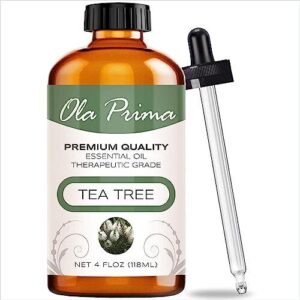
For ingrown hairs that won’t quit, tea tree oil is worth keeping in your routine. Ola Prima Australian Tea Tree Oil comes in a UV-protective amber glass bottle with a precision dropper, making dilution easy and precise.
Always dilute it — 2–3 drops per teaspoon of carrier oil — before applying to shaved skin. Its natural antimicrobial properties help prevent infection in irritated follicles (hair roots). It also blends well with lavender or coconut oil for a gentler application.
| Best For | Anyone dealing with ingrown hairs, acne, or scalp issues who wants a versatile, natural antimicrobial oil in their routine. |
|---|---|
| Form | Liquid oil |
| Skin Use | Spot treatment |
| Fragrance | Strong tea tree scent |
| Cruelty-Free | Yes |
| Chemical Additives | None |
| Volume | 4 fl oz |
| Additional Features |
|
- Therapeutic-grade and rigorously tested for purity, so you know you’re getting the real deal
- UV-protective amber glass bottle with a precision dropper makes diluting clean and easy
- Works beyond skin care — great for diffusing, DIY cleaners, and insect-repellent mixes
- Must always be diluted before use, which adds a step every time
- The smell is strong and medicinal — not everyone’s cup of tea
- Keep it away from pets and birds, as it can be toxic to them
5. NOW Grapeseed Oil Moisturizer
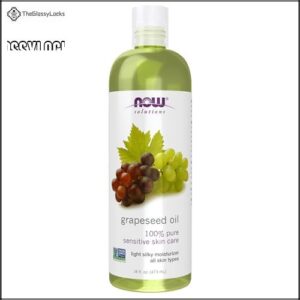
Grapeseed oil is one of those quiet workhorses that rarely gets enough credit. NOW Solutions Grapeseed Oil is 100% pure, odorless, and lightweight — meaning it absorbs quickly without leaving a greasy film behind.
Its linoleic and oleic acid content helps restore your skin’s natural barrier after shaving. It won’t clog pores, making it safe for sensitive or acne-prone skin. Apply a few drops post-shave, or blend it with tea tree oil for added antimicrobial (germ-fighting) protection.
| Best For | Anyone with sensitive or acne-prone skin who wants a lightweight, no-fuss oil for moisturizing, post-shave care, or mixing into their own skincare routine. |
|---|---|
| Form | Liquid oil |
| Skin Use | Moisturizer |
| Fragrance | Odorless |
| Cruelty-Free | Yes |
| Chemical Additives | None |
| Volume | 16 fl oz |
| Additional Features |
|
- Pure and lightweight — absorbs fast with no greasy feel, great for everyday face and body use
- Plays well with others — works as a carrier oil, makeup remover, or hair smoother right out of the same bottle
- Responsibly made — GMP-certified, cruelty-free, and packaged in a recycled amber bottle that protects the oil’s quality
- No pump means every pour is a bit of a guessing game, which can get messy
- Won’t cut it alone for very dry skin — you’ll likely need a lotion on top
- The dark PCR bottle looks a little rough, and it’s easy to mistake that for the oil going bad (it hasn’t)
Frequently Asked Questions (FAQs)
Do home remedies help irritated skin after shaving?
Yes, many home remedies can help soothe irritated skin after shaving. Ingredients like aloe vera, witch hazel, and cool compresses target redness and burning effectively — but always dilute strong options like tea tree oil.
How do you get rid of razor bumps after shaving?
Razor bumps dig in like splinters you can’t quite reach. To get rid of them, stop reshaving the area, apply aloe vera gel, and use warm compresses to coax trapped hairs back to the surface.
How to prevent razor burn & other shaving irritations?
Preventing razor burn starts with preparation and technique. Soften hair with warm water, use a moisturizing gel, shave with the grain using light pressure, and finish with an alcohol-free balm.
How do you get rid of ingrown hairs after shaving?
To get rid of ingrown hairs after shaving, apply a warm compress several times daily to soften skin and help the trapped hair surface. Gently exfoliate, avoid picking, and use a soothing, fragrance-free moisturizer.
What should I do if my shave is irritated?
Start with a cool water rinse to calm redness. Then apply aloe vera gel or witch hazel. Skip re-shaving until your skin settles fully.
How do you get rid of a shave rash?
A shave rash usually clears up on its own within a few days. Stop shaving the area, rinse with cool water, and apply aloe vera gel to calm redness and ease irritation.
How do you make shaving less irritating?
Making shaving less irritating comes down to preparation and technique. Soften hair first, use a sharp blade, shave with the grain, and apply a gentle, alcohol-free moisturizer right after.
How do you fix irritated skin after shaving?
After shaving, cool the skin first with a rinse or chilled cloth. Then apply aloe vera gel or witch hazel to calm redness and reduce inflammation while your skin recovers.
What is the best natural thing after shaving?
Aloe vera gel is your best post-shave ally. It cools irritated skin, strengthens your moisture barrier, and absorbs quickly. Apply it while skin is slightly damp for the best soothing effect.
How to stop itching down there immediately after shaving?
Rinse the area with cool water right away — it calms the skin surface fast. Then pat dry and apply aloe vera gel or witch hazel to reduce redness and stop the itch.
Conclusion
It’s no coincidence that the people who struggle least with shaving irritation tend to follow the same simple habits: warm skin, a sharp blade, and a gentle touch.
These aren’t secrets—they’re natural defenses that work with your skin’s natural defenses.
When you reduce shaving irritation naturally, you’re not just preventing redness; you’re protecting your skin barrier every single day.
Small, consistent choices add up.
Your skin notices the difference even when you don’t.