This site is supported by our readers. We may earn a commission, at no cost to you, if you purchase through links. This content is for general informational and educational purposes only and is not a substitute for professional medical, dermatological, or nutritional advice.

Pregnancy clears up acne for some women—and triggers it for others with no prior history. That unpredictability traces back to a single hormonal cascade: rising hCG and androgens during weeks six through eight drive sebaceous glands into overdrive, producing thicker, more viscous sebum that clogs follicles faster than you’re skin can clear them.
The frustrating part isn’t the breakouts themselves—it’s discovering that most go-to treatments, from retinoids to tetracyclines, belong on the contraindicated list. Safe acne treatment during pregnancy does exist, though deciphering what’s evidence-backed versus what’s simply marketed as "natural" requires more precision than most skincare guides offer.
Table Of Contents
- Key Takeaways
- Why Pregnancy Acne Happens
- Safe Topical Acne Treatments
- Pregnancy-Safe Acne Skin Routine
- Acne Medications to Avoid
- Doctor-Approved Severe Acne Options
- Best Pregnancy Acne Products
- Frequently Asked Questions (FAQs)
- Can acne be treated in pregnancy?
- What are the best pregnancy-safe acne treatments?
- Can pregnancy-related acne be treated safely?
- Can I take acne medication while pregnant?
- Can I use OTC acne treatments during pregnancy?
- How many pregnancy-safe acne treatments are there?
- What can you use for acne while pregnant?
- What is the best face cleanser for pregnancy acne?
- When does pregnancy acne typically resolve postpartum?
- Can hormonal birth control worsen pregnancy acne?
- Conclusion
Key Takeaways
- Pregnancy triggers acne through a rapid hormonal surge—mainly hCG and androgens peaking at weeks 6 to 8—that thickens sebum, clogs follicles, and can affect your face, chest, and back all at once.
- Your safest topical options are azelaic acid, low-concentration benzoyl peroxide (2.5–5%), topical clindamycin, salicylic acid (1–2%), and glycolic acid (under 10%)—all backed by ACOG guidance with minimal fetal exposure risk.
- Isotretinoin, topical retinoids, doxycycline, spironolactone, and hydroquinone are hard stops during pregnancy due to documented teratogenic risks or dangerously high systemic absorption rates.
- When topical treatments aren’t cutting it, dermatologist-supervised options like oral erythromycin, intralesional corticosteroid injections, or blue/red light therapy offer evidence-based paths forward without putting your baby at risk.
Why Pregnancy Acne Happens

Pregnancy acne isn’t random — your body is running a hormonal experiment it has never run before.
That’s why finding a pregnancy-safe acne treatment that actually fits your skin matters more than just grabbing whatever worked before.
Understanding what’s actually driving those breakouts makes it easier to treat them safely and without panic.
Here’s what’s happening beneath the surface.
First-Trimester Hormonal Changes
Within the first trimester, your body triggers a rapid hormonal cascade — an estrogen surge, progesterone rise, and sharp hCG spike all arrive nearly simultaneously. SHBG elevation follows, altering how freely androgens circulate, while an androgen increase quietly amplifies sebaceous activity. These overlapping hormonal fluctuations peak around weeks six to eight, which is precisely when many women notice their skin changing fastest.
hCG reaches its highest levels during this period, a pattern detailed in the early hCG peak overview.
Increased Oil Production
Those hormonal shifts don’t just alter your mood — they directly drive a sebum production increase that changes your skin’s texture and behavior.
- Sebum composition shifts, making oil thicker and stickier
- Follicle blockage becomes more likely as drainage slows
- Barrier stress rises when oily skin triggers over-cleansing
- The shine‑inflammation link explains why congestion escalates quickly
- Oil‑control ingredients like azelaic acid and topical benzoyl peroxide help manage pregnancy acne safely
Clogged Pores and Bacteria
Thicker sebum doesn’t just sit on the surface — it mixes with dead cells, triggering keratin plug formation deep inside the follicle. This blocked environment fuels microbial colonization, where C. acnes biofilm develops, driving follicular inflammation through sebum-cell interaction. Comedones form and worsen quickly.
Topical azelaic acid, benzoyl peroxide, and topical clindamycin each target this cascade, though clindamycin requires benzoyl peroxide co-application to counter bacterial resistance.
Face, Chest, and Back Breakouts
Follicular plugging doesn’t confine itself to the face. Pregnancy-driven sebum overproduction extends to the chest and back, where sweat friction, occlusive clothing, and hair product residue compound pore congestion greatly.
Sun-induced inflammation and stress-hormone synergy further aggravate these lesions.
Managing trunk breakouts requires noncomedogenic products alongside targeted actives — benzoyl peroxide, azelaic acid, sulfur, and zinc — applied consistently to all affected areas.
Why Past Hormonal Acne May Flare
If your skin was acne-prone before pregnancy, consider it primed — androgen sensitivity in sebaceous glands doesn’t reset between flares. Pregnancy’s hormonal influences on acne across trimesters reactivate the sebum cycle through three converging mechanisms:
- Follicle turnover slows, trapping debris in already-susceptible pores
- Immune modulation amplifies inflammatory responses around blocked follicles
- Barrier dysfunction lowers your skin’s threshold for new breakouts
Maternal androgen concentrations and shifting estrogen levels effectively redial a number your follicles already know.
Safe Topical Acne Treatments

The good news is that your options aren’t as limited as you might think. Several topical ingredients have solid safety profiles and are used regularly in pregnancy without raising red flags for your baby.
Here’s what dermatologists actually reach for when treating acne during pregnancy.
Azelaic Acid
Naturally produced by Malassezia yeast on your skin, azelaic acid is one of the few ingredients that earns genuine trust during pregnancy. Its antimicrobial action targets acne-causing bacteria, while keratinization regulation prevents the follicular buildup that drives pregnancy acne. Add hyperpigmentation reduction to that profile, and you have a rare baseline therapy that tackles multiple concerns simultaneously — without retinoid risk.
| Feature | Detail | Clinical Relevance |
|---|---|---|
| Formulation Strengths | 15% gel / 20% cream | Covers mild-to-moderate acne presentations |
| Systemic Absorption | 3–8% dermal uptake | Minimal fetal exposure risk |
| Antimicrobial Action | Targets C. acnes directly | Doesn’t induce antibiotic resistance |
| Combination Regimens | Pairs with clindamycin or benzoyl peroxide | Enhances efficacy; limits resistance |
| Trimester Safety | Safe across all three trimesters | FDA Category B; ACOG-endorsed |
Use of azelaic acid as baseline therapy during gestation is well-supported — making it one of the most reliable and safe skincare ingredients for pregnant women managing persistent breakouts. Apply it twice daily, and discontinue use if severe redness or scaling develops.
For a broader look at how azelaic acid fits into a longer-term routine, this guide on acne treatment options to prevent future breakouts also covers what to revisit postpartum when more ingredients become available again.
Benzoyl Peroxide
Benzoyl peroxide sits at the center of most pregnancy-safe topical therapy protocols — and for good reason. Its safety evidence is solid: negligible systemic absorption makes its Category C classification far less alarming in practice than on paper.
For concentration guidance, stick to 2.5%–5%. Irritation management matters too, so apply sparingly.
Combination therapy with topical clindamycin enhances efficacy while curbing resistance.
Salicylic Acid
Topical salicylic acid works through beta hydroxy exfoliation — it’s oil-soluble, so it penetrates sebum-filled follicles to drive keratinocyte turnover and reduce blackhead formation. For pregnancy-safe cosmetics, stay at 1–2%; ACOG endorses this range given its low systemic absorption and favorable risk assessment.
- Oil reduction mechanism clears trapped debris without aggressive irritation
- Sun protection is non-negotiable — salicylic acid increases photosensitivity
- Aspirin allergy caution: avoid entirely if you’re aspirin-sensitive
- Note: FDA hasn’t assigned a formal Category B designation — ACOG guidance drives its safe use here
Glycolic Acid
Glycolic acid — an alpha hydroxy acid with a pKa of 3.83 — delivers dual-action results through its exfoliation mechanism and humectant hydration properties, dissolving dead-cell buildup while binding water to surface keratinocytes.
For pregnancy-safe cosmetics, maintain concentrations at or below 10%; this threshold endorses ACOG’s risk assessment and benefit analysis for acne therapy during pregnancy.
Its brightening impact on post-inflammatory pigmentation establishes glycolic acid as a clinically practical acid-based exfoliant at the recommended safe concentration.
Topical Clindamycin
When inflammatory acne does not respond to acids alone, topical clindamycin — a Category B lincosamide antibiotic — becomes the next evidence-based step. Its safety profile during pregnancy is well-established among acne medications, with minimal systemic absorption, which protects against fetal exposure.
Key clinical considerations:
- Resistance Prevention — Always pair with benzoyl peroxide.
- Combination Formulations — Fixed-dose clindamycin/BPO gels simplify adherence.
- Application Frequency — Apply to affected areas every 12 hours.
- Side Effect Management — Monitor for dryness, redness, or peeling.
Niacinamide and Oil Control
Where topical clindamycin targets bacteria directly, niacinamide works upstream — quietly regulating the oil environment that fuels breakouts. As one of the few safe over-the-counter acne treatments during pregnancy, this vitamin B3 derivative delivers sebum balancing, pore minimization, barrier reinforcement, and inflammation reduction without raising fetal exposure concerns. Its gentle formulation at 2–5% makes it a practical noncomedogenic option for daily pregnancy-safe cosmetic use.
| Niacinamide Benefit | Mechanism | Pregnancy Relevance |
|---|---|---|
| Sebum balancing | Reduces sebaceous lipid synthesis | Controls hormone-driven oil surges |
| Pore minimization | Decreases surface shine and buildup | Lessens comedone formation risk |
| Barrier reinforcement | Enhances stratum corneum lipid production | Tolerates co-applied topical medication safety |
| Inflammation reduction | Inhibits IL-1β, IL-6, TNF-α cytokines | Calms reactive pregnancy skin |
| Oil control | Balances sebum without stripping | Safe with noncomedogenic product importance in acne care |
Pregnancy-Safe Acne Skin Routine
Knowing which ingredients are safe is only half the battle — how you use them matters just as much. A consistent daily routine keeps breakouts manageable without putting your baby at unnecessary risk.
Here’s what a pregnancy-safe regimen actually looks like, step by step.
Gentle Morning Cleanser

Start your morning by washing away overnight sebum buildup — without dismantling your skin barrier in the process. During pregnancy, a Fragrance-Free Formula with Barrier-Support Surfactants and a Hydrating Ingredient Blend (glycerin, ceramides, hyaluronic acid) is ideal.
Look for:
- pH-Balanced Cleanse to minimize irritation
- Non-Foaming Texture for sensitive, reactive skin
- Pregnancy-safe skincare labels confirming no retinoids, zinc, tea tree oil, or gentle AHAs
Non-Comedogenic Moisturizer

After cleansing, your skin needs hydration — but the wrong moisturizer can undo everything. Noncomedogenic moisturizers built on a Lightweight Gel Base with Hyaluronic Acid Boost and Ceramide Enrichment hydrate without clogging pores, supporting pregnancy skincare routine adjustments seamlessly.
| Feature | Why It Matters | Pregnancy-Safe Example |
|---|---|---|
| Non-Occlusive Emollients | Won’t trap bacteria | Glycerin-based formulas |
| pH-Balanced Formulation | Reduces irritation | Fragrance-free lotions |
| Ceramide Enrichment | Strengthens barrier | CeraVe Moisturizing Cream |
Physical Sunscreen
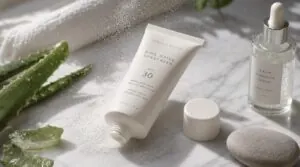
Once your noncomedogenic moisturizer has settled, sunscreen is next — and your choice matters here. Chemical filters like oxybenzone may act as hormone disruptors, making physical sunscreen the preferred pregnancy-safe skincare option for acne during pregnancy.
- Zinc oxide delivers broad-spectrum coverage across UVA and UVB
- Immediate protection begins on application — no waiting period required
- Smaller particle size formulas minimize white cast on deeper skin tones
Evening Spot Treatment
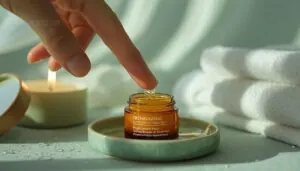
Once your skin is cleansed, targeted spot treatment becomes your nighttime barrier support against active blemishes. Apply a small amount directly to each lesion—using a patting application technique rather than rubbing to preserve surrounding skin. Allow adequate drying time before moisturizing.
Sulfur-based options, such as Face Reality Sulfur Spot Treatment or Hero Cosmetics Mighty Patch The Original, align with the safety profile of acne medications during pregnancy. Avoid overuse on unaffected areas to maintain skin balance.
Avoiding Over-Exfoliation
Even pregnancy-safe exfoliants like glycolic acid and salicylic acid can backfire when overused. Barrier protection depends on frequency control — limit exfoliating acids to once or twice weekly, and never practice acid layering by stacking multiple actives in one session.
Skip rough, gentle scrubs entirely. If redness or stinging appears, pause and prioritize recovery before reintroducing any chemical peel or pregnancy-safe skincare exfoliant.
Acne Medications to Avoid

Some acne treatments become dangerous the moment a baby is involved. A few of these are prescription medications you might already be using, and others are ingredients hiding in everyday skincare products.
Here’s what you’ll want to remove from your routine entirely.
Oral Isotretinoin
Isotretinoin is a hard stop — full stop. As a Category X drug, its teratogenic risk is undeniable: first-trimester exposure causes craniofacial, cardiac, or CNS defects in 25–35% of cases. The drug’s mechanism of action is powerful — but so is its birth defect risk.
Isotretinoin is a Category X hard stop — its teratogenic risk causes defects in up to 35% of first-trimester exposures
The U.S. Pregnancy Prevention Program, mandatory lab monitoring, and dose adjustments cannot make it safe during pregnancy. Avoid it entirely.
Topical Retinoids
Topical retinoids—tretinoin, adapalene, tazarotene, and trifarotene—deliver real comedolytic benefits through retinoic acid receptor activation, influencing cell proliferation and differentiation. Their mechanism of action is well-established, and strategies to mitigate irritation exist.
However, pregnancy safety changes the calculus entirely. Despite lower systemic absorption compared to oral isotretinoin, the teratogenicity of retinoids remains a firm contraindication. All retinoid variants are advised against throughout all trimesters.
Doxycycline and Minocycline
Both doxycycline and minocycline are Category D drugs — a classification that leaves no room for debate during pregnancy. Tetracycline teratogenicity is well-documented: oral tetracyclines bind to developing fetal bone and enamel, causing permanent tooth discoloration and inhibited bone growth.
Beyond teratogenic risks, these acne drugs pose additional concerns: photosensitivity risk, esophageal irritation, neurologic side effects (specifically with minocycline), and resistance concerns from prolonged use.
Spironolactone
Spironolactone works through dual mechanisms — aldosterone inhibition and androgen blockade, making it effective against hormonal causes of pregnancy acne outside of pregnancy. During pregnancy, however, it is a clear contraindication. Its anti-androgen activity disrupts fetal hormone development, and breast changes signal just how systemically active it is.
Unlike category C agents requiring risk-benefit weighing, spironolactone isn’t a treatment option for cystic acne during pregnancy. Don’t consider it — its use poses unacceptable risks to fetal development.
Hydroquinone
Like spironolactone, hydroquinone isn’t a safe option during pregnancy — and it’s worth understanding exactly why. Primarily used for melasma management and postinflammatory hyperpigmentation through tyrosinase inhibition, hydroquinone absorbs dermally at roughly 45%, creating meaningful fetal exposure. Avoid it throughout pregnancy due to:
- High systemic absorption rate
- Unclear teratogenic risks of acne drugs and depigmenting agents
- Exogenous ochronosis risk with prolonged use
- Unavailability of substantial pregnancy safety data
- Safer combination therapies exist as alternatives
When selecting pregnancy-safe cosmetics and topical therapy during pregnancy, prioritize agents with established safety profiles over hydroquinone-based products.
Doctor-Approved Severe Acne Options

When topical treatments aren’t enough, your dermatologist has several evidence-based options that are considered safe during pregnancy. These approaches range from prescription antibiotics to light-based therapies, each chosen carefully to protect both you and your baby.
Here’s what your doctor might recommend when acne becomes more than a surface-level concern.
Oral Antibiotics
When topical therapy alone isn’t enough, oral antibiotics become a carefully considered option. These medications are categorized based on safety profiles, with Category B choices offering established or favorable risk assessments.
Erythromycin’s safety is well-established, while azithromycin is supported by favorable considerations despite limited data. Cephalexin use is backed by clean animal studies. However, amoxicillin carries a possible oral cleft association in early pregnancy, necessitating caution.
To mitigate resistance and reduce fetal risk exposure, always pair any oral antibiotic use with benzoyl peroxide. This combination approach optimizes therapeutic outcomes while prioritizing safety.
Intralesional Corticosteroid Injections
When oral antibiotics still leave isolated nodular lesions unresolved, cortisone injections offer a targeted next step. Intralesional triamcinolone delivers corticosteroid directly into the lesion, minimizing systemic fetal exposure — a meaningful advantage in the role of corticosteroids for severe nodular acne after the first trimester.
Here’s what precise management of acne in pregnant women involves:
- Triamcinolone concentration is commonly diluted to 2.5–5 mg/mL using dilution methods with normal saline or lidocaine
- Needle gauge selection — usually 27–30 gauge — improves precision and reduces trauma
- Injection depth targets the dermis, not subcutaneous fat, to prevent unintended spread
- Local atrophy and hypopigmentation remain the primary risks requiring thorough risk assessment and benefit analysis for acne therapy in pregnancy
- Contraindicated acne drugs and pregnancy categories make this a preferable alternative to systemic options like spironolactone or isotretinoin
Short Oral Corticosteroid Courses
When isolated nodules don’t respond to intralesional injections, a short oral corticosteroid course becomes an option — but only after careful risk assessment and benefit analysis for acne therapy in pregnancy.
| Consideration | Clinical Detail |
|---|---|
| Prednisone dosage | ~40–55 mg/day for 5–7 days |
| Blood sugar monitoring | Risk of elevated glucose increases during pregnancy |
| Blood pressure impact + VTE risk | Monitor closely; short courses aren’t risk-free |
| Psychological effects + systemic toxicity | Mood disturbances and increased infection risk possible |
The role of corticosteroids for severe nodular acne after the first trimester centers on treating fulminant flares when topical options have failed. Oral prednisolone carries fetal teratogenic risk — particularly cleft palate — so dosage is kept minimal and duration is kept short.
Blue and Red Light Therapy
Blue and red light therapy offers a genuinely reassuring option when topical treatments aren’t enough. Blue light — targeting bacteria at roughly 415 nm — pairs well with red light’s deeper, anti-inflammatory wavelengths in combination protocols.
Wavelength selection and device safety matter enormously; always use proper eye protection. Treatment dosing should remain controlled, and sessions must avoid overheating your skin.
Laser Treatments
Laser treatments demand careful pregnancy screening before any session begins. Chromophore selection guides wavelength safety — targeting pigment, sebaceous activity, or vascular components at appropriate treatment depth.
A fractional approach minimizes thermal spread while supporting controlled tissue remodeling.
Light and laser therapies for pregnancy acne, including photodynamic therapy and narrowband ultraviolet B phototherapy, are only performed under board-certified dermatologist supervision with fetal risk fully evaluated.
When Cystic Acne Needs Care
Cystic acne during pregnancy requires prompt clinical attention when any of these warning signs appear:
- Painful nodules that worsen rapidly, signaling inflammation too deep for OTC topical acne treatment recommendations
- Scarring risk from untreated truncal involvement on the chest or back
- Psychosocial impact affecting daily confidence or mood
Physician-guided treatment options for cystic acne during pregnancy—including oral antibiotic use, combination therapy to reduce bacterial resistance, and Category X drug avoidance—then become essential.
Best Pregnancy Acne Products
Finding products that actually work without putting your baby at risk is easier than you might think. A few well-formulated options cover everything from cleansing to sun protection, all built around ingredients your dermatologist would approve.
Here’s what’s worth keeping on your bathroom shelf.
CeraVe Acne Foaming Cream Cleanser
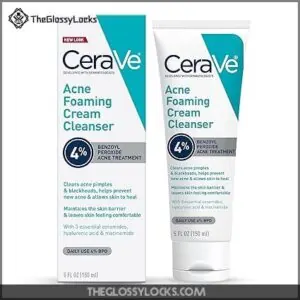
When managing pregnancy skincare, fewer ingredients doing more work is exactly what you want. The CeraVe Acne Foaming Cream Cleanser delivers 4% benzoyl peroxide to reduce acne-causing bacteria while ceramides 1, 3, and 6-II, hyaluronic acid, and niacinamide actively protect your barrier—a combination that’s hard to find at its $14.97 price point.
The formula is fragrance-free, non-comedogenic, and rinses clean without stripping, ensuring it’s gentle on the skin.
Just keep it away from towels; benzoyl peroxide bleaches fabric reliably.
- 4% benzoyl peroxide actually clears existing breakouts and keeps new ones from forming
- Ceramides, hyaluronic acid, and niacinamide work together to keep skin hydrated and calm—so it doesn’t feel stripped after washing
- Fragrance-free, non-comedogenic, and under $15 for nearly 6 oz—solid value for what you get
- Benzoyl peroxide will bleach towels and washcloths, so you’ll need to keep a dedicated set on hand
- Can dry skin out if you skip moisturizer afterward, especially when first starting out
- Won’t cut through heavy makeup on its own—you’ll need a separate remover before using this
PanOxyl Antimicrobial Acne Wash
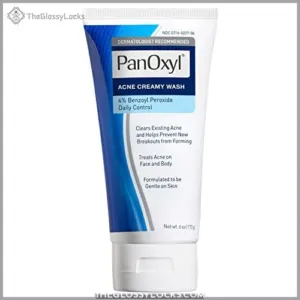
PanOxyl’s Antimicrobial Acne Wash doubles the benzoyl peroxide concentration—10% versus the CeraVe option—making it the stronger choice when breakouts are more widespread or stubborn. It foams easily across the face, chest, and back, targets Cutibacterium acnes directly, and integrates seamlessly into a daily routine.
However, the higher concentration increases dryness risk, so follow up with a fragrance-free moisturizer every time. Additionally, the product can bleach towels, so use only white fabrics near the sink.
- At 4% benzoyl peroxide, it’s effective without being as harsh as stronger formulas — good for everyday use without wrecking your skin barrier
- Packed with humectants and emollients, so it actually hydrates while it treats — unusual for an acne wash
- Works as both a full-face cleanser and a spot treatment, giving you flexibility depending on how bad the breakout is
- The medicinal smell is pretty noticeable and can be a turn-off for some people
- It can stain towels and clothing, so you have to be careful about what fabrics you use around it
- Very sensitive skin types may find it irritating, especially if the wash is left on too long without following up with a moisturizer
Choosing Low-Strength Benzoyl Peroxide
Starting at 2.5% rather than jumping straight to 5% initial concentrations is the smarter move during pregnancy, when skin sensitivity runs higher. Follow a patch test protocol before widespread use, then allow a gradual frequency increase from once to twice daily if tolerated.
Always pair with moisturizer to counteract dryness, and prioritize targeted spot application—benzoyl peroxide doesn’t need to cover every inch of skin.
Fragrance-Free Moisturizers
Benzoyl peroxide strips moisture, so pairing it with the right moisturizer isn’t optional.
Look for an allergen-free formulation with barrier-support ceramides and a lightweight gel base or gentle lotion feel — both support skin barrier integrity without clogging pores. pH-balanced preservation keeps the formula stable and safe. As a non-prescription skincare staple, a noncomedogenic product matters greatly in acne care, making it one of the most practical safe over-the-counter acne treatments during pregnancy.
Zinc Oxide Sunscreens
Once your moisturizer is locked in, sunscreen is non-negotiable. Zinc oxide delivers broad spectrum UVA/UVB protection while staying at the skin surface — meaning topical drug absorption and fetal exposure remains negligible. ACOG endorses it as a pregnancy safe cosmetic choice.
Look for acne friendly, lightweight sunscreen formulas with minimal white cast and water-resistant labeling. Tinted options help enhance the finish on deeper skin tones.
Frequently Asked Questions (FAQs)
Can acne be treated in pregnancy?
Yes — but not everything on your shelf is safe. The psychological impact of breakouts is real, yet dermatologist consultation ensures topical acne treatment recommendations for gestational patients stay effective.
These consultations adhere to Category B and C drug classification boundaries and prioritize fetal-risk-free outcomes, balancing efficacy with safety.
What are the best pregnancy-safe acne treatments?
Azelaic acid, topical clindamycin, and low-strength benzoyl peroxide represent the most evidence-supported, pregnancy-safe skincare options available.
These effective, budget-friendly options align with guidelines for prescribing acne treatments to pregnant women without compromising fetal safety.
Can pregnancy-related acne be treated safely?
Fortunately, pregnancy acne responds well to treatment — and with proper Physician Oversight, Risk-Benefit analysis, and Fetal-Safety Monitoring, you don’t have to choose between clear skin and your baby’s safety.
Can I take acne medication while pregnant?
Some acne medications are safe, but others carry serious teratogenic risks.
Prescription safety guidelines and fetal risk assessment help determine which options fit your trimester, making timing of therapy and monitoring maternal health essential priorities.
Can I use OTC acne treatments during pregnancy?
Several safe over-the-counter acne treatments during pregnancy exist, including topical salicylic acid and benzoyl peroxide.
However, staying within label usage limits and trimester considerations is essential before starting any non-prescription acne remedies.
How many pregnancy-safe acne treatments are there?
Wondering exactly how many options you actually have?
Based on guideline consensus and evidence synthesis, 5 pregnancy-safe acne treatments meet established safety thresholds: azelaic acid, benzoyl peroxide, salicylic acid, glycolic acid, and topical clindamycin.
Understanding why breakouts spike during pregnancy — from hormone-driven barrier changes to cytokine shifts — can help you use these treatments more strategically, as explained in this guide to preventing acne breakouts during pregnancy.
What can you use for acne while pregnant?
You can safely use benzoyl peroxide, topical antibiotics like clindamycin, salicylic acid, glycolic acid, sulfur-based masks,
mineral makeup, hypoallergenic patches, pregnancy-safe wipes, probiotic cleansers, azelaic acid, niacinamide, and cooling gel masks.
What is the best face cleanser for pregnancy acne?
Imagine a first-trimester patient whose skin stung after every wash — her "acne cleanser" contained fragrance and high-strength salicylate. Swapping to a pH balanced cleansing formula with ceramides cleared that irritation within days.
For pregnancy acne, CeraVe Acne Foaming Cream Cleanser and low-strength PanOxyl both check every box — ingredient exclusion list compliance, skin barrier support, minimalist formulation, and noncomedogenic product importance in acne care.
When does pregnancy acne typically resolve postpartum?
Postpartum acne usually clears within weeks to months as hormone normalization progresses.
Breastfeeding influence and individual risk factors create a variable clearance timeline.
Seek medical help if breakouts persist beyond several months.
Can hormonal birth control worsen pregnancy acne?
Hormonal birth control can’t effectively address pregnancy acne — pregnancy rewrites hormonal landscape entirely.
Progestin-only methods’ risk persists postpartum, while combined pill benefits and androgen signaling shifts make combination methods far more effective for hormonal acne management.
Conclusion
First, do no harm" isn’t just a physician’s oath—it’s the governing principle behind every safe acne treatment decision during pregnancy. Hormonal breakouts are temporary; the choices you make about treating them carry longer consequences. Trust the evidence, work with your dermatologist, and let time do the rest.
Azelaic acid, low-concentration benzoyl peroxide, and a consistent gentle routine give your skin a real fighting chance without compromising what matters most.