This site is supported by our readers. We may earn a commission, at no cost to you, if you purchase through links. This content is for general informational and educational purposes only and is not a substitute for professional medical, dermatological, or nutritional advice.

Acne treatment can betray you twice: first with the breakout, then with the burning, red irritation your "solution" leaves behind. If your skin flares up at the mere mention of retinoids or benzoyl peroxide, you know this cycle well, and you’ve likely written off half the acne aisle as too harsh to try.
Here’s the good news: sensitive skin care products for acne prone skin don’t require choosing between clear skin and calm skin. The right formulas pair proven actives with barrier-supporting ingredients, so your skin gets treated, not tortured.
Below, you’ll find picks that respect both your breakouts and your skin’s limits.
Table Of Contents
- Key Takeaways
- Best Products for Sensitive Acne Skin
- 1. Cetaphil salicylic acid acne moisturizer
- 2. Cetaphil Salicylic Acid Acne Cleanser
- 3. Differin Acne Treatment Gel Retinoid
- 4. Pyunkang Yul Calming Skincare
- 5. Cosrx Snail Mucin Repair Cream
- 6. Differin Benzoyl Peroxide Acne Face Wash
- 7. TIRTIR Milk Skin Toner
- 8. Centella Asiatica Ampoule Facial Serum
- 9. Differin Detox Soothe Clay Mask
- 10. Sensitive Skin Hydrating Face Moisturizer
- How We Chose Products
- Key Acne-Fighting Ingredients
- Soothing Barrier Support Ingredients
- Sensitive Acne Skincare Routine
- Ingredients Sensitive Skin Should Avoid
- Buying Tips for Acne-Prone Skin
- Frequently Asked Questions (FAQs)
- What should I use for sensitive, acne-prone skin?
- How do you take care of sensitive acne-prone skin?
- What skincare do dermatologists recommend for acne?
- Which cream is good for sensitive, acne-prone skin?
- Which ingredient is best for sensitive, acne-prone skin?
- What do dermatologists recommend for acne on sensitive skin?
- Can sensitive skin be acne prone?
- What is the best treatment for sensitive skin acne?
- How do you treat hypersensitive skin acne?
- How often should I exfoliate sensitive skin with acne?
- Conclusion
Key Takeaways
- Effective acne care for sensitive skin pairs proven actives like salicylic acid, benzoyl peroxide, adapalene, and azelaic acid with barrier-supporting ingredients like ceramides, niacinamide, and hyaluronic acid rather than choosing one over the other.
- Lower active concentrations work best for reactive skin, such as 0.5–2% salicylic acid, 2.5% or lower benzoyl peroxide, and 10% azelaic acid, since higher strength often means more irritation rather than better results.
- A consistent daily routine matters more than intensity, following the order of gentle cleansing, lightweight treatment, non-comedogenic moisturizing, and mineral sunscreen, followed by a nighttime repair step.
- Avoiding fragrance, drying alcohols, harsh sulfates, pore-clogging oils, and abrasive scrubs protects the skin barrier just as much as choosing the right active ingredients, and patch testing new products before full use helps catch reactions early.
Best Products for Sensitive Acne Skin
Finding products that treat acne without upsetting sensitive skin can feel like a balancing act, but the right formulas make it easier than you’d think.
This curated guide to gentle acne treatment products for sensitive skin breaks down formulas that fight breakouts while keeping irritation at bay.
Each pick below pairs proven acne-fighting ingredients with gentle, barrier-friendly formulations, so your skin gets results without the backlash. Here are ten options worth adding to your routine.
1. Cetaphil salicylic acid acne moisturizer
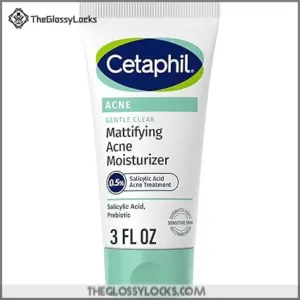
Cetaphil salicylic acid acne moisturizer pairs 0.5% salicylic acid with a lightweight gel-cream base, which means it exfoliates clogged pores without stripping moisture. It’s part of the Gentle Clear line, built with prebiotics and humectants to support your barrier while treating breakouts.
Non-comedogenic and fragrance-free, it hydrates up to 48 hours without triggering irritation. Apply after cleansing, morning and night. For sensitive, acne-prone skin, this balance of treatment and hydration is exactly what you want.
| Best For | People with sensitive, acne-prone skin who want oil control and breakout treatment without sacrificing hydration. |
|---|---|
| Skin Type | Sensitive, acne-prone |
| Fragrance Free | Yes |
| Non-Comedogenic | Yes |
| Key Active | Salicylic Acid |
| Hydrating Benefit | Yes, up to 48 hrs |
| Texture | Matte, lightweight |
| Additional Features |
|
- Contains 0.5% salicylic acid to treat and prevent breakouts, including maskne
- Hydrates for up to 48 hours while maintaining a lightweight, matte finish
- Non-comedogenic, fragrance-free, and hypoallergenic, making it gentle on sensitive skin
- Formulated specifically for sensitive skin, so it may be too mild for those needing stronger acne treatment
- Focused on oil control, which may not suit those with dry (non-acne-prone) skin
- Salicylic acid formulas can take time to show visible improvements in texture and tone
2. Cetaphil Salicylic Acid Acne Cleanser
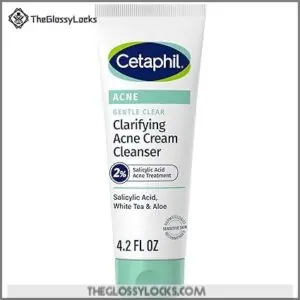
A cleanser that treats acne shouldn’t leave your face feeling stripped, and this one strikes that balance well. With 2% salicylic acid, it works deeper into pores than the moisturizer’s 0.5%, clearing debris while a cream-to-lather texture keeps things gentle. Aloe and white tea extract soothe as you rinse.
Fragrance-free and non-comedogenic, it’s built for reactive, breakout-prone skin. Use it once daily, patting dry afterward rather than rubbing. Think of it as your first line of defense, prepping skin for whatever treatment comes next.
| Best For | People with acne-prone, sensitive skin who need a deeper-cleaning treatment that won’t leave their face feeling tight or irritated. |
|---|---|
| Skin Type | Sensitive |
| Fragrance Free | No |
| Non-Comedogenic | Unspecified |
| Key Active | Salicylic Acid |
| Hydrating Benefit | Yes |
| Texture | Cream-to-lather |
| Additional Features |
|
- 2% salicylic acid clears pore-clogging debris more effectively than lower-strength options
- Cream-to-lather formula with aloe and white tea extract cleanses without stripping skin
- Fragrance-free and non-comedogenic, making it gentle on reactive skin
- Requires thorough rinsing and patting dry, adding a small extra step to your routine
- Formulated specifically for sensitive skin, so it may be milder than what non-sensitive, heavily acne-prone users need
- No SPF or additional hydrating actives beyond aloe and white tea, so a separate moisturizer is still necessary
3. Differin Acne Treatment Gel Retinoid
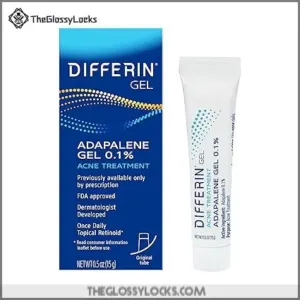
Once your skin is clean, it’s ready for the real work, and this gel is where things get serious. Differin brings 0.1% adapalene, a prescription-strength retinoid now available over the counter, that normalizes cell turnover deep inside pores.
Expect a possible purge before things improve, so start once daily and moisturize alongside it. Studies show up to an 87% reduction in breakouts by 12 weeks. It’s fragrance-free and oil-free, but daily sunscreen becomes non-negotiable here.
| Best For | Anyone dealing with persistent inflammatory acne (blackheads, whiteheads, and blemishes) who wants a proven, prescription-strength treatment and is willing to commit to consistent use over several weeks. |
|---|---|
| Skin Type | Acne-prone |
| Fragrance Free | Yes |
| Non-Comedogenic | Yes |
| Key Active | Adapalene |
| Hydrating Benefit | No |
| Texture | Water-based |
| Additional Features |
|
- Clinically shown to reduce breakouts by up to 87% after 12 weeks of use
- Fragrance-free, oil-free, and non-comedogenic formula that won’t clog pores
- Targets multiple concerns at once, including texture, tone, and future scarring risk
- Can trigger an initial purging phase with more breakouts and increased sensitivity
- Often causes redness, dryness, flaking, or peeling, especially early on
- Increases sun sensitivity, making daily sunscreen a must
4. Pyunkang Yul Calming Skincare
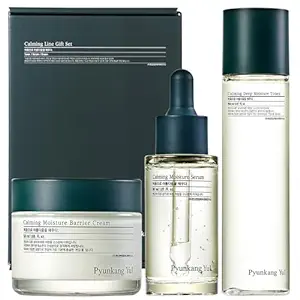
After a retinoid, your barrier needs backup, and this Korean line delivers it. The Calming Moisture Cream leans on ceramides and niacinamide to rebuild lipids while curbing redness, plus multiple hyaluronic acid weights for hydration that won’t clog pores.
It’s fragrance-free and lightweight, so a pea-sized amount at night works well. Pair it with their gentle cleanser, which cleanses without stripping oils. Simple, low-fuss, and genuinely calming for reactive, acne-prone skin.
| Best For | People with sensitive, acne-prone, or reactive skin looking for a gentle, barrier-supporting routine, especially after using retinoids. |
|---|---|
| Skin Type | Sensitive, acne-prone |
| Fragrance Free | Unspecified |
| Non-Comedogenic | Unspecified |
| Key Active | Centella, Ceramides |
| Hydrating Benefit | Yes, 1000x weight |
| Texture | Light moisturizer |
| Additional Features |
|
- Panthenol and five hyaluronic acids provide deep, lightweight hydration without clogging pores
- Centella asiatica, tea tree, and ceramides work together to soothe irritation and strengthen the skin barrier
- Low pH formula is gentle enough for sensitive skin while still helping control excess sebum
- The lightweight moisturizer may not be enough for very dry or severely compromised skin
- AHA/PHA and willow bark ingredients can cause mild tingling for some sensitive users
- Minimalist packaging may disappoint those who prefer more prominent branding
5. Cosrx Snail Mucin Repair Cream
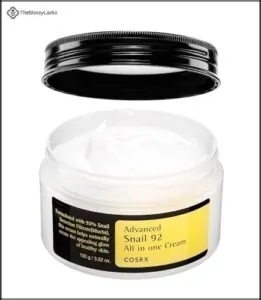
Yes, snails make skincare, and this cream’s 92% snail secretion filtrate is doing real repair work, not just hype. It pairs with hyaluronic acid and betaine to rebuild your moisture barrier while glycolic components offer gentle exfoliation, no scrubbing required.
The gel texture feels light, non-sticky, and layers well post-breakout when skin feels raw. We’d still suggest a patch test first since sensitivity varies, but for calming irritation while hydrating, it’s a genuinely soothing pick.
| Best For | Anyone dealing with post-breakout redness or dryness who wants a lightweight, hydrating cream that works for sensitive skin too. |
|---|---|
| Skin Type | All skin types |
| Fragrance Free | Unspecified |
| Non-Comedogenic | Unspecified |
| Key Active | Snail Mucin |
| Hydrating Benefit | Yes |
| Texture | Lightweight gel |
| Additional Features |
|
- Delivers deep hydration with hyaluronic acid, betaine, and 92% snail secretion filtrate to strengthen the moisture barrier
- Gentle glycolic acid exfoliation smooths skin without any scrubbing or harsh irritation
- Lightweight, non-sticky gel texture makes it easy to layer into a daily routine
- Snail mucin as an ingredient may be off-putting for some users, regardless of its benefits
- Requires a patch test before facial use, adding an extra step for first-time users
- Authenticity is only guaranteed through COSRX Inc, so buying from third-party sellers carries some risk
6. Differin Benzoyl Peroxide Acne Face Wash
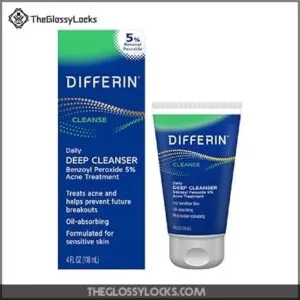
Five percent benzoyl peroxide sounds intense, but Differin’s micronized formula suspends it in a dual-action liquid that absorbs excess oil while releasing a lightweight moisturizer, so pores get cleared without that stripped, tight feeling.
Paired with adapalene’s ability to speed cell turnover, this combo can also fade lingering marks—pairing it with a gentle acne scar removal cream helps even out texture as new skin surfaces.
Massage it onto damp skin, then rinse thoroughly with warm water. Skip pairing it with retinoids like Differin Gel, since layering actives that strongly can overwhelm reactive skin. If maskne’s your issue, this unscented formula helps with it directly, though patch testing first is still your safest bet.
If your budget is tight, this roundup of affordable facial cleansers for glowing skin offers gentle alternatives that won’t strain your wallet or your skin barrier.
| Best For | People with oily, acne-prone skin who want a daily face wash that tackles breakouts and maskne without the harsh, stripped-out feeling of typical acne treatments. |
|---|---|
| Skin Type | Acne-prone, sensitive |
| Fragrance Free | Unspecified |
| Non-Comedogenic | Yes |
| Key Active | Benzoyl Peroxide |
| Hydrating Benefit | Yes, dual-action |
| Texture | Micronized cream |
| Additional Features |
|
- Dual-action micronized formula absorbs excess oil while releasing moisturizer to keep skin balanced
- Non-comedogenic and formulated to reduce redness and irritation compared to abrasive cleansers
- Effective for daily use against acne and maskne caused by facial coverings
- 5% benzoyl peroxide may cause irritation for those with sensitive skin
- Shouldn’t be paired with other acne medications like Differin Gel
- Requires thorough rinsing with warm water, adding a step to your routine
7. TIRTIR Milk Skin Toner
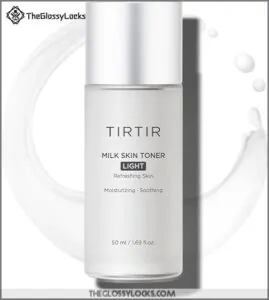
Toners often get skipped, but this one earns its place by prepping skin without stripping it. TIRTIR’s milk protein formula pairs 2% niacinamide with ceramides and panthenol, easing dryness while gently evening tone.
Glycerin and hyaluronic acid pull in moisture fast, leaving nothing sticky behind. Apply after cleansing, before treatment steps, and let it fully absorb.
It’s a light, fragrance-conscious layer that strengthens your barrier so stronger actives later on cause less irritation.
| Best For | This toner is best for those with oily, sensitive, or acne-prone skin who want lightweight hydration and better sebum control without harsh irritants. |
|---|---|
| Skin Type | Oily, sensitive, acne-prone |
| Fragrance Free | Yes |
| Non-Comedogenic | Yes |
| Key Active | Niacinamide |
| Hydrating Benefit | Yes, dewy finish |
| Texture | Vegan gel |
| Additional Features |
|
- Contains 4% niacinamide to help balance moisture and control excess oil
- Vegan, cruelty-free formula with soothing ingredients and no alcohol, parabens, sulfates, or fragrances
- Non-comedogenic formula gentle enough for daily use, day or night
- May not offer enough hydration for very dry skin types
- Contains no SPF, so daytime use still requires separate sun protection
- Those sensitive to niacinamide should patch test before regular use
8. Centella Asiatica Ampoule Facial Serum
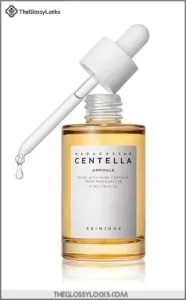
Some ampoules feel like water; others feel like a soothing hug for angry skin. This one leans toward the latter, thanks to a high concentration of Madagascan Centella Asiatica, prized for its potent asiaticoside and madecassoside content.
The texture stays light and non-sticky, absorbing quickly without clogging pores, so it layers well under moisturizer. Expect calming, hydration, and barrier support rather than exfoliation.
It’s a smart daily addition for reactive, acne-prone skin that needs comfort first.
| Best For | Reactive, sensitive, or acne-prone skin that needs quick calming and hydration without a heavy or sticky feel. |
|---|---|
| Skin Type | Sensitive |
| Fragrance Free | Unspecified |
| Non-Comedogenic | Unspecified |
| Key Active | Centella Asiatica |
| Hydrating Benefit | Yes, rapid |
| Texture | Watery, light |
| Additional Features |
|
- High concentration of Madagascan Centella Asiatica soothes irritation fast
- Light, watery texture absorbs quickly and layers well under moisturizer
- Non-sticky formula makes it easy to use daily without clogging pores
- Contains Butylene Glycol, which may not suit those avoiding glycols
- Contains Ethylhexylglycerin, a potential irritant for very sensitive users
- Not formulated for anti-aging or exfoliation, so it won’t address those specific concerns
9. Differin Detox Soothe Clay Mask
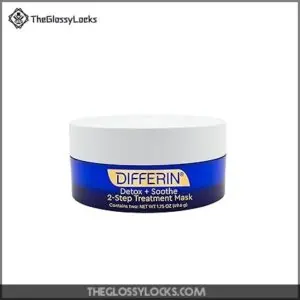
Warm clay, cool gel, calm skin — that’s the promise here. Step One uses kaolin and hectorite to draw out oil in just 3 minutes, while Step Two brings blue tansy oil, allantoin, and licorice extract to soothe redness afterward.
It’s noncomedogenic and paraben-free, safe for acne-prone, sensitive skin used 2-3 times weekly. You might think self-warming masks can sound intense, but this one’s designed to detoxify without stripping your barrier.
| Best For | Anyone with oily, acne-prone, or redness-sensitive skin looking for a deep-cleansing treatment that won’t leave their face feeling stripped or tight. |
|---|---|
| Skin Type | All skin types |
| Fragrance Free | Unspecified |
| Non-Comedogenic | Yes |
| Key Active | Clay, Blue Tansy |
| Hydrating Benefit | Yes, no strip |
| Texture | Clay and gel |
| Additional Features |
|
- Draws out excess oil and impurities in a quick 3-minute first step
- Soothes redness and hydrates skin thanks to blue tansy oil, allantoin, and licorice extract
- Gentle, noncomedogenic, paraben-free formula that works for all skin types, including sensitive skin
- Two-step process (clay mask, rinse, then gel) takes more time and effort than a single-step treatment
- Not meant for daily use, so it’s more of an occasional treat than a regular part of your routine
- Step 1 needs to be fully rinsed off before applying Step 2, adding an extra step you can’t skip
10. Sensitive Skin Hydrating Face Moisturizer
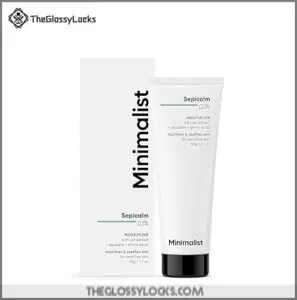
Think of this one as your skin’s safety net — the moisturizer you reach for when everything else feels like too much. It leans on polyglutamic acid, which holds four times more water than hyaluronic acid, plus ceramides and niacinamide to rebuild your barrier while calming redness.
Fragrance-free and non-comedogenic, it layers beautifully under sunscreen without pilling. Very dry winter skin might want something richer, but for daily comfort? This is your steady, dependable base.
| Best For | This moisturizer is best for people with sensitive, acne-prone, or irritated skin who want a lightweight, fragrance-free option for daily AM and PM use. |
|---|---|
| Skin Type | Sensitive, acne-prone |
| Fragrance Free | Yes |
| Non-Comedogenic | Yes |
| Key Active | Polyglutamic Acid |
| Hydrating Benefit | Yes, lightweight |
| Texture | Lightweight cream |
| Additional Features |
|
- Polyglutamic acid delivers advanced hydration, holding up to four times more water than hyaluronic acid
- Sepicalm complex and a soothing blend of oat extract, colloidal oat, squalane, and vitamin B5 help calm redness and irritation
- Clean, non-comedogenic formula free from fragrances, silicones, sulfates, parabens, essential oils, and dyes, making it gentle enough to layer under sunscreen
- May not provide enough moisture for very dry skin, especially in winter climates
- Some users report a lingering medicinal scent despite the fragrance-free label
- Hydration levels may feel insufficient for long-term wear in dry weather
How We Chose Products
Choosing skincare for acne-prone, sensitive skin isn’t about picking whatever’s popular, it’s about knowing what your skin can actually tolerate. We built our list around five criteria that matter most for calming breakouts without triggering irritation. Here’s exactly what we looked for in every product that made the cut.
Non-comedogenic Formulas
Comedone formation is what happens when dead skin and oil trap themselves inside a pore, and that’s exactly what we screened against. Using non-comedogenic skincare products can help prevent the formation of blackheads and whiteheads.
Every product here passed pore-blocking tests, favoring water-based textures and lightweight emulsions over heavy, occlusive creams. Gentle surfactants matter too, since harsh ones can irritate without actually helping. If a formula might clog your pores, it didn’t make the cut for acne-prone, sensitive skin.
Fragrance-free Ingredients
Pore-friendly texture is only half the equation, so we scrutinized every INCI list for hidden fragrance, too. Essential oils and masking agents can trigger reactions even in "unscented" products, and allergens like limonene sneak past casual label reads.
We prioritized true fragrance-free formulas over vague "unscented" claims, keeping nonirritating ingredients front and center for sensitive, acne-prone skin.
Barrier-supporting Actives
Fragrance-free labels only tell part of the story, so we also checked whether formulas actually rebuild what acne treatments strip away.
Ceramide lipid replacement and sphingolipid matrix support restore the skin’s natural barrier, while panthenol hydration and niacinamide redness reduction calm irritation. Ectoin’s cell-protective properties rounded things out, keeping noncomedogenic acne care gentle enough for sensitive, reactive skin.
Acne-fighting Strength
Active concentration levels matter as much as the ingredient list itself. A salicylic acid cleanser offers gentle keratolytic strength through brief rinse-off contact, while leave-on adapalene gel delivers steady, potent blemish control overnight.
We looked at antibacterial intensity in benzoyl peroxide formulas too, favoring lower percentages that still fight acne without overwhelming reactive, sensitive skin.
Sensitive Skin Tolerance
Tolerance isn’t fixed; it shifts with stress, weather, even sleep, which is why we weighed barrier impairment effects alongside irritant penetration risks. When the skin’s threshold drops, ordinary actives can trigger stinging or cytokine-driven redness.
So we prioritized formulas proven gentle enough for reactive, acne-prone skin, without demanding you sacrifice results for comfort. Consistency, not intensity, earns trust here.
Key Acne-Fighting Ingredients
Not every acne ingredient works the same way, and that’s actually good news for sensitive skin. Some target bacteria, others calm inflammation, and a few do both without pushing your skin into a reactive state. Here’s what you’re actually putting on your face, and why it earns a spot in your routine.
Salicylic Acid
Salicylic acid works like a tiny key that slips into oily pores and unlocks built-up debris, thanks to its oil-soluble structure—a chemical exfoliant real perk over water-based acids.
- Loosens dead skin via keratolytic action
- Penetrates pores better than many BHAs
- Effective even at gentle concentrations
Lower percentages and balanced pH keep irritation manageable, making it workable for sensitive, acne-prone skin when introduced gradually.
Benzoyl Peroxide
Think of benzoyl peroxide as an oxygen bomb dropped straight into clogged pores, killing acne bacteria through oxidation without breeding antibiotic resistance.
It also loosens dead skin cells (keratolytic action) and converts into benzoic acid once absorbed.
| Consider | Detail |
|---|---|
| Strength | 2.5% gel |
| Watch for | Fabric bleaching |
| Bonus | Sebum control |
| Caution | Start slowly |
| Best for | Sensitive acne-prone skin |
Adapalene Retinoid
Retinoids get a bad reputation for irritation, but adapalene gel breaks that mold. It’s a third-generation synthetic retinoid that targets RAR-B and RAR-G receptors, penetrating follicles to correct abnormal keratinization while calming inflammatory pathways.
Its molecular daylight stability means no photodegradation worries, so it fits easily into acne treatments for sensitive skin, especially when paired with benzoyl peroxide for synergistic combination therapy.
Azelaic Acid
Azelaic acid is proof that gentle and effective aren’t mutually exclusive. This dicarboxylic acid disrupts bacterial energy production, normalizes keratinization, and reduces tyrosinase activity to fade dark marks.
- Bactericidal action
- Anti-inflammatory support
- Comedone prevention
- Pigment fading
- Low irritation risk
Its limited solubility means formulation matters, so look for well-designed creams built for sensitive acne-prone skin.
Zinc and Centella
Some pairings just make sense, and zinc with centella asiatica is one of them. Zinc controls sebum regulation and antimicrobial defense; centella promotes wound healing, collagen, and inflammation reduction.
| Zinc | Centella |
|---|---|
| Sebum control | Wound healing |
| Antioxidant defense | Barrier moisture retention |
| Antimicrobial | Soothing, anti-redness |
Together, they’re gentle allies for sensitive acne-prone skin craving calm, not chaos.
Soothing Barrier Support Ingredients
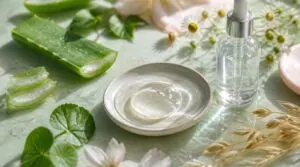
Fighting acne is only half the job, because your skin’s barrier needs just as much attention to stay calm and resilient. When that barrier is compromised, you’re more likely to see redness, dryness, and irritation, even from products meant to help.
Here are five ingredients that rebuild and protect your skin while your acne treatment does its work.
Ceramides
Ceramides are the mortar holding your skin’s bricks together, literally: they make up about half the lipid matrix in your stratum corneum, limiting transepidermal water loss. Made from sphingosine and fatty acids, look for ceramide NP or AP on labels—that’s proper nomenclature.
For sensitive, acne-prone skin, this lamellar layer support means fewer flare-ups and less reactivity overall.
Niacinamide
If ceramides rebuild the wall, niacinamide keeps the peace inside it. This B3 vitamin controls sebum regulation and calms inflammation at once, easing redness while helping fade post-acne marks over time.
For sensitive acne-prone skin, look for 2–5% concentrations layered under moisturizer daily—gentle enough for beginners, effective enough to matter.
Hyaluronic Acid
Water is what your skin’s craving, and hyaluronic acid delivers it by pulling moisture into the extracellular matrix and holding onto it.
Its molecular weight impact matters: larger molecules sit on the surface forming a protective film, while smaller ones sink deeper.
It also binds CD44 receptors, supporting hydration and calm.
Best sources:
- Serums
- Layered moisturizers
- Lightweight gels
Aloe Vera
If hyaluronic acid pulls water in, aloe vera brings its own natural moisturizing matrix straight from the leaf. It soothes irritation, calms redness, and offers mild antibacterial support against skin bacteria.
| Benefit | Mechanism | Best Use |
|---|---|---|
| Hydration | Water-dense gel | Daily moisturizer |
| Redness relief | Anti-inflammatory compounds | Reactive skin days |
| Wound support | Antibacterial activity | Post-breakout care |
Squalane
A featherweight oil that never feels like one, squalane slips into your skin’s lipid matrix and replenishes what harsh cleansers strip away. Plant-derived from olives or sugarcane, it resists oxidation, so it won’t turn rancid or irritate reactive skin.
- Non-greasy, fast-absorbing texture
- Helps with skin barrier repair
- Pairs well with hyaluronic acid
- Safe near the eyes
- Ideal for acne products for sensitive skin
Sensitive Acne Skincare Routine
Knowing which products to buy is only half the battle, so let’s talk about the order you actually use them in. Your skin responds best to acne care when each step builds on the last, from cleansing to that final layer of protection. Here’s how a full day and night should look, step by step.
Gentle Morning Cleanse

Skip the harsh foaming scrubs. Your skin overnight builds up oil, not grime, so a low foaming surfactant cleanser lifts it gently without stripping your barrier. Use lukewarm water—hot water aggravates sensitive, acne-prone skin.
Pat dry, don’t rub, then immediately apply moisturizer to lock in hydration. This simple, gentle cleanser step sets a calm, non-irritating tone for your entire morning routine.
Lightweight Acne Treatment
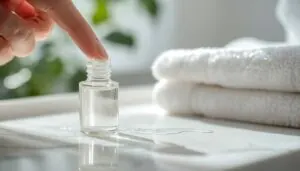
Right after cleansing, apply a lightweight gel treatment while skin is still slightly damp. Gel textures absorb fast, layer well under moisturizer, and won’t clog pores—ideal for sensitive, acne-prone skin.
Smooth a thin, leave-on layer of salicylic acid or a gentle exfoliating serum, avoiding a heavy hand. Less product means less irritation, so your skin tolerates treatment consistently, which is really the whole goal.
Non-comedogenic Moisturizer
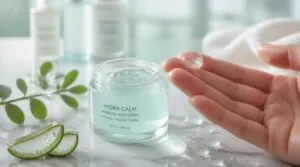
Moisture and acne treatment aren’t enemies—they’re partners. Reach for oil-free hydration built on water-based systems and humectant selection like glycerin, which plumps skin without clogging pores.
Lightweight emulsions absorb fast, support sebum balance, and keep your skin barrier intact while active ingredients do their work. Choosing a truly noncomedogenic moisturizer means your sensitive, acne-prone skin stays calm, hydrated, and breakout-resistant, layer after layer.
Mineral Sunscreen
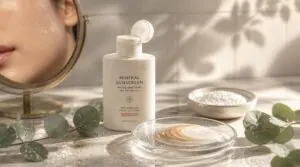
Skipping sunscreen after treating acne is like locking the front door but leaving the windows open. Zinc oxide shields against UVA and UVB, while titanium dioxide backs up UVB coverage—together, they sit on skin rather than sink in, so acne-prone, reactive complexions tolerate them well.
Skipping sunscreen after acne treatment is like locking the door but leaving the windows open
Tinted, non-nano formulas cut white cast and offer reef-safe protection, letting you protect your barrier without irritation.
Nighttime Repair Step

Think of nighttime as your skin’s repair shift, when active ingredients can work without SPF interference. Start with a double cleanse to lift sunscreen and buildup, then apply treatment—spot or full-face—to dry skin.
- Cleanse thoroughly
- Treat actives first
- Seal with moisturizer
Wait a minute between layers, and simplify if irritation appears—your skin barrier will thank you.
Ingredients Sensitive Skin Should Avoid

Sometimes what you leave out of your routine matters as much as what you put in. Certain ingredients look harmless on a label but can quietly irritate reactive, acne-prone skin. Here’s what to steer clear of and why it matters.
Added Fragrance
Often the sweetest-smelling product is the one causing your breakouts and redness. Fragrance hides behind vague labels like "parfum," a loophole that can mask dozens of undisclosed allergens and essential oils known to trigger contact dermatitis within 24 to 72 hours.
For sensitive, acne-prone skin, choosing fragrance-free formulas isn’t fussy, it’s protective. "Hypoallergenic" doesn’t guarantee safety, so check ingredient lists yourself.
Drying Alcohols
That toner-tight feeling isn’t imagination, it’s short-chain alcohols like ethanol evaporating fast and pulling lipids from your skin barrier along the way.
Watch for:
- Alcohol denat.
- Ethanol
- Isopropyl alcohol
- SD alcohol
- Alcohol (high on list)
Rapid evaporation feels cooling but worsens irritation on sensitive, acne-prone skin, so reach for alcohol-free toners and treatments instead.
Harsh Sulfates
Alcohol isn’t the only foaming culprit worth watching. Harsh sulfates like SLS and SLES are anionic surfactants that strip natural oils, driving transepidermal water loss and leaving acne-prone skin tight and reactive.
On your scalp, they cause similar sulfate scalp dryness and flaking. Look for sulfate-free, biodegradable cleanser alternatives using gentler surfactants, which clean effectively without compromising your skin’s barrier.
Heavy Pore-clogging Oils
Sulfates strip; heavy oils smother. Both spell trouble for acne-prone skin.
High Oil Viscosity slows Lipid Absorption, creating Occlusive Layering that traps sweat and sebum against pores.
- Check fatty acid composition before buying
- Choose noncomedogenic labeled oils
- Avoid heavy layering at night
Result? Texture congestion that can clog your pores—something acne products for sensitive skin are designed to prevent.
Abrasive Physical Scrubs
That satisfying "scrub" feeling? It’s often doing more harm than good on acne-prone skin. Sharp walnut shell or apricot seed particles create micro-tears, worsening skin irritation.
| Particle Shape | Friction Level | Risk |
|---|---|---|
| Spherical | Even | Low |
| Angular | Concentrated | High |
Choose gentle chemical exfoliation instead, protecting your skin sensitivity and preventing micro-abrasions your barrier can’t afford.
Buying Tips for Acne-Prone Skin
Picking the right product is only half the job, so how you shop and introduce it to your skin matters just as much. Sensitive, acne-prone skin rewards patience and a bit of label-reading savvy over trial and error. Here’s what to keep in mind before you add anything new to your routine.
Before layering in actives, it helps to understand how ingredients interact over time, and this guide to anti-aging facial cream ingredients breaks down which ones pair well with sensitive, acne-prone skin.
Patch Test First
Patch testing matters more than people realize, especially for sensitive acne-prone skin. Dab a small amount on your inner forearm, then check patch placement daily for irritation.
Give it real time: reactions often show up delayed, not immediately, so watch for redness over several days. This scoring helps catch allergen cross-reactions before they reach your face, protecting overall skin sensitivity and confirming a product is truly dermatologically tested for you.
Start One Product Slowly
Rarely does rushing pay off with sensitive acne-prone skin. Introduce just one new active at a time, spaced days apart, so irritation has an obvious source.
- Every-other-day use at first
- Thin layers on clean, dry skin
- Moisturizer buffering before and after
Start at night, ramp frequency as skin tolerates it, and reassess after a week or two before adding anything else.
Check Active Percentages
The label’s small print matters more than the marketing on the front. Salicylic acid works between 0.5% and 2%, benzoyl peroxide stays gentlest at 2.5% or below, and azelaic acid needs 10% to unclog pores without overwhelming reactive skin.
Higher isn’t better here—it’s often just harsher. Check the ingredient list’s active percentage before buying, so your acne treatment matches your skin’s actual tolerance, not just its ambition.
Choose Simple Formulas
More ingredients doesn’t mean more results—often it just means more chances for irritation. For sensitive acne-prone skin, favor formulas with three or fewer active ingredients, oil-free, fragrance-free bases, and lightweight gel or lotion textures.
When layering products, simple formulas let you pinpoint what’s working (or what’s not) instead of guessing which of ten ingredients caused a breakout.
Prioritize Daily Sunscreen
Skip sunscreen, and every acne treatment you’re using works against you—many actives increase sun sensitivity.
Choose a mineral-based sunscreen with SPF 30-50, broad spectrum coverage, and non-comedogenic labeling.
- Apply 30 minutes before going outside
- Reapply every two hours
- Use even on cloudy days (80% of UV still gets through)
- Cover your full body, not just your face
Frequently Asked Questions (FAQs)
What should I use for sensitive, acne-prone skin?
Your best bet blends gentle cleansing with low-strength azelaic or salicylic acid, layered slowly with barrier-supporting ceramides and niacinamide.
Watch for stinging, hydrate consistently, and always finish with dermatologist-recommended mineral sunscreen to protect healing, acne-prone skin.
How do you take care of sensitive acne-prone skin?
Cleanse gently once daily, patch test new actives, and introduce products slowly to avoid irritation.
Balance hydration with barrier-supporting moisturizers, calm redness flare-ups with soothing ingredients, and follow a consistent, dermatologist-recommended routine built around gentle, non-comedogenic acne treatments.
What skincare do dermatologists recommend for acne?
Dermatologists usually recommend non-comedogenic cleansers used twice daily, salicylic acid or benzoyl peroxide for bacterial reduction, adapalene retinoids for pore congestion (allowing a short adaptation period), and daily sunscreen to protect sensitive acne-prone skin during inflammatory lesion management.
Which cream is good for sensitive, acne-prone skin?
A fragrance-free, ceramide-rich cream like CeraVe Daily Moisturizing Cream works well, balancing hydration without oiliness.
Its lightweight texture helps nighttime barrier recovery, avoids essential oil risks, and pairs safely with dermatologist-recommended acne treatments to reduce redness in your routine.
Which ingredient is best for sensitive, acne-prone skin?
Picture calm skin, not red or stinging: that’s what azelaic acid delivers, gently balancing oil secretion while calming reactive redness.
It grips irritation better than harsher actives, making it dermatologist-recommended for sensitive, acne-prone skin needing effective, low-fuss treatment.
What do dermatologists recommend for acne on sensitive skin?
The general approach is gentle, gradual care: cleanse with lukewarm water, introduce low-strength actives slowly, avoid scrubbing, and watch for irritation triggers.
This dermatologist-recommended routine pairs acne treatments with soothing ingredients, keeping your sensitive, acne-prone skin calm while still clearing breakouts effectively.
Can sensitive skin be acne prone?
Oh, absolutely, it’s not a rotary-phone myth: yes.
Dual skin concerns overlap constantly, since pore clogging triggers and oil rebound can hit skin already prone to redness, creating true sensitive acne-prone skin that needs gentle, targeted care.
What is the best treatment for sensitive skin acne?
The best approach pairs a low-strength active like 5% salicylic acid or 5% benzoyl peroxide with a barrier repair moisturizer, gentle exfoliation once weekly, daily mineral sunscreen, and a patch test before introducing any new acne treatment.
How do you treat hypersensitive skin acne?
Your skin isn’t auditioning for a soap opera, so ditch the drama. Treat gently: thin layers of low-strength salicylic acid or azelaic acid, every other night, paired with a barrier-repairing moisturizer and daily mineral sunscreen.
How often should I exfoliate sensitive skin with acne?
Once weekly is your safe starting point for chemical exfoliation with sensitive, acne-prone skin. Watch tolerance signals like tightness or new breakouts, and adjust frequency downward when using retinoids or benzoyl peroxide alongside your other acne treatments.
If you’re navigating the balance between exfoliation and acne treatments, exfoliating safely with acne-prone skin breaks down exactly how comedolytic agents fit into a gentle, effective routine.
Conclusion
Somewhere, a bottle of pure alcohol toner is still convinced it’s "clarifying" your face into submission. It isn’t, and your skin knows the difference between punishment and treatment.
The best sensitive skin care products for acne prone skin prove that clear results don’t require collateral damage. Pick formulas that respect your barrier, use them consistently, and give your skin the weeks it needs to show up. Calm and clear were never opposites. They were always the same goal.