This site is supported by our readers. We may earn a commission, at no cost to you, if you purchase through links. This content is for general informational and educational purposes only and is not a substitute for professional medical, dermatological, or nutritional advice.
Your razor drags across inflamed skin, and suddenly a pimple turns into something much angrier. It’s not just bad luck; the wrong shaving product can actively feed a breakout.
Most people blame the blade, but the real culprit is often what’s lathered on first. Fragrance, coconut oil, and pore-clogging bases turn every shave into a minor assault on already sensitized skin. For acne-prone skin, shaving soap selection isn’t a small detail.
The right formula softens hair, protects your barrier, and rinses clean without leaving anything behind to cause trouble.
Table Of Contents
- Key Takeaways
- Choosing Shaving Soap for Acne-Prone Skin
- Shaving Soaps to Compare for Acne-Prone Skin
- Which Shaving Soap Fits Your Skin?
- How to Shave Without Aggravating Acne
- When to Choose Shaving Cream Instead
- Frequently Asked Questions (FAQs)
- What type of soap is best for acne?
- Can shaving clear up acne?
- Which soap is best for acne-prone skin?
- What is the best soap for treating acne?
- How often should I replace my shaving soap?
- Can electric razors work with shaving soap?
- Should I shave daily with acne-prone skin?
- Whats the difference between soap and cream?
- Can I use regular soap instead?
- Can shaving soap expire or go bad?
- Conclusion
Key Takeaways
- Fragrance and comedogenic ingredients like coconut oil are the most common shaving soap culprits behind breakouts, not the blade itself.
- Your best picks for acne-prone skin are fragrance-free, noncomedogenic formulas built on glycerin, shea butter, or anti-inflammatory botanicals — Barrister and Mann Unscented and Stirling Naked & Smooth lead the field.
- When your skin is actively flaring, swap the soap for a fragrance-free shaving cream — it skips the lathering friction your inflamed skin can’t afford right now.
- Sharp technique matters as much as the right soap: warm the skin first, build dense lather, rinse between every pass, and seal with a fragrance-free moisturizer before irritation gets a foothold.
Choosing Shaving Soap for Acne-Prone Skin
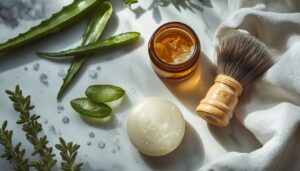
Because your skin is already inflamed, the wrong shaving soap can turn a routine shave into a full-blown breakout. Picking a shaving soap for acne-prone skin means prioritizing ingredients that protect your barrier instead of stripping it.
For a broader look at routine adjustments that go beyond soap alone, shaving tips for oily, acne-prone skin can help you build habits that minimize flare-ups from start to finish.
Look for fragrance-free formulas first. Fragrance is one of the most common irritants, and on sensitized skin it compounds the damage fast. You also want noncomedogenic bases that rinse clean without leaving a pore-clogging film.
Hydrating actives like glycerin and aloe vera keep your skin barrier intact during each shaving pass, improving slip too. Some soaps also include salicylic acid for mild exfoliation, which can help keep follicles clear, but skip these if you’re already using a retinoid or benzoyl peroxide at home.
Shaving Soaps to Compare for Acne-Prone Skin
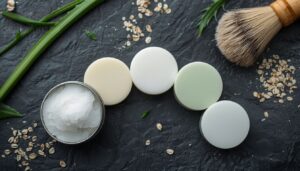
Not all unscented shaving soaps are created equal, especially when your skin has opinions. These four options earned their spot by checking the right boxes for acne-prone and sensitive skin. Here’s what you’re working with.
Stirling Naked & Smooth
Choosing Stirling Naked & Smooth for a shaving soap for acne-prone skin is one of the smarter moves you can make. It’s fragrance-free, noncomedogenic, and built on gentle formulas that won’t torch your face.
Pairing it with the right tools matters too — a quality shaving bowl for building rich lather helps you get the most out of every gentle, skin-friendly formula.
- Beef tallow and lanolin protect your barrier
- Glycerin with shea beats glycerin and aloe vera for hydration
- No salicylic acid means your skin faces less irritation
Maggard Razors Unscented
takes a different route: just eight ingredients, no fragrance whatsoever. It’s a straightforward shaving soap for acne-prone skin, relying on tallow and glycerin for lather and slip. No shea, no lanolin, no extras.
The real concern is coconut oil’s comedogenic rating of 4/5, which can clog pores if your skin’s already inflamed. Worth noting before you commit.
Soap Commander Integrity
takes a vegan angle: shea butter replaces tallow for better acne-prone skin care. It’s noncomedogenic, fragrance-free, and dye-free.
For those managing breakouts, pairing shea butter with effective cleansing routines for oily skin can help maximize results without irritating acne-prone skin.
The lather is thick and builds fast, making sensitive skin shaving genuinely comfortable. Soothing post-shave care is baked in, your skin feels balanced, not stripped or greasy. As a noncomedogenic shaving cream option, it’s hard to beat at $17.50.
Barrister and Mann Unscented
If you’re truly serious about shaving soap for acne-prone skin, Barrister and Mann Unscented removes every possible trigger. No fragrance, no animal products, just a fragrance-free vegan base rich in glycerin, aloe vera-tier botanicals, and anti-inflammatory marshmallow root and slippery elm.
It’s solid sensitive skin care that lathers smoothly and performs like any noncomedogenic shaving cream without the pore drama.
Which Shaving Soap Fits Your Skin?

Skin type is the real deciding factor here. If your skin reacts to the first hint of fragrance, go straight to Barrister and Mann Unscented or Maggard Razors Unscented. Both are fragrance-free gentle formulas built for reactive, acne-prone skin, and neither will stuff your pores with unnecessary ingredients.
Got oilier skin that turns shiny by noon? Soap Commander Integrity’s clay base absorbs surface oil without stripping you bare. Just pair it with a solid post-shave moisturizer, because clay pulls moisture right alongside the oil and can leave skin tight. A ceramide-based moisturizer pairs especially well here — check out this skincare ingredient pairing guide to build a post-shave routine that restores what clay takes away.
If you want a dermatologist tested, non-comedogenic formula with serious lather and reliable glide, Stirling Naked and Smooth earns that spot. It rinses clean and won’t clog pores during your shave.
How to Shave Without Aggravating Acne
One dermatology resident once told me he’d break out every time he shaved quickly without rinsing properly. It wasn’t the razor. Here’s what actually keeps your skin clear:
- Prep with warm water for at least 30 seconds before applying shaving soap for acne-prone skin. Softened hair shafts cut cleanly with less tugging.
- Build a dense, creamy lather using a gentle formula. Thin lather makes the blade skip, and that mechanical trauma is exactly what inflamed follicles don’t need.
- Rinse thoroughly after every pass. Any residue left on skin raises friction and stinging when the blade returns.
Your skin barrier protection is already compromised right after shaving, so skip harsh toners. A fragrance-free, non-irritating shave routine is your best recovery plan.
Applying a fragrance-free skin barrier moisturizer right after you rinse helps seal in moisture before irritation has a chance to set in.
When to Choose Shaving Cream Instead
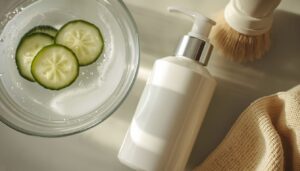
Sometimes your skin is sending you a clear signal, and a gentle, non-lathering shaving cream might be exactly what it needs to stay calm during a breakout. Soap requires agitation to lather, which adds friction time your irritated skin doesn’t want right now. A fragrance-free shaving cream applies directly, cuts your routine short, and keeps your sensitive skin care routine simple when your face is already in recovery mode.
When skin is flaring, skipping the lather and reaching for cream is clarity, not compromise
Switch to shaving cream if:
- You’re dealing with an active breakout and multiple inflamed pustules are present.
- Your skin barrier is visibly compromised, with redness, peeling, or sensitivity even to light touch.
- You’ve reacted to natural shave ingredients like lanolin or botanical shave cream compounds before.
Shaving cream for acne prone skin isn’t a step backward. It’s a smart, practical call that gives your skin the space it needs to heal, without the added mechanical stress of lathering.
Frequently Asked Questions (FAQs)
What type of soap is best for acne?
The theory that any soap grips acne is half-true at best. You should look for a noncomedogenic formula that’s strictly fragrance-free, helps skin barrier repair, and incorporates salicylic acid exfoliation or similarly effective gentle formulas.
Can shaving clear up acne?
Maybe you’ve noticed your skin looks a bit clearer right after shaving. The blade acts like mechanical exfoliation, lifting off dead surface cells.
But shaving won’t actually clear acne-prone skin; the wrong technique worsens breakouts.
Which soap is best for acne-prone skin?
Think of your face as a crime scene waiting to happen. Fragrance-free shaving soap for acne-prone skin wins every time. Pick formulas with glycerin and aloe vera, skip anything scented, and your skin stays calmer.
What is the best soap for treating acne?
Want actual acne treatment in a soap? Go for a salicylic acid formula that’s fragrance-free and dermatologist tested. It works for acne prone skin by clearing pores without stripping your barrier or triggering more breakouts.
How often should I replace my shaving soap?
There’s no set replacement date. Swap it out when your lather goes weak, the scent turns noticeably sour, or you spot visible mold. A tight lid and a dry puck between shaves extend its lifespan.
Can electric razors work with shaving soap?
Picture your electric razor as a tire on wet pavement: a little moisture helps, too much causes spin-out. Thin, hydrated lather can work. Thick foam blocks head contact and forces re-passes that punish acne-prone skin.
Should I shave daily with acne-prone skin?
Daily shaving isn’t automatically off-limits with acne-prone skin. Your irritation response matters more than your shave frequency. Keep the blade sharp, your pressure light, and your products gentle, and your skin may just surprise you.
Whats the difference between soap and cream?
Soap is solid and needs a brush to build lather. Cream skips the ritual, spreading quickly and easily with your fingers. For acne-prone skin, cream’s higher glycerin content keeps your barrier hydrated while you shave.
Can I use regular soap instead?
Technically, yes. Practically, no. Regular soap strips and dries, leaving your skin barrier completely defenseless mid-shave. For acne-prone skin, that low lubrication and added friction can flip an ordinary shave into a full inflammation event.
Can shaving soap expire or go bad?
It absolutely can, and for acne-prone skin, that matters more than you’d think. Rancid oils quietly degrade your shaving soap’s shelf life, swapping glide for skin irritation before the expiration date even crosses your mind.
Conclusion
Picture switching to an unscented, non-comedogenic formula and watching your breakouts genuinely slow down within just two weeks. That’s not luck; that’s chemistry finally working in your favor.
Choosing the right shaving soap for acne skin means picking something that softens hair, protects your barrier, and rinses away completely clean. Skip the fragrance, ditch the oils, and let the blade do its job without causing extra drama. Your skin will notice, and so will you.