This site is supported by our readers. We may earn a commission, at no cost to you, if you purchase through links.
Dark spots don’t appear overnight—they’re the skin’s long memory of sun damage, inflammation, and hormonal shifts, written in excess melanin.
Melanocytes, the pigment‑producing cells in your skin, go into overdrive when triggered, and those brown or gray patches can linger for months without the right intervention.
The frustrating part? Most people cycle through products that address the surface without touching the underlying mechanism.
The right skin care ingredients for hyperpigmentation and dark spots work differently—they interrupt melanin production at the source, accelerate cell turnover, or block the transfer of pigment to the skin’s surface.
Knowing which ingredients do which job changes everything.
Table Of Contents
- Key Takeaways
- What Causes Hyperpigmentation and Dark Spots
- Essential Skin Care Ingredients for Brightening
- Retinol for Skin Cell Turnover
- Vitamin C for Brightening and Lightening
- Glycolic Acid for Exfoliating Dark Spots
- Niacinamide for Regulating Melanin Transfer
- Kojic Acid for Tyrosinase Inhibition
- Alpha Arbutin for Fading Spots
- Azelaic Acid for Reducing Inflammation
- Tranexamic Acid for Pigmentation Control
- Glutathione for Melanin Reduction
- Licorice Root Extract for Soothing and Brightening
- How These Ingredients Fade Dark Spots
- Top 5 Products for Hyperpigmentation
- Building an Effective Skincare Routine
- Preventing Future Dark Spots and Discoloration
- Frequently Asked Questions (FAQs)
- What is the best ingredient for hyperpigmentation and dark spots?
- What is best for hyperpigmentation and dark spots?
- What is the main ingredient to get rid of dark spots?
- How long does hyperpigmentation take to fade?
- Can diet impact skin pigmentation issues?
- Are there side effects from chemical peels?
- Do natural remedies work for hyperpigmentation?
- What’s the best sunscreen for dark spots?
- Can diet affect hyperpigmentation and dark spots?
- Are brightening ingredients safe during pregnancy?
- Conclusion
Key Takeaways
- Dark spots form when melanocytes overproduce melanin in response to UV exposure, inflammation, or hormonal shifts — and most products fail because they treat the surface instead of interrupting that process at the source.
- Ingredients like retinol, glycolic acid, and tranexamic acid each work through distinct mechanisms — cell turnover, exfoliation, and signal‑blocking — so combining them strategically outperforms using any single ingredient alone.
- Consistency matters more than potency: most actives need at least 4–12 weeks of daily use to show visible results, and skipping SPF 50+ daily will undo your progress faster than any serum can rebuild it.
- Lifestyle factors — sleep, diet rich in antioxidants, and stress management — directly influence melanin overproduction, meaning your skincare routine only works as well as the habits supporting it.
What Causes Hyperpigmentation and Dark Spots
Hyperpigmentation happens when your skin produces more melanin than it needs — and a few key triggers are usually behind it. Understanding what’s driving those dark spots makes it much easier to treat them effectively.
Targeted products like an exfoliating discoloration brightening treatment can help interrupt that overproduction cycle and fade dark spots over time.
Here’s what’s actually causing them.
Excess Melanin Production
Hyperpigmentation starts deep in your skin, where melanocytes respond to three core triggers:
- UV-induced pathways that overstimulate melanin production
- Inflammatory cytokines released after acne or injury
- Hormonal regulation shifts during pregnancy or contraceptive use
Genetic predisposition determines how intensely your skin reacts. Melanocyte signaling cascades activate tyrosinase — the enzyme that drives melanin synthesis — making some complexions far more prone to stubborn dark spots.
Proper UV protection can help mitigate excess melanin production.
Sun Exposure and Post-Inflammatory Hyperpigmentation
Sun exposure is one of the biggest drivers of dark spots. UVA rays reach deep into skin, triggering UV‑induced oxidative stress that pushes melanocytes into overdrive — accelerating photoaging pigment accumulation over years.
After acne or injury, inflammatory cytokine pathways activate the same melanin response, causing postinflammatory hyperpigmentation.
Daily sunscreen is your foundation for any hyperpigmentation treatment, supporting tyrosinase inhibition and preventing melasma triggered by sun exposure.
Springtime UV spikes can worsen melasma, as explained in the spring sun UV impact.
Inflammation and Hormonal Changes
Beyond UV damage, your hormones play a surprisingly powerful role. Estrogen-induced melasma appears on cheeks and forehead during pregnancy, skin darkening — even oral contraceptives can trigger it.
cytokine-driven pigmentation after acne creates postinflammatory hyperpigmentation that lingers for months.
Menstrual cycle spots follow the same hormone-related inflammation pattern.
niacinamide and tranexamic acid directly target these pathways, making inflammation reduction central to effective treatment.
Essential Skin Care Ingredients for Brightening
Not all brightening ingredients work the same way — each one targets a different part of the pigmentation process.
Some slow down melanin production, others speed up cell turnover, and a few do both.
Here are ten ingredients worth knowing if you’re serious about fading dark spots.
Retinol for Skin Cell Turnover

Retinol works by speeding up skin cell turnover — pushing pigmented cells to the surface faster so fresher, lighter skin takes their place.
For dark spots and hyperpigmentation, concentrations between 0.3–0.5% hit the sweet spot.
Always apply retinol at night (stability factors demand it), start slowly to manage irritation, and pair it with peptides for stronger results.
Vitamin C for Brightening and Lightening

Vitamin C pulls double duty — it blocks the enzyme that triggers excess melanin while shielding your skin from the environmental damage that worsens dark spots.
As an antioxidant powerhouse, it’s one of the most researched tools for brightening skin and fading hyperpigmentation.
Stability challenges mean derivative options like ethyl ascorbic acid often outperform pure L-ascorbic acid.
Apply mornings, then lock in results with sun protection integration.
Glycolic Acid for Exfoliating Dark Spots
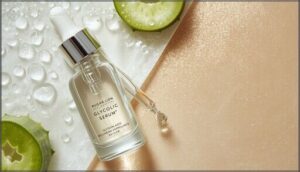
Glycolic acid works by dissolving the bonds between dead, pigmented skin cells — its molecular size allows it to penetrate deeper than most exfoliants, revealing fresher skin underneath. For dark spots and hyperpigmentation, this is a real workhorse.
Glycolic acid cuts deeper than most exfoliants, dissolving pigmented cells to reveal fresher skin beneath
- pH Optimization: Works best at pH 3–4 for effective exfoliation
- Application Frequency: Start 1–2 nights weekly; increase gradually
- Skin Sensitivity Management: Always patch-test first; watch for redness
- Synergistic Pairings: Combine with niacinamide or vitamin C cautiously
- Dark Spots: Consistent use fades acne scars and sun damage effectively
Niacinamide for Regulating Melanin Transfer

Niacinamide works differently from most brightening ingredients — instead of targeting tyrosinase inhibition directly, it blocks melanosomes from transferring into skin cells.
Studies show 5% niacinamide reduces hyperpigmentation in as little as four weeks.
It’s highly compatible across skin types, stable at a wide pH range, and pairs well with vitamin C for enhanced skin brightening.
Start with 2–5% and build from there.
Kojic Acid for Tyrosinase Inhibition

Kojic acid earns its place among skin brightening ingredients through a precise mechanism — copper chelation.
It binds copper ions in tyrosinase’s active site, shutting down melanin production at the source.
With an IC50 of 70 μM, its comparative efficacy outperforms many alternatives.
For formulation stability and staying under the irritation threshold, stick to 1–2% to fade dark spots without sensitizing your skin.
Alpha Arbutin for Fading Spots
Alpha arbutin takes a gentler approach to tyrosinase inhibition — blocking melanin synthesis without the irritation risk of stronger acids. Its mechanism of action involves competitively increasing the Km value, slowing dark spot formation steadily over time. Clinical evidence shows it reduces melanin clusters effectively, with strong stability challenges handled by keeping concentrations at 1–2%.
- Formulation types: serums, toners, moisturizers
- Synergistic pairings: vitamin C, niacinamide
- Best for: stubborn hyperpigmentation and post‑inflammatory dark spots
- Skin brightening timeline: visible results in 4–8 weeks
Azelaic Acid for Reducing Inflammation

Azelaic acid is a quiet overachiever in skin care routines — it counteracts hyperpigmentation and dark spots while calming the inflammation driving them.
By inhibiting tyrosinase and supporting keratinocyte calm, it delivers steady pigmentation reduction without harsh side effects.
It is especially valuable for acne redness and rosacea relief, offering genuine barrier support and anti-redness benefits for sensitive, reactive skin.
Tranexamic Acid for Pigmentation Control

While azelaic acid calms the skin from within, tranexamic acid takes a different route — blocking signals between melanocytes and keratinocytes to shut down hyperpigmentation at its source.
- Mechanism Action: Inhibits plasmin to disrupt melanin-triggering pathways
- Clinical Evidence: Visibly reduces dark spots within 8–12 weeks
- Formulation Options: Available in serums, toners, and creams
- Combination Benefits: Pairs well with niacinamide for skin brightening
- Safety Considerations: Well-tolerated; ideal for sensitive skin
Glutathione for Melanin Reduction

Tranexamic acid blocks signals — glutathione works differently, acting as your skin’s internal antioxidant to convert dark eumelanin into lighter pheomelanin while reducing oxidative stress that fuels excess melanin production.
| Aspect | Details | Notes |
|---|---|---|
| Glutathione Mechanism | Tyrosinase inhibition via antioxidant action | Reduces melanin at cellular level |
| Dosage Guidelines | 500–1000mg oral; topical 2% | Start low, increase gradually |
| Synergistic Pairings | Vitamin C, niacinamide | Enhances melanin inhibition substantially |
| Safety Considerations | Well-tolerated; avoid high oral doses | Consult a dermatologist first |
Consistent use treats hyperpigmentation steadily.
Licorice Root Extract for Soothing and Brightening

Glutathione converts melanin from the inside out — licorice root extract works from the surface, blocking the melanin inhibition pathway through its active compound, glabridin.
It pairs well with brightening ingredients like niacinamide and glucoside acid as synergistic pairings that support skin tone improvement and dark spot removal.
anti-inflammatory benefits make it ideal for sensitive skin prone to hyperpigmentation.
formulation stability matters — look for standardized extracts in natural ingredients-focused products.
How These Ingredients Fade Dark Spots

Knowing which ingredients to use is only half the battle — understanding how they actually work is what gives you real control over your results. Each ingredient targets dark spots through a distinct mechanism, and that’s exactly why combining them can be so effective.
Here’s a breakdown of the four key ways these ingredients get the job done.
Inhibiting Melanin Production
Think of melanin production like a factory assembly line — tyrosinase inhibitors shut it down at the source.
Kojic acid works through copper chelation, starving the enzyme of what it needs to function.
Alpha arbutin competes directly with tyrosine, quietly blocking melanin formation.
Hydroquinone and tranexamic acid go further through gene expression modulation and antioxidant stabilization, while fermented ingredients via microbial fermentation enhance these effects.
Accelerating Skin Cell Turnover
Your skin renews itself roughly every 28 days — but retinol and tretinoin push that cycle down to 10–14 days through keratinocyte renewal acceleration. Higher retinoid strength means faster turnover; start low to allow proper barrier recovery timing.
Alpha hydroxy acids like glycolic acid (best at low pH through acid pH optimization) loosen dead, pigmented cells. Consistent exfoliation frequency reveals fresher, brighter skin beneath.
Protecting Against Environmental Damage
Every brightening ingredient you apply can be undone by unprotected sun exposure — so defense matters as much as treatment. Antioxidant Synergy between Vitamin C, Niacinamide, and ferulic acid neutralizes free radicals before they trigger melanin overproduction. Build your shield with:
- Sunscreen using UV Filter Technology (SPF 30+)
- Antioxidants as Pollution Shield Formulas against daily environmental stressors
- Blue Light Defense serums for screen-related pigmentation
- Barrier Repair Lipids to stop irritant-triggered discoloration
Preventing skin damage daily protects your results long-term.
Reducing Inflammation and Strengthening Barrier
Inflammation is a quiet saboteur — triggering melanin spikes long after the original irritation fades.
Niacinamide, Azelaic acid, and Anti‑Inflammatory Peptides calm those signals directly.
Pair them with Ceramide Enrichment and Lipid Barrier Repair to seal moisture in and irritants out.
| Ingredient | Barrier Role |
|---|---|
| Niacinamide | Blocks melanosome transfer |
| Hyaluronic Acid | Deep hydration support |
| Ceramides | Lipid Barrier Repair |
| Soothing Botanicals | Reduces cytokine activity |
| Vitamin C + Antioxidants | Neutralizes oxidative triggers |
Barrier‑Boosting Moisturizers complete your skin care defense.
Top 5 Products for Hyperpigmentation
Knowing which ingredients work is only half the battle — finding products that actually deliver them well is where most people get stuck.
The good news is that some formulations do a better job than others at combining the right actives without irritating your skin.
Here are five worth adding to your routine.
1. La Roche Posay Pigmentclar Brightening Cleanser
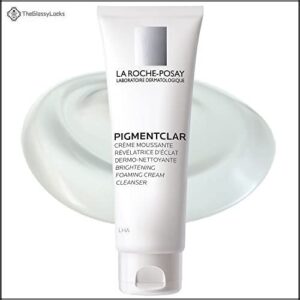
If you’re tackling dark spots and dullness, your cleanser matters more than you’d think.
The La Roche-Posay Pigmentclar Brightening Cleanser works with Lipo-Hydroxy Acid (LHA) — a gentler derivative of salicylic acid — to micro‑exfoliate dead skin cells daily without stripping your barrier.
It’s dermatologist‑tested, non‑comedogenic, and safe for sensitive or acne‑prone skin.
Use it morning and evening, and you’ll notice a gradually brighter, more even tone over time.
Just follow it with SPF every morning.
| Best For | Anyone dealing with dark spots, uneven skin tone, or dullness who wants a daily cleanser that does a little extra work without irritating sensitive or acne-prone skin. |
|---|---|
| Skin Concern | Dark spots, uneven tone |
| Fragrance | Contains fragrance |
| Paraben-Free | Not specified |
| Skin Type | Combination, oily, dry, acne-prone |
| Product Type | Cleanser |
| Key Ingredient | LHA (lipo-hydroxy acid) |
| Additional Features |
|
- The LHA formula micro-exfoliates gently every day, so you get gradual brightening without the harshness of stronger acids
- Works well for both oily and dry combo skin, and it’s non-comedogenic so it won’t clog pores
- Rinses off cleanly and leaves skin feeling soft and comfortable, not tight or stripped
- It does contain fragrance, which is a dealbreaker if your skin is easily irritated by scented products
- It’s on the pricier side compared to most everyday cleansers
- Using too much can dry your skin out, so you have to be a little careful with the amount you use
2. Paula’s Choice Salicylic Acid Exfoliant
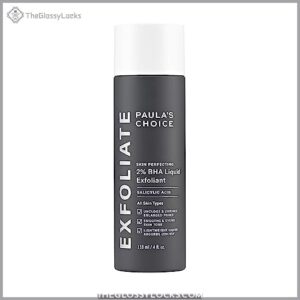
Few exfoliants earn a cult following for good reason — Paula’s Choice Skin Perfecting 2% BHA Liquid Exfoliant is one of them.
Its salicylic acid formula works inside the pore lining to dissolve built‑up sebum and dead cells, which means fewer blackheads, refined texture, and slower formation of post‑acne dark marks.
The pH sits between 3.2 and 3.8, keeping the acid fully active.
Start every other day, always follow with SPF, and let consistent use do the work.
| Best For | Anyone dealing with blackheads, enlarged pores, or uneven skin texture — especially those with oily, combination, or acne-prone skin. |
|---|---|
| Skin Concern | Enlarged pores, blackheads |
| Fragrance | Fragrance-free |
| Paraben-Free | Yes |
| Skin Type | All skin types |
| Product Type | Exfoliant |
| Key Ingredient | 2% BHA (salicylic acid) |
| Additional Features |
|
- Gets inside the pore to clear out sebum and dead skin, which actually tackles blackheads at the source
- Fragrance-free and pH-optimized, so the acid stays active without unnecessary irritants
- Works for daily use over time, gradually smoothing texture and evening out skin tone
- Can cause redness or stinging at first, especially if your skin isn’t used to exfoliants
- Results take time — don’t expect overnight magic, it’s a weeks-long commitment
- Increases sun sensitivity, so skipping SPF isn’t really an option while using this
3. CeraVe PM Facial Moisturizer
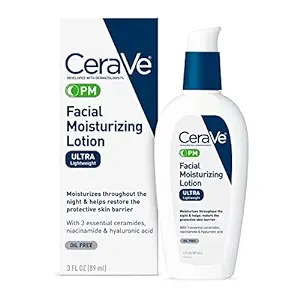
Think of CeraVe PM as the quiet workhorse in your hyperpigmentation routine. At $14.92, it punches well above its price point.
The 4% niacinamide slows melanin transfer between cells, while three essential ceramides rebuild your barrier — because compromised skin makes dark spots worse, not better.
MVE Technology releases moisture steadily through the night, so you wake up hydrated without clogged pores.
It’s oil-free, fragrance-free, and genuinely non-comedogenic.
A simple, effective foundation for brighter skin.
| Best For | Anyone with hyperpigmentation, oily, or acne-prone skin who wants a simple, affordable nighttime moisturizer that won’t clog pores. |
|---|---|
| Skin Concern | Dryness, barrier repair |
| Fragrance | Fragrance-free |
| Paraben-Free | Yes |
| Skin Type | All skin types |
| Product Type | Moisturizer |
| Key Ingredient | Niacinamide + ceramides |
| Additional Features |
|
- Niacinamide and ceramides work together to fade dark spots and rebuild your skin barrier overnight
- Oil-free, fragrance-free, and non-comedogenic — safe for sensitive and acne-prone skin
- At $14.92, it seriously overdelivers for the price
- May not be hydrating enough for people with very dry skin
- Some users have reported pump malfunctions over time
- Can cause breakouts for certain skin types, so patch testing is a good idea
4. CeraVe Hydrating Facial Cleanser
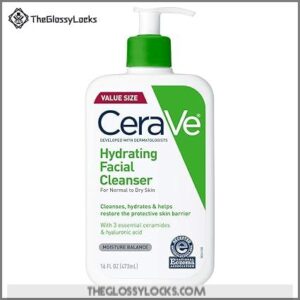
Your cleanser matters more than most people realize. CeraVe Hydrating Facial Cleanser ($15.97) keeps that barrier intact while you sleep — no stripping, no tightness, just clean skin that’s still holding moisture.
It pairs three ceramides with hyaluronic acid to hydrate as it cleans, which means brightening actives absorb better afterward.
Fragrance-free, non-comedogenic, and accepted by the National Eczema Association — it treats sensitive and dry skin without drama.
A solid, unglamorous foundation your routine genuinely needs.
| Best For | People with normal to dry or sensitive skin who want a gentle, no-fuss daily cleanser that hydrates while it cleans. |
|---|---|
| Skin Concern | Dryness, sensitive skin |
| Fragrance | Fragrance-free |
| Paraben-Free | Yes |
| Skin Type | Normal to dry |
| Product Type | Cleanser |
| Key Ingredient | Hyaluronic acid + ceramides |
| Additional Features |
|
- Packed with ceramides and hyaluronic acid, so your skin feels clean without that tight, stripped feeling
- Fragrance-free and non-comedogenic — great for sensitive skin and even eczema-prone types
- MVE Technology keeps skin hydrated for a full 24 hours after washing
- Not the best pick for oily or acne-prone skin that needs a deeper cleanse
- No exfoliating or brightening benefits — it’s purely a cleanser, nothing more
- Pretty basic formula, so if you’re dealing with specific skin conditions beyond dryness, you may need something more targeted
5. La Roche Posay Dark Spot Serum
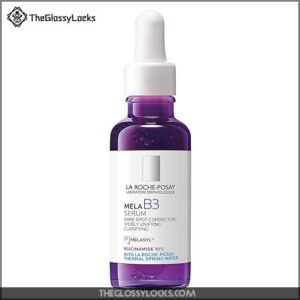
Now for the ingredient doing the heavier lifting. La Roche-Posay Mela B3 Serum ($42) pairs patented Melasyl with 10% niacinamide — a combination clinically shown to reduce dark spots in 85% of users within 8 weeks. Melasyl traps excess melanin before it marks the skin, while niacinamide blocks melanin transfer at the cellular level.
Apply 3–4 drops morning and night after cleansing. It’s alcohol-free, non-comedogenic, and tested on sensitive skin — precise, targeted action where you actually need it.
| Best For | Anyone dealing with sun spots, age spots, or post-acne marks who wants a clinically backed, gentle serum that works across all skin tones and types. |
|---|---|
| Skin Concern | Dark spots, hyperpigmentation |
| Fragrance | Not specified |
| Paraben-Free | Not specified |
| Skin Type | All skin types and tones |
| Product Type | Serum |
| Key Ingredient | Melasyl + 10% niacinamide |
| Additional Features |
|
- Combines patented Melasyl and 10% niacinamide — a duo clinically shown to visibly reduce dark spots in 85% of users within 8 weeks
- Alcohol-free, non-comedogenic, and sensitive skin-tested, so it plays well with the rest of your routine
- Works morning and night, and pairs easily with sunscreen or moisturizer for a full regimen
- Results can be slower for some people, and consistent long-term use adds up in cost
- A small number of users may not see noticeable improvement
- There have been reports of packaging arriving damaged or unsealed
Building an Effective Skincare Routine

Having the right ingredients is only half the equation — knowing how to use them together is what actually moves the needle.
A well-structured routine lets each ingredient do its job without overwhelming your skin.
Here’s how to layer, combine, and stay consistent for real results.
Layering Ingredients Safely
Order matters more than you’d think. Absorption Intervals — those 1–2 minute pauses between layers — prevent pilling and enhance Ingredient Compatibility. Follow this sequence for safe Gradual Introduction:
- Apply Vitamin C first (morning), then Niacinamide after it is absorbed
- Reserve Retinol and Glycolic acid for evenings only
- Use Azelaic acid at night; always patch‑test new actives for 24–48 hours
pH Balance keeps everything working.
Combining Actives for Better Results
Getting the layering sequence right opens the door to real synergistic pairing. Vitamin C paired with Niacinamide targets two separate stages of melanin production — together, they outperform either ingredient alone.
For deeper spots, glycolic acid clears the path for azelaic acid and retinol to penetrate more effectively. Application timing and pH compatibility matter here — morning actives and evening actives rarely mix well together.
The Importance of Consistency and Patience
Consistent application is what separates real results from a drawer full of half-used serums. Skin renews every 28–40 days, so routine adherence through at least three full cycles is non‑negotiable.
Niacinamide shows pigmentation reduction within four weeks — but only with daily use. Think of hyperpigmentation treatment as a long game: gradual progress compounds.
Patience benefits those who stay the course.
Preventing Future Dark Spots and Discoloration

Fading existing dark spots is only half the battle — keeping new ones from forming is what makes your results last.
A few targeted habits go a long way in protecting everything you’ve worked for.
Here’s what to focus on going forward.
Daily Sun Protection Strategies
Sun damage doesn’t clock out when you head indoors — UVA rays cut right through windows, making sunscreen importance impossible to overstate.
Your SPF choice matters: reach for SPF 50+ broad-spectrum daily.
Reapplication timing is every two hours outside.
Layer antioxidant serums — vitamin C or niacinamide — underneath for antioxidant skincare that doubles your sun damage protection.
Add UPF 50+ protective clothing on high-exposure days.
Maintaining Results With Ongoing Care
Fading dark spots is one thing — keeping them gone is another. Think of your skincare routine as a maintenance plan, not a finish line.
Rotate brightening ingredients 2–3 times weekly, lean on daily vitamin C and antioxidants, and adjust for seasonal changes. Track progress monthly, simplify where possible, and stay patient — deeper pigment clears slowly.
Hyaluronic acid plus consistent sunscreen keeps results lasting.
Lifestyle Adjustments for Healthier Skin
Your daily habits quietly shape your skin. Prioritizing sleep quality — 7 to 8 hours nightly — lowers inflammatory cytokines that trigger melanin overproduction.
A steady exercise routine and antioxidant diet rich in berries, citrus, and leafy greens reduce oxidative stress from within. Pair smart hydration habits with stress management, and your skincare routine — including the importance of sunscreen — finally has solid ground to work on.
Frequently Asked Questions (FAQs)
What is the best ingredient for hyperpigmentation and dark spots?
No single ingredient wins every time. The best choice depends on your skin type, pigmentation depth, and safety profile.
Vitamin C, Alpha Arbutin, Tranexamic Acid, and Azelaic Acid each offer strong clinical efficacy with solid ingredient synergy.
What is best for hyperpigmentation and dark spots?
No single ingredient wins every time — clinical trial evidence points to combining Vitamin C, Retinol, and Hydroquinone, matched to your skin type, for the most reliable results against hyperpigmentation and dark spots.
What is the main ingredient to get rid of dark spots?
Hydroquinone is the reference point. It blocks tyrosinase directly, fading dark spots within four to eight weeks.
Alternatives like Vitamin C, Alpha Arbutin, Kojic Acid, and Tranexamic Acid work well when safety concerns or prescription guidelines make hydroquinone unsuitable.
How long does hyperpigmentation take to fade?
Most dark spots take 3 to 12 months to fade — sometimes longer. Pigment depth impact, your skin’s cell turnover rate, and consistent sun protection role all shape the timeline.
Can diet impact skin pigmentation issues?
Yes — what you eat can influence pigmentation.
Antioxidant rich foods, low‑glycemic meals, omega‑3 intake, and steady vitamin B12 levels all support balanced melanin production and help existing dark spots fade more reliably.
Are there side effects from chemical peels?
Chemical peels can sting — literally. Expect reddening & swelling, post‑inflammatory hyperpigmentation, or chemical burns & scarring. Infection & herpes reactivation are real risks. Smart aftercare & sun protection make all the difference.
Do natural remedies work for hyperpigmentation?
Some natural remedies show real clinical evidence — Alpha Arbutin, Glutathione, and Vitamin C are proven brightening ingredients.
DIY risks are real though: safety concerns around ingredient stability make kitchen remedies unreliable compared to formulated natural skincare.
What’s the best sunscreen for dark spots?
A broad spectrum SPF 50+ tinted mineral sunscreen with niacinamide boost and antioxidant enriched formula is your best defense.
It stops dark spots from deepening while visible light defense shields hyperpigmentation daily.
Can diet affect hyperpigmentation and dark spots?
Diet does play a role. Antioxidant-rich foods, low glycemic load eating, strong omega‑3 intake, and correcting vitamin B12 deficiency can all reduce inflammation and slow excess melanin production over time.
Are brightening ingredients safe during pregnancy?
Not every brightening ingredient is pregnancy-safe.
Stick to vitamin C, azelaic acid, and low-dose glycolic acid.
Skip retinol, hydroquinone, and kojic acid.
Always get dermatologist guidance before starting any new active.
Conclusion
Fading dark spots can feel like it takes a lifetime—but the right skin care ingredients for hyperpigmentation and dark spots cut that timeline dramatically.
Retinol resurfaces, vitamin C brightens, niacinamide blocks pigment transfer, and tranexamic acid quiets overactive melanocytes at the source.
No single ingredient does everything, but the right combination—applied consistently, layered correctly, and protected with SPF—builds results that actually last.
Your skin remembers everything. Give it the tools to rewrite the story.