This site is supported by our readers. We may earn a commission, at no cost to you, if you purchase through links. This content is for general informational and educational purposes only and is not a substitute for professional medical, dermatological, or nutritional advice.

You scrubbed, toned, or acid-padded your way to what was supposed to be smoother skin. Instead, your face feels tender, tight, and almost too sensitive to touch.
That raw sensation isn’t random. Exfoliation physically removes the outermost layer of skin cells and, with them, the protective lipids holding your barrier together. When those lipids disappear faster than your skin can replace them, nerve endings that normally sit safely tucked beneath dead cells suddenly find themselves exposed.
Understanding why your skin feels raw after exfoliating is the first step to healing it correctly and stopping the cycle before it repeats.
Table Of Contents
- Key Takeaways
- Why Skin Feels Raw After Exfoliating
- Signs You Have Over-Exfoliated Skin
- Common Causes of Over-Exfoliation
- Immediate Steps to Calm Raw Skin
- Best Ingredients for Barrier Repair
- Top 3 Products for Barrier Recovery
- How Long Raw Skin Takes to Heal
- Restart Exfoliation Without Reinjuring Skin
- Frequently Asked Questions (FAQs)
- Why does my skin feel rough after exfoliating?
- How long does it take for over exfoliated skin to heal?
- How to tell if your skin is over exfoliated?
- Is it normal for exfoliation to hurt?
- Can diet affect how quickly skin barrier heals?
- Does skin type determine safe exfoliation frequency?
- Are natural exfoliants gentler than chemical ones?
- Can over-exfoliation cause long-term or permanent damage?
- Should you exfoliate differently in winter versus summer?
- Conclusion
Key Takeaways
- Raw skin after exfoliating happens because acids and scrubs strip away the protective fats (especially ceramides) holding your skin barrier together, exposing nerve endings and letting moisture escape.
- Over-exfoliation shows up as persistent redness, a waxy shine, flaking, breakouts, and stinging from products your skin used to tolerate—and it’s usually caused by exfoliating too often, layering multiple acids, or mixing acids with retinoids and vitamin C.
- To heal fast, stop all exfoliating actives, switch to a sulfate-free fragrance-free cleanser, rinse with cool water, and moisturize with ceramides, hyaluronic acid, and niacinamide while wearing SPF 30+ daily.
- Recovery takes 3–10 days for mild damage, 2–4 weeks for moderate, and 4–8 weeks for severe—so restart exfoliation slowly with one gentle active once a week, and see a dermatologist if stinging lasts beyond 7–10 days.
Why Skin Feels Raw After Exfoliating

That raw, tender feeling after exfoliating isn’t in your head—it’s your skin sending a very real distress signal.
Your barrier needs gentle recovery after exfoliation—the right ingrown prevention products can calm irritation while protecting newly exposed skin.
The outermost layer of your skin works like a protective shield, and exfoliation can disrupt it faster than you might expect.
Here’s what’s actually happening beneath the surface when your skin feels like it’s stinging and tight.
Exfoliation Strips Protective Skin Lipids
When you exfoliate, you’re not just removing dead cells. You’re also stripping the lipids that hold your skin barrier together. Ceramides make up about half of these protective fats, and acids or scrubs dissolve them faster than your skin can rebuild them. The result is lipid depletion, which weakens your barrier and sets the stage for that raw, uncomfortable feeling.
Exfoliation strips the lipids holding your skin barrier together faster than your skin can rebuild them
Ideal barrier function depends on a precise ratio of ceramides, cholesterol, and fatty acids, so disrupting this balance impairs your skin’s ability to retain moisture.
Microtears Expose Sensitive Nerve Endings
Losing lipids is only half the story. Physical scrubs can also cause microtears, tiny cuts in your skin barrier from jagged particles like crushed walnut shells. These tears expose sensitive nerve endings normally hidden under protective cells. That’s why you feel tightness and burning sensation, plus increased redness and irritation, even from plain water. The fix? Stop exfoliating temporarily and let your skin heal.
Inflammation Triggers Burning and Stinging
Beneath those microtears, an inflammatory skin response kicks in. Your body sends chemical messengers to the injured area, which is why you notice increased redness and irritation along with that tightness and burning sensation. Extra blood flow makes skin feel warm, and swollen tissue presses on nerves, turning mild touches into skin sensitivity triggers. Barrier damage simply makes everything hurt more.
Moisture Loss Causes Tightness
Tightness is your skin telling you it’s thirsty. Exfoliation strips barrier lipids, speeding transepidermal water loss. Your outer layer, the stratum corneum, stiffens without water, and that’s the "stretched" feeling. Depleted natural moisturizing factor makes it worse.
Which means hydration and barrier repair matter most right now. Think of a dried sponge versus a plump one. Moisturize to fix it.
Barrier Damage Increases Sun Sensitivity
Because your barrier is thinner, sun hits harder. UV normally gets filtered before reaching living skin. Strip those lipids away, and redness, burning, even stinging arrive faster than usual.
That’s why daily SPF isn’t optional during repair. Barrier function restoration takes weeks, and sunlight slows it down. Protect the skin you’re rebuilding, and healing stays on track.
Signs You Have Over-Exfoliated Skin
So how do you know if you’ve crossed the line from healthy exfoliation into over-exfoliation? Your skin actually sends pretty clear signals once its protective barrier is compromised. Here are the four telltale signs to watch for.
Persistent Redness and Blotchiness

If your skin looks like a patchwork of angry pink and red after exfoliating, that’s your barrier sending a clear distress signal. Barrier disruption triggers inflammation, causing persistent redness and blotchiness that can linger for several days.
The redness isn’t purely cosmetic. It signals that your skin’s protective layer is compromised and now reacting strongly to nearly everything it touches.
Shiny or Waxy Texture
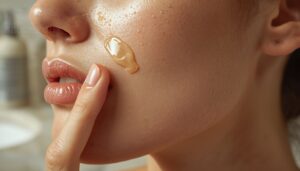
A waxy glow after exfoliating often signals barrier damage, not clean skin. When your skin barrier is compromised, transepidermal water loss rises and moisture retention drops. Three things create that slick look:
- Friction spreads natural oils across the surface
- Product residue leaves a coating that won’t fully rinse off
- Barrier repair simply hasn’t caught up yet
Flaking, Roughness, and Dehydration
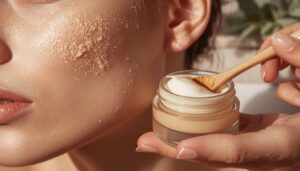
Dry, dusty flakes on your skin after exfoliating aren’t a phase your skin is passing through. They’re a distress signal.
When the skin barrier is disrupted, your skin can’t hold onto moisture properly, so it sheds unevenly. That rough, sandpaper texture and dehydration-driven tightness tell you overexfoliated skin isn’t recovering yet.
Breakouts and Heightened Sensitivity

Breakouts after over-exfoliating aren’t random. When barrier disruption sets off inflammation, pores congest and new bumps surface fast.
Your skin also becomes hypersensitive, meaning even your usual gentle face cleanser for sensitive skin might sting or redden.
Anything you layer on during this window hits differently, and breakouts and sensitivity often peak together.
Common Causes of Over-Exfoliation

Over-exfoliation rarely happens from one dramatic mistake—it usually sneaks up through habits that seem harmless on their own. Knowing what’s actually behind that raw, reactive feeling helps you make smarter changes from now on. Here are the most common culprits to watch for.
Exfoliating Too Often
Most people assume more exfoliation means faster results. It doesn’t. Exfoliating too often strips protective lipids before your skin can rebuild them, stalling barrier repair and triggering a cycle of barrier damage.
Dermatologists recommend just one to two sessions per week. Push past that, and you overwhelm your skin’s recovery, leaving it raw and prone to lasting skin sensitivity.
Layering Acids Without Recovery
Frequency isn’t the only problem. Stacking multiple acid products in one routine, a glycolic toner followed by a salicylic serum, turns routine exfoliation into barrier damage quickly. Your skin needs 24-48 hours between acid applications to recover. Skip that window, and transepidermal water loss spikes before barrier repair begins, leaving your skin with persistent sensitivity that worsens with each layer.
Combining Acids, Retinoids, Vitamin C
Stacking acids alongside retinoids or vitamin C creates a completely different kind of problem. Retinol needs a neutral pH to work, while vitamin C needs a low pH of 2.5–3.5 to stay effective. Use both together, and neither performs.
Your skin, especially sensitive skin, absorbs the irritation without any real benefit, accelerating barrier breakdown faster than one active ever could.
Adding Scrubs Over Chemical Exfoliants
That logic applies when you reach for a scrub mid-routine. Chemically weakened skin can’t take abrasive particles, and combining both causes barrier damage neither would alone:
- Micro-tears expose raw nerve endings
- Inflammation spikes higher than with one method
- Texture often turns patchy, not smooth
A gentle cleanser pairs better with acids than any scrub.
Sensitive Skin Has Lower Tolerance
Some skin simply can’t take what others brush off. If you have sensitive skin, your barrier tolerance is lower from the start, meaning even a single gentle acid session can push you past your limit. You might feel stinging or burning when others feel nothing. That’s not weakness; it’s biology.
Skin irritation arrives faster, and barrier damage lingers longer.
Immediate Steps to Calm Raw Skin

Once you notice your skin is raw and irritated, the most important thing is to stop and let it breathe. Your instinct to "fix" it with more products can actually make things worse, so keeping your routine simple is the real priority right now. Here are five immediate steps to help your skin calm down and start recovering.
Stop All Exfoliating Actives
The moment your skin feels raw, stop all exfoliating actives completely. AHAs, BHAs, retinoids, all of it goes on pause.
Over exfoliated skin simply can’t heal while it’s still being stripped. A plain gentle moisturizer is all it needs right now.
Pausing every acid gives your skin barrier repair the breathing room it needs, and that’s where barrier recovery starts.
Avoid Foaming, Stripping Cleansers
Your cleanser choice matters more than you think. Over exfoliated skin simply can’t handle foaming cleansers, which often contain sulfates that strip your already-compromised barrier further.
Switch to a gentle cleanser instead. For skin barrier repair, look for:
- No sulfates or sulfonates
- pH around 5 to 6
- Fragrance-free formula
This one swap gives your barrier recovery a real fighting chance.
Rinse With Cool Water
Reach for cool water the second your skin starts to sting. Cool water causes vasoconstriction, meaning it narrows blood vessels temporarily, which dials down redness and that raw, burning sensation almost instantly. Think of it as a circuit breaker for inflammation. It also helps barrier repair without stripping what little protection you have left.
Apply Fragrance-free Moisturizer
After a soothing cleansing cream, your skin is primed for a gentle moisturizer. A fragrance-free formula won’t further irritate sensitized skin. It rebuilds skin barrier function by replenishing lipids, which keeps your barrier repair timeline on track. Look for:
- Ceramides to restore lost lipids
- Hyaluronic acid to lock in water
- Niacinamide to calm redness fast
Minimize Heat, Rubbing, and Picking
Heat, rubbing, and picking are the three fastest ways to undo everything you’ve just done for your skin. Hot water drives up transepidermal water loss, stripping the oils your barrier desperately needs.
Sweating, scrubbing, or picking at flaking patches triggers a fresh inflammatory response, deepening redness and stinging. Let your skin simply rest. It heals faster when you stop interfering.
Best Ingredients for Barrier Repair
Once you’ve stopped exfoliating and simplified your routine, the right ingredients can do the heavy lifting of rebuilding your skin’s barrier. Not all moisturizers are created equal — some are far better equipped to repair damage than others. Here’s what to look for when shopping for recovery products.
Ceramides Restore Protective Lipids
Think of ceramides as the mortar between your skin cells. They’re the lipids, meaning fats, that hold your skin’s outer layer together and keep moisture from escaping. Exfoliation strips them away.
That’s why barrier repair with a ceramide moisturizer matters so much right now. Topical ceramides restore skin barrier integrity by directly replenishing the protective lipid layers your skin lost.
Hyaluronic Acid and Glycerin Hydrate
Hyaluronic acid and glycerin are humectants, meaning they draw water into your skin. Pairing them together in a hyaluronic acid glycerin serum gives your skin a double dose of moisture-drawing power throughout the day.
- Hyaluronic acid holds up to 1,000x its weight in water
- Glycerin adds hydration without heaviness or oil
- Both reduce transepidermal water loss through a weakened barrier
- Apply before your moisturizer to seal hydration in
Use both on slightly damp skin to support barrier function as it heals.
Niacinamide and Panthenol Soothe
Once your skin is hydrated, it still needs calming. Niacinamide, a form of vitamin B3, helps reduce redness and helps a quieter, less reactive skin surface. Panthenol, or provitamin B5, acts as a barrier repair soothing agent that also holds moisture in place. Look for both in your gentle moisturizer to help raw, over-exfoliated skin settle without triggering more irritation.
Linoleic Acid Repairs Lipid Matrix
Your barrier also craves the right fatty acids to function well. Linoleic acid is the most abundant polyunsaturated fatty acid in skin, and it rebuilds the lipid matrix by supporting ceramide synthesis and actively cutting transepidermal water loss. Find it in these oils for effective barrier repair:
- Rosehip oil
- Safflower oil
- Hemp seed oil
- Sea buckthorn oil
- Evening primrose oil
Mineral SPF Shields Vulnerable Skin
Once those lipid layers are rebuilding, UV exposure can undo your progress fast. Mineral sunscreen uses zinc oxide or titanium dioxide to reflect UV rays off the surface, without penetrating compromised tissue. This shields barrier lipids from UV-driven breakdown, keeps transepidermal water loss in check, and helps skin strength. After exfoliant overuse, reach for SPF 30 or higher daily.
Top 3 Products for Barrier Recovery
When your barrier is compromised, the products you reach for can either slow down recovery or speed it up a lot. The right cleanser and moisturizer aren’t luxuries right now — they’re part of the healing process. Here are three dermatologist-trusted options worth keeping on hand.
1. Cetaphil Gentle Cleanser Face Wash
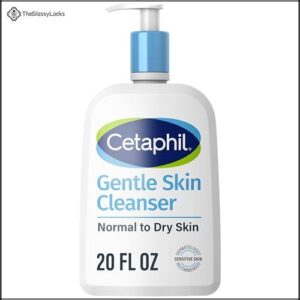
When your skin is raw and angry, the last thing it needs is a foaming cleanser stripping away what little moisture remains. Cetaphil Gentle Cleanser is a reliable and trusted choice for exactly this moment.
Its fragrance-free, sulfate-free formula cleanses without disrupting what’s left of your barrier. It contains glycerin, panthenol, and niacinamide, three ingredients that actively support recovery while you cleanse. The non-foaming texture may feel unfamiliar at first, but that gentle quality is precisely the point right now.
| Best For | People with dry, sensitive, or compromised skin — including those using acne medications or recovering from skin procedures — who need a gentle, non-stripping daily cleanser. |
|---|---|
| Fragrance-Free | Yes |
| Paraben-Free | Yes |
| Sensitive Skin | Yes |
| Non-Comedogenic | Yes |
| Hydrating Formula | Yes |
| Daily Use | Yes |
| Additional Features |
|
- Clinically proven to deliver 48 hours of hydration, even when wiped off instead of rinsed
- Packed with skin-supporting ingredients (glycerin, panthenol, and niacinamide) that cleanse and nourish at the same time
- Hypoallergenic, fragrance-free, and free of sulfates and parabens — a safe bet for even the most reactive skin types
- Struggles to fully remove waterproof or heavy zinc-based sunscreens, so you may need a second cleanse
- The non-foaming texture can feel ineffective or even slightly greasy to those used to lather-based washes
- Not the best pick if you’re looking for a deep-clean or a more thorough makeup remover
2. Avène Gentle Cleanser Lotion Sensitive Skin
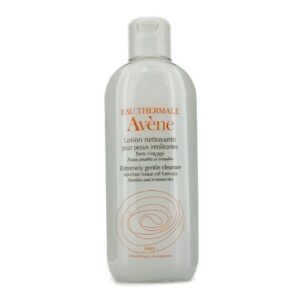
Avène takes a different approach. Rather than a wash-off formula, the Gentle Cleanser Lotion is a no-rinse lotion you apply with your fingertips or a cotton pad and simply wipe away. That’s especially useful when raw skin stings even at the sink.
The Avène Thermal Spring Water base soothes on contact, while coco-glucoside keeps cleansing gentle and low-irritation. It’s fragrance-free, alcohol-free, and non-comedogenic. If your skin is at its most reactive, this lotion gives you a way to cleanse without making things worse.
| Best For | Anyone with sensitive, reactive, or condition-prone skin (rosacea, atopic dermatitis) who needs a gentle daily cleanser that won’t aggravate flare-ups or require rinsing. |
|---|---|
| Fragrance-Free | Yes |
| Paraben-Free | Yes |
| Sensitive Skin | Yes |
| Non-Comedogenic | Not specified |
| Hydrating Formula | Yes |
| Daily Use | Yes |
| Additional Features |
|
- Soothes and hydrates while cleansing, leaving skin soft without stripping moisture
- No-rinse formula is ideal for times when even water contact is uncomfortable
- Free from fragrance, parabens, soap, and gluten — a safe pick for highly reactive skin
- May not remove heavy or waterproof makeup in a single pass
- Some users notice an unexpected chemical-like scent despite the fragrance-free label
- No lather, which can feel unsatisfying for anyone used to a foaming cleanser
3. Vanicream Moisturizing Cream 16 Oz Pump
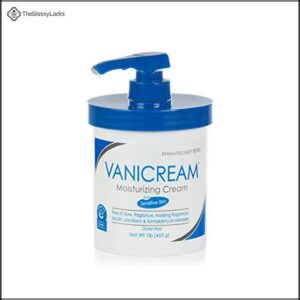
Vanicream’s pump moisturizer is the workhorse your compromised barrier needs right now.
Free from fragrance, dyes, lanolin, and parabens, it won’t introduce new irritants to already-angry skin. The formula pairs petrolatum and glycerin to seal in moisture and draw water in at the same time. Ceramides strengthen the protective layer you’ve damaged.
The 16 oz pump controls dosage cleanly, no jar-dipping required. It holds the National Eczema Association Seal of Acceptance, so you know it’s been vetted for reactive skin.
| Best For | People with sensitive, reactive, or eczema-prone skin who need a no-frills daily moisturizer free from common irritants. |
|---|---|
| Fragrance-Free | Yes |
| Paraben-Free | Yes |
| Sensitive Skin | Yes |
| Non-Comedogenic | Yes |
| Hydrating Formula | Yes |
| Daily Use | Yes |
| Additional Features |
|
- Fragrance-, dye-, and paraben-free formula makes it one of the safest options for easily irritated or post-procedure skin
- The 16 oz pump dispenser keeps things hygienic and mess-free, perfect for daily use
- Dermatologist-tested and awarded the National Eczema Association Seal of Acceptance, so it’s been properly vetted
- The thick consistency can feel heavy and may need extra rubbing in, especially in warm or humid weather
- Not ideal for oily skin types who want something lighter
- The pump nozzle can clog if product dries in it, so it needs occasional cleaning to keep working smoothly
How Long Raw Skin Takes to Heal

Healing timelines vary depending on how much damage your barrier has actually taken. The good news is that most skin responds well when you give it the right support. Here’s what to expect at each stage of recovery.
Mild Damage Takes 3–10 Days
Good news: mild barrier damage usually heals within 3–10 days.
Your skin starts rebuilding its protective layer almost immediately, with redness and stinging easing around day 3. By day 5, visible flaking settles and moisture begins returning to normal.
Well-hydrated skin recovers roughly 40% faster, so keeping it moisturized really isn’t optional. That’s how you actively help speed recovery along.
Moderate Damage Takes 2–4 Weeks
Moderate damage runs deeper, and your skin needs more time to rebuild. Here’s what recovery usually looks like:
- Weeks 1–2: Inflammation stabilizes and reactivity begins to calm.
- Week 3: Visible improvement arrives, with less stinging on application.
- Weeks 3–4: Hydration returns and barrier function normalizes.
Using ceramides and hyaluronic acid consistently throughout this window speeds healing and strengthens skin strength.
Severe Damage Takes 4–8 Weeks
Severe damage lands in a different category entirely. Skin may sting at water contact, crack visibly, and feel leathery despite moisturizing. Barrier rebuilding at this stage takes 4 to 8 weeks, with healing moving through distinct phases.
| Week Range | Healing Phase | Your Focus |
|---|---|---|
| Weeks 1-2 | Inflammation settles | No actives; cool water only |
| Weeks 3-4 | Lipid layers rebuild | Ceramides and glycerin daily |
| Weeks 5-6 | Texture gradually smooths | Keep your routine simplified |
| Weeks 7-8 | Barrier strength returns | Moisture retention improves |
| Week 8+ | Full recovery possible | Products tolerated without discomfort |
Stress and inconsistent care routinely push the skin healing timeline past 8 weeks. Staying consistent is what actually moves the needle.
Stinging Signals Incomplete Recovery
Even after weeks of careful recovery, stinging on product application tells you the barrier isn’t ready yet. Over-exfoliated skin can sensitize nerve endings, so that reaction isn’t always about ingredients — it’s your skin flagging ongoing vulnerability.
When gentle cleansers or plain moisturizers sting, barrier rebuilding is still active. A barrier compromised this deeply needs more time, not more products.
Persistent Symptoms Need Professional Care
If stinging lingers beyond 7-10 days of gentle, consistent care, that’s your signal to book a dermatologist consultation. Over-exfoliated skin showing persistent redness, oozing, or crusting isn’t just slow to heal, it may need a nudge from prescription-strength treatment.
A dermatologist can assess barrier damage, catch any hidden conditions, and set you on the right skin recovery timeline.
Restart Exfoliation Without Reinjuring Skin
Once your skin feels stable and products no longer sting, you can ease back into exfoliation—but the way you restart matters just as much as the break itself. Rushing back in is exactly how you end up back at square one. Follow these steps to reintroduce exfoliation safely.
Introduce One Active Only
When your skin is finally calm, resist the urge to add multiple exfoliation actives back at once. Start with one ingredient, testing it alongside your gentle cleanser.
If redness or stinging returns, you’ll know exactly what caused it. Think of barrier repair like reintroducing foods after a flare: one at a time, so nothing overwhelms your skin before it’s ready.
Begin With Once-weekly Use
Once you’ve chosen that single active, don’t rush back to your old routine. Start with once-weekly exfoliation and give your skin a full seven days to recover between sessions.
Watch how it responds. If texture improves with no redness, you’re on track. Reintroduce exfoliation slowly, adding a second day only after several weeks of calm, comfortable skin.
Choose Gentle, Low-strength Exfoliants
Reaching for the gentlest exfoliant you can find is the smarter move right now. Avoid AHAs and BHAs at high strengths or applied too often. Better choices:
- PHAs like gluconolactone, which penetrate slowly and stay gentle on fragile skin
- Mandelic acid, the mildest AHA due to its larger molecule size
- Enzyme exfoliation with papain, a softer alternative to physical exfoliation methods
Moisturize and Apply SPF Daily
Every time you reintroduce an exfoliant, your moisture barrier needs backup. Use a gentle moisturizer morning and night to support hydration and barrier repair.
Then comes SPF. Apply a broad-spectrum SPF 30 or higher every morning, even on cloudy days. Fresh exfoliation leaves skin more UV-sensitive, so skipping sunscreen can quietly undo all your healing progress.
Frequently Asked Questions (FAQs)
Why does my skin feel rough after exfoliating?
That rough, almost sandpaper-like feeling after exfoliating is your skin signaling barrier compromise. Protective lipids are stripped, triggering transepidermal water loss that leaves over exfoliated skin dehydrated, prone to redness, and with reduced skin strength.
How long does it take for over exfoliated skin to heal?
Healing time depends on how much damage occurred. Mild damage clears in 3–10 days, moderate over exfoliated skin needs 2–4 weeks for barrier repair, and severe cases can stretch the healing cycle to 4–8 weeks.
How to tell if your skin is over exfoliated?
Think of your skin like a stripped paint job, raw, reactive, and wide open. Over exfoliated skin shows persistent redness, unusual shine, tightness, flaking, or stinging from products that once felt perfectly fine.
Is it normal for exfoliation to hurt?
No, pain isn’t normal. Mild tingling might pass, but burning or stinging signals barrier damage and inflammation. That usually means over exfoliated skin. Stop, apply gentle moisturizer, and let skin sensitivity calm before restarting.
Can diet affect how quickly skin barrier heals?
Yes, it can. Think of your skin barrier as a brick wall: diet supplies the mortar. Ceramides and fatty acids from food support repair, reduce transepidermal water loss, and boost skin strength.
Does skin type determine safe exfoliation frequency?
Absolutely yes. Your skin type sets the pace. Oily skin tolerates exfoliation two or three times weekly, while sensitive skin needs once weekly or less to avoid barrier damage.
Are natural exfoliants gentler than chemical ones?
Not always. Sugar and salt scrubs can cause microtears, while gentle enzymes or low-strength acids are often milder. "Natural" doesn’t mean safer; particle size and technique matter more than the label.
Can over-exfoliation cause long-term or permanent damage?
Rarely permanent. Over-exfoliated skin usually heals in weeks once you stop, since barrier damage prevention beats repair. Persistent stinging or redness, though, deserves a dermatologist’s evaluation to rule out lasting issues.
Should you exfoliate differently in winter versus summer?
Yes, you should. Winter’s dry air raises transepidermal water loss, so exfoliate once weekly with gentle acids, then apply moisturizer. Summer allows slightly more, but sunscreen stays essential.
Conclusion
Less scrubbing, more patience. Less stinging, more soothing. When your skin feels raw after exfoliating, it’s asking you to slow down, not to try harder. Your barrier rebuilds on its own timeline, and gentle care beats aggressive routines every single time. Let it rest, keep it moisturized, protect it from the sun.
Healed skin is worth the wait. And when you return to exfoliating, kindness first, always.