This site is supported by our readers. We may earn a commission, at no cost to you, if you purchase through links. This content is for general informational and educational purposes only and is not a substitute for professional medical, dermatological, or nutritional advice.
Lemon juice has a pH near 2, roughly as acidic as stomach acid, yet plenty of people still dab it on pimples overnight. The result is often redness, sun sensitivity, and dark marks that outlast the breakout itself.
Some effective home remedies for acne and pimples do exist, and a few have trial data behind them. A 5% to 10% tea tree oil gel reduced lesions over 12 weeks with less dryness than benzoyl peroxide. Others, like baking soda or undiluted essential oils, can damage your skin barrier and make breakouts worse.
Here’s how to tell which kitchen fixes help, which hurt, and when it’s time to see a dermatologist.
Table Of Contents
Key Takeaways
- A 5% to 10% tea tree oil gel, along with aloe vera and green tea extract, may calm mild to moderate breakouts, but you’ll need to patch test first and give each product 6 to 12 weeks to show results.
- Lemon juice, apple cider vinegar, baking soda, toothpaste, undiluted essential oils, and squeezing can damage your skin barrier and leave you with burns, dark marks, or scars, so it’s best to skip them.
- A gentle routine of pH-balanced cleanser, oil-free moisturizer, daily SPF 30 or higher, and limited exfoliation does more for your skin than any single remedy, and healthy habits like good sleep, less stress, and regular exercise may help too.
- If you haven’t improved after 2 to 3 months of consistent care, or you have deep painful cysts, scarring, signs of a hormonal condition, or fever with spreading redness, it’s time to see a dermatologist.
Home Remedies for Acne: Evidence and Limits

Some home remedies have real research behind them, while others rely mostly on word of mouth. Below, you’ll find three options that show the most promise, along with what the studies can and can’t tell you. Knowing those limits helps you choose what’s safe to try on your own skin.
If you’d like a closer look at which gentle, skin-friendly options are worth your time, this guide to dry skin treatment options is a helpful place to start.
Formulated Tea Tree Oil Gel
A gel with a standardized amount of tea tree oil is the safest way to try this remedy. Look for 5% to 10%. In a clinical trial, a 5% gel used twice daily for 12 weeks reduced lesions, working more slowly than benzoyl peroxide but with less dryness. Patch test first on your inner forearm, since allergic reactions can occur.
Tea tree oil is most suited to oily, acne-prone skin with mild to moderate breakouts, and a placebo-controlled trial of 5% gel found it noticeably reduced both lesion count and acne severity.
Aloe Vera for Soothing Skin
If tea tree oil feels too sharp for your skin, aloe vera is a gentler option. Its gel may calm redness and swelling, and it hydrates without leaving a greasy film. Evidence for treating acne itself is limited, so think of it as support, not a stand-alone fix.
Choose a pure aloe vera gel without added fragrance or alcohol, and patch test first.
Green Tea’s Potential Acne Benefits
Green tea is another gentle option, and it has more research behind it than aloe. Its main compound, EGCG, has antibacterial and anti-inflammatory effects, and it may help with sebum regulation.
You can try it as a topical mask or a regular drink, and this guide to using green tea for acne walks through both methods.
In small trials, a 2% lotion used twice daily for 6 to 8 weeks reduced lesion counts. Look for products that list:
- Green tea extract near the top of the ingredients
- No added fragrance
- A patch test result you’re happy with
Daily Skin Care That Supports Acne Healing

Even the best home remedy won’t do much if your basic routine works against your skin. Start there.
Wash twice a day with lukewarm water and a gentle, pH-balanced cleanser. Avoid sulfates like sodium lauryl sulfate, which can strip oil and may prompt your skin to produce more. Pat dry instead of rubbing.
While your skin is still slightly damp, apply an oil-free, non-comedogenic moisturizer with ceramides or hyaluronic acid. In the morning, finish with a mineral sunscreen of SPF 30 or higher, reapplied every two hours outdoors, since sun exposure can darken marks.
If you exfoliate, keep it to two or three times a week with 5 to 10 percent salicylic or glycolic acid. Skip physical scrubs.
Pairing your acid exfoliant with the right cleansing and moisturizing steps makes a big difference, and this evening skin care routine for acne-prone skin shows how to fit it all together.
Add new products one at a time, patch test first, and give each six to eight weeks.
DIY Pimple Remedies That Can Harm Skin
Not every pimple fix you find online is safe for your skin. Some popular DIY options can cause burns, irritation, and scarring instead of clearing breakouts. Here are four common ones to know about before you try them.
Undiluted Essential Oils

Natural doesn’t mean gentle. Pure essential oils are highly concentrated, and putting them straight on a pimple can disrupt your skin barrier within minutes, leaving redness, burning and more breakouts.
Just because an oil comes from a plant doesn’t make it safe, since concentrated versions can quickly inflame and damage your skin
Tea tree oil is a common culprit, and citrus oils can cause phototoxic burns in sunlight. If you want to try tea tree oil, choose a formulated product. Skin irritation prevention starts with dilution.
Lemon Juice and Apple Cider Vinegar
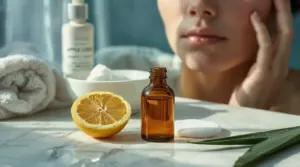
You might see apple cider vinegar and lemon juice praised online as natural acne fixes. Both are acidic, with pH levels around 2 to 3, and they may disrupt your skin barrier.
Lemon juice can also trigger sun sensitivity and dark marks. Research hasn’t shown consistent benefits, so skip them.
Choose gentler options to support skin irritation prevention.
Baking Soda and Abrasive Scrubs
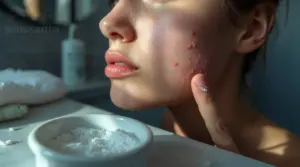
Picture a pimple that’s flared up the night before a big event. You remember a tip about mixing baking soda with water and rubbing it on. It feels gritty, a little tingly, and by morning your skin is red and tight, with the pimple still there.
Pimples start deeper, when hormones like DHT boost oil production and speed up cell shedding, as what causes acne breakouts breaks down.
That’s the usual outcome. Baking soda’s alkaline pH can disrupt your skin barrier, and the coarse crystals may cause skin irritation. Gentler, pH-balanced options are safer.
Toothpaste and Pimple Squeezing
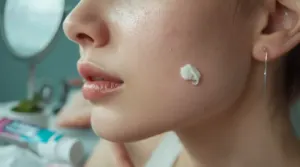
Does toothpaste really dry out a pimple overnight? Partly, but the trade-off isn’t worth it. Ingredients like baking soda, alcohol and menthol may shrink swelling briefly, yet they can also trigger skin barrier damage, burning and dark marks that outlast the pimple.
Squeezing is no better. It pushes bacteria deeper, inflames the area and raises your scarring risk.
Lifestyle Habits That May Reduce Acne

Your daily habits may matter as much as anything in your bathroom cabinet.
Sleep is a good place to start. People who get less than seven to eight hours a night tend to report more acne, likely because poor rest disrupts hormones and raises inflammation. Cortisol surges can also push oil production up.
Stress works the same way, so reducing stress through meditation, journaling, or a walk may help. Regular exercise helps this, and rinsing off sweat afterward keeps pores from clogging. Exercising less than weekly is linked to higher acne odds (OR=1.4).
Staying hydrated and eating fruits, vegetables, and whole grains is a sensible baseline. Omega-3s may reduce lesions after about 10 weeks. Smoking is tied to more acne (OR=1.8). If you rarely eat fatty fish, a quality omega-3 fish oil supplement can fill the gap, though check with your doctor first.
When Acne Needs a Dermatologist’s Care

Home care has a ceiling, and it helps to know where it is. If you’ve used consistent over-the-counter treatment for two to three months and your skin hasn’t improved, the products alone probably aren’t enough. A dermatologist consultation can open the door to prescription options.
Some signs shouldn’t wait. Deep, painful nodules or cysts that linger for weeks carry a higher risk of permanent scarring. Pitted, raised, or dark marks also point to the need for professional care.
Watch for irregular periods or excess hair growth alongside breakouts, since these may signal a hormonal condition like PCOS. Rapidly spreading, hot, intensely red lesions with a fever need prompt medical attention.
If acne is hurting your mood or confidence, that counts too.
Frequently Asked Questions (FAQs)
How long do home remedies take to work?
Tea tree oil gel, one of the better-studied options, usually needs six to 12 weeks before acne reduction becomes significant. Most remedies need 4 to 12 weeks of daily use, so don’t expect overnight results.
How can I prevent acne scars from forming?
Don’t pick or squeeze pimples, since that trauma raises your risk of acne scars. Treat breakouts early with a retinoid, use gentle non-comedogenic products, and wear broad-spectrum sunscreen daily so marks don’t darken.
Can home remedies fade acne scars and dark marks?
Fading dark marks is like waiting for a bruise to clear: it happens slowly. Home remedies like niacinamide at 2-5% and aloe vera may help over months, but sunscreen matters most, and scars usually need professional care.
How to treat hormonal acne naturally?
Hormonal acne can feel like a lifelong sentence, but you’ve got more control than you think. Vitex may help regulate hormones, while green tea extract and 5% tea tree gel can calm breakouts. Skip harsh DIY fixes.
Are home remedies safe for sensitive skin?
Picture a patch of skin that stings at the touch of water. Some home remedies, like diluted tea tree oil or aloe vera gel, may be tolerated, but sensitive skin reacts unpredictably. Patch-test first, and skip lemon juice entirely.
How to remove body acne naturally?
Start with a 5% tea tree oil gel twice daily, which may calm inflammatory spots on your back and chest, though results come slowly. Cleanse gently, shower after sweating, and wear breathable fabrics. See a dermatologist if nothing improves in 8 to 12 weeks.
Conclusion
Gentle habits help, while harsh shortcuts hurt. That’s the heart of choosing effective home remedies for acne and pimples: the winners are mild, tested, and patient, and the losers are acidic, abrasive, or undiluted. Tea tree gel, aloe, and green tea may calm breakouts when paired with steady cleansing and moisturizer.
Keep your hands off lemon, baking soda, and toothpaste. If breakouts turn painful or scar, see a dermatologist. Your skin heals best when calm.