This site is supported by our readers. We may earn a commission, at no cost to you, if you purchase through links. This content is for general informational and educational purposes only and is not a substitute for professional medical, dermatological, or nutritional advice.
Grab your bottle of castor oil, and you’re holding one of the thickest, stickiest oils on the shelf. That viscosity isn’t a flaw. It’s the reason this oil clings to every strand, seals in moisture, and calms an irritated scalp better than lighter oils ever could.
Salons have used it for decades to fight breakage and revive dull, damp-starved hair. A well-mixed castor oil hair mask takes that same power and puts it in your hands, no appointment required.
Grab a few kitchen staples, and you’re ready to build a treatment suited to your exact hair type, ends included.
Table Of Contents
- Key Takeaways
- Castor Oil Hair Mask Benefits
- Best Castor Oil Mask Ingredients
- DIY Castor Oil Hair Mask Recipes
- How to Apply Castor Oil Mask
- Castor Oil Mask Usage Tips
- Frequently Asked Questions (FAQs)
- How do you use castor oil as a hair mask?
- Do you put castor oil on dry or wet hair?
- Is castor oil good for antifungal?
- What are the disadvantages of castor oil for hair?
- Do you put castor oil on wet or dry hair?
- How long should I leave the castor oil hair mask?
- Can castor oil cause hair color changes?
- Does castor oil work on chemically treated hair?
- Will castor oil clog hair follicles or pores?
- Does castor oil expire or go rancid?
- Conclusion
Key Takeaways
- Castor oil’s thick, viscous texture coats each strand to lock in moisture, smooth the cuticle, and calm an irritated scalp better than lighter oils.
- Boost your results by blending castor oil with ingredients like coconut oil, aloe vera, tea tree oil, or fenugreek seeds to target specific concerns like dandruff, frizz, or low-porosity hair.
- Apply the mask to dry, sectioned hair, warm it gently using indirect heat, massage it into your scalp for better circulation, then cover with a cap and rinse thoroughly with a double shampoo.
- Stick to a weekly (or biweekly for oily hair) routine, patch test first to avoid allergic reactions, and store your mask in a cool, airtight container to keep it fresh and effective.
Castor Oil Hair Mask Benefits

Castor oil brings a lot to the table for your hair and scalp. It’s thick, nutrient-packed, and works in more than one way once it’s applied. Here’s what you can expect when you add it to your routine.
Just like castor oil needs to be used thoughtfully, protein-based treatments do too—understanding silk protein benefits for hair can help you find the right balance so your strands stay strong without feeling stiff.
If you’re pairing castor oil with other treatments, try rinsing with apple cider vinegar afterward to clarify buildup and boost shine.
Pair it with other nourishing ingredients in these DIY hair repair mask recipes to boost shine and tackle dryness from root to tip.
Moisture and Shine
Ever wonder why some hair just catches the light better? It comes down to cuticle smoothing. A castor oil hair mask boosts hydration levels, helping the outer layer lie flat so light reflects evenly instead of scattering off rough, dry strands.
That’s real hair moisturization at work—deep conditioning that locks in moisture retention, smooths surface roughness, and leaves you with the kind of hair shine that turns heads. Studies show that hydrated cuticles reflect more light than dry ones.
Scalp Comfort
Shine’s great, but a happy scalp is what makes it all possible. A castor oil hair mask calms dry itching and soothes scalp inflammation by coating the surface with a protective film that guards your scalp barrier.
Gentle massage during application also helps manage flaky buildup. For sensitive scalp safety, keep water lukewarm and skip vigorous scrubbing—your scalp health depends on it.
Breakage Reduction
That same protective film cuts surface friction, so strands glide instead of snag when you comb. Less friction means less snapping.
Less friction means less snapping—strands glide instead of snagging when hair is protected
Ricinoleic acid also locks in moisture, keeping hair flexible instead of brittle. A castor oil hair mask adds slip for easier detangling, smooths the cuticle, and reduces the mechanical stress behind everyday hair breakage reduction.
Frizz Control
That same moisture lock doubles as a humidity barrier, so strands stop drinking in damp air and puffing up. Castor oil’s viscosity gives you real cuticle smoothing coating, cutting flyaways at the surface.
Apply mid-lengths to ends, finger-comb through, and let it seal. Pair with jojoba oil for lighter frizz-prone handling, and skip aggressive heat when drying.
Growth Support
Where growth-hungry roots meet real biology: ricinoleic acid drives microcirculation stimulation, feeding follicles that need it most. Massage with your fingertips while applying your DIY castor oil hair mask—this combo fights follicle oxidative stress and helps androgenetic alopecia inhibition.
Consistency matters more than intensity here. Weekly scalp massage plus castor oil won’t work overnight, but it builds the conditions hair regrowth actually needs.
Best Castor Oil Mask Ingredients
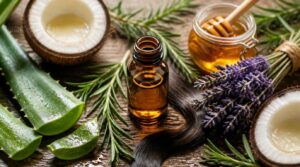
Not every ingredient earns a spot in your castor oil mask. Some boost moisture, others calm your scalp or add strength where you need it most. Here are the five worth keeping in your hair care lineup.
Pure Castor Oil
Pure castor oil is the foundation of every DIY hair mask, no additives needed. Look for cold-pressed bottles—this extraction method keeps ricinoleic acid levels highest, and that fatty acid drives most of the benefits you’re after.
For a quick fix between trims, try this castor oil hair mask for split ends to smooth and seal damaged strands until your next haircut.
Its hydroxyl group creates serious viscosity, so the oil coats each strand and locks moisture in. That thick texture is a feature, not a flaw.
Coconut Oil Blend
Team castor oil up with coconut oil and you’ve got a richer, more spreadable mask. Coconut oil’s fatty acid profile smooths castor oil’s thick texture, making application easier on high-porosity strands.
Since coconut oil is hydrophobic, it reinforces that moisture-sealing film without diluting benefits. Warm the mixture first, though. Both oils are temperature sensitive and solidify when cool, so gentle heat keeps things spreadable and antioxidant stability intact.
Aloe Vera Gel
Here’s a lighter option: aloe vera gel is nearly all water, about 99.5% in the mucilage, but that tiny solid fraction packs a punch. Acemannan polysaccharide hydrates without weighing hair down.
You’ll also get amino acids, minerals, organic acids, and vitamins alongside castor oil in this hair mask—perfect for a Nourishing Aloe Vera and Castor Oil Hair Mask that balances heavy oils with lightweight moisture.
Tea Tree Oil
Got a flaky, itchy scalp? Tea tree oil comes from Melaleuca alternifolia, an Australian plant, and its antimicrobial terpinen-4-ol targets scalp microbes causing dandruff.
- Add 3-5 drops to your castor oil mix
- Always dilute before scalp contact
- Patch test first
- Makes a solid DIY Castor Oil Hair Treatment for Dandruff
- Helps overall scalp health
Fenugreek Seeds
Think of fenugreek seeds as nature’s thickener: their galactomannan content turns castor oil into a clingy paste that coats strands instead of dripping off.
Seeds bring protein, polyphenol antioxidants, and strong oil absorption capacity, boosting the mix’s staying power.
That’s the science behind the classic Fenugreek Strengthening Hair Mask — a DIY hair care staple trusted for real hair growth support.
DIY Castor Oil Hair Mask Recipes

Now that you know your ingredients, it’s time to put them to work. Every hair type and concern has a recipe built just for it, from dry ends to flaky scalps. Grab your mixing bowl, because these five masks are ready to customize.
Just remember to keep it to one or two treatments a week, since overdoing it can backfire the same way it does with a DIY face mask for dry skin, leaving things drier instead of nourished.
If your scalp needs extra TLC, try this DIY scalp soothing mask recipe to calm irritation and restore balance before your next wash day.
Dry Hair Mask
Dry, brittle strands crave real moisturization, and castor oil delivers.
Mix 2 tablespoons castor oil with 2 tablespoons coconut oil for cuticle smoothing and humidity protection. Apply root to tip, focus on ends, then cover for at least an hour.
This DIY castor oil hair mask boosts elasticity improvement, eases detangling, and shields strands from oxidative stress—leaving hair softer, shinier, and ready for natural hair care wins.
Dandruff Scalp Mask
Flakes and itch call for a different fix: the Castor Tea Tree Antidandruff Hair Mask.
Mix 2 tbsp castor oil, 2 tbsp almond oil, and 3-5 drops tea tree oil. Warm slightly, massage in, leave 30 minutes (or overnight).
Tea tree’s antifungal action targets yeast activity, while castor oil soothes irritation and helps maintain scalp pH balance—easing inflammation and reducing flakes naturally.
Split Ends Mask
Mix 2 tbsp castor oil with mashed avocado, apply mid-lengths to ends, leave 30-45 minutes twice weekly.
This split end defense hair mask works through smoothing hair fibers and reducing mechanical friction during combing. It won’t fix existing splits, but it slows new ones between trims.
Use a wide-tooth comb for post-mask detangling. Rinse thoroughly to avoid oil buildup.
Strengthening Fenugreek Mask
Soak 1 tbsp fenugreek seeds overnight, then mix into a smooth paste with coconut milk. Heat with 5 tbsp castor oil until dark, cool, apply to roots. Massage gently, leave 1 hour.
This combo helps hair strengthening and hair growth through root-level nourishment. Rinse thoroughly—straining seeds beforehand reduces gritty residue and buildup.
Low-Porosity Hair Blend
If your strands shrug off moisture, dilute castor oil 1:1 with jojoba or coconut oil—lightweight carriers prevent buildup on low porosity hair.
Warm the mixture briefly; gentle heat opens the cuticle for real oil penetration instead of surface sitting. Apply sparingly to ends only, cover 20-30 minutes, then rinse well.
This DIY hair care recipe keeps hair soft, never weighed down.
How to Apply Castor Oil Mask
Mixing up your mask is only half the job. How you apply it decides whether your hair actually soaks up those benefits. Follow these five steps to get it right, from root to tip.
Section Clean Hair

Grab a comb and four hair clips before you even open your castor oil. Wash your hair with your favorite shampoo first, then divide damp strands into four even sections, clipping each one back.
Keep part lines straight for clean scalp access and consistent coverage boundaries. Neat sectioning sets up smoother rinsing later and keeps your DIY mask from pooling in just one spot.
Warm The Oil

Skip the microwave — heat traps unevenly and creates hot spots that can scald your scalp. Instead, use indirect heating: place your castor oil mixture in a heat-safe bowl set inside a bowl of hot water, or try a double boiler for gradual warming.
Swirl the oil for a minute or two until it’s warm, not hot. Do a quick tactile check on your wrist before you apply the castor oil mixture.
Massage Scalp Gently

Your hands do the real work now, so use them wisely. Use your finger pads (never nails) with light fingertip pressure, moving in small circles section by section for 10-15 seconds each.
- Start at your hairline
- Work toward your crown
- Finish at the base of your skull
This boosts scalp circulation and nourishes follicles. Keep motions gentle to avoid tugging or irritation.
Cover With Cap

Now that your scalp’s tingling from the massage, don’t let that warmth escape. Cover your hair with a plastic shower cap—it locks in heat and stops moisture evaporation, so the mask keeps working instead of drying out.
This step also takes care of mess containment, protecting your pillow and clothes, while reducing friction damage between strands during the DIY castor oil hair mask’s dwell time.
Shampoo Thoroughly

Rinsing time. Wet hair with lukewarm water, then apply your favorite shampoo and work up a full lather—this removes castor oil residue without stripping your scalp.
Because castor oil is thick, one wash often isn’t enough. Double cleansing clears leftover oil completely, so your DIY hair treatment rinses clean instead of leaving hair greasy or weighed down.
Castor Oil Mask Usage Tips

Getting the mask on your hair is only half the job. A few smart habits make the difference between real results and wasted effort. Here’s what you need to know before you make this part of your routine.
Weekly Treatment Schedule
Once a week is the sweet spot for most castor oil hair masks, giving strands time to soak up benefits without tipping into greasy territory.
- Dry hair: stick with weekly for 4-8 weeks
- Oily or fine hair: stretch to every two weeks
- Notice buildup? Scale back immediately
Track your progress monthly. Seasonal shifts (drier winters, humid summers) may call for frequency tweaks to your DIY routine.
Overnight Mask Safety
Overnight use isn’t off-limits, but it does raise the stakes. Extended contact means more occlusion, which traps heat and moisture against your scalp and can clog pores if you’re heavy-handed with product.
| Overnight Risk | Prevention |
|---|---|
| Irritation | Patch test first |
| Clogged pores | Use light layer |
| Microbial growth | Clean hands, fresh oil |
| Fabric staining | Protective hair wrap |
| Delayed reaction | One session, then observe |
Hair Type Adjustments
Not every mane wears castor oil the same way. Porosity and texture decide your approach:
- High porosity? Add a lighter oil to lock in moisture longer.
- Low porosity? Warm the oil and cap it for deeper penetration.
- Coily or curly? Use a richer layer; fine or straight hair needs less to avoid grease.
Coarser strands tolerate more product—thinner ones don’t.
Allergy Patch Test
Test before you treat. Dab a small amount of your castor oil mask on your inner arm, leave it 48 hours, then check for redness or bumps—signs of contact dermatitis.
No reaction? You’re clear. This quick step protects your scalp from surprise allergens before your DIY treatment ever touches your roots.
Storage and Shelf Life
Rarely do DIY hair masks last as long as store-bought ones, so store smart. Use a small, airtight glass container to limit oxygen exposure and separation.
- Keep it cool and dark
- Refrigerate aloe or water-based blends
- Watch for rancid smell or mold
- Shake before each use
- Discard if texture changes
Oil-only masks stay fresher longer than water-added recipes.
Frequently Asked Questions (FAQs)
How do you use castor oil as a hair mask?
Warm the oil briefly, work it through dry or damp hair and scalp with a few minutes of massage, cover with a shower cap, then rinse after 30–45 minutes with a mild shampoo before styling.
Do you put castor oil on dry or wet hair?
Dry, mostly. Dry-hair penetration lets the oil coat strands fully for scalp-focused application.
Damp-hair sealing works for ends only. Skip sopping wet strands — wet-hair absorption is uneven and leaves residue removal harder later.
Is castor oil good for antifungal?
Ricinoleic acid gives castor oil real antifungal properties through microbial membrane disruption, helping with yeast-related dandruff.
Still, it’s cosmetic support, not medicinal treatment—pair with tea tree oil for scalp health, but watch for scalp occlusion if buildup worsens.
What are the disadvantages of castor oil for hair?
Heavy application leaves greasy residue, clogs scalp pores, and can cause contact dermatitis or allergic reactions. Overuse risks rare hair felting, matting strands into stubborn knots.
Its thick texture also makes removal difficult, so shampoo thoroughly to avoid buildup.
Do you put castor oil on wet or dry hair?
Water and oil don’t mix, literally. Dry hair coating beats wet application every time since wet hair barriers cause uneven spread.
Apply your castor oil mixture to dry, sectioned hair pre-wash, or use towel-dried application sparingly on ends.
How long should I leave the castor oil hair mask?
Give it at least 30 minutes for basic conditioning, or push to 1-2 hours for a deep conditioning window. Overnight works too, if you cap it. Longer soaks boost heat absorption and scalp nourishment—just rinse thoroughly after to prevent residue buildup.
Can castor oil cause hair color changes?
Not permanently. That yellow tint is usually optical residue on porous or dyed hair, not real melanin change. Rinse thoroughly, and skip heavy applications on bleached strands to avoid unwanted color shifts.
Does castor oil work on chemically treated hair?
Yes, but through lubrication, not repair. It coats compromised cuticles, locks in moisture, and eases post-treatment frizz. Chemical restructuring won’t reverse, though scalp recovery feels more comfortable, and hair mask sessions leave treated strands noticeably softer and shinier.
Will castor oil clog hair follicles or pores?
Don’t sweat it — castor oil scores low on comedogenic rating scales and rarely clogs pores. The real risk is scalp residue left behind if you skip a thorough washout, which can trigger buildup or irritate a Malassezia-prone scalp.
Does castor oil expire or go rancid?
Vegetable oils oxidize over time, and heat, light, and air exposure speed the process. Watch for a rancid smell, darker color, or sticky texture. Store your natural ingredients in a cool, dark, sealed spot to keep home hair treatments fresh.
Conclusion
Like a good pair of boots, castor oil rewards patience, breaking in slowly until it fits your hair just right.
You don’t need a salon chair or a miracle product. You need consistency. A castor oil hair mask works because you show up for it, week after week, oil warmed, scalp massaged, ends protected.
Stick with it, and dull, brittle strands give way to real shine. That’s mastery, built with your own two hands.