This site is supported by our readers. We may earn a commission, at no cost to you, if you purchase through links. This content is for general informational and educational purposes only and is not a substitute for professional medical, dermatological, or nutritional advice.

Most clients walk into my treatment room with a bathroom shelf full of $40 serums and still can’t tell me what’s actually in them. That’s the problem with skincare marketing — price gets mistaken for proof. I’ve built full, effective routines for clients on tight budgets, and the results rival what $200 kits promise.
An affordable skincare routine under 50 dollars works when you understand ingredients, not influencers. Cleanser, serum, moisturizer, sunscreen — that’s the whole game, done right. Here’s exactly where to put your money and why each dollar earns its place on your skin.
Table Of Contents
- Key Takeaways
- How to Plan a Skincare Routine Under $50
- 5 Essential Products for an Under-$50 Routine
- Best Affordable Routine by Skin Type
- Best Budget Ingredients for Skin Concerns
- Make Your Affordable Routine Work Better
- Frequently Asked Questions (FAQs)
- What should my skincare routine be at 50?
- What is the 4 2 4 rule in skincare?
- What is the best affordable skin care line?
- Which two serums cannot be used together?
- What is a good skincare routine?
- How much does a skincare routine cost?
- How much does a skin care product cost?
- Do you need to spend a lot of money on skincare?
- How can I prevent skincare product expiration?
- What’s the best way to apply serums?
- Conclusion
Key Takeaways
- Split your $50 by priority: 50% on cleanser and sunscreen, 20% on a targeted serum, 15% on a barrier moisturizer, and 5% on minis, since drugstore and luxury products often share the same active ingredients anyway.
- Skip sunscreen and you’ve wasted every dollar spent on the rest of your routine, since SPF 30+ is what protects your skin and makes the other products worth using.
- Match your ingredients to your actual skin type and concern—hyaluronic acid and ceramides for dryness, niacinamide for oil and redness, salicylic acid for breakouts, retinol for lines and dark spots.
- Introduce new actives slowly through patch testing and rotation (like skin cycling) so your skin builds tolerance instead of getting overwhelmed, and give your routine at least 2–4 weeks before judging results.
How to Plan a Skincare Routine Under $50
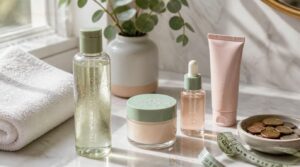
A $50 budget can build a real routine—if you spend it right. The trick isn’t finding cheap products; it’s knowing what your skin actually needs first. Here’s how to plan every dollar before you buy a single thing.
Start by figuring out whether you’re dealing with dryness, breakouts, or sensitivity, since matching effective facial care treatments to your specific skin concerns is what actually makes a tight budget stretch further.
Identify Your Skin Type
Before you buy anything, figure out what you’re working with.
Wash your face, wait 30 minutes, then check: tight and flaky means dry skin, shiny all over means oily, shine only in the T-zone means combination. Little oil, no flakiness? That’s normal skin. Redness or itching after products signals sensitive skin, no matter your oil pattern. Understanding your skin barrier function is key to choosing the right products for your skin type. skin barrier function
Prioritize Your Main Skin Concern
Now that you know your skin type, what’s actually bothering you? Identify your primary concern — hydration, acne, or pigmentation — and focus treatment priority there first.
Assess skin urgency: active breakouts need faster action than fine lines. Balance multiple issues by treating one at a time with consistent use, then monitor concern progress before adding more.
Divide Your $50 Product Budget
Once you’ve named your main concern, split that $50 with purpose instead of guessing.
Put 50% toward essential basics (cleanser, sunscreen), 20% toward your targeted serum, 15% toward a barrier-repair moisturizer, and 5% aside for minis.
Track every dollar. This essential product splitting keeps your affordable skincare routine under $50 realistic and repeatable — not a one-time splurge.
Compare Drugstore and Luxury Formulas
With your budget split, where you spend it matters. Drugstore and luxury lines often share the same active ingredients — retinol, niacinamide, vitamin C — at similar concentrations.
Luxury pays for complex delivery systems and airless packaging that slows oxidation. Drugstore works fine with simpler packaging.
Both offer fragrance-free formulas, so skip the markup and shop by ingredient list, not price tag.
Skip Nonessential Skincare Steps
Since your $50 has to work hard, skip what doesn’t earn its spot. Toner, eye cream, and facial oil are optional add-ons — moisturizer and SPF already cover hydration and protection.
- Toner: skip if your cleanser controls buildup
- Eye cream: moisturizer works fine here
- Facial oil: only add for extra comfort needs
Save exfoliation for 1-3x weekly, and treat masks as occasional extras, not daily essentials.
5 Essential Products for an Under-$50 Routine
So what actually earns a spot in your cart? Five products cover every base your skin needs, no more and no less. Here’s exactly what to buy and what to spend on each one.
Gentle Cleanser: $8–$10

Every routine starts with a clean slate — literally. Look for a fragrance-free, pH-balanced, non-comedogenic formula for $8–$10. CeraVe Hydrating Facial Cleanser, Cetaphil Gentle Skin Cleanser, Neutrogena Hydro Boost Cleanser, and Vanicream Gentle Facial Cleanser all fit the bill, using hydrating ingredients like glycerin instead of stripping sulfates.
If you’re looking to layer in extra hydration afterward, CeraVe’s ceramide-rich formula pairs beautifully with gentle, glow-boosting Korean moisturizers for a barrier-friendly routine.
Sensitive skin? These won’t fight back.
Targeted Serum: $8–$12
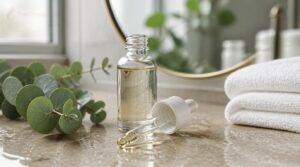
One product, one job — that’s the serum’s role here. Pick based on your top concern: The Ordinary Niacinamide 10% + Zinc 1% balances oil, Good Molecules Niacinamide Serum does the same, or The Ordinary Hyaluronic Acid 2% + B5 hydrates fast.
- Good Molecules Discoloration Correcting Serum for tone
- elf Skin Holy Hydration Triple Bounce for plumping
- Check listed concentrations before buying
Apply on damp skin, before moisturizer, once daily.
Barrier Moisturizer: $8–$12
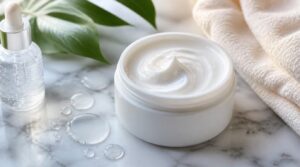
Think of moisturizer as your barrier’s bodyguard. Look for ceramides plus a humectant like glycerin or hyaluronic acid — CeraVe Moisturizing Cream nails this combo for under $12.
| Skin Feel | Best Texture |
|---|---|
| Oily | Gel-cream |
| Dry | Rich cream |
| Sensitive | Fragrance-free |
Apply morning and night. Consistent use rebuilds barrier function within 2–4 weeks.
Daily Sunscreen: $10–$15
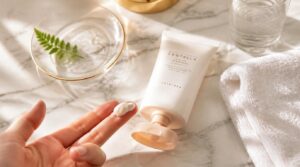
Skip sunscreen and every other product you bought is wasted. Grab an SPF 30+ broad spectrum lightweight sunscreen for $10–$15 — mineral or chemical, your call.
Skip sunscreen and every other skincare product you bought is wasted money
Most absorb in 1–3 minutes, stay fragrance-free, and offer 40–80 minutes of water resistance. Reapply every 2–4 hours outdoors.
This step protects collagen, prevents dark spots, and makes every other product actually worth it.
Optional Treatment With Leftovers
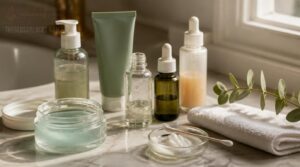
Got half-used products sitting around? Put them to work. A leftover spot treatment takes care of breakouts without a full new purchase.
Try a hydrating gel boost, serum moisturizer pairing, or overnight oil layering on dry patches.
Even a sunscreen reuse strategy on cloudy days keeps protection consistent.
Smart layering, not more spending, makes budget-friendly products stretch further.
Best Affordable Routine by Skin Type
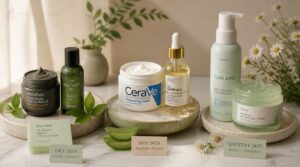
No two skin types need the same $50 game plan. What works for oily skin can leave dry skin worse off, and vice versa. Here’s how to build your routine based on what your skin actually faces.
Dry Skin: Hydrate and Repair
Tight, flaky skin needs moisture that actually stays put. Start with a hydrating cleanser—gentle, sulfate-free, never stripping.
Follow with a hyaluronic acid serum for water-binding hydration, then lock it in with a ceramide-rich moisturizer that mimics your skin’s Natural Moisturizing Factors.
This layering helps with barrier repair and moisture retention, cutting that tight, uncomfortable feeling within two to four weeks.
Oily Skin: Balance Excess Sebum
Dry skin needs moisture that stays. Oily skin needs the opposite: oil regulation without stripping.
Use a foaming or gel cleanser, then a niacinamide serum for sebum production control. Finish with a lightweight, noncomedogenic moisturizer and mineral sunscreen—skipping moisturizer backfires, triggering more oil. A mattifying formula with zinc keeps shine and pore visibility down all day.
Acne-Prone Skin: Unclog Pores
Acne calls for a pore strategy, not just a moisturizer swap.
- Salicylic acid (2%) exfoliates and unclogs pores
- Double cleansing at night lifts oil before treatment
- Clay masks pull excess sebum twice weekly
- Pore strips cut blackheads up to 40%
- Choose noncomedogenic, oil-free formulas only
Space salicylic acid and benzoyl peroxide 12 hours apart—together they cause dryness.
Combination Skin: Treat Each Zone
Combination skin needs two routines in one. Your T-zone runs oily; your cheeks run dry. Treat them separately.
Use a gentle cleanser everywhere, then split paths: BHA on the T-zone for clogged pores, hyaluronic acid on cheeks for hydration. Apply niacinamide across your face, layering extra on the T-zone. Finish with zone-specific moisturizer—gel for shine control, cream for cheek hydration.
Sensitive Skin: Minimize Irritation
When your skin reacts to everything, less really is more. Stick to fragrance-free cleansers and moisturizers, use lukewarm water, and pat dry instead of rubbing. Skip harsh exfoliants and alcohols—lean on barrier repair ingredients like ceramides and glycerin instead. Always patch test new products first. If it stings or burns, it’s not for you.
Best Budget Ingredients for Skin Concerns
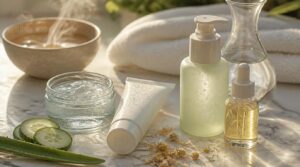
Not every skin concern needs a fancy fix—it just needs the right ingredient. Some actives hydrate, some calm redness, and some quietly rebuild your skin’s defenses. Here’s what actually earns a spot on your shelf.
Hyaluronic Acid and Vitamin B5
Water is the best hydration booster, and this duo delivers it fast.
- Hyaluronic acid holds 1,000x its weight in water
- Vitamin B5 locks that moisture in
- Boosts moisture retention and calms tightness
- Suitable all skin types, even oily
- Try The Ordinary’s Hyaluronic Acid 2% + B5
Together, they support your skin barrier while plumping fine lines—true anti-aging plumping without harsh actives.
Ceramides for Barrier Repair
Think of ceramides as the mortar between your skin’s brick wall. They fill gaps, cutting water loss by 18%.
Look for 0.2–0.5% ceramide NP, paired with panthenol or niacinamide for faster barrier repair.
CeraVe Moisturizing Cream delivers Natural Moisturizing Factors that mimic your skin’s own lipids—stable, gentle, and effective daily.
Salicylic Acid for Breakouts
Oil-soluble and pore-penetrating, salicylic acid breaks up the gunk causing breakouts. It’s a drugstore staple for a reason.
- Clears blackheads, whiteheads, and stubborn buildup
- Comedolytic—dissolves cellular "glue" trapping oil
- Prevents new breakouts with consistent use
Start with 2-3% cleansers, 1-3x weekly. Layer cautiously with other actives—overdoing exfoliation causes irritation. Patience wins; full pore-clearing effects take several weeks.
Niacinamide for Oil and Redness
Can one ingredient calm redness and control shine? Niacinamide does both. It’s a workhorse among drugstore staples, offering sebum regulation, barrier support, and pore minimizing in one bottle.
| Concern | Niacinamide’s Job | Timeframe |
|---|---|---|
| Oily skin | Oil control | Several weeks |
| Redness | Anti-inflammatory | Ongoing |
| Barrier | Ceramide boost | 2-4 weeks |
| Pores | Appearance minimized | Weeks |
Use 5% daily, morning and night.
Retinol for Lines and Spots
Ready for the big guns? Retinol targets fine lines and dark spots better than almost anything on the shelf. Start with 0.5% two nights weekly, moisturize first, and build up. Expect fine line smoothing in 8 weeks.
- Gradual dark spot fading
- Smoother texture
- Firmer feel
- Brighter tone
Always pair with SPF 30+ mineral sunscreen each morning.
Make Your Affordable Routine Work Better

Buying the right products is only half the battle. How you use them decides whether your skin actually sees results. Here’s what makes a budget routine perform like a high-end one.
Layer Products in Correct Order
Order matters more than price tag. Cleanse first, then serum, then moisturizer, then sunscreen last—each step preps skin for the next.
Water-based serums go on before oil-based ones so actives actually absorb. Whether you’re running a skincare routine for oily, dry, combination, or sensitive skin, this sequence stays the same—only textures change. At night, skip SPF and let richer creams or oils take over.
Introduce Active Ingredients Slowly
New actives deserve a slow start, not a full-force debut. Patch test first: dab retinol or niacinamide on your forearm 24 hours, then your jawline 48 more.
Start low—0.1% retinol, three nights weekly—then increase gradually if skin stays calm. Watch for redness, buffer with ceramide moisturizer, and log reactions.
- Patch test before full-face use
- Start with lowest concentration
- Increase frequency gradually
- Buffer with moisturizer first
Rotate Actives With Skin Cycling
Once your skin tolerates actives, rotate instead of layering everything nightly. Try skin cycling: retinol night one, niacinamide or vitamin C night two, hyaluronic acid night three, then a buffer night with only cleanser and ceramides. This 48-72 hour rotation prevents overload.
Redness or burning? Add an extra buffer night before resuming. It’s how skin builds tolerance without punishment.
Track Realistic Results Timelines
Cycling calms breakouts, but patience keeps you consistent. Expect hydration gains within 7 days, texture shifts by day 14, breakouts down by day 28.
Log moisture, texture (1-10), and lesion counts weekly, same time, same conditions. No change after 21 days? Swap the active and note the date.
Realistic timelines beat guesswork every time.
Check Storage and Expiration Dates
That little jar icon on your packaging? It’s the PAO symbol, and it tells you how many months a product stays safe once opened. No symbol means 6-12 months is your rule of thumb.
Store everything cool and dry, away from heat above 80°F. Watch for odd smells, curdling, or color shifts — toss it, even if it’s "in date." Dispose of expired products responsibly, never down the drain.
Frequently Asked Questions (FAQs)
What should my skincare routine be at 50?
Hormonal shifts during menopause thin skin and slow collagen production, so focus on retinol for collagen support, ceramides for barrier repair, vitamin C for elasticity, and daily SPF 30 to prevent age spots and further sun damage.
What is the 4 2 4 rule in skincare?
This Korean-inspired timing method breaks your routine into four minutes cleansing, two minutes exfoliating, and four minutes moisturizing—giving each product enough time to actually absorb, boost hydration, and repair your barrier without over-exfoliating sensitive skin.
What is the best affordable skin care line?
No single winner exists. The best drugstore skincare is ingredient-focused, not brand-loyal — think CeraVe, The Ordinary, or La Roche-Posay for value sets pairing gentle textures with dermatologist-recommended actives like ceramides, hyaluronic acid, and niacinamide.
Which two serums cannot be used together?
Mixing vitamin C and retinol is like tossing oil and water in a blender—pointless. This Vitamin C Retinol conflict stems from pH mismatch. Skip both together; try niacinamide with hydrators instead, or space actives out gradually.
What is a good skincare routine?
A good routine covers four bases: gentle cleansing, hydrating toner, targeted serum, and moisturizer with SPF. Layer thinnest to thickest, patch test new products, and track results weekly—consistency matters more than product count or price.
How much does a skincare routine cost?
Think of it as a sliding scale, not a fixed price tag. Budget skincare can run $30–$60 monthly, while luxury formulas climb into hundreds. US averages hover near $41 — your skin type and product choices set the real number.
How much does a skin care product cost?
Prices swing from $5 to over $100, driven by ingredients, R&D, and packaging. Drugstore cleansers run $5–$15, while serums hit $20–$ Comparing cost per use—not sticker price—helps you shop smarter for real value.
Do you need to spend a lot of money on skincare?
Like a flip phone next to a smartphone, fancy packaging doesn’t mean better performance. Drugstore brands deliver the same actives—hyaluronic acid, retinol—as luxury lines, minus markups reaching 78% for marketing and packaging costs alone.
How can I prevent skincare product expiration?
Keep products in a cool, dry spot away from sunlight and humidity. Seal caps tightly, check PAO symbols, wash hands before use, and toss anything with changed color, smell, or texture.
What’s the best way to apply serums?
Pat a pea-sized amount onto clean, slightly damp skin using gentle tapping motions for 10–15 seconds. Apply serum first, wait 1–2 minutes for absorption, then layer your moisturizer to lock in those active ingredients.
Conclusion
Your skin doesn’t need a thousand-dollar miracle in a tiny jar — it needs four honest products used right, every single day. That’s it. That’s the whole secret the $200 kits don’t want you to know.
An affordable skincare routine under 50 dollars works because ingredients don’t care about price tags — they just do their job. Cleanse, treat, moisturize, protect. Master those four steps, and your skin will thank you for decades.