This site is supported by our readers. We may earn a commission, at no cost to you, if you purchase through links. This content is for general informational and educational purposes only and is not a substitute for professional medical, dermatological, or nutritional advice.
That post‑shave sting hits fast—and if you’ve ever blamed your razor, you might be looking in the wrong place.
The real culprit is often a layer of dead skin cells that piled up before the blade ever touched you, creating drag, trapping hairs, and setting off that familiar red irritation.
Exfoliating to prevent razor burn works because it clears that rough surface before it becomes a problem.
Done right, it’s a straightforward step that changes everything downstream—smoother contact, less friction, fewer bumps, and skin that actually recovers well afterward.
Table Of Contents
- Key Takeaways
- Can Exfoliating Prevent Razor Burn?
- Exfoliate Before Shaving Properly
- Choose Your Exfoliation Method
- Match Exfoliants to Skin Type
- Shave Without Triggering Burn
- Moisturize After Every Shave
- Top 9 Razor Burn Products
- 1. First Aid Beauty Ingrown Hair Pads
- 2. Topicals High Roller Ingrown Hair Serum
- 3. Paulas Choice Two Percent BHA Liquid Exfoliant
- 4. Fur Ingrown Hair Treatment Serum
- 5. Eadem Smooth Slate Ingrown Serum
- 6. Gillette Venus Post Shave Serum
- 7. Billie AHA Ingrown Hair Spray
- 8. Nécessaire Eucalyptus Body Exfoliator
- 9. CeraVe Hydrocortisone Anti Itch Cream
- Soothe Irritation After Shaving
- Frequently Asked Questions (FAQs)
- Can exfoliating prevent razor burn?
- Does exfoliating help prevent razor burn?
- How do you prevent razor burn?
- What can I use to exfoliate my skin before shaving?
- How to exfoliate down there before shaving?
- How often should I exfoliate between shaves?
- Can I exfoliate immediately after getting razor burn?
- Whats the difference between AHA and BHA exfoliants?
- Should I exfoliate differently for face vs body?
- When is the best time to exfoliate during shower?
- Conclusion
Key Takeaways
- Exfoliating 12–24 hours before shaving clears the dead skin buildup that causes razor drag, friction, and post-shave redness.
- Match your exfoliant to your skin type — salicylic acid for oily or acne‑prone skin, lactic acid for dry or sensitive skin, and enzyme formulas when both feel too harsh.
- Good shaving technique matters just as much as prep: use a fresh blade, shave with the grain, keep strokes light, and rinse the razor every few passes.
- After shaving, rebuild your skin barrier fast with an alcohol‑free balm containing ceramides, aloe, or niacinamide — and skip anything with fragrance on freshly shaved skin.
Can Exfoliating Prevent Razor Burn?

Yes, exfoliating before you shave can genuinely make a difference — and there’s a real reason why.
Curious about the full breakdown? Exfoliating before shaving benefits for women covers exactly why this one extra step leads to a smoother, closer shave.
It comes down to a few key factors that work together to protect your skin. Here’s what you need to know.
How Exfoliation Reduces Friction
Exfoliating clears dead skin that piles up on your skin’s surface, and that buildup is exactly what makes a razor catch and drag. Here’s what removing it actually does for your shave:
- Friction Barrier Removal — Clears the rough, uneven layer the blade scrapes against
- Smoother Skin Surface — Gives the razor consistent contact instead of snagging on dry patches
- Reduced Blade Drag — Less resistance means fewer tugging strokes
- Enhanced Lubrication Spread — Shaving gel reaches skin evenly, supporting Minimized Micro-Catching and razor burn reduction
Be mindful that over-exfoliation lowers barrier function, which can increase sunburn risk.
Dead Skin and Trapped Hairs
Dead skin doesn’t just sit there — it actively traps hairs.
When Skin Cell Shedding slows down, Keratin Plugs form around follicles, mixing with Sebum Trapping to create a hardened barrier.
That’s what causes Hair Entanglement and ingrown hairs.
Regular exfoliation — whether chemical exfoliants like salicylic acid or physical exfoliants like a mitt — clears Follicle Clogs before they become a problem.
| Problem | Cause | Fix |
|---|---|---|
| Keratin Plugs | Dead skin buildup | Chemical exfoliants |
| Follicle Clogs | Sebum + dead skin | Physical exfoliants |
| Hair Entanglement | Blocked follicle exit | Regular exfoliation |
| Ingrown hairs | Hair curls under skin | AHA/BHA lotions |
| Rough skin texture | Uneven cell shedding | Exfoliating mitt |
Razor Burn Versus Razor Bumps
Both sound similar, but razor burn and razor bumps are different problems.
Razor burn shows up fast — redness and stinging within minutes — caused by friction and lack of lubrication.
Razor bumps take longer, forming when ingrown hairs curl back into the follicle.
Their treatment differences matter too: burn needs soothing, bumps need exfoliation to prevent razor burn from repeating.
Best Timing Before Shaving
Timing your pre‑shave routine correctly makes a real difference. The ideal exfoliation window is 12 to 24 hours before shaving — exfoliate the day before you shave for best results. Pair that with smart exfoliation timing for each session:
- Avoid dry timing — never shave long after showering
- Use a post-shower shave while skin is still soft
- Apply a morning shave delay of 20 to 30 minutes after waking
Who Benefits Most
Almost everyone shaves, but not everyone burns equally.
Sensitive Shavers, New Shavers, and Frequent Shavers tend to see the biggest gains from regular exfoliation.
If you have Coarse Stubble, Curly Hair Types, or sensitive skin prone to ingrown hairs, the difference is dramatic.
Those dealing with pseudofolliculitis barbae, curly hair risk factors, or a dark bikini line benefit most — exfoliation genuinely changes the outcome.
Exfoliate Before Shaving Properly
The steps you take before the razor even touches your skin matter more than most people realize.
Done right, exfoliation sets your skin up to shave smoothly with far less irritation.
Here’s how to do it properly, from start to finish.
Cleanse Skin First

Before anything touches your skin, cleanse it. Think of it as your pre-shave ritual reset — sweat, oil, and product residue all interfere with razor glide.
A gentle, pH-balanced cleanser manages residue removal without stripping your moisture barrier. Cleanser selection matters here: skip anything harsh or foaming.
This skin prep basics step ensures your exfoliant actually contacts clean skin, not a layer of yesterday’s buildup.
Use Warm Water

After cleansing, rinse with warm water — not hot. Warm water benefits your skin by softening the outer layer and relaxing hair follicles, which reduces razor drag before your blade ever touches the skin.
A quick shower before shaving works perfectly for this.
Sensitive areas like neck or bikini line especially need this gentle skin softening prep.
Keep the ideal water temp comfortable, never scalding.
Apply Gentle Exfoliant
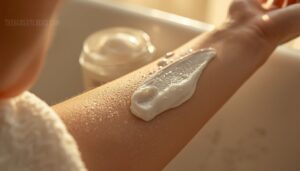
Now comes the part where technique actually matters. Apply your exfoliant — whether physical or chemical — using short, light circular motions with fingertips or a mitt.
Even coverage across the area keeps results consistent. Maintain gentle pressure and limit contact time to about 30 seconds for physical exfoliants.
less friction means less irritation. Choose gentle products suited to your skin, and don’t overdo exfoliation frequency.
Rinse Thoroughly

Don’t skip the rinse — it’s doing more work than you think.
Full water coverage clears exfoliant residue, enhances razor glide, and prevents pore unclogging issues from product buildup. Use comfortably warm water to avoid skin tightness.
- Move water across every inch, not just the center
- Check for slipperiness — soapy skin means residue remains
- Pat dry gently; rubbing undoes your prep
Wait Before Shaving

Your skin needs a moment — don’t rush straight to the razor. After exfoliating, give yourself a five‑minute cool down time.
This post‑exfoliation wait lets heat and slight puffiness settle, creating a stable shave timing window. That heat reduction pause is your skin settling time before the blade touches down. It’s a small step in your preshave routine that makes a real difference in how well you prevent razor burn.
Choose Your Exfoliation Method

Not all exfoliants work the same way, and the right one depends on your skin and where you’re shaving. Picking the wrong type can leave your skin more irritated than before.
Here’s a breakdown of your options so you can find what actually works for you.
Chemical Exfoliants
Chemical exfoliants do the heavy lifting without any scrubbing. They dissolve the bonds holding dead cells in place, leaving your surface smooth and razor-ready. Here’s how the main acid choices break down:
- Glycolic Acid (Alpha Hydroxy Acid) – strongest, best for thicker skin
- Lactic Acid (Alpha Hydroxy Acid) – milder, great for drier areas
- Salicylic Acid (Beta Hydroxy Acid) – oil-soluble, ideal for bumps
- Gluconolactone (PHA) – gentlest option with PHA benefits for sensitive skin
- Ingredient Synergy – pairing niacinamide or ceramides boosts exfoliant safety
Two to three times weekly is the sweet spot.
Physical Exfoliants
While acids work invisibly, physical exfoliants give you hands‑on control. These use real particles — pumice stone, bamboo, walnut shell — to manually lift dead cells from your stratum corneum. Grit level importance can’t be overstated: smoother particles beat jagged ones every time.
| Exfoliation Tool | Best Use |
|---|---|
| Exfoliating mitt | Body, legs |
| Pumice stone | Rough patches |
| Exfoliating scrubs | Pre-shave prep |
| Bigbeaded face scrub | Avoid shaving areas |
Natural vs synthetic particles — biodegradable options are gentler and safer for sensitive zones. DIY scrubs with sugar or oat work well, too. Skip exfoliating sticks on freshly irritated skin.
Enzyme Exfoliants
If scrubbing feels too harsh for your body, enzyme exfoliants offer a softer approach. Rather than relying on alpha hydroxy acid or beta hydroxy acid pH balance, fruit enzymes — papain from papaya, bromelain from pineapple — target keratin breakdown directly, dissolving dead‑cell bonds without friction.
- Skip acids when your skin feels reactive
- Apply enzyme formulas 12–24 hours before shaving
- Look for stabilization methods on the label, ensuring active enzymes
- Pair with a chemical exfoliant weekly for deeper exfoliation benefits
- Use consistently to prevent razor burn over time
Sensitive Skin Options
When your skin reacts to everything, less is more.
Opt for a mild lactic acid (alpha hydroxy acid) or low-percentage salicylic acid (beta hydroxy acid) — both work without overwhelming reactive skin. Look for formulas that pair the chemical exfoliant with Ceramide Repair, Panthenol Relief, or Glycerin Hydration to keep the barrier intact.
Centella Calming ingredients and hypoallergenic tools help prevent razor burn without added stress.
Bikini Line Care
The bikini line needs a gentler touch than most areas. To prevent itching, ingrown hair prevention starts with how you exfoliate before and after shaving.
- Use an AHA/BHA lotion for chemical exfoliation
- Try an exfoliating mitt for light physical exfoliation
- Choose breathable clothing choices post-shave to reduce friction
- Explore waxing benefits for longer hair growth tips between sessions
- Apply niacinamide formulas for odor control and bikini area care
Match Exfoliants to Skin Type

Not every exfoliant works for every skin type, and using the wrong one can make things worse instead of better. Your skin’s texture, oil levels, and sensitivity all play a role in which formula will actually help.
Here’s how to match the right exfoliant to what your skin needs.
Dry Skin
Dry skin is already working against you before the razor even touches it. Aging impact, environmental factors like cold air or dry indoor heat, and internal causes such as thyroid issues all chip away at your skin’s defenses.
Stick to lactic acid for chemical exfoliation — it’s gentler than glycolic. Skip harsh physical exfoliation.
After shaving, moisturizing after exfoliation is non‑negotiable; reach for ceramide-rich formulas to lock in barrier repair.
Oily Skin
Oily skin produces excess sebum, which clogs pores and invites breakouts before a razor even enters the picture.
For sebum control and acne prevention, salicylic acid is your go-to chemical exfoliant — it’s oil-soluble, so it clears buildup deep inside pores. This promotes pore minimizing and helps with preventing ingrown hairs.
If you’re not sure where to start, this guide to facial exfoliators for oily skin breaks down the best formulas and how to use them safely.
Always choose noncomedogenic products, and pair exfoliation with oil-free, shine-reduction formulas for best results.
Sensitive Skin
Sensitive skin needs a lighter touch.
If you have rosacea or eczema, skip harsh scrubs entirely — lactic acid or enzyme exfoliants are your safest bet for eczema-safe exfoliants and rosacea exfoliation tips. Always do sensitive skin patch testing before full application.
Exfoliate twice a week max, then follow with post-exfoliation soothing and skin barrier protection to prevent irritation from undoing your progress.
Acne-prone Skin
Acne-prone skin is already dealing with excess oil, inflammation, and slow healing — shaving adds another layer of stress. Hormonal triggers and stress impact breakout frequency, so keeping follicles clear matters more here.
- Use salicylic acid, a chemical exfoliant that dissolves oil deep in pores.
- Choose noncomedogenic products only.
- Exfoliate twice weekly for oil control tips.
- Target hyperpigmentation help and scarring prevention by never over-scrubbing — it worsens ingrown hairs.
Curly Hair Growth
tightly coiled hair isn’t just a styling challenge — it’s a biological setup for ingrown hairs. Because curly follicles grow at an angle, cut hairs curl back and pierce the skin, causing pseudofolliculitis and inflammation.
| Curl Concern | Exfoliation Fix |
|---|---|
| Shrinkage Management | Chemical exfoliant benefits clear follicles |
| Growth Cycle Phases | Regular exfoliation for curly hair prevents buildup |
| Length Retention Tips | Preventing ingrown hairs reduces breakage |
Curl genetics and density impacts make salicylic acid your best tool.
Shave Without Triggering Burn

Even the best exfoliation routine won’t save you if your shaving technique is working against your skin. The way you handle the razor makes a real difference in whether you walk away smooth or red and irritated. These five habits are worth building into every shave.
Use Fresh Blades
A dull, clogged razor is one of the fastest ways to trigger razor burn. Blade replacement timing matters more than most people realize.
- Sharpness reduces drag — a sharp clean razor slices hair cleanly instead of pulling it.
- Fresh blade hygiene starts each shave residue‑free.
- Coating friction role — worn coatings increase skin irritation noticeably.
- Residue irritation link — old razor buildup transfers debris back onto skin.
- Replace blades every 4–5 shaves, or sooner if tugging begins.
Shave With Growth
Fresh blades get you started right — but blade angle means nothing if you’re shaving against your hair. Hair Direction Mapping before each session helps you follow your natural grain alignment techniques.
Shave with the grain, using short strokes that match hair growth direction. This simple preventive shaving practice dramatically reduces tugging and the skin trauma that starts razor burn.
Keep Strokes Light
Once you’re shaving with the grain, pressure becomes your next variable to control.
Light pressure is one of the most underrated light stroke benefits — the blade should glide, not dig. Avoid over-pressuring by letting the razor’s weight do the work.
Three pressure control tips that reduce blade drag:
- Keep your grip loose
- Use slow, deliberate strokes
- Avoid "chasing" missed hairs with extra force
Rinse Razor Often
Every two or three strokes, hold your razor under running water. That quick rinse is doing more than you’d think — it flushes out hair, product buildup, and debris that quietly dulls your blade mid-shave.
A clogged razor drags instead of cuts, and dragging causes irritation. Good razor blade hygiene keeps each pass smooth and your skin calm.
Avoid Repeated Passes
One pass, done right, beats three rushed ones every time. Shaving a single area too many times stacks friction fast — each extra stroke adds drag and risks microtears.
Consistency in direction and stroke length improves blade glide and cutting efficiency, so touch-ups become rare.
Preventive shaving practices like this single-pass approach are simple shaving technique improvements that protect your skin before post-shave methods even begin.
Moisturize After Every Shave

Shaving strips away more than just hair — it takes some of your skin’s protective layer with it. That’s why what you put on afterward matters just as much as your technique.
Shaving doesn’t just remove hair — it strips away your skin’s protective layer, making aftercare as vital as technique
Here’s how to lock in moisture and keep irritation from taking over.
Use Alcohol-free Balm
Skip the classic sting—reach for an alcohol-free moisturizer instead. Traditional aftershaves use ethanol, which dries and irritates freshly shaved skin.
An alcohol-free aftershave balm gives you hydration without that burn.
Look for calming balm actives like aloe vera, panthenol, and allantoin on the ingredient safety check label.
Balm texture types range from lightweight gels to richer creams, each with different balm absorption speeds—pick what feels comfortable for your skin.
Restore Skin Barrier
Your skin barrier takes a hit every time a blade passes over it.
Rebuild it with ceramide-rich moisturizers—ceramides, cholesterol, and fatty acids work together for real lipid repair.
Niacinamide adds anti-inflammatory agents, supporting while boosting your skin’s own ceramide production.
This pH balanced care hydrating routine also protects microbiome balance, keeping commensal bacteria stable.
Think of it as exfoliation maintenance between shaves.
Calm Redness Quickly
Redness after shaving doesn’t have to linger. Reach for these anti-inflammatory remedies right away to speed skin inflammation reduction:
- Press a cool compress for 5–10 minutes to constrict blood vessels
- Smooth on aloe vera soothing gel for instant cooling relief
- Apply a Cica Cream or Centella Skincare formula to calm reactive skin
- Try a quick Oatmeal Mask or Chamomile Compress to ease irritation
- Use hydrocortisone 1% sparingly for persistent redness, then follow with a lukewarm cleanse
Avoid Fragrance Irritation
Freshly shaved skin is more vulnerable — so what you apply next really matters.
Fragrance-Free Products and alcohol‑free moisturizers are your safest bet, since skin sensitivity to fragrances spikes after shaving.
Even natural fragrance risks are real; plant‑derived scents can still irritate.
Always do Allergen Patch Testing with new products and run Label Ingredient Checks to spot hidden "parfum."
Barrier‑Friendly Routines keep reactions away.
Hydrate Daily
What you put in your body complements what you put on it — internal hydration and external moisturizers work as a team, not a competition.
- Daily Water Goals: Aim for roughly 2.7–3.7 liters from all sources.
- Food Counts: Water-rich fruits and vegetables contribute to skin hydration.
- Internal vs External: Drinking water hydrates cells; emollients seal that moisture in.
- Hyaluronic Acid: Speeds healing on sensitive skin and supports skin barrier repair.
- Moisturize After every shave: Hydrate inside and out consistently.
Top 9 Razor Burn Products
The right product can make a real difference when your skin needs help recovering quickly.
Whether you’re dealing with redness, ingrown hairs, or that post-shave sting, there’s something on this list for every skin type and budget.
Here are nine products worth keeping in your routine.
1. First Aid Beauty Ingrown Hair Pads
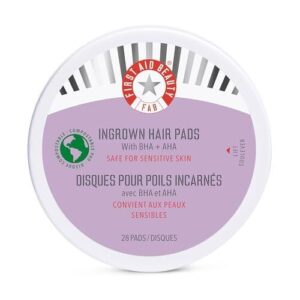
Tackling ingrown hairs and razor bumps after shaving gets a lot easier with First Aid Beauty Ingrown Hair Pads.
Each pre-soaked pad combines glycolic acid and salicylic acid to dissolve dead skin buildup without stripping moisture. Witch hazel and aloe calm redness while the formula stays free of alcohol, fragrance, and parabens — a win for sensitive skin.
Use them the day after shaving and expect visible improvement within one to two days.
At $24 for 28 pads, they’re best grabbed on sale.
| Best For | Anyone dealing with razor bumps, ingrown hairs, or post-shave irritation — especially those with sensitive skin or conditions like hidradenitis suppurativa. |
|---|---|
| Format | Pre-soaked pads |
| Exfoliation Type | AHA + BHA |
| Razor Bump Use | Yes |
| Fragrance-Free | Yes |
| Paraben-Free | Yes |
| Retail Price | $24.00 |
| Additional Features |
|
- Dual-acid formula (glycolic salicylic) tackles ingrowns fast, with visible results in a day or two
- Gentle enough for sensitive skin — no alcohol, fragrance, or parabens
- Works all over: face, underarms, bikini line, legs
- At $24 for 28 pads, the cost adds up quickly — best to buy on sale
- Small pad size means you may burn through multiple pads on larger areas
- Pads can dry out if you don’t use them regularly after opening
2. Topicals High Roller Ingrown Hair Serum
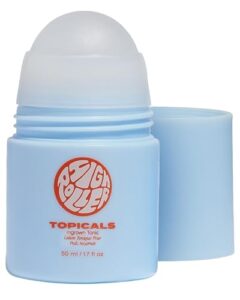
If you want something a little more targeted, the Topicals High Roller Ingrown Hair Serum is worth a look. The roll‑on applicator keeps things hygienic and mess‑free — no fingers, no fuss.
It combines salicylic acid and glycolic acid to work on both surface buildup and pore congestion at once. Niacinamide and zinc PCA help calm the look of irritation and dark spots left behind by bumps.
At $26 for 50 mL, it’s a solid pick for face, underarms, or the bikini line.
| Best For | Anyone dealing with razor bumps, ingrown hairs, or post-shave irritation on the face, underarms, bikini line, or legs — especially those who want a clean, no-mess application. |
|---|---|
| Format | Roll-on serum |
| Exfoliation Type | AHA + BHA |
| Razor Bump Use | Yes |
| Fragrance-Free | Yes |
| Paraben-Free | Yes |
| Retail Price | $26.00 |
| Additional Features |
|
- The roll-on format is genuinely hygienic and easy to use — no mess, no product waste.
- Salicylic and glycolic acid together tackle both surface texture and clogged pores at once.
- Free from alcohol, fragrance, and parabens, so it’s a gentler option for sensitive skin.
- Results aren’t guaranteed — some people see diminishing returns after a few months.
- At $26 for 50 mL, it’s pricier than a lot of drugstore alternatives that do a similar job.
- You have to wait for it to fully dry before putting on clothes or other products, which can feel like extra steps in a routine.
3. Paulas Choice Two Percent BHA Liquid Exfoliant
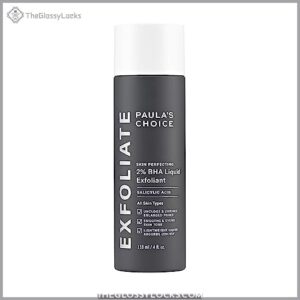
If you’re looking for a broader exfoliant that pulls double duty beyond the bikini line, Paula’s Choice 2% BHA Liquid Exfoliant is a go-to.
The 2% salicylic acid works inside the pore — dissolving oil, clearing dead skin, and loosening the buildup that traps hairs before a shave.
It’s fragrance-free, leave-on, and gentle enough for daily use once your skin adjusts.
At $25.90 for 4 oz, it covers a lot of ground — literally.
| Best For | Anyone dealing with clogged pores, blackheads, or uneven texture who wants a simple daily exfoliant that works beyond just one area of the body. |
|---|---|
| Format | Pre-soaked pads |
| Exfoliation Type | AHA + BHA |
| Razor Bump Use | Yes |
| Fragrance-Free | Yes |
| Paraben-Free | Yes |
| Retail Price | $24.00 |
| Additional Features |
|
- 2% salicylic acid goes inside the pore to clear out oil and buildup — not just the surface
- Fragrance-free and leave-on, so it fits easily into most routines without extra steps
- Works well alongside other actives like niacinamide or tretinoin, and sits fine under makeup
- Can cause tingling, dryness, or flaking when you first start — you’ll want to ease in slowly
- Sunscreen becomes non-negotiable, since salicylic acid makes skin more sensitive to UV
- The dispenser tends to get messy, which means product waste if you’re not careful
4. Fur Ingrown Hair Treatment Serum
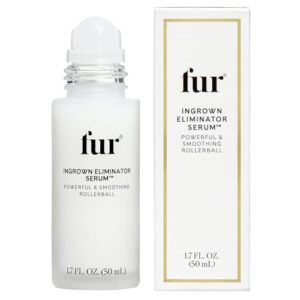
For something that works beyond just one zone, the Fur Ingrown Eliminator Serum covers more ground. Its lactic and phytic acids gently lift dead skin, while witch hazel tightens pores and aloe calms any irritation post‑shave.
The rollerball applicator keeps things precise — no mess, no waste.
It’s vegan, fragrance‑thoughtful, and safe for the bikini line, underarms, and thighs.
At $52 for 50 ml, it’s a splurge — but for sensitive, multi‑area care, it earns its shelf space.
| Best For | Anyone dealing with ingrown hairs across multiple sensitive areas — bikini line, underarms, thighs — who wants one clean, vegan solution that pulls double duty as a post-shave treatment. |
|---|---|
| Format | Liquid toner |
| Exfoliation Type | BHA only |
| Razor Bump Use | Yes |
| Fragrance-Free | Yes |
| Paraben-Free | Yes |
| Retail Price | $25.90 |
| Additional Features |
|
- AHAs and BHAs work together to clear out existing ingrowns and stop new ones before they start
- Witch hazel and aloe make it gentle enough for sensitive skin without skipping the active ingredients
- The rollerball keeps application targeted, so you’re not wasting product on areas that don’t need it
- At $52 for 50 ml, it’s pricier than most drugstore alternatives and may not feel worth it if results take a while
- Can leave skin feeling dry, so you’ll likely need to follow up with a moisturizer or oil
- The rollerball doesn’t always dispense evenly, and a small number of users saw no improvement at all
5. Eadem Smooth Slate Ingrown Serum
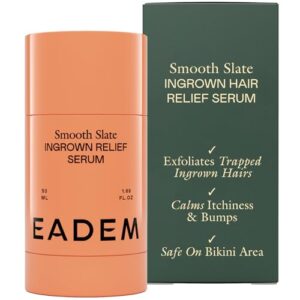
Stubborn ingrown hairs and dark spots rarely respond to a single-focus product — and that’s where the EADEM Smooth Slate Ingrown Relief Serum earns attention.
It pairs mandelic and lactic acids to gently exfoliate trapped hairs, while azelaic acid works on the dark spots left behind.
Shea butter, allantoin, and glycerin keep the formula soothing rather than stripping — no alcohol, no irritation. At $36 for 3.84 oz, it’s a solid value for anyone dealing with both texture and post-shave discoloration on the face, underarms, or bikini line.
| Best For | Anyone dealing with ingrown hairs, post-shave bumps, or dark spots on sensitive areas like the bikini line, underarms, or neck. |
|---|---|
| Format | Roll-on serum |
| Exfoliation Type | AHA + BHA |
| Razor Bump Use | Yes |
| Fragrance-Free | No |
| Paraben-Free | Yes |
| Retail Price | $52.00 |
| Additional Features |
|
- Tackles two problems at once — exfoliates ingrown hairs with AHAs and fades dark spots with azelaic acid
- Alcohol-free and loaded with calming ingredients (shea butter, allantoin, glycerin), so it’s gentle enough for sensitive skin
- Dries quickly and doesn’t leave a greasy residue or transfer to clothing
- Results take time — don’t expect overnight improvement on dark spots or ingrown hairs
- At $36, it’s pricier than your average post-shave lotion, which may not suit every budget
- The mild natural fragrance could be an issue for anyone with fragrance sensitivities
6. Gillette Venus Post Shave Serum
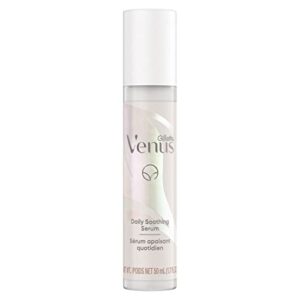
Budget-friendly and bikini-line-focused, the Gillette Venus Post Shave Serum keeps things simple — and that’s exactly its strength.
At $13.99 for 1.76 oz, it delivers lactic acid to gently reduce dead skin buildup and ingrown hairs without overwhelming sensitive skin.
The formula is fragrance-free, pH-balanced, and gynecologist-tested, making it a solid pick for the pubic area and inner thighs.
Use it daily, not just after shaving, to maintain softness and keep your next shave smoother.
| Best For | Anyone looking for a simple, affordable post-shave option for sensitive areas like the bikini line or inner thighs. |
|---|---|
| Format | Liquid serum |
| Exfoliation Type | AHA only |
| Razor Bump Use | Yes |
| Fragrance-Free | No |
| Paraben-Free | Yes |
| Retail Price | $36.00 |
| Additional Features |
|
- Fragrance-free and pH-balanced, so it’s gentle enough for the most sensitive skin
- Lactic acid helps keep ingrown hairs in check without any harsh ingredients
- Lightweight and quick-absorbing — no greasy or sticky feeling after you apply it
- At 1.76 oz, the bottle runs out fast if you’re using it daily
- Consistency can vary — some people get a thick formula, others a watery one
- Doesn’t work for everyone; a few users saw no real improvement over regular lotion
7. Billie AHA Ingrown Hair Spray
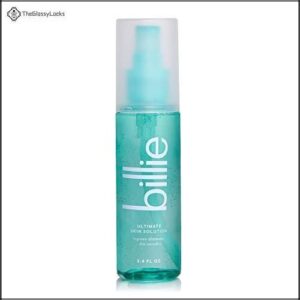
The Billie AHA Ingrown Hair Spray keeps things refreshingly straightforward.
At $17.17 for 3.4 oz, you get a dual AHA/BHA formula — salicylic acid goes to work below the surface, while aloe vera calms redness after each spritz.
The all‑over spray nozzle makes it easy to cover larger areas like your legs or bikini line without the mess of a cream.
One heads‑up: spray from a distance and ventilate the room, since the chemical scent can be sharp.
| Best For | Anyone who shaves regularly and wants a simple, no-fuss way to fight ingrown hairs and razor bumps—especially those with sensitive skin or tricky areas like the bikini line. |
|---|---|
| Format | Liquid serum |
| Exfoliation Type | AHA only |
| Razor Bump Use | Yes |
| Fragrance-Free | Yes |
| Paraben-Free | Yes |
| Retail Price | $13.99 |
| Additional Features |
|
- AHA/BHA combo actually gets into the pore and clears out the buildup that causes ingrowns—not just a surface fix.
- The spray nozzle makes covering legs, underarms, or the bikini line quick and easy with zero mess.
- Dermatologist-approved for all skin types, plus it’s vegan and free of parabens and sulfates. If you’re not sure which exfoliator suits your travel routine, this guide to the best facial exfoliators for travel breaks down what to pack. For extra skin protection while traveling, pairing your exfoliator with a moisturizing shaving cream that restores lipids and prevents razor burn keeps your routine gentle and effective on the go.
- The chemical smell is strong—spray too close and it’ll make you cough, so ventilation is a must.
- New to AHAs/BHAs? Expect a little tingling or mild burning at first while your skin adjusts.
- Don’t expect overnight results—consistent use over a few weeks is what actually moves the needle.
8. Nécessaire Eucalyptus Body Exfoliator
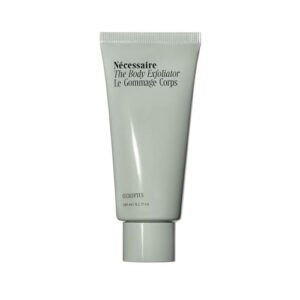
Nécessaire’s Eucalyptus Body Exfoliator earns its $35 price tag by doing two jobs at once. The 6.5% pumice and bamboo charcoal physically buff away dead skin, while a 1.25% AHA/BHA/PHA blend — glycolic, lactic, and salicylic acids — dissolves buildup at the follicle level.
That combination smooths the surface before your razor even touches it.
It lathers like a body wash, so the process feels simple.
Use it once or twice a week, and you’ll notice fewer bumps and a noticeably smoother shave.
| Best For | Anyone dealing with keratosis pilaris, ingrown hairs, or rough skin who wants a gentle exfoliant that also preps skin for a smoother shave. |
|---|---|
| Format | Spray serum |
| Exfoliation Type | AHA + BHA |
| Razor Bump Use | Yes |
| Fragrance-Free | No |
| Paraben-Free | Yes |
| Retail Price | $17.17 |
| Additional Features |
|
- Combines physical pumice scrubbing with AHA/BHA/PHA acids, so you get deeper results than a standard scrub
- Gentle enough for sensitive or eczema-prone skin — dermatologist-tested and free of harsh stuff like SLS, parabens, and silicones
- Lathers like a body wash, making it easy to work into your shower routine without any extra steps
- At $35, it’s pricier than most drugstore scrubs you’d find on the same shelf
- The runny, lotion-like texture can get messy fast if you’re not careful pouring it
- The scented version uses herbal fragrance, which could be a problem if your skin doesn’t play well with added scents
9. CeraVe Hydrocortisone Anti Itch Cream
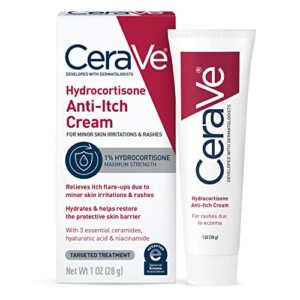
CeraVe Hydrocortisone Anti Itch Cream is the one to reach for when your skin is red, angry, and done tolerating everything. The 1% hydrocortisone — the strongest you can get without a prescription — quiets inflammation fast.
What makes it stand out is the formula underneath: ceramides, hyaluronic acid, and niacinamide work together to rebuild your skin barrier while the hydrocortisone does its job.
It’s fragrance‑free, non‑comedogenic, and FSA‑eligible.
At $9.79, it’s practical relief that actually aids healing.
| Best For | Anyone dealing with eczema flare-ups, insect bites, or irritated sensitive skin who wants fast itch relief without sacrificing skin barrier support. |
|---|---|
| Format | Scrub wash |
| Exfoliation Type | AHA + BHA + PHA + Physical |
| Razor Bump Use | Yes |
| Fragrance-Free | Optional |
| Paraben-Free | Yes |
| Retail Price | $35.00 |
| Additional Features |
|
- Max OTC-strength 1% hydrocortisone works quickly on redness and itching
- Ceramides, hyaluronic acid, and niacinamide actually help your skin heal, not just mask the problem
- Fragrance-free, non-comedogenic, and NEA-approved — safe for sensitive and eczema-prone skin
- The 0.99 oz tube is tiny and goes fast if you’re applying it multiple times a day
- Only meant for short-term use (up to 14 days), so it won’t cut it for chronic or severe conditions
- Price per ounce runs higher than larger OTC hydrocortisone tubes on the market
Soothe Irritation After Shaving

Even with the best shaving technique, your skin sometimes needs a little recovery time afterward.
The good news is that a few simple steps can calm irritation fast and get your skin back on track.
Here’s what actually works.
Apply Cool Compress
A cool washcloth is one of the fastest home remedies for razor burn you’ve got. Wrap ice or cold water in a cloth — never apply ice directly — and hold it gently on the irritated area for 15 to 20 minutes.
Aim for a compress temperature between 50°F and 65°F for immediate relief. Watch your skin: remove it if you notice blanching or numbness.
Use Aloe Vera
Once the compress comes off, reach for aloe vera gel — it’s one of the most effective home remedies for razor burn you can use.
Its anti-inflammatory remedies work fast, cooling post‑shave skin irritation and beginning skin barrier repair within minutes.
Always do a quick aloe patch test first, and stick to inner‑gel formulas to avoid aloe latex, which can irritate raw skin.
Try Hydrocortisone Carefully
When aloe isn’t enough, OTC hydrocortisone 1% cream can calm a stubborn rash after shaving. It’s one of the milder topical steroids, but use it carefully—a few days max.
- Apply only to intact, uninfected skin
- Avoid application limits by using it sparingly
- Skip it during pregnancy without medical guidance
- Pediatric use requires extra caution due to adrenal risks
- Don’t rely on it as a long-term anti-inflammatory remedy
Moisturize Irritated Skin
Once the hydrocortisone does its job, lock in that relief with a good moisturizer. Reach for ceramide moisturizers like CeraVe — ceramides rebuild your barrier fast.
Humectant hydration from glycerin or hyaluronic acid pulls moisture back in.
For emollient selection, coconut oil and aloe oil work beautifully on raw skin.
Texture preferences matter too — thicker creams beat light gels when you need to moisturize after irritation.
Know Infection Signs
Most rashes after shaving clear up within a few days. Your cue to pay attention — it could be folliculitis or a bacterial infection.
Watch for these infection signs:
- Spreading redness, warmth, or swelling around a bump, infection
- Pus, yellow drainage or a foul smell
- Fever, chills, or red streaks moving outward
- Confusion or rapid heartbeat — seek help immediately
Frequently Asked Questions (FAQs)
Can exfoliating prevent razor burn?
Yes — think of it like clearing a path.
Regular skin exfoliation removes dead cell buildup, so your razor glides cleanly, reducing postshave skin irritation, razor burn, and ingrown hair treatment needs.
Does exfoliating help prevent razor burn?
Exfoliation clears dead skin and unclogs follicles, giving your blade a smoother path. That directly cuts friction, lowers razor burn risk, and helps prevent ingrown hairs before they start.
How do you prevent razor burn?
Prevent razor burn by using a sharp blade, shaving with the grain, applying Pre-Shave Oils, and choosing breathable Clothing Material Choices. Smart Razor Selection and proper Shaving Frequency matter too.
What can I use to exfoliate my skin before shaving?
You’ve got options: chemical exfoliants like alpha hydroxy acids or salicylic acid, physical tools like polishing tools or exfoliating wipes, or gentle herbal scrubs and pre-shave oils for sensitive skin.
How to exfoliate down there before shaving?
Down there’s probably the most unforgiving spot to shave.
Use a pH-balanced exfoliant with salicylic acid, apply light pressure, and follow the exfoliation direction of hair growth on damp, pre‑hydrated skin.
How often should I exfoliate between shaves?
Most skin types do well with 2 to 3 times per week. If you shave daily, drop to once or twice weekly.
real irritation — your skin needs recovery time between sessions.
Can I exfoliate immediately after getting razor burn?
No, hold off. Exfoliating over active razor burn adds friction to already irritated skin, risks microtears, and delays healing. Wait until redness and tenderness fully clear before resuming your routine.
Whats the difference between AHA and BHA exfoliants?
AHAs like glycolic and lactic acid are water-soluble, so they resurface the top layer. BHAs like salicylic acid are oil-soluble, letting them clear deeper into pores where congestion hides.
Should I exfoliate differently for face vs body?
Yes.
Facial skin is thinner and reacts faster, so stick to gentle exfoliants once or twice a week.
Body skin tolerates more frequency and stronger ingredient strength without the same razor burn risk.
When is the best time to exfoliate during shower?
Wait a few minutes into your shower. Steam softens skin first, making mid‑shower exfoliation more effective.
Rinse well, then shave. That brief rinse‑wait period keeps sensitive skin calm and reduces razor burn risk.
Conclusion
Smooth skin doesn’t happen by accident—it’s built one step at a time. When you exfoliate to prevent razor burn, you’re clearing the path before the blade even arrives.
That means less drag, fewer trapped hairs, and skin that stays calm afterward.
Pair exfoliation with a sharp blade, light pressure, and a solid post-shave routine, and irritation stops being the default.
You’re not chasing a fix anymore—you’re preventing the problem before it starts.