This site is supported by our readers. We may earn a commission, at no cost to you, if you purchase through links. This content is for general informational and educational purposes only and is not a substitute for professional medical, dermatological, or nutritional advice.

Your skin starts losing collagen at 25—quietly, about 1% per year, with no outward signs until the damage has already accumulated. By the time fine lines appear, the structural decline has been underway for years. That gap between what’s happening beneath the surface and what you can see in the mirror is exactly where most skincare routines fail.
The good news is that skin aging follows predictable biological patterns, which means it is influenced by the right interventions at the right time. Knowing which ingredients target which mechanisms—and how to layer them correctly for your skin type—turns a scattered routine into something that genuinely works.
Table Of Contents
- Key Takeaways
- How Skin Ages: The Science Behind It
- Key Anti-Aging Ingredients That Actually Work
- Step-by-Step Morning Anti-Aging Routine
- Step-by-Step Nighttime Repair Routine
- Tailoring Your Routine to Your Skin Type
- Top 10 Anti-Aging Skincare Products to Try
- Medik8 Crystal Retinal 1
- 1. CeraVe Renewing Salicylic Acid Face Cleanser
- 2. Alastin Skincare Restorative Eye Complex
- 3. La Roche Posay Toleriane Double Repair Moisturizer
- 4. EltaMD UV AOX Elements Tinted Sunscreen
- 5. The Beauty of Dirty Skin Book
- 6. Vichy Normaderm Salicylic Acid Acne Cleanser
- 7. Neutrogena Hydro Boost Hydrating Gel Cleanser
- 8. Dickinson’s Original Witch Hazel Pore Perfecting Toner
- 9. Pixi Glow Tonic Glycolic Acid Toner
- Lifestyle Habits That Accelerate Skin Aging
- Common Anti-Aging Skincare Mistakes to Avoid
- Advanced Treatments to Boost Your Routine
- Frequently Asked Questions (FAQs)
- What is a good anti-aging skincare routine?
- How can anti-aging skincare help with aging?
- When should you start anti-aging skin care?
- When is the best time to start an anti-aging routine?
- How do I create an anti-aging routine?
- What is the best skincare routine for anti-aging?
- In what order should you use anti-aging skin products?
- What is the best skin care procedure for aging skin?
- What are the 7 steps of skincare?
- When should I start anti-aging skincare?
- Conclusion
Key Takeaways
- Collagen loss begins silently at 25 and UV radiation drives up to 80% of visible facial aging, so your best defense starts years before the first wrinkle appears.
- A handful of well-researched ingredients—retinol, vitamin C, hyaluronic acid, and ceramides—each target a specific biological mechanism, and layering them correctly makes the difference between a routine that works and one that just costs money.
- Applying actives in the wrong order, stacking too many at once, or expecting results in weeks rather than months are the habits most likely to stall your progress or damage your skin barrier.
- Lifestyle factors like smoking, poor sleep, chronic stress, and daily UV exposure can quietly undo even the most carefully built routine, making sunscreen and sleep non-negotiable parts of any real anti-aging strategy.
How Skin Ages: The Science Behind It

Skin doesn’t just change overnight — it follows a slow, biological timeline that starts earlier than most people expect. Understanding what’s actually happening beneath the surface puts you in control of how you respond to it. Here are the key processes driving skin aging.
Knowing the early signs your skin is beginning to age means you can work with that timeline instead of against it.
Collagen Loss Starting at Age 25
Around age 25, your skin quietly crosses a threshold — collagen production slows by about 1% each year. Collagen is the protein that keeps skin firm, plump, and resilient.
As natural collagen decline accelerates, fibroblasts produce less, fibers become disorganized, and glycation makes remaining collagen stiff. Additionally, UV radiation triggers enzymes that degrade these fibers.
Retinol, peptides, and a consistent antiaging skincare routine help counter this gradual structural loss.
UV Radiation and Extrinsic Aging
While collagen loss works from within, UV radiation does the heaviest damage from outside — accounting for up to 80% of visible facial aging.
UVA rays penetrate deep into the dermis, breaking down collagen and triggering solar elastosis, while UVB drives DNA damage and inflammatory signaling that leaves skin permanently remodeling itself.
Free Radicals and Oxidative Stress
UV damage doesn’t stop at breaking down collagen — it also floods your skin with free radicals, unstable molecules missing an electron that attack nearby cells to stabilize themselves. This chain reaction is oxidative stress, and it damages lipids, proteins, and DNA alike.
Antioxidants like vitamin C and sunscreen work together to neutralize reactive oxygen species before they accumulate.
Glycation and Collagen Stiffening
There’s another quiet process working against your skin that has nothing to do with sunlight. When excess blood sugar binds to collagen fibers, it triggers AGE crosslink formation — locking proteins into rigid, dysfunctional structures:
- Collagen misalignment distorts fibril architecture
- Molecular sliding reduction limits stress distribution
- Glycation-induced stiffness visibly accelerates dermal elasticity decline
The result? Skin that feels less supple and creases more easily.
How MMPs Break Down Skin Structure
Think of MMPs as your skin’s demolition crew — useful in small numbers, destructive when unchecked.
These zinc-dependent enzymes trigger a cascade of collagen breakdown, starting when MMP-1 slices the collagen triple helix at a precise site. That first cut destabilizes everything. Gelatinases like MMP-2 and MMP-9 then fragment the debris, while MMP-12 dismantles elastin, disrupting repair and leaving your skin’s structural foundation increasingly compromised.
Key Anti-Aging Ingredients That Actually Work

Not every ingredient on a skincare label earns its place. A handful of well-researched actives, though, genuinely move the needle on aging — and knowing which ones to look for changes how you shop, layer, and build your routine. Here are the ones worth your attention.
Benefits of Retinoids and Retinol
Retinol is widely considered the most well-researched ingredient in antiaging treatments. It works by accelerating cell renewal — pushing fresher skin cells to the surface faster while signaling your body to ramp up collagen production.
Over consistent use, that process reduces fine lines, improves skin texture, and creates a noticeably smoother, more polished appearance. It even helps minimize pore appearance by keeping follicles clearer of debris.
Importance of Vitamin C
Vitamin C might be the most underrated powerhouse in your anti-aging lineup. As an antioxidant, it neutralizes free radicals triggered by UV exposure and pollution before they can damage your skin’s structure.
It’s also a required cofactor for collagen synthesis — without it, your body simply can’t build stable collagen. That makes it essential for both protection and long-term skin firmness.
Role of Hyaluronic Acid
Hyaluronic acid is intrinsically a sponge built into your skin — a naturally occurring molecule capable of holding up to 1,000 times its weight in water. It pulls moisture into the skin’s upper layers, visibly plumping fine lines and softening dry-related roughness.
For a closer look at how hyaluronic acid performs in a real-world formula, this Vibriance Super C Serum hydration and firming review breaks down whether the plumping benefits hold up — pump dispenser frustrations and all.
Apply it on slightly damp skin, then seal it with a moisturizer to lock that hydration in.
Effects of AHAs and Peptides
Alpha hydroxy acids resurface the skin by clearing away dead cells, which visibly smooths texture and helps counter photoaging. Glycolic acid — the smallest AHA molecule — enhances collagen synthesis and improves elasticity over time, but start low to manage irritation risk.
Peptides work differently, acting as signaling messengers that tell your skin to rebuild. Together, they support both renewal and barrier strength.
How Ceramides Protect The Skin Barrier
Think of ceramides as the mortar between bricks — they form the ceramide lipid matrix that locks your skin cells together. This barrier moisture retention system prevents water from escaping and blocks irritants from getting in.
Including a ceramide-rich moisturizer in your anti-aging routine actively fortifies skin barrier repair and keeps skin hydration consistent, which is where real anti-aging begins.
Step-by-Step Morning Anti-Aging Routine
Your morning routine is the foundation everything else builds on — get it right, and your skin stays protected all day. Each step provides a specific purpose, and the order matters more than most people realize. Here’s exactly how to structure your mornings for real, lasting results.
Gentle Cleansing to Start The Day
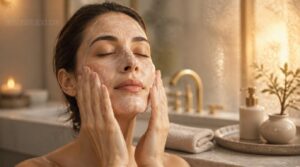
Start your morning skincare routine with a gentle cleanser and lukewarm water — warm enough to dissolve overnight oil, never hot enough to strip your skin barrier. Use a pea-sized amount, massage it in with light circular fingertip pressure, then rinse and pat dry.
For mature skin, a cream cleanser adds comfort without over-cleansing.
Applying Antioxidant Serums First

Once your skin is clean and dry, reach for your antioxidant serum next. Apply four to six drops and gently pat — never rub — it across your face and neck.
This places your vitamin C directly against the skin before heavier layers seal it in, giving topical antioxidants the best shot at neutralizing free radicals throughout the day.
Layering Hyaluronic Acid on Damp Skin
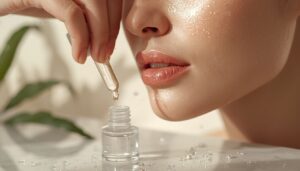
Right after patting in your antioxidant serum, your skin should still feel slightly damp — and that’s exactly when you want to apply your hyaluronic acid.
Two to four drops, pressed gently across your face, let HA bind that surface moisture before it evaporates, drawing hydration deeper rather than just sitting on top.
Moisturizing and Sunscreen Application
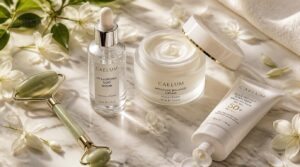
Once your hyaluronic acid has settled, apply your moisturizer — give it one to two minutes to absorb before reaching for sunscreen. This small pause prevents pilling and helps sunscreen glide on evenly.
Then use about one teaspoon of sunscreen for your face and neck, spreading it gently across your forehead, cheeks, nose, and jawline, patting it in rather than rubbing.
SPF Reapplication Throughout The Day
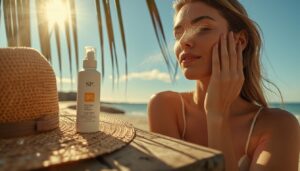
Most people apply sunscreen once in the morning and consider that enough — but UV protection fades. Sweat and friction quietly strip your coverage before you even notice it’s gone.
Reapply every two hours outdoors, or immediately after swimming, heavy sweating, or towel drying. For midday touch-ups over makeup, a powder or spray SPF works well without disturbing your base.
Step-by-Step Nighttime Repair Routine

Your skin does its most powerful repair work while you sleep, which makes your nighttime routine worth getting right. Each step builds on the last, so the order and timing actually matter more than most people realize. Here’s how to structure your evening routine for real, lasting results.
Removing Makeup and Cleansing Thoroughly
Think of your cleanser as the reset button your skin actually needs before anything else can work.
Start with an oil-based remover or balm, pressing it gently onto closed eyes to dissolve mascara without tugging. Follow with a gentle water-based cleanser, massaging for 20–30 seconds. Pat dry, leave skin slightly damp, and your anti-aging routine can begin properly.
Applying Retinoids or AHAs Safely
Once your skin is clean and dry, wait at least 30 minutes before applying retinol or alpha hydroxy acids — damp skin absorbs actives faster, which raises irritation risk. Start with two to three nights per week.
If redness or burning appears, that’s your signal to pull back. Always follow with SPF the next morning, because both ingredients leave your skin barrier more UV-sensitive.
Eye Cream for Fine Lines and Puffiness
The eye area is where aging shows up first — and earliest.
A good eye cream with caffeine constricts blood vessels to visibly reduce puffiness, while peptides signal firmer, smoother skin around the delicate orbital zone. Look for formulas that also include ceramides for barrier support and hyaluronic acid to plump fine lines overnight.
Night Moisturizer With Niacinamide or HA
The final step in your night recovery plan is simpler than you’d think.
If your main concern is oil balance and barrier repair, reach for a niacinamide moisturizer — it steadies sebum, strengthens your skin barrier, and helps even out tone overnight. If dryness is the bigger issue, hyaluronic acid draws water into skin, leaving it plumper by morning.
Timing Actives to Avoid Irritation
Timing matters more than most people realize. Wait 30–60 seconds between serums to prevent pilling and let each layer absorb.
Give retinol a 15–30 minute buffer before applying niacinamide or moisturizer — damp or freshly treated skin irritates easily. On nights you exfoliate, skip retinol entirely. Your skin needs that breathing room to stay resilient.
Tailoring Your Routine to Your Skin Type
No two skin types age the same way, and using the wrong products can slow your progress or cause real damage. Your routine needs to work with your skin’s specific needs, not against them. Here’s how to adjust each step based on your skin type.
Best Steps for Oily Skin
Oily skin doesn’t mean you can skip moisturizer — it actually means you need the right one. A lightweight, oil-free moisturizer with glycerin keeps hydration balanced without triggering extra sebum.
Pair it with a non-comedogenic sunscreen in a gel or fluid formula to protect against UV-driven aging, and follow a consistent antiaging routine built around salicylic acid, niacinamide, and retinol introduced gradually.
Dry Skin Hydration and Barrier Repair
Dry skin has a broken conversation with its own barrier — it’s losing water faster than it can hold on.
- Ceramide lipid replenishment rebuilds the lipid gaps letting moisture escape
- Humectant water binding pulls hydration deep into the stratum corneum
- Occlusive sealing layer locks everything in overnight
- Barrier repair moisturizer restores function, not just surface softness
- Mild cleanser use prevents stripping the barrier further
Sensitive Skin and Fragrance-free Options
Sensitive skin doesn’t always react to what you think it does. A product labeled fragrance-free can still contain contact allergens like phenoxyethanol or cetyl alcohol. Even botanicals can sensitize your skin barrier over time.
When building your antiaging regimen, introduce one product at a time and patch test first — hyaluronic acid and ceramides are your safest starting points.
Managing Hyperpigmentation Daily
Dark spots don’t fade overnight — but with the right daily habits, skin tone uniformity is absolutely achievable.
Your non-negotiables: vitamin C every morning for daily antioxidant defense, niacinamide in your moisturizer to quiet uneven tone, retinol at night for evening pigment regulation, and broad-spectrum sunscreen without exception — even on cloudy days.
Acne-prone Skin Ingredient Choices
Balancing breakouts with anti-aging goals sounds tricky, but the right ingredients pull double duty. Salicylic acid clears clogged pores, while benzoyl peroxide targets acne-causing bacteria — use both strategically, not simultaneously.
If those flat, skin-colored bumps keep showing up, these ingredients that treat acne spots fast can help you choose what to use first.
Niacinamide keeps oil balanced and soothes redness. Introduce retinol gradually, a few nights weekly, to build tolerance. Azelaic acid calms lingering redness and uneven tone without overwhelming sensitive, breakout-prone skin.
Top 10 Anti-Aging Skincare Products to Try
Finding the right products doesn’t have to feel like guesswork. Whether you’re targeting fine lines, dullness, or a compromised barrier, the right formulas can do a lot of the heavy lifting. Here are ten dermatologist-approved picks worth adding to your routine.
Medik8 Crystal Retinal 1
If you’re ready to take retinoids seriously, Medik8 Crystal Retinal 1 is a smart starting point. It delivers retinaldehyde — a more potent form than retinol — through a Retinal Stability System that preserves its activity until the last drop.
The fragrance-free formula and Gradual Tolerance Building approach make nightly use achievable, even for those new to active ingredients.
1. CeraVe Renewing Salicylic Acid Face Cleanser
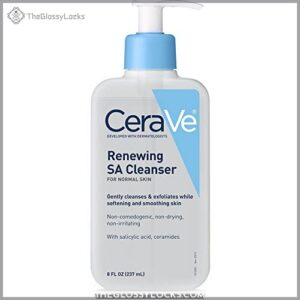
CeraVe Renewing SA Cleanser quietly does more than most cleansers dare to attempt. Salicylic acid penetrates deep into pores to loosen dead cells and excess oil — the exact congestion that dulls skin texture over time.
Three essential ceramides work alongside hyaluronic acid to reinforce your barrier while you wash, so you’re not trading cleanliness for dryness. It’s fragrance-free and non-comedogenic, making it a reliable daily choice for oily, acne-prone, or sensitive skin.
| Best For | Anyone with oily, acne-prone, or sensitive skin who wants a gentle daily cleanser that keeps pores clear without stripping moisture. |
|---|---|
| Product Type | Retinol Serum |
| Skin Type | Sensitive/All |
| Key Ingredient | Retinaldehyde |
| Primary Benefit | Anti-aging & resurfacing |
| Fragrance-Free | Yes |
| Skin Concern | Fine lines & wrinkles |
| Additional Features |
|
- Salicylic acid unclogs pores and smooths rough texture over time
- Ceramides and hyaluronic acid keep your skin barrier intact while you cleanse
- Fragrance-free and non-comedogenic — safe for daily use on face and body
- Won’t fully remove heavy makeup on its own — you’ll need a separate remover
- Using too much can dry out sensitive skin, so a little goes a long way
- May not be strong enough if you’re dealing with stubborn or severe acne
2. Alastin Skincare Restorative Eye Complex
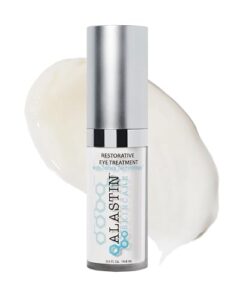
The eye area is where aging shows up first — and hits hardest. Alastin’s Restorative Eye Complex takes a different approach than most eye creams. Its patented TriHex Technology clears away old, damaged skin matrix components, creating room for fresh collagen and elastin to form.
Formulated with Linoleic Acid, Oat Kernel, and Silver Mushroom, it targets puffiness, dark circles, and fine lines without irritating delicate skin. The airless pump keeps every dose clean and consistent.
| Best For | Anyone serious about tackling dark circles, puffiness, and early signs of aging around the eyes — especially those with sensitive skin who need something gentle but effective. |
|---|---|
| Product Type | BHA Cleanser |
| Skin Type | Oily/Acne-prone/Sensitive |
| Key Ingredient | Salicylic Acid |
| Primary Benefit | Exfoliation & acne control |
| Fragrance-Free | Yes |
| Skin Concern | Acne & rough texture |
| Additional Features |
|
- TriHex Technology goes beyond surface-level hydration — it actually clears out damaged skin proteins to make room for new collagen and elastin
- Works for all skin types, including sensitive, so you’re not rolling the dice on irritation
- The airless pump keeps the formula fresh and delivers a consistent dose every time
- The price tag is noticeably higher than a lot of drugstore or mid-range eye creams
- You have to stay consistent with AM and PM use — skip days and you’ll likely stall your results
- Can’t use it right before makeup, which might throw off your morning routine
3. La Roche Posay Toleriane Double Repair Moisturizer
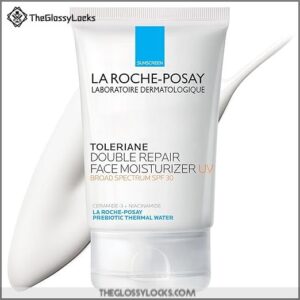
If your skin barrier has taken a beating, La Roche-Posay Toleriane Double Repair Moisturizer is the reset it needs. Built around ceramide-3, niacinamide, and glycerin — plus the brand’s prebiotic thermal water — it works to restore your lipid layer and lock moisture in for up to 48 hours.
It’s oil-free, fragrance-free, and non-comedogenic, so sensitive skin tolerates it well. The SPF 30 version simplifies your morning routine without sacrificing protection.
| Best For | Anyone with a damaged or sensitive skin barrier who wants solid hydration and sun protection rolled into one easy morning step. |
|---|---|
| Product Type | Eye Cream |
| Skin Type | All/Sensitive |
| Key Ingredient | TriHex Technology |
| Primary Benefit | Firming & depuffing |
| Fragrance-Free | Not specified |
| Skin Concern | Dark circles & puffiness |
| Additional Features |
|
- Ceramide-3, niacinamide, and glycerin work together to actually repair and strengthen your skin barrier — not just sit on top of it.
- SPF 30 built right in means one less product to layer in the morning.
- Works for all skin types, including sensitive, and plays nicely under makeup.
- It costs more than your average drugstore moisturizer, so it’s not the most budget-friendly pick.
- Some people notice a slight sunscreen-like scent, which isn’t quite "fragrance-free" in feel.
- A handful of users find it sits a little heavy on the skin, especially in warmer weather.
4. EltaMD UV AOX Elements Tinted Sunscreen
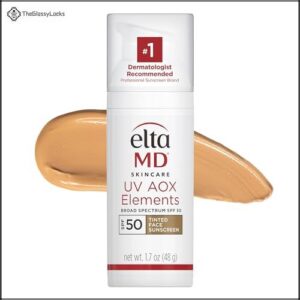
If you want a sunscreen that pulls triple duty, EltaMD UV AOX Elements is worth your attention. It combines zinc oxide 13.5% and titanium dioxide 4.4% for broad-spectrum mineral protection, while vitamins C and E fight free radicals in real time. The tinted finish evens skin tone without feeling heavy, and hyaluronic acid keeps dryness at bay.
One consideration: it can cast slightly orange on very fair skin tones.
| Best For | Anyone with dry or sensitive skin who wants solid sun protection, a little coverage, and antioxidant benefits all in one step. |
|---|---|
| Product Type | SPF Moisturizer |
| Skin Type | All/Sensitive |
| Key Ingredient | Ceramide-3 & Niacinamide |
| Primary Benefit | Moisturizing & sun protection |
| Fragrance-Free | Yes |
| Skin Concern | Dryness & UV damage |
| Additional Features |
|
- Mineral-only formula with zinc oxide and titanium dioxide — great for sensitive skin
- Tinted finish doubles as a light foundation or makeup base
- Hyaluronic acid and ginger root help hydrate and calm skin throughout the day
- Can pull orange on very fair skin tones
- Thicker texture than most sunscreens — might feel heavy for some
- May not do enough on its own if you need targeted redness correction
5. The Beauty of Dirty Skin Book
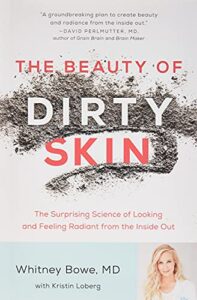
Most anti-aging routines focus entirely on what you put on your skin — but Whitney Bowe’s "The Beauty of Dirty Skin" argues that what’s happening inside matters just as much. Built around the gut-brain-skin axis, it explains how gut health directly influences conditions like acne, rosacea, and eczema.
The 21-day program gives you a clear, practical roadmap — combining lifestyle changes, microbiome-focused nutrition, and DIY skincare strategies — to work on your skin from the inside out.
| Best For | Anyone struggling with acne, rosacea, or eczema who wants to understand the deeper connection between gut health and skin — and actually do something about it. |
|---|---|
| Product Type | Tinted Sunscreen |
| Skin Type | Dry/Sensitive |
| Key Ingredient | Mineral Zinc Oxide |
| Primary Benefit | Broad-spectrum UV defense |
| Fragrance-Free | Not specified |
| Skin Concern | Sun damage & sensitivity |
| Additional Features |
|
- Backs up its advice with real science, so you understand why the gut-brain-skin connection matters, not just what to do about it
- The 21-day program is hands-on and practical — diet tweaks, lifestyle shifts, and DIY skincare recipes all in one place
- Useful whether you’re a skincare enthusiast or a healthcare professional looking for a well-rounded reference
- The opening chapters are pretty science-heavy, so it can feel slow before you get to the actionable stuff
- Some sections cover similar ground more than once, which can feel a bit repetitive
- Results aren’t guaranteed — your genetics and lifestyle play a big role in how much you’ll actually see
6. Vichy Normaderm Salicylic Acid Acne Cleanser
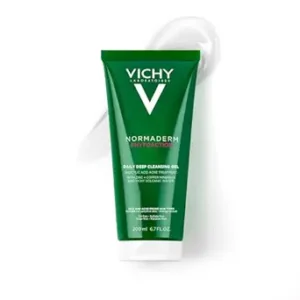
If your gut-health journey inspired by Bowe’s book has you rethinking your whole routine, your cleanser deserves the same scrutiny.
The Vichy Normaderm Salicylic Acid Acne Cleanser is built for oily and acne-prone skin, combining salicylic acid, zinc gluconate, and Vichy Volcanic Water to clear pores, reduce excess oil, and calm inflammation.
At $23.00, it’s a practical daily choice — just always follow it with a moisturizer to prevent dryness.
| Best For | Anyone with oily or acne-prone skin who wants a no-nonsense daily cleanser that targets breakouts, blackheads, and clogged pores without harsh ingredients. |
|---|---|
| Product Type | Skincare Book |
| Skin Type | All |
| Key Ingredient | Gut-Skin Science |
| Primary Benefit | Skin education & guidance |
| Fragrance-Free | N/A |
| Skin Concern | Acne, rosacea & eczema |
| Additional Features |
|
- Salicylic acid, zinc, and Vichy Volcanic Water work together to clear pores and reduce excess oil
- Gentle, soap-free and sulfate-free formula that’s been dermatologist and allergy tested
- Helps improve skin tone and texture with consistent use
- Can dry out skin if you skip moisturizer afterward
- Contains a light herbal fragrance, which may not suit very sensitive skin
- May need to pair it with a full dermatologist-recommended routine to avoid irritation
7. Neutrogena Hydro Boost Hydrating Gel Cleanser
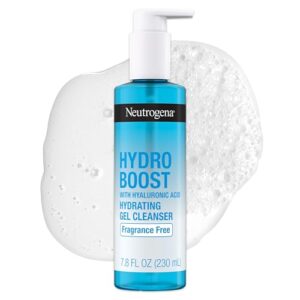
Not every skin type needs oil control — sometimes, what you really need is a cleanser that hydrates while it cleans.
The Neutrogena Hydro Boost Hydrating Gel Cleanser is built exactly for that. Formulated with hyaluronic acid and BarrierCare Technology, it transforms from a clear gel into a silky foam that lifts away dirt, oil, and makeup without stripping moisture. It’s fragrance-free, hypoallergenic, and free of parabens and sulfates — making it a reliable daily option for normal, dry, and sensitive skin types.
| Best For | Anyone with normal, dry, or sensitive skin who wants a gentle daily cleanser that hydrates as it cleans. |
|---|---|
| Product Type | Acne Cleanser |
| Skin Type | Oily/Acne-prone |
| Key Ingredient | Salicylic Acid & Zinc |
| Primary Benefit | Pore cleansing & acne reduction |
| Fragrance-Free | No |
| Skin Concern | Excess oil & blackheads |
| Additional Features |
|
- Hyaluronic acid and BarrierCare Technology actively boost and lock in moisture while you cleanse
- Fragrance-free, hypoallergenic, and free of parabens and sulfates — great for reactive or sensitive skin
- Gel-to-foam texture feels lightweight and removes dirt, oil, and makeup without that tight, stripped feeling
- May not cut it for very oily or acne-prone skin that needs a deeper, more clarifying cleanse
- Use too much product and it can leave a slightly sticky residue — a little goes a long way
- A mild soapy scent has been noted by some users, even though it’s labeled fragrance-free
8. Dickinson’s Original Witch Hazel Pore Perfecting Toner
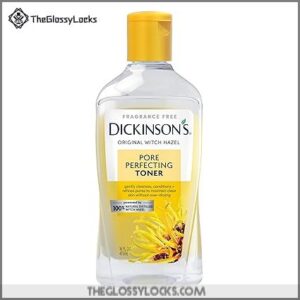
If your skin skews oily or acne-prone, Dickinson’s Original Witch Hazel Pore Perfecting Toner offers a simple, no-frills option worth keeping around. Made with 100% natural distilled witch hazel and 14% natural grain alcohol, it removes excess oil, refines pore appearance, and preps skin for serums and moisturizers. It’s dermatologist-recommended and free of dyes and unnecessary additives.
Just know — the scent is strong, and those with dry or sensitive skin may find it too stripping.
| Best For | People with oily or acne-prone skin who want a straightforward, no-fuss toner that keeps shine and breakouts in check. |
|---|---|
| Product Type | Hydrating Cleanser |
| Skin Type | Normal/Dry/Sensitive |
| Key Ingredient | Hyaluronic Acid |
| Primary Benefit | Hydration & gentle cleansing |
| Fragrance-Free | Yes |
| Skin Concern | Dryness & sensitivity |
| Additional Features |
|
- 100% natural witch hazel formula — no dyes, no unnecessary fillers
- Dermatologist-recommended and safe even for expectant mothers
- Refines pores, cuts excess oil, and soothes post-shave irritation
- The natural scent is strong and not for everyone
- The 14% alcohol content can be drying or irritating for sensitive skin
- Packaging appearance may vary, so what arrives might not match what you ordered
9. Pixi Glow Tonic Glycolic Acid Toner
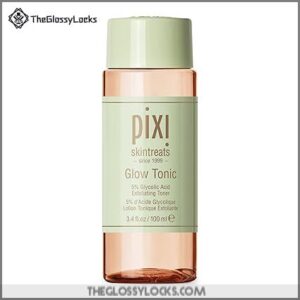
Pixi Glow Tonic earns its cult status for good reason. With 5% glycolic acid, it gently dissolves dead skin cells, brightens uneven tone, and helps fade hyperpigmentation — all without alcohol. Aloe vera keeps irritation in check, making it more forgiving than most AHA toners.
Use it on a cotton pad after cleansing, and follow with moisturizer. If you’re new to exfoliants, start every other night and build from there.
| Best For | Anyone looking to brighten dull skin, fade dark spots, or smooth out uneven texture — especially if you’re new to acid exfoliation and want something gentle enough for daily use. |
|---|---|
| Product Type | Witch Hazel Toner |
| Skin Type | Sensitive/All |
| Key Ingredient | Witch Hazel |
| Primary Benefit | Pore refinement & oil control |
| Fragrance-Free | No |
| Skin Concern | Excess oil & irritation |
| Additional Features |
|
- 5% glycolic acid exfoliates effectively without the harshness — aloe vera keeps things calm and hydrated
- Works morning or night, and covers more than just your face (neck, chest, hands all fair game)
- Alcohol-free and paraben-free, so it’s a solid pick for sensitive skin types
- Dry skin folks will need a solid moisturizer on top — this won’t hydrate on its own
- Some long-term users notice it stops feeling as effective over time
- Not safe for the eye area, so you’ll need to be careful with application
Lifestyle Habits That Accelerate Skin Aging

Your skincare products can only do so much if your daily habits are quietly working against them. The truth is, some of the most common lifestyle choices speed up aging faster than skipping your moisturizer ever could. Here’s what’s actually doing the damage.
Impact of UV Exposure and Pollution
UV rays alone account for up to 80% of visible facial aging — but when you add daily pollution into the mix, your skin is fighting on two fronts simultaneously.
UV rays cause 80% of visible facial aging — add daily pollution, and your skin is losing a war on two fronts
Combined environmental stress from UV and urban particle deposition doesn’t just double the damage — it compounds it. Pollutants make skin measurably more vulnerable to UV-induced inflammation, accelerating oxidative damage acceleration beyond what either trigger causes alone.
Daily exposure quietly drives skin barrier impairment, leaving your skin drier and more reactive over time. That’s exactly why antioxidants and broad-spectrum sunscreen aren’t optional — they’re your first line of defense against photoaging.
Effects of Smoking on Skin Health
Smoking is one of the fastest ways to age your skin from the inside out.
It triggers reduced blood flow by constricting vessels, starving cells of oxygen. That alone slows repair, dulls your complexion, and speeds up collagen and elastin breakdown — making wrinkles appear earlier and cut deeper, especially around the mouth.
Role of Sleep and Stress Management
Your skin does most of its heavy lifting while you sleep. Cellular repair and collagen renewal peak during deep sleep cycles, but chronic stress floods your body with cortisol — a hormone that raises inflammatory tone, breaks down collagen, and makes your skin more reactive to products. Poor sleep also increases fluid retention, worsening puffiness.
A consistent wind-down routine isn’t optional; it’s part of your nighttime anti-aging strategy.
Diet, Hydration, and Skin Appearance
What you eat shows up on your face — eventually.
Dietary hydration matters: drinking around 2 liters daily measurably improves skin moisture and reduces roughness. Water-rich foods like cucumbers and leafy greens add to that effect.
Omega-3 benefits include reduced inflammation and better barrier flexibility, while antioxidant diet choices defend against oxidative stress that dulls skin tone and texture.
Why The Neck and Hands Need Care Too
Most people pour energy into their face while their neck and hands quietly tell a different story. These areas have thinner skin layers with fewer oil glands, meaning they lose moisture faster, show lines sooner, and react more sharply to harsh products.
Fold in constant UV exposure and repeated washing, and you’ve got a recipe for visible aging that no face cream can fix.
Common Anti-Aging Skincare Mistakes to Avoid
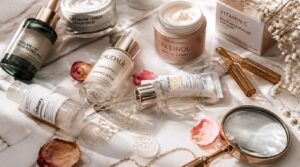
Even the most well-intentioned skincare routine can quietly work against you if a few key habits are off. Small missteps — wrong product order, skipping certain areas, piling on too many actives — add up faster than you’d think. Here are the most common anti-aging skincare mistakes worth correcting now.
Overloading Skin With Active Ingredients
Stacking retinol, vitamin C, peptides, and hyaluronic acid into one routine sounds powerful — but active ingredient overload often backfires. Too many actives at once triggers barrier damage, leaving skin raw, tight, and reactive.
| Active | Overload Effect | Irritation Management |
|---|---|---|
| Retinol | Peeling, sensitivity | Use 2–3x weekly |
| Vitamin C | Stinging, flushing | Apply AM only |
| AHAs | Over-exfoliation, flaking | Alternate nights |
| Peptides | Reduced efficacy | Layer under moisturizer |
When irritation strikes, simplify your routine right away. Remove actives one by one to find the trigger, then reintroduce slowly for smarter active layering and lasting results.
Inconsistency and Unrealistic Expectations
Fixing ingredient overload is a great first step — but it only matters if you actually stick to the routine. Inconsistency is quietly one of the biggest anti-aging mistakes.
Retinoids, vitamin C, and your night skincare routine need six to twelve weeks of consistent use before real results appear. Expecting overnight change doesn’t match how skin actually works.
Wrong Product Order and Ingredient Conflicts
Even a solid skincare regimen can backfire if your layering order is off. Water-based serums go before oils, and sunscreen always finishes your morning routine — it needs an unobstructed surface to form its protective film.
Meanwhile, retinol and exfoliating acids on the same night is a recipe for irritation. Pair retinol with niacinamide instead, and keep strong exfoliants on alternate evenings.
Neglecting Neck, Décolletage, and Hands
Your face isn’t an island. The neck, décolletage, and hands age just as visibly — sometimes faster — yet most people stop their routine at the jawline. Here’s what that oversight costs you:
- Sun protection mismatch leaves the neck and chest exposed to UV damage that fades collagen and causes uneven pigmentation.
- Barrier moisture loss on hands — worsened by frequent washing and alcohol-based sanitizers — leads to crepey, rough texture over time.
- Visible pigment contrast develops when the face is treated but the neck and décolletage aren’t, making discoloration harder to correct later.
Extend your daily moisturizer routine and SPF to all three areas every morning. Hands especially need ceramide-rich or hyaluronic acid formulas to offset dryness from constant washing. Anti-aging ingredients like retinol and peptides work just as well below the chin — use them there too.
Ignoring Individual Skin Needs
Treating your skin like everyone else’s is the quietest mistake in a skincare routine. Your skin type shifts with seasons and stress — barrier mismatch effects appear when the routine stops matching your current needs. Active stacking risks escalate fast on skin sensitivity. Skin response tracking, condition-specific care, and seasonal adjustments are what a dermatologist would always build in first.
| Skin Situation | What Happens Without Adjustment |
|---|---|
| Oily skin treated with heavy creams | Increased shine and clogged pores |
| Dry skin cleansed with stripping formulas | Roughness and irritation worsen |
| Sensitive skin layering multiple actives | Barrier damage and visible flares |
| Rosacea treated like standard acne | Condition escalates instead of calms |
| Same routine used year-round | Seasonal shifts cause unexpected reactions |
Advanced Treatments to Boost Your Routine

Your daily routine is a solid foundation, but a few targeted treatments can take your results much further. Think of these as the tools that work alongside your basics to address what cleansers and moisturizers alone can’t fully reach. Here’s what’s worth adding to your lineup.
Exfoliating With AHAs and BHAs
Chemical exfoliants accelerate skin cell turnover and improve skin texture through two distinct pathways:
- AHA surface exfoliation uses glycolic acid to loosen dead cells
- BHA oil solubility lets salicylic acid penetrate and clear pores
- Follow exfoliation frequency guidelines: start with just once weekly
- Manage irritation risk: avoid retinoids the same night
- When layering exfoliant products, alternate AHA and BHA days
Using Face Masks for Hydration
Slipping a hydrating face mask into your routine once or twice a week is one of the fastest ways to restore moisture.
Sheet masks hold a water-rich serum directly against your skin, while gel masks feel lighter if you run oily. A cream mask’s occlusive layer slows evaporation, letting humectants like hyaluronic acid and glycerin penetrate deeper.
Always follow with moisturizer to lock in that hydration boost.
Benefits of Facial Oils and Serums
Oils and serums work as a team. A water-based serum—think hyaluronic acid or a retinol formula—delivers actives directly to the skin, while a squalane oil layered on top acts as an occlusive seal, slowing moisture loss and locking in everything underneath.
Antioxidant serum benefits extend further when protected this way, shielding against free radicals throughout the day.
When to Upgrade or Adjust Your Routine
Your routine isn’t meant to stay frozen in time. If retinol has stopped producing noticeable change after three consistent months, it’s time to step up to a higher concentration.
Seasonal routine changes also matter — cold, dry winters stress your barrier and demand richer moisturizers. And whenever your skin condition shifts — new medication, pregnancy, or sun-heavy months — reassess your sunscreen and active ingredients accordingly.
Frequently Asked Questions (FAQs)
What is a good anti-aging skincare routine?
A good anti-aging skincare routine pairs a morning antioxidant serum and sunscreen with nightly retinol, plus hyaluronic acid and a barrier-repair moisturizer—adapted to your skin type for real, lasting results.
How can anti-aging skincare help with aging?
You can’t stop aging — but you can absolutely slow what’s visible. Retinol, hyaluronic acid, and sunscreen work together to protect collagen, boost skin elasticity, and deliver sustained benefits through a custom regimen.
When should you start anti-aging skin care?
Start in your mid-twenties. That’s when collagen begins declining and sun damage accumulates. Early preventative skincare — sunscreen, antioxidants, barrier support — buys you years. Retinoids come later, around 30, once your skin’s ready.
When is the best time to start an anti-aging routine?
The best time to start is your early 20s — before visible signs appear. Collagen declines from age 25, so daily sunscreen and barrier support now prevents far more than any antiwrinkle product can correct later.
How do I create an anti-aging routine?
Build it in layers. Cleanse, apply a Vitamin C serum, hydrate with hyaluronic acid, moisturize, then finish with SPF 30+. At night, swap sunscreen for retinol.
What is the best skincare routine for anti-aging?
The best anti-aging routine hits the nail on the head with consistency: morning Vitamin C serum, SPF 30+, hyaluronic acid on damp skin, and nightly retinol layered after moisturizer for steady, visible results.
In what order should you use anti-aging skin products?
Cleanse first, then layer thinnest to thickest: antioxidant serum, hyaluronic acid, moisturizer, and sunscreen last. Use retinol at night, after cleansing, before moisturizer.
What is the best skin care procedure for aging skin?
The best procedure combines a collagen-boosting regimen with daily sunscreen, retinol at night, hyaluronic acid for moisture barrier support, antioxidant serum each morning, and consistent peptides — following a steady skin renewal schedule delivers real results.
What are the 7 steps of skincare?
The 7 steps are cleanse, exfoliate, tone, treat, moisturize, apply eye cream, and protect with SPF. Morning routines start with cleansing; evenings finish with repair. Layer thinnest to thickest for best absorption.
When should I start anti-aging skincare?
Start in your mid-to-late 20s. Collagen decline begins around 25, and cumulative UV damage builds silently for years. A dermatologist will tell you prevention is always easier than correction.
Conclusion
It’s no coincidence that the people who seem to defy aging treat their skin as a living system, not a shelf of products. The effective anti-aging skin care steps you’ve covered here each target a real biological process—not a marketing promise.
Pair the right ingredients with consistent daily habits, protect what you’ve built each morning with SPF, and your skin will answer back in kind. The mirror doesn’t lie—and neither does the science.