This site is supported by our readers. We may earn a commission, at no cost to you, if you purchase through links. This content is for general informational and educational purposes only and is not a substitute for professional medical, dermatological, or nutritional advice.

Dark patches on your cheeks that appeared during pregnancy, stubborn spots left behind from last summer’s breakout, or those telltale signs of aging on your hands—hyperpigmentation shows up in more forms than most people realize, and it affects over 90% of adults past sixty in some way.
The frustration isn’t just cosmetic; studies show that up to 87% of acne patients with darker skin develop persistent post-inflammatory marks that can linger for months or even years without proper intervention.
The good news is that modern hyperpigmentation skin treatments have evolved far beyond outdated remedies, combining proven actives like vitamin C, retinoids, and targeted acids with protective strategies that address the root causes. Understanding which ingredients work for your specific type of discoloration—and how to layer them correctly—makes the difference between fading those spots and accidentally making them worse.
Table Of Contents
- Key Takeaways
- Causes and Types of Hyperpigmentation
- Diagnosing and Preventing Hyperpigmentation
- Best Ingredients for Hyperpigmentation Treatment
- Building a Hyperpigmentation Skin Care Routine
- Top 10 Products for Hyperpigmentation Treatment
- 1. La Roche-Posay Brightening Face Cleanser
- 2. Paulas Choice 2% BHA Exfoliant
- 3. Topicals Faded Brightening and Clearing Serum
- 4. CeraVe PM Facial Moisturizing Lotion
- 5. CeraVe Hydrating Facial Cleanser For Dry Skin
- 6. La Roche-Posay Mela B3 Serum
- 7. CeraVe Skin Renewing Night Exfoliator
- 8. Neutrogena Hydro Boost Gel Cream Set
- 9. Neutrogena Hydro Boost Water Gel Moisturizer
- 10. EltaMD UV Clear Face Sunscreen
- Frequently Asked Questions (FAQs)
- Conclusion
Key Takeaways
- Hyperpigmentation affects over 90% of adults past sixty and stems from three main triggers—UV exposure, hormonal shifts, and inflammation—with darker skin tones (Fitzpatrick IV–VI) experiencing post-inflammatory marks at nearly three times the rate of lighter skin.
- Effective treatment combines proven actives like vitamin C (blocks tyrosinase), niacinamide (stops pigment transfer), retinoids (accelerates cell turnover), and hydroquinone (reduces melanin production), but results require 8–12 weeks of consistent use alongside daily broad-spectrum SPF 30+ sunscreen.
- Your routine should layer products strategically: morning protection with antioxidant serums and sunscreen, then nighttime repair with exfoliating acids (AHA/BHA) and targeted depigmenting serums, while barrier-supporting moisturizers help you tolerate actives without irritation.
- Professional treatments like chemical peels and lasers deliver faster results than at-home products, but darker skin tones face higher risks of post-inflammatory complications and require specialized protocols—combining professional procedures with consistent topical maintenance produces the best long-term outcomes.
Causes and Types of Hyperpigmentation
Understanding what causes hyperpigmentation is the first step toward managing it effectively. Your skin can darken for a variety of reasons, from sun exposure and hormonal shifts to inflammation after a breakup with acne.
Let’s break down the most common triggers, the different types you might encounter, and who’s most at risk.
Common Triggers (Sun, Hormones, Inflammation)

Three main culprits drive hyperpigmentation: UV exposure, hormonal factors, and skin inflammation.
Sun exposure triggers melanin production and accelerates age-related pigment changes. Hormonal melasma affects 15% to 50% of pregnant women, while oral contraceptives can increase your risk eightfold.
Post-inflammatory hyperpigmentation (PIH) prevalence reaches up to 87% in acne patients with darker skin. Inflammation can trigger melanocytes to release melanosomes, contributing to enhanced melanin synthesis. Even systemic inflammation from aging elevates circulating IL-6, amplifying pigment risk after minor injuries.
Types (Melasma, Age Spots, Post-Inflammatory)
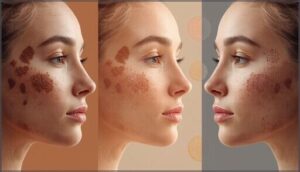
Understanding the types of hyperpigmentation helps you choose the right treatment path.
Melasma creates irregular dark patches—often on your forehead, cheeks, or upper lip—with centrofacial patterns affecting 54% of cases and malar patterns in 43%. It’s most common in Southeast Asians, Hispanics, and Mediterranean populations.
Solar lentigines (age spots) appear as flat tan-to-brown macules on sun-exposed skin, affecting over 90% of adults older than 60.
Post-inflammatory hyperpigmentation (PIH) develops after acne, burns, or dermatitis. PIH prevalence reaches 45–87% in acne patients, particularly those with darker skin tones.
- Melasma generally shows three distinct facial patterns and runs in families (38% hereditary link)
- Age spots range from 3–20 mm and result from UV-induced melanocyte hyperplasia
- PIH can persist over one year after inflammation resolves, involving epidermal or dermal pigment
- Acne-related PIH often concerns patients more than active breakouts themselves
Solar lentigines are characterized by increased melanin accumulation.
Risk Factors and Who is Affected

Your skin phototype, hormones, and genetics all shape your hyperpigmentation risk. Women face melasma nine times more often than men, especially during pregnancy (15–50% prevalence). Darker skin types (Fitzpatrick IV–VI) experience PIH in 48% of cases after injury versus 18% in lighter tones. UV exposure remains the leading trigger—childhood sunburns greatly increase your lifetime risk of age spots.
| Risk Factor | Key Impact |
|---|---|
| Hormonal changes | Pregnancy and contraceptives trigger melasma in 80–90% of cases |
| Skin type (IV–VI) | 2.7× higher PIH risk after inflammation or surgery |
| UV exposure | Early sunburns double solar lentigo formation in adulthood |
| Genetics | 48% of melasma patients report positive family history |
| Medical triggers | NSAIDs and antimalarials account for 37.5% of drug-induced cases |
Diagnosing and Preventing Hyperpigmentation

Getting to the root of your dark spots starts with understanding what’s happening beneath the surface. Your dermatologist has several diagnostic tools to identify the type and cause of hyperpigmentation, from simple visual exams to specialized tests that reveal deeper skin changes.
Once you know what you’re dealing with, the right prevention strategies can stop new spots before they start and keep existing ones from getting worse.
Recognizing Symptoms and When to Seek Care
Most dark patches won’t cause pain or discomfort—they’re benign symptoms you can often manage at home. However, red flags like bleeding, rapid growth, irregular borders, or accompanying fatigue warrant prompt evaluation by a dermatologist.
Self-monitoring matters: check your spots monthly, and if hyperpigmentation persists beyond six months despite sun protection, routine care becomes essential. A skin biopsy can rule out serious conditions when diagnosis of hyperpigmentation remains unclear.
Diagnostic Methods (Wood Lamp, Biopsy, Blood Tests)
Your dermatologist will likely reach for a Wood’s Lamp first—this ultraviolet light reveals pigment depth with 72.3% sensitivity, distinguishing epidermal from dermal melasma.
When visual assessment isn’t enough, skin biopsy achieves 94% concordance, ruling out malignant lesions.
Blood tests prove essential if fatigue accompanies hyperpigmentation; elevated ACTH above 372 pg/mL flags Addison’s disease in over 90% of cases.
Daily Prevention Strategies (Sun Protection, Lifestyle)
Because UV radiation drives up to 52% of mottled pigmentation even through clouds, your daily defense starts with broad-spectrum SPF 30 minimum—yet only 35% of melasma patients apply it consistently. Prevention of hyperpigmentation demands more than sunscreen alone:
- Tinted sunscreens with iron oxides block visible light that darkens skin of color
- Wide-brimmed hats (3+ inches) shield face and neck from cumulative exposure
- Alcohol moderation reduces melasma risk in recent population studies
- Environmental improvements—cleaner living spaces, renovations—cut pigmentary odds by 87–97%
Sunscreen adherence forms your foundation, but weaving protective clothing, lifestyle factors, and environmental impact awareness into your skin care routine transforms prevention from theory into measurable results.
Best Ingredients for Hyperpigmentation Treatment

Treating hyperpigmentation effectively comes down to using the right active ingredients that target melanin production and skin cell turnover. Different ingredients work through different mechanisms, so understanding what each one does can help you build a routine that actually works.
Here’s what you need to know about the most proven ingredients for fading dark spots and evening out your skin tone.
Vitamin C, Niacinamide, and Antioxidants
When you’re fighting dark patches, three powerhouses deserve your attention. Vitamin C delivers melanin reduction by blocking tyrosinase—one study showed 87.5% of patients improved within weeks—while niacinamide benefits include stopping pigment transfer between cells without irritation. Their antioxidant synergy creates real skin brightening results.
Three powerhouses—Vitamin C, niacinamide, and antioxidants—deliver proven melanin reduction and skin brightening without irritation when you use them together
| Ingredient | Primary Mechanism | Typical Improvement Timeline |
|---|---|---|
| Vitamin C (5–10%) | Inhibits tyrosinase enzyme | 8–12 weeks |
| Niacinamide (4%) | Blocks melanosome transfer | 6–8 weeks |
| Combined antioxidants | Reduces basal layer brightness | 6 weeks |
| Multi-agent formulas | Synergistic pigment modulation | 8–12 weeks |
You’ll see better results pairing them than using either alone, and they won’t trigger the side effects hydroquinone sometimes causes.
Hydroquinone, Kojic Acid, and Azelaic Acid
When stubborn patches resist gentler options, dermatologists turn to three heavyweights. Hydroquinone efficacy stands out—4% formulations cut melasma severity within eight weeks, but you’ll need breaks after 12 weeks to dodge ochronosis risk.
Kojic acid mechanisms work slower at 1–4% yet suit long-term use, while azelaic evidence shows 20% rivals hydroquinone’s punch with fewer side effects.
Combination strategies often pair these skin lightening agents for faster hyperpigmentation treatment results.
Retinoids and Exfoliating Acids (AHA/BHA)
Think of retinoids as your skin’s turbo button—tretinoin 0.05% cleared hyperpigmentation in 73% of patients after 12 weeks, though retinoid irritation sidelines some users.
AHA peels (glycolic 50%) and BHA benefits (salicylic 20–30%) strip melanin-laden layers faster.
Combination therapy beats solo acts: retinoids plus exfoliating acids deliver long-term clearance when you pair them with sunscreen.
Building a Hyperpigmentation Skin Care Routine
Building a Hyperpigmentation Skin Care Routine
Treating hyperpigmentation requires a consistent, strategic approach that layers active ingredients at the right time of day. Your morning routine focuses on protection and prevention, while your evening routine targets repair and renewal.
The key is tailoring your regimen to your skin’s specific needs, especially if you’re dealing with sensitivity or acne.
Morning Routine (Cleansing, Antioxidants, Sunscreen)
Your morning skin care routine builds the foundation for hyperpigmentation control. Start with gentle cleansing once daily to avoid barrier disruption, then layer a vitamin C or niacinamide antioxidant serum for product penetration and melanin regulation.
Finish with broad-spectrum SPF 30 or higher sunscreen—your most critical step. This routine adaptation protects against ultraviolet-induced darkening while supporting gradual skin tone improvement.
Night Routine (Exfoliation, Targeted Serums, Moisturizing)
Your night routine targets hyperpigmentation while skin regenerates. Night exfoliation frequency starts at 1–3 times weekly with AHA or BHA, increasing as tolerated to fade dark spots without irritation.
Follow these steps:
- Gently cleanse to remove daily buildup
- Apply exfoliating acids (glycolic or salicylic)
- Layer a depigmenting serum (niacinamide, retinoid, or azelaic acid)
- Seal with nighttime barrier repair moisturizer
- Use products 8–12 weeks for visible results
Routine step sequencing matters—actives penetrate best before occlusives.
Tips for Sensitive and Acne-Prone Skin
If you have sensitive or acne-prone skin, gentle exfoliation—starting once weekly—and fragrance-free products help prevent skin irritation that can worsen hyperpigmentation. Choose noncomedogenic formulas to avoid clogging pores, and prioritize barrier repair moisturizers to calm inflammation.
Patch testing new actives on your jawline for 48 hours identifies potential reactions before full-face application, protecting you from setbacks that could darken existing marks or trigger new ones.
Top 10 Products for Hyperpigmentation Treatment
Now that you understand how to build a routine, it’s time to look at specific products that can help fade dark spots and even out your skin tone.
The following list includes cleansers, serums, exfoliants, moisturizers, and sunscreens that contain the key ingredients we’ve discussed. Each product plays a specific role in treating hyperpigmentation when used consistently as part of your daily regimen.
1. La Roche-Posay Brightening Face Cleanser
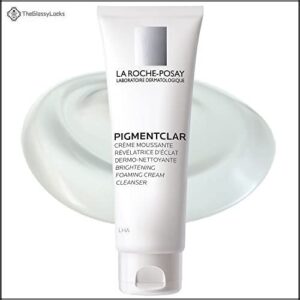
Your first step in any hyperpigmentation skin care routine begins with the right cleanser. La Roche-Posay’s Pigmentclar Brightening Foaming Cleanser delivers gentle yet effective LHA exfoliation, targeting dark spots without stripping your skin.
This daily-use formula works by removing dull surface cells and impurities, paving the way for skin brightening ingredients in your serums and treatments to penetrate more effectively.
The micro-exfoliating action makes it suitable for sensitive skin, though you’ll want to monitor dryness if you’re also using retinoids or chemical peels.
Best For: People with dull, uneven skin tone or mild dark spots who want a gentle daily exfoliating cleanser that preps skin for brightening treatments without harsh irritation.
- LHA provides effective micro-exfoliation that’s gentler than traditional salicylic acid, making it suitable for sensitive skin types
- Helps enhance absorption of brightening serums and treatments you apply afterward by clearing away dead surface cells
- Rich foaming texture removes makeup, dirt, and pollution without completely stripping your skin’s natural moisture
- Contains fragrance, which can be problematic if you have rosacea or fragrance sensitivities
- May cause dryness or tightness if you’re already using strong actives like retinoids or daily chemical exfoliants
- Works best as a supporting player in your routine—you’ll still need dedicated brightening serums to see real results on dark spots
2. Paulas Choice 2% BHA Exfoliant
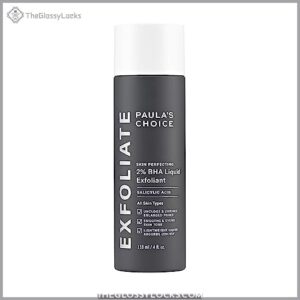
After cleansing, you’ll want a targeted exfoliant that penetrates pores to address both active breakouts and the marks they leave behind. Paula’s Choice 2% BHA Liquid Exfoliant uses salicylic acid to accelerate skin cell turnover, helping fade post-inflammatory hyperpigmentation while preventing new blemishes.
Clinical data shows 82% of users noticed smaller-looking pores within weeks. The leave-on liquid formula works well for most skin types, though you should start every other day to assess tolerability—overuse can trigger dryness or irritation despite its generally gentle reputation.
Best For: Anyone dealing with acne-prone skin and post-inflammatory marks who wants a proven chemical exfoliant that unclogs pores while gradually fading hyperpigmentation.
- Clinical results show 82% of users saw smaller pores and reduced blackheads within 1–4 weeks of consistent use
- The 2% salicylic acid formula accelerates cell turnover to fade post-acne marks while preventing new breakouts
- Leave-on liquid texture works for all skin types and includes green tea extract to calm irritation during exfoliation
- Overuse can lead to dryness, redness, or closed comedones—starting slow (every other day) is essential
- Requires daily sunscreen since BHA increases sun sensitivity and can worsen pigmentation without protection
- May be too strong for sensitive skin or exfoliant beginners without a gradual introduction period
3. Topicals Faded Brightening and Clearing Serum
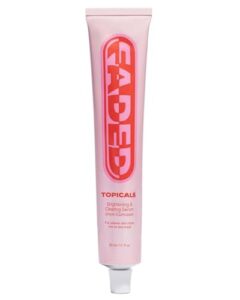
When stubborn dark spots resist milder options, Topicals Faded Brightening and Clearing Serum stacks multiple proven actives—4% niacinamide, 3.5% tranexamic acid, 1% azelaic acid, and 1% kojic acid—to tackle hyperpigmentation from several angles at once.
Brand testing showed 92% of users saw improved dark spots within two weeks, and real-world trials report acne scars lightening by week three.
You can use it daily once your skin adjusts, and reviewers note minimal irritation even with sensitive skin.
Best For: Anyone dealing with stubborn post-acne marks, melasma, or sun spots who wants a multi-active serum that works quickly without harsh irritation.
- Combines five proven brightening actives (niacinamide, tranexamic acid, azelaic acid, kojic acid, alpha-arbutin) that attack dark spots from multiple angles
- Shows visible results fast—92% of users saw improvements in two weeks, with acne scars lightening by week three in trials
- Gentle enough for daily use and safe for sensitive skin, with minimal reported irritation even at twice-daily application
- Strong, unpleasant smell that some users find off-putting
- Leaves an oily residue on the skin that may not work well under makeup or for oily skin types
- Pricey at $38 for 1.76 ounces, especially compared to single-active alternatives
4. CeraVe PM Facial Moisturizing Lotion
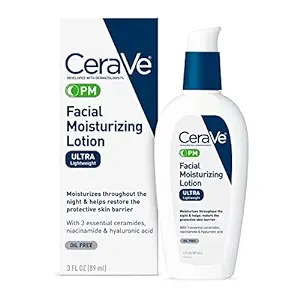
While targeted serums work on pigment, your skin still needs nightly support to tolerate active ingredients without flaking or irritation. CeraVe PM Facial Moisturizing Lotion delivers three essential ceramides plus hyaluronic acid to restore the skin barrier, and its 4% niacinamide helps calm inflammation that can worsen skin discoloration.
Clinical data show MVE technology releases moisturizer gradually overnight, so hydration lasts until morning. It’s oil-free and non-comedogenic, making it ideal for sensitive skin prone to breakouts, and it layers well under hyperpigmentation topical treatments without pilling.
Best For: People with sensitive or acne-prone skin who need a lightweight night moisturizer that won’t clog pores while supporting hyperpigmentation treatments.
- Niacinamide and ceramides calm irritation and strengthen the skin barrier, making it easier to tolerate active treatments like retinoids or acids
- MVE technology delivers hydration gradually through the night instead of sitting heavy on your skin
- Oil-free and non-comedogenic formula works well under makeup and won’t trigger breakouts
- Some users report pump malfunctions that make it hard to dispense the product
- Can cause redness or breakouts in people with very sensitive skin or certain skin conditions
- Works best as part of a routine rather than as a standalone hyperpigmentation treatment
5. CeraVe Hydrating Facial Cleanser For Dry Skin
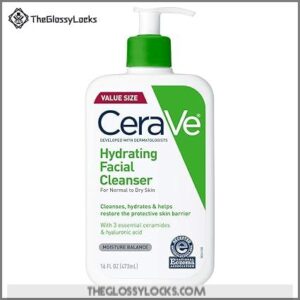
Treating dark spots won’t work if harsh cleansing strips your barrier and triggers more pigment.
CeraVe Hydrating Facial Cleanser uses three ceramides and hyaluronic acid to gently remove makeup while binding up to 1,000 times its weight in water—key for sensitive skin prone to dryness. Its MVE technology delivers 24-hour hydration, and because it’s non-foaming and fragrance-free, you won’t irritate your complexion.
This cleanser sets the stage for your hyperpigmentation skin care products to work effectively without compromising barrier health.
Best For: People with dry or sensitive skin who need a gentle, barrier-supporting cleanser that won’t interfere with their dark spot treatments.
- Delivers 24-hour hydration with ceramides and hyaluronic acid that holds 1,000 times its weight in water
- Non-foaming, fragrance-free formula won’t strip your skin or trigger irritation that worsens hyperpigmentation
- Certified by the National Eczema Association and removes makeup without compromising your skin barrier
- May not work well for oily or acne-prone skin types
- Heavy makeup or thick sunscreen might require a double cleanse
- Not effective for everyone—some users find it doesn’t suit their specific skin concerns
6. La Roche-Posay Mela B3 Serum
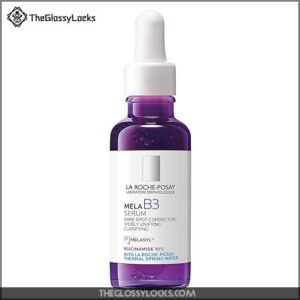
When hyperpigmentation won’t budge, you need ingredients that intercept melanin before it sets in. La Roche-Posay Mela B3 Serum pairs patented Melasyl with 10% niacinamide to block pigment formation at a distinct stage of melanogenesis—not just tyrosinase inhibition like vitamin C.
Clinical trials on 50 subjects showed 94% achieved measurable dark spot reduction by week 12, with 60% improvement in post-acne marks across all skin types.
Its alcohol-free, non-comedogenic safety profile promotes tolerability in sensitive and acne-prone complexions without compromising your barrier.
Best For: Anyone dealing with stubborn dark spots, sun damage, or post-acne marks who wants clinically proven results across all skin tones without irritating sensitive skin.
- Melasyl blocks melanin at a unique stage that standard brighteners miss, giving you a dual-front attack when paired with 10% niacinamide
- 94% of users saw measurable dark spot reduction in 12 weeks, with visible improvement starting as early as week one
- Alcohol-free and non-comedogenic formula works for acne-prone and sensitive skin without clogging pores or wrecking your barrier
- $44.99 price tag might stretch the budget if you’re testing multiple serums at once
- Consistent daily use plus SPF 50 is non-negotiable—skip either and results drop off fast
- Some users report minimal change even after three months, so it’s not a guaranteed fix for everyone
7. CeraVe Skin Renewing Night Exfoliator
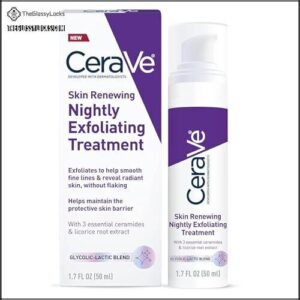
Chemical exfoliation doesn’t have to mean irritation—CeraVe Skin Renewing Night Exfoliator delivers 5% glycolic and lactic acid AHA exfoliation alongside ceramides to protect your barrier while you sleep. You’ll accelerate turnover of melanin-laden cells without the redness or peeling that derails sensitive skin.
In an 8-week consumer trial, participants reported brighter, more even tone within one week of nightly routine use, with zero flaking. The MVE delivery system releases hyaluronic acid and licorice extract for gradual improvement in dark spots, making consistent skin exfoliation tolerable for most complexions.
Best For: Anyone with dark spots or uneven tone who wants gentle AHA exfoliation but needs ceramides to keep their barrier intact—especially if past acids left you red or peeling.
- 5% glycolic and lactic acid blend exfoliates melanin buildup without the irritation you’d expect from chemical acids
- Ceramides and hyaluronic acid keep your moisture barrier strong while the MVE system releases ingredients slowly overnight
- Users saw brighter, more even skin in one week with zero flaking in an 8-week study
- Some people find the scent odd or off-putting even though it’s labeled fragrance-free
- At 5% AHA concentration, it’s milder than prescription options—results take consistent weeks, not days
- A few users report dryness, and damaged packaging during shipping can compromise the formula before you even open it
8. Neutrogena Hydro Boost Gel Cream Set
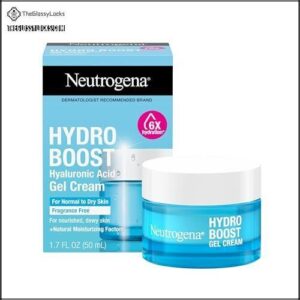
Supporting a hyperpigmentation routine doesn’t start and end with actives—it starts with keeping your skin barrier intact. Neutrogena Hydro Boost Gel Cream Set delivers up to 48 hours of skin hydration through sodium hyaluronate, helping you tolerate retinoids and exfoliants without flaking or irritation.
The fragrance-free, oil-free formula suits acne regimens and sensitive skin alike, while clinical data show improved barrier support and reduced transepidermal water loss within hours.
You won’t find direct depigmenting agents here, but you’ll create the foundation that makes every other treatment work better.
Best For: People with dry or sensitive skin who need a supportive moisturizer to buffer irritation from retinoids, acids, or other hyperpigmentation treatments without adding oil or clogging pores.
- Clinically shown to hydrate for up to 48 hours and reduce water loss within 8 hours, giving your barrier real support when you’re using harsh actives.
- Fragrance-free, oil-free, and non-comedogenic formula works for sensitive and acne-prone skin without triggering breakouts or irritation.
- Lightweight gel-cream texture layers easily under sunscreen and makeup, so it fits into morning and evening routines without feeling heavy.
- Doesn’t contain any direct brightening or depigmenting ingredients like niacinamide, vitamin C, or azelaic acid—it’s purely a hydration support product.
- Some users report the product dries up quickly or doesn’t provide enough moisture for extremely dry skin types.
- The set includes only a trial-size cleanser (0.5 fl oz), so you’re mostly paying for the moisturizer and a small sample rather than two full-size products.
9. Neutrogena Hydro Boost Water Gel Moisturizer
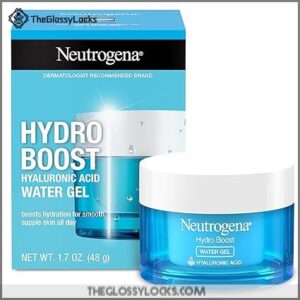
If you prefer a lighter feel, the Neutrogena Hydro Boost Water Gel Moisturizer offers the same hyaluronic acid hydration efficacy in an even faster-absorbing formula. Consumer perception data show 97% felt immediate moisture, with 67% noting healthier, glowing skin after four weeks.
Its oil-free texture suits oily and acne-prone skin perfectly, making routine integration easy beneath sunscreen. While it lacks direct hyperpigmentation treatment actives, the texture benefits support layering brightening serums without pilling. You’ll maintain barrier function while your targeted skin care products work harder.
Best For: People with oily, combination, or acne-prone skin who want lightweight, fast-absorbing hydration that layers well under sunscreen and other products.
- 97% of users felt immediate hydration, with clinical evidence showing moisture locks in for 24 hours without any greasy residue
- Oil-free gel texture absorbs quickly and doesn’t pill under sunscreen or serums, making it perfect for multi-step routines
- Non-comedogenic and gentle enough for acne-prone skin, with most users reporting no breakouts after a month of twice-daily use
- Contains added fragrance that some people find too strong, which could irritate sensitive skin
- Doesn’t include brightening actives like vitamin C or niacinamide, so you’ll need separate products to target hyperpigmentation directly
- May not provide enough moisture for very dry skin types, as it’s designed for moderate hydration rather than heavy-duty repair
10. EltaMD UV Clear Face Sunscreen
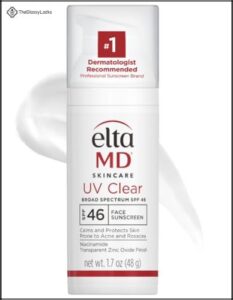
No routine tackles hyperpigmentation without serious sun protection. That’s where EltaMD UV Clear Face Sunscreen delivers: its SPF 46 formula combines 9% zinc oxide for broad-spectrum coverage with 5% niacinamide to actively calm discoloration.
The lightweight, oil-free texture won’t clog pores, making it ideal for acne-prone skin in your daily regimen. While pricier than drugstore options, you’re getting photoprotection plus treatment benefits.
Layer it every morning after serums—it’s your final defense against sun exposure triggering fresh dark spots.
Best For: People with acne-prone or sensitive skin dealing with hyperpigmentation who need daily sun protection that won’t trigger breakouts or worsen dark spots.
- Combines SPF 46 zinc oxide protection with 5% niacinamide to actively fade discoloration while preventing new spots
- Lightweight, oil-free formula layers well under makeup without clogging pores or leaving heavy residue
- Non-comedogenic and fragrance-free, making it safe for reactive skin types including rosacea
- Higher price point than most drugstore sunscreens at around $40 for 1.7 oz
- Some users report pump mechanism failures or dispensing issues
- May leave a slight white cast on deeper skin tones, though a tinted version is available
Frequently Asked Questions (FAQs)
How long until hyperpigmentation fades with treatment?
Like watching a storm cloud drift across the sky, your dark spots won’t vanish overnight. With diligent treatment, using topical therapies and sunscreen, you’ll generally see melasma fading and PIH duration shorten within three to six months.
Can hyperpigmentation come back after successful treatment?
Yes, hyperpigmentation can return after treatment, especially melasma and post-inflammatory hyperpigmentation. Relapse risk factors include sun exposure, hormonal changes, and stopping maintenance therapy.
Your dermatologist will recommend ongoing skin care products and sun protection for prevention.
Are professional treatments better than at-home products?
Professional treatments deliver faster results—lasers and peels often lighten hyperpigmentation within weeks—but topical treatments work steadily over months.
Since decades of sun exposure often show up as spots on the hands first, it’s worth learning practical ways to fade age spots on your hands alongside any professional treatment plan.
Combination therapy produces the best outcomes, balancing procedure efficacy with cost comparison and safety profiles for your skin.
Whats the difference between chemical peels and lasers?
Chemical peels remove pigment by dissolving outer skin layers with acids like glycolic or TCA, while laser therapies target melanin deposits using focused light energy.
Peels cost less—around $150–300 per session—but lasers can penetrate deeper and may deliver faster results for stubborn discoloration. However, they carry higher risks of post-inflammatory complications in darker skin tones and generally run $500–1,500 each treatment.
Does hyperpigmentation treatment work on all skin tones?
Hyperpigmentation treatment works across all skin tones, but darker skin requires specific regimens and professional oversight.
Treatment variability and safety profiles differ—specialized protocols minimize risks while maximizing results for every skin pigmentation type.
Conclusion
Think of fading hyperpigmentation like tending a garden—you can’t rush the seasons, but consistent care yields visible results. The right hyperpigmentation skin treatments, combined with religious sun protection and patience, will gradually restore your skin’s clarity.
Deeper discoloration often takes three to six months to improve noticeably, and skipping sunscreen undoes weeks of progress overnight. Stay the course, adjust your routine as needed, and those stubborn spots will fade.