This site is supported by our readers. We may earn a commission, at no cost to you, if you purchase through links.
Pick up any moisturizer off your bathroom shelf and chances are hyaluronic acid is already listed among the ingredients. It’s become one of the most common additions to skincare products—and for good reason. This molecule binds water with exceptional efficiency, pulling moisture in and holding it against your skin like a sponge that never quite dries out.
That’s why so many dermatologists recommend it as a foundational hydrating ingredient, regardless of skin type. Understanding what hyaluronic acid actually does in moisturizers—and how to use it correctly—can make a meaningful difference in how your skin looks and feels day to day.
Table Of Contents
- Key Takeaways
- What Hyaluronic Acid Does in Moisturizers
- Key Benefits of Hyaluronic Acid for Skin
- How Hyaluronic Acid Works in Skincare
- Using Hyaluronic Acid in Your Routine
- Top 9 Hyaluronic Acid Moisturizers and Serums
- 1. Vichy Mineral Hydrating Skin Booster Serum
- 2. SkinMedica Hyaluronic Acid Serum
- 3. The Ordinary Hyaluronic Acid Serum
- 4. Kosas Skin Improving Foundation
- 5. Proactiv Green Tea Moisturizer
- 6. Sothys Hydrating Serum
- 7. Alastin Hyaluronic Acid Face Serum
- 8. Neutrogena Hyaluronic Acid Face Serum
- 9. Dr Barbara Sturm Hyaluronic Serum
- Who Should Use Hyaluronic Acid Moisturizers
- Frequently Asked Questions (FAQs)
- Conclusion
Key Takeaways
- Hyaluronic acid functions as a powerful humectant that binds up to 1,000 times its weight in water, drawing moisture to your skin’s surface and holding it there like a reservoir throughout the day.
- This ingredient works primarily at the surface level rather than penetrating deeply, creating immediate plumping and a dewy appearance while also helping transport other beneficial skincare ingredients more effectively.
- It’s remarkably well-tolerated across all skin types—including sensitive, acne-prone, and dry skin—because it’s non-comedogenic and rarely triggers allergic reactions, making it one of the safest foundational ingredients in skincare.
- For best results, apply hyaluronic acid to damp skin immediately after cleansing, then layer a moisturizer on top to seal in the hydration, and you can safely use it twice daily alongside other actives like retinoids and vitamin C.
What Hyaluronic Acid Does in Moisturizers
When you see hyaluronic acid listed on a moisturizer, you’re looking at one of the most effective hydrating ingredients in skincare. This naturally occurring molecule doesn’t just sit on your skin’s surface—it actively works to draw in and hold moisture while supporting other beneficial compounds.
For tips on layering it effectively with other serums, this hyaluronic acid and vitamin C serum guide is worth a quick read.
Here’s what hyaluronic acid actually does when you apply it to your face.
Acts as a Powerful Humectant
The secret weapon in your moisturizer is likely a humectant—and hyaluronic acid ranks among the most powerful. This polymer draws water from the environment straight to your skin’s surface, creating a reservoir of hydration that keeps outer layers moisturized throughout the day.
Here’s what hyaluronic acid’s humectant benefits deliver:
- Attracts moisture to the stratum corneum for immediate surface hydration
- Forms a lightweight film that locks water on the skin’s surface
- Binds additional water in humid conditions to maintain plumpness
- Reduces fine lines caused by dryness through enhanced water retention
- Increases effectiveness of subsequent moisturizing products when applied to damp skin
Other ingredients, such as glycerin and urea, also offer important humectant benefits for skin.
Binds Over 1000 Times Its Weight in Water
One of hyaluronic acid’s most impressive humectant features is its outstanding water binding capacity—it can hold up to about one thousand times its weight in water under certain conditions. That’s why this ingredient transforms moisturizing products into hydration powerhouses, delivering significant moisture retention at the skin’s surface and helping maintain skin plumping throughout the day.
Hyaluronic acid holds up to a thousand times its weight in water, turning moisturizers into true hydration powerhouses
This notable hydration ability has led experts to explain how for ideal skin health.
| Hyaluronic Benefit | Impact on Skin Hydration |
|---|---|
| Water binding capacity | Holds 1000x its weight in water |
| Moisture retention | Reduces trans-epidermal water loss |
| Hydration levels | Creates temporary water reservoir |
| Skin plumping effect | Swells polymer chains for volume |
| Moisturizer performance | Enhances feel without heavy oils |
Delivers Surface-Level Hydration to Skin
When you apply hyaluronic acid topically, it works at the surface hydration level rather than penetrating deep into your skin. This hydration mechanism creates a moisture-rich layer on the outermost skin by attracting water from the air and underlying tissue, giving you that immediate dewy finish.
Your moisturizer with hyaluronic acid delivers skin plumping and helps maintain skin moisture balance throughout the day.
Helps Transport Other Beneficial Ingredients
Beyond direct hydration, hyaluronic acid enhances ingredient delivery by creating a moisture-rich environment that improves skin penetration of other actives.
This hydration enhancement facilitates active diffusion through several mechanisms:
- Forms a hydrated matrix that helps carrier molecules move across the skin surface
- Increases skin permeability, allowing better absorption of complementary ingredients
- Pairs effectively with peptides and antioxidants in skincare products
- Facilitates moisture transport while maintaining product stability
Key Benefits of Hyaluronic Acid for Skin
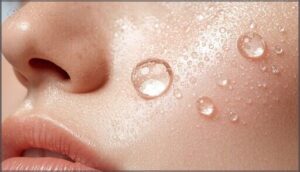
Now that you understand how hyaluronic acid functions in moisturizers, let’s look at what it actually does for your skin.
The benefits go beyond simple hydration—you’ll notice improvements in texture, appearance, and overall skin comfort. Here are the key ways hyaluronic acid promotes healthier-looking skin.
Reduces Dryness and Improves Moisture Retention
Hyaluronic acid addresses dry skin by binding water on the surface to form a hydrated layer that slows moisture loss. That’s why your skin feels softer almost immediately after application.
The ingredient holds up to 1000 times its weight in water, releasing it gradually as your skin needs it. This consistent moisture balance helps reduce roughness and maintains hydration throughout the day.
Enhances Skin Flexibility and Elasticity
When your skin maintains proper hydration, the collagen fibers in your dermis remain flexible rather than stiff.
Hyaluronic acid promotes this environment by retaining moisture around those fibers, which helps improve skin elasticity and overall flexibility. That’s why consistent use of a hyaluronic acid moisturizer contributes to firmer, more resilient skin that moves comfortably during your daily facial expressions.
Provides a Dewy, Plumped Appearance
That reflective glass skin effect you notice after applying hyaluronic acid moisturizer comes from surface-level hydration that creates a glassy finish on your complexion.
The molecule binds moisture from ambient humidity and traps it with occlusive sealants, giving you a dewy finish and plumping agents that soften dullness. This moisture lock amplifies your skin’s plumped appearance for hours, delivering the coveted glow central to antiaging skincare routines.
Safe for Sensitive Skin Types
If you have reactive skin, you’ll appreciate that hyaluronic acid ranks among the most well-tolerated ingredients in skincare products. Gentle formulas designed for sensitive skin types usually pair this humectant with fragrance-free, hypoallergenic claims and non-comedogenic bases.
Many brands conduct irritation testing to minimize compatibility issues, making it an excellent choice for maintaining skin hydration and overall skin health without triggering redness or stinging.
How Hyaluronic Acid Works in Skincare
Your body already makes hyaluronic acid naturally, storing it in your skin, eyes, and the fluid that cushions your joints.
When you buy skincare products, that hyaluronic acid comes from a different source—bacteria grown in labs through a process called biofermentation. Understanding where it comes from and how different forms work helps you choose the right products for your skin goals.
Naturally Found in Skin and Joints

Your body already makes this compound in several key locations. In your dermis, hyaluronic acid sits around collagen and elastin fibers, supporting skin health through natural hydration and tissue repair.
Meanwhile, it’s a major player in joint health, forming part of the synovial fluid that provides joint lubrication and cushioning. This natural compound helps with cellular regeneration throughout these tissues, though its production decreases as you age.
Lab-Produced Through Bacterial Biofermentation

Most hyaluronic acid in skincare products isn’t harvested naturally—it’s created through microbial production via biofermentation. Engineered bacteria work inside bioreactor systems, converting simple sugars into hyaluronic acid chains.
That’s why manufacturers can control the molecular weight precisely, tailoring it for moisturizer and skin care performance. The entire process follows GMP standards, ensuring the final ingredient in your skincare products is pure and consistent.
Topical Vs. Injectable Hyaluronic Acid

Now that you understand how it’s made, knowing how it’s used matters just as much. Topical HA in skincare products works on the skin’s surface, improving surface hydration and giving your skin a plumped, dewy look. Injectable HA, on the other hand, is a cosmetic safety-focused procedure performed by a licensed professional.
- Topical HA — applied daily as a moisturizer or serum, it draws moisture inward but stays near the surface, limiting deep skin penetration.
- Injectable HA — placed beneath the skin, these injectable fillers restore volume and fullness in targeted areas like cheeks or lips.
- Hydration Duration — topical products need consistent use to maintain results, while injectable HA can last four to twelve months.
Best for Surface Hydration, Not Volume Replacement

That’s an important distinction to keep in mind. Surface hydration excels at creating a hydrated film that reinforces your skin barrier and reduces transepidermal water loss. Think of it as moisture lock for your outermost skin layers.
It won’t replace lost volume—that’s what injectable fillers do. For everyday skin hydration tips, pair your moisturizer with hydrating actives for dermal protection.
Using Hyaluronic Acid in Your Routine

Knowing how hyaluronic acid works is only half the battle — the real difference comes down to how you actually use it.
The good news is that it fits into most routines without much adjustment. Here’s what you need to know to get the most out of it.
Apply to Damp or Clean Skin
Right after cleansing, your skin holds a light film of moisture — and that’s exactly when to apply hyaluronic acid. Damp skin benefits you because it lowers skin surface tension, allowing the serum to spread and penetrate more effectively.
This application timing helps enhance moisture retention and hydration levels. Think of it as giving hyaluronic acid the best possible surface to work with for lasting skin moisture.
Layer Under Moisturizer and Sunscreen
Once you’ve applied your serum to damp skin, the next step in your skincare routine is layering. Think of moisturizer and sunscreen as a protective seal that locks in the hydration your hyaluronic acid hydrator has already started building.
- Apply hyaluronic acid serum first for ideal skin hydration
- Follow with a moisturizer to boost moisturizing benefits and barrier support
- Finish with sunscreen for full sunscreen compatibility without interference
- This hyaluronic layering order keeps your daily application effective
- The sequence aids lasting skin care and moisturizing results throughout the day
Safe for Twice Daily Application
Thankfully, hyaluronic acid is one of the gentler additions to your daily skin care routine. Using it twice a day won’t disrupt your skin pH balance or trigger irritation — even on sensitive skin. That’s why dermatologists frequently recommend it as a reliable hydrator. Gentle formulas at 1–2% concentration maintain consistent moisture levels without sensitization.
| Time of Day | What It Does | Why It Matters |
|---|---|---|
| Morning | Replenishes overnight moisture loss | Starts your skincare with steady hydration |
| Evening | Restores moisture after cleansing | Facilitates skin recovery while you sleep |
| Both | Maintains balanced moisture levels | Keeps your moisturizing routine consistent |
Pair With Retinoids and Vitamin C
Layering is where hyaluronic acid truly shines. At night, apply it before retinoids — this moisture locking step cushions your skin against dryness and irritation.
In the morning, pair it with vitamin C for a powerful skin hydration and antioxidant boost. Retinoid pairing and vitamin C boost work best when hyaluronic acid keeps your anti-aging skincare routine well-hydrated underneath.
Top 9 Hyaluronic Acid Moisturizers and Serums
Finding the right hyaluronic acid product can feel overwhelming with so many options on the market.
The good news is that most of them are safe, effective, and suitable for a wide range of skin types. Here are nine worth considering, from drugstore picks to professional-grade serums.
1. Vichy Mineral Hydrating Skin Booster Serum
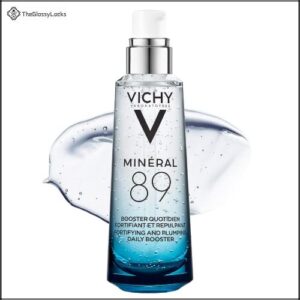
Vichy Mineral 89 is one of the most straightforward options on this list. It combines 89 percent volcanic mineral-rich water with hyaluronic acid in a lightweight, gel-like texture that absorbs quickly without any sticky residue.
That’s why it works well under makeup or sunscreen. The formula is fragrance-free and oil-free, making it a solid choice for sensitive skin.
Apply it to freshly cleansed, damp skin twice daily. At $39.99, it delivers reliable surface hydration without overcomplicating your routine.
| Best For | People with sensitive or oily skin who want a simple, lightweight hydration boost they can layer into their daily routine without thinking twice. |
|---|---|
| Primary Ingredient | Hyaluronic Acid |
| Skin Type | All skin types |
| Price | $39.99 |
| Size | 14.74 oz |
| Fragrance | Fragrance-free |
| Key Benefit | Long-lasting hydration |
| Additional Features |
|
- Absorbs fast and leaves zero sticky or greasy residue, so it plays nice under makeup or SPF
- The fragrance-free, oil-free formula is gentle enough for sensitive skin without sacrificing effectiveness
- Hyaluronic acid paired with volcanic mineral water gives your skin solid, reliable hydration without a heavy feel
- On its own, it only hydrates the surface — you’ll want to follow up with a moisturizer to lock things in
- Not the best pick if your skin runs on the drier side and needs something richer
- Results can be subtle, so don’t expect a dramatic overnight transformation
2. SkinMedica Hyaluronic Acid Serum
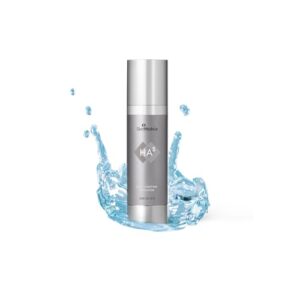
SkinMedica’s Hyaluronic Acid Serum stands out because it doesn’t rely on a single form of hyaluronic acid — it uses five. That combination targets different skin layers, delivering both instant plumping and longer-term hydration. The formula is oil-free and fragrance-free, so it works well on sensitive skin too.
Apply it after cleansing, then follow with moisturizer. It pairs cleanly with other treatments. The trade-off? A steeper price tag, ranging from $180 to $280 for two ounces.
| Best For | People with sensitive or multi-textured skin who want serious hydration and are willing to invest in a premium serum. |
|---|---|
| Primary Ingredient | Hyaluronic Acid (5 types) |
| Skin Type | All skin types |
| Price | $180-$280 |
| Size | 2 oz (60ml) |
| Fragrance | Fragrance-free |
| Key Benefit | Smooths fine lines |
| Additional Features |
|
- Uses five types of hyaluronic acid to hit different skin layers, so you get both instant plumping and longer-term moisture.
- Oil-free and fragrance-free, making it a solid pick for sensitive skin without the usual irritation risks.
- Works smoothly alongside other treatments — no complicated layering headaches.
- It’s pricey — you’re looking at $180 to $280 for just two ounces, which adds up fast.
- Some people notice peeling, flaking, or tightness during the first week or two as their skin adjusts.
- Cheaper alternatives like La Roche-Posay Hyalu B5 or The Ordinary’s hyaluronic complex offer similar hydration at a fraction of the cost.
3. The Ordinary Hyaluronic Acid Serum
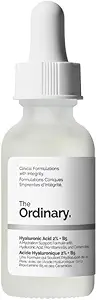
If budget is a concern, The Ordinary Hyaluronic Acid 2% + B5 serum deserves serious consideration. At around $9.90 for one fluid ounce, it packs in five forms of hyaluronic acid targeting different skin depths — from low to high molecular weight.
Ceramides reinforce your skin’s barrier, while pro-vitamin B5 aids moisture retention. That’s why it works well for both dry and sensitive skin. The lightweight, non-sticky texture makes it easy to layer under moisturizer or sunscreen without weighing your skin down.
| Best For | Anyone on a budget who wants serious hydration — especially if you have dry or combo skin and want something lightweight you can layer easily. |
|---|---|
| Primary Ingredient | Hyaluronic Acid (5 types) |
| Skin Type | All skin types |
| Price | $9.90 |
| Size | 1 fl oz |
| Fragrance | Fragrance-free |
| Key Benefit | Instant hydration |
| Additional Features |
|
- Five types of hyaluronic acid hit different depths of your skin, so you’re getting hydration that actually goes beyond the surface.
- At under $10 for a fluid ounce, it’s one of the best bang-for-your-buck serums out there — especially given how effective the ingredient list is.
- Super lightweight and non-sticky, so it layers like a dream under moisturizer or sunscreen without any greasy residue.
- People with sensitive skin might want to patch test first — ceramides and B5 can occasionally cause reactions depending on your skin.
- There’s no clear info on whether it’s cruelty-free or vegan, which matters if that’s something you care about.
- Not a ton of data on how it plays with other serums or products long-term, so just keep an eye on how your skin reacts when you stack it.
4. Kosas Skin Improving Foundation
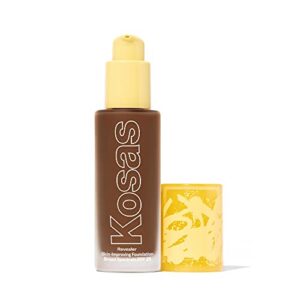
What if your foundation treatment could double as a skincare treatment? Kosas Revealer SPF 25 does exactly that. It blends hyaluronic acid with niacinamide, peptides, and squalane to hydrate and brighten while providing medium, buildable coverage.
The finish is dewy and natural — never cakey. At $45, it’s a solid investment for sensitive skin types, since it’s non-irritating and non-acnegenic. Apply with fingers or a brush, and layer under setting spray if you want extra longevity.
| Best For | Sensitive skin types looking for a foundation that pulls double duty as a skincare treatment, offering hydration and protection without irritation. |
|---|---|
| Primary Ingredient | Hyaluronic Acid |
| Skin Type | Sensitive skin friendly |
| Price | $45 |
| Size | 4.66 oz |
| Fragrance | Fragrance-free |
| Key Benefit | Medium coverage foundation |
| Additional Features |
|
- Packs a serious skincare punch — hyaluronic acid, niacinamide, peptides, and squalane work together to hydrate, brighten, and plump while you wear it.
- The medium coverage is buildable and blends seamlessly, giving you that natural, “your skin but better” look without any cakey finish.
- Made with 96% natural origin ingredients and free of silicones, fragrances, and parabens, so it plays nice with even the most reactive skin.
- At $45, it’s pricier than a lot of foundations on the market, so it’s more of an investment piece than an everyday drugstore grab.
- Some people find the texture a bit thick or greasy, especially if you’re not used to cream-based formulas.
- Coverage and finish results can vary — not everyone will get the same flawless look, so it might take some trial and error to nail your application.
5. Proactiv Green Tea Moisturizer
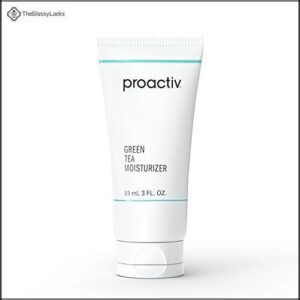
Not everyone needs a heavy-duty serum. If you’re looking for something lighter — something that hydrates without weighing your skin down — the Proactiv Green Tea Moisturizer is worth considering.
It’s oil-free, non-comedogenic, and pairs hyaluronic acid with green tea extract for gentle antioxidant support. That’s why it works well for acne-prone and sensitive skin alike. The texture absorbs quickly, so you can wear it alone or layer it under makeup without any stickiness.
| Best For | People with acne-prone, sensitive, or oily skin who want a lightweight moisturizer that hydrates without clogging pores. |
|---|---|
| Primary Ingredient | Hyaluronic Acid |
| Skin Type | Acne-prone, oily, sensitive |
| Price | $34-$50 (estimated) |
| Size | 3 oz |
| Fragrance | Not specified |
| Key Benefit | Hydrates without clogging |
| Additional Features |
|
- Oil-free and non-comedogenic, so it won’t clog pores or leave a greasy residue
- Combines hyaluronic acid and green tea extract for hydration plus antioxidant support
- Versatile enough to wear on its own or layer under makeup
- Might not cut it for very dry skin, especially during the colder winter months
- A bit pricier compared to other moisturizers in the same category
- Can cause irritation for some people — worth doing a patch test first
6. Sothys Hydrating Serum
If you’re ready to step up your hydration routine, the Sothys Hydrating Intensive Serum delivers on a deeper level.
It combines four molecular weights of hyaluronic acid — targeting both surface and deeper skin layers — with two patented actives, including 1055 boletus extract and organic rowan berry peptides. These work together to strengthen your skin barrier and lock in moisture longer.
It suits all skin types, though at $113.40, it’s a premium investment worth considering carefully.
| Best For | Anyone looking to seriously boost their skin’s hydration—especially those with dry skin who want something that works on multiple layers. |
|---|---|
| Primary Ingredient | Hyaluronic Acid |
| Skin Type | All skin types |
| Price | $113.40 |
| Size | Not specified |
| Fragrance | Floral scent |
| Key Benefit | Intense moisturizing |
| Additional Features |
|
- Combines four molecular weights of hyaluronic acid with ceramides to hydrate both the surface and deeper layers of your skin
- Works for all skin types and leaves skin looking plump and radiant pretty quickly
- The added boletus extract and rowan berry peptides help strengthen your skin barrier and lock moisture in longer
- At $113.40, it’s a serious investment that not everyone will be comfortable dropping on a serum
- Limited info out there on how it interacts with sensitive skin or potential allergens, so worth a heads-up if you have reactivity
- The floral scent might be a dealbreaker if that’s not your thing
7. Alastin Hyaluronic Acid Face Serum
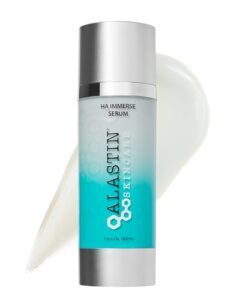
While Sothys targets multiple skin layers, the Alastin Hyaluronic Acid Face Serum takes a slightly different approach — focusing on instant, visible results right at the surface. Its crosspolymer hyaluronic acid binds water effectively, delivering a plumper, dewier look within minutes.
The addition of octapeptide 45 and hexapeptide 11 enhances your skin’s moisture barrier over time. There’s no added fragrance, making it a solid pick for sensitive skin. At 1 oz, it’s compact but comes at a higher price point.
| Best For | People with dry or dehydrated skin who want fast, visible hydration — especially those recovering from laser treatments or other skin procedures. |
|---|---|
| Primary Ingredient | Hyaluronic Acid |
| Skin Type | Dry, dehydrated |
| Price | $50-$100 (estimated) |
| Size | 1 oz (30ml) |
| Fragrance | No added fragrance |
| Key Benefit | Boosts skin hydration |
| Additional Features |
|
- Delivers instant hydration and a plumper, dewier look in just minutes
- Fragrance-free formula makes it a great option for sensitive skin
- The peptide blend (octapeptide 45 and hexapeptide 11) helps strengthen your moisture barrier over time
- It’s on the pricier side compared to other hyaluronic acid serums out there
- The hydration boost may not last as long as some people would like
- At 1 oz, you’re paying a premium for a pretty small bottle
8. Neutrogena Hyaluronic Acid Face Serum
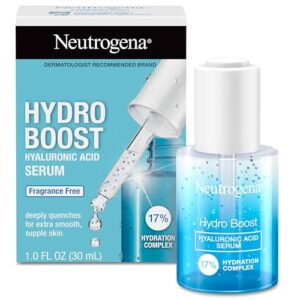
If Alastin leans toward visible results, Neutrogena’s Hyaluronic Acid Face Serum takes a more accessible route — same core goal, friendlier price tag.
Its lightweight formula combines hyaluronic acid with glycerin and trehalose, working together to attract and hold moisture at the skin’s surface. That’s why it delivers 24-hour hydration without feeling heavy.
It’s dermatologist-tested, hypoallergenic, and non-comedogenic, making it a reliable daily option for all skin types, including sensitive skin.
| Best For | Anyone looking for a simple, budget-friendly daily serum that keeps skin hydrated without weighing it down — especially great for sensitive or combination skin. |
|---|---|
| Primary Ingredient | Hyaluronic Acid |
| Skin Type | All skin types |
| Price | $15-$30 (estimated) |
| Size | 1 fl oz |
| Fragrance | Fragrance-free |
| Key Benefit | 24-hour weightless hydration |
| Additional Features |
|
- Lightweight and fast-absorbing, so it plays well under moisturizer or makeup without that greasy feel
- Hypoallergenic, fragrance-free, and dermatologist-tested — a solid pick if your skin tends to be finicky
- Works for both morning and evening routines, and layers easily with other products
- The 1 oz bottle is pretty small, so it’ll run out quicker than you’d expect
- On its own, it may not cut it for skin that’s seriously dry — you’ll likely need a heavier moisturizer on top
- Results depend on keeping up with it consistently; skipping days means losing some of that hydration benefit
9. Dr Barbara Sturm Hyaluronic Serum
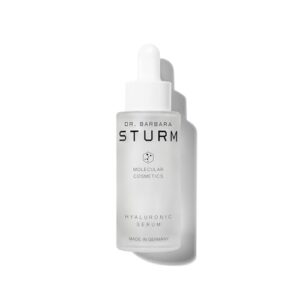
At $325, Dr Barbara Sturm Hyaluronic Serum is the premium pick on this list — and it earns that price with a specific reason. It uses a multi-weight hyaluronic system, meaning long, medium, and small chain molecules work at different skin depths.
Long chain molecules plump the surface instantly, while smaller ones penetrate deeper to support collagen and elastin over time. The formula is fragrance-free and non-comedogenic, making it well-suited for sensitive skin too.
| Best For | Anyone with sensitive or dry skin who wants a serious, clinically-backed serum and doesn’t mind paying a premium for deeper, long-lasting hydration. |
|---|---|
| Primary Ingredient | Hyaluronic Acid |
| Skin Type | All skin types |
| Price | $325 |
| Size | 1 fl oz |
| Fragrance | Not specified |
| Key Benefit | Slows skin aging |
| Additional Features |
|
- Uses a multi-weight hyaluronic acid system that hydrates at multiple skin depths — surface plumping on top, deeper collagen and elastin support underneath.
- Fragrance-free and non-comedogenic, so it plays well with sensitive skin without clogging pores.
- Versatile enough to work across most skin types, from dry and combo to oily and sensitive.
- At $325 for one fluid ounce, it’s one of the priciest serums out there — a tough ask unless you’re committed to the results.
- The clinical study behind it only included 80 people over 56 days, so the evidence, while promising, is pretty limited in scope.
- The hefty price tag means it might not be worth it if your main skin concerns go beyond hydration and aging.
Who Should Use Hyaluronic Acid Moisturizers

Hyaluronic acid moisturizers aren’t just for one skin type — they’re surprisingly adaptable. Whether your skin runs dry, feels stiff, or carries scars from past breakouts, there’s likely a place for this ingredient in your routine.
Here’s who stands to benefit the most.
Ideal for Dry or Dehydrated Skin
Dry or dehydrated skin basically lacks the moisture it needs to function well. Hyaluronic acid is particularly well-suited here — it attracts up to 1,000 times its weight in water, delivering rapid dehydration relief right at the skin’s surface. That’s why it’s a cornerstone of effective dry skin care.
- Helps skin hydration by drawing moisture into the upper skin layers
- Strengthens your skin barrier when paired with occlusives for lasting moisture lock
- Helps hydrate persistently dry areas like your cheeks and nose with twice-daily use
Beneficial for Improving Skin Stiffness
Stiffness is one of the most common complaints people bring to my office. Hyaluronic acid tackles this directly by pulling moisture into the outer skin layers, keeping cells turgid and resilient. That’s why it promotes both skin elasticity and facial firming — better hydration levels mean more pliable, supple skin overall.
Maintaining proper moisture balance is where hyaluronic acid truly shines in any skincare routine, delivering real hyaluronic acid benefits for skin and anti-aging skin care results.
| Factor | Without Hyaluronic Acid | With Hyaluronic Acid |
|---|---|---|
| Hydration Levels | Reduced surface moisture | Restored surface hydration |
| Skin Suppleness | Tight, rigid texture | Softer, more pliable feel |
| Skin Elasticity | Decreased flexibility | Improved resilience |
| Facial Firming | Dull, stiff appearance | Plumped, firmer look |
| Moisture Balance | Uneven dryness | Consistent hydration |
Generally Well-Tolerated by All Skin Types
One of the best things about hyaluronic acid is its impressive skin tolerance across virtually every skin type. It’s non-comedogenic, meaning it won’t clog your pores, and it rarely triggers allergic reactions — making allergy prevention straightforward.
Whether you’re managing sensitive skin or simply maintaining healthy hydration levels, this ingredient promotes moisture balance and skin moisture without irritation. That’s what makes skincare and hyaluronic acid such a reliable pairing for antiaging skin care.
Helpful for Acne Scars and Texture
Struggling with acne scars doesn’t mean you’re stuck with them forever. Hyaluronic acid promotes texture improvement by hydrating the skin’s surface layer, which smooths out shallow indentations and improves light reflection.
That’s why it’s a smart addition to any acne management routine. While it won’t erase deep scars, its hydration benefits make it a reliable skincare tool for gradual skin smoothing and acne healing.
Frequently Asked Questions (FAQs)
Does hyaluronic acid help psoriasis?
Think of your skin like a sponge — psoriasis wrings it dry.
Hyaluronic acid helps refill that moisture, easing tightness on plaques.
It won’t cure psoriasis, but it meaningfully aids hydration and comfort as part of your skincare routine.
Can hyaluronic acid be taken as a supplement?
Yes, you can. Oral hyaluronic acid supplements are available as joint supplements, skin tablets, and hydration pills.
These dietary additives may support joint comfort and skin hydration, though results vary. Always prioritize supplement safety by choosing reputable brands.
Are there any side effects or risks?
Like any gentle rain, hyaluronic acid rarely causes trouble—but skin irritation, allergic reactions, and contamination risks exist.
Sensitivity testing helps. Watch for overhydration effects, and always prioritize supplement safety with professional skincare guidance.
How does hyaluronic acid help with wound healing?
Hyaluronic acid promotes wound healing by forming a hydrated matrix that promotes tissue regeneration and cellular regeneration. It aids inflammation reduction, encourages wound closure, and enhances tissue repair — making it a promising option for scar minimization and sophisticated wound treatment.
Can hyaluronic acid help with joint pain?
It can, particularly through injectable HA for osteoarthritis treatment. Hyaluronic acid injections lubricate synovial fluid, supporting cartilage health and joint pain relief.
For effective arthritis management and joint pain management, consult your doctor first.
How is hyaluronic acid produced in laboratories?
Like a master brewer, perfecting their craft, cosmetic scientists use bacterial fermentation to produce hyaluronic acid.
Streptococcus bacteria secrete HA into nutrient-rich cultures, then purification processes guarantee pharmaceutical-grade quality for skincare formulations.
Conclusion
Healthy hydration starts with understanding what hyaluronic acid does in moisturizers—it draws water in, holds it there, and keeps your skin looking plumper and more comfortable throughout the day.
Whether you’re dealing with dryness, fine lines, or texture concerns, this ingredient offers a straightforward solution that works alongside your existing routine. Apply it to damp skin, layer it properly, and you’ll likely notice a visible difference in how your skin both feels and functions.