This site is supported by our readers. We may earn a commission, at no cost to you, if you purchase through links.
Most people abandon their hair growth serum somewhere around week three—right when it’s quietly starting to work. That timing isn’t coincidence; it reflects a genuine mismatch between what your follicles are doing biologically and what your mirror is showing you. Hair growth operates on its own schedule, cycling through phases that can span years, and no serum overrides that biology overnight.
What changes first happens beneath the surface—in circulation, in follicle signaling, in the scalp environment itself. These shifts precede visible results, creating a lag between biological progress and mirror-based expectations.
Knowing the signs your hair growth serum is working means you stop second-guessing the process and start reading it accurately.
Table Of Contents
Key Takeaways
- Most people quit around week three, right when the serum is starting to shift follicle behavior beneath the surface — before your mirror shows anything.
- Early wins like reduced shedding, less scalp itch, and better hydration are real progress signals, not coincidences — learn to read them instead of dismissing them.
- Visible results — baby hairs, a fuller part, a thicker ponytail — typically arrive between three and six months, so your consistency now is what makes that moment possible.
- Track progress with photos every four to six weeks and weekly shedding counts, because trends, not single days, tell you whether your serum is actually working.
How Hair Growth Serums Work
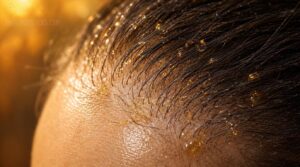
Before you can spot the signs your serum is working, it helps to understand what’s actually happening at the scalp level. Hair growth isn’t a simple on/off switch — it’s a cycle, and serums are designed to work with it, not around it.
That cycle — and how serums fit into it — is explained well in this guide on hair growth serums for teenagers and scalp health.
Here’s what that process looks like and why it matters for your results.
Role of The Hair Growth Cycle
Your hair doesn’t grow randomly — it runs on a precise biological clock. Every follicle cycles through four stages that control when you grow, shed, and regrow hair:
- Anagen growth phase — active growth lasting 2–7 years
- Catagen regression timing — a brief shutdown period
- Telogen resting — follicles pause for 2–4 months
- Exogen shedding — old hairs release to make room
Understanding hair growth cycles and rates matters because follicle cycling synchronization determines your overall density at any moment. Roughly 85–90% of your hairs stay in anagen simultaneously, so phase shift triggers — anything disrupting that balance — directly affect how full your scalp looks.
Nutritional deficiencies affect hair growth by shortening the anagen phase.
How Serums Support Active Growth Phases
A serum works by targeting follicle behavior through signaling activation, which pushes resting follicles toward anagen—the critical growth phase. This activation directly influences follicle activity to prioritize growth.
A microcirculation boost enhances oxygen and nutrient delivery to the root, ensuring follicles receive essential resources for sustained function.
Hormone pathway control mitigates DHT-related miniaturization, addressing a key factor in follicle degradation and promoting healthier growth cycles.
Barrier hydration and anti-inflammatory effects stabilize the scalp environment, providing follicles with the consistent, balanced conditions needed to maintain productivity.
Why Results Take Weeks or Months
Even after your follicles start responding, you won’t see results overnight — and that’s not failure, that’s biology. Follicle activation lag means changes begin beneath the scalp before anything surfaces. Hair cycle duration, ingredient absorption time, scalp condition variability, and the cumulative dose effect all shape your timeline:
Follicles respond before results surface — delayed progress is biology, not failure
- Follicles need repeated exposure before shifting phases
- Ingredients must penetrate scalp tissue to reach roots
- Each hair cycle spans weeks, not days
- Oily buildup slows absorption considerably
- Inconsistent use resets progress
Difference Between Scalp Improvement and New Growth
Not all progress looks the same — and that’s where most people get confused. Scalp texture changes happen first, signaling improved skin health, while follicle activation signs emerge later as new hair growth.
Scalp texture improvements manifest as reduced dryness, irritation, and flakiness, reflecting a stronger scalp barrier. These early shifts occur within the first few weeks. In contrast, follicle activation involves the emergence of vellus hairs (tiny, rooted strands) and thicker shafts, processes that unfold over months.
| Signal | What It Means | Timeline |
|---|---|---|
| Less dryness and irritation | Scalp barrier improving | Week 1–4 |
| Shedding reduction | Follicle cycling stabilizing | Week 2–6 |
| Early hair regrowth | Vellus hairs appearing | Week 3–6 |
| Trichoscopic density cues | Shafts thickening, follicles activating | Month 3–6 |
| Shedding vs. new growth | Two separate processes converging | Ongoing |
Distinguishing between comfort improvements and active regrowth is key to evaluating hair serum efficacy. While scalp health stabilizes quickly, measurable follicle output follows a distinct, slower timeline.
Tracking both comfort and thickness changes gets much easier when you follow proper hair growth serum application techniques from the start.
Early Signs Your Serum is Working

Your serum doesn’t announce itself with a dramatic reveal — it whispers first, through small, easy-to-miss shifts you might brush off as coincidence. But those early signals are real, and knowing what to watch for puts you in control of your own progress.
Here’s what to look for in the first few weeks.
Reduced Shedding on Pillows and Brushes
Your pillow doesn’t lie — and that’s actually good news.
One of the earliest indicators of hair regrowth is waking up to noticeably less hair on your pillowcase fabric. Reduced hair shedding shows up in your brush, too. Use these hair capture tips to track the shift:
- Switch to a de-shedding brush for gentle grooming
- Practice brush cleaning after every session
- Choose low-fiber pillowcases to isolate real shedding
Signs that a hair growth serum is working often appear here first.
Less Hair in The Shower Drain
The shower drain tells the truth. Most people shed 50–100 hairs daily, but reduced hair shedding becomes obvious when your drain stops collecting clumps.
Track this consistently — shower frequency impact matters, since less frequent washing concentrates hair fall into one session.
Watch for soap residue management and hard water effects that trap strands, making more reliable over time.
Improved Scalp Comfort and Hydration
Your scalp doesn’t lie — when a serum is genuinely working, you’ll feel it before you see it. Barrier moisture improves first, calming dryness, irritation, flakiness, and itchiness within the first month. Quality ingredient delivery matters here because real scalp nourishment reaches the skin, not just the hair shaft.
- Flake reduction and reduced dandruff within weeks
- Itch relief as microenvironment balance stabilizes
- Improved scalp health through consistent hydration
Temporary Shedding During Weeks 2–4
Around weeks 2–4, you might notice more hairs on your brush and wonder if the serum is backfiring. It isn’t.
This is the cycle shift period — a follicle reset phase where strands in telogen shed to make room for anagen growth.
Understanding hair shedding versus new growth is key here: transient hair loss during this window is one of the earliest indicators that hair regrowth is underway.
Less Itchiness, Flaking, and Irritation
That persistent itch and flaking aren’t just annoying — they’re signs your scalp barrier is struggling. When a serum’s Soothing Ingredient Blend and Barrier Lipid Boost start working, dryness, irritation, flakiness, and itchiness ease noticeably within the first month.
Fragrance-Free Formulas paired with a Gentle Application Technique and Cold Water Rinse accelerate Improved Scalp Health, reducing scalp inflammation and restoring what a good scalp moisturizer protects.
Visible Hair Growth Improvements
Around months three to six, the serum transitions from subtle background support to delivering visible results. Your hairline, crown, and overall density begin to reflect this transformation.
This is when visible progress becomes undeniable. The changes manifest in clearer, fuller areas—signaling a different story for your hair’s health and appearance.
Baby Hairs Along The Hairline
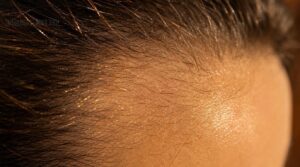
Those fine, wispy strands suddenly framing your hairline? That’s follicle hotspots waking up — and it’s one of the clearest early indicators of hair regrowth.
Baby hair growth usually shows up within 3–6 weeks, often with a perceived fuzziness before real definition sets in. Here’s what you’re actually seeing:
- Vellus hairs emerging — light, short strands beginning the shift from vellus to terminal hairs
- Hairline framing filling in — temples and forehead edges showing new coverage
- Hormonal influence and seasonal variation — both affect timing, so your results may shift slightly
Don’t dismiss the fuzz.
Fuller-looking Part Line or Crown

Those baby hairs are just the opening act.
The real confidence boost comes when your part line stops resembling a highway through empty land. Crown fullness cues emerge when hair thickness and density improve — root lift increases, volume distribution evens out, and scalp concealment occurs naturally.
Part line blending and denser hair work together, delivering early indicators of hair regrowth into visible and lasting results.
Thicker Ponytail or Denser Strands

Your ponytail tells the truth. When hair thickness and density improve, you’ll notice the elastic band method revealing real change — your ponytail circumference grows, the tie wraps tighter, and the weight feels different in your hand.
That’s strand count analysis in action. Denser hair means more active follicles contributing to every pull-back, one of the clearest early signs of effectiveness you can measure.
Vellus Hairs Turning Darker and Stronger
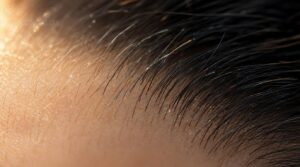
Those wispy, almost-invisible strands along your hairline? Watch them. Vellus hairs turning into terminal hairs is one of the clearest early signs of effectiveness you’ll spot.
Melanin upregulation kicks in as shaft thickening and miniaturization reversal progress — pigment intensification makes new growth visibly stronger.
Anagen extension keeps follicles producing longer, and hair thickness enhancement builds quietly but unmistakably.
Increased Scalp Coverage Over Time
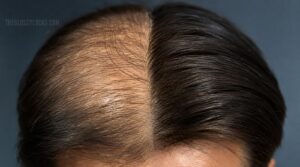
As vellus hairs thicken into terminal strands, something bigger starts happening across your scalp. Regional density gains appear in follicle reactivation zones—your hairline, part line, and crown—before spreading elsewhere.
This cumulative volume increase is how to assess hair growth serum results honestly: fewer visible gaps, better coverage ratio metrics, and real, long-term hair fill that builds month over month.
Stronger, Healthier Hair Texture
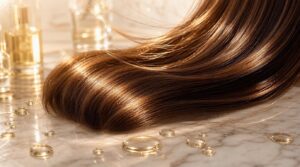
New growth is exciting, but texture changes are often what convince you the serum is actually doing its job. When your hair starts feeling different — stronger, smoother, less likely to snap — that’s your follicles and strands responding from the inside out.
Here’s what to watch for as your hair texture shifts.
Less Breakage During Brushing
Fewer snapped strands on your brush are one of the clearest signals your serum is rebuilding real strength. Stronger strands resist the mechanical stress of daily detangling — especially when you’re also using smart habits:
- Brush Selection: wide-tooth or flexible-pin brushes reduce snagging
- Sectioning Method: smaller sections lower tension per strand
- Lubrication Use & Wet vs Dry: detangle damp with a leave-in for less breakage
Detangling Technique matters, but hair strength matters more.
Reduced Brittleness and Split Ends
Brittleness is your hair’s way of telling you its lipid barrier is compromised. As your serum works, lipid barrier repair and cuticle sealing begin restoring flexibility — and that’s when you’ll notice less breakage and fewer split ends during gentle detangling.
Film-forming conditioners support this process too, delivering an elasticity boost that makes strands feel thicker and stronger. This enhanced resilience helps hair become more resistant to daily stresses that cause fraying.
Shinier, Smoother-looking Strands
Once your serum starts restoring moisture balance, you’ll notice something almost immediate — your hair catches the light differently. That’s cuticle flattening at work, creating surface smoothness that drives healthier shine and frizz reduction without any styling tricks.
Look for these shifts:
- Strands reflect light more evenly
- Less frizz and fewer flyaways
- Daily increased hair shine and strength
- Smoother texture, less split ends
- Stronger strands with healthier, shinier hair
Improved Tensile Strength From Root to Tip
Think of your hair as a rope — strength only holds when every fiber along its length is intact. Cuticle alignment and cortex reinforcement work together to distribute tension evenly, so uniform conditioning and hydration balance prevent weak spots from forming at the tips.
With proper strain rate management during brushing, keratin strength builds from root to tip, delivering real hair breakage prevention and increased hair shine and strength.
Better Volume When Styling Hair
When hair density improvement is real, your styling routine starts proving it. That thickness you’ve been building? It finally holds. Reduced hair fall means more strands working for you.
- Upside-down drying and crown sectioning lift roots effortlessly
- A cool blast finishing step locks volume in place
- Light mousse usage bolsters structure without flattening strands
- Root lift techniques work better when hair feels thicker and stronger
Tracking Results and Next Steps

Getting results from a hair growth serum isn’t just about using it — it’s about knowing what to look for and staying consistent enough to see it through.
Without a system, it’s easy to second-guess your progress or miss signs that things are actually working.
Here’s how to track what’s happening and what to do next.
Take Progress Photos Every 4–6 Weeks
Your phone camera is one of the most underrated tools in your growth journey.
Every 4 to 6 weeks, document your progress using consistent lighting, a fixed camera angle, and baseline styling—no volume products, same part position. Use date labeling so side-by-side comparison becomes easy over 4 to 12 weeks.
Patience and timeline for visible hair growth matter, and photos make that progress undeniable.
Count Shedding Weekly for Trends
Photos show the big picture, but weekly shedding counts reveal what’s happening right now. Pick one day, stick to consistent timing, and use a simple rating scale: less than usual, normal, slightly increased, or markedly increased.
That week-to-week comparison builds a real trend. Log context notes too — stress, illness, anything unusual.
Trend thresholds, not single days, tell you whether hair shedding reduction is actually happening.
Apply Serum Consistently to The Scalp
Trends only mean something if you’re application is equally consistent. Section your hair, expose the scalp, and use proper drop dosage at each parting — not a heavy pour across the surface. Scalp massage for one to three minutes drives absorption.
Clean scalp prep before each session keeps buildup from blocking the actives.
Routine timing locks in the discipline that makes early signs of hair serum effectiveness possible to read.
Avoid Common Application Mistakes
Consistency sets the stage, but incorrect application quietly undermines it. Skipping a patch test before full use, poor rinsing habits, or applying the product to hair lengths instead of the scalp are common mistakes when using hair serums.
Stick to your application schedule, use the correct dosage, and always follow with a gentle scalp massage. Product compliance separates real progress from guesswork.
Consider Nutrition and Health Factors
Your serum can only do so much if your body’s running on empty. Protein intake, iron levels, zinc availability, and omega-3 consumption all directly fuel follicle function. Poor hydration status limits nutrient transport to the scalp, while underlying health or hormonal issues and stress-related hair loss can quietly stall progress too.
Sometimes, nutritional supplementation and adequate dietary protein are the missing pieces for hair. Addressing these gaps ensures your follicles receive the essential support they need.
See a Specialist After Six Months Without Results
If six months of consistent use haven’t moved the needle, it’s time to call in reinforcements. A dermatologist consultation can uncover what’s quietly working against you—whether that’s a hormonal imbalance, scalp inflammation, or nutritional gaps a blood test panel can reveal.
Trichoscopy examination and scalp biopsy help identify realistic timelines for hair growth and open the door to alternative therapy options suited to your pattern.
Frequently Asked Questions (FAQs)
How to tell if hair growth serum is working?
Most people quit too soon. The real signs — follicle activation, scalp vitality indicators, reduced shedding — show up between weeks two and twelve, not overnight.
Know what to track, and you stay in control.
Can hair growth serums work on all hair types?
Yes, hair growth serums can work across all hair types, but ingredient sensitivity, scalp accessibility, and texture compatibility all influence how well your formulation reaches and activates the follicles beneath.
Should you stop using serum if hair grows?
No — growth means it’s working, so keep going. You’re in the maintenance phase now. Stopping risks losing those gains as follicle stimulation fades and your hair cycle gradually resets.
Can you use serum with other hair treatments?
You can layer products, but layering strategy matters. Introduce products one at a time, apply serum directly to the scalp, and avoid oils near the roots.
Patch testing helps catch ingredient conflicts early.
Does stress affect how well serums perform?
Stress absolutely can weaken the cortisol barrier, making your scalp more reactive and triggering stress-induced irritation that creates application adherence challenges.
Shedding wave masking blurs real progress, while nutrient absorption disruption quietly stalls results beneath the surface.
At what age do serums become less effective?
There’s no magic age where serums suddenly stop working. Follicle responsiveness, scalp barrier aging, and hormonal influences matter far more than birthdays alone.
Conclusion
Most people quit right before their scalp starts delivering exactly what they asked for. The signs your hair growth serum is working rarely announce themselves in the mirror first—they show up in fewer strands on your brush, a quieter drain, baby hairs you almost missed.
Progress doesn’t wait for you to believe in it; it just keeps moving beneath the surface. Progress doesn’t wait—it operates silently, unseen until the evidence accumulates.
Stay consistent, track what’s changing, and let your follicles finish what you started.
- https://www.bomihairlabs.com/blog/do-hair-growth-serums-work-what-to-expect
- https://rhutehair.com/blogs/rhute-answers/how-long-does-it-take-for-hair-growth-treatments-to-work?srsltid=AfmBOopwCEJuYJs9dzkmzdFw3a-Qzy48kgP147AqRspfKbTNQUBzg8x-
- https://tru-cosmetics.de/en/blogs/blog/wie-erkenne-nachwachsende-haare?srsltid=AfmBOoppTB_Oh6_IhFBQ1_jKZAs9gCbbTxx85zAyMAc4gwPhZSxD2AYu