This site is supported by our readers. We may earn a commission, at no cost to you, if you purchase through links. This content is for general informational and educational purposes only and is not a substitute for professional medical, dermatological, or nutritional advice.

Ingrown hairs don’t discriminate — they show up whether you shave, wax, or thread, turning a simple grooming routine into a cycle of bumps, redness, and frustration. For people with coarse or curly hair, the odds are even higher; the natural curl of the hair shaft makes it more likely to bend back and pierce the surrounding skin.
Most people reach for tweezers and start digging, which usually makes things worse.
The best way to prevent ingrown hairs comes down to a handful of specific habits — how you prep your skin, what blade you use, and how you treat the area afterward all matter more than most people realize.
Table Of Contents
Key Takeaways
- Sharp, clean razors paired with shaving in the direction of hair growth cut your ingrown hair risk more than any product you’ll find on a shelf.
- Chemical exfoliants like salicylic acid (a BHA) work better than physical scrubs because they get inside the follicle and clear the debris that traps hair beneath the surface.
- Moisturizing immediately after hair removal — with a fragrance-free, non-comedogenic formula — protects your skin barrier before irritation has a chance to set in.
- If shaving keeps triggering bumps, switching to a trimmer, depilatory cream, or laser removal removes the sharp-edge problem entirely, since no blade means no curl-back risk.
Best Ways to Prevent Ingrown Hairs
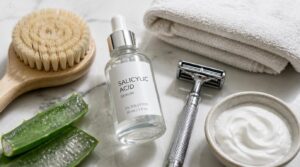
Ingrown hairs are frustrating, but most of them are preventable with a few consistent habits. The good news is you don’t need a complicated routine — just the right approach before, during, and after hair removal. Here’s what actually works.
Pairing these habits with proven ingrown hair removal methods makes the whole process faster and less frustrating when one does slip through.
Shave After Warm Showers
Shaving right after a warm shower is one of the simplest habits that can dramatically cut down on razor bumps. The steam relaxes your pores and softens hair, so your blade meets far less resistance. That means cleaner cuts, less tugging on the follicle, and fewer hairs getting trapped beneath the skin afterward.
This routine also aids in removing dead skin cells through exfoliation.
Use Sharp Clean Razors
A warm shower softens your hair, but a dull or dirty razor undoes that work fast. Sharp, clean razors glide through softened hair cleanly — dull blades drag, tug, and cut unevenly, which pushes hair sideways into the follicle.
Rinse the blade after every stroke, store it somewhere dry, and replace it before it starts pulling instead of cutting.
Shave With Hair Growth
Even the sharpest razor can cause ingrown hairs if you’re pulling it in the wrong direction. The golden rule is simple: shave with the grain — meaning follow the natural direction your hair grows, not against it.
- Feel which way hair lies before you start
- Use short, single strokes aligned with growth
- Avoid sideways or diagonal passes
- Adjust direction by body area — it changes
Shaving against the grain cuts hair at a sharper angle, leaving blunt tips that curl back into the skin, triggering razor bumps and irritation.
Avoid Repeated Razor Passes
Once you’ve got the direction right, the next mistake to avoid is going back over the same spot. Limit stroke count — one clean pass is almost always enough.
Each extra swipe raises friction, dulls the blade faster, and leaves your skin raw. That irritation is exactly what pushes regrowth sideways, turning a small rough patch into razor bumps.
Moisturize After Hair Removal
Moisturizing right after hair removal is one of the easiest steps to skip — and one of the most important not to. Once you pat the skin dry, your skin barrier is temporarily vulnerable. A quick layer of fragrance-free lotion helps seal things back up before irritation sets in.
Here’s what makes the difference:
- Apply immediately after rinsing, while skin is still slightly damp
- Choose a non-comedogenic moisturizer so you’re not trading ingrowns for breakouts
- Pat it on gently — don’t rub, especially on tender areas
- Look for aloe vera or ceramides to support skin soothing and barrier repair
- Reapply at least twice daily until redness fades
Fix Shaving Habits First
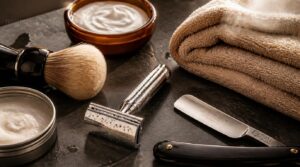
Most ingrown hairs don’t just happen — your razor is usually part of the problem. Small changes to how you shave can make a bigger difference than any product you put on afterward. Here’s what to fix first.
Choose Single-blade Razors
The razor you pick matters more than you’d think. A single-blade or safety razor controls blade exposure through its head geometry — closed-comb designs especially reduce how aggressively the blade contacts skin, which means less razor burn and fewer ingrown hairs.
Tool-free swapping keeps your maintenance routine easy, so there’s no excuse to keep shaving with a dull edge.
Apply Fragrance-free Shaving Cream
Think of shaving cream as your razor’s best ally. A quality fragrance-free shaving cream builds a thick, lubricating lather that lets the blade glide rather than drag — reducing friction, protecting skin, and softening hair so it cuts cleanly instead of bending back into the follicle.
Fragrance-free formulas are gentler on sensitive skin, lowering your skin irritation risk considerably.
Rinse Blade Every Stroke
After every stroke, rinse your blade under warm running water — it takes only a few seconds but makes a real difference. Between-stroke rinsing flushes out hair, lather, and skin debris before it packs into the cartridge slots.
If you’re dealing with hard-to-reach areas, a best men’s back shaver makes rinsing between passes just as easy while keeping the blade clear and cutting smoothly.
A clogged blade drags instead of cutting, which is a fast track to razor burn and skin irritation.
Replace Dull Blades Quickly
A dull blade is one of the sneakiest causes of ingrown hairs — and most people use theirs way too long. Sharpness warning signs are easy to spot: tugging, increased razor burn, and small nicks.
Here’s what a worn blade costs you:
- More friction and skin irritation
- Higher ingrown hair risk
- Jagged, uneven cuts that trap hair beneath the surface
Replace your blade promptly — don’t wait.
Store Razors Somewhere Dry
Where you store your razor matters more than most people realize. Leaving it in the shower — where steam and moisture linger — accelerates rust and dulls the blade faster, increasing your risk of razor burn and ingrown hairs.
| Storage Mistake | Better Alternative |
|---|---|
| Wet shower caddy | Ventilated stand outside shower |
| Flat on wet sink | Elevated, moisture-free holder |
| Closed drawer (damp) | Open wall-mount with razor airflow |
Dry storage solutions keep your sharp clean razor performing longer.
Exfoliate Without Irritating Skin

Exfoliating is one of the most effective ways to keep ingrown hairs from forming — but doing it wrong can leave your skin angrier than before. The goal is clearing dead skin cells without stripping or irritating the surface underneath. Here’s what actually works.
Use Salicylic Acid Exfoliants
Salicylic acid is one of the most reliable chemical exfoliants for tackling ingrown hair.
As a BHA, it’s oil soluble — meaning it can actually get inside a clogged follicle, not just skim the surface. It dissolves the debris trapping hair beneath your skin, clearing the path before an ingrown even forms.
Unlike surface exfoliants, salicylic acid penetrates inside clogged follicles to dissolve the debris that traps ingrown hairs before they form
Try Glycolic or Lactic Acid
If salicylic acid is your oil-clearing workhorse, glycolic and lactic acids are your surface smoothers — AHAs that lift dead skin cells away from hair follicles before they cause trouble.
Glycolic penetrates faster and hits harder; lactic acid is gentler, works more slowly, and actually pulls moisture into your skin, making it the smarter pick if your skin runs sensitive or dry.
Exfoliate Two to Three Times
Now that you know which acid suits your skin, the next question is how often to actually use it.
Two to three times per week is the sweet spot — enough to keep follicles clear without stripping your barrier. Oilier skin tolerates three sessions well; sensitive or dry skin should start at once weekly and build up gradually.
Exfoliate on non-shaving days when possible. Layering chemical or physical exfoliants on freshly shaved skin stacks friction and acid activity, which makes redness worse, not better.
Avoid Harsh Daily Scrubbing
Even the best exfoliating routine can backfire if your technique is too aggressive.
When exfoliating, use light pressure scrubbing with short, gentle strokes — your skin doesn’t need force to clear follicles. Stick to daily cleansing limits and use a soft cloth application rather than rough pads.
If redness appears, stop when red and give your skin time to settle.
Follow With Non-comedogenic Moisturizer
After exfoliating, your skin barrier is temporarily vulnerable — so sealing it with the right moisturizer matters.
Reach for a fragrance-free, non-comedogenic formula that won’t trigger pore clogging. Look for humectant water binders like glycerin or hyaluronic acid for lightweight skin hydration. Oil-free textures absorb quickly without heaviness, supporting barrier repair while keeping acne-prone skin clear.
Top 5 Ingrown Hair Products
Good habits matter, but the right products can make a real difference when ingrown hairs keep showing up. Whether you’re dealing with post-shave bumps or stubborn dark spots, there are a handful of tried-and-true options worth keeping in your routine.
Here are five products that actually earn their shelf space.
1. Topicals High Roller Ingrown Hair Serum
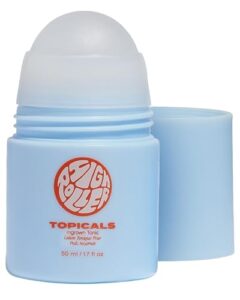
The Topicals High Roller Ingrown Hair Serum is a roll-on treatment that targets razor bumps with a blend of salicylic acid and glycolic acid — two exfoliants that work together to clear clogged follicles and fade dark spots left behind. It’s also formulated with niacinamide and centella asiatica to calm redness without the sting.
At $26 for 1.7 oz, it’s straightforward to use two to three times a week after shaving.
| Best For | Anyone dealing with razor bumps, ingrown hairs, or post-shave irritation on the face, underarms, bikini line, or legs — especially those with sensitive or hyperpigmentation-prone skin. |
|---|---|
| Primary Use | Ingrown hair and razor bump treatment |
| Key Ingredient | Salicylic acid and glycolic acid |
| Product Format | Roll-on serum |
| Net Volume | 1.7 fl oz |
| Target Area | Face, underarms, bikini line, legs, and neck |
| Skin Suitability | All skin types |
| Additional Features |
|
- Salicylic and glycolic acid work together to unclog follicles and fade dark spots left behind by ingrown hairs.
- Clean formula — no alcohol, fragrance, parabens, or synthetic dyes, so it’s gentle enough for sensitive skin.
- Roll-on applicator keeps things mess-free and hygienic, and the lightweight texture layers easily under moisturizer or sunscreen.
- Results aren’t guaranteed — some users see diminishing returns after a few months or no improvement at all.
- The acids can cause irritation, redness, or burning, so you have to ease into it and watch how your skin responds.
- At $26, it’s pricier than a lot of drugstore alternatives that tackle the same problem.
2. Paulas Choice Two Percent BHA Liquid Exfoliant
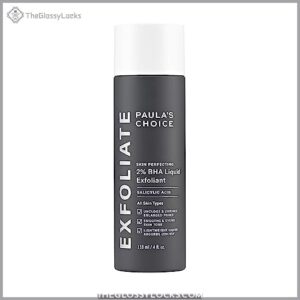
Paula’s Choice 2% BHA Liquid Exfoliant works deeper than a surface scrub — salicylic acid penetrates inside pores to break down the buildup that traps hairs before they can surface.
At $25.90 for 4 oz, it’s fragrance-free, non-abrasive, and gentle enough for daily use. Green tea extract keeps irritation low while the formula stays lightweight under makeup.
Start with a few times per week and always follow with sunscreen.
| Best For | Anyone dealing with clogged pores, blackheads, or uneven texture who wants a gentle, daily exfoliant that works without scrubbing. |
|---|---|
| Primary Use | Drawing out splinters and ingrown hairs |
| Key Ingredient | Ichthammol and Silicea |
| Product Format | Drawing salve ointment |
| Net Volume | 18 g |
| Target Area | Localized skin surface spots |
| Skin Suitability | General adult use |
| Additional Features |
|
- Gets inside the pore — not just the surface — to clear out buildup and reduce blackheads over time.
- Fragrance-free and lightweight, so it plays well with other products and sits comfortably under makeup.
- At $25.90 for 4 oz, it’s a solid value for a leave-on BHA that’s gentle enough for everyday use.
- The dispenser can get messy and waste product if you’re not careful with it.
- New users may notice some dryness or flaking in the first week or two while skin adjusts.
- Daily sunscreen becomes non-negotiable — salicylic acid increases sun sensitivity, so skipping SPF isn’t an option.
3. Aloe Hydrocortisone Itch Relief Cream
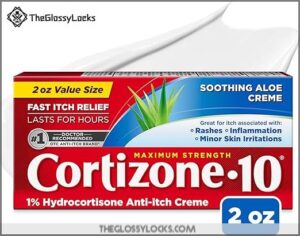
When ingrown hairs flare up red and itchy, this cream is the fastest calmer in the lineup. The 1% hydrocortisone — the maximum OTC strength — gets to work in about five minutes, dialing down inflammation and that maddening itch. It’s fragrance-free and dye-free, which matters when your skin is already irritated.
The added aloe barbadensis leaf juice keeps it soothing rather than harsh. Sensitive skin users should patch-test first, since the aloe formula can sting on raw or delicate areas.
| Best For | Anyone dealing with red, itchy ingrown hairs or reactive skin who needs fast, no-frills relief without added fragrance or dyes. |
|---|---|
| Primary Use | Overnight blemish spot treatment |
| Key Ingredient | Salicylic acid, sulfur, and zinc oxide |
| Product Format | Bi-phase spot treatment |
| Net Volume | 1 fl oz |
| Target Area | Face, back, chest, and neck |
| Skin Suitability | All skin types |
| Additional Features |
|
- Works fast — noticeable relief in about five minutes
- Fragrance-free and dye-free, so it won’t pile more irritants onto already-angry skin
- Compact size makes it easy to toss in a bag, travel kit, or first aid kit
- The aloe formula can sting on raw or sensitive skin, so a patch test is smart
- Not safe for kids under two
- At 2 oz, it’s convenient but won’t last long with frequent use
4. Billie AHA Ingrown Hair Spray
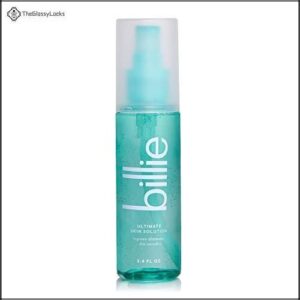
If razor bumps are your main complaint — not just the occasional itch — Billie’s AHA Ingrown Hair Spray might be your new go-to. At $17.17 for 3.4 fl oz, it combines AHAs, BHAs, and salicylic acid to dissolve surface buildup and clear out clogged follicles between shaves. The aloe vera blend keeps irritation low while the acids do their work.
The all-over spray nozzle makes coverage easy, even on hard-to-reach spots. Just spray from a distance — the chemical odor is strong up close.
| Best For | Anyone dealing with persistent razor bumps and ingrown hairs, especially in sensitive areas like the bikini line. |
|---|---|
| Primary Use | Pore exfoliation and blackhead reduction |
| Key Ingredient | 2% salicylic acid |
| Product Format | Leave-on liquid |
| Net Volume | 4 fl oz |
| Target Area | Face and body pores |
| Skin Suitability | All skin types |
| Additional Features |
|
- AHA, BHA, and salicylic acid combo actively dissolves buildup and clears clogged follicles
- Aloe vera keeps skin calm while the exfoliants do their thing
- Easy spray nozzle covers tricky spots quickly, no extra tools needed
- Strong chemical smell — spray from a distance and open a window
- Can sting on first use, especially if your skin isn’t used to chemical exfoliants
- Takes weeks of consistent use to see real results, so patience is a must
5. Thayers Original Witch Hazel Facial Toner
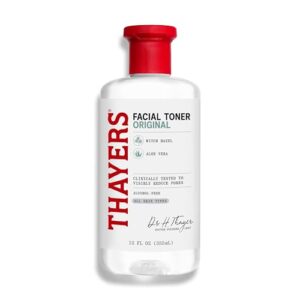
Sometimes the simplest ingredients work the hardest. Thayers Original Witch Hazel Facial Toner uses organic witch hazel, aloe vera, and glycerin — no alcohol — to soothe freshly shaved skin without stripping it dry. Witch hazel naturally calms redness, while aloe softens irritation and glycerin locks moisture in.
Swipe it on with a cotton pad after cleansing or shaving. It’s dermatologist tested, vegan-friendly, and gentle enough for daily use — a reliable, low-fuss step that keeps your skin balanced.
| Best For | Anyone who wants a simple, no-fuss toner to calm skin after shaving, control oil, or prep for makeup — especially those with sensitive or combination skin. |
|---|---|
| Primary Use | Minor wound infection prevention |
| Key Ingredient | Bacitracin zinc, neomycin, and polymyxin B |
| Product Format | Antibiotic ointment |
| Net Volume | 1 oz |
| Target Area | Minor cuts, scrapes, and burns |
| Skin Suitability | All ages for minor wounds |
| Additional Features |
|
- Alcohol-free formula soothes without drying — great for daily use
- Pulls triple duty as a toner, aftershave, and skin-prep step
- Dermatologist tested, vegan, and cruelty-free
- Some skin types may still need a moisturizer afterward
- Scent is subtle, which won’t appeal to everyone
- Packaging can vary, so what arrives may look different than expected
Treat Ingrowns Safely at Home
Most ingrown hairs don’t need a dermatologist visit — you can handle them safely at home if you know what you’re doing. The key is being patient and gentle, because rushing through this almost always makes things worse. Here are five steps that actually work.
Apply Warm Compresses

A warm compress is one of the simplest ways to calm an angry ingrown.
Soak a clean cloth in comfortably warm water — around 45°C — then wring it out and hold it gently against the area. Apply for 10–15 minutes, letting the heat soften the skin and ease inflammation around the follicle. Repeat a few times daily as needed.
Lift Visible Hair Gently

Once the compress has softened the skin, you can try gently lifting visible hair — but only if you can actually see the hair loop above the surface. Clean your hands first, then use lightly sterilized tweezers to nudge the strand free. Place the tips on the hair shaft, not into the skin, and lift slowly.
If it doesn’t move easily, stop. Forcing it risks tearing inflamed tissue around the follicle. After a successful lift, apply a non-comedogenic moisturizer to protect the spot and keep skin from cracking as it heals.
Avoid Digging or Popping

Once the hair is free, resist the urge to go further. Avoid digging or popping any bump you can’t visibly resolve — pressing into inflamed skin pushes bacteria deeper, worsens swelling, and raises your risk of permanent scarring. Picking also keeps the follicle irritated, prolonging healing.
If a bump stays painful, red, or warm, see a dermatologist instead.
Soothe Redness With Aloe

Once the bleeding stops — metaphorically speaking — aloe vera is your next move. Aloe’s cooling effect calms that raw, angry redness almost immediately, acting like a reset button for irritated skin.
Here’s what it does for you:
- Reduces inflammation-related redness without clogging follicles
- Hydrates as a lightweight humectant moisturizer
- Soothes sensitive skin gently post-removal
Patch test aloe first if your skin runs sensitive.
Watch for Infection Signs

Sometimes an ingrown hair stops being just a nuisance and starts becoming a real problem.
Watch for redness expansion beyond the original bump, pus formation (yellow or white discharge), increasing pain, or growing swelling. If you develop fever or chills, that’s your body signaling a deeper skin infection.
Don’t dig at it — see a dermatologist instead.
Choose Gentler Hair Removal Methods

Sometimes the razor just isn’t the right tool for your skin. If shaving keeps triggering ingrowns, switching your removal method entirely can make a real difference. Here are some gentler options worth considering.
Trim Instead of Shaving
Swapping your razor for a trimmer is one of the smartest moves you can make for ingrown-prone skin. Unlike shaving, the guarded trimming technique cuts hair above the skin surface — so the tip never gets sharp enough to curl back under.
Here’s how to do it right:
- Trim dry hair only — wet strands clump and cut unevenly.
- Start with a longer guard, then reduce gradually.
- Trim in the direction of hair growth to avoid snagging.
- Use short, controlled strokes across the area.
- Clean blades after every session to prevent buildup and bacteria.
After trimming, rinse with cool water, pat dry gently, and apply a fragrance-free moisturizer to keep your skin barrier comfortable.
Use Electric Trimmers
Electric trimmers — whether corded or cordless — are a genuinely skin-friendly alternative to traditional razors. Instead of cutting flush with the skin, oscillating blades stay surface-level, leaving just enough stubble to prevent sharp, re-entering tips.
Start with a longer guard setting, then step down gradually until you find your comfort zone. Always trim dry skin only, clean the blade head after every session, and make sure your battery is fully charged before you start.
Consider Depilatory Creams
Depilatory creams work differently than razors — instead of cutting, thioglycolate chemistry dissolves the keratin bonds holding hair together, so it wipes away cleanly at or just below the skin surface. No sharp edge, no re-entry risk.
Use them right by following these basics:
- Patch test first on a small area — sensitive skin can react even when directions are followed correctly.
- Follow labeled contact time exactly; leaving cream on too long causes chemical burns.
- Choose area-specific formulas — facial skin and bikini skin need gentler concentrations than legs.
- Moisturize after removal using a non-comedogenic formula to replace lost hydration.
Regrowth comes back tapered rather than blunt, which naturally lowers your ingrown risk.
Wax at Proper Hair Length
Waxing is one of the gentler options for keeping ingrown hairs at bay — but only when your hair is the right length. Too short, and the wax can’t grip; too long, it won’t reach the base evenly. Aim for about ¼ inch — roughly the size of a grain of rice — before your appointment.
Ask About Laser Removal
If you’re tired of the ingrown hair cycle, laser hair removal may be worth asking your dermatologist about. It targets melanin in the follicle using light wavelengths between 600 and 1200 nanometers, gradually reducing hair density over multiple sessions. Here’s what to know before booking:
- Multiple sessions are needed — hair grows in cycles, so each appointment targets actively growing follicles
- Cooling systems keep the experience tolerable, managing heat and protecting surrounding skin
- Patient screening matters — your skin tone, hair color, and medical history all affect which settings are safe
- Side effects are real — temporary redness, irritation, or hyperpigmentation can occur without proper aftercare
- Results vary — response depends on the treatment area and your individual hair growth pattern
A good skin care routine post-treatment — gentle cleansing, moisturizing, and sun protection — promotes healing and helps you get the most out of every session.
Frequently Asked Questions (FAQs)
Are certain skin tones more prone to ingrown hairs?
Yes — darker skin tones are more prone to ingrown hairs and their aftermath. Post-inflammatory hyperpigmentation often lingers longer, leaving stubborn dark marks even after the ingrown itself clears.
Knowing how to tell the difference between a keloid and a piercing bump can save you from mistaking a raised scar for a simple ingrown hair, especially on melanin-rich skin where both appear more frequently.
Do hormones or medications affect ingrown hair frequency?
Hormones absolutely play a role. Androgen levels can change how your follicles behave, and medications like retinoids or antiandrogens shift that further — making ingrowns more or less frequent depending on your body’s chemistry.
When should you see a doctor for ingrown hairs?
See a healthcare provider if you notice pus drainage, fever or chills, hot swelling, or severe pain. Recurring ingrown episodes also warrant dermatological care before infection or scarring develops.
Conclusion
You might think that having coarse or curly hair means ingrown hairs are just an unavoidable part of your grooming routine — but that’s not really the whole story.
The best way to prevent ingrown hairs is simply to be more deliberate about your daily approach: sharper blades, chemical exfoliants, and consistent aftercare add up more quickly than you’d expect.
Your skin isn’t working against you. Give it the right conditions, and it’ll work with you.