This site is supported by our readers. We may earn a commission, at no cost to you, if you purchase through links. This content is for general informational and educational purposes only and is not a substitute for professional medical, dermatological, or nutritional advice.
Grab any random tub of protein powder off the shelf, and there’s a decent chance it was formulated with a 190-pound male athlete in mind, not you. That matters, because your protein needs shift with hormonal cycles, muscle recovery patterns, and goals that range from postpartum healing to better sleep.
I’ve tested dozens of these products over the years, both for clients and myself, and the differences in quality, digestibility, and actual nutrition science are bigger than most labels let on. The right protein powders for women should fit your life, not force you to adapt to a bro-science formula.
Here’s what stood out, scoop by scoop.
Table Of Contents
- Key Takeaways
- Top 10 Protein Powders for Women
- 1. Orgain Organic Vegan Chocolate Protein Powder
- 2. Thorne RecoveryPro Whey Protein Powder
- 3. Ka’Chava Whole Body Meal Shake Chocolate
- 4. Ascent Unflavored Whey Protein Isolate Powder
- 5. Ascent 100% Whey Protein Powder Chocolate
- 6. NOW Sports Pea Protein Powder Unflavored
- 7. Gnarly Nutrition Chocolate Protein Powder
- 8. Ritual Pea Protein Powder BCAA
- 9. Vega Protein + Recovery Vanilla Plant Protein
- 10. Vital Proteins Unflavored Collagen Peptides Powder
- Key Benefits of Protein for Women
- Whey Vs Plant-Based Protein Powders
- Specialized Protein Powders for Women
- How to Choose The Right Protein Powder
- Comparing Nutrition and Additives
- Flavor Profiles and Mixability
- Protein Powder Use Cases for Women
- Subscription Models and Cost Savings
- Frequently Asked Questions (FAQs)
- What is the best type of protein powder for a woman?
- Is protein powder good for females?
- What protein powder is best for women over 50?
- What are the top 3 best protein powders?
- How much protein powder should women take daily?
- Is it safe to mix protein powder with milk?
- What time of day is best for protein powder?
- Conclusion
Key Takeaways
- Your protein needs aren’t the same as a 190-pound male athlete’s, so look for a powder that matches your hormones, recovery patterns, and goals instead of a generic formula.
- Hitting 20-30 grams of protein with at least 2.5 grams of leucine within 30 minutes after a workout can boost muscle synthesis by up to 50%, and whey isolate reaches that threshold faster than most plant blends.
- Whey and plant proteins both build muscle, but whey wins on speed and amino acid completeness while plant blends (like pea plus rice) close the gap when properly combined.
- Beyond muscle, protein shapes your hormones, appetite, energy, and even skin and hair health, so choosing the right powder can support a lot more than just your workouts.
Top 10 Protein Powders for Women
Finding the right protein powder can feel overwhelming with so many options claiming to be "the best," but I’ve tested and researched enough tubs to know what actually holds up.
Before diving into my picks, check out this beginner’s guide to protein powder to understand exactly how it supports muscle recovery and daily protein goals.
Below, you’ll find ten picks that stand out for protein quality, ingredients, and taste, whether you’re refueling after a workout or replacing a meal.
Let’s break down each one so you can pick what fits your goals.
1. Orgain Organic Vegan Chocolate Protein Powder
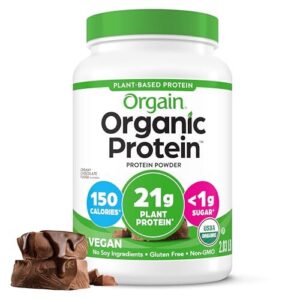
If you want plant-based protein without the chalky compromise, Orgain’s chocolate mix is worth the shelf space. You’re getting 21 grams of organic protein per serving from peas, brown rice, and chia, plus 5 grams of fiber that actually aids digestion instead of causing bloat.
At roughly $1.55 per serving, it’s priced for daily use, not special occasions. USDA Organic and Non-GMO Verified certifications back up the label—no vague "natural" marketing here, just ingredients you can actually pronounce.
| Best For | Active men and women following plant-based lifestyles who want a convenient, organic protein boost to support muscle recovery and daily nutrition. |
|---|---|
| Protein Type | Plant-based (pea, rice, chia, mung bean) |
| Protein Per Serving | 21g |
| Container Size | 2.03 lb |
| Gluten-Free | Yes |
| Sugar Content | 0g |
| Mixability | Can be chalky with water |
| Additional Features |
|
- 21g of organic plant-based protein per serving from peas, brown rice, chia seeds, and mung bean
- 7g of prebiotic fiber with 0g sugar to support digestion and satiety
- USDA Organic, vegan, gluten-free, kosher, and non-GMO with no artificial additives
- Some users notice a chalky texture or aftertaste, especially when mixed with just water
- The scoop can be hard to find at first since it settles in the container
- At 150 calories per serving, it runs higher than some competing protein powders, which may not fit low-calorie diets
2. Thorne RecoveryPro Whey Protein Powder
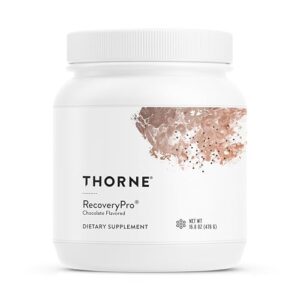
If Orgain is your daytime staple, Thorne RecoveryPro earns its spot in your nightstand drawer. Each serving packs 13 grams of whey protein with BCAAs for muscle repair, plus PharmaGABA and L-tryptophan to ease you into sleep.
It’s NSF Certified for Sport, screened for nearly 300 banned substances—athletes take note. At $4.50 per serving, it’s pricier than average, and the gums in the formula aren’t everyone’s favorite. With only 12 servings per container, this one’s a supplement, not a staple.
| Best For | Athletes and active adults who want a nighttime whey protein that supports muscle recovery while also helping them wind down and sleep better. |
|---|---|
| Protein Type | Whey |
| Protein Per Serving | 13g |
| Container Size | 1.39 oz |
| Gluten-Free | Not specified |
| Sugar Content | Not specified |
| Mixability | Mixes into shakes |
| Additional Features |
|
- 13g of whey protein with BCAAs per serving to support muscle repair
- PharmaGABA and L-tryptophan blend promotes restful sleep and next-day alertness
- NSF Certified for Sport, tested for nearly 300 banned substances
- Premium price point compared to standard whey protein powders
- Only 12 servings per container, so it runs out faster than expected
- Contains gums, which some users may want to avoid
3. Ka’Chava Whole Body Meal Shake Chocolate
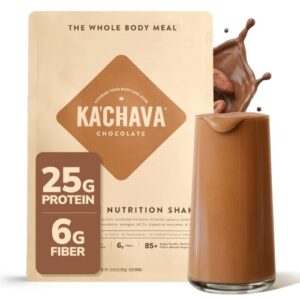
Whey works for recovery, but sometimes you want a shake that replaces a whole meal without the fuss. That’s where Ka’Chava Whole Body Meal Shake steps in, delivering 25 grams of pea protein isolate alongside brown rice, chia, quinoa, and amaranth for a fuller amino acid spread.
Spinach, kale, and beets add micronutrients, while 5 grams of fiber and just 1 gram of sugar keep things balanced. At 210 calories a scoop, it’s built for busy mornings, not snack breaks.
| Best For | People who want a quick, plant-based meal replacement packed with extra nutrients for busy mornings or on-the-go lifestyles. |
|---|---|
| Protein Type | Plant-based (pea, sacha inchi, rice, amaranth, quinoa) |
| Protein Per Serving | 25g |
| Container Size | 2 lb |
| Gluten-Free | Yes |
| Sugar Content | Not specified |
| Mixability | Can be gritty if underblended |
| Additional Features |
|
- Delivers 25g of complete plant protein from a diverse blend of pea, sacha inchi, rice, amaranth, and quinoa
- Packs in 85 superfoods, probiotics, and digestive enzymes to support gut health and steady energy
- Free from gluten, dairy, soy, GMOs, and artificial additives
- At 240 calories per serving, it may not be filling enough as a full meal for everyone
- Costs more than typical protein powders or basic meal replacement options
- Can turn out chalky or gritty if not mixed with enough water or blended well
4. Ascent Unflavored Whey Protein Isolate Powder
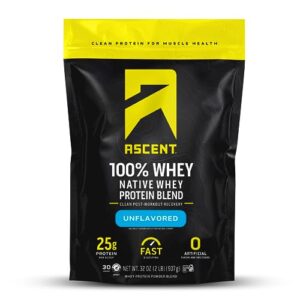
Sometimes a meal shake isn’t the goal, though, and you just want a plain, no-nonsense protein boost you can control yourself. Ascent Unflavored Whey Protein Isolate Powder delivers 25 grams of protein per scoop with 5.5 grams of BCAAs and 2.7 grams of leucine, dissolving in cold water within 60 seconds flat.
It’s NSF Certified for Sport and Informed-Sport tested, so athletes can trust what’s inside. Under 0.1 g lactose per serving makes it gentle, even if it’s not truly dairy-free.
| Best For | Gluten-sensitive individuals and clean-eating enthusiasts who want a flavorless, versatile protein isolate they can mix into anything from smoothies to oatmeal. |
|---|---|
| Protein Type | Whey Isolate |
| Protein Per Serving | 25g |
| Container Size | 2 lb |
| Gluten-Free | Yes |
| Sugar Content | Not specified |
| Mixability | Blends seamlessly |
| Additional Features |
|
- 25g of fast-digesting whey isolate protein per scoop supports post-workout muscle recovery
- Neutral, unflavored taste blends seamlessly into a variety of foods and drinks
- Free from artificial flavors, sweeteners, and gluten
- Not suitable for those with dairy allergies or lactose intolerance
- Unflavored nature may require added ingredients for better taste
- Priced higher than standard whey concentrate options
5. Ascent 100% Whey Protein Powder Chocolate
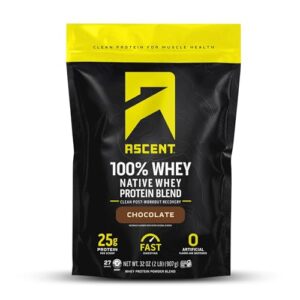
If chocolate is more your speed, Ascent’s flavored whey isolate still packs 25 grams of protein per scoop, along with 4.5 grams of leucine, so you’re getting real muscle-repair power, not just flavor.
Made from cocoa, stevia, and sucralose with just 2 grams of sugar and 130 calories, it mixes clean in water within 15 seconds, no grittiness.
Heads up, though: this flavor contains soy, so it’s not right if you’re avoiding it.
| Best For | Athletes and fitness enthusiasts who want a clean, minimally processed whey protein to support post-workout muscle recovery without artificial flavors or sweeteners. |
|---|---|
| Protein Type | Native Whey |
| Protein Per Serving | 25g |
| Container Size | 2 lb (32 oz) |
| Gluten-Free | Yes |
| Sugar Content | Not specified |
| Mixability | Doesn’t mix with hot liquids |
| Additional Features |
|
- Delivers 25g of protein and 2.6g of leucine per scoop for effective muscle repair and growth
- Made with native whey and free from artificial flavors or sweeteners, plus it’s Certified Gluten Free
- Mixes easily into smooth shakes with water or milk
- Contains soy, so it’s not suitable if you’re avoiding soy-based ingredients
- Doesn’t work well with hot liquids, as it can curdle or cook
- Costs more than standard whey protein powders
6. NOW Sports Pea Protein Powder Unflavored
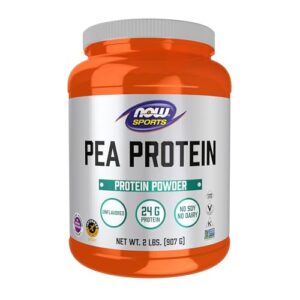
Purists who want zero flavor games will like this one. NOW’s pea isolate delivers 21 grams of complete protein per 30-gram scoop, with a PDCAAS of 0.91 and 90% digestibility, so your body actually uses what you’re drinking.
It’s dairy, soy, and gluten-free, plus NSF Certified for Sport and Informed Sport tested, meaning it’s safe for competitive athletes. At 120 calories with just 0.5g sugar, it’s clean fuel. It won’t taste like much, but that’s the point.
| Best For | Purists and competitive athletes who want a clean, unflavored pea protein without added sugars or artificial flavoring. |
|---|---|
| Protein Type | Pea Protein Isolate |
| Protein Per Serving | 24g |
| Container Size | 2 lb (32 oz) |
| Gluten-Free | Not specified |
| Sugar Content | Not specified |
| Mixability | Chalky/gritty texture |
| Additional Features |
|
- Delivers 21 grams of complete protein per scoop with strong digestibility (PDCAAS of 0.91, 90% digestible)
- NSF Certified for Sport and Informed Sport tested, making it safe for tested athletes
- Dairy, soy, and gluten-free with low sugar and calorie content
- Earthy, pea-like taste that some may find hard to mask, even unflavored
- Can turn chalky or gritty when mixed with liquid alone
- Fine powder consistency may cause static cling during scooping or mixing
7. Gnarly Nutrition Chocolate Protein Powder
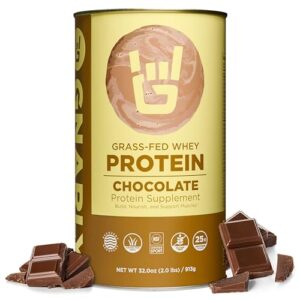
Recovery hounds, this one’s for you. Gnarly’s formula delivers 25 grams of grass-fed whey isolate per scoop, plus MCTs and omega-3s for lasting energy, not just a protein spike.
What sets it apart is the built-in digestive support: pre/probiotics and enzymes mixed right in, so you skip the bloat some whey powders cause. It mixes clean in water or shakes, though a few users note issues with almond butter blends or damaged Amazon shipments. Still, for post-workout repair, it’s a gut-friendly powerhouse worth the shelf space.
| Best For | Athletes and gym-goers who want a stomach-friendly recovery shake without sacrificing a full 25g protein dose. |
|---|---|
| Protein Type | Whey (Grass-fed) |
| Protein Per Serving | 25g |
| Container Size | 32 oz |
| Gluten-Free | Not specified |
| Sugar Content | Not specified |
| Mixability | Mixes easily with water |
| Additional Features |
|
- 25 grams of grass-fed whey isolate per serving supports muscle repair and recovery
- Built-in pre/probiotics and digestive enzymes make it easier on the stomach
- Mixes smoothly with just water or a shake, no clumping hassle
- Can cause bloating when combined with certain add-ins like almond butter
- Sometimes arrives in plastic bags rather than the advertised steel tin
- Amazon shipments have occasionally damaged the container in transit
8. Ritual Pea Protein Powder BCAA
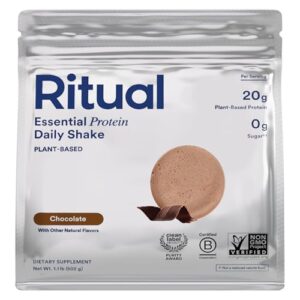
Want your BCAAs spelled out to the milligram? Ritual delivers 20 grams of pea protein and 2.5 grams of BCAAs in a 2:1:1 ratio, with 5 grams of leucine, enough to hit the muscle-protein-synthesis threshold.
The peas are Canadian-grown, non-GMO, and organic, processed for under 1% residual oligosaccharides, so digestion stays gentle. You’re also getting 100% DV vitamin B12 and 15% DV iron per scoop.
It mixes clean in almond milk within 30 seconds, no grit, just a light stevia sweetness.
| Best For | athletes and vegan or dairy-sensitive fitness enthusiasts who want a rigorously tested, high-purity plant protein to support muscle recovery and lean muscle formation. |
|---|---|
| Protein Type | Organic Pea Protein |
| Protein Per Serving | 20g |
| Container Size | 1 lb (16 oz) |
| Gluten-Free | Yes |
| Sugar Content | 0g |
| Mixability | Smooth texture in shaker |
| Additional Features |
|
- 20g of organic pea protein with a complete amino acid profile, including 1785mg of leucine per serving
- Informed Sport Certified and screened for 250 banned substances, making it a trusted choice for competitive athletes
- Sugar-free, gluten-free, dairy-free, soy-free, and non-GMO, with a Clean Label Project Purity Award for low heavy metals
- Higher price point compared to other vegan protein powders on the market
- Contains coconut oil and xanthan gum, which some users may prefer to avoid
- Not a reduced-calorie option, even though it’s sugar-free
9. Vega Protein + Recovery Vanilla Plant Protein
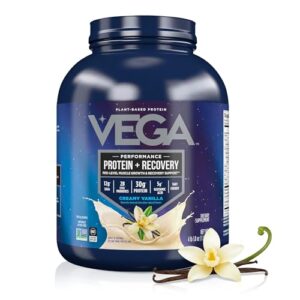
Post-workout recovery gets a plant-based upgrade here: 30 grams of protein from pea, pumpkin seed, and organic brown rice, plus 5 grams of BCAAs and tart cherry powder for muscle repair.
You’ll also get 1 billion CFUs of probiotics via Bacillus Subtilis DE111, though that’s lighter than some competitors. Sweetened with stevia, thickened with xanthan gum, and mixed with 12 oz of water or plant milk, it’s genuinely dairy-free without leaning on whey. Just watch for cross-contact labeling if you’re allergen-sensitive.
| Best For | Athletes and active individuals seeking a NSF Certified for Sport, dairy-free, gluten-free plant protein to support muscle recovery and digestive health. |
|---|---|
| Protein Type | Plant-based (pea, pumpkin seed, sunflower seed) |
| Protein Per Serving | 30g |
| Container Size | 65.6 oz |
| Gluten-Free | Yes |
| Sugar Content | Sweetened with stevia |
| Mixability | May require blender to avoid chalkiness |
| Additional Features |
|
- 30g of plant-based protein per serving from pea, pumpkin seed, and sunflower seed, plus 5g BCAAs
- NSF Certified for Sport, so it’s tested for banned substances and safe for competitive athletes
- Includes 2 billion CFUs of probiotics and added fiber to support digestive comfort
- Some batches have inconsistent texture, ranging from clumpy to overly fine "protein dust"
- Mixability can vary, sometimes requiring a blender to avoid a chalky texture
- Premium pricing may make it less accessible for everyday use compared to other plant proteins
10. Vital Proteins Unflavored Collagen Peptides Powder
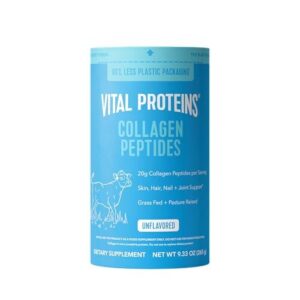
This isn’t a protein powder in the traditional sense—it’s a collagen play, delivering 9 grams of protein per 11-gram scoop from grass-fed bovine hide.
Types I and III collagen dissolve fast (30 seconds in hot water) and stay flavorless, so it slides into coffee or oatmeal unnoticed. You won’t get complete amino acids like whey offers, but for hair, skin, nail, and joint support, this fills a different role. At roughly 50 servings per container, it’s a solid add-in, not a standalone shake.
| Best For | People who want an easy, flavorless way to support hair, skin, nail, and joint health without changing the taste of their coffee, smoothies, or oatmeal. |
|---|---|
| Protein Type | Collagen (Bovine Hide) |
| Protein Per Serving | N/A |
| Container Size | 9.33 oz |
| Gluten-Free | Yes |
| Sugar Content | 0g |
| Mixability | Dissolves in hot and cold drinks |
| Additional Features |
|
- Dissolves quickly in both hot and cold drinks with no altered taste
- Paleo-friendly, dairy-free, gluten-free, and free of added sugar
- Sourced from grass-fed, pasture-raised bovine hides for cleaner ingredients
- No scoop included, making consistent serving sizes harder to measure
- Can clump in cold liquids if not stirred or shaken well
- Smaller container may run out quickly with daily use
Key Benefits of Protein for Women

Protein does a lot more for your body than just help you build muscle, though that’s usually where the conversation starts. As a dietitian, I’ve seen it play a role in everything from your mood to your metabolism, and honestly, most women are surprised by the full list. Here’s what’s actually happening inside your body when you make protein a priority.
Muscle Recovery and Growth
Your muscles rebuild in the hours after training, and timing matters: 20-30 grams within 30 minutes can boost synthesis by 50%. That’s the leucine threshold—2.5 grams triggers real growth. Whey isolate hits this in one scoop; plant blends often need a boost.
Pair smart training volume with consistent intake, and recovery becomes your superpower.
Hormonal Balance
Rebuilding fibers is only half the story—your hormones run the show behind the scenes. Whey’s cysteine content feeds glutathione, easing cortisol spikes, while pea protein’s arginine helps insulin sensitivity. Choline in shakes like Ritual (250mg) backs neurotransmitter production; tryptophan aids serotonin, even melatonin regulation. Ingredients like PharmaGABA and prebiotics for gut microbiome balance? That’s chemistry working for you, not against you.
Weight Management
Hormones set the stage, but appetite is where the real battle happens.
A 30g whey serving delivers satiety that beats carb snacks by 45%, while pea protein blends trim daily intake by roughly 180 calories.
Swap a snack for a 25g shake and you’ll likely see blood glucose spikes drop 25% — steady energy, fewer cravings, real weight management.
Energy and Metabolism
Beyond the scale, protein fuels the engine itself. Amino acids feed ATP production pathways, supporting mitochondrial efficiency and smarter fuel switching between glucose and fat.
- Steadier ATP output
- Better fuel switching
- Enzyme regulation support
- Balanced energy
A 25g shake with BCAAs aids energy and recovery, giving your metabolism boost real staying power—not just a caffeine-style spike, but genuine cellular fuel.
Skin, Hair, and Nail Health
Since collagen makes up roughly 70% of your skin’s dry weight, protein isn’t just for muscle—it’s a genuine skinsupporting ingredient fueling collagen synthesis, keratin production, and hair and skin growth.
With collagen making up 70% of your skin’s dry weight, protein fuels far more than muscle—it builds skin, hair, and nails too
| Nutrient | Role | Food Source |
|---|---|---|
| Vitamin C | Collagen protein stabilization | Citrus, peppers |
| Zinc | Zinc for nails, keratin | Oysters, pumpkin seeds |
| Biotin | Biotin benefits for hair | Eggs, nuts |
Whey Vs Plant-Based Protein Powders
Whey and plant-based powders both build muscle, but they get there in pretty different ways, and knowing those differences helps you pick what fits your body and your diet. Some women swear by whey’s fast absorption, while others need a dairy-free option that still delivers complete amino acids.
Here’s how the two really compare, so you can choose with confidence instead of guessing.
Whey Protein Isolate Advantages
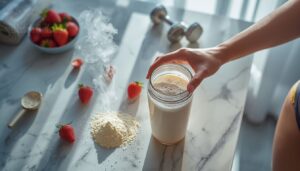
Whey protein isolate is the sword you sharpen for muscle command: high protein purity (90%), under 1g lactose, and fast absorption hitting peak amino acids in 30 minutes. Promix delivers 30g grassfed whey protein isolate per serving with third-party testing.
Expect a leucine boost (~2.5g) fueling muscle recovery support—ideal if lactose intolerance derails other powders.
Plant Protein for Vegan Diets
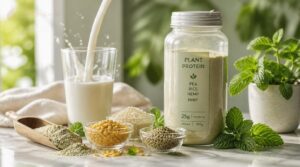
Plants pack more power than skeptics assume. Organic pea protein delivers 25g per scoop with real Nutrient Density, while rice-hemp combinations add omega-3s.
| Combination | Protein/Serving |
|---|---|
| Pea Isolate | 25g |
| Rice-Hemp | 22g |
| Rice | 22g |
| Hemp | 10g |
| Pea+Fiber | 25g |
Vegan Certification and third-party testing matter—check labels. Plant Sourcing also slashes your Environmental Footprint dramatically.
Amino Acid Completeness
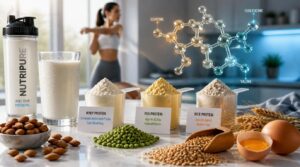
Not all proteins are created equal—your body needs all nine essential amino acids to build muscle. PDCAAS scores this: whey hits 1.00, pea protein alone lags, but blending pea with rice creates a complete amino acid profile. Whey’s 2.5g leucine per scoop beats pea’s 1.8g, so if you go plant-based, look for BCAA-boosted blends to match whey’s muscle-building punch.
| Protein | Leucine/30g |
|---|---|
| Whey Isolate | 2.5g |
| Casein | 1.8g |
| Pea | 1.8g |
Digestibility and Gut Health
Bloating after your shake isn’t random—it’s chemistry. Fiber-heavy blends like Orgain’s 5g chicory inulin can trigger gas in sensitive guts, while NOW’s pea isolate stays low-FODMAP at 0.3g. Enzyme blends (protease, bromelain) boost amino acid digestibility from 85% to 95%.
| Powder | Fiber | FODMAP |
|---|---|---|
| Orgain | 5g | Higher |
| NOW Pea | <1g | 0.3g |
Allergen Concerns
Reading labels isn’t optional here—hidden allergen sources hide in "natural flavors" or vague "enzyme mixtures." Ascent’s whey shares equipment with soy; Vega’s plant mixture risks sesame traces. Look for allergen-free certifications like NSF or Informed Sport, guaranteeing facility processing controls.
| Powder | Risk | Certification |
|---|---|---|
| Thorne | Tree nuts | NSF Sport |
| Ritual Pea | Peanuts | Informed Sport |
| NOW Pea | Legume allergy | Gluten-free |
Specialized Protein Powders for Women

Not every protein powder is built for general, everyday use, and honestly, that’s a good thing when your needs are anything but general.
Whether you’re growing a baby, rebuilding tissue, or just trying to sleep better after a hard workout, there’s likely a formula designed with your exact goal in mind.
Here’s where things get specific.
Prenatal and Postpartum Formulas
Motherhood rewrites your nutrient math overnight, and prenatal formulas answer with 800mcg folic acid, 27mg iron, 200mg DHA, plus 1000 IU vitamin D. Postpartum blends pivot to repair: 25g protein, 500mg vitamin C, choline for brain development. Look for:
- Third-party tested purity
- Complete amino acid profile
- Digestive enzymes for easier absorption
Small print, big payoff.
Collagen for Skin and Joints
Once the baby’s nutrient math settles, your skin and joints start asking questions of their own—that’s where collagen protein steps in. Type I collagen builds skin elasticity; Type II cushions cartilage. Hydrolyzed bovine peptides (2-5 kDa) absorb fast, boosting hydration 20% in eight weeks at 10-12g daily. Pair with vitamin C—synthesis jumps 25%.
Sleep and Recovery Blends
Once your skin’s glowing, the next frontier is rest itself—because muscle repair doesn’t clock out at night. A nighttime protein mix with 10g micellar casein releases amino acids slowly for overnight muscle recovery, while melatonin magnesium support (3mg melatonin, 200mg magnesium bisglycinate) plus valerian root improve sleep quality.
- Take 30 minutes before bed
- Look for third-party testing
- Skip stimulant adaptogens at night
All-in-one Nutrition Shakes
Sleep covered, mornings need fuel too. That’s where Ka’Chava’s All-In-One Nutrition Shake earns its keep: 25g protein per serving from pea, brown rice, and quinoa, plus prebiotics, probiotics, and adaptogens for stress relief.
At $3.99-4.66 per serving, it’s pricier, but clean label ingredients and third-party testing justify it as a genuine meal replacement, not just a shake.
How to Choose The Right Protein Powder

With so many tubs promising the world, picking the right one comes down to a handful of factors that actually matter. You don’t need to memorize every ingredient label, but knowing what to check for saves you money and guesswork. Here’s what I look at before any protein powder earns a spot in my cart.
Protein Content Per Serving
The number on the label only tells half the story—scoop size changes everything. 20 grams of protein in a small scoop can beat 25 grams in a bulkier one, calorie-for-calorie.
Check these before buying:
- Grams per scoop (20-30g range)
- Serving size in grams
- Protein-to-calorie ratio (aim for 20-25%)
- Daily intake contribution (40-84% of your 50g goal)
Ingredient Transparency
Read the ingredient panel like a detective, not a skimmer. Label clarity means every gram is named, not buried.
Orgain lists pea protein isolate first (5g); Vega discloses pea, pumpkin seed, and alfalfa juice powder down to the gram. No proprietary blends hiding mystery mixes—just honest ingredient sourcing and sweetener transparency you can actually verify before trusting what’s in your shaker.
Certifications and Third-party Testing
Because supplement labels aren’t regulated the way drugs are, third-party testing is your real proof. Look for NSF Certified for Sport, which screens for 200+ banned substances, or USP Verified and Informed Sport seals confirming batch-level purity.
Thorne carries NSF certification; Promix uses Eurofins and Covance labs. Non-GMO Project and Gluten-Free verification add extra trust layers worth checking before you buy.
Flavor and Mixability
Taste can make or break whether you actually finish the tub. Chocolate masks earthy plant notes best, while vanilla blends into smoothies and oats. Try these:
- Mix with milk for creamier texture
- Shake, then rest 1-2 minutes before drinking
- Go unflavored for total recipe control
Stevia leaves an herbal aftertaste; erythritol cools the tongue. Choose accordingly.
For those seeking plant-based options, Orgain offers a variety of organic plant based protein powder that helps with daily nutrition and fitness goals.
Price and Value
Cheap isn’t always a bargain—value per gram matters more than sticker price. Ka’Chava runs $4.66 (or $3.99 subscribed) with 25g protein; Promix stays at $1.29 unflavored.
| Brand | Cost/Serving | Protein |
|---|---|---|
| Promix | $1.29 | 30g |
| Orgain | $1.55 | 21g |
| Ka’Chava | $3.99-4.66 | 25g |
| Thorne | $4.50 | 25g |
Third-party certification justifies premiums; subscriptions save 10-30%.
Comparing Nutrition and Additives
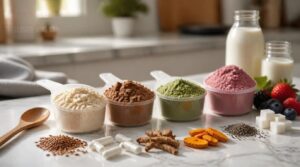
Protein grams only tell you part of the story, since what’s mixed in alongside it can matter just as much for how you feel and function.
Some powders sneak in gut-friendly fiber and enzymes, others lean on adaptogens or extra micronutrients, and a few still hide more added sugar than you’d expect.
Here’s how these extras stack up across the picks on this list.
Fiber and Prebiotics
Bloating after a shake usually comes down to fiber, or lack of it. Fiber blends vary widely: Orgain and Vega pack 5g using oat, flaxseed, and chicory inulin, Ka’Chava adds acacia gum, while Ritual and Gnarly offer 3g each.
- Oat fiber feeds Bifidobacterium
- Inulin boosts Lactobacillus
- Acacia gum aids short-chain fatty acids
- Pea fiber helps F. prausnitzii
These prebiotics genuinely support digestive comfort and gut health.
Digestive Enzymes
Fiber sets the stage, but digestive enzymes finish the job by breaking food into absorbable pieces.
| Enzyme | Target | Where It Works |
|---|---|---|
| Amylase | Carbs | Mouth |
| Protease | Protein | Stomach/intestine |
| Lipase | Fats | Small intestine |
pH shifts along that path change enzyme efficiency, which affects bloating reduction more than protein grams or price per serving ever will.
Adaptogens and Micronutrients
Once digestion’s handled, some brands go further, adding adaptogens and micronutrients for stress and immune support. Orgain’s 20mg ashwagandha pairs with 30% DV vitamin D; Thorne’s cordyceps meets 100% DV B12.
- Ka’Chava: reishi + iron (25% DV) for oxygen transport
- Gnarly: rhodiola + zinc (88% DV) for stress balance
- Vega: holy basil + vitamin C (40% DV), CO2-extracted
Sugar and Sweetener Content
Sweeteners matter as much as adaptogens do. Ka’Chava leans on coconut sugar and monk fruit; Ascent Chocolate uses only sucralose, zero sugar. Ascent Unflavored and Essential Proteins Collagen sit at 0g sugar.
| Type | Example |
|---|---|
| Natural | Monk fruit, stevia |
| Artificial | Sucralose, Ace-K |
Check labels—added sugars and sugar alcohols hide easily behind "natural flavor" claims.
Flavor Profiles and Mixability
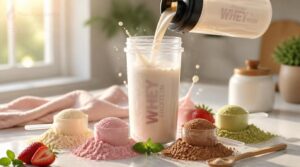
Let’s be honest: if a protein powder tastes chalky or gritty, it doesn’t matter how good the label looks, because it’s ending up in the back of your pantry. Taste and texture are personal, and what blends smooth for one person might clump up for another. Here’s what you can expect from the flavor and mixability side of these top picks.
Chocolate and Vanilla Options
Chocolate and vanilla aren’t just flavors here—they’re formulas. Cocoa source matters: Orgain uses fair-trade Peruvian cocoa (21g protein), while Ka’Chava blends 30% cacao with vanilla bean for balance.
- Orgain: 50% cocoa, dairy-free
- Thorne: cocoa nibs, 15g whey
- Ascent: 24g whey, oat fiber
Vanilla options like Orgain’s vanilla bean powder skip harsh sweeteners, keeping taste clean without overpowering aftertaste.
Unique and Seasonal Flavors
Once you’ve mastered the basics, seasonal drops turn protein powder into something you actually look forward to.
Think Holiday Limited Editions like peppermint mocha, Regional Harvest Blends with pumpkin and maple walnut, Fruit Herb Combos like mango chili, Spice Autumn Profiles with chai and turmeric, and Tropical Summer Runs like piña colada—proof that flavor variety and smart mixability don’t have to sacrifice your taste preference.
Unflavored for Custom Recipes
If you’d rather build your own flavor than pick from a menu, the unflavored version is your blank canvas.
Ascent’s unflavored whey holds up when baked at 350°F for 30 minutes, while NOW Sports pea protein blends into batter at 300°F without curdling—ideal for recipe customization, flavor layering, and dialing in your own taste from scratch.
Texture and Blendability
Grit ruins a shake faster than bad flavor ever could. Whey isolate’s fine 250-micron particles dissolve in 20 seconds flat, while pea protein’s chunkier 350-micron grind needs 45 seconds and often leaves grit behind in smoothies.
- Whey: silky, low-viscosity (120 cP in milk)
- Pea: thicker, higher foam volume
- Cold blends: whey clarity beats pea’s cloudiness
- Shaker with metal whisk seals mixability
- Warm pre-hydration smooths lumps
Protein Powder Use Cases for Women
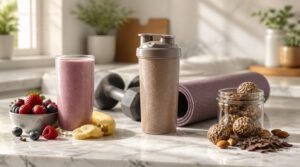
Not all protein powder moments are created equal, and honestly, the right scoop depends a lot on what your day looks like. Maybe you’re replacing breakfast, refueling after a tough workout, or just need something to curb a 3pm craving without derailing your goals. Here’s how to match your protein powder to the moment you actually need it for.
Meal Replacement
Skipping a meal? A shake with 20+ grams of protein and 200-300 calories can genuinely hold you over. Ka’Chava (25g, $4.66/serving) or Ritual (choline-rich, $3.27) work well here, but check labels—some blends run too low in calories to truly replace food.
Portion control is the real win, not magic. Use daily, but keep one whole-food meal for balance.
Post-workout Recovery
That 60-minute window after training isn’t mythical—it’s your muscle repair launchpad. Pair 25-30g protein (Ka’Chava or Ascent) with hydration to replenish fluids and fuel recovery.
Don’t skip the active cool down; 5-10 easy minutes eases soreness. Combine solid postworkout nutrition with sleep recovery, and third-party testing ensures what you’re drinking actually delivers.
Healthy Snacking
Snack smart, don’t just snack often. Mix Orgain with a banana around 10 a.m. for 250 calories of sustained energy, or NOW Pea Protein with berries post-8 p.m.—20g protein, 150 calories, sleep-friendly.
Look for low sugar (under 3g), price per serving near $1.55, and shelf-stable formulas lasting up to 24 months. Third-party testing matters here too.
Bedtime Nutrition
While daytime snacking is about steady energy, nighttime is where slow release protein earns its keep—casein digests over 6-8 hours, feeding muscle repair while you sleep.
Try:
- Casein + low-fat milk (extends release to 9 hours)
- Greek yogurt with sleep micronutrients like magnesium
- Small nighttime carbs (oats, sweet potato) for steady glucose
Add hydration before bed and smart amino acid timing, and you’ve built real nighttime recovery.
Subscription Models and Cost Savings

Protein powder prices swing wildly, from just over a dollar a scoop to nearly five bucks, and knowing where your favorite fits can save you real money over a year.
Subscriptions sweeten the deal even more, often shaving 15 to 20% off if you’re willing to commit to regular deliveries.
Here’s what you need to know about stretching your budget without settling for less.
Price Per Serving
A few cents per scoop can mean the difference between a habit and a splurge. Ascent runs $0.80–$1.60, NOW Sports pea protein sits near $0.70–$1.50, while Ka’Chava’s all-in-one mix costs $3.50–$5.50.
| Brand | Price/Serving |
|---|---|
| NOW Sports | $0.70–$1.50 |
| Ascent | $0.80–$1.60 |
| Orgain | $1.20–$1.80 |
| Thorne | $2.00–$3.50 |
| Ka’Chava | $3.50–$5.50 |
Discounts for Subscriptions
Ready to commit long-term? Subscription pricing often beats à la carte buying. Ka’Chava drops to $3.99 with auto-renewal; Ritual saves nearly a dollar per serving.
- Tiered pricing plans reward 6–12 month commitments
- Annual prepayment often unlocks the deepest savings
- Loyalty discount tiers grow with repeat renewals
- Retention deals: calling to "cancel" sometimes nets 10–30% off
Seasonal promotions add extra savings—so timing your subscription matters too.
Affordable Vs Premium Brands
Timing aside, the real question is whether cheap or premium powder earns your money.
| Affordable | Premium |
|---|---|
| $0.04/g protein, mix | $0.07/g, isolate purity |
| 1 certification, sucralose | NSF/Informed-Sport, stevia |
| 4.3 stars, 7% returns | 4.7 stars, 3% returns |
Orgain’s USDA-organic, plant-based mix delivers real value; Thorne’s whey isolate justifies its price through third-party testing and mixability.
Shopping Tips for Women
Since protein powder shopping mirrors smart wardrobe basics, treat it the same way: set a monthly budget, check the "fit" (protein per serving, price per serving), and read online reviews before buying.
- Third-party certification (NSF, Informed-Sport) signals quality
- USDA-organic labels matter for clean ingredients
- Compare nutritional profile across brands, not just flavor
Master these habits, and you’ll shop with confidence every time.
Frequently Asked Questions (FAQs)
What is the best type of protein powder for a woman?
One size never fits all, as the old saying goes, and that’s true here. Your best bet blends whey protein or plant-based protein with a strong amino acid profile, solid third-party testing, and a price per serving you’ll actually stick with.
Is protein powder good for females?
Yes—it’s a smart way to hit daily protein needs, especially with 20-30g per serving supporting muscle recovery, hormonal balance, and weight management.
Third-party certified options guarantee digestive comfort and safety, even during pregnancy’s increased protein demands.
What protein powder is best for women over 50?
Thorne RecoveryPro stands out, with 25g protein, added calcium and vitamin D for bone health, plus NSF certification for purity, digestive ease, and PharmaGABA for recovery and sleep—hitting every priority women over 50 actually need.
What are the top 3 best protein powders?
My picks: Ka’Chava (25g protein, full amino profile), Thorne RecoveryPro (25g, NSF-certified), and Orgain (21g, gut-friendly fiber). Each nails protein content, price per serving, and third-party testing—your trifecta for real results.
How much protein powder should women take daily?
Forget one scoop, some women chug three like it’s water. Truth is, one to two servings daily covers most needs, hitting 20-50g on top of food, unless you’re strength training hard, then push toward that 0g/kg ceiling.
Is it safe to mix protein powder with milk?
Milk’s completely fine, just keep it cold: heat above 60°C triggers protein denaturation.
Watch lactose solubility, milk fat absorption rate, and check labels for allergen cross-contamination if you’ve got dietary restrictions—dairy-free milk sidesteps that risk entirely.
What time of day is best for protein powder?
Timing is everything: sip within 30 minutes post-training for muscle recovery, grab a Morning Boost or Midday Energy shake to curb cravings, or try casein at night for Night Recovery and steady overnight repair.
Conclusion
Think of your scoop as a compass, not a costume borrowed from someone else’s routine. The best protein powders for women point you toward your own goals, whether that’s recovery, hormone support, or simply finishing your day feeling strong instead of depleted.
Read labels, test a few, and trust what your body tells you after week two. Your results won’t come from the tub itself, but from choosing one that actually fits your life.