This site is supported by our readers. We may earn a commission, at no cost to you, if you purchase through links. This content is for general informational and educational purposes only and is not a substitute for professional medical, dermatological, or nutritional advice.
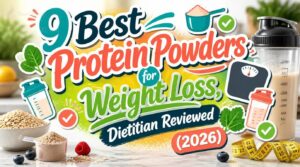
Most shakes on grocery shelves pack more sugar than a candy bar and call it "protein." That math works against you, not for you, when the scale’s your goal.
I’ve spent years reading labels clients hand me, hopeful, only to find 20 grams of added sugar hiding behind a fitness label. Protein powders for weight loss only earn that name when they deliver real satiety per calorie, not empty sweetness.
The right pick helps muscle, curbs cravings, and fits your calorie budget without guesswork. Here’s what actually held up under scrutiny.
Table Of Contents
- Key Takeaways
- Top 9 Protein Powders for Weight Loss
- 1. Naked Chocolate Whey Protein Powder
- 2. Dymatize Elite 100% Whey Protein Vanilla
- 3. Orgain Organic Vegan Protein Powder Vanilla
- 4. Premier Protein Whey Powder Vanilla
- 5. Ascent Native Whey Protein Powder
- 6. NOW Sports Soy Protein Isolate Unflavored Powder
- 7. Optimum Nutrition Gold Standard Whey Protein
- 8. Momentous Grass Fed Whey Protein Isolate
- 9. BPN Whey Casein Protein Powder Vanilla
- How We Chose These Protein Powders
- Compare Protein, Calories, and Ingredients
- How Protein Powder Supports Weight Loss
- Best Protein Types for Weight Loss
- Choose Your Weight-Loss Protein Powder
- Use Protein Powder for Weight Loss
- Safety, Side Effects, and Quality Checks
- Frequently Asked Questions (FAQs)
- Which protein powder is best for weight loss?
- Are protein powders good for weight loss?
- What protein burns belly fat?
- Why do doctors say no to protein powder?
- Is protein powder safe during pregnancy or breastfeeding?
- Can kids or teens safely drink protein shakes?
- Does protein powder cause bloating or water retention?
- Conclusion
Key Takeaways
- Look for 20-30 grams of protein per serving with 1g or less of added sugar, since that’s the sweet spot that actually curbs hunger without wrecking your calorie budget.
- Whey digests fast and casein digests slow, so pairing them (or timing them right) gives you both quick muscle support and overnight hunger control.
- A shake should replace a meal or snack, not sit on top of one, or you’ll cancel out the calorie deficit you’re working for.
- No powder burns fat on its own; the real results come from consistent use, resistance training, and choosing third-party tested formulas with minimal, clean ingredients.
Top 9 Protein Powders for Weight Loss
I tested and researched dozens of protein powders before narrowing this list down to nine that actually support weight loss goals. Each one made the cut for a specific reason, whether that’s protein content, low sugar, or clean ingredients. Here’s what stood out, starting with my top pick.
If you’re shopping for an older adult, this guide to best protein powders for seniors breaks down which options are gentlest on digestion and easiest to mix daily.
1. Naked Chocolate Whey Protein Powder
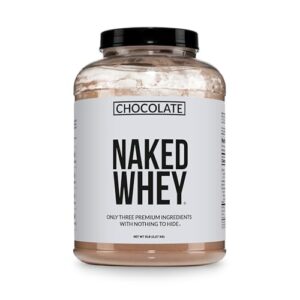
Three ingredients, no filler: that’s what stands out about this pick. Each serving delivers 25g protein and 6g BCAAs for just 160 calories, sweetened only with organic coconut sugar.
NSF certification confirms it’s free of GMOs, soy, and artificial sweeteners. In my testing, digestion was easy, though the flavor leans mild. Mixing takes effort, too, since sweetener can settle unless you shake it well, and some scoops weighed heavier than the label claimed.
| Best For | Fitness-focused individuals who want a clean, minimal-ingredient protein powder for pre- or post-workout shakes without artificial sweeteners, soy, or GMOs. |
|---|---|
| Protein per Serving | 25g |
| Protein Source | Whey |
| Gluten Free | Yes |
| Mixability | Inconsistent |
| Sugar Content | 5g |
| Servings per Container | 60 |
| Additional Features |
|
- Simple three-ingredient formula with 25g protein and 6g BCAAs per serving
- NSF Certified and free from artificial sweeteners, GMOs, soy, and gluten
- Easy to digest with minimal reported gastrointestinal discomfort
- Mild, bland flavor that may need extra flavoring to enjoy
- Sweetener can settle at the bottom, requiring thorough shaking or blending
- Scoop weight can exceed the labeled serving size, making portions less consistent
2. Dymatize Elite 100% Whey Protein Vanilla
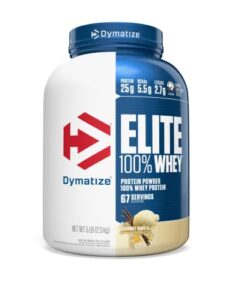
If you want more protein with fewer calories, this one delivers. A mix of whey isolate, concentrate, and peptides gives you 25g protein and 5g BCAAs for under 140 calories, with just 2g carbs and 2g sugar per scoop.
Informed-Sport and NSF certifications back its purity claims. In my testing, it mixed clean in water within seconds, no grit left behind. Some users report mild bloating early on, so start with a half scoop if your stomach’s sensitive.
| Best For | This protein powder is best for athletes and everyday gym-goers who want a fast-digesting, high-protein option to support muscle building and recovery without piling on calories. |
|---|---|
| Protein per Serving | 25g |
| Protein Source | Whey Blend |
| Gluten Free | Yes |
| Mixability | Easy |
| Sugar Content | 2g |
| Servings per Container | 67 |
| Additional Features |
|
- Delivers 25g of protein and 5g BCAAs for under 140 calories per serving
- Mixes easily into water or milk, making it a convenient meal replacement
- Gluten-free with low carbs and sugar, fitting into most dietary plans
- May cause bloating or digestive discomfort for some users when starting out
- Contains dairy, so it’s not suitable for anyone with lactose intolerance or milk allergies
- Price can fluctuate noticeably over short periods of time
3. Orgain Organic Vegan Protein Powder Vanilla
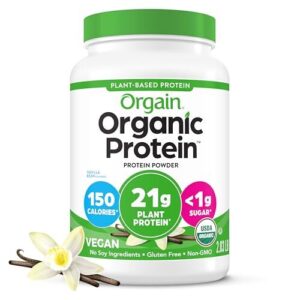
Going dairy-free doesn’t mean giving up protein, and Orgain proves it. Each scoop blends pea, brown rice, and chia for 21g of complete plant protein, plus 6g of prebiotic fiber to keep digestion steady.
Sugar sits at just 1g, sweetened with stevia. That sweetness can taste strong to some palates. USDA Organic and non-GMO certified, it’s soy-free too, so allergy-conscious shoppers get real peace of mind here.
| Best For | Vegans, vegetarians, and anyone with dairy or soy sensitivities who wants a clean, organic protein boost for shakes, oatmeal, or smoothies. |
|---|---|
| Protein per Serving | 21g |
| Protein Source | Pea/Rice/Chia |
| Gluten Free | Yes |
| Mixability | Chalky Texture |
| Sugar Content | 1g |
| Servings per Container | ~30 |
| Additional Features |
|
- 21g of organic plant-based protein per serving from peas, brown rice, and chia seeds
- Only 1g of sugar plus 6g of prebiotic fiber to support digestion
- Certified USDA Organic, vegan, gluten-free, kosher, and non-GMO, with no soy, dairy, or artificial additives
- Some users notice a chalky texture or aftertaste, especially with larger servings
- Stevia sweetness can taste stronger than expected to some palates
- Not meant to replace whole meals, so it works best as a supplement rather than a standalone food
4. Premier Protein Whey Powder Vanilla
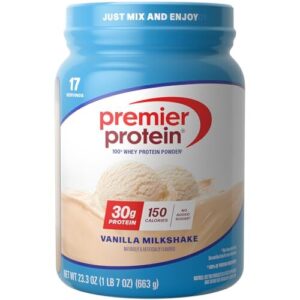
If dairy isn’t an issue for you, Leading Protein packs 30g of whey protein into just 150 calories, with only 1g sugar and 2g carbs.
Whey isolate is the base, sweetened with sucralose and acesulfame potassium, plus soy lecithin as an emulsifier. It’s NSF and Informed-Sport certified, so athletes get tested purity.
One catch: it contains soy and milk, so it’s vegetarian-friendly but not vegan. Some testers noted clumping unless shaken well.
| Best For | Anyone looking for a low-calorie, low-sugar whey protein powder to support muscle recovery and curb hunger without gluten or soy ingredients. |
|---|---|
| Protein per Serving | 30g |
| Protein Source | Whey |
| Gluten Free | Yes |
| Mixability | Easy |
| Sugar Content | 1g |
| Servings per Container | 17 |
| Additional Features |
|
- Packs 30g of protein into just 150 calories with only 1g of sugar per serving
- Gluten-free and soy-free, making it easy to fit into various dietary needs
- Mixes smoothly into water, milk, smoothies, or baked goods
- May clump if not shaken vigorously enough
- Some users find the flavor overly sweet due to artificial sweeteners like sucralose
- Considered a bit pricier compared to other options on the market
5. Ascent Native Whey Protein Powder
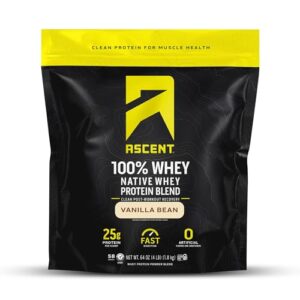
Cold-processed and quietly impressive, Ascent uses microfiltration below 4°C to keep native protein structures intact, so you get 25g protein and 5.5g BCAAs per scoop for just 120 calories.
There’s no added sugar, no artificial sweeteners, and 1g of naturally occurring lactose does the sweetening work. It’s NSF and Informed-Sport certified, gluten-free, and non-GMO.
Mixability is smooth, and the vanilla flavor leans mild rather than sugary, which some testers appreciated and others found underwhelming.
| Best For | Athletes and fitness enthusiasts following low-carb, keto, or gluten-free diets who want a smooth-mixing, high-quality whey protein for post-workout recovery. |
|---|---|
| Protein per Serving | 25g |
| Protein Source | Whey Isolate |
| Gluten Free | Yes |
| Mixability | Silky Smooth |
| Sugar Content | 0g Added |
| Servings per Container | Not Specified |
| Additional Features |
|
- Delivers 25g of protein plus 5.5g BCAAs and 2.6g leucine per scoop to support muscle recovery and growth
- Free of artificial flavors, sweeteners, and added sugar, with gentle stevia sweetness and easy digestibility
- Certified gluten free and Informed Choice certified, making it a trusted pick for athletes, including USA weightlifters
- Costs more than standard whey protein powders
- Not suitable for anyone with dairy allergies or lactose intolerance
- Vanilla flavor is fairly mild, which may disappoint those who prefer a sweeter taste
6. NOW Sports Soy Protein Isolate Unflavored Powder
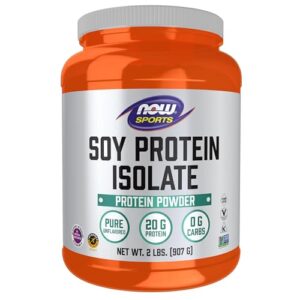
If you’re dairy-free but still chasing lean muscle, this one’s worth a look. NOW’s soy isolate gives you 20g protein per serving with zero carbs and just 90 calories, plus a complete amino acid profile.
If you’re still weighing your options, this rundown of beginner-friendly protein powder picks breaks down how soy isolate stacks up against pea, rice, and hemp blends.
It’s unflavored, so mixing it into smoothies or oatmeal won’t clash with other flavors. Informed Sport tested and non-GMO, too.
Texture is the tradeoff. Expect some grittiness, and you’ll need your own scoop since none’s included.
| Best For | Dairy-free and lactose-intolerant individuals looking for an affordable, complete plant-based protein to support muscle maintenance and recovery. |
|---|---|
| Protein per Serving | 20g |
| Protein Source | Soy |
| Gluten Free | Not Specified |
| Mixability | Gritty/Clumping |
| Sugar Content | 0g |
| Servings per Container | Not Specified |
| Additional Features |
|
- 20g of complete plant-based protein per serving with zero carbs and only 90 calories
- Unflavored formula mixes easily into smoothies, shakes, yogurt, or oatmeal without altering taste
- GMP quality assured and NPA A-rated, with non-GMO soy protein isolate tested for purity by NOW Sports
- Can be gritty or clumpy, so it needs thorough blending or shaking
- No measuring scoop included, so you’ll need to measure servings yourself
- Contains naturally occurring phytoestrogens that some people may want to keep an eye on
7. Optimum Nutrition Gold Standard Whey Protein
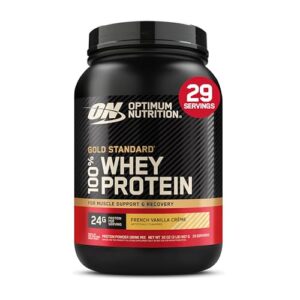
When a brand’s been around for 35 years, you’d expect it to know a thing or two about whey. Optimum Nutrition delivers 24g of protein per scoop for just 120 calories, with 5.5g BCAAs and only 1g sugar.
It mixes clean in water or milk, no gritty aftertaste. With over 20 flavors and NSF Certified for Sport status, it’s a solid pick if you want proven quality without guessing what’s actually in the tub.
| Best For | Athletes and fitness enthusiasts looking for a trusted, high-quality whey protein to support muscle recovery and lean muscle maintenance alongside resistance training. |
|---|---|
| Protein per Serving | 24g |
| Protein Source | Whey Isolate |
| Gluten Free | Not Specified |
| Mixability | Instantized |
| Sugar Content | ~1g |
| Servings per Container | 30 |
| Additional Features |
|
- Delivers 24g of protein per scoop, mostly from whey protein isolate, with 11g EAAs and 5.5g BCAAs
- Low in sugar, carbs, and fat, making it easy to fit into a cutting or weight management plan
- Mixes easily into water, milk, or smoothies thanks to its instantized formula
- Contains dairy, so it’s not suitable for anyone with lactose intolerance or a dairy allergy
- Some users may experience mild digestive discomfort, especially when first starting out
- Costs more than basic protein powders, reflecting its premium positioning
8. Momentous Grass Fed Whey Protein Isolate
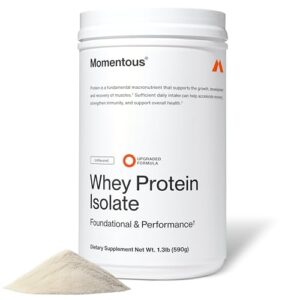
Grass-fed cows raised without hormones or antibiotics form the backbone of this one. You get 23g protein, 90 calories, and barely any carbs or fat per scoop, which is lean even by whey standards.
Cold-processed methods keep the protein structure intact, and the flavor stays simple and clean. If you’re chasing hormone-free, minimally processed whey without a long ingredient list, this one earns its higher price tag.
| Best For | Athletes and fitness enthusiasts who want a clean, hormone-free protein source with minimal ingredients and don’t mind paying more for quality. |
|---|---|
| Protein per Serving | 20g |
| Protein Source | Grass-Fed Whey |
| Gluten Free | Not Specified |
| Mixability | Poor, Sludgy |
| Sugar Content | Not Specified |
| Servings per Container | Not Specified |
| Additional Features |
|
- 20g of protein per serving with 90% protein content by weight, sourced from grass-fed European dairy cows with no added hormones
- Includes ProHydroase enzyme blend to support better digestion and protein absorption, plus NSF Certified for Sport status for verified purity
- Cold-processed to preserve the native protein structure, with an unflavored formula free of artificial sweeteners, flavors, or colors
- Higher price point than standard commercial whey protein brands
- Mixability can be inconsistent in some liquids, sometimes leaving behind sludge or chalkiness
- Non-returnable once purchased, and the unflavored taste may need extra flavoring for some people’s preference
9. BPN Whey Casein Protein Powder Vanilla
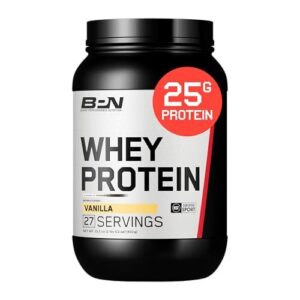
Want protein working around the clock? This mix pairs whey and casein at a 50:50 ratio, giving you 25g protein and 130 calories per scoop. Whey kicks in fast, casein digests slowly over hours, so you get sustained amino acid release overnight or between meals.
Testers noted a smooth, creamy shake with no grit, and it mixes clean in water or milk. It’s NSF Certified for Sport, so athletes can trust the label. Skip it if you’re dairy-sensitive.
| Best For | athletes and active individuals who want a convenient, sustained source of protein for muscle recovery both post-workout and overnight. |
|---|---|
| Protein per Serving | 25g |
| Protein Source | Whey/Casein |
| Gluten Free | Not Specified |
| Mixability | Mixes Well |
| Sugar Content | Not Specified |
| Servings per Container | 27 |
| Additional Features |
|
- Delivers 25g of protein per serving with a fast/slow-digesting whey and casein blend for extended amino acid release
- NSF Certified for Sport, so it’s tested and trusted for competitive athletes
- Mixes smoothly in water or milk with no chalky texture
- Not suitable for anyone with dairy allergies or lactose intolerance
- Requires mixing with a liquid rather than being ready-to-drink
- Some users may still notice slight chalkiness depending on preparation
How We Chose These Protein Powders
Picking the right protein powder isn’t just about grabbing the tub with the highest protein number on the front. As a dietitian, I looked at how each product actually helps with weight loss, not just what the marketing promised. Here’s exactly what I checked before any powder made this list.
Protein-to-calorie Ratio
Not all protein grams are equal once calories enter the math. I looked for a protein-to-calorie ratio between 0.20 and 0.30, the range research ties to real satiety and lean muscle mass preservation.
Ratios above 0.25 also boost thermogenic burn and meal replacement efficiency, meaning fewer cravings and better calorie deficit results, so I ranked powders that hit this sweet spot highest.
Sugar and Fat Content
Calories only tell half the story. I checked sugar and fat next, since a high protein per serving number means little if it’s padded with sweeteners or saturated fat that stall your calorie deficit.
- Low-sugar options like Ascent (0g) and Naked (1g) beat sugary blends
- Sucralose in Dymatize versus cane sugar in Orgain
- Saturated fat ranged from 0g to 3g across brands
Ingredient and Amino Acid Quality
Sugar and fat only tell you so much, so I looked deeper at protein completeness and digestibility scores. Whey and casein hit a perfect PDCAAS of 1.0, while soy scored 0.91. Leucine mattered too, since 2.5g per serving drives muscle protein synthesis best.
| Protein Type | PDCAAS Score |
|---|---|
| Whey Isolate | 1.0 |
| Casein | 1.0 |
| Soy Isolate | 0.91 |
| Pea Concentrate | 0.69 |
| Rice Isolate | 0.47 |
Taste, Texture, and Mixability
Amino acid scores won’t tell you if a shake tastes like chalk. So I ran actual taste testing on every formula.
Naked Chocolate scored 4.7 for creamy mouthfeel and dissolved in 45 seconds. Dymatize’s sucralose left a metallic aftertaste lasting 5 minutes. Orgain’s monk fruit mix finished clean but turned gritty when mixed cold—temperature mixability matters more than labels admit.
Compare Protein, Calories, and Ingredients
Not all protein powders are created equal, even when the labels sound similar. Once you line them up side by side, the differences in protein, calories, and ingredients start to jump out. Here’s what to look for before you make your pick.
The same label-scrutiny habit applies beyond the gym bag—knowing what’s actually in your everyday products, like the top-rated dental floss options reviewed by ingredient and effectiveness, can make a real difference in the choices you stick with long-term.
Protein Per Serving
Not all scoops pull their weight. Protein density matters more than serving size alone, so check the label, not the tub. Whey isolates like Momentous pack 23g per scoop, while Ka’Chava’s plant mix hits 25g. Your protein-to-weight ratio goal (0.7-1.0g per lb) determines how many servings you actually need daily.
Calories Per Serving
Beyond grams, watch the number right next to it. Naked Chocolate runs 110 calories, Momentous 118, and Dymatize Elite Vanilla 130 per 30g scoop. That’s roughly one medium orange’s worth of energy for far more satiety.
Two scoops daily can add 250-300 calories, so if you’re chasing a calorie deficit, let the shake replace a meal rather than sit on top of one.
Sugar and Sweetener Types
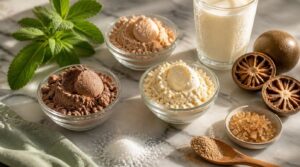
Not all sweetness is equal. Naked Chocolate, Dymatize, and Leading Protein lean on lactose, just 1g each, while Orgain uses stevia and monk fruit, non-caloric and glucose-neutral.
Sucralose shows up in Dymatize and Leading Protein and can upset sensitive stomachs in large doses. Orgain’s erythritol adds bulk without calories. If your gut’s picky, natural blends are gentler than artificial ones.
Fiber, Vitamins, and Minerals
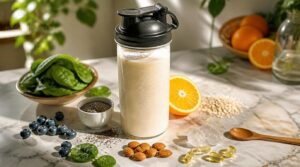
Protein isn’t the whole story here. Orgain packs in 27 vitamins and minerals, including iron and vitamin A, plus fiber that keeps digestion moving.
Fortified powders often add vitamin D and B vitamins for nutritional completeness. Calcium and magnesium show up too, supporting bone health.
That kind of micronutrient fortification matters if your shake doubles as a meal replacement.
Allergen and Diet Suitability
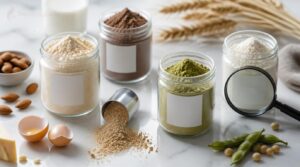
Got allergies? Check the label twice. NOW Sports Soy Protein is nut-free and dairy-free; Orgain’s vegan protein sources risk almond traces. Momentous whey tests at zero ppm for soy and egg, making it truly allergen-free.
For gluten-free options or soy-free formulas, read the FDA-required allergen statement, since "may contain" warnings signal real cross-contamination risk for sensitive guts.
How Protein Powder Supports Weight Loss
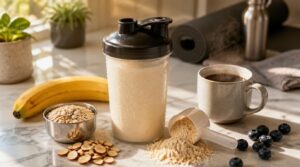
Protein powder isn’t magic, but the science behind it is real and worth understanding. Once you know how it works in your body, the "why" behind every recommendation on this list will click into place. Here’s what’s actually happening when you add it to your routine.
Increased Fullness and Appetite Control
That "full" feeling isn’t just in your head. Protein triggers satiety hormone response, releasing gut peptides that curb appetite. Aim for 25-30g protein per serving to get the most out of this effect.
Fiber-enhanced fullness helps too, and liquid shake volume matters: more water means more stomach distension, less hunger, and better appetite control during your calorie deficit.
Hormonal regulation of appetite involves GLP-1 and PYY reducing hunger after eating, as detailed in The Science of Appetite Control.
Higher Calorie-burning Thermogenesis
Digesting protein simply costs more energy than digesting carbs or fat. This is diet-induced thermogenesis: your body burns 20-30-30% of protein’s calories just breaking it down, versus 5-10% for carbs. Whey sparks this thermic effect fast; casein stretches it over hours. That’s a real metabolism boost from your shake alone, no cold plunges or HIIT sprints required.
Lean Muscle Preservation
Losing weight without losing muscle takes work, and your amino acid supply matters. Whey delivers 2.2–2.8g leucine, hitting the threshold for muscle protein synthesis. Pair shakes with resistance training and:
- Lift 3–5 sets, 8–12 reps
- Train 3–4x weekly
- Use progressive overload
- Try casein before bed
- Sleep 7–9 hours
This protects lean mass during your calorie deficit.
Reduced Calorie Intake
Keeping muscle is only half the equation. The other half comes down to calorie deficit strategies, and protein makes that easier to sustain.
A 30g scoop with water, not milk, saves 50 calories. Add fiber like inulin, and fullness stretches up to five hours.
Portion control, low-calorie sweeteners, and 25-30g protein per serving all work together, cutting daily intake without leaving you hungry.
Evidence and Realistic Expectations
Here’s the honest part: no shake melts fat. Research shows protein’s edge is gradual and modest, working through fullness and muscle preservation, not magic.
No shake melts fat; protein’s real power is gradual, modest support through fullness and muscle preservation
Realistic expectations look like:
- Slow, steady loss over months
- Steadier energy between meals
- Preserved strength during a deficit
Choose third-party tested, quality protein per serving, and let consistency do the heavy lifting.
Best Protein Types for Weight Loss
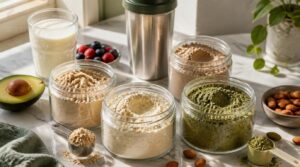
Not all protein powders work the same way in your body, and the type you choose matters just as much as the amount. Some digest fast, some digest slow, and some come from plants instead of animals entirely. Here’s what you need to know about each type before picking your bottle.
Whey Protein
Whey is the standard for a reason: it delivers all 9 essential amino acids, with a PDCAAS of 1.00. Your body absorbs it fast, often within 30-60 minutes, spiking amino acids that curb hunger and support lean muscle preservation.
That speedy digestion also fuels satiety hormones like GLP-1, making whey a smart pick for weight loss.
Casein Protein
Where whey sprints, casein crawls — on purpose. Its micelle structure clumps into a gel in your stomach, slowing digestion to 6-8 hours and feeding muscle overnight.
- Curbs late-night hunger
- Helps overnight muscle repair
- Delivers calcium binding (~10mg/g)
- Works well as meal replacement
Look for third-party tested casein for weight loss support you can trust.
Soy Protein
Soy stands alone among plant proteins because it delivers a complete amino acid profile, all nine essentials included. Isolates hit 93% digestibility, rivaling whey.
You’ll also get isoflavones with modest antioxidant activity. Processing methods vary, so check labels. Soy’s naturally gluten-free and allergen considerations matter if you’re sensitive, but for most, it’s a solid, adaptable protein source.
Blended Plant Proteins
Pea, brown rice, and hemp show up together in most blended plant proteins because no single plant source covers all nine essential amino acids alone. Pea brings lysine, rice adds methionine, and hemp contributes arginine, together forming a complete protein with a PDCAAS around 0.92.
Manufacturers often fortify with calcium and vitamin D, plus flavor blends like cocoa or vanilla for taste.
Animal Versus Plant Protein
Choosing between animal and plant protein comes down to digestibility, allergens, and values. Whey scores a perfect 1.0 PDCAAS with 8.5g leucine per serving, while pea protein hits 80% digestibility and stays hypoallergenic.
If dairy bothers you or sustainability matters, plant-based blends cut CO2e roughly in half versus whey. Neither is "better" — your tolerance and goals decide which complete protein source fits your life.
Choose Your Weight-Loss Protein Powder
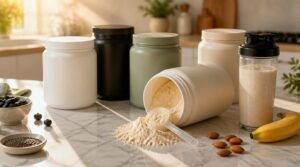
With so many tubs on the shelf, picking the right one comes down to a few key numbers and labels. You don’t need to memorize a nutrition degree to shop smart, just know what to check first. Here’s what to look for before you toss a container into your cart.
Prioritize 20–30 Grams Protein
More isn’t always better here. Your sweet spot is 20 to 30 grams of protein per serving, the range shown to boost satiety hormones like PYY and GLP-1 while curbing ghrelin.
That’s enough to support muscle preservation during weight loss without piling on extra calories you don’t need. Check the label before you buy.
Choose Low-calorie Formulas
Calories add up fast, so look past the protein number on the front label. A low-calorie, high protein shake built with stevia, monk fruit, or an allulose mix delivers sweetness for under 5 added calories.
Fiber like inulin boosts satiety without the caloric cost, and fortified vitamins keep nutrition tight. Portion-controlled packets help you avoid guessing.
Limit Sugar and Saturated Fat
Sugar and saturated fat deserve their own gut check on the label. Aim for added sugars at 1 gram or less per serving, and keep saturated fat under a gram whenever possible.
Whey isolates often land near 0.5-0.6g. Soy and pea blends usually hit zero grams saturated fat. Skip anything stacking sugar alcohols with sucralose.
Consider Dietary Restrictions
Sugar and fat aren’t the only labels worth scanning. Food sensitivities and allergies matter just as much.
- Gluten-free: Orgain Vegan uses pea, rice, and quinoa; Dymatize Elite skips wheat entirely
- Dairy-free: Orgain and NOW Sports soy isolate contain zero dairy
- Allergen safe: Ascent Native Whey is nut-free with zero soy
- Keto compatible: Naked Chocolate has 1g net carbs
Meal Replacement Versus Protein Supplement
Restrictions sorted, one more fork remains: shake or scoop?
Meal replacements pack 300+ calories with added carbs and fat. Protein powders stay lean, around 120 calories per serving. That’s the real split for a calorie deficit: protein density versus bulk. Shakes offer convenience and satiety from fiber; powders let you control macros yourself. Pick based on your goal, not the label.
Use Protein Powder for Weight Loss
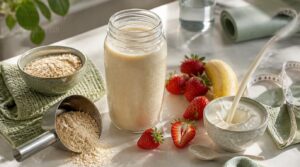
Picking the right protein powder is only half the job. How you use it day to day makes the real difference for weight loss. Here’s what actually matters once that scoop is in your hands.
Calculate Daily Protein Needs
Math doesn’t lie, so let’s find your number. Divide your weight in pounds by 2.205, then multiply by 0.8 for a baseline—or just multiply pounds by 0.36.
- Active lifters: aim for 1.0–1.2 g/kg
- Adults 65+: target 1.0–1.2 g/kg
- Pregnant/breastfeeding: use 1.1–1.3 g/kg
- Sedentary adults: stick near baseline
- Muscle mass shifts your true need
Replace Calories, Not Add Them
Here’s where people trip up: they drink a shake and eat their normal meals. That’s just extra calories, not a deficit.
The protein substitution principle means swapping, not stacking. Replace a 300-calorie breakfast with a 30-gram scoop at 115 calories, and you’ve cut intake by 185 calories while staying full.
That’s a real strategic calorie swap, not a snack add-on.
Choose Convenient Consumption Timing
Timing won’t make or break your results, but it can make the habit stick. Newer research shows protein timing matters less for weight loss than total daily intake, so pick a slot that fits your life.
- Morning Protein Boost: curbs breakfast hunger
- Midday Energy Fix: prevents afternoon crashes
- Evening Recovery Shake: helps satiety before bed
Consistency beats precision here.
Pair Protein With Resistance Training
Grab your shaker before you grab a dumbbell. Pairing resistance training with protein supplementation shifts net protein balance from negative to positive in a single session, and 20-30g post-workout raises muscle protein synthesis nearly threefold.
| Training Factor | Protein Effect |
|---|---|
| Compound lifts | Strength gains up 5% |
| High-volume weeks | Preserves lean body mass |
| 8-12 rep sets | Cuts breakdown ~15% |
| 85% effort | Less soreness |
| Heavy lifts | Growth hormone boost |
Build Balanced Protein Shakes
A shake is only as good as what you mix into it. Aim for 20-30 grams of protein, 5-10 grams of healthy fat (almonds, chia), and 10-15 grams of carbs from banana or berries.
Choose water or unsweetened almond milk as your liquid base, add spinach or flaxseed, and keep total calories between 150-250 for real satiety and weight loss support.
Safety, Side Effects, and Quality Checks
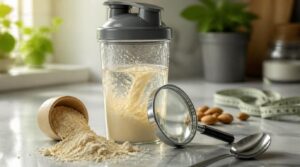
Protein powder is generally safe, but that doesn’t mean every product or every amount works for every body. A few things are worth checking before you scoop it into your shaker bottle. Here’s what to keep an eye on.
Artificial Sweetener Digestive Effects
That chalky aftertaste isn’t the only thing sucralose leaves behind. A 2024 survey found sucralose users had a 22% higher rate of diarrhea, and some report bloating or distention.
If your gut feels off after shakes, sucralose intolerance may be why. Switch sweeteners or brands, and see if your digestive health improves within a week or two.
Third-party Testing Certifications
You can’t taste purity, so let a lab confirm it. Look for NSF certification, US Pharmacopeia, or Informed Choice on the label, plus ConsumerLab testing.
These programs verify:
- Accurate protein content, not fillers
- Batch transparency you can check
- Freedom from banned substances
Third-party testing gives you real consumer access to proof, not just marketing promises.
Supplement and Medication Interactions
A lab badge won’t catch a drug interaction, so check your medication list too.
Soy protein can raise INR for warfarin users within days. Calcium and iron block thyroid drug absorption, while sodium blunts blood pressure meds.
Ask your pharmacist before adding any protein powder to your weight loss routine.
Excess Protein Considerations
More isn’t always better. Pushing past your needs raises kidney filtration load and nitrogen waste production, and can increase urinary calcium loss too.
Watch for:
- Protein above 2.5g/kg raises urea excretion 20%
- Gut microbiome shifts favor less-friendly bacteria
- Extra grams convert to glucose, not muscle
- Nitrogen balance suffers without enough water and fiber
When to Consult Professionals
Your gut needs more water and fiber to handle that nitrogen load safely.
That’s your cue for consulting professionals before adding any dietary supplement.
| Situation | Who to See | Why |
|---|---|---|
| Kidney/liver disease | Nephrologist/hepatologist | Protein strains filtration |
| Pregnancy | OB-GYN | Fetal safety, calorie balance |
| Medication use | Prescribing doctor | Medication interactions risk |
Chronic conditions, allergies, and unexplained fatigue all warrant a quick check-in first.
Frequently Asked Questions (FAQs)
Which protein powder is best for weight loss?
For appetite suppression and a real calorie deficit, Naked Chocolate Whey stands out. It packs 25g protein into 120 calories, helps with satiety, and preserves muscle during weight loss better than lower-protein options.
Are protein powders good for weight loss?
Yes, when used right. They boost fullness, deliver a thermogenic edge over carbs, and protect lean muscle during a deficit. Skip protein timing myths—choose fiber-enhanced, sugar-free formulas, and let 20-30g per serving do the real work.
What protein burns belly fat?
No single powder melts belly fat directly, but whey’s thermic effect and fat oxidation, paired with a steady calorie deficit and casein’s overnight burn, work together for realistic, sustainable results over time.
Why do doctors say no to protein powder?
Concerns center on kidney load with high doses, hormonal disruption from soy or whey, allergen exposure like dairy and nuts, added sugars, artificial sweetener GI upset, and inconsistent heavy metal testing or pesticide residue in unregulated brands.
Is protein powder safe during pregnancy or breastfeeding?
Think of pregnancy like tending a garden shared by two: every nutrient you add shapes new growth. Whey and pea protein are generally safe in moderation, but always check labels and consult your doctor before adding supplements.
Can kids or teens safely drink protein shakes?
Kids can, but with age-appropriate limits: shakes under 15g protein for under-12s, chosen with a pediatrician’s guidance. Pick allergen-free, no artificial sweeteners, and always prioritize whole foods over supplements for healthy growth.
Does protein powder cause bloating or water retention?
Yes, it can. Lactose sensitivity, sucralose’s osmotic pull, and inulin fermentation all trigger gas or fluid shifts. High-sodium blends worsen retention, while low-sodium, lactose-free isolates and gentler protein types cause far less GI upset or bloating.
Conclusion
Shelves overflow with a million tubs promising miracles, but only a handful earn a real place in your kitchen.
The best protein powders for weight loss aren’t magic, they’re tools: 20-30 grams of protein, minimal sugar, and ingredients you can pronounce.
Pick one that fits your goals, your gut, and your grocery budget.
Then use it consistently, pair it with real food and resistance training, and let steady habits do the heavy lifting your shake alone never could.
- https://journals.lww.com/co-clinicalnutrition/fulltext/2023/11000/the_impact_and_utility_of_very_low_calorie_diets_.6.aspx
- https://pubmed.ncbi.nlm.nih.gov/32768415/
- https://www.cambridge.org/core/journals/proceedings-of-the-nutrition-society/article/protein-metabolism-and-related-body-function-mechanistic-approaches-and-health-consequences/A9F40C9B00B06B4BFFC6AF3DE512B63C