This site is supported by our readers. We may earn a commission, at no cost to you, if you purchase through links. This content is for general informational and educational purposes only and is not a substitute for professional medical, dermatological, or nutritional advice.
Raise a wide-tooth comb to high porosity hair and you can practically watch the moisture leave the room. Those raised cuticle layers act like tiny open shutters, soaking up product fast, then letting the water evaporate just as quickly. That’s why your curls can feel soft after washing and straw-like by afternoon.
The fix isn’t more product, it’s the right sequence and ingredients applied while cuticles are still receptive. Learning how to moisturize high porosity hair means working with those open cuticles instead of fighting them, layering water, cream, and oil in an order that actually locks hydration in. Get the steps right, and dryness stops being your daily battle.
Table Of Contents
- Key Takeaways
- How to Moisturize High Porosity Hair
- Why High Porosity Hair Dries Quickly
- Cleanse Without Stripping Natural Oils
- Condition and Detangle Every Wash
- Choose The Right Moisture Layering Method
- Use Oils and Butters to Seal
- Balance Humectants, Creams, and Stylers
- Use Protein Without Overdoing It
- Keep Moisture in and Damage Out
- Frequently Asked Questions (FAQs)
- What is the best moisturizer for high porosity hair?
- Should you moisturize high porosity hair every day?
- What ethnicity has high porosity hair?
- What not to do with high porosity hair?
- Is high porosity hair more prone to breakage?
- Does hair porosity affect which hairstyles last longer?
- Can diet or hydration levels influence hair porosity?
- How often should product routines change with the seasons?
- Conclusion
Key Takeaways
- Your hair’s raised cuticles soak up moisture fast but let it escape just as quickly, so the fix is layering water, cream, and oil in the right order (LOC or LCO) rather than piling on more product.
- Wash gently once or twice a week with sulfate-free cleansers, finish with a cool rinse to seal cuticles, and always detangle from ends upward to cut breakage.
- Seal moisture with a thin, well-chosen layer of oils and butters (like coconut, shea, or jojoba), since film thickness matters more than which trendy ingredient you pick.
- Balance protein and moisture carefully, using treatments every 4-6 weeks and backing off if hair feels brittle or straw-like, while protecting strands overnight with silk or satin to lock in what you’ve hydrated.
How to Moisturize High Porosity Hair
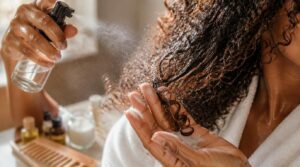
High porosity hair doesn’t need more product; it needs the right order. Every layer you add either locks moisture in or lets it slip right back out, so sequence matters as much as the ingredients themselves.
If your hair leans coarse, try the LOC method; fine strands usually do better with LCO, and this scalp-and-ends moisturizing routine walks through both step by step.
Here’s the five-step routine that keeps your strands hydrated instead of thirsty by the afternoon.
Start With Clean, Damp Hair
Grab your comb before the shampoo bottle. A quick pre-wash detangle prevents rips once cuticles swell open in water.
Cleanse with sulfate-free, gentle surfactants, massaging your scalp to lift buildup without stripping oils. Rinse with moderate warmth, then cool. High porosity hair often results from increased porosity and damage caused by chemical processing, making gentle cleansing and moisture retention even more essential.
- Slippery, tangle-free strands
- A scalp that feels light, not tight
- Water beading evenly, not pooling
- Damp hair prepped for moisture retention
- Cuticles primed, not parched
Apply a Water-Based Leave-In
Once hair is damp, not dripping, the clock starts. Apply a water-based leave-in within five minutes for real moisture penetration, working section by section from mid-lengths down. Hyaluronic acid and panthenol pull hydration into the shaft fast, absorbing in 2-3 minutes with zero residue.
| Porosity | Pumps Needed |
|---|---|
| Fine | 1-2 |
| Coarse | 3-4 |
Layer Cream for Lasting Softness
Once that leave-in sinks in, cream is your next move, not oil yet. Look for Behentrimonium Methosulfate, a cationic agent that smooths cuticles and boosts slip.
Shea butter blends deliver an occlusive film that locks moisture for 24-48 hours. Massage cream through damp mid-lengths and ends, then let it set 2-3 minutes before sealing.
Seal Moisture With Oil
Now for the barrier that finishes the job. Castor oil’s thick texture forms an occlusive seal over damp cream, while its ricinoleic acid strengthens strands as it works.
Prefer something lighter? Jojoba oil mimics scalp sebum, sealing without weighing curls down. Either way, 2-3 drops on damp hair locks moisture where lifted cuticles usually let it escape.
Style and Dry Gently
Once your oil’s sealed in, resist the urge to rub hair dry. Finger detangle gently, ends first, then choose low tension styles like loose twists.
- Air dry when possible
- Blot with a jersey towel
- Apply heat protectant first
- Use silk night protection
- Skip tight elastics
Gentle drying preserves everything you just layered on.
Why High Porosity Hair Dries Quickly

If your hair drinks up water fast and gives it right back even faster, you’re not imagining it, and you’re not doing something wrong. High porosity comes down to what’s happening at the cuticle level, plus a handful of habits and exposures that make it worse over time. Here’s what’s actually driving that thirsty, frizzy cycle.
High porosity hair drinks up water fast, then gives it right back even faster, thanks to what’s happening at the cuticle level
Lifted Cuticles Lose Water Fast
Picture roof shingles pried upward instead of lying flat; that’s what happens when the cuticle is lifted and worn from color, heat, or friction. Those raised edges create moisture escape pathways, so water diffuses in fast but exits just as quickly.
Blow-drying near 80°C speeds evaporation further. Sealing with oils flattens cuticles back down, promoting slow water loss instead.
Dryness, Frizz, and Tangling
Because those raised cuticles can’t hold water, strands swell fast in humid air, then shrink just as fast, leaving hair rough, tangle-prone, and dull.
That’s humidity frizz at work.
Detangling damp hair, ends first, cuts breakage; an oil sealant layer and consistent deep conditioning restore elasticity and calm frizz control strategies overall.
Chemical and Heat Damage
Bleach isn’t gentle chemistry: at a pH of 8-11, it forces cuticles open, then oxidation strips the 18-MEA layer and breaks disulfide bonds, doubling water loss.
Heat compounds it. Wet strands hit keratin’s denaturation point near 151°C, so skipping heat protectant invites real protein damage, not just dryness.
Mechanical Wear and UV Exposure
Every brush stroke has a cost. Rough detangling generates fiber tension up to 0.010 g/µm², so root-to-tip brushing fractures the cortex instead of easing knots loose.
UV rays add insult to injury: they lift cuticles, strip the 18-MEA barrier, and cause up to 20% moisture loss within two hours, hydrophilic damage that mimics porosity itself.
Porosity Can Vary by Section
Your head isn’t one texture, it’s a map. Crown vs temples tells the story: crown strands run coarser, sit around 140 microns, and drink water fast, while finer temple hair resists it. Root to tip matters too, ends carry old damage.
So your hair porosity assessment shouldn’t stop at one strand.
Cleanse Without Stripping Natural Oils
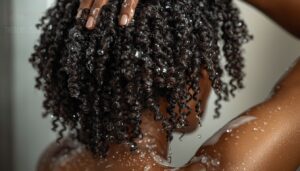
Cleansing high porosity hair isn’t about skipping shampoo altogether; it’s about choosing the right approach so you clean without stripping the moisture your strands are already struggling to hold onto.
Every step of your wash routine, from how often you shampoo to how you rinse, plays a role in keeping your cuticle calm instead of agitated.
Here’s exactly what that routine should look like.
Wash Once or Twice Weekly
Overwashing strips natural oils high porosity hair desperately needs, so aim for once or twice weekly in your hair care routine. This shampoo frequency tip protects scalp health balance while co-washing fills the gaps between.
Consistency matters more than frequency alone, since a steady moisture retention plan (paired with deep conditioning) keeps lifted cuticles calmer than sporadic, unpredictable washing ever could.
Choose Gentle, Effective Surfactants
Cutting wash days down means less matters more, which brings us to what’s actually in the bottle. Sulfate free cleansing with amino acid surfactants like sodium cocoyl glutamate keeps a balanced surfactant system without harsh stripping.
- Sodium cocoyl glutamate
- Decyl glucoside
- Coco glucoside
- Sodium lauroyl methyl isethionate
These gentle surfactants foam nicely, still clean thoroughly, and pair well with co-washing on off days.
Judge Shampoo by After-Wash Feel
Ingredients matter, but your hair will tell you the real story. After rinsing, check for Post-Wash Softness, tangle-free strands, and a scalp that feels clean, not tight. Judge Shampoo users report exactly this: smooth, hydrated hair with no squeaky residue. If moisture retention and scalp comfort show up wash after wash, your sulfate-free shampoo is working.
| Sign | Feels Like | Means |
|---|---|---|
| Soft strands | Silky | Oils intact |
| Easy detangling | Brush glides | Cuticle smooth |
| Comfortable scalp | Balanced | No stripping |
| Lasting freshness | Clean 3-4 days | Right formula |
Clarify When Buildup Appears
Sometimes gentle isn’t enough. If strands feel waxy, lather refuses to build, or roots grease up fast while ends stay dull, that’s product buildup, not high porosity acting up.
Clarify monthly with a chelating shampoo to strip residue layers before conditioning resumes. Think of it as a hair detox: clear the slate, then let your regular routine actually absorb again.
Finish With a Cool Rinse
Turn the handle toward cool for the last 30 seconds of every rinse. Warm water opened your cuticles so shampoo and conditioner could penetrate; cool water reverses that, triggering the cuticle sealing effect that locks conditioning agents inside the shaft.
This small habit delivers a real moisture retention boost, noticeable frizz reduction, and a shine enhancement method that costs nothing extra.
Condition and Detangle Every Wash
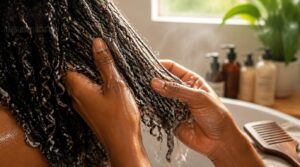
Conditioner isn’t optional for high porosity hair; it’s the step that keeps your cuticle smooth and your strands from snagging on themselves. The right formula does more than soften, it coats each strand with agents that make wet detangling actually manageable. Here’s what to look for on the label, and how to work it through your hair the right way.
Choose Slip-Boosting Conditioning Agents
Detangling shouldn’t feel like a fight. Cationic surfactants neutralize negative charge on damaged cuticles, letting strands glide instead of snag. Conditioning agents create a lightweight film that reduces friction, while silicone slip agents add extra glide without weighing hair down.
Some formulas even pair hydrolyzed proteins with slip agents, smoothing the cuticle while reinforcing strength, so your wash routine repairs and detangles at once.
Look for Behentrimonium Methosulfate
Check your leave-in conditioner or detangler label for Behentrimonium Methosulfate, a quaternary compound sourced from rapeseed oil. This cationic conditioning agent smooths cuticles, boosts slip, and carries genuine antistatic properties for frizz control.
Formulated at low to moderate percentages, it pairs well with fatty alcohols and stays effective across typical hair-product pH ranges, supporting real moisture retention without weighing strands down.
Try Cetrimonium Chloride for Slip
Why does your comb glide through some conditioners and snag through others? Often it’s cetrimonium chloride, a cationic quat that clings to hair’s negative charge, smoothing cuticles and cutting friction. Rated safe in rinse-off formulas, CTAC works in conditioners and leave-ins alike.
Look for it:
- Near the ingredient list’s front
- Paired with behentrimonium salts
- In detanglers marketed for slip
Detangle From Ends Upward
Working knots upward instead of down is what saves your strands. Start finger detangling at the very ends, easing tangles apart before switching to a wide tooth detangling comb. This ends up detangling hair with far less breakage than starting at the roots.
| Direction | Result |
|---|---|
| Ends upward | Less breakage |
| Roots downward | More tension |
| Sectioned | Manageable knots |
Rinse Thoroughly to Prevent Buildup
Ever notice hair feeling waxy right after rinsing? That’s residue, not softness. Rinse in sections with warm water and sufficient volume, roots to ends, until it runs clear. Finish with a cool rinse finish to seal cuticles.
Watch for:
- Squeaky-clean strands
- Clear runoff water
- No gummy feel
This prevents buildup that dulls high porosity hair.
Choose The Right Moisture Layering Method
Layering isn’t one-size-fits-all, and the order you apply your products in can make or break your results. Whether you reach for LOC or LCO comes down to your hair’s density, texture, and how thirsty it’s feeling that day. Here’s how to figure out which sequence actually works for you.
When LOC Works Best
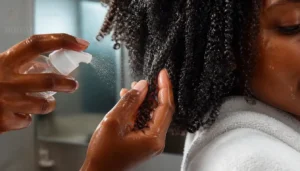
LOC shines on wash day, right after you rinse out conditioner, because damp strands with slightly raised cuticles absorb the liquid step fast.
If your curls run 3C to 4C or you’re battling constant dryness, this order (not LCO) delivers deeper penetration and longer-lasting hydration, especially in humid climates where lighter oils won’t overload the hair.
When LCO Works Best
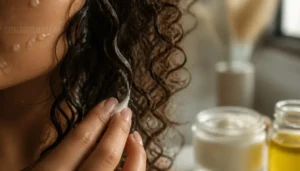
Not every strand needs LOC’s heavy lift. If your high porosity hair leans fine, or you just need a light moisture boost before sealing, LCO fits better: apply cream to damp hair for a lighter occlusive barrier, then finish with oil.
- Fine, high porosity strands
- Damp (not soaked) hair
- Drier climates
- Lighter daily hydration needs
- Protein balance already stable
Match Layers to Hair Density
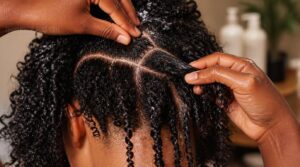
So how much product should each section actually get? Density decides that. Thicker, denser hair needs more total product with even sectioning to avoid missed strands, while thinner density needs less per pass to dodge product buildup.
| Density | Layering Amount |
|---|---|
| High | More product, smaller sections |
| Low | Less per pass, fewer sections |
| Mixed | Adjust by area |
Adjust for Fine or Coarse Hair
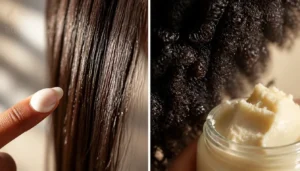
Density sets the amount, but strand texture decides the weight. Fine hair needs lightweight leave-ins and thinner creams, since heavier formulas cause coating and collapse.
Coarse hair tolerates thick conditioners and butters, holding moisture longer without looking weighed down.
Detangling slip differs too: fine strands need less product to glide through, while coarse hair often needs more to prevent snagging.
Avoid Overloading Porous Strands
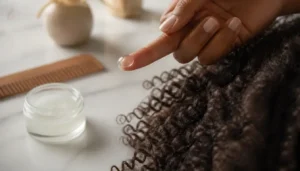
Because high porosity hair grabs product fast, more isn’t better; it’s a fast track to buildup. Stick to light application and real layering limits:
- Skip heavy butters
- Use pea-sized sealants
- Watch for greasy roots
- Avoid humectant overload
- Keep protein use minimal
Minimal product use keeps strands soft, not saturated.
Use Oils and Butters to Seal
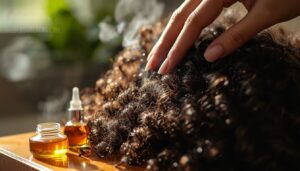
Once your hair is layered with water, leave-in, and cream, oils and butters lock that moisture in place, not with magic, but with a physical barrier that slows water loss. The trick isn’t picking the trendiest oil off a shelf; it’s understanding what each one actually does once it’s on your strands. Here’s what works, and why.
Coconut Oil Reduces Protein Loss
Coconut oil isn’t just slip and shine, it’s protein loss prevention at the fiber level.
Used as a pre-wash treatment, it penetrates the shaft and protects keratin, cutting protein loss up to 39% in damaged hair and 17% in undamaged strands, outperforming mineral or sunflower oil.
For high porosity hair, that’s real keratin protection strategy, not marketing.
Olive, Avocado, and Baobab Oils
Once your cuticles carry coconut oil’s protection, olive, avocado, and baobab oils finish the job. Olive oil’s oleic and linoleic acids mirror natural sebum, sealing damp strands while polyphenols fight oxidative stress.
Avocado oil penetrates the cortex, delivering emollient repair plus UV defense. Baobab oil balances all three omega fatty acids, absorbing fast without weighing fine, porous hair down.
Shea, Cocoa, and Mango Butters
Butters bring richness oils can’t match. Shea butter moisture softens rough ends; cocoa butter shine adds gloss; mango butter softness smooths frizz-prone strands.
Mix them in a 2:1:1 ratio (shea:cocoa:mango) for a DIY butter mask suited to moisturizing high porosity hair. This combo strengthens moisture sealing techniques through occlusive barrier formation, locking hydration in without stripping shine.
Film Thickness Matters Most
Not every oil or butter seals the same way, because sealing power comes down to film thickness, not ingredient hype. Too thin, and open cuticles keep leaking water; too thick, and you get greasy buildup with no real gain in slow water loss. The sweet spot creates real occlusive barrier formation while keeping the moisture film balanced and breathable.
Apply Sealants Sparingly
More isn’t better here. A pea-size amount covers fine to medium hair; go quarter-size for thick, coarse strands. Apply once per wash to prevent buildup, focusing on mid-lengths and ends.
- Skip your scalp
- Spot-treat frizz only
- Reduce amount in humidity
- Increase in winter
- Mix heavy oils with jojoba
Balance Humectants, Creams, and Stylers
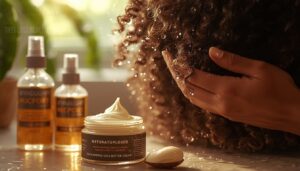
Sealing in moisture is only half the job; what you put underneath that seal matters just as much. Humectants, creams, and stylers all pull water differently depending on your climate and your hair’s needs, so the right combination isn’t one-size-fits-all. Here’s what to look for and how to tell if it’s actually working for you.
Glycerin Depends on Climate
Because glycerin pulls water from wherever it’s more concentrated, your climate decides whether it hydrates or dries. Above 60% humidity, it draws moisture into strands; below 40%, it reverses and pulls moisture out of your hair instead.
Dry climates call for minimal glycerin; humid ones tolerate more. Match usage to your dew point, not the season alone.
Propanediol Supports Formula Hydration
Glycerin isn’t the only humectant worth knowing; propanediol shows up in leave-ins too, listed as 1,3-propanediol. It attracts and retains water, doubles as a solvent helping actives dissolve evenly, and acts as a mild penetration enhancer. At 2 to 5%, it helps moisture retention without heaviness, a solid formulation aid for high porosity strands craving lightweight hydration.
Cantu Curl Activator Cream
Formulation aids only go so far; you also need a cream that puts them to work. Cantu Moisturizing Curl Activator Cream leans on shea butter benefits alongside glycerin’s humectant pull, in a sulfate-free, water-based formula. Polyquaternium-10 adds light hold. Result: real curl definition, a non-greasy finish, and moisture that actually reaches high porosity strands instead of sitting on top.
Bounce Curl Creme Gel
Creams aren’t your only styling option. Bounce Curl Creme Gel blends gel and cream properties, using aloe for lightweight hydration that smooths the cuticle and cuts frizz without stickiness.
Layering it over a leave-in creates a solid LOC setup. Its subtle tropical scent is a bonus, and porosity compatibility is strong when you pair it with sealing oils.
Judge Results, Not Labels
Once your product cabinet is full, how do you know what’s actually working? Skip the marketing claims and watch your strands: less frizz, better hair elasticity improvement, fewer tangles.
That’s real world testing, your personal hair porosity test in action.
Performance over marketing wins every time, since evidence based claims and consistent hair breakage prevention matter more than fancy labels.
Use Protein Without Overdoing It
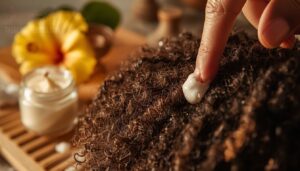
Protein has a reputation problem, mostly because people use it like a punishment instead of a tool. Used correctly, it fills gaps in the cuticle without tipping your hair into stiff, straw-like territory. Here’s how to know when you need it, what to reach for, and how often to actually use it.
Signs Hair May Need Protein
Ever stretch a wet strand and watch it snap instead of bounce? That’s low elasticity talking, often paired with a gummy texture, end breakage, or brittle dryness.
Watch for:
- Hair that stretches, then breaks
- A mushy, collapsed feel when wet
- Shape loss right after styling
These signal a protein-moisture imbalance, not just dehydration, so structural support matters here.
Choose Hydrolyzed Proteins and Amino Acids
Because molecular weight decides how deep protein actually travels, not every hydrolyzed keratin behaves the same way inside high porosity hair.
| Weight | Where It Works | Best Use |
|---|---|---|
| 221 Da | Cortex penetration | Internal repair |
| 2,500-4,000 Da | Cuticle + cortex | Balanced strength |
| 10,000+ Da | Surface film | Moisture barrier |
Look for "hydrolyzed keratin" listed among your conditioning agents, ideally sourced wool or feather-derived to meet safety standards.
Alternate Protein With Deep Conditioning
Timing makes protein work. High porosity hair does best with a protein treatment every 4 to 6 weeks, paired with a weekly deep conditioning treatment in between. That rhythm keeps protein-moisture balance intact rather than letting either side dominate.
Consistent protein-moisture cycling also lays the groundwork for restoring wavy hair’s natural curl pattern after damage or neglect.
Adjust seasonally, tightening in winter, loosening in summer, and confirm results with a quick elasticity check: curls that bounce back mean you got it right.
Stop if Hair Feels Brittle
Straw-like texture, stiff strands, and sudden breakage during brushing aren’t "working" signs, they’re protein overload alerts. When hair loses its bounce and curls go limp, stop treatments immediately.
Watch for these:
- Rough, coated feel
- Snapping at mid-shaft
- Flat, undefined curls
Switch to moisture-only conditioning until softness returns; forcing more protein onto brittle strands only deepens the damage.
Set Frequency by Hair Response
No fixed schedule beats what your strands tell you week to week. Run the hair elasticity test every 28 days, track breakage rate, and adjust protein frequency accordingly: weekly if hair feels weak, biweekly once strength returns.
Factor in seasonal protein schedule shifts, too, since winter dryness demands more support than humid summers. This protein moisture balance keeps regimens sustainable.
Keep Moisture in and Damage Out
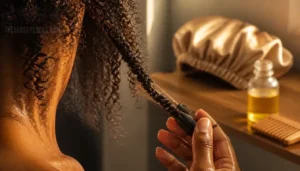
Getting your moisture routine right is only half the job; the other half is protecting that moisture once it’s in. High porosity hair loses hydration fast, so small daily habits matter just as much as the products you use.
Here’s what actually keeps your strands soft, sealed, and damage-free between wash days.
Refresh When Hair Feels Dry
Because high porosity hair loses water almost as fast as it drinks it in, you’ll notice dryness creeping back well before your next wash day. That’s your cue for a quick hair refresh, not a full reset.
Try this:
- Mist a DIY hydration mist (water, leave-in, coconut oil)
- Scrunch gently
- Air-dry or diffuse
This refresh spray application restores softness without disturbing your protein-moisture balance.
Mist Lightly Before Resealing
Once that DIY refresh mist has done its job, don’t reach straight for oil. Give it 1-2 minutes to fully absorb into the shaft first, that’s what actually creates a real moisture base instead of just sitting on the surface.
Water-based mists with glycerin or propanediol work best here; skip alcohol, and don’t oversaturate strands before sealing.
Limit Heat and Sun Exposure
Sun and heat undo your work fast. Seek shade during peak hours (10 AM–4 PM), and wear protective headwear for real UV protection.
For styling: use lower heat settings, limit passes, and allow heat tool cooling between sections. Always apply heat protectant first.
- Watch strands go from soft to straw-like in seconds
- Feel frizz creep back after one hot car ride
- Notice ends snapping under too much heat
- Sense relief protecting what you’ve hydrated
Use Satin or Silk Fabrics
Cotton pillowcases sneak moisture right out of your strands while you sleep, then add friction that roughs up already-lifted cuticles. Swap in satin (200-400 thread count) or silk (19-25 momme) instead. If you’re also dealing with low porosity strands, pairing this pillowcase swap with a full low porosity moisture retention routine can help your hair actually hold onto what it absorbs overnight.
Silk’s non-absorbent fibers won’t drink up your oils, and both fabrics let hair glide instead of catching, cutting breakage and frizz before your morning routine even starts.
Protect Ends With Gentle Styles
Ends are the oldest, most fragile part of every strand, so treat them accordingly. Wear loose braids, twists, or buns as protective hairstyles that limit friction and manipulation.
Gentle detangling before styling, plus a satin pillowcase or microfiber cap at night, curbs hair breakage and preserves elasticity, keeping your hard-earned moisture locked in where it belongs.
Frequently Asked Questions (FAQs)
What is the best moisturizer for high porosity hair?
There’s no single holy grail here, only what actually works: a rich water-based leave-in paired with emollient oils, butters, and humectants like glycerin, layered through the LOC method to seal moisture into thirsty, high porosity strands.
Should you moisturize high porosity hair every day?
Yes, daily moisture keeps high porosity hair hydrated since water escapes fast. Use light humectants on damp strands, watch product weight management, and maintain protein-moisture balance so hydration lasts without buildup or limp curls.
What ethnicity has high porosity hair?
Picture two friends comparing wash days: one with type 4 African hair, one with Asian strands.
African, Afro-Caribbean, and Latino (relaxer-treated) hair genetically shows the highest porosity; Asian hair stays lowest, Caucasian hair falls in between.
What not to do with high porosity hair?
Skip hot water, sulfate shampoos, and heavy butters that overload strands. Avoid over-protein use, cotton towels, tight hairstyles, and daily heat styling. Don’t skip conditioner, and never detangle dry hair without slip.
Is high porosity hair more prone to breakage?
Absolutely, that lifted cuticle raises breakage risk since faster moisture loss weakens strands over time.
Balancing protein-moisture, sticking to a cuticle repair routine, and using sun protection strategies plus nighttime hair protection all help stabilize fragile, high porosity hair.
Does hair porosity affect which hairstyles last longer?
Porosity impacts styles directly: cuticle gaps reduce moisture retention, so high porosity hair loses definition faster.
This curl longevity factor, tied to elasticity and moisture loss speed, means styles on low porosity strands usually outlast those on higher porosity hair types.
Can diet or hydration levels influence hair porosity?
Hydration and nutrient status won’t reshape your cuticle, but low water intake or nutrient deficiencies leave hair weaker.
Protein intake benefits and dietary minerals support strand strength, helping already high porosity hair hold moisture instead of losing it fast.
How often should product routines change with the seasons?
Your seasonal product rotation should shift twice yearly at minimum: lighten up for summer humidity resistance, then switch to richer creams and oils in winter. Watch for buildup or dullness signs, since climate-based routine changes matter more than a strict calendar.
Conclusion
Porous cuticles can lose up to three times more moisture than healthy strands, which explains why your curls demand attention others skip. That vulnerability isn’t a life sentence, though.
Mastering how to moisturize high porosity hair comes down to sequence: hydrate, layer, seal, protect. Skip a step, and cuticles reopen; follow the order, and they hold. Your hair isn’t high maintenance. It’s honest about what it needs, so give it that consistently, and softness stops being a lucky afternoon.