This site is supported by our readers. We may earn a commission, at no cost to you, if you purchase through links. This content is for general informational and educational purposes only and is not a substitute for professional medical, dermatological, or nutritional advice.

Pure vitamin C burns your skin, then triggers a breakout the next morning. Sound familiar? Most acne-prone users blame the vitamin, when the real culprit is picking a form and pH that fights their skin instead of working with it.
L-ascorbic acid, the top pick for brightening, sits at a pH under 3.5, which can irritate reactive, blemish-prone skin and even trigger purging. Gentler derivatives like sodium ascorbyl phosphate and magnesium ascorbyl phosphate deliver similar antioxidant power without the sting.
Finding the right vitamin C serums for acne prone skin comes down to matching formula, concentration, and supporting ingredients to your skin’s actual needs, not just chasing the highest percentage on the label.
Table Of Contents
- Key Takeaways
- 10 Best Vitamin C Serums for Acne-Prone Skin
- 1. Eva Naturals Vitamin C Serum With Retinol
- 2. Vanicream Vitamin C Serum for Sensitive Skin
- 3. CeraVe Vitamin C Serum with Hyaluronic Acid
- 4. CeraVe Resurfacing Retinol Serum
- 5. Goodal Green Tangerine Vitamin C Serum
- 6. TruSkin Vitamin C Super Serum
- 7. Naturium Vitamin C Hyaluronic Serum
- 8. COSRX Pure Vitamin C 23% Serum
- 9. Proactiv Post Blemish Vitamin C Serum
- 10. Niacinamide Zinc Serum Blemish Prone
- How We Chose These Serums
- What Vitamin C Does for Acne
- Match Vitamin C Forms to Skin
- Choose The Right Vitamin C Concentration
- Ingredients That Support Acne-Prone Skin
- Prevent Vitamin C Breakouts and Irritation
- Layer Vitamin C in Your Routine
- Store Vitamin C Without Oxidation
- Frequently Asked Questions (FAQs)
- Conclusion
Key Takeaways
- Pure L-ascorbic acid works great for brightening, but its low pH (under 3.5) can sting acne-prone skin, so gentler derivatives like sodium ascorbyl phosphate or magnesium ascorbyl phosphate deliver similar antioxidant benefits without the irritation.
- Pairing vitamin C with supporting ingredients like niacinamide, salicylic acid, ceramides, and hyaluronic acid helps control oil, unclog pores, and rebuild your skin barrier all at once.
- Storage matters just as much as the formula itself, since heat, light, and air oxidize vitamin C fast, so keep serums in opaque, airless pump bottles and replace them every 3-4 months.
- Patience pays off with vitamin C: most people notice real fading of dark marks within 4 to 12 weeks, so starting slow with patch tests and every-other-day use protects your skin while you wait for results.
10 Best Vitamin C Serums for Acne-Prone Skin
Finding a vitamin C serum that actually plays nice with acne-prone skin can feel like a bit of a gamble.
The good news is that this guide to the best vitamin C serums for oily skin breaks down formulas that brighten without clogging pores.
The right pick calms redness and fades dark marks without clogging your pores or leaving you red and irritated.
Here are ten serums worth putting on your radar, each one picked for a different skin need.
1. Eva Naturals Vitamin C Serum With Retinol
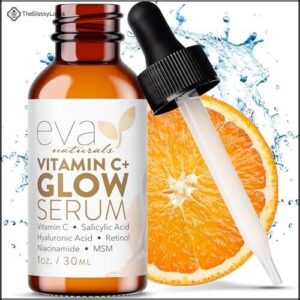
When acne and dark spots show up together, you need a serum that fights both. Eva Naturals pairs sodium ascorbyl phosphate with retinol, niacinamide, hyaluronic acid, and salicylic acid, tackling breakouts and tone in one lightweight formula.
This gentler vitamin C derivative works well at less acidic pH, so it won’t sting sensitized skin the way pure L-ascorbic acid can. Retinol improves texture, salicylic acid clears pores, and hyaluronic acid keeps things hydrated. Just watch for initial purging and always wear sunscreen.
| Best For | People dealing with both breakouts and dark spots who want a gentle, all-in-one serum that won’t overwhelm sensitive skin. |
|---|---|
| Key Active | Retinol + SAP |
| Texture | Lightweight |
| Skin Type | Acne-Prone |
| Sun Protection Needed | Required Daytime |
| Fragrance | Not Specified |
| Packaging | Standard Bottle |
| Additional Features |
|
- Combines vitamin C, retinol, niacinamide, and salicylic acid to target acne and uneven tone at once
- Uses a gentler vitamin C derivative that’s less likely to sting than pure L-ascorbic acid
- Lightweight formula absorbs fast and layers easily under moisturizer or makeup
- May cause initial purging, redness, or irritation, especially for sensitive skin
- Increases sun sensitivity, so daytime sunscreen is a must
- Shouldn’t be paired with other retinol, salicylic acid, benzoyl peroxide, or sulfur products
2. Vanicream Vitamin C Serum for Sensitive Skin
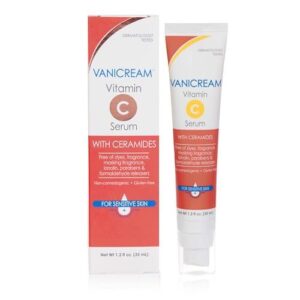
If your skin reacts to almost everything, Vanicream was built with you in mind. It skips fragrance, dyes, and lanolin, relying on tetrahexyldecyl ascorbate for stable, low-irritation brightening.
This oil-soluble derivative penetrates deeply without the sting of L-ascorbic acid, making it a smart pick for reactive, rosacea-prone, or acne-prone skin alike. The lightweight, non-comedogenic formula won’t clog pores, and results build gradually rather than dramatically, so patience matters more than speed here.
| Best For | Anyone with sensitive, reactive, rosacea-prone, or acne-prone skin who wants gentle, gradual brightening without irritation. |
|---|---|
| Key Active | THD Ascorbate |
| Texture | Milky Lightweight |
| Skin Type | Sensitive/Rosacea |
| Sun Protection Needed | Recommended |
| Fragrance | Fragrance-Free |
| Packaging | Airless Pump |
| Additional Features |
|
- Uses stable, low-irritation THD ascorbate that won’t sting like traditional vitamin C
- Free of common irritants like fragrance, dyes, parabens, and essential oils, with ceramides to support the skin barrier
- Airless pump packaging keeps the formula stable and fresh over time
- The airless pump can be finicky, sometimes needing extra shakes and pumps to dispense
- A small number of users with very sensitive skin noticed redness or breakouts early on
- Brightening results are subtle and slow, so it’s not ideal if you want fast, dramatic change
3. CeraVe Vitamin C Serum with Hyaluronic Acid
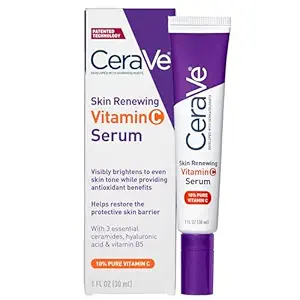
Where Vanicream leans gentle, CeraVe leans balanced, and that’s exactly why it works for so many skin types. This serum pairs 10% pure L-ascorbic acid with hyaluronic acid and three ceramides, brightening tone while actively rebuilding your barrier.
Fragrance-free and non-comedogenic, it’s well tolerated by sensitive, oily, and acne-prone skin alike. The opaque tube protects against oxidation, too, so you’re not wasting product to air and light before you even get to use it.
For best results, apply it in a thin layer and let it fully absorb before your next step, a trick covered in this guide to the best sunscreen lotions for oily skin.
| Best For | Anyone who wants brighter, more even-toned skin without sacrificing hydration, especially those with sensitive, oily, or acne-prone skin looking for a well-rounded vitamin C serum. |
|---|---|
| Key Active | L-Ascorbic Acid 10% |
| Texture | Non-Greasy Gel |
| Skin Type | Acne-Prone |
| Sun Protection Needed | Required Daytime |
| Fragrance | Fragrance-Free |
| Packaging | Opaque Tube |
| Additional Features |
|
- Combines 10% L-ascorbic acid with hyaluronic acid and three ceramides for brightening and barrier support in one step
- Fragrance-free, paraben-free, and non-comedogenic, making it gentle enough for sensitive and acne-prone skin
- Opaque tube packaging protects the vitamin C from oxidation, helping it stay effective for longer
- May cause temporary dryness, so following up with a moisturizer is important
- The 1 oz size can run out quickly with daily use, leading to frequent repurchasing
- Visible results take consistent use over several weeks, so it’s not a quick fix
4. CeraVe Resurfacing Retinol Serum
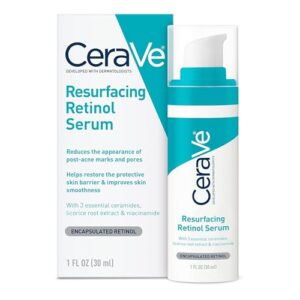
This one isn’t a vitamin C serum, but it earns its spot for what comes after brightening: fading actual post-acne marks through resurfacing.
Encapsulated retinol smooths texture gradually, while three ceramides guard your barrier from the dryness retinol’s known for. Niacinamide calms redness alongside it.
Expect some initial flaking, maybe a purge phase. Use nightly sunscreen the next morning, since retinol raises sun sensitivity. Pair it with your vitamin C serum for a rounder routine.
Since your skin naturally ramps up repair overnight, timing retinol correctly makes a real difference—this nighttime skin care routine for sensitive skin walks through how to layer it in gently.
| Best For | Those with acne-prone, oily, or sensitive skin looking to fade post-acne marks and refine texture as part of a nighttime routine. |
|---|---|
| Key Active | Encapsulated Retinol |
| Texture | Lightweight |
| Skin Type | Acne-Prone/Sensitive |
| Sun Protection Needed | Required Daytime |
| Fragrance | Not Specified |
| Packaging | Standard Tube |
| Additional Features |
|
- Encapsulated retinol helps resurface skin and visibly reduce post-acne marks and hyperpigmentation over time
- Three essential ceramides help protect and maintain the skin barrier while using retinol
- Niacinamide and licorice root extract help calm skin and brighten uneven tone
- May cause initial dryness, redness, or peeling as skin adjusts to retinol
- Some users go through a temporary purge phase with increased breakouts before seeing improvement
- Requires diligent daytime sunscreen use due to increased sun sensitivity
5. Goodal Green Tangerine Vitamin C Serum
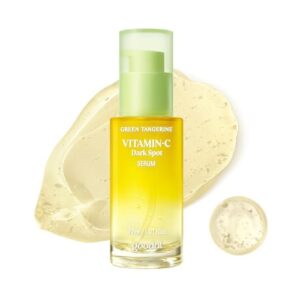
Fruit-based brightening gets its moment here. Rather than synthetic derivatives, this serum leans on 70% green tangerine extract as its vitamin C source, a gentler route toward fading dark marks.
Four percent niacinamide backs it up, supporting your barrier while arbutin targets hyperpigmentation directly. The gel-like texture sinks in without heaviness or grease, a plus if breakouts make you wary of rich formulas.
Packaged in an opaque container, it’s shielded from light exposure that would otherwise degrade potency over time.
| Best For | This serum is best for people with sensitive or acne-prone skin who want a gentler, fruit-based approach to fading dark spots and evening out skin tone. |
|---|---|
| Key Active | Vitamin C 15% |
| Texture | Lightweight Liquid |
| Skin Type | Sensitive |
| Sun Protection Needed | Required Daytime |
| Fragrance | No Added Fragrance |
| Packaging | Amber Dropper Bottle |
| Additional Features |
|
- Uses 70% green tangerine extract as a naturally derived Vitamin C source, paired with niacinamide and arbutin for brightening and barrier support
- Lightweight, gel-like texture absorbs quickly without feeling greasy or heavy
- Opaque packaging protects the formula from light exposure, helping preserve potency
- The natural scent from active ingredients may be noticeable to some users
- Texture can feel slightly sticky or tacky right after applying
- First-time Vitamin C users should patch test before regular use to avoid irritation
6. TruSkin Vitamin C Super Serum
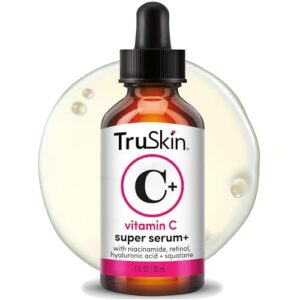
Twenty percent botanical vitamin C sounds intense, but this formula pairs it with ferulic acid and vitamin E for stability, so it stays effective without turning harsh on breakout-prone skin.
Salicylic acid works quietly in the background, dissolving buildup inside pores, while niacinamide keeps oil production in check.
Jojoba oil and MSM smooth texture without clogging anything. The dark glass bottle blocks light exposure, protecting potency between uses, and the dropper lets you control exactly how much you apply each time.
| Best For | This serum is best for people with dull, uneven skin tone or early signs of aging who want a multi-tasking formula (Vitamin C, Retinol, Niacinamide, Hyaluronic Acid, and Squalane) without harsh additives, and who don’t mind a dewy finish. |
|---|---|
| Key Active | Vitamin C + Retinol |
| Texture | Lightweight |
| Skin Type | All Types |
| Sun Protection Needed | Recommended |
| Fragrance | No Dyes/Parabens |
| Packaging | Standard Bottle |
| Additional Features |
|
- Combines five active ingredients in one serum, cutting down on the number of products needed in a routine.
- Free from parabens and dyes, and made cruelty-free in the USA.
- Lightweight formula that hydrates while supporting the skin barrier.
- Some users experience initial breakouts or purging in the first few weeks.
- Results aren’t guaranteed—a few reviewers saw no visible change after consistent use.
- The dewy, slightly oily finish may not appeal to those who prefer a matte look.
7. Naturium Vitamin C Hyaluronic Serum
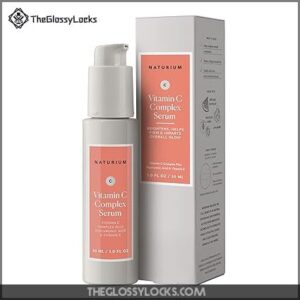
Balance is the whole point here. This serum blends sodium ascorbyl phosphate with L-ascorbic acid, giving you brightening power without the sting some acne-prone faces dread.
Since this serum won’t shield you from UV rays, pair it with a lightweight watery sun gel that layers well under makeup and reapply if you’re sweating it out.
Hyaluronic acid and glycerin lock in moisture, so your skin stays plump instead of tight and dry. The lightweight texture layers easily under moisturizer, and the airtight packaging keeps oxidation at bay.
If you’ve been burned by harsh vitamin C before, this gentler complex might finally work with your skin instead of against it.
| Best For | This serum is best for those with normal, dry, combination, or sensitive skin who want to brighten their complexion, fade dark spots, and soften fine lines and wrinkles over time. |
|---|---|
| Key Active | L-Ascorbic Acid |
| Texture | Thicker Consistency |
| Skin Type | Normal/Sensitive |
| Sun Protection Needed | Required Daytime |
| Fragrance | Synthetic Fragrance Free |
| Packaging | Airless Pump |
| Additional Features |
|
- Contains a high concentration of stable L-ascorbic acid alongside Kakadu plum extract, hyaluronic acid, and vitamin E for brightening and hydration.
- Clinically shown to improve fine lines and wrinkles within 4 weeks.
- Vegan, cruelty-free, paraben-free, gluten-free, and dermatologist tested, with pH-balanced formula and airless pump packaging to preserve freshness.
- May cause breakouts or irritation for those with very oily or acne-prone skin.
- Thicker texture can feel heavy for daytime wear, so many prefer using it at night.
- Requires a patch test for sensitive skin, and daytime use calls for added sunscreen.
8. COSRX Pure Vitamin C 23% Serum
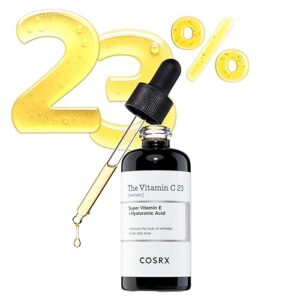
Twenty-three percent ascorbic acid is no joke, and this serum wears that strength proudly. It’s built for skin that’s already tolerating actives well and wants real brightening power against dark spots and dullness.
Tocotrienol and hyaluronic acid soften the intensity a bit, adding antioxidant backup and lightweight hydration. Still, this one demands respect: refrigerate it, patch test first, and expect a strong, slightly fishy scent that fades once it absorbs.
| Best For | This serum is best for people with skin already accustomed to strong actives who want serious help fading dark spots and dullness. |
|---|---|
| Key Active | Ascorbic Acid 23% |
| Texture | Lightweight |
| Skin Type | All Types |
| Sun Protection Needed | Required |
| Fragrance | Not Specified |
| Packaging | Standard Bottle |
| Additional Features |
|
- Delivers a high 23% concentration of pure ascorbic acid for noticeable brightening
- Includes tocotrienol and hyaluronic acid for added antioxidant support and hydration
- Absorbs quickly into a lightweight finish without leaving a greasy residue
- Strong metallic or fishy odor that some users may find off-putting
- Requires refrigeration and careful storage to avoid oxidation
- Lacks ferulic acid, making it less stable than other vitamin C formulations
9. Proactiv Post Blemish Vitamin C Serum
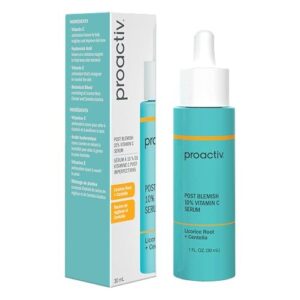
If breakouts leave your skin reactive to strong actives, this one’s built with you in mind. Proactiv leans on 3-O Ethyl Ascorbic Acid, a gentler derivative that still delivers real brightening without the sting some acids cause.
Hyaluronic acid keeps things hydrated, while Centella Asiatica calms redness left behind by blemishes. The lightweight, fragrance-free formula absorbs fast and layers easily under sunscreen, making it a smart pick for anyone easing into vitamin C without triggering irritation or new breakouts.
| Best For | This serum is best for those with acne-prone or reactive skin who want the brightening benefits of Vitamin C without the irritation that stronger formulas can cause. |
|---|---|
| Key Active | Vitamin C 10% |
| Texture | Fast-Absorbing |
| Skin Type | Acne-Prone |
| Sun Protection Needed | Recommended |
| Fragrance | Fragrance-Free |
| Packaging | Standard Bottle |
| Additional Features |
|
- Uses a gentle Vitamin C derivative that brightens without stinging or irritating sensitive, blemish-prone skin
- Combines hyaluronic acid and Centella Asiatica to hydrate and calm post-acne redness
- Lightweight, fragrance-free, and fast-absorbing, so it layers easily under sunscreen or moisturizer
- May cause dryness or tightness for some users, requiring less frequent application
- Results are gradual and may not fully fade deep or long-standing pigmentation
- Some users report little to no visible improvement even after weeks of consistent use
10. Niacinamide Zinc Serum Blemish Prone
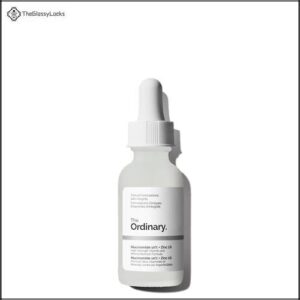
Sometimes the missing piece isn’t more vitamin C, it’s oil control. This niacinamide and zinc serum pairs 10% niacinamide with 1% zinc PCA to calm oil production and shrink the look of enlarged pores within days.
Zinc also helps quiet inflammation, so blemishes look less angry while healing. Since it skips vitamin C entirely, it’s a smart layering partner rather than a replacement, giving your skin balance without the irritation risk that comes from combining too many actives at once.
| Best For | This serum is best for anyone with blemish-prone or oily skin who wants to control shine, refine the look of pores, and boost radiance without adding a harsh routine. |
|---|---|
| Key Active | Niacinamide + Zinc |
| Texture | Water-Based |
| Skin Type | Blemish-Prone |
| Sun Protection Needed | Recommended |
| Fragrance | Not Specified |
| Packaging | Standard Bottle |
| Additional Features |
|
- Contains 10% niacinamide and 1% zinc PCA to help control oil in as little as 3 days
- Lightweight, water-based formula hydrates and supports the skin barrier within a week
- Non-comedogenic and gentle enough for twice-daily use after cleansing
- Shouldn’t be paired with vitamin C in the same routine, which limits layering options
- Needs a patch test first and shouldn’t go on broken skin
- Must be kept away from lips and eyes, and the bottle should stay closed to avoid crystallization
How We Chose These Serums
Picking a vitamin C serum for acne-prone skin isn’t just about grabbing whatever’s trending. You need something that actually works with your skin instead of against it, from the formula down to the packaging. Here’s exactly what we looked at before adding any serum to this list.
Acne-prone Formula Compatibility
Not every serum earns a spot on acne-prone skin. We checked pH skin compatibility, since harsh acids disrupt your barrier. We looked for oilfree, noncomedogenic bases, plus smart pairings like sodium ascorbyl phosphate with salicylic acid or niacinamide.
Good layering active cooperation and a solid ingredient compatibility matrix matter too, keeping texture absorption efficient without clogging pores or triggering breakouts. Ideal results also depend on ideal skin pH levels, since L-ascorbic acid penetrates best below pH 3.5.
Vitamin C Form and Stability
Skin compatibility only tells half the story. Form stability matters just as much, since L-ascorbic acid oxidizes fast in air and light while sodium ascorbyl phosphate and tetrahexyldecyl ascorbate hold up better.
We favored formulas with smart pH balance and airless pump packaging, since slower oxidation rate means fresher vitamin C reaching your skin longer.
Helpful Supporting Ingredients
A great vitamin C serum rarely works alone. We looked for smart supporting casts: niacinamide for oil control, salicylic acid clearing pores, hyaluronic acid for hydration, ceramides rebuilding barrier, and ferulic acid boosting antioxidant power.
- Calmer, less angry-looking skin
- Fewer surprise breakouts
- Softer, hydrated texture
- Stronger barrier defense
- Brighter, more even tone
Protective Packaging Design
Good ingredients mean nothing if they oxidize before you even open the bottle. We favored serums using an airless pump over droppers, since less air exposure slows vitamin C oxidation and preserves potency.
| Feature | Why It Matters | Bonus |
|---|---|---|
| Airless pump | Blocks air | Longer shelf life |
| Opaque bottle | Blocks light | Stable formula |
| Tamper evident seal | Safety | Peace of mind |
Price, Size, and Value
Nine dollars or ninety, price should match what you’re actually getting. We looked at cost per use, not just sticker price, since a pricier serum with higher concentration can outlast a cheap one.
Three things mattered most:
- Price-to-concentration ratio (are you paying for actual vitamin C?)
- Bottle size options, from travel sizes to value packs
- Longevity, meaning 3-4 months of realistic daily use
What Vitamin C Does for Acne

Vitamin C isn’t a magic eraser, but it does earn its spot in an acne-prone routine for real reasons. Knowing what it can and can’t do helps you set realistic expectations before you invest in a bottle. Here’s exactly what this ingredient brings to the table.
Brightens Post-acne Dark Marks
Those stubborn brown patches left behind after a breakout? That’s post-inflammatory hyperpigmentation, and it fades faster with help. A vitamin C serum helps collagen production while working toward melanin inhibition, calming the pigment cells responsible for those marks.
Consistent use on acne prone skin encourages even skin tone and gradual post-inflammatory fade, making brightening a realistic, achievable goal over time.
Supports Calmer-looking Skin
When redness and irritation flare alongside breakouts, a calming antioxidant mix works quietly underneath. Look for a gentle pH formula paired with ceramides for skin barrier support.
- Reduces inflammatory mediators
- Softens rough, irritated patches
- Restores barrier lipids
- Adds barrier repair hydration
A noncomedogenic, anti-redness serum with soothing texture mix keeps sensitive skin calm without clogging pores or heavy oils.
Provides Daily Antioxidant Protection
Your skin faces free radical damage every single day, from sun exposure to plain old pollution. A morning antioxidant routine with vitamin C serum offers real free radical defense, neutralizing unstable molecules before they harm cells.
| Benefit | How It Helps | Best Paired With |
|---|---|---|
| Cellular support | Neutralizes free radicals | Ferulic acid |
| UV combination | Boosts sun protection | Broad-spectrum SPF |
| Daily defense | Consistent antioxidant protection | Morning application |
This UV antioxidant combination works best alongside SPF, never replacing it.
Cannot Erase Textural Scars
Here’s the honest truth: vitamin C can’t fill in what’s no longer there. It brightens dark marks beautifully, but scar depth limits its reach, since ice pick and boxcar scars sit 1-2mm deep, past where any topical penetrates.
- Penetration depth stays shallow, around 0.1-0.2mm
- Collagen synthesis stays insufficient for filling atrophic tissue
- Surface pigmentation improves, texture doesn’t
- Rolling scars respond better than boxcar or ice pick types
- Combination therapy with lasers works best for real texture change
Track Results Over Eight Weeks
Why do so many people quit right before results show up? A Baseline Skin Assessment matters, then track weekly: Weekly Progress Photos, breakout frequency, hydration, and radiance changes.
Week 4 feels discouraging for 40% of users, but week 8 reveals real payoff, improved texture, faded post-acne marks, and fewer breakouts, for 76% who stayed consistent.
Week four feels discouraging, but stay consistent—by week eight, 76% see real payoff in clearer, brighter skin
Match Vitamin C Forms to Skin

Not all vitamin C is created equal, and that matters even more when your skin already struggles with breakouts.
L-ascorbic Acid: Potent, Higher Irritation
Think of L-ascorbic acid as the top choice, but a demanding one. Its potency comes from acidity, requiring low pH that can sting sensitive or acne-prone skin, especially post-exfoliation.
Higher concentrations boost results but strain concentration tolerance and barrier stress. It also oxidizes quickly, turning yellowish and less effective.
Always patch test first. If burning lingers rather than tingling briefly, your barrier’s telling you something.
Sodium Ascorbyl Phosphate: Gentle, Acne-friendly
If L-ascorbic acid feels too harsh, sodium ascorbyl phosphate is the calmer alternative. This water-soluble derivative works at higher pH, so it won’t sting acne-prone skin.
Three reasons it earns its spot:
- Fights acne bacteria directly
- Brightens post-blemish marks
- Stays stable, resisting oxidation
Look for it in noncomedogenic formulas offering steady antioxidant protection without the burn.
Tetrahexyldecyl Ascorbate: Oil-soluble Stability
Sodium ascorbyl phosphate calms things down, but tetrahexyldecyl ascorbate brings something different: oil-soluble absorption built for lasting power.
This ester dissolves into oil-based serums, slipping past the lipid barrier for deeper penetration. That structure also means better formulation stability, resisting oxidation longer than water-based cousins.
| Feature | Benefit |
|---|---|
| Oil solubility | Deeper delivery |
| Oxidation resistance | Extended shelf life |
| Compatibility | Pairs with actives |
| Texture | Non-greasy finish |
| Stability | Stable vitamin C formula |
Ethyl Ascorbic Acid: Sensitive-friendly
If oil-soluble stability isn’t your priority, ethyl ascorbic acid offers a stable vitamin C derivative built for sensitive skin. It stays effective within a pH stability range of 4.0 to 6.0, resists oxidation, and delivers real antioxidant activity plus a noticeable brightening effect, all while keeping its low irritation profile intact for reactive, acne prone skin in fragrancefree, noncomedogenic formulations.
Magnesium Ascorbyl Phosphate: Moisturizing Derivative
When dryness worries you more than breakouts, magnesium ascorbyl phosphate (MAP) fits nicely. It offers real MAP hydration benefits alongside antioxidant stability, working comfortably across a pH range of 5.0 to 6.5.
This vitamin C serum pairs beautifully with:
- Hyaluronic acid for lasting moisture
- Ceramides that strengthen your barrier
- Gentle formulas for acne prone skin
- Noncomedogenic textures that fade acne scars gradually
Choose The Right Vitamin C Concentration
Picking a percentage isn’t about going as strong as possible, since your skin’s tolerance matters just as much as the number on the label. The right strength depends on how long you’ve been using vitamin C and how your skin usually reacts to new products. Here’s how to figure out where you fall.
Beginners: 5% to 10%
New to vitamin C? Start with 5% and let your skin adjust before going further. This gentler vitamin C concentration still brightens acne prone skin without overwhelming it.
Patch test first, then try alternate days application for two weeks. Watch for irritation like redness or stinging. Once calm, increase to 10% for stronger antioxidant benefits, still tolerable for sensitive skin.
Experienced Users: 10% to 15%
Once your skin tolerates lower strengths without fuss, the 10 to 15 percent range delivers real payoff. Sodium ascorbyl phosphate and ethyl ascorbic acid brighten effectively with less sting.
Pair with niacinamide and ceramides for barrier support, and look for ferulic acid as a stability enhancer. Apply every other day, then track visible brightening around eight weeks.
Maximum Useful Strength: About 20%
Twenty percent is the ceiling for most acne-prone skin, balancing efficacy at 20 with real tolerance thresholds.
Beyond this, irritation risk climbs without added brightening payoff. Formulation balance matters too:
- Water or glycerin base for hydration
- Gentle antioxidants added for stability
- Opaque packaging preventing oxidation
Clinical study results support 20% as vitamin C serum’s practical peak, whether pure or vitamin C derivative like sodium ascorbyl phosphate.
Approach 23% Formulas Carefully
Some acne-prone skin can handle 23%, but this strength demands respect. Start low concentration, watch for redness, then build up gradually.
Always pair with a buffering moisturizer, avoid layering other actives the same session, and monitor skin reaction closely. Sensitive types especially should ease in slowly, since pH and potency both climb at this level. Patience protects your results.
Derivatives May List Equivalent Activity
Ever notice a serum lists "10% equivalent activity" instead of a straight percentage? That’s normal for any vitamin C derivative.
- Sodium ascorbyl phosphate calming acne-prone skin
- Ascorbyl glucoside brightening gently over weeks
- Tetrahexyldecyl ascorbate melting into rich creams
- Ferulic acid locking in stability
pH and packaging affect real-world performance, so equivalent activity labeling isn’t guaranteed, patch test first.
Ingredients That Support Acne-Prone Skin

Vitamin C rarely works alone in a good serum, and that’s actually a good thing for acne-prone skin. The ingredients standing next to it on the label can calm irritation, balance oil, and keep your barrier intact while the vitamin C does its brightening work.
Here’s what to look for as your supporting cast.
Hyaluronic Acid and Glycerin
Low-pH vitamin C serums can leave acne-prone skin feeling tight, which is where hyaluronic acid and glycerin step in.
HA binds up to 1000 times its weight in water for a real hydration boost and skin plumping action, while glycerin draws moisture into the surface for a non-sticky feel. Layered together, they strengthen your barrier without clogging pores.
Pair that with vitamin C for brightening, and you get the kind of lightweight, multitasking formula covered in this vitamin C and hyaluronic acid serum review.
Niacinamide for Oil Balance
Once your skin feels hydrated, oil control becomes the next piece of the puzzle. Niacinamide works at 2% to calm sebum production by targeting sebocytes directly, with results showing up after two weeks of steady use.
It also helps pore minimization and eases inflammation. Apply it after your vitamin C serum for a well-rounded oil control serum routine that strengthens your barrier too.
Salicylic Acid for Clogged Pores
Oil control controls surface shine, but clogged pores need help from the inside out. That’s where salicylic acid comes in. Its oil-soluble action lets it travel through sebum to dissolve blockages directly.
This keratolytic mechanism loosens dead skin cells, unclogging pores while your vitamin C serum works on brightening those post-acne marks above.
Ferulic Acid and Vitamin E
Salicylic acid unclogs, but ferulic acid protects. This plant-derived antioxidant stabilizes your vitamin C serum and boosts vitamin E’s power, creating an antioxidant trio that fights free radicals.
Research shows this combo nearly doubles UV protection compared to vitamin C and E alone.
- Stabilizes vitamin C from breaking down
- Amplifies antioxidant protection against daily damage
- Boosts sunscreen’s UV defense
- Reduces sunburn-related cell stress
Ceramides for Barrier Support
Think of ceramides as mortar between bricks. These lipid structures fill gaps in your skin barrier, locking in moisture that vitamin C’s low pH can strip away.
For acne-prone skin, that’s huge. Barrier support moisturizers with ceramides won’t clog pores, and layering one after your serum helps skin tolerate actives without turning red or flaky.
Prevent Vitamin C Breakouts and Irritation

Vitamin C can be a boost for acne-prone skin, but the wrong formula might work against you instead of for you. A few simple habits go a long way toward keeping your skin calm while you reap the benefits. Here’s what to check before you commit to a bottle.
Check Non-comedogenic Product Claims
Non-comedogenic" sounds reassuring, but it’s a self-declared label, not a guarantee. Check the INCI top five ingredients (80% of the formula) for pore-clogging culprits.
- Isopropyl myristate
- Caprylic triglyceride
- Heavy plant oils
- Synthetic fragrance
Squalane and silicones like dimethicone are usually safe. When in doubt, run a quick patch test first.
Avoid Heavy, Pore-clogging Textures
Texture matters just as much as ingredients. Rich, creamy vitamin C formulas can trap oil production and clog pores fast on acne-prone skin.
Stick with lightweight gel formulas, oil-free serums, or water based emulsions instead. They deliver a matte finish and genuine pore minimization while still supporting oil control, absorbing quickly without leaving residue that invites new breakouts.
Choose Fragrance-free Sensitive Formulas
Fragrance sensitivity flares fast on already-irritated, acne-prone skin, so read labels closely. True fragrance-free means no parfum listed at all, not just "unscented" branding hiding essential oils.
Look for allergy-safe certification seals and non-irritating preservatives like phenoxyethanol. Formulas with barrier-support ingredients, such as niacinamide and ceramides, calm sensitive skin while your vitamin C serum works, without adding another trigger to worry about.
Patch Test Before Full Application
Skip patch testing and you’re gambling with your face. Dab a small amount behind your ear or on your inner arm, then watch that spot for 24 to 48 hours. Higher concentrations need closer attention, up to 72 hours for potent formulas.
Redness, itching, or bumps mean stop; clear skin means you’re ready for the next step.
Start Every Other Day
Why rush skin tolerance building when your face isn’t going anywhere? Alternate application days between active use and skin recovery days, giving pores time to reset.
- Reduces irritation from new formulas
- Helps distinguish true breakouts from purging
- Builds tolerance gradually for sensitive skin
Watch for oxidation between uses. This alternate day routine protects acne-prone skin while easing irritation management during those tricky first weeks.
Layer Vitamin C in Your Routine
Even the best vitamin C serum won’t do much good if it’s layered the wrong way. Order matters here, especially when your routine already includes niacinamide, retinol, or sunscreen. Here’s how to build a sequence that keeps your skin calm and your results consistent.
Apply After Cleansing and Drying

Right after cleansing, rinse thoroughly so no cleanser residue lingers, then pat skin dry with a soft towel. Skin should feel dry, not damp, before your vitamin C serum goes on.
This timing matters most in your morning skincare routine, since humidity can slightly extend absorption. On acne-prone skin, dry application keeps the formula stable and effective.
Use Two to Three Drops
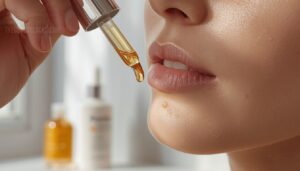
Once skin is dry, two to three drops is your sweet spot, about 0.05 to 0.075 mL, enough for even coverage without pooling on acne-prone skin.
More than that just sits there, slowing absorption. Pat gently from center outward, and if irritation shows up, drop to one drop until skin acclimates.
Layer Niacinamide After Vitamin C

Once your vitamin C settles in, give it about 10 minutes before reaching for niacinamide. This pH layering order lets vitamin C work at its ideal acidity first.
Once you finish your routine, don’t skip sunscreen—it’s essential for protecting your results, especially if you’re managing hyperpigmentation or wondering what happens when you stop using hydroquinone cream.
- Wait time protects potency
- Lower pH goes first
- Skin should feel matte, not sticky
- Pairing curbs redness and boosts brightening
Niacinamide won’t cancel out vitamin C’s benefits. It just needs a little patience.
Alternate Retinol at Night
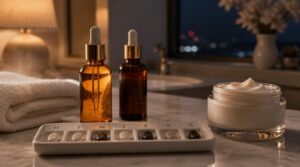
Not every night calls for retinol. Try 2 to 3 nights weekly at first, saving other evenings for your vitamin C serum alone.
This alternate night application builds tolerance gradually. Once skin adjusts, ease toward nightly use, always following retinol with a rich moisturizer to buffer irritation and protect against dryness while fading post-acne marks.
Finish Mornings With Broad-spectrum Sunscreen
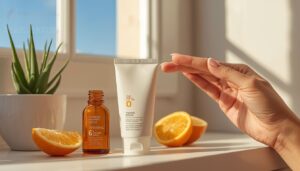
Sunscreen isn’t optional after vitamin C, since the serum can boost photosensitivity. Choose broad-spectrum SPF 30 or higher, applied 15 minutes before heading out. An SPF 30 formula filters about 97% of UVB rays.
If you’re sweating or swimming, pick a water-resistant formula and reapply per label directions, since no sunscreen is truly waterproof.
Store Vitamin C Without Oxidation
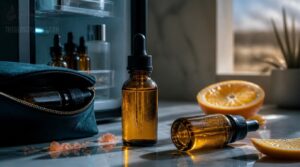
Even the best vitamin C serum won’t stay effective if it’s stored the wrong way. Air, light, and heat break it down fast, turning a potent antioxidant into something your skin won’t benefit from. Here’s what to look for and watch out for so your serum stays fresh from first use to last.
Prefer Opaque Airless Pump Packaging
Packaging matters as much as the formula inside it. Opaque airless pumps block light and air, the two biggest triggers for oxidation, while delivering consistent dosage delivery with every press.
- No dropper exposing product to air
- Piston mechanism protects vitamin C stability
- Travel safe packaging resists leaks
- Recyclable materials reduce waste
For acne-prone skin, that protection keeps your vitamin C serum working, not wasted.
Keep Bottles Cool and Dark
Where you keep your serum matters almost as much as the formula itself. Heat speeds up oxidation, so skip the bathroom shelf near hot water lines and store bottles in a cool, dark cabinet instead.
If you want extra protection, refrigeration between 2-8°C keeps vitamin C serum stable longer, especially helpful for acne-prone skin battling active breakouts and sensitivity.
Minimize Air and Light Exposure
Think of oxygen and light as the two thieves stealing your serum’s power. Opaque containers and airless pumps block both, keeping antioxidant protection intact for acne prone skin that needs every drop working.
Check seal integrity each time you close the cap. A loose seal invites air in fast, undoing the light blocking your packaging was designed for, and speeding up oxidation before you’d expect it.
Monitor Yellow-orange Color Changes
Your serum’s color tells a story, and learning to read it protects your skin. Fresh vitamin C serum should look clear or pale yellow, so any shift toward orange signals oxidation is underway.
Watch for:
- Reddish tint (early oxidation)
- Cloudy yellow (partial degradation)
- Sour smell alongside color change
- Sediment or layer separation
Track changes weekly. Even stabilized formulas in solid packaging shift eventually, just slower.
Discard Oxidized Serum Promptly
Once that color shift shows up, toss the bottle. Oxidized serum can’t fight oxidative stress anymore, and it may irritate acne-prone skin instead of helping it.
Seal it in original packaging and dispose of it with household hazardous waste, never down the drain. High-concentration formulas oxidize within 8-12 weeks, so mark your calendar and replace serums every 3-4 months.
Frequently Asked Questions (FAQs)
Which vitamin C serum is best for acne?
Picture a garden needing gentle rain, not a flood. That’s sodium ascorbyl phosphate at 5-10%, paired with niacinamide and salicylic acid, calming acne-prone skin while gradually fading marks without disrupting your skin’s protective barrier.
What vitamin C is good for acne?
Gentler derivatives like sodium ascorbyl phosphate and tetrahexyldecyl ascorbate suit acne-prone skin best, reducing irritation compared to straight l-ascorbic acid.
Pairing with salicylic acid helps antioxidant teamwork while unclogging pores, so start with every-other-day application before increasing frequency.
How long until vitamin C fades acne scars?
Waiting for results can feel like watching paint dry for a year. With consistent usage, most people notice a fade timeline of 4 to 12 weeks, though real hyperpigmentation reduction often shows within just 3 weeks.
Can I use vitamin C with benzoyl peroxide?
Not at the same time. Benzoyl peroxide oxidizes vitamin C within seconds, canceling both benefits. Use vitamin C in the morning, benzoyl peroxide at night, keeping at least four hours apart to avoid irritation on acne-prone or sensitive skin.
If your skin tingles after applying vitamin C, a quick patch test can help you figure out whether it’s just normal vitamin C serum irritation or a sign to switch products.
Is vitamin C safe during pregnancy for acne?
Like a trusty rotary phone, topical vitamin C stays reliable through every trimester. Dermatologists consider it safe for pregnancy, treating acne and melasma without systemic risk, though skip retinol pairings and start with 10-15% concentration for sensitive skin.
Why does my skin sting after applying vitamin C?
That sting usually means low pH irritation meeting a dry or sensitized barrier. Applying to damp skin, checking for alcohol denat or fragrance, and easing into every-other-day use helps your skin adjust without discomfort.
Conclusion
Worried vitamin C will trigger another breakout? That fear only holds true for harsh, unbuffered acids, not the gentler derivatives built for reactive skin.
The best vitamin C serums for acne prone skin pair sodium ascorbyl phosphate or magnesium ascorbyl phosphate with soothing partners like niacinamide and ceramides.
Start slow, patch test first, and let your skin adjust. Fade those dark marks, guard against damage, and watch your complexion find its calm, steady glow.