This site is supported by our readers. We may earn a commission, at no cost to you, if you purchase through links. This content is for general informational and educational purposes only and is not a substitute for professional medical, dermatological, or nutritional advice.
Your bathroom cabinet probably has three half-used jars promising to "fix" dry skin, and none of them worked. That’s not bad luck. It’s a mismatch between your skin’s actual problem and what’s in the bottle.
Dry skin isn’t one condition, it’s a spectrum, from mild tightness after a shower to cracked, flaking patches that sting when you smile. Slap the wrong texture or ingredient on either one, and you’ll waste money while your barrier stays damaged.
Knowing how to pick moisturizer for dry skin starts with understanding your skin, not scanning five-star reviews. Here’s how a dermatologist actually breaks down that choice.
Table Of Contents
- Key Takeaways
- Identify Your Dry Skin Needs
- Match Moisturizer Texture to Dryness
- Check Ingredients That Restore Moisture
- Avoid Ingredients That Worsen Dry Skin
- Top 5 Products for Dry Skin
- Apply Moisturizer for Lasting Hydration
- Frequently Asked Questions (FAQs)
- How to choose the best moisturizer for dry skin?
- What is the 3 minute rule for moisturizer?
- What type of moisturizer is best for dry skin?
- How to find a moisturizer that is right for you?
- How long does it take moisturizer to work?
- Can you use body lotion on your face?
- Should you moisturize before or after sunscreen?
- Is it bad to moisturize oily, dry skin?
- How do you store moisturizer to keep it fresh?
- Conclusion
Key Takeaways
- Dry skin lacks oil while dehydrated skin lacks water, so figuring out which one you’re dealing with (tightness vs. roughness) determines whether you need to hydrate first or moisturize first.
- Match your product’s texture to your dryness level: lightweight lotions for mild dryness, daily creams for regular barrier support, thick ointments for severe cracking, and oil-free gels for acne-prone skin.
- The best moisturizers combine humectants (like glycerin and hyaluronic acid), emollients (like ceramides and shea butter), and occlusives (like petrolatum) together, since each one plays a different role in attracting, smoothing, and sealing in moisture.
- Skip fragrances, drying alcohols, and harsh sulfates, and apply your moisturizer within three minutes of showering on slightly damp skin for the best barrier repair results.
Identify Your Dry Skin Needs
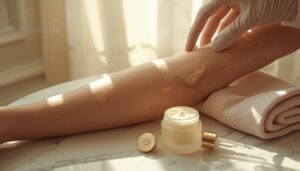
Not all dry skin is the same, and that’s exactly why the skincare aisle can feel so confusing. Before you grab a jar off the shelf, you need to know what’s actually going on with your skin. Here’s what to check first.
If you’re just starting out, this beginner’s guide to building a simple skincare routine walks you through identifying your skin type before adding any new products.
Barrier Damage and Water Loss
Think of your skin barrier as a brick wall, with skin cells as bricks and lipids like ceramides as mortar. Damage that wall and water escapes faster than you can replace it, a process called transepidermal water loss. In fact, stratum corneum lipids made up largely of ceramides, cholesterol, and fatty acids play a central role in the skin’s permeability barrier function, which is why replenishing them is so important.
Barrier repair strategies matter because:
- Weak barriers leak moisture constantly
- Ceramides rebuild that mortar
- Locking in hydration stops the cycle
Dry Versus Dehydrated Skin
Patients often confuse dry skin with dehydrated skin," says one dermatologist, "but they’re not the same problem."
Dry skin and dehydrated skin are often confused, but they are not the same problem
Dry skin lacks oil, causing rough, flaky texture. Dehydrated skin lacks water, a temporary condition, even in oily skin.
Try this: wash gently, wait 30 minutes. Tightness signals dehydration; roughness signals true dryness.
Hydrate first, then moisturize to seal it in.
Face Versus Body Dryness
Your face and body aren’t playing by the same rules," one dermatologist notes. Facial skin runs thinner (1.31-1.64mm) with higher sebaceous gland density, meaning more oil but faster water loss, up to 20g/m²/h with heating. Body skin’s thicker barrier retains ceramides better. That’s why matching moisturizer texture to location matters more than most realize.
Sensitivity, Eczema, and Acne
Dry skin rarely travels alone," one dermatologist says. Sensitive skin, eczema, and acne each bring extra tolerance problems, itching, redness, or clogged pores.
Barrier repair matters most: choose fragrance-free, ceramide-rich moisturizers for eczema relief, and noncomedogenic formulas for acne-prone dryness. Reducing inflammation while hydrating gives compromised skin its best shot at comfort.
When to Seek Dermatology Care
Some dryness needs more than a jar of cream," one dermatologist notes. See a specialist for a persistent rash, new skin spots, or when home care fails.
Watch for evolving moles too, since that’s when cancer screening matters most. If dryness affects your quality of life or looks like atopic dermatitis, dermatologist recommended care brings real eczema relief.
Match Moisturizer Texture to Dryness
Not every dry skin product works the same way, and texture matters more than most people think. Lotions, creams, ointments, and gels each serve a different level of dryness. Here’s how to match the right one to your skin.
Lotions for Mild Dryness
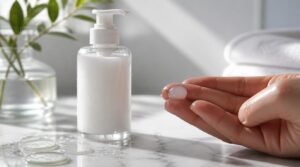
Mild dryness calls for lightweight lotions, not heavy creams. Look for formulas with 70-80% water, fast absorbing emollients like squalane or caprylic/capric triglyceride, and glycerin for humectant power.
The best ones stay daytime non-greasy, absorbing in seconds. Some even use ceramide-enhanced, microencapsulated formulas, delivering barrier support without weighing down your skin or your day.
Creams for Daily Barrier Support
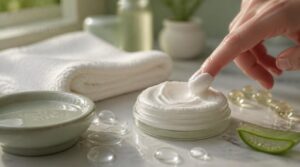
Think of creams as your everyday workhorse. They carry a thicker mix of emollients, ceramides, and occlusives than lotions, giving your skin barrier real reinforcement without heavy grease.
"Ceramide-rich formulas rebuild what soap and water strip away," is the logic behind daily moisturizing. Look for humectant hydration boost ingredients like glycerin paired with occlusive layer protection for lasting comfort.
Ointments for Severe Flaking
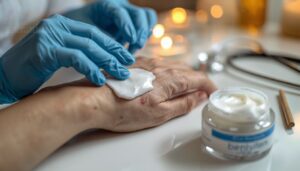
When flaking turns rough and cracked, lotions and creams just can’t keep up. Ointment bases like white soft paraffin, beeswax, or lanolin coat skin for true fissure relief.
"For chronic plaques on hands and feet, thick ointments work best," dermatologists note.
- Deep barrier repair
- Scale loosening keratolytics (salicylic acid, urea)
- Fissure protection
- Long-lasting occlusion
- Relief for stubborn, scaly patches
Gels for Acne-prone Dryness
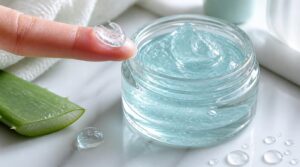
Can a moisturizer fight breakouts and dryness at once? Gel textures manage it. Their water-based formulation feels light, absorbs fast, and skips the greasy residue creams leave behind.
"Look for oil-free, non-comedogenic gels," dermatologists advise for acne-prone skin.
Glycerin and hyaluronic acid supply water-binding hydration, while niacinamide calms redness, all without clogging pores or triggering fresh blemishes.
Face Versus Body Formulas
Your face isn’t just a smaller patch of body skin, it’s chemically different. Facial formulas sit at a lower pH (around 4.5-5.5) and skip heavy occlusives like petrolatum to avoid clogged pores.
Body moisturizers run a slightly higher pH, up to 6.0, and lean on heavier, slower-absorbing emollients since body skin is thicker and less reactive.
Check Ingredients That Restore Moisture
Texture tells you a lot, but the ingredient list tells you the rest of the story. Flip the bottle over and you’ll find a handful of players doing very different jobs for your skin. Here’s what to look for.
Humectants Attract and Retain Water
When your skin feels tight, humectants are your first line of defense. These ingredients act like tiny magnets, pulling water from the air (above 80% humidity) or deeper skin layers into the surface.
Common options include:
- Glycerin
- Hyaluronic acid
- Urea
- Sorbitol
In dry climates, pair them with occlusives, or they’ll pull moisture from below instead.
Emollients Soften Rough Skin
Once water’s pulled in, emollients get to work smoothing what’s left rough. Think of them as spackle for tiny cracks between skin cells.
| Emollient | Texture | Best For |
|---|---|---|
| Squalane | Silky | Daily use |
| Shea butter | Rich | Flaking |
| Ceramides | Balm-like | Barrier repair |
They correct dryness by softening scaly patches, especially where eczema flares.
Occlusives Prevent Moisture Loss
Last step, and it’s the one that seals the deal. Occlusives prevent moisture loss by forming a barrier over skin, locking in whatever hydration you just added.
- Petrolatum: blocks up to 98% water loss
- Mineral oil: lightweight, budget-friendly
- Lanolin: rich, great for cracked heels
- Dimethicone: silky, non-greasy feel
- Beeswax: natural sealing option
"Apply occlusives last," dermatologists say, "after damp skin, not before.
Ceramides Repair The Skin Barrier
Occlusives seal the surface. Ceramides rebuild what’s underneath.
These lipids sit between skin cells, forming a lamellar structure that locks in hydration. Pair them with cholesterol and fatty acids, and you get true skin barrier repair, not just a temporary patch.
"Ceramide replenishment works," dermatologists note, "because you’re restoring physiological lipids your skin already recognizes.
Balanced Formulas Work Best
No single ingredient does it all. The best formulas combine humectants, emollients, occlusives, and ceramides together, hitting a 60:40 humectant occlusive ratio that keeps skin hydrated for 24 hours straight.
"Balance beats intensity," dermatologists explain. Proper lipid mix effectiveness and pH balance stability cut water loss by up to 45%, working with your skin instead of just sitting on top of it.
Avoid Ingredients That Worsen Dry Skin
Picking the right moisturizer isn’t just about what to add, it’s also about what to skip. Some common ingredients quietly undo all your hard work by irritating or stripping your skin. Here are the five worst offenders to check for on that label.
Synthetic and Natural Fragrances
Smells nice, but so what?" says our dermatologist. Fragrance, natural or synthetic, ranks among the top skin allergens. Sources differ: essential oils carry hundreds of compounds with natural variability, while lab-made scents offer tighter stability. Either can irritate.
Choosing fragrance-free products means:
- Fewer allergic reactions
- Better ingredient transparency
- Less guesswork on labels
- Calmer, sensitive skin
- Real barrier repair
Drying Alcohols
Alcohol isn’t one thing," our dermatologist explains. Ethanol and isopropyl alcohol evaporate fast, stripping moisture and disrupting your barrier within minutes. Check labels: if alcohol sits in the first five ingredients, concentration is high enough to matter.
Fatty alcohols (cetyl, stearyl) are different entirely, they soften skin instead of drying it. For dry or sensitive skin care, that distinction on the label means everything.
Harsh Sulfate Surfactants
Ever notice tight, squeaky skin after washing? "That’s sulfate irritancy," our dermatologist says. Sodium lauryl sulfate cleans fast but strips too much oil, stressing your barrier.
Poor surfactant rinsing leaves residue that keeps irritating skin after rinse-off. Combined with off-balance pH, that’s a recipe for barrier stress, undoing whatever humectants, emollients, and occlusives your moisturizer provides afterward.
Irritating Botanical Allergens
Natural doesn’t mean harmless," our dermatologist warns. Botanicals contain plant sensitizer families like terpenes and phenol derivatives, common essential oil irritants.
Watch for:
- Fragrance allergens
- Feverfew
- Essential oils
- Botanical extracts
- Cross-reactive plant compounds
Botanical cross-reactivity means related plants can trigger flare-ups together. Patch test materials help identify culprits. Choose fragrance-free formulas with colloidal oatmeal instead, avoiding allergic contact dermatitis altogether.
Misleading Skin Care Claims
Before and after photos don’t tell you the timeline, or who actually got results," our dermatologist notes. Watch for vague efficacy claims, unclear ingredient concentrations, and influencer advice with no clinical backing.
Real moisturizers combine humectants, emollients, and occlusives, plus ceramides, with evidence behind them, not just a glowing testimonial or a trending video.
Top 5 Products for Dry Skin
You know the ingredients to look for now, so let’s put that knowledge to work. Here are five products that check every box: humectants, emollients, occlusives, and ceramides working together. Each one fits a different skin need, so find the match that’s right for you.
1. CeraVe Moisturizing Cream Face Body
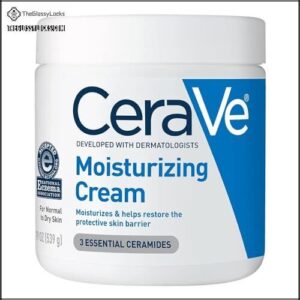
Reliability matters most when your skin is angry and dry. CeraVe Moisturizing Cream earns its spot through three essential ceramides plus hyaluronic acid, working together to patch your barrier while pulling in moisture.
For a gentler way to ease morning puffiness, try the cooled cream under your eyes, or compare it with these best under-eye creams for puffiness.
Its MVE Technology releases hydration over 24 hours, so you’re not reapplying every few hours. The National Eczema Association backs it for flare-prone skin.
Yes, the texture is thick. But that density is exactly why it holds up on very dry patches without leaving grease behind.
| Best For | People with dry, sensitive, or eczema-prone skin who want dependable, long-lasting hydration for both face and body. |
|---|---|
| Ceramides | Yes – 3 types |
| Fragrance Free | Yes |
| Non-Comedogenic | Yes |
| Hyaluronic Acid | Yes |
| 24-Hour Hydration | Yes |
| Skin Type | Dry, Sensitive |
| Additional Features |
|
- Contains three essential ceramides and hyaluronic acid to help repair and strengthen the skin barrier
- MVE Technology delivers 24-hour moisture release, cutting down on how often you need to reapply
- Fragrance-free, non-comedogenic, and recommended by the National Eczema Association for sensitive or flare-prone skin
- Thick, rich texture can take more effort to rub in compared to lighter lotions
- Large 19oz tub isn’t the most travel-friendly or ideal for limited storage space
- Not designed for acne treatment or oil control, even though it’s non-comedogenic
2. Vanicream Daily Facial Moisturizer With Ceramides
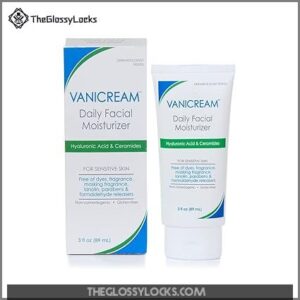
For sensitive skin, Vanicream Daily Facial Moisturizer is your safest bet. It skips fragrance, dye, and lanolin entirely, so there’s nothing extra to trigger a reaction.
The formula pairs five ceramides with hyaluronic acid and glycerin, pulling moisture in while patching your barrier. Squalane softens without grease.
If you’re building a routine around gentle ingredients, this guide to hypoallergenic skin care for face breaks down what actually earns the label.
"When skin stings at everything, simplicity wins," dermatologists often say. This one’s fragrance-free and pH balanced, though a few users notice mild stinging or a slightly filmy feel at first.
| Best For | People with sensitive or eczema-prone skin who want a fragrance-free, lightweight daily moisturizer that hydrates without clogging pores. |
|---|---|
| Ceramides | Yes – 5 types |
| Fragrance Free | Yes |
| Non-Comedogenic | Yes |
| Hyaluronic Acid | Yes |
| 24-Hour Hydration | Unspecified |
| Skin Type | Sensitive, Eczema-Prone |
| Additional Features |
|
- Formulated with five ceramides and hyaluronic acid to strengthen the skin barrier and boost hydration
- Free of fragrance, dye, lanolin, and parabens, making it gentle for sensitive skin
- Absorbs quickly, leaving a non-greasy finish suitable for both day and night use
- Some users experience mild stinging, especially on already irritated skin
- May leave a slightly filmy layer on the skin for certain users
- Contains no SPF, so a separate sunscreen is needed for daytime protection
3. Neutrogena Hydro Boost Water Gel Cleanser
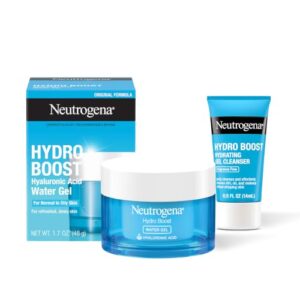
If your skin leans oily or combination but still feels tight, skip the heavy creams and reach for a gel cleanser instead.
Neutrogena’s Hydro Boost Water Gel Cleanser uses hyaluronic acid to hold onto moisture even while rinsing away makeup and sunscreen. Glycerin backs it up, so your barrier isn’t left stripped.
"Cleansing shouldn’t undo what your moisturizer just did," dermatologists note. It’s non-comedogenic and lightweight, though it does contain fragrance, worth noting if you’re fragrance-sensitive.
| Best For | People with oily, combination, or normal skin who want a lightweight cleanser that removes makeup and sunscreen without leaving their skin feeling tight or stripped. |
|---|---|
| Ceramides | No |
| Fragrance Free | No |
| Non-Comedogenic | Yes |
| Hyaluronic Acid | Yes |
| 24-Hour Hydration | Yes |
| Skin Type | Normal, Oily, Dry |
| Additional Features |
|
- Contains hyaluronic acid and glycerin to help maintain hydration while cleansing
- Effectively removes makeup, sunscreen, and impurities without over-drying skin
- Lightweight, non-comedogenic formula that rinses clean with no greasy residue
- Contains fragrance, which may not suit those with fragrance-sensitive skin
- Sample size (0.5 fl oz) is small, so it only lasts for short-term use
- Not intended to treat medical skin conditions like eczema, psoriasis, or severe acne
4. La Roche Posay Toleriane Double Repair Moisturizer
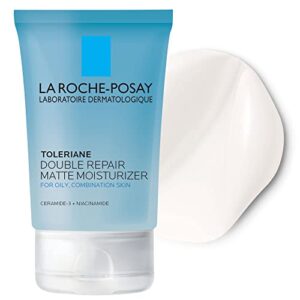
Once your skin barrier feels calmer, La Roche Posay’s Toleriane Double Repair Moisturizer is worth a look, especially if reactivity is part of your history.
It pairs ceramide NP and ceramide 3 with niacinamide and prebiotic thermal water, a combo built to calm redness while rebuilding lipids. "Sensitive skin needs support, not stimulation," dermatologists often say.
Fragrance-free and non-comedogenic, it suits eczema-prone and acne-prone skin alike, delivering gentle hydration without the sting some barrier creams cause.
| Best For | This moisturizer is best for people with oily to combination, reactive, or barrier-compromised skin who want lightweight hydration without a greasy or shiny finish. |
|---|---|
| Ceramides | Yes – Ceramide 3 |
| Fragrance Free | Unspecified |
| Non-Comedogenic | Unspecified |
| Hyaluronic Acid | No |
| 24-Hour Hydration | Unspecified |
| Skin Type | Oily, Combination |
| Additional Features |
|
- Absorbs quickly with a gel texture that hydrates without leaving skin oily
- Contains ceramide 3, niacinamide, and prebiotic thermal water to help repair the skin barrier
- Works well under makeup or as part of a tretinoin routine
- Can feel sticky or waxy if you apply too much
- Some users notice peeling with overuse
- Priced higher than many other drugstore moisturizers
5. CeraVe Night Cream Face Moisturizer
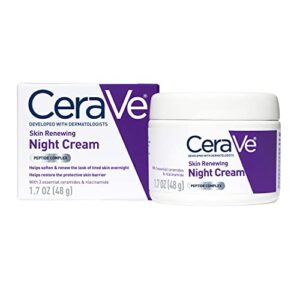
When your day cream isn’t enough, this one picks up the slack while you sleep. CeraVe’s Night Cream pairs three ceramides with hyaluronic acid and niacinamide, plus MVE Technology for slow, 24-hour release of moisture.
It’s rich without feeling heavy, absorbing fully so you wake up soft, not greasy. "Overnight is prime repair time," dermatologists note, since skin loses more water while you sleep.
Fragrance-free and non-comedogenic, it suits eczema-prone and psoriasis-affected skin too.
| Best For | anyone with dry, sensitive, or eczema/psoriasis-prone skin who wants a fragrance-free night cream to restore moisture and support their skin barrier overnight. |
|---|---|
| Ceramides | Yes – 3 types |
| Fragrance Free | Yes |
| Non-Comedogenic | Yes |
| Hyaluronic Acid | Yes |
| 24-Hour Hydration | Yes |
| Skin Type | Dry, Eczema-Prone |
| Additional Features |
|
- Combines three ceramides, hyaluronic acid, and niacinamide to hydrate, calm, and repair the skin barrier
- MVE Technology delivers slow, 24-hour moisture release so skin stays hydrated through the night into morning
- Fragrance-free, non-comedogenic formula that’s gentle enough for eczema- and psoriasis-prone skin
- Jar size is smaller than expected for the price, and the thick texture means small amounts are used at a time
- Some users with sensitive skin report temporary stinging or burning after application
- No inner protection seal, which may raise concerns about product integrity
Apply Moisturizer for Lasting Hydration
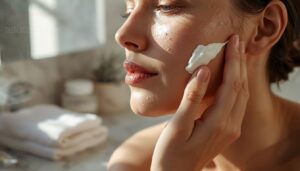
The best moisturizer in the world won’t do much if you’re not using it right. Timing, amount, and technique matter just as much as what’s in the jar. Here are five habits worth building into your routine.
Follow The Three-minute Rule
Timing is everything. Skin hydration drops 28% within three minutes of stepping out, so don’t dawdle.
"That barrier protection window closes fast," I tell patients. Post-shower application within three minutes cuts water loss by 40%.
Why the rush works:
- Damp skin absorbs faster
- Locks in shower moisture
- Prevents evaporation
- Boosts absorption rate
- Builds consistent moisturizing habits
Moisturize Slightly Damp Skin
Bone-dry skin and dripping-wet skin both work against you. The sweet spot is slightly damp, a thin film of water still clinging after you pat dry.
"That leftover moisture helps the product glide and settle in," I tell patients. This damp skin absorption trick locks in hydration your moisturizer alone can’t replace, especially after lukewarm showers.
Use The Correct Amount
More product doesn’t mean more hydration, it often means more shine and clogged pores. Stick to a nickel-sized amount for your face, quarter-sized for creams. Tight skin after 15 minutes? Add more next time. Greasy after 15? Cut it in half. That’s application amount recognition in action.
Reapply After Every Shower
Skin doesn’t hold a grudge, but it does hold a grade card, and skipping lotion drops your score fast. Consistency beats intensity here.
Every shower strips oils, so every shower needs a refill within that three-minute window, damp skin and all. Miss a day and you’re not resetting, you’re rebuilding barrier repair from scratch.
Adjust Your Routine Seasonally
Your skin doesn’t wear the same coat all year, so why should your moisturizer?
Winter calls for thicker creams with ceramides and shea butter. Summer wants lightweight, hyaluronic acid-based gels.
- Swap texture with temperature
- Layer facial oils in winter
- Add SPF lip balm in summer
- Keep post-shower timing at three minutes
Environmental shifts (heat, humidity, wind) change what your barrier needs to stay protected.
Frequently Asked Questions (FAQs)
How to choose the best moisturizer for dry skin?
Wondering why your usual lotion isn’t cutting it anymore? Look for a balanced formula with humectants, emollients, and occlusives, plus ceramides for barrier repair. Patch test first, then layer thinnest to thickest, adjusting texture seasonally.
What is the 3 minute rule for moisturizer?
The 3-minute rule means applying moisturizer right after washing, while skin’s still damp. Pat dry, don’t rub, and lock in hydration before water evaporates. This timing helps your lipid barrier and prevents post-shower moisture loss.
What type of moisturizer is best for dry skin?
Your best bet is a fragrance-free cream or ointment with humectant occlusive balance, ceramides for barrier repair, and emollients for smoothing. This combo hydrates, seals moisture in, and rebuilds lipid barrier support better than lotions alone.
How to find a moisturizer that is right for you?
There’s no magic bottle that fixes every face on earth. Match ingredients to your skin type, patch test new products, check for fragrance-free formulas with ceramides, and consult a dermatologist if irritation persists past two weeks.
How long does it take moisturizer to work?
You’ll feel immediate hydration as it absorbs, but real change follows your skin’s renewal cycle. Expect visible results in 4 to 6 weeks with twice-daily use, since consistent application timing helps lasting moisture retention and barrier adaptation.
Can you use body lotion on your face?
Technically, yes, but your face will file a complaint. Fragrance sensitivity and pore-clogging potential make body lotion risky for dry skin on facial skin. If you try it, patch test first, then switch to a nonacne facial moisturizer.
Should you moisturize before or after sunscreen?
Moisturizer goes first, sunscreen last, dermatologist recommended. Give it a minute to settle so SPF forms a proper protective film. Chemical sunscreens need bare skin absorption; mineral ones just sit on top for barrier compatible coverage.
Is it bad to moisturize oily, dry skin?
Not at all. Combination skin still needs moisture balance, since humectants and emollients hydrate without clogging pores. Skipping moisturizer often triggers more oil, not less, so a lightweight, non comedogenic formula helps your barrier best.
How do you store moisturizer to keep it fresh?
Keep your fragrance-free moisturizer in cool, dark storage, cap sealed tight, away from heat. Apply with clean hands, label the opening date, and rotate stock so older jars get used first.
Conclusion
Your skin is a leaky roof, not a stain to scrub out. Patch it, and the water stays where it belongs.
Knowing how to pick moisturizer for dry skin means matching texture and ingredients to your barrier’s actual damage, not chasing trends. Choose humectants and occlusives with intention, skip the fragrance, and give your skin two weeks to respond.
Small, consistent choices rebuild what harsh products stripped away. That’s not luck. That’s control, one honest application at a time.