This site is supported by our readers. We may earn a commission, at no cost to you, if you purchase through links.

A half-ounce jar of La Mer eye cream runs about $220. The active ingredient inside it costs pennies per unit to source. That gap is not a mistake or a rip-off hiding in plain sight, but it does tell you something important about how the beauty industry prices its products.
Under eye creams are expensive for a layered set of reasons: specialized peptides, clinical testing, airless packaging, and decades of brand equity all stack on top of each other before the jar reaches your shelf. Knowing what each layer actually costs helps you decide what’s worth paying for and what isn’t.
Table Of Contents
- Key Takeaways
- What Makes Eye Cream Ingredients So Expensive?
- Why Packaging Raises Eye Cream Prices
- The Hidden Cost of Eye Cream R&D
- How Branding Inflates Luxury Eye Cream Costs
- Are Expensive Under-Eye Creams Worth Buying?
- Best Budget Eye Creams That Actually Work
- Frequently Asked Questions (FAQs)
- Are eye creams worth the money?
- What is the highest rated under eye cream?
- What is the best under-eye cream on a budget?
- Is there an under eye cream that really works?
- Can you use regular moisturizer instead of eye cream?
- At what age should you start using eye cream?
- How long does it take eye cream to work?
- How should you properly apply under-eye cream?
- Do dermatologists actually recommend using eye creams?
- Conclusion
Key Takeaways
- The high price of eye creams reflects a stack of real costs — ingredient synthesis, clinical testing, specialized packaging, and brand investment — not just a single inflated margin.
- Active ingredients like peptides and retinol typically make up only 1–5% of the formula, meaning most of what you pay covers packaging, distribution, and brand prestige rather than the actives doing the actual work.
- Budget formulas with proven actives (peptides, ceramides, retinoids) consistently match luxury counterparts in clinical outcomes — the real difference shows up in texture and packaging, not results.
- What matters most is consistent daily use of a formula with evidence-backed ingredients; price alone is a poor predictor of whether an eye cream actually works.
What Makes Eye Cream Ingredients So Expensive?
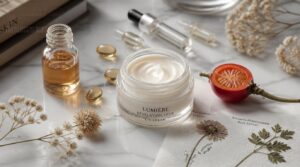
Why does a tiny jar of expensive eye cream cost more than a full-size moisturizer? A lot of it comes down to what’s inside.
The specific ingredients — peptides, retinol, and caffeine among them — are what make under-eye creams worth the investment, even when the formula looks similar to your everyday moisturizer.
Peptides and growth factors are the biggest cost drivers. These actives require precise synthesis and quality control, and the supplier pool is narrow. Ingredient concentration matters. Effective peptides work at low concentrations, but raw material cost stays steep. That cost is visible in something like a peptide anti-aging eye serum, where a small bottle can command a premium simply because the active ingredients are expensive to produce at any scale.
Sourcing adds pressure. Rare plant extracts and botanical antioxidants depend on limited harvests, creating price volatility. Some oils carry import duties and cold-chain storage that quietly raise every unit cost.
Proprietary ingredient blends push prices further. Brands run clinical efficacy studies to validate formulas, and that investment flows into what you pay. That’s how luxury skincare markup starts.
Why Packaging Raises Eye Cream Prices
The ingredients aren’t the whole story. The container does real work too, and that work costs money.
Eye cream packaging is engineered to protect delicate actives. An airless pump prevents oxidation by keeping the formula sealed from air between uses. UV-protective glass and light-stable packaging shield peptides and antioxidants that degrade under normal light exposure. That packaging technology isn’t cheap, and premium jars with airtight pumps can add $0.50-$1.50 per unit on their own.
Pairing that protection with the right formula matters just as much, and choosing an anti-aging eye cream for fine lines means weighing active ingredients alongside packaging quality for real results.
Frosted or mirrored glass raises fabrication costs 20-40% over standard plastic. Anti-counterfeit seals and sustainable materials stack more on top. By the time the product reaches a retailer, retail markup in personal care usually doubles that unit cost, and you’re the one absorbing it.
The Hidden Cost of Eye Cream R&D
Packaging costs are visible. R&D costs usually aren’t, and they’re often steeper.
Before a formula reaches that frosted jar, it goes through compatibility testing, stability checks, and dermatologist testing that can run six figures per candidate ingredient. Multi-function actives have to work across pH levels and preservative systems, which multiplies lab hours fast. A failed pilot batch adds one to three months to the timeline.
Formulation stability testing spans temperatures from freezing to desert heat, confirming the product holds up on a shelf. Clinical trials measuring hydration or firmness take eight to twelve weeks per formula. By the time retail markup in personal care layers on top, that R&D investment is a significant part of what you’re actually paying for.
How Branding Inflates Luxury Eye Cream Costs
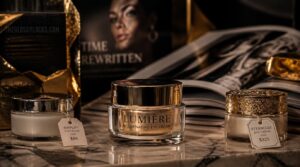
R&D accounts for a real slice of the price. Branding adds another layer, and it’s often the bigger one.
When a luxury eye cream carries a well-known name, you’re partly buying what that name signals: sophistication, efficacy, exclusivity. Brand prestige gets built through years of spending, and that cost transfers to you in the unit price.
The beauty industry markup for premium lines usually covers:
- A weighted glass jar and metallic cap that signal quality before you even open it
- Celebrity-fronted campaigns running millions per season
- Emotional marketing tactics linking the product to transformation or self-worth
- Exclusive retail placements in boutiques that command higher margins
These aren’t random costs. They’re deliberate choices that sustain luxury positioning, keeping retail markups high and price sensitivity low.
Are Expensive Under-Eye Creams Worth Buying?
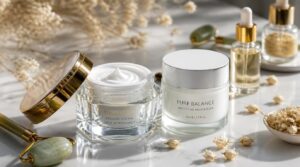
The answer depends on what’s actually inside the formula and how it’s preserved. Price alone doesn’t predict results, but a few specific factors do. Here’s how luxury and budget eye creams stack up where it counts.
Luxury Vs. Budget Formulas
Here’s what the research actually shows: budget formulas with proven actives like peptides, ceramides, and retinoids often deliver comparable hydration and firmness results to luxury eye cream counterparts.
The real gap shows up in texture, scent, and packaging technology, not clinical outcomes.
Brand prestige accounts for a surprising share of that price difference, not the active ingredients doing the actual work.
Price Per Ounce Breakdown
A thorough price per ounce breakdown often surprises people. Luxury eye creams carry retail markups of 40-60%, meaning you’re paying for distribution and shelf space nearly as much as the actual formula.
Active ingredients commonly land at just 1-5% of the product. Layer in packaging technology like airless pumps, then add brand markup, and the final unit price compounds quickly.
Best Budget Eye Creams That Actually Work
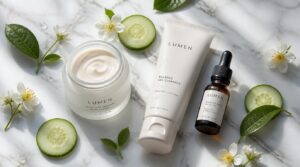
Picture standing in a drugstore aisle, scanning dozens of tiny jars under fluorescent lights. A few of these options genuinely deliver results without draining your wallet.
CeraVe Eye Repair Cream is a reliable budget-friendly eye cream, pairing ceramides with hyaluronic acid for skin hydration, fragrance-free and gentle for sensitive skin. If puffiness is your main concern, The Ordinary Caffeine Solution 5% + EGCG combats it with antioxidants at under $1 per ounce.
For anti-aging skincare without the markup, Neutrogena Rapid Wrinkle Repair uses retinol in a drugstore skincare alternative that’s widely dermatologist recommended. Olay Eyes adds niacinamide and peptides if brightening is what you’re after.
You don’t need to spend more to see results. The right actives matter more than price.
Effective skincare isn’t about price—it’s about the right active ingredients
Frequently Asked Questions (FAQs)
Are eye creams worth the money?
Are eye creams worth the money? It depends entirely on what’s inside. A formula with proven active ingredients like retinol or peptides can genuinely deliver real results. Fancy packaging and brand markup, much less so.
What is the highest rated under eye cream?
There’s no single answer, but CeraVe Eye Repair Cream and Neutrogena Rapid Wrinkle Repair Eye Cream consistently top ratings. If brightening’s your goal, Olay Eyes Brightening Eye Cream scores highest across consumer and dermatologist reviews.
What is the best under-eye cream on a budget?
CeraVe Eye Repair Cream and The Inkey List Caffeine Eye Cream are your two best picks. Both deliver proven actives at a fraction of luxury prices. A consistent skincare routine shows real results within weeks.
Is there an under eye cream that really works?
Yes, some really do.
Look for peptides and ceramides at effective concentrations. Consistent daily use matters more than price. Dermatologist recommended formulas backed by clinical efficacy data give you the best shot at visible results.
Can you use regular moisturizer instead of eye cream?
For most people, a regular moisturizer works perfectly fine under your eyes. The skin there is thinner and more sensitive, so check for irritation, but active ingredients don’t change based on where you put them.
At what age should you start using eye cream?
Imagine catching crow’s feet in photos before you’re even Your early 20s is the right time to start. Hydration-focused formulas, not heavy actives, support your skin barrier and help prevent more visible aging later.
How long does it take eye cream to work?
Most eye creams can deliver surface hydration within just a few days. For lasting results on puffiness or fine lines, though, you need 4 to 12 weeks of consistent daily application to see real change.
How should you properly apply under-eye cream?
Use your ring finger to gently tap a tiny dot from the inner corner outward along the orbital bone. Keep pressure light and avoid pulling the skin. Let it absorb 60–90 seconds before your moisturizer.
Do dermatologists actually recommend using eye creams?
Dermatologists don’t universally endorse them. For specific concerns, they usually recommend evidence-based treatments like prescription retinoids. A dermatologist recommended moisturizer can still help with dryness, but your active ingredient concentration matters far more than price.
Conclusion
That tiny jar sitting on your bathroom shelf holds far more than cream. It holds lab time, clinical trials, airtight packaging, and a brand story carefully refined over many decades.
Understanding why under eye creams are so expensive means you can finally shop with clear intention, not impulse. Some of that price tag reflects real science. Some reflects pure prestige. Now you know the difference, and that’s what makes every future purchase a smarter one.
- https://millo.com/blogs/learn/the-science-behind-luxury-eye-treatments-why-theyre-worth-the-splurge
- https://www.theatlantic.com/technology/archive/2023/03/eye-cream-ingredients-benefits-scam/673266
- https://www.cbc.ca/radio/costofliving/you-ve-got-questions-we-ve-got-answers-from-ice-cream-to-eye-cream-to-zero-growth-economics-1.6084525/why-are-eye-creams-more-expensive-than-other-moisturizers-1.6084528