This site is supported by our readers. We may earn a commission, at no cost to you, if you purchase through links. This content is for general informational and educational purposes only and is not a substitute for professional medical, dermatological, or nutritional advice.
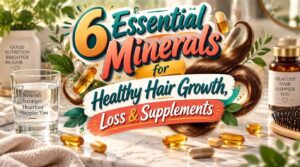
Your hair follicles are some of the fastest-dividing cells in your entire body, and they demand a steady supply of minerals to keep up. When ferritin drops below 40 ng/mL, shedding often follows, even when your hemoglobin looks normal on paper.
That’s why so many people hit a wall with hair growth despite using the right shampoos and serums. The problem starts underneath the scalp, where iron, zinc, and copper fuel every stage of the growth cycle.
The six essential minerals for healthy hair below explain what each one does, where to find it, and how to supplement safely.
Table Of Contents
- Key Takeaways
- How Minerals Support Healthy Hair Growth
- Six Essential Minerals for Healthy Hair
- Mineral Deficiencies Linked to Hair Loss
- Best Food Sources of Hair Minerals
- How to Choose Hair Supplements Safely
- Frequently Asked Questions (FAQs)
- What are the best minerals for healthy hair?
- What are the big 3 for thinning hair?
- What mineral am I lacking if my hair is falling out?
- What to drink for thicker hair?
- Can drinking more water improve mineral absorption for hair?
- Do hair minerals work differently for men and women?
- How long before hair minerals show visible results?
- Conclusion
Key Takeaways
- Hair follicles are among the fastest-dividing cells in your body, and six minerals—iron, zinc, selenium, copper, iodine, and magnesium—fuel oxygen delivery, keratin production, thyroid-driven follicle cycling, and antioxidant protection.
- Low ferritin (below 40 ng/mL) can trigger diffuse shedding even with normal hemoglobin, making iron deficiency the most common mineral-related cause of hair loss.
- Absorption matters as much as intake: minerals compete with each other and with medications (like levothyroxine or antibiotics), so space doses by hours and keep coffee or tea away from iron.
- Never supplement blind—test your levels first, stay under safe upper limits (e.g., iron 45 mg/day, zinc 40 mg/day, selenium 400 mcg/day), and choose third-party-tested products, since excess of any mineral can itself cause hair loss.
How Minerals Support Healthy Hair Growth
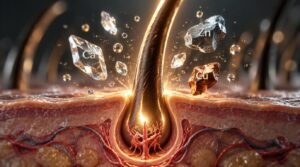
Because your hair follicles are among the most metabolically active tissues in your body, they need a constant supply of nutrients to keep producing new strands. Minerals for hair growth act as cofactors, powering the enzymes and cellular processes that drive every phase of the growth cycle.
Zinc is one example, and our guide to vitamins that prevent hair loss explains how it supports follicle health alongside other key nutrients.
Iron delivers oxygen to follicle cells so they can sustain the rapid division that hair growth demands. Zinc helps with tissue repair and protein synthesis right at the follicle level. When either one runs low, the follicle slows down, and shedding often follows.
Here’s what most people miss: absorption matters as much as intake. Your gut health, diet composition, and even competing minerals all determine how much actually reaches your follicles and fuels growth.
Six Essential Minerals for Healthy Hair
Your hair’s health starts with getting the right minerals in the right amounts. There are six key minerals that directly support growth, strength, and scalp function. Here’s what each one does and why it matters.
Iron for Follicle Oxygenation
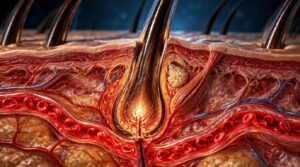
The most critical mineral for oxygen delivery to follicles is iron. Your red blood cells carry it straight to your hair follicles, fueling rapid, constant cell division and growth. Iron deficiency and hair loss aren’t separate issues. Low iron triggers diffuse telogen effluvium shedding, a pattern of generalized thinning rather than patterned recession.
Know these warning signs:
- Ferritin below 40 ng/mL
- Diffuse, widespread scalp thinning
- Fatigue alongside shedding
- Normal hemoglobin, depleted stores
- Slow regrowth after loss
Zinc for Growth and Repair
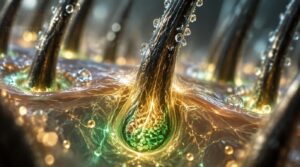
Iron delivers oxygen. Zinc covers hair growth and repair, and it’s one of the most demanded minerals your follicles rely on every day.
Zinc activates the enzymes that drive protein synthesis in follicle matrix cells. These are the fastest-dividing cells in your entire body. Zinc and hair loss connect directly here. When your levels dip, those cells slow down first.
Selenium for Oxidative Protection

Zinc takes care of repair. Selenium takes care of protection.
Together, these minerals form a powerful duo, and you can dig deeper into skin protection methods to see how they work in harmony.
Your follicles face oxidative stress during every stage of the hair growth cycle. Selenium fuels the proteins that neutralize those damaging molecules.
When selenium drops, antioxidant protection for hair weakens. Oxidative damage builds, threatening healthy hair and scalp function. Selenium also has a narrow safe range, so more isn’t better for reducing hair loss.
Copper for Structure and Pigment
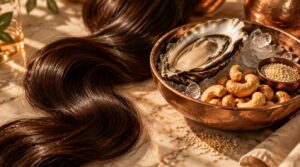
Copper does two important jobs in your follicles: it builds keratin structure and helps hair pigmentation through melanin production. Without enough of it, your hair can grow brittle and lose color vibrancy.
You’ll find copper in oysters, cashews, and sesame seeds. Adding these to your daily diet is one of the simplest ways to support both strong, richly colored hair.
Iodine for Thyroid Balance
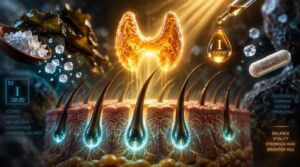
For thyroid function to support healthy hair growth, iodine is absolutely essential. Your thyroid uses it to produce T3 and T4, the hormones that actively drive follicle cycling. Without enough, hair loss accelerates quickly.
What iodine does:
- Deficiency slows hair growth cycles
- Excess iodine also disrupts follicles
- Dietary supplementation for hair needs testing first
- Iodized salt’s your easiest daily source
Magnesium for Protein Synthesis

Think of magnesium as the foreman of your follicle’s factory floor.
| Role | Hair Impact |
|---|---|
| Activates enzymes | Drives protein synthesis |
| Powers cell division | Sustains hair growth |
| Fuels follicle signaling | Builds shaft structure |
When your magnesium intake drops, follicle cells can’t produce enough hair protein to sustain growth. Nuts, seeds, and leafy greens top the list for essential minerals for hair growth.
Mineral Deficiencies Linked to Hair Loss

Picture your scalp as a garden. When the soil runs dry, the flowers wilt first. Your follicles do the same when minerals for hair growth run low, and the shedding shows up weeks later.
When mineral levels run low, your follicles wilt like garden flowers, and the shedding appears weeks later
Iron deficiency is the most common culprit I see. Low ferritin means less oxygen reaches your follicles, and hair thinning often follows. Zinc deficiency disrupts repair and regeneration, so shedding speeds up. Selenium shortage weakens your follicles’ antioxidant defenses.
Iodine deficiency matters too, because your thyroid needs it to make hormones that regulate your growth cycle.
Here’s the key: severe, prolonged deficiencies cause hair loss, not minor dips. And if you have malabsorption, celiac disease, or bariatric surgery history, your risk climbs higher. Test before you treat.
Best Food Sources of Hair Minerals

Your diet is your most powerful hair tool. Iron-rich foods like beef liver and sardines deliver heme iron your body absorbs most efficiently. For plant-based eaters, pair lentils or spinach with a vitamin C-rich food to pull non-heme iron in just as effectively.
Zinc comes best from oysters, beef, and pumpkin seeds. If you rely on plant sources, soak your legumes first, because cooking breaks down phytates and unlocks the zinc your follicles need for keratinocyte repair during active hair growth.
Eggs are an underrated daily win for your hair. Yolks carry organic selenium that shields follicles from oxidative stress, while Brazil nuts deliver a concentrated selenium hit. Shellfish covers both your zinc and copper needs, all in one sitting.
How to Choose Hair Supplements Safely

Choosing the right hair supplement isn’t just about picking the most popular bottle off the shelf — getting it right matters. There are a few key factors that make the difference between a supplement that actually works and one that wastes your money or, worse, causes harm. Here’s what to check before you buy.
Confirm Deficiencies First
Never supplement blind. Before adding iron, zinc, or selenium to your daily routine, test your levels first.
A ferritin result below 40 ng/mL often signals nutrient deficiencies that actively slow hair growth.
Ask your doctor for a CBC, ferritin level, and transferrin saturation panel.
Those real numbers protect you from the very real risks of iron overload and mineral toxicity.
Check Safe Dosage Limits
Once you have your results, safe dosage limits are what protect you next. More minerals aren’t always better.
- Iron UL: 45 mg/day
- Zinc UL: 40 mg/day
- Selenium UL: 400 mcg/day
- Copper UL: 10 mg/day
- Magnesium UL: 350 mg/day (supplements only)
Crossing these thresholds can trigger hair loss or nutrient deficiency. Track your total micronutrient intake from food and supplements combined.
Avoid Mineral Interactions
Dosage limits matter, but timing matters too. Minerals compete for absorption when you take them together, and that competition can quietly undermine your hair goals.
Here’s what I tell my clients: separate your doses. Take iron away from calcium and zinc. High-dose zinc can block copper, and copper deficiency itself triggers hair loss. Space minerals by a few hours, and keep tea or coffee away from your iron.
Choose Third-Party Testing
Even a perfectly timed stack fails if the label lies. That’s where third-party testing saves you.
Look for:
- NSF, USP, or Informed Choice seals
- Batch-level certificates, not vague claims
- Verified mineral forms, like chelated zinc
- Heavy metal screening results
- Publicly accessible test summaries
These essential nutrients deserve proof, not promises. Your hair growth depends on it.
Review Medication Interactions
Third-party testing confirms what’s in the bottle, but your medications decide what your body absorbs.
| Medication | Spacing Rule |
|---|---|
| Tetracyclines, quinolones | 2+ hours from iron, zinc, magnesium |
| Levothyroxine | 4 hours from iron, magnesium |
| Bisphosphonates | Separate from magnesium entirely |
These minerals can quietly block drug absorption. Check your prescriptions, then time your supplements around them.
Consult A Healthcare Professional
Bring your questions to a professional before starting anything new. A dermatologist or trichologist can run ferritin, vitamin D, and thyroid panels to pinpoint the real cause of your hair loss.
I always tell clients: supplements treat deficiencies, not genetics. Share every vitamin and medication you take, because biotin skews lab results and hidden interactions matter.
Frequently Asked Questions (FAQs)
What are the best minerals for healthy hair?
You’ll want iron, zinc, selenium, copper, iodine, and magnesium. These minerals power follicle oxygenation, keratin production, and antioxidant protection, so getting enough of each creates the strongest foundation for healthy hair growth.
What are the big 3 for thinning hair?
If you’re chasing answers, start here: the big three for hair thinning are iron, zinc, and selenium. They support oxygen delivery, keratin production, and antioxidant protection. Test first, then supplement wisely.
What mineral am I lacking if my hair is falling out?
You might be low in iron, the most common culprit behind hair fall. Zinc, selenium, iodine, or magnesium can also trigger hair loss. Get bloodwork done before taking supplements, so you target your actual deficiency.
What to drink for thicker hair?
Ever noticed your glass matters? Sip mineral-rich drinks like milk for zinc, fortified plant milks, fortified plant milks for iron, and selenium-containing coconut water. Staying hydrated feeds follicles, but true hair growth needs consistent nutrition, not quick fixes.
Can drinking more water improve mineral absorption for hair?
I’d love to say yes, but water alone won’t boost mineral absorption. Your gut transporters handle that. Hydration helps if dehydration dulls your appetite, yet hair growth depends on dietary mineral intake, not extra water.
Do hair minerals work differently for men and women?
Here’s the short answer: no. Minerals for hair growth work the same in men and women. What differs is risk. Heavy periods raise iron-related hair loss odds, and thyroid issues skew female, so your deficiency profile matters more than sex.
How long before hair minerals show visible results?
You’ll wait at least 8–12 weeks before visible changes, since your hair cycle moves slowly. Expect less shedding around 2–3 months, with clearer density improvements taking 3–6 months.
Conclusion
Picture your scalp as fertile soil. No farmer expects a harvest from depleted ground, and you shouldn’t expect growth from depleted blood.
The six essential minerals for healthy hair work together, each feeding a different stage of the cycle.
Test before you supplement, eat the rainbow, and fix what’s actually missing.
Your follicles are listening. Give them what they need, and patience will reward you with strands worth showing off.