This site is supported by our readers. We may earn a commission, at no cost to you, if you purchase through links. This content is for general informational and educational purposes only and is not a substitute for professional medical, dermatological, or nutritional advice.
That angry red mark left behind after a pimple heals isn’t actually a scar. It’s post-inflammatory erythema, dilated blood vessels sitting close to the skin’s surface, and it can linger for months if you don’t treat it correctly. Patients ask me constantly why their acne clears but the redness stays, expecting expensive procedures as the only fix.
The truth is simpler and kinder to your wallet. An affordable acne treatment for redness often works as well as pricier options, provided it contains the right active ingredients at the right concentration. Benzoyl peroxide, azelaic acid, and sulfur each target different parts of the problem, from bacteria to inflammation to barrier repair. The ten treatments ahead show you exactly which ones earn a spot in your routine.
Table Of Contents
- Key Takeaways
- 10 Best Affordable Acne Redness Treatments
- 1. AcneFree Terminator 10 Benzoyl Peroxide Spot Treatment
- 2. Neutrogena Rapid Clear Stubborn Acne Gel
- 3. The Ordinary Sulfur Acne Spot Treatment
- 4. Neutrogena Stubborn Acne AM Face Treatment, 2.0 oz
- 5. Differin Acne Spot Treatment 10 Benzoyl Peroxide
- 6. Good Molecules Azelaic Acid Treatment
- 7. Azelaic Acid Cream for Face
- 8. Medicube Toner Pads Red Succinic Acid Panthenol
- 9. Anua Azelaic Acid 10 Hyaluron Serum
- 10. The Ordinary Aloe 2% NAG 2% Solution
- Comparing Affordable Acne Redness Treatments
- Best Ingredients for Acne Redness
- Routine for Red, Acne-Prone Skin
- Choosing Your Best Affordable Treatment
- Frequently Asked Questions (FAQs)
- What is the best acne treatment for redness?
- What helps redness from acne fast?
- What do Koreans use for redness?
- What is the best cream for redness caused by pimples?
- What are the best acne-prone skin care products?
- What are the best products for acne?
- What is the best acne treatment for rosacea prone skin?
- Which acne treatment is best for sensitive skin?
- What is your favorite drugstore acne product?
- Which retinoid is best for acne?
- Conclusion
Key Takeaways
- The red mark left after a pimple heals isn’t a scar—it’s post-inflammatory erythema caused by dilated blood vessels, and it can stick around for months without the right treatment.
- Affordable ingredients like benzoyl peroxide, azelaic acid, and sulfur each tackle redness differently, so matching the active to your skin type matters more than the price tag.
- Visible improvement usually starts within 4 to 6 weeks, but full fading can take three to six months, so consistency and patience beat rushing or overloading your routine.
- Daily sunscreen and a simple, one-active-at-a-time approach protect your progress, while redness that lingers past 8-12 weeks is a sign to see a dermatologist.
10 Best Affordable Acne Redness Treatments
Redness from acne doesn’t require an expensive skincare overhaul to calm down, and several drugstore and budget-friendly formulas can genuinely help.
Look for gentle, fragrance-free formulas like this redness-reducing acne treatment guide to pair with your moisturizer for a more soothing, budget-friendly routine.
Each product below targets inflammation or discoloration through a different active ingredient, so your skin type and specific concern will guide which one fits best.
Here’s a closer look at ten options worth considering.
1. AcneFree Terminator 10 Benzoyl Peroxide Spot Treatment
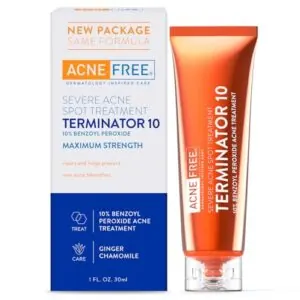
Reach for this when a breakout demands serious firepower. Formulated with 10% micronized benzoyl peroxide, it delivers clinical-level bacterial reduction that most drugstore options can’t match, while chamomile and ginger work to blunt the irritation that high-strength benzoyl peroxide usually causes.
Apply once or twice daily directly onto blemishes, patch-testing first since sensitive skin can react. At $5.49 per ounce, it rivals prescription-strength results without the prescription price tag, though fabric contact requires caution to avoid bleaching.
| Best For | People dealing with stubborn, active breakouts who want a maximum-strength spot treatment to tackle whiteheads and inflammatory pimples fast. |
|---|---|
| Active Ingredient | Benzoyl Peroxide 10% |
| Targets Redness | Yes |
| Fragrance Free | Yes |
| Net Size | 1 oz |
| Skin Type | Acne-Prone |
| Usage Frequency | Spot Treatment |
| Additional Features |
|
- Delivers 10% benzoyl peroxide for serious, clinical-level acne-fighting power
- Ginger and chamomile help calm redness and soothe irritation as it works
- Oil-free, fragrance-free formula absorbs quickly without a greasy residue
- Frequent use can lead to dryness, peeling, or irritation
- May cause temporary redness or a burning feeling, especially on sensitive skin
- Risk of bleaching skin or fabric if overapplied or combined with other benzoyl peroxide products
2. Neutrogena Rapid Clear Stubborn Acne Gel
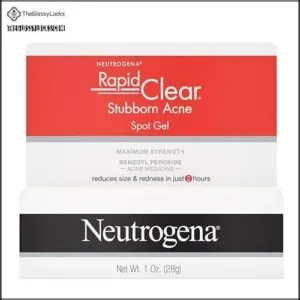
If your skin can’t tolerate that level of intensity, Neutrogena’s option offers a gentler path to the same goal. This gel uses benzoyl peroxide to reduce redness and inflammation while targeting bacteria deep within pores, working within two hours on stubborn breakouts.
Apply once daily at first, building tolerance before increasing frequency. It’s budget-friendly and drugstore-accessible, though expect some dryness and peeling, especially early on. Pair it with a lightweight moisturizer to offset the drying effects benzoyl peroxide usually causes.
| Best For | People with stubborn, acne-prone skin who want a strong yet drugstore-affordable spot treatment to tackle breakouts fast. |
|---|---|
| Active Ingredient | Benzoyl Peroxide 10% |
| Targets Redness | Yes |
| Fragrance Free | Not specified |
| Net Size | 1 oz |
| Skin Type | Acne-Prone |
| Usage Frequency | AM and PM |
| Additional Features |
|
- Reduces pimple size and redness in as little as two hours
- Targets acne-causing bacteria deep within pores to treat active breakouts and prevent new ones
- Budget-friendly and easy to find at any drugstore
- Can cause noticeable dryness, irritation, and peeling, especially with overuse
- Increases sun sensitivity, so daily sunscreen is a must
- May leave a white residue or flakes on the skin as it dries
3. The Ordinary Sulfur Acne Spot Treatment
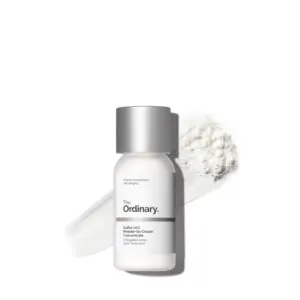
For patients whose skin rebels against benzoyl peroxide altogether, sulfur offers an older, gentler mechanism worth considering. This 10% colloidal sulfur formula shifts from powder to cream on contact, reducing pimple size and redness within about an hour.
Dab it onto active spots at night, after cleansing, letting it dry before moisturizer. Avoid pairing it with retinoids or benzoyl peroxide on the same lesion. It’s budget-friendly, though the powder dispenser can be fussy, and overuse may dry sensitive skin.
| Best For | People with sensitive or benzoyl-peroxide-intolerant skin who want a gentler, budget-friendly spot treatment for active pimples and whiteheads. |
|---|---|
| Active Ingredient | Colloidal Sulfur 10% |
| Targets Redness | Yes |
| Fragrance Free | Not specified |
| Net Size | 0.18 oz |
| Skin Type | All Skin |
| Usage Frequency | AM and PM |
| Additional Features |
|
- Visibly reduces pimple size and redness within about an hour of application
- Non-comedogenic and layers well under moisturizer or makeup without pilling
- Affordable, with a gentler mechanism than benzoyl peroxide
- Powder dispenser can be fussy and hard to apply precisely
- May cause dryness, especially with overuse or on sensitive areas
- Shouldn’t be paired with retinoids or benzoyl peroxide on the same spot
4. Neutrogena Stubborn Acne AM Face Treatment, 2.0 oz
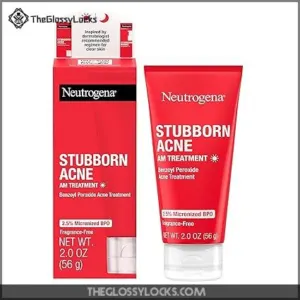
For those who tolerate benzoyl peroxide well but want something gentler than a spot treatment, this 2.5% micronized formula works across the whole face each morning. It’s oil-free, fragrance-free, and absorbs without leaving residue.
Expect visible reduction in redness and breakout size within about four hours. Pair it with a PM treatment for consistent results.
Sun sensitivity increases with use, so daily sunscreen isn’t optional. Watch fabrics too, benzoyl peroxide bleaches easily.
| Best For | People who tolerate benzoyl peroxide well and want a lightweight, whole-face morning treatment for stubborn acne rather than a targeted spot treatment. |
|---|---|
| Active Ingredient | Benzoyl Peroxide 2.5% |
| Targets Redness | Yes |
| Fragrance Free | Yes |
| Net Size | 2.0 oz |
| Skin Type | Acne-Prone |
| Usage Frequency | Daily |
| Additional Features |
|
- Absorbs quickly with a vanishing texture, no heavy or chalky residue
- Formulated without oil, fragrance, parabens, phthalates, or dyes
- Visibly reduces redness and breakout size in as little as 4 hours
- Can cause dryness, irritation, or a burning sensation on the skin
- Increases sun sensitivity, making daily sunscreen a must
- May bleach fabrics, towels, and bedding if it comes into contact with them
5. Differin Acne Spot Treatment 10 Benzoyl Peroxide
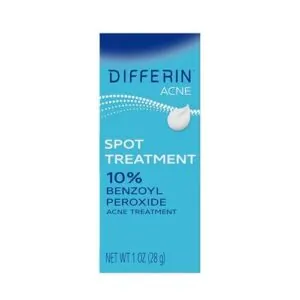
When a breakout demands fast, targeted action, this 10% benzoyl peroxide spot treatment delivers the strongest concentration available without a prescription. Formulated with glycerin, it fights dryness while working to eliminate acne-causing bacteria at the source.
If benzoyl peroxide feels too intense for your skin, this guide to the best overnight acne spot treatments covers gentler sulfur-based options worth trying instead.
Apply it to clean, dry skin, day or night, directly on the affected spot. You’ll notice reduced size and redness after just one use.
Because potency runs high, pair it with moisturizer and SPF to keep irritation and dryness in check.
| Best For | People with occasional breakouts who want a fast-acting, targeted spot treatment with the maximum-strength OTC benzoyl peroxide available. |
|---|---|
| Active Ingredient | Benzoyl Peroxide 10% |
| Targets Redness | Yes |
| Fragrance Free | Not specified |
| Net Size | 1 oz |
| Skin Type | Face and Body |
| Usage Frequency | Once Daily Start |
| Additional Features |
|
- Contains 10% benzoyl peroxide, the strongest concentration available without a prescription
- Visibly reduces the size and redness of blemishes after just one use
- Formulated with glycerin to help offset the drying effects of benzoyl peroxide
- Can cause dryness, redness, or peeling, especially when you first start using it
- Needs to be introduced gradually to see how your skin handles it
- Overapplying it can lead to sensitivity or a burning sensation
6. Good Molecules Azelaic Acid Treatment
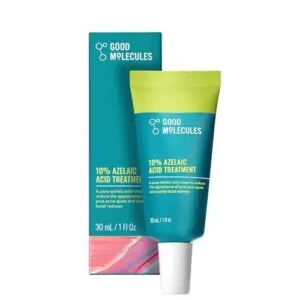
Redness and rosacea-prone skin call for a gentler mechanism, which is where azelaic acid earns its reputation. This naturally occurring dicarboxylic acid works through antimicrobial and anti-inflammatory action, calming inflamed follicles without the harshness of stronger actives.
Good Molecules built its formula around that principle, targeting acne vulgaris and papulopustular rosacea alike.
Dermatologists often favor it for patients who can’t tolerate benzoyl peroxide’s drying effects. Expect mild, transient irritation at most, discontinuing only if burning or scaling develops.
| Best For | People with redness-prone or rosacea-prone skin who want a gentle, fragrance-free treatment to even out tone and texture without harsh irritation. |
|---|---|
| Active Ingredient | Azelaic Acid 10% |
| Targets Redness | Yes |
| Fragrance Free | Yes |
| Net Size | 30 ml |
| Skin Type | Sensitive Skin |
| Usage Frequency | Daily |
| Additional Features |
|
- Calms inflammation and reduces facial redness with consistent use
- Fades post-acne marks and dark spots over time
- Lightweight formula layers easily under moisturizer or SPF
- Some users experience a gritty texture or stinging upon application
- Can cause dryness if overused or not paired with a moisturizer
- 30ml size may run out quickly for those wanting a larger supply
7. Azelaic Acid Cream for Face
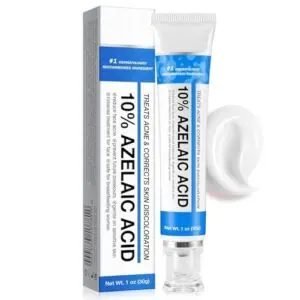
When you want a straightforward, no-frills option, a basic 10% azelaic acid cream for face use gets the job done. At 1.06 ounces, this formula pairs anti-inflammatory action with mild bacterial control, softening both active breakouts and the discoloration left behind.
Sensitive and acne-prone skin generally tolerate it well, though a slight tingling on first application is normal. Wash your hands, apply a thin layer to dry skin, and let it absorb fully before adding sunscreen or makeup on top.
| Best For | People with acne-prone, rosacea-prone, or sensitive skin who want a lightweight, non-greasy treatment for breakouts, redness, and dark spots. |
|---|---|
| Active Ingredient | Azelaic Acid 10% |
| Targets Redness | Yes |
| Fragrance Free | Not specified |
| Net Size | 1.06 oz |
| Skin Type | All Skin Types |
| Usage Frequency | Daily |
| Additional Features |
|
- Contains 10% azelaic acid to treat acne and calm rosacea-related redness
- Lightweight, fast-absorbing formula that suits all skin types, including sensitive skin
- Helps even out skin tone by fading hyperpigmentation and dark spots
- May cause mild tingling or irritation when you first start using it
- Takes weeks of consistent use to see noticeable results
- Not strong enough to replace prescription treatment for severe acne or rosacea
8. Medicube Toner Pads Red Succinic Acid Panthenol
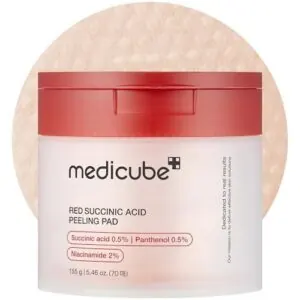
Three acids in one swipe, that’s the appeal of these toner pads. Succinic acid calms acne-causing bacteria while salicylic and glycolic acids clear pores and smooth texture, all in a single-step pad you use after cleansing.
Panthenol and niacinamide soften the process, easing redness rather than provoking it. Sensitive skin generally tolerates daily use well, though mild tingling on first contact is normal. Skip pairing them with other strong actives that same night, and follow with moisturizer to lock in comfort.
| Best For | These pads are best for people with oily, acne-prone, or textured skin who want a simple one-step exfoliating treatment that also works on body breakouts like back and chest acne. |
|---|---|
| Active Ingredient | Multi-Acid Blend |
| Targets Redness | Yes |
| Fragrance Free | Yes |
| Net Size | 10.56 oz |
| Skin Type | Sensitive Skin |
| Usage Frequency | Every 3-4 Days |
| Additional Features |
|
- Combines three acids (succinic, salicylic, glycolic) plus panthenol and niacinamide to fight breakouts while soothing skin
- Gentle, skin-friendly pH means exfoliation without the usual dryness or tight feeling
- Convenient single-step pad that’s easy to fit into a daily routine, with no added fragrance or dyes
- Some users experience irritation with daily use, so sensitive skin types may need to scale back to every 3-4 days
- Results for hormonal acne seem inconsistent, with mixed reports on long-term improvement
- May not be effective for every acne type or more severe breakouts
9. Anua Azelaic Acid 10 Hyaluron Serum
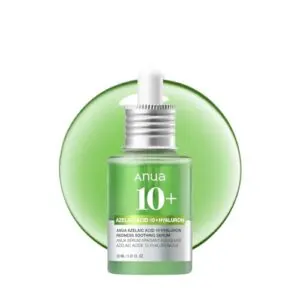
This serum pairs 10% azelaic acid with three types of hyaluronic acid, tackling dark marks and dehydration in one step. The watery texture absorbs fast without pilling under moisturizer or sunscreen.
Anua’s Calming Complex, featuring cica and blue tansy oil, eases redness on contact rather than provoking it. Start with 1-2 drops a few times weekly.
Fungal-acne safe and non-comedogenic, it suits reactive, breakout-prone skin. Give it 4-12 weeks before judging results.
| Best For | This serum is best for people dealing with hormonal acne, post-blemish dark spots, and rosacea-related redness who want hydration without a heavy or greasy feel. |
|---|---|
| Active Ingredient | Azelaic Acid 10% |
| Targets Redness | Yes |
| Fragrance Free | Yes |
| Net Size | 30 ml |
| Skin Type | Sensitive Skin |
| Usage Frequency | 1-2x Weekly Start |
| Additional Features |
|
- Fades dark spots and evens out texture with 10% azelaic acid, backed by clinical testing
- Delivers lightweight, deep hydration through three types of hyaluronic acid plus panthenol
- Calms redness immediately thanks to cica and blue tansy oil, without triggering irritation
- Can cause temporary stinging or redness in sensitive or reactive skin, especially early on
- Leaves a slightly dewy or glossy finish that may not appeal to those who prefer a matte look
- Needs 4-12 weeks of consistent use before you’ll notice real results, so it requires patience
10. The Ordinary Aloe 2% NAG 2% Solution
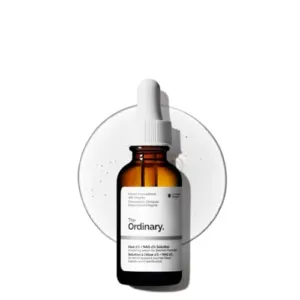
Rounding out this list is a gentler pick built for skin that’s still healing. This solution combines 2% aloe vera with 2% N-acetyl glucosamine, an ingredient that helps with skin turnover and helps fade lingering discoloration.
Fragrance-free and formulated with palmitoyl pentapeptide-4, it suits reactive, post-acne skin that can’t tolerate stronger actives. Apply a few drops twice daily, patch test first, and avoid broken skin.
At $6.70 per ounce, it’s an accessible, low-irritation option for evening out tone over several weeks.
| Best For | People with sensitive, post-acne skin looking for a gentle, fragrance-free way to fade dark marks and even out tone. |
|---|---|
| Active Ingredient | Aloe Vera 2% |
| Targets Redness | Yes |
| Fragrance Free | Yes |
| Net Size | 1 fl oz |
| Skin Type | Sensitive Skin |
| Usage Frequency | Patch Test First |
| Additional Features |
|
- Combines aloe vera and NAG to calm skin while targeting discoloration
- Fragrance-free formula suits reactive or sensitive skin types
- Budget-friendly at $6.70 per ounce
- Requires patch testing before regular use
- Not suitable for broken or irritated skin
- Results take several weeks of consistent use to show
Comparing Affordable Acne Redness Treatments
Ten solid options is a lot to sort through, so it helps to know what actually sets them apart before you buy. Ingredients, best-fit skin types, and price all play a role in which product earns a spot in your routine. Here’s how these treatments stack up against each other.
Key Ingredients and Strengths
Concentration drives results here. Benzoyl peroxide ranges 2.5-10%, yet 2.5% works as well as 10% with less irritation. Azelaic acid spans 10-20%, easing redness and dark spots. Sulfur stays gentle for reactive skin. Benzoyl peroxide also works by eliminating acne-causing bacteria by up to 90% within just seven days.
- Benzoyl peroxide: kills bacteria fast
- Azelaic acid: fades marks, calms rosacea
- Sulfur: soothes without harsh stripping
- Niacinamide, aloe, panthenol: strengthen and hydrate
Best Uses for Each
Matching product to skin type matters as much as picking a strong active. Oily, breakout-prone skin tolerates benzoyl peroxide spot treatments well, while sensitive or combination skin often does better with azelaic acid or niacinamide for gentler redness reduction.
| Skin Type | Best Approach |
|---|---|
| Oily | Full-face gel, spot boost |
| Sensitive | Azelaic acid, niacinamide |
| Combination | Spot treat oily zones only |
| Reactive | Sulfur, gradual retinoids |
Results and Application
How fast can you expect change? Visible redness reduction often starts within 4 to 6 weeks, with full fading continuing three to six months. Clinical data backs this: 97% of users in one 8-week study saw less redness by day five. Apply consistently, once daily at first, layering treatments only after your skin tolerates each one.
Visible redness reduction often begins within four to six weeks, with full fading continuing for three to six months
Sensitivity and Side Effects
Consistency matters more than speed, but so does patience with your skin’s response. Benzoyl peroxide and azelaic acid both risk dryness and peeling early on. Always patch test new products first. Space actives to avoid stacking irritation, moisturize to support barrier repair, and stop if redness worsens rather than fades, since sensitive skin needs gentler pacing.
Price and Overall Value
A generic vs brand comparison matters here: store versions often cost 20-40% less with similar actives. Check cost per ounce, since larger bottles lower value per use.
Budget-friendly bundles and multiuse packaging cut long-term savings further. At these affordable prices, consistent use beats splurging, making cost-effective, low-cost options genuinely worth your money.
Best Ingredients for Acne Redness
Not every ingredient targets redness the same way, so understanding what each one does helps you choose wisely. Some calm active breakouts, while others fade the marks left behind once inflammation subsides. Here’s a closer look at the five ingredients worth knowing before you shop.
Benzoyl Peroxide for Inflamed Pimples
Benzoyl peroxide kills the bacteria fueling inflamed, red pimples, calming swelling at its source. Start at 2.5-5% once daily, building tolerance before increasing frequency. Expect gel or cream forms, mild dryness, and occasional fabric bleaching.
Why it works fast:
- Reduces bacteria directly
- Lowers inflammatory lesion counts
- Works alone or with retinoids
- Comes in accessible strengths
Azelaic Acid for Red Marks
Azelaic acid earns its place for lingering red and brown marks left behind after breakouts heal. This nine-carbon acid inhibits tyrosinase, calming postinflammatory erythema and hyperpigmentation alike, making it suitable across skin tones.
At 15%, twice daily for 12 weeks, it also fights bacteria and inflammation, so active acne and stubborn acne marks improve together.
Sulfur for Sensitive Breakouts
Sulfur has been used for skin trouble since ancient times, and modern dermatology still values it for sensitive, reactive skin. This mineral works through gentle keratolytic action, breaking down dead cells while calming redness.
- Soothes angry, inflamed breakouts
- Reduces oily shine fast
- Fights bacteria without harshness
- Safe for pregnancy
- Eases visible redness overnight
Use a sulfur spot treatment nightly only, pairing gentle daily use with sun protection each morning.
Aloe and NAG Benefits
Think of aloe as skin’s peacemaker: it calms without stripping. Its inner gel, roughly 99% water, delivers deep hydration while easing redness and inflammation.
NAG, paired with aloe in formulas like The Ordinary’s solution, targets inflammation reduction directly, supporting your skin barrier. Together, they fit seamlessly into acne routines, softening texture without disrupting active treatments you’re already using.
Panthenol for Barrier Support
A damaged barrier lets moisture escape, and that’s precisely what panthenol, a form of vitamin B5, works to prevent.
It draws water into skin, easing sensitivity and supporting barrier function support during flareups.
Clinical testing shows 1-5% concentrations meaningfully reduce transepidermal water loss over 30 days:
- Deeper hydration
- Calmer redness
- Faster healing
- Softer texture
- Stronger barrier
Routine for Red, Acne-Prone Skin
Picking the right product only gets you so far without a routine that helps it work. Redness calms down faster when your skin gets consistent, gentle care around whatever active ingredient you’re using. Here’s how to build that routine, step by step.
Gentle Morning Skin Routine
Mornings call for restraint, not more products. Start with a gentle cleanser and lukewarm water, then apply active serums like azelaic acid, following with a lightweight moisturizer to support barrier function, and finish with broad-spectrum SPF 30.
Niacinamide calms redness beautifully. Order matters: cleanse, treat, hydrate, protect. Reapply sunscreen every two hours.
Consistency, more than intensity, soothes irritated, acne-prone skin over time.
Simple Night Treatment Routine
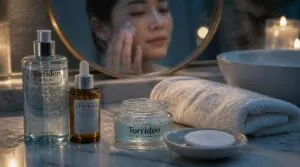
Evenings demand more effort than mornings, since makeup, sunscreen, and oil accumulate throughout the day. Double cleansing with an affordable acne treatment approach works best: an oil-based cleanser first, then a gentle cleanser with salicylic acid.
- Cleanse thoroughly
- Apply benzoyl peroxide, wait two minutes
- Layer treatment
- Moisturize while damp
- Lock in redness reduction
Absorption and timing matter for this simple night treatment routine.
Introducing Active Ingredients Slowly
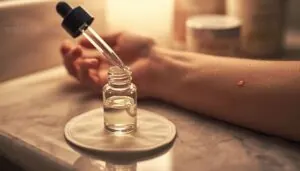
A solid night routine only works if your skin tolerates what you’re putting on it. Patch test new actives on your inner arm first. Start once or twice weekly, waiting 48 hours between uses. Begin with low concentrations (0.5-1%), increasing only after confirming tolerance. Introduce one ingredient at a time, spaced 7-10 days apart.
| Step | Action | Timeframe |
|---|---|---|
| 1 | Patch test | 7-10 days |
| 2 | Weekly use | 48-hr checks |
| 3 | Raise strength | After tolerance |
Moisturizing Without Clogging Pores
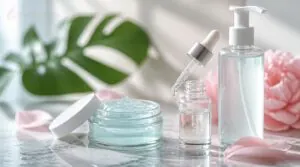
Once your actives are tolerated, hydration matters just as much. Choose a noncomedogenic moisturizer with lightweight gel textures, oil-free formulas, humectants like hyaluronic acid and glycerin, plus niacinamide for barrier repair. Skip heavy oils and petrolatum.
Pair with a gentle, fragrance-free cleanser twice daily. This keeps your skin hydrated without feeding new breakouts.
Daily Sunscreen for Red Marks
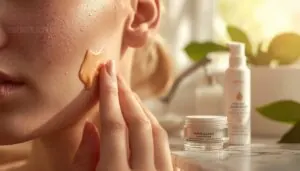
Every red mark you’re treating can darken further without protection, so broad-spectrum sunscreen isn’t optional. Choose SPF 30 or higher, applied daily regardless of weather.
Reapplication every two hours matters most during actual sun exposure. Layer it over your noncomedogenic moisturizer each morning; affordable options under $15 work just as well as premium brands for preventing pigmentary changes and sunburn-related redness.
Choosing Your Best Affordable Treatment
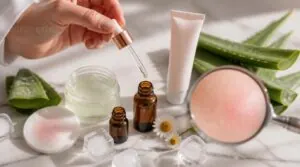
With ten solid options on the table, the right pick still depends on what your skin is actually dealing with. Active breakouts, lingering marks, and sensitivity levels all call for different approaches, and mismatching them can slow your progress or irritate your skin further. Here’s how to match your specific situation to the smartest choice.
Active Acne Versus Flat Marks
Is your skin fighting active lesions, or fading the memory of old ones? Active acne means inflamed, still-forming bumps needing benzoyl peroxide or sulfur.
Flat marks are leftover discoloration, red or brown, once inflammation resolves; they call for azelaic acid or brightening actives instead.
Matching your affordable treatment to the right stage saves time, skin, and money.
Spot Versus Full-Face Treatment
One pimple or a whole flare? That answers your question. Spot treatments pack 5-10% benzoyl peroxide for fast redness reduction within 24 hours.
Full-face formulas use 1-3% concentrations plus topical retinoids for gradual, antiinflammatory prevention over 4-8 weeks. Sensitive skin tolerates full-face better, spread thin.
Cost-wise, spot treatments ($8-30) last longer for occasional bumps, staying affordable even with multiple breakouts.
Avoiding Irritating Ingredient Combinations
Mixing too many actives invites trouble. Layering benzoyl peroxide, retinoids, and exfoliants raises irritation risk, especially with fragrance, alcohol, or overlapping preservatives disrupting your skin’s natural pH.
Keep routines simple and cost effective: one active at a time, introduced slowly. Choose fragrance-free, low-alcohol, affordable options suited for sensitive skin, and always patch-test before committing to full-face use.
When to See a Dermatologist
Affordable options only go so far. If redness persists after 8-12 weeks of consistent care, that’s treatment resistance, a real signal for dermatology evaluation.
- Severe or worsening breakouts
- Marks that never fade
- New or changing moles
- Any spot that looks "off"
Persistent acne evaluation matters, and so does skin cancer screening. Don’t wait, get it checked.
Frequently Asked Questions (FAQs)
What is the best acne treatment for redness?
For most patients, benzoyl peroxide or azelaic acid works best for redness, targeting inflammation and lingering marks directly. Sulfur suits sensitive skin. As a dermatologist, I rank ingredient effectiveness by your skin type, not just price or popularity.
What helps redness from acne fast?
Think of angry skin like a kettle that needs cooling fast. Wrap ice for 3-4 minutes to constrict vessels, follow with a hydrocolloid patch overnight, and dab niacinamide or benzoyl peroxide to calm inflammatory response quickly.
What do Koreans use for redness?
Korean routines lean on soothing toners with hyaluronic acid and propolis, layered with a calming essence, occasional sheet masks, ceramide-rich barrier moisturizing, and diligent daily sunscreen, an affordable, layered approach to redness reduction alongside erythema treatment and topical retinoids.
What is the best cream for redness caused by pimples?
For most redness, look toward Good Molecules 10% Azelaic Acid Treatment. It calms flushed skin, fades old marks, and works as a gentle, affordable cream treatment suited to daily use across sensitive, acne-prone complexions.
What are the best acne-prone skin care products?
Your best routine pairs a cleanser for oily skin, a targeted spot treatment active like benzoyl peroxide, a soothing serum for redness, a moisturizer non-comedogenic formula, and sunscreen daily protection to calm breakouts without irritating already-inflamed skin.
What are the best products for acne?
Effective options combine benzoyl peroxide or azelaic acid for inflammation with gentle, budget-friendly formulas like The Ordinary’s Sulfur Spot Treatment and Good Molecules Azelaic Acid, proving cost-effectiveness doesn’t sacrifice results, unlike unproven natural acne remedies alone.
What is the best acne treatment for rosacea prone skin?
For rosacea prone skin, look for azelaic acid or gentle sulfur formulas over harsh benzoyl peroxide. Pair with a fragrance-free gentle cleanser, niacinamide for barrier repair, and daily sunscreen, since UV exposure is a major rosacea trigger.
Which acne treatment is best for sensitive skin?
Stronger isn’t always safer. Azelaic acid or low-strength benzoyl peroxide, paired with a gentle cleanser, fragrance-free moisturizer, and anti-inflammatory compounds, calms sensitive skin while soothing irritated skin and supporting barrier repair without triggering fresh breakouts.
What is your favorite drugstore acne product?
A 10 percent benzoyl peroxide spot treatment in a clear gel base earns my loyalty. It absorbs fast, skips heavy scent, and shrinks inflamed pimples within a day, all for a few affordable drugstore dollars per tube.
Which retinoid is best for acne?
Asking which retinoid reigns best is like asking which raincoat works best in a hurricane, useful, but modest. For most people, adapalene offers OTC access without a prescription, while tretinoin suits stubborn inflammation under a dermatologist’s guidance for lasting redness control.
Conclusion
One of my patients spent six months chasing laser appointments before trying azelaic acid twice daily. Her redness faded in eight weeks, for a fraction of the cost. That’s the lesson here.
An affordable acne treatment for redness doesn’t mean settling for less, it means choosing ingredients that actually address dilated vessels and inflammation. Be patient, stay consistent, and protect your skin from sun exposure. Healing takes time, but your skin remembers every good choice you make.