This site is supported by our readers. We may earn a commission, at no cost to you, if you purchase through links. This content is for general informational and educational purposes only and is not a substitute for professional medical, dermatological, or nutritional advice.
Skipping moisturizer sounds reasonable when your skin already feels oily or "fine." But your skin’s outer layer loses water constantly, even on humid days, and that invisible loss is what triggers tightness, flakiness, and breakouts long before you notice them.
Skin hydration isn’t a cosmetic luxury. It’s how your skin stays functional, resilient, and protected from daily environmental stress.
The benefits of moisturizing skin go well beyond softness. From restoring your barrier to managing acne and shielding against pollution, consistent moisturizing shapes how your skin behaves and ages over time.
Table Of Contents
- Key Takeaways
- Why is Moisturizing Skin Important?
- How Do Moisturizers Keep Skin Hydrated?
- What Long-Term Benefits Can You Expect?
- Which Moisturizer Suits Your Skin Type?
- How Should You Apply Moisturizer?
- Frequently Asked Questions (FAQs)
- What are the benefits of using a moisturizer?
- Why is moisturizing your face important?
- Are moisturizers good for your skin?
- Why is it important to moisturize your skin?
- What happens if you don’t moisturize skin?
- What happens if you moisturize your face daily?
- Can moisturizer cause breakouts or skin reactions?
- How long before seeing moisturizing results?
- Should I moisturize before or after makeup?
- Can over-moisturizing damage my skin barrier?
- Conclusion
Key Takeaways
- Moisturizing helps prevent tightness, flaking, and irritation by replacing water and reducing moisture loss from your skin’s outer layer.
- Regular use supports the skin barrier, which keeps irritants out, holds moisture in, and can help oily or acne-prone skin stay more balanced.
- Choose a formula for your skin type: richer creams for dry skin, lightweight noncomedogenic gels for oily skin, and fragrance-free options for sensitive skin.
- Apply moisturizer to slightly damp skin after cleansing, use it morning and night, and finish your daytime routine with broad-spectrum SPF 30 or higher.
Why is Moisturizing Skin Important?
Moisturizing does more than make your skin feel soft right away. It helps your skin manage daily changes, from dry air to excess oil and irritation. Here are five important reasons to make it part of your routine.
A consistent moisturizing habit also supports post-shave recovery, as outlined in this soothing aftershave skincare routine for men that pairs hydration with targeted skin repair.
Prevents Dryness and Tightness
Moisturizing relieves that uncomfortable, stretched feeling by improving moisture retention in the skin’s outer layer. Apply it when skin feels dry and right after bathing, while it is still slightly damp.
Wear non-latex rubber gloves during housework to limit harsh detergent exposure that can strip away natural skin oils.
Some formulas provide hydration support ranging from 8–24 hours. Gentle, regular use helps prevent flaky patches and helps skin barrier function without rubbing or irritating fragile skin.
Supports a Healthy Skin Barrier
Once dryness eases, your skin barrier can do its daily job: keeping irritants out and water in. Its outer layer works like a brick wall, with skin cells held together by protective lipids.
Your skin barrier works like a brick wall, locking moisture in and keeping irritants out
Moisturizing helps moisture barrier repair through:
- lipid replenishment
- reduced water loss
- improved skin barrier integrity
- barrier function enhancement
Choose fragrance-free formulas and apply consistently, especially after washing.
Balances Excess Oil Production
With a stronger barrier, your skin is less likely to act like it must make extra oil for protection.
Oily skin moisturization controls oil by replacing water after cleansing, not adding grease. Choose lightweight, noncomedogenic formulas twice daily. This helps sebum regulation, limits clogged pores, and prevents breakouts caused when excess oil mixes with dead skin cells inside pores.
Soothes Sensitive, Irritated Skin
When skin feels itchy, blotchy, or tight, moisturizer can soothe sensitive, irritated skin by replacing water and supporting the skin barrier. This reduces transepidermal water loss, which can worsen dryness and stinging.
Choose fragrance-free formulas with calming ingredients such as aloe, centella, allantoin, or ceramides. Gentle emollients smooth rough areas, helping your skin feel more comfortable after cleansing.
Protects Against Environmental Stressors
Every day, your skin battles pollution, UV rays, and blue light. Environmental skin protection starts with a good moisturizer.
- Blocks vehicle exhaust and airborne pollutants
- Delivers free radical protection against UV and pollution
- Provides antioxidant protection with vitamins C and E
- Reinforces environmental pollutant defense via ceramides
- Guards against blue light and infrared
This daily habit protects against environmental damage.
Consistent moisturizing shields skin from pollutants and UV stress — explore affordable skin hydration treatments that keep your barrier strong and your glow intact.
How Do Moisturizers Keep Skin Hydrated?
Moisturizers do more than make skin feel soft right away. They use several types of ingredients to add water, hold it in, and support your protective skin barrier. Here are the five ways a well-chosen moisturizer helps keep your skin hydrated.
Humectants Draw Water In
Humectants draw water in to improve skin hydration at the surface. Think of them as tiny water magnets. Ingredients such as glycerin and hyaluronic acid bind water and bring it into the stratum corneum, your outer skin layer.
This helps moisture retention, helping your skin feel softer, smoother, and less tight. You’ll often find humectants in serums, lotions, and creams.
Occlusives Reduce Water Loss
Occlusives reduce water loss by acting like a light seal over your skin. They form a protective film that slows transepidermal water loss and helps the skin barrier hold hydration.
They work best after a water-based moisturizer, particularly when air is dry:
- Petrolatum
- Mineral oil
- Balms
- Ointments
This step improves moisture retention, easing tightness without adding water to your skin.
Emollients Smooth Skin Gaps
Emollients smooth skin gaps by forming a soft film over rough, dry areas. This improves skin texture and helps your skin feel less tight or scaly.
For moisturizer application, smooth the product gently in the direction of hair growth. Apply it to slightly damp skin and leave a thin layer to absorb. This helps barrier repair and moisture retention.
Ceramides Restore Barrier Lipids
Ceramides Restore Barrier Lipids like mortar repairing the spaces between bricks. They mix into the outer skin layer, helping rebuild its protective structure and improving moisture retention. A ceramide barrier repair moisturizer can replenish these essential lipids, leaving dry, stressed skin feeling softer and more resilient.
- Strengthens The Skin Barrier
- Helps reduce water loss
- Helps comfort during dryness
- Reinforces depleted natural lipids
Ceramide synthesis naturally slows with age and stress, so a ceramide moisturizer can support your Skin Barrier.
Balanced PH Supports Barrier Function
Balanced pH protects your skin barrier. Healthy skin is mildly acidic, usually around pH 4 to 6. This environment helps barrier enzymes work well, supporting skin hydration and moisture retention.
Choose a gentle, low-pH moisturizer after cleansing. It can help maintain pH balance, support ceramide production, and reduce the tight, uncomfortable feeling that often follows harsh products.
What Long-Term Benefits Can You Expect?

Consistent moisturizing can do more than provide short-term comfort. Over time, it helps your skin look and feel healthier while supporting its natural defenses. Here are the changes you may notice with regular use.
Softens Rough, Uneven Texture
A consistent moisturizer can make rough skin feel softer and look more even. It improves Skin Texture Smoothness by hydrating dry, flaky areas and filling tiny gaps on the skin’s surface.
For Texture Refinement, choose formulas with ceramides, hyaluronic acid, panthenol, or allantoin. This helps Skin Surface Smoothing and steady Skin Texture Improvement without harsh scrubbing.
Plumps Fine Lines
Hydrated skin can Plump Fine Lines by filling surface cells with water, much like a raisin becoming a grape. This Improves Skin Texture Smoothness and gives a fresher look.
Hyaluronic acid and glycerin offer AntiAgeing Benefits by drawing in moisture. With steady use, hydration can also Reduce Dark Spots’ dull appearance and Enhances Skin Elasticity, while deeper wrinkles need other care.
Improves Elasticity and Firmness
After fine lines look smoother, well-moisturized skin can appear firmer during everyday movement. Hydration-focused skincare helps skin suppleness, so skin feels less tight and rebounds more comfortably each day.
- Use humectants to hold water.
- Seal moisture with a cream.
- Choose ceramides for collagen support.
- Apply twice daily for skin elasticity improvement and gentle skin firming when used consistently over time.
Supports Brighter, Even-Toned Skin
Skin that holds moisture reflects light more evenly, so it looks fresher and less patchy. Consistent care Brightens Skin by easing dryness and supporting a calm barrier. Pair daytime moisture, sunscreen, and Vitamin C for Glow to support Skin Tone Evening and Hyperpigmentation Reduction.
| Step | Result | Timing |
|---|---|---|
| Moisturizer | Reduces Dark Spots | daily |
| Serum | glow | morning |
| Sunscreen | protection | daily |
| Patience | even tone | weeks |
Helps Manage Acne-Prone Skin
Moisturizing often Prevents Breakouts by reducing tightness and irritation that can make acne care harder to follow. Choose lightweight, Noncomedogenic formulas for oily skin moisturization. They hydrate without feeling heavy and may help Controls Oil over time.
Use a gentle syndet cleanser, then apply salicylic acid for acne if recommended. Follow with moisturizer morning and night. This simple routine keeps your barrier calm.
Which Moisturizer Suits Your Skin Type?
Your skin type should guide the texture and ingredients you choose. The right moisturizer feels comfortable, helps your skin barrier, and doesn’t create new concerns. Use the guide below to find a formula that fits your skin’s needs.
Rich Creams for Dry Skin
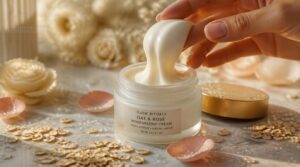
Rich Creams for Dry Skin provide deep hydration when your skin feels tight, rough, or flaky. Their thicker texture helps lock in water and support your barrier.
- Choose ceramides for barrier repair.
- Look for glycerin or hyaluronic acid.
- Use fragrance-free, noncomedogenic formulas.
- Apply after bathing on damp skin.
This improves moisture retention and offers anti-ageing benefits by softening dry fine lines.
Lightweight Gels for Oily Skin

An airy gel gives oily and combination types hydration without the heavy, coated feeling. Noncomedogenic skincare helps Controls Oil Prevents Breakouts, especially when pores clog easily.
| Look for | Why it helps |
|---|---|
| Hyaluronic acid, panthenol | Draws water in |
| Oil-free, fast-drying formulas | Helps with makeup-friendly moisturizer application |
Choose Lightweight textures gelsorbet formulas that absorb quickly and leave a soft, comfortable finish all day long.
Lotions for Combination Skin
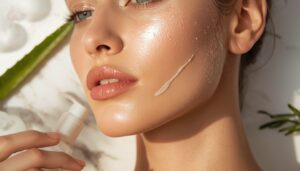
Lotions for Combination Skin give you steady Hydration where cheeks feel dry without overwhelming a shiny T-zone. Choose a lightweight, Noncomedogenic Moisturizer with humectants, ceramides, and perhaps niacinamide for gentle Sebum Regulation.
- Comfortable cheeks
- Less midday shine
- Smoother makeup
- Fewer clogged pores
- A calmer routine
Apply a thin layer across your face, then add another amount only to dry areas.
Fragrance-Free Sensitive Skin Formulas
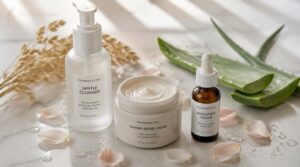
Fragrance-Free Sensitive Skin Formulas help reduce avoidable triggers when your skin feels reactive, tight, or itchy. “Fragrance-free” means no added fragrance or masking scent, though the formula may still have a mild natural smell.
Look for glycerin, colloidal oatmeal, aloe, and ceramides. These ingredients soothe sensitive, irritated skin while supporting skin barrier protection. Choose a Dermatologist Recommended formula, then apply gently to damp skin.
Non-Comedogenic Dermatologist-Tested Options
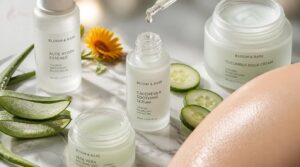
Non-Comedogenic, Dermatologist-Tested moisturizers offer Hydration without adding to clogged pores. They can support your Skin Barrier while helping you feel more in control of breakouts.
- Fewer worries about pore blockage
- Softer skin without heavy residue
- Calmer-looking blemish-prone areas
- Comfortable daily Hydration
- A simpler routine you can trust
Check the label, patch-test first, and choose fragrance-free when skin feels reactive.
How Should You Apply Moisturizer?
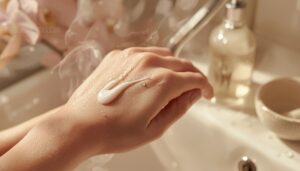
The right technique helps your moisturizer do its job more effectively. A few small timing and layering choices can make a meaningful difference. Follow these simple steps to get the most from your routine.
Apply After Cleansing or Bathing
Apply After Cleansing or Bathing to lock in comfort after water and cleanser remove surface oil. Cleanse your face before application, then pat gently with a towel.
For body skin, moisturize soon after bathing. Apply to slightly damp skin, not dripping wet. Use a peasized amount for your face and more as needed for your body. Apply twice daily morning and night.
Use on Slightly Damp Skin
Leave a thin film of water on your skin after patting. Apply to slightly damp skin, not dripping wet, for better moisture retention and a smoother finish.
- Pat away visible droplets.
- Keep skin comfortably damp.
- Press moisturizer over face or body.
- Cover dry areas first.
Humectant water attraction pulls in moisture, while moisturizer helps the skin barrier and transepidermal water loss prevention.
Moisturize Morning and Night
Once your skin is damp and ready, timing matters just as much as technique. Moisturizing morning and night keeps hydration steady instead of letting your skin dry out between sessions.
A quick morning application restores moisture lost overnight. At night, your skin naturally rebuilds, so nighttime moisture retention matters. A consistent twice-daily routine keeps skin comfortable and balanced all day.
Layer Serums Before Moisturizer
Once your timing is set, product order matters too. Layer serums before moisturizer so their active ingredients reach your skin first. Serums are lighter, which means they absorb quickly and get to work before a heavier cream seals them in. A hyaluronic acid face serum applied to slightly damp skin can boost hydration before you seal it in with moisturizer.
This simple step in your hydration routine helps with better moisture retention and a stronger skin barrier with every moisturizer application.
Finish Morning Care With Sunscreen
Once your moisturizer absorbs, reach for sunscreen to finish morning care.
- Pick SPF 30 or higher for reliable everyday UV protection
- Choose broad-spectrum to guard against UVA and UVB
- Apply sunscreen 20 minutes before going outside
- Reapply every 2 hours or after sweating
This final step locks in your hydration and keeps your skin shielded from sun damage all day.
Frequently Asked Questions (FAQs)
What are the benefits of using a moisturizer?
Ironically, the simplest step often does the most: moisturizer provides deep hydration, helps moisture retention, reduces tightness, and improves skin texture. With regular use, your skin feels softer, gains smoothness, and better withstands daily irritation.
Why is moisturizing your face important?
Your face needs hydration to stay comfortable and resilient. Moisture retention helps the skin barrier, while humectants draw in water and emollients smooth rough areas, helping reduce tightness, flaking, and irritation.
Are moisturizers good for your skin?
Skin can feel oily yet lack water, so yes, moisturizers are good for your skin. The right Moisturizer improves hydration, helps the skin barrier, and strengthens moisture retention without necessarily making skin greasy or shiny.
Why is it important to moisturize your skin?
Moisturizer helps hydration and moisture retention, so your skin feels comfortable instead of tight or flaky. It also strengthens the skin barrier, helping block irritants and water loss while supporting lasting skin health.
What happens if you don’t moisturize skin?
Without Moisturizer, skin can feel tight, itchy, rough, and flaky. Reduced hydration weakens the skin barrier, lowering moisture retention and allowing irritants in. Dry areas may look dull, while fine lines appear more noticeable.
What happens if you moisturize your face daily?
Daily use of moisturizer keeps your skin hydrated, helps barrier function, and reduces tightness or flaking. In your daily skincare routine, apply it to slightly damp skin for a smoother, more comfortable feel.
Can moisturizer cause breakouts or skin reactions?
Yes. A moisturizer can cause breakouts if it contains ingredients that clog pores with oily skin. Fragrance or preservatives may trigger skin reactions. Choose a noncomedogenic formula, patch-test, and stop use if itching, redness, or bumps develop.
How long before seeing moisturizing results?
Picture skin hydration as a sponge: hydration support ranging from 8–24 hours may appear quickly, while epidermal water retention and lower trans epidermal water loss build over days. Expect moisture retention in 4–6 weeks consistently.
Should I moisturize before or after makeup?
Apply moisturizer before makeup. After cleansing, layer serums, moisturizer containing humectants, occlusives, and emollients, then sunscreen in the morning. Let it settle before primer or foundation so your skin stays smooth and makeup grips evenly.
Can over-moisturizing damage my skin barrier?
Like a raincoat worn indoors, over-moisturizing can trap sweat beneath an occlusive film. This may disrupt your skin barrier and trans epidermal water loss. Use less if skin feels slick, itchy, or congested.
Conclusion
Give your skin a quiet layer of care each day, and it can do its important work without sending distress signals. The benefits of moisturizing skin reach beyond a softer surface: a supported barrier holds water, tolerates treatment better, and faces daily exposure with greater calm.
Choose a formula that suits your skin type, apply it to damp skin, and wear sunscreen each morning. Small, steady care is the kind your skin remembers for years.