This site is supported by our readers. We may earn a commission, at no cost to you, if you purchase through links. This content is for general informational and educational purposes only and is not a substitute for professional medical, dermatological, or nutritional advice.
The right beard changes more than your face. It changes how you carry yourself into a room.
Barbers have known this for decades, which is why classic beard styles keep cycling back into relevance, decade after decade. The Van Dyke, the Ducktail, the Boxed beard. These aren’t nostalgia trips. They’ve survived because they solve real problems: softening angles, adding definition, or giving a round face the structure it needs.
Finding classic beard styles for inspiration is easy. Finding one that works for your face shape, your growth pattern, and your lifestyle takes a bit more direction.
Table Of Contents
- Key Takeaways
- Classic Beard Styles Worth Trying
- Match Classic Beards to Face Shape
- Shape and Maintain Your Classic Beard
- Top 5 Products for Classic Beards
- Frequently Asked Questions (FAQs)
- What is the rule 5 for beards?
- What is Keanu Reeves’ beard style called?
- How long does beard growth typically take?
- What products are essential for beard care?
- Can patchy beards be improved or styled?
- How often should beards be professionally trimmed?
- What causes beard itchiness and solutions?
- Can diet affect beard thickness and density?
- What causes beard hair to grow unevenly?
- How do you fix beard itch and irritation?
- Conclusion
Key Takeaways
- Classic beard styles like the Van Dyke, Ducktail, and Boxed beard have stayed relevant for decades because they actually solve real problems — softening angles, adding definition, or giving your face the structure it needs.
- Your face shape should drive your style choice, not trends — round faces need chin-focused styles like the Anchor to add length, while square faces do better with a tapered beard that keeps the sides tight and the chin fuller.
- Sharp cheeklines and a neckline sitting two fingers above your Adam’s apple are what separate a polished beard from one that just looks like you forgot to shave.
- A daily routine of beard oil, balm, and brushing isn’t optional upkeep — it’s what keeps your style holding its shape and your skin from itching, flaking, or drying out underneath.
Classic Beard Styles Worth Trying
Picking a beard style doesn’t have to be a guessing game. The classics have stuck around for a reason — they’re adaptable, well-defined, and they actually work across different face shapes and growth patterns. Here are a few worth putting on your radar.
If you want a deeper dive into matching styles to your face shape and keeping things low-effort, this low-maintenance beard styles guide covers everything from patchy growth fixes to quick trimming routines.
Full Beard and Short Boxed
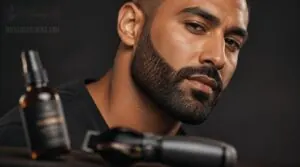
The short boxed beard is clean geometry with zero fuss. It keeps a uniform 6 to 12mm length across the jawline, chin, and mustache, forming a tight rectangular frame that looks intentional without screaming "I tried too hard."
Regular trimming every 3 to 5 days keeps those cheek lines crisp. Pair that with a quality beard trimmer and beard oil, and your full beard stays sharp all week. For best results, follow a complete short boxed beard shaping process that includes defining the cheek line and neckline U-curve for clean, geometric structure.
Balbo, Anchor, and Van Dyke

Once you nail geometry, you can start playing with negative space.
The Balbo beard pairs a trimmed mustache with a floating chin patch, kept clear of the cheeks.
The Anchor beard connects under the lip and follows the jawline.
Van Dyke runs a curved mustache alongside a pointed chin beard.
All three demand sharp beard grooming and a precision trimmer.
Ducktail and French Fork
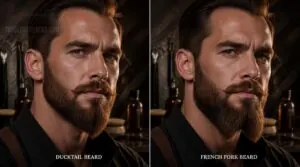
If those styles are all about angles, the Ducktail and French Fork take things further with serious chin drama. The ducktail tapers your sides into a pointed chin silhouette, almost like a beard with a destination. The French Fork splits that chin into two symmetrical lobes. Both need dense chin growth and daily brushing to keep the shape honest.
Garibaldi and Verdi

Named after an Italian general, the Garibaldi goes wide and full, with a naturally rounded bottom. Think relaxed authority.
The Verdi is its tidier cousin, kept shorter with a shaped mustache. Both reward daily beard oil and a dab of beard balm for softness. Use a beard trimmer to keep the Verdi’s edges clean without losing that easy volume.
Bandholz, Yeard, and Tweard
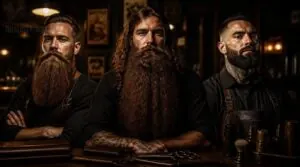
The Bandholz is basically the grandfather of the long-beard movement, built on full, natural growth with a clean neckline. Commit to the beard growth timeline and the Yeard takes things even further, one full year of zero trimming until you hit your terminal beard length naturally.
The Tweard pulls back with controlled length and neatly defined edges, structure without sacrifice.
Match Classic Beards to Face Shape
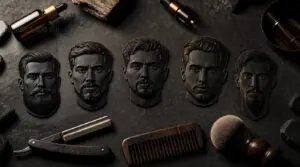
Not every beard works for every face, and that’s not a bad thing — it just means some styles will do more for your look than others. Your face shape is basically the starting point for narrowing down what’ll actually work. Here’s how the most classic beard styles line up with the five most common face shapes.
Versatile Styles for Oval Faces
Oval face shape is basically the golden ratio of grooming. Almost anything works, but some styles shine more.
Top picks for oval faces:
- The Goatee for clean jaw definition
- The Garibaldi for a rounded look
- The Imperial for mustache drama
- Stubble for texture without bulk
- Full beards with gradual transitions
Use beard shaping techniques like fading to keep it balanced.
Elongating Beards for Round Faces
Growing a beard on a round face is about redirecting attention downward.
Chin-focused styles like The Anchor Beard are your best bet, adding jawline definition without width. The Full Beard can work if you taper the sides short. The Garibaldi and The Imperial add presence, but keep cheek growth minimal.
Clean cheeklines and a longer chin create that elongating effect.
Tapered Beards for Square Faces
A tapered beard softens a square face shape by keeping the chin fuller and the sides tight.
Three things to nail:
- Set your beard taper at 6-10mm chin, 3-6mm sides
- Keep beard cheek line definition just below natural growth
- Use a beard fade to merge sideburns cleanly
That’s how you stop the beard from making your face look wider.
Balanced Beards for Oblong Faces
Oblong faces are already long, so you don’t want a beard that adds more length. Keep it short to medium on the chin and build side width instead.
A full beard can work here, but trim the bottom flat, not pointy. Set your neckline two fingers above the Adam’s apple, and let the sides carry the shape.
Chin-Focused Diamond Face Styles
Diamond faces have wide cheekbones and a narrow chin, so your beard’s job is to balance both ends without making either extreme look overworked.
Go with a Van Dyke or anchor beard to play up the chin point. A beard taper or fade on the sides dials back that cheekbone width. Keep neckline grooming tight, and skip the chin strap.
For that crisp neckline, a quality beard neckline trimmer gives you the precision to keep things clean without accidentally taking off too much.
Shape and Maintain Your Classic Beard

Getting your beard to look good is one thing — keeping it that way is where most guys drop the ball. The right maintenance habits make the difference between a style that turns heads and one that just looks like you forgot to shave. Here’s what to focus on.
Getting a beard to look good is easy — keeping it sharp is where most men fail
Define Cheeklines and Necklines
Where your beard ends matters as much as where it starts. Cheek line definition and neckline grooming separate a sharp beard from a fuzzy mess.
- Place the beard trimming neckline two fingers above your Adam’s apple
- Cheekline cleanup follows your natural growth
- A too-high neckline disrupts beard shape and face structure
- Sharp edges lock in your beard cheek line definition
Fade Sides for Balanced Shape
Once your lines are clean, the sides need work too. A beard fade softens the shift from your haircut into your beard, keeping everything looking intentional rather than accidental.
Your barber can fade sides using clipper guards to create a gradual beard taper. This controls bulk and helps your beard shape and face structure, especially if you’re working with shorter beard length categories on the sides.
Brush and Balm Longer Beards
Once your sides are faded, longer beards still need some extra care. Work beard balm from the tips toward the skin, then use a beard brush to set the shape and spread it evenly through each layer. This keeps your long beard looking intentional, not overgrown.
Add beard oil and balm to your daily beard care routine for best results.
Oil to Prevent Breakage
Dry hair breaks easily, and your beard is no different. A few drops of beard oil worked through after brushing keeps strands flexible and far less likely to snap during beard maintenance.
Look for a non-greasy formula you can use daily without residue. That’s your shortcut to better beard softening, consistent beard growth, and a beard care routine that holds.
Manage Patchy Beard Growth
Patches happen, and beard genetics decide where your hair fills in. Give it time. GQ suggests 1 to 3 months can make thin spots far less noticeable.
For patchy beard solutions, the 5 o’clock shadow or a goatee works around gaps without waiting. Keep exfoliating, exercise, and cut stress to encourage growth from the inside out. That’s where beard confidence really starts.
Top 5 Products for Classic Beards
The right products can make or break your beard game, no matter which style you’re rocking. From growth support to precision trimming, having the right tools in your corner saves you time and keeps your beard looking sharp. Here are five products worth adding to your grooming lineup.
1. The Beard Club Beard Growth Kit
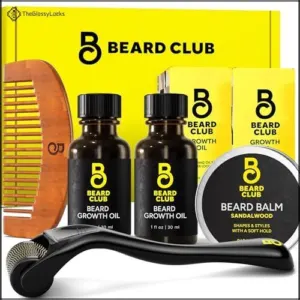
The Beard Club Beard Growth Kit gives you a full routine in one box, which is half the battle when you’re actually trying to build a beard.
The derma roller packs 540 titanium-coated needles at 0.25mm to stimulate follicles twice weekly. The castor, cedar, and avocado oil mix hydrates your skin and softens coarse growth between sessions.
A sandalwood balm rounds out the styling side with a non-greasy finish. Some users note skin sensitivity, so patch-test the oil before committing.
| Best For | Anyone looking to kick-start or improve their beard growth routine with an all-in-one kit, especially those who want a thoughtful gift option for birthdays, anniversaries, or holidays. |
|---|---|
| Product Type | Grooming Kit |
| Weight | 7.37 oz |
| Best For | Growth & Gifting |
| Skin Benefit | Soothes & Softens |
| Build Material | Titanium & Natural Oils |
| Adjustability | Fixed Multi-Tool Set |
| Additional Features |
|
- Full grooming routine in one box — derma roller, oil blend, balm, and comb all included
- Castor, cedar, and avocado oil mix softens coarse hair and soothes skin between rolling sessions
- Sandalwood balm offers a non-greasy finish that styles without weighing the beard down
- Beard growth results are inconsistent — some users saw little to no improvement
- Sandalwood scent runs strong, which won’t suit everyone
- Quality control issues reported, including broken combs and loose roller handles
2. 4. Philips Norelco OneBlade 360 Face Beard Trimmer
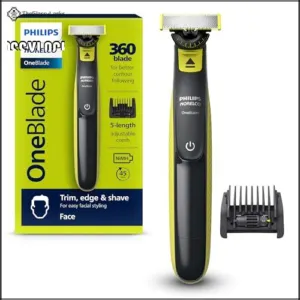
The 360 flex blade on the OneBlade keeps constant skin contact, which makes shaping an anchor or ducktail much easier without multiple passes. At 5.43 ounces, it’s light enough to handle precisely, and the dual-sided blade lets you trim and edge in the same stroke.
The 5-in-1 comb covers 1-5mm stubble lengths, so you’re not switching tools mid-session. It runs 45 minutes on a full charge, and the stainless steel blade holds up about four months before needing replacement.
| Best For | Guys who want a versatile, easy-to-use trimmer for maintaining styled facial hair like beards, stubble, or defined edges without the hassle of multiple tools. |
|---|---|
| Product Type | Electric Trimmer |
| Weight | 5.43 oz |
| Best For | Stubble & Detailing |
| Skin Benefit | Reduces Irritation |
| Build Material | Stainless Steel Blade |
| Adjustability | 1–5mm Comb Settings |
| Additional Features |
|
- The 360 flex blade stays in constant contact with your skin, making it much easier to shape curved areas like the jawline and neck in fewer passes
- Fully waterproof and USB rechargeable, so it works just as well in the shower as on a dry face—and travels without fuss
- The 5-in-1 adjustable comb handles 1–5mm stubble lengths in one tool, with a stainless steel blade that lasts up to four months
- Won’t get you a truly clean-shaven look—if you want razor-close results, you’ll still need a traditional blade
- The battery takes 8 hours to fully charge and can lose staying power over time on some units
- The adjustable comb can be tricky to click into place at first, and the trimmer head has been known to show durability issues after several months of regular use
3. Bevel Professional Hair Clippers Trimmer
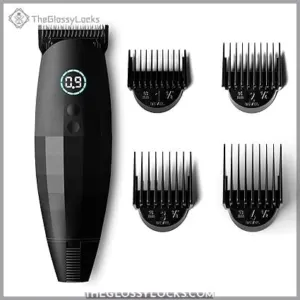
The Bevel Pro is built for guys who want barber-level precision at home. Its leverless gap adjustment lets you dial in cuts at 0.1mm increments, which is exactly what you need for crisp lineups on an anchor or ducktail. The cordless design runs up to four hours, and the magnetic guard system keeps tool swaps fast.
That said, some users report motor issues early on and guards that shift mid-trim, so handle it with intention, not speed.
| Best For | Home groomers and barbers who want professional-level precision for fades, lineups, and beard shaping without needing to visit a barbershop. |
|---|---|
| Product Type | Professional Clipper |
| Weight | 2.15 lbs |
| Best For | Fades & Lineups |
| Skin Benefit | Smooth Close Shave |
| Build Material | High-Quality Durable |
| Adjustability | Leverless Gap Adjust |
| Additional Features |
|
- Leverless gap adjustment lets you fine-tune cutting length in tiny increments for sharp, clean fades and lineups
- Cordless design gives you full freedom of movement, whether you’re at home or working in a salon
- Sleek, durable build holds up to regular use and delivers consistent, professional-grade results
- Some users report motor failure after just a few uses, raising concerns about long-term reliability
- The switch is sensitive enough that the trimmer can accidentally turn on in its pouch, draining the battery
- Blades can pull hair if you move too fast, and the magnetic guards may shift mid-trim
4. Honest Amish Classic Beard Oil 2 Ounce
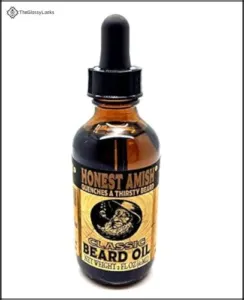
Good oils don’t need fanfare. The Honest Amish Classic is handcrafted in the USA using eight premium natural and organic oils, including argan and jojoba. The glass bottle with precision dropper gives you real control so you’re not overdoing it. A few drops after your shower softens coarse hair and fights beardruff without any greasy residue.
One heads-up: the scent leans licorice and anise, which isn’t for everyone. It fades within the hour, but worth knowing before you commit.
| Best For | Guys who want a no-fuss daily beard oil with clean, organic ingredients and don’t mind a licorice-forward scent. |
|---|---|
| Product Type | Beard Oil |
| Weight | 2 oz |
| Best For | Daily Conditioning |
| Skin Benefit | Conditions & Hydrates |
| Build Material | Organic Argan & Jojoba |
| Adjustability | Dropper-Controlled Dosing |
| Additional Features |
|
- Eight natural and organic oils—including argan and jojoba—deeply condition both beard hair and the skin underneath
- The precision dropper keeps application controlled, so a 2 oz bottle lasts a long time
- Absorbs quickly with no greasy residue, making it easy to use right before heading out
- The licorice/anise scent is polarizing and not everyone’s cup of tea
- Doesn’t offer much styling hold, so it won’t tame a complex or unruly beard shape
- The glass bottle can break if dropped, which is a real risk in a bathroom setting
5. Panasonic Cordless Beard Trimmer ER-SB40-K
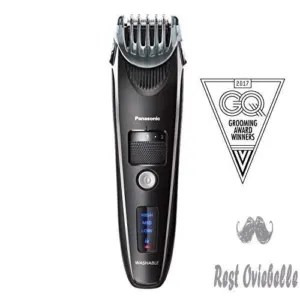
Panasonic’s ER-SB40-SB40-K punches well above its weight class. The linear motor hits 9,800 cuts per minute, which translates to clean, consistent lines without the stuttering you get from cheaper trimmers.
Nineteen length settings dial in from 0.5 mm to 10 mm, so you can shape a tight corporate beard or edge a Balbo without swapping combs. It’s fully washable and runs 60 minutes cordless.
Fair warning: the 10 mm cap won’t satisfy Garibaldi-level ambitions, and the blade heats up during long sessions.
| Best For | Guys who want precise, adjustable beard shaping in a lightweight trimmer they can use in the shower or take on the road. |
|---|---|
| Product Type | Beard Trimmer |
| Weight | 2.88 oz |
| Best For | Precision Sculpting |
| Skin Benefit | Hypoallergenic Blades |
| Build Material | Stainless Steel Blades |
| Adjustability | 0.5–10mm, 19 Settings |
| Additional Features |
|
- 9,800 cuts per minute from the linear motor means clean, consistent lines without tugging or stalling
- 19 length settings (0.5–10 mm) cover everything from stubble to a full short beard without swapping attachments
- Fully washable and cordless up to 60 minutes, making it easy to use in the shower or pack for travel
- 10 mm max length won’t cut it for longer beard styles like a Garibaldi
- The blade heats up during extended sessions, which can be uncomfortable without the guard
- Proprietary charging connector means you can’t grab a replacement cable at just any store
Frequently Asked Questions (FAQs)
What is the rule 5 for beards?
Think of it like a recipe: five essential grooming rules keep your beard in shape. Rule 5 is styling — grab some beard balm, warm it in your palms, and work it through for light hold.
What is Keanu Reeves’ beard style called?
Keanu Reeves rocks what’s often called the Keanu beard, a short, patchy, naturally rugged style made famous during his John Wick era. It pairs a fuller mustache with uneven cheek growth for easy masculine texture.
How long does beard growth typically take?
Waiting feels endless, but beard growth moves fast, roughly 3 to 5mm per day. Most men see a full beard in 2 to 4 months, though genetics and hormones push that window wider for some.
What products are essential for beard care?
Your essential kit needs beard oil, beard balm, a quality trimmer, and a boar bristle brush. Oil keeps skin from itching and drying out, balm shapes and holds, and the brush distributes everything evenly.
Can patchy beards be improved or styled?
Yes, patchy beards can absolutely be improved. Give it a few months before judging, since surrounding growth often fills gaps in. Keep edges sharp, use beard oil daily, and trim to highlight your stronger zones.
How often should beards be professionally trimmed?
Think of your trim schedule like an oil change: ignore it too long and things get messy. Short beards need a trim every 1–2 weeks, medium every 2–4, long every 4–
Trimming keeps the shape tidy, but pairing it with products suited to your beard care routine for different skin types keeps the skin underneath comfortable.
What causes beard itchiness and solutions?
Dry skin, product buildup, and ingrown hairs are the main culprits. Keeping your beard clean with a moisturizing wash and using beard oil daily usually clears it up fast.
Can diet affect beard thickness and density?
Samson had his hair, but you’ve got your diet. Protein, zinc, and vitamin D are real drivers of beard thickness and density, and skimping on any of them can visibly thin things out.
What causes beard hair to grow unevenly?
Uneven beard growth usually comes down to genetics and hormones. Some follicles respond to androgens differently, grow at different rates, or sit in varying skin environments, so patchiness is rarely your fault.
How do you fix beard itch and irritation?
Beards look great. The skin underneath them? Sometimes not so much. Wash daily with warm water and a gentle beard cleanser to clear out bacteria, then follow with beard oil to beat dryness and itch.
Conclusion
A beard grows on its own. A great beard takes real intention. That’s why browsing classic beard styles for inspiration is only ever the beginning.
The real work is matching a style to your face shape, committing to a solid maintenance routine, and using products that actually back you up. Pick something that fits your life. Wear it with real purpose.
What you grow matters far less than what you decide to do with it.