This site is supported by our readers. We may earn a commission, at no cost to you, if you purchase through links. This content is for general informational and educational purposes only and is not a substitute for professional medical, dermatological, or nutritional advice.

Acne doesn’t clock out after your teenage years. Roughly 42% of adult men deal with breakouts well into their 30s and 40s—and most have no idea why it keeps coming back. Blame it on testosterone fluctuations, chronic stress, or that beard you’ve been growing since lockdown.
The triggers for adult male acne run deeper than a dirty pillowcase. Clearing your skin for good means understanding what’s actually driving it and matching the right treatment to your specific situation. The best acne treatments for men work with your biology—not against it.
Table Of Contents
- Key Takeaways
- Causes and Triggers of Adult Male Acne
- Effective Skincare Routine for Acne-Prone Male Skin
- 6 Best Acne Treatments for Men
- Natural Remedies and Lifestyle Changes for Men’s Acne
- When to See a Dermatologist for Men’s Acne
- Frequently Asked Questions (FAQs)
- What is the best acne treatment for men?
- How to get rid of acne in men?
- What are the different types of men’s acne treatment options?
- What are the best acne creams for men?
- Does acne mean high testosterone?
- Is Horace good for acne?
- What are the top 3 best acne treatments?
- What is the best treatment for acne for men?
- What is the best acne remover for men?
- What is the best acne routine for men?
- Conclusion
Key Takeaways
- Testosterone, stress, genetics, diet, and pollution all drive adult male acne — knowing your trigger is the first step to actually clearing your skin.
- A simple daily routine of cleansing with salicylic acid, using a non-comedogenic moisturizer, and wearing SPF handles most mild to moderate breakouts.
- Over-the-counter options like Differin Gel (adapalene) and benzoyl peroxide treatments are clinically proven and strong enough for persistent acne without a prescription.
- If breakouts are deep, painful, or still showing up after 6–8 weeks of consistent treatment, it’s time to see a dermatologist for prescription-level options.
Causes and Triggers of Adult Male Acne
Adult male acne isn’t random — your skin is working against some real, specific triggers. Understanding what’s driving your breakouts is the first step to actually fixing them.
Getting familiar with those triggers puts you miles ahead — and exploring adult acne treatments that actually address hormonal and stress-related breakouts can help you build a routine that works with your skin, not against it.
Here’s what’s most likely behind what you’re seeing.
Hormonal Changes and Testosterone
Testosterone is a bit of a double agent. It builds muscle and drives energy, but it also tells your sebaceous glands to produce more oil. When testosterone levels spike — after intense workouts, stress, or hormonal shifts in your 20s and 30s — sebum production ramps up fast. That excess oil mixes with dead skin cells, clogs pores, and triggers hormonal acne on your face, chest, and back.
Testosterone builds your body and breaks out your skin — the same hormone fueling your gains is flooding your pores with oil
What makes this trickier is androgen sensitivity. Some men have skin that overreacts even to normal hormone fluctuations, meaning you don’t need abnormally high levels to break out.
Understanding the role of hormone imbalance is essential in managing acne.
Here’s what helps manage hormone-driven breakouts:
- Use a gentle, non-comedogenic cleanser twice daily to control oil without stripping your skin
- Avoid anabolic steroids — they’re a fast track to severe acne
- Talk to a dermatologist about acne treatment for men customized to hormonal imbalance
Genetics and Family History
Hormones aren’t the only thing working against you. Sometimes, it’s written in your DNA. If your dad or brother dealt with stubborn adult acne, there’s a real chance you inherited that same tendency.
Family ties to acne run deep — research shows relatives of acne-prone individuals face roughly four times the risk. These inherited traits shape how your pores respond to oil, how easily they clog, and how aggressively inflammation sets in.
That’s why dermatologists often ask about your family history before recommending acne treatment for men. Knowing your hereditary factors helps build a mens skincare plan that actually works. Understanding the role of hormone balance is essential in developing an effective treatment plan.
Stress and Lifestyle Factors
Your DNA isn’t the only thing loading the dice against you. Lifestyle factors for clear skin matter just as much. Chronic stress spikes cortisol, which pushes your sebaceous glands into overdrive — and stress and acne really do go hand in hand. Poor sleep patterns deny your skin overnight repair time, worsening inflammation.
A consistent exercise routine improves circulation and lowers stress hormones naturally. Simple relaxation techniques — a walk, a hobby — are genuine stress management tools. Small lifestyle changes add up faster than you’d think.
Diet and Nutrition Impact
What you eat shows up on your face — sometimes faster than any product can fix it. High Glycemic Index foods like white bread and sugary drinks spike insulin, triggering your oil glands into overdrive. Men on high-GI diets show up to 50% more acne lesions. Dairy Effects are real too — skim milk alone raises IGF-1, fueling breakouts.
Here’s what smart Diet and Nutrition looks like for Mens Skin Care:
- Swap processed carbs for whole grains and watch inflammation ease up
- Add Omega Balance through salmon or walnuts to calm angry skin
- Try Probiotic Supplements — they cut acne lesions by up to 50%
Zinc Benefits your skin too. Just 30mg daily can halve pustules within weeks. Small food swaps. Big Skin Health wins.
Environmental Factors and Pollution
Living in a city means your skin is fighting a battle you can’t always see. Air Pollution and Urban Exposure aren’t just background noise — particulate matter and smog settle into your pores, mixing with sebum to trigger inflammation. Sweat, humidity, and friction from hats or helmets make it worse. These Skin Irritants, combined with Chemical Toxins from traffic fumes or indoor smoke, keep your skin chronically reactive. Climate Change is shifting seasonal patterns too, making flare-ups less predictable.
Your Lifestyle Choices matter here:
- Cleanse every evening to strip off the day’s pollution
- Use antioxidant serums to neutralize environmental damage
- Choose non-comedogenic sunscreen to block UV-driven inflammation
- Shower after sweaty commutes or outdoor workouts
Effective Skincare Routine for Acne-Prone Male Skin
Getting your skincare routine right is honestly half the battle against acne. Men’s skin has its own quirks — thicker, oilier, and often dealing with shaving irritation — so a one-size-fits-all approach rarely cuts it.
Here’s what a solid routine for acne-prone male skin actually looks like.
Cleansing Techniques for Men

Think of face washing as your skin’s daily reset button. Done right, it’s the backbone of any solid mens skincare routine — skip it, and everything else falls apart.
Start with lukewarm water and a gentle cleanser suited to your skin type. Salicylic acid at 2% is a smart pick for acne-prone men — it gets inside the pore and dissolves the oil and debris causing your breakouts.
Here’s how to do it properly:
- Focus on your T-zone first, where oil buildup peaks
- Massage your facial cleanser in small circles for about 60 seconds
- Rinse thoroughly — around 30 passes — to flush out all residue
- Pat dry with a clean towel; never rub
Twice daily keeps pore unclogging consistent and acne prevention on track.
Exfoliation Methods and Frequency
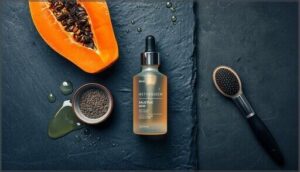
Exfoliation is one step most men skip — and their skin pays for it. Dead cells pile up, pores get congested, and breakouts follow. A smart men’s skincare routine fixes this fast.
You’ve got three tools here:
| Method | Best For |
|---|---|
| Physical Exfoliants | Oily, resilient skin types |
| Chemical Peels (Salicylic Acid) | Clogged pores and active acne |
| Enzyme Masks | Sensitive or reactive skin |
Salicylic acid at 1–2% penetrates pores directly, dissolving oil and debris where it starts. Enzyme masks — papaya or pineapple-based — work gently without abrasion. Exfoliation frequency matters too: oily skin tolerates 3–4 times weekly, while sensitive skin needs just 1–2. Overdoing it wrecks your skin texture. Dermatologists consistently recommend building tolerance slowly.
Moisturizing Without Clogging Pores
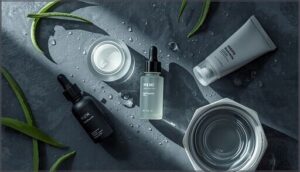
Skipping moisturizer won’t save your skin — it’ll sabotage it. When your skin feels dry, it overproduces oil to compensate, and that spells more breakouts. The fix isn’t heavy cream. It’s choosing the right pore-friendly products.
For men’s skin, non-comedogenic, oil-free moisturizers are the smart call. Lightweight formulas absorb quickly and won’t sit on top of your pores like a plug. Look for hydrating actives like glycerin or hyaluronic acid — they pull moisture into the skin without any greasy residue. Niacinamide at 2–5% goes further, calming redness and regulating oil at the same time.
Here’s what belongs in your skincare routine:
- Gel-based or water-gel moisturizers built for men’s grooming needs
- Oil-free moisturizer formulas with glycerin or hyaluronic acid
- Non-comedogenic products free from heavy oils like coconut oil
- Squalane for softness without pore-clogging weight
- Ceramide-based options to repair your barrier after acne treatments
Sunscreen for Acne-prone Skin
Sunscreen isn’t optional for acne-prone men’s skin — it’s part of the acne treatment plan itself. UV exposure darkens post-acne marks and breaks down collagen, making old scars more visible. Dermatologists recommend broad-spectrum SPF 30 or higher every single morning.
For men’s skin specifically, mineral sunscreens with zinc oxide are your best bet. They’re irritant-free, non-comedogenic, and work immediately — no waiting around. Lightweight gel textures won’t mess with your skin texture or add shine.
Look for these five features when choosing your SPF options:
- SPF 30 or higher — blocks about 97% of UVB rays
- Broad-spectrum protection — covers both UVA and UVB damage
- Non-comedogenic formula — won’t clog pores or trigger breakouts
- Fragrance-free and irritant-free — gentler on inflamed or active skin
- Matte or gel finish — controls shine on oily men’s skin
Beard Care and Acne Prevention
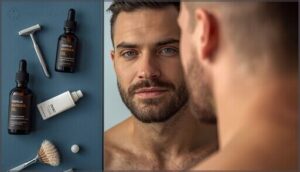
Your beard could be working against your skin. Oil, bacteria, and dead skin cells hide under facial hair — and without the right care, they turn into stubborn breakouts.
Wash your beard two to three times a week with a fragrance-free cleanser, never regular shampoo. Choose non-comedogenic beard oils — jojoba absorbs quickly and won’t clog pores. Shave with the grain using a sharp blade. Gently exfoliate under your beard weekly.
These men’s grooming habits are your skin care routine’s missing piece.
6 Best Acne Treatments for Men
Not every product on the shelf is worth your time or money. These six options have real ingredients that work, and they’re worth knowing about. Let’s get into them.
1. Acne Free 3 Step Treatment Kit
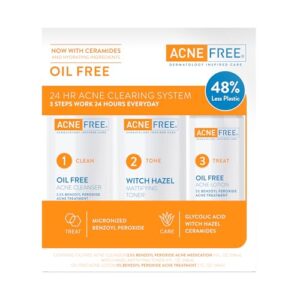
The AcneFree 3 Step Treatment Kit keeps things refreshingly simple — and that simplicity is exactly why it works. Step one is an oil-free cleanser with 2.5% benzoyl peroxide that washes away oil and debris without stripping your skin raw. Step two brings in a witch hazel toner to sweep out leftover impurities and tighten pores. Step three delivers an acne lotion with roughly 3.7–5% benzoyl peroxide directly to breakouts, killing the bacteria that cause them.
Use it morning and night, and some men notice clearer skin in as little as three days. One heads-up: benzoyl peroxide can dry you out, so follow up with a lightweight, oil-free moisturizer. Consistent use is what makes this kit worth it.
| Best For | Men and women with mild to moderate acne-prone skin who want a simple, no-fuss routine that tackles breakouts, blackheads, and whiteheads all at once. |
|---|---|
| Active Ingredient | 2.5% + 3.7–5% Benzoyl Peroxide |
| Acne Type | Mild to Moderate |
| Oil-Free | Yes |
| Fragrance-Free | No |
| Dryness Risk | High |
| Usage Frequency | Twice Daily |
| Additional Features |
|
- All three steps work together, so there’s no guesswork — cleanser, toner, and lotion in one kit
- Benzoyl peroxide gets to work fast, with some people seeing clearer skin in as little as 3 days
- Dermatologist-recommended formula that covers face, chest, and back
- Can dry out or irritate skin, especially if you’re new to benzoyl peroxide — a moisturizer is a must
- Not the best fit for dry or sensitive skin types
- Results won’t stick around if you stop using it consistently
2. Neutrogena Stubborn Acne Face Treatment
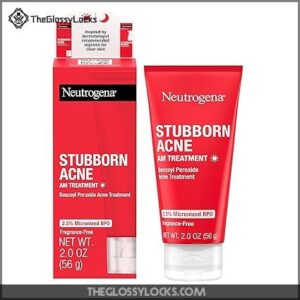
The AcneFree kit manages the basics well, but if you’re dealing with stubborn, angry breakouts that won’t quit, Neutrogena’s Stubborn Acne AM Treatment is worth your attention.
It uses 2.5% micronized benzoyl peroxide — smaller particles that actually penetrate deeper into pores than standard formulas. That means it’s going after the bacteria causing your breakouts, not just sitting on the surface. Neutrogena backs it with clinical data showing visible reduction in redness and pimple size in as little as four hours.
The formula dries clear, so it works well under a beard line or across your whole face without looking obvious. It’s also oil-free, fragrance-free, and paraben-free — friendly to skin that’s already irritated.
One caution: it can dry you out. Always follow with a lightweight moisturizer and sunscreen.
| Best For | Anyone dealing with stubborn, persistent breakouts — especially cystic or hormonal acne — who wants something stronger than a basic spot treatment. |
|---|---|
| Active Ingredient | 2.5% Micronized Benzoyl Peroxide |
| Acne Type | Stubborn/Cystic |
| Oil-Free | Yes |
| Fragrance-Free | Yes |
| Dryness Risk | High |
| Usage Frequency | Daily AM |
| Additional Features |
|
- Micronized 2.5% benzoyl peroxide goes deeper into pores to actually kill acne-causing bacteria
- Dries clear and works across the whole face, not just as a spot treatment
- Free of oil, fragrance, parabens, and dyes — solid for irritated or combination skin
- Can dry out your skin fast, so you’ll need a good moisturizer in your routine
- Makes your skin more sensitive to the sun, meaning SPF isn’t optional
- Can stain pillowcases, towels, and clothes if you’re not careful with it
3. Neutrogena Men Acne Face Wash
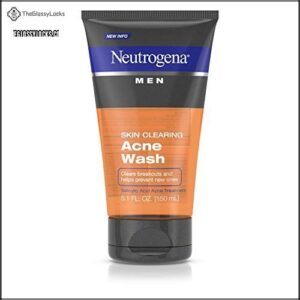
Benzoyl peroxide goes after bacteria, but sometimes you need something that clears the actual roadblock — clogged pores. That’s where Neutrogena Men Skin Clearing Acne Wash earns its place.
It runs on 2% salicylic acid, the maximum allowed for over-the-counter acne cleansers. Salicylic acid is oil-soluble, meaning it gets inside your pores and dissolves the sebum and dead skin that cause breakouts — not just what’s sitting on the surface.
The formula is non-comedogenic and oil-free, so it won’t add to the problem. It also includes glycerin and aloe to offset dryness, which matters since salicylic acid can be a bit harsh with daily use.
It’s especially useful if shaving bumps are part of your picture. Regular use helps clear debris around follicles, making your shave smoother over time.
| Best For | Guys with oily, acne-prone skin who want a daily face wash that actually clears out clogged pores — and a bonus perk for anyone dealing with shaving bumps. |
|---|---|
| Active Ingredient | 2% Salicylic Acid |
| Acne Type | Oily/Clogged Pores |
| Oil-Free | Yes |
| Fragrance-Free | No |
| Dryness Risk | Moderate |
| Usage Frequency | Daily |
| Additional Features |
|
- Packs 2% salicylic acid, the strongest you can get OTC, so it gets deep into pores and clears the gunk that causes breakouts
- Non-comedogenic and oil-free, meaning it cleans without making things worse
- Doubles as a pre or post-shave wash to help smooth out neck bumps over time
- Can dry your skin out pretty fast if you’re using it every day — you’ll want a good moisturizer on hand
- A few users have had issues with the packaging cracking or leaking, which is annoying for the price
- Not the best fit for sensitive skin types since salicylic acid can be irritating with regular use
4. Jack Black Bump Fix Acne Treatment
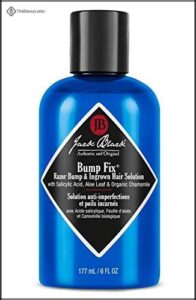
Salicylic acid works great in a wash, but sometimes you need it sitting on your skin longer. That’s exactly what Jack Black Bump Fix does. Applied like a toner after shaving, its 2% salicylic acid dissolves oil and dead skin inside the pore — not just the surface.
Chamomile, aloe, and organic green tea calm the irritation your razor leaves behind. It’s especially solid if ingrown hairs are your recurring problem. At $28, it’s a focused fix that earns its place.
| Best For | Anyone dealing with ingrown hairs, razor bumps, or acne-prone skin who wants a post-shave treatment that keeps working after you’ve left the bathroom. |
|---|---|
| Active Ingredient | 2% Salicylic Acid |
| Acne Type | Ingrown/Razor Bumps |
| Oil-Free | Yes |
| Fragrance-Free | No |
| Dryness Risk | Low |
| Usage Frequency | Post-Shave/Daily |
| Additional Features |
|
- 2% salicylic acid gets into the pore and breaks down oil and dead skin — not just a surface-level fix
- Chamomile, aloe, and green tea calm irritation fast, so your skin isn’t red and angry all day
- Works as a daily toner, so it pulls double duty even on non-shave days
- The vinegar-like smell is a real thing — some guys don’t mind it, others hate it
- Liquid formula means you need to be a little careful with application to avoid waste
- At $28, it’s not cheap, and results can vary depending on your skin type
5. Hydrocolloid Acne Pimple Patches
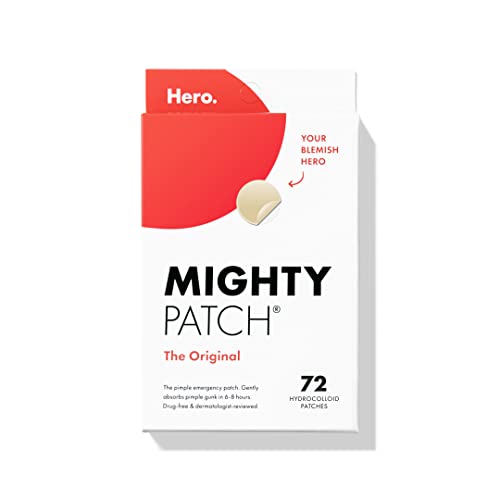
Pimple patches are one of the smartest tools in modern acne care — and genuinely underrated for men. These small medical-grade hydrocolloid dots pull oil and pus right out of a blemish overnight. Press one firmly over a clean pimple for 3 to 5 seconds, and let it work for 6 to 12 hours. By morning, the patch turns white — that’s all the gunk it absorbed.
Each box includes 72 medium dots with a thin, translucent finish that blends almost invisibly into skin. Beyond absorbing fluid, they act as a physical barrier. You stop touching the spot. You stop picking. That alone prevents scarring.
Simple, chemical-free, and effective — especially for stress-triggered breakouts.
| Best For | Anyone dealing with occasional stress breakouts who wants a simple, chemical-free way to clear pimples fast without picking or scarring. |
|---|---|
| Active Ingredient | Hydrocolloid |
| Acne Type | Surface Pimples |
| Oil-Free | Yes |
| Fragrance-Free | Yes |
| Dryness Risk | None |
| Usage Frequency | As Needed |
| Additional Features |
|
- Pulls oil and pus out overnight with medical-grade hydrocolloid — you literally see it working
- Acts as a barrier so you stop touching the spot, which cuts down on scarring big time
- Thin and nearly invisible, so you can wear them during the day without feeling self-conscious
- Works best on surface-level pimples — deep cystic acne won’t respond the same way
- May leave a small mark even after the blemish clears up
- Skin type matters — results can vary, and improper removal can cause irritation
6. Differin Acne Treatment Gel 0.1 Adapalene
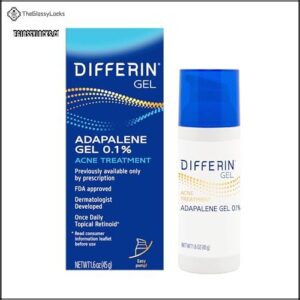
Differin Gel is the only FDA-approved over-the-counter retinoid, and it earns that title. Its 0.1% adapalene works deep inside your pores, regulating cell turnover so oil and dead skin can’t pile up and cause blackheads or whiteheads.
Apply a thin layer every evening to your full face, not just problem spots. Fair warning: your skin may look worse before it looks better. That initial purge is normal and usually fades within four weeks. Stick with it.
Around the 12-week mark, most men see a real difference in breakout frequency and skin texture. Pair it with a gentle moisturizer and daily sunscreen — your skin will thank you.
| Best For | Guys dealing with persistent acne — blackheads, whiteheads, or breakouts from wearing masks — who want a proven, dermatologist-trusted treatment without a prescription. |
|---|---|
| Active Ingredient | 0.1% Adapalene |
| Acne Type | All Types |
| Oil-Free | Yes |
| Fragrance-Free | Yes |
| Dryness Risk | Moderate |
| Usage Frequency | Daily |
| Additional Features |
|
- The only FDA-approved OTC retinoid, so you know it actually works
- Tackles acne at the source by regulating cell turnover deep in your pores
- Water-based, oil-free formula won’t clog pores or feel heavy on your skin
- Expect a rough first few weeks — initial purging and dryness are common
- Results take patience; most people don’t see real change until around week 12
- Sensitive skin types may struggle with irritation, especially early on
Natural Remedies and Lifestyle Changes for Men’s Acne

What you put into your body and how you manage your days matters more than most guys realize. Small, consistent changes to your routine can seriously shift the direction your skin is headed.
Here’s what actually works regarding natural remedies and lifestyle habits for clearer skin.
Dietary Adjustments to Reduce Breakouts
What you eat shows up on your face — plain and simple. The link between diet and acne is real, and small swaps make a noticeable difference.
- Skip the dairy and sugar spikes. Low glycemic eating cuts acne lesions markedly. Trade white bread for quinoa or oats to keep insulin steady.
- Load up on omega-rich foods. Salmon, walnuts, and chia seeds fight inflammation from the inside out — a natural acne remedy that actually works.
- Add zinc supplements and probiotic foods. Zinc regulates oil production, while probiotics like yogurt reduce acne-causing bacteria comparably to benzoyl peroxide.
Balanced diets aren’t just good nutrition — they’re skin health strategy.
Stress Management Techniques
Stress is a silent breakout trigger — and it’s one you can actually control. When cortisol spikes, your oil glands follow. These five stress management techniques protect your skin health from the inside out:
- Deep Breathing: Try the 4-7-8 method to reset your nervous system fast.
- Mindful Meditation: Ten daily minutes builds real calm over time.
- Cognitive Skills: Reframe anxious thoughts before they spiral.
- Time Management: Prioritize tasks to prevent cortisol-spiking overwhelm.
- Emotional Support: Honest conversations with friends lower stress more than you’d expect.
Natural remedies for men’s health and wellness start with your mind.
Exercise and Its Impact on Skin Health
Working out does more for your skin than you might think. Exercise and skin health are deeply connected — and the science backs it up.
Regular movement improves blood flow, pushing oxygen and nutrients straight to your skin cells. That’s not just a glow; it’s your body doing real repair work. Sweating also helps flush debris from your pores, supporting cleaner, clearer skin over time. Consistent cardio lowers cortisol, which means better hormone balance and fewer stress-triggered breakouts.
But sweat management matters. Left on too long, sweat traps bacteria and clogs pores fast. Shower within 30–60 minutes, use a gentle cleanser, and skip the harsh alcohol wipes — they strip your barrier and slow healing.
Exercise also boosts collagen production, which improves skin texture and helps fade acne scars. For men’s health and wellness, it doesn’t get more practical than this.
Sleep Habits for Clearer Skin
Your sleep patterns are quietly running your skin — for better or worse. When you shortchange rest, cortisol spikes, oil production climbs, and breakouts follow. That’s not a coincidence; that’s hormone regulation breaking down in real time. Aim for 7–9 hours nightly. During deep sleep, your body kicks skin regeneration into high gear, replacing old cells and fading acne scars faster. Melatonin balance drops inflammation overnight, giving your skin care routine a serious boost. Keep your sleep and acne connection tight with consistent bedtimes, a screen-free wind-down, and a cool, dark room.
Small sleep hygiene shifts deliver real results for men’s health and wellness.
- Swap pillowcases twice a week — dead skin and bacteria build up fast, and clean fabric is one of the simplest wins for men’s skin.
Natural Ingredients for Acne Treatment
Nature’s medicine cabinet has some real heavy hitters for acne. Tea tree oil attacks acne-causing bacteria directly — its active compound terpinen-4-ol is clinically proven, not just trendy. Green tea extract cuts sebum and redness. Willow bark gently unclogs pores. Clay masks absorb excess oil two to three times weekly.
Aloe vera calms irritation without clogging pores, making it a smart partner for stronger actives like retinol or salicylic acid. Round it out with niacinamide to regulate oil and cool inflammation.
When to See a Dermatologist for Men’s Acne

Over-the-counter products work well for mild breakouts, but sometimes your skin needs more than a drugstore fix. If your acne is deep, painful, or just won’t quit despite weeks of treatment, it’s time to bring in a professional.
Here’s what a dermatologist can actually do for you.
Signs of Severe or Persistent Acne
Relentless breakouts can feel like a battle you never signed up for. If you’re seeing these Severe Acne Symptoms, it’s time to rethink your approach:
- Persistent Breakouts—lasting longer than 6–8 weeks despite treatment.
- Cystic Acne—large, painful bumps that dig deep and won’t heal.
- Acne Scarring—dark marks or pits left behind after each flare.
- Acne spreading—beyond your face, hitting your chest or back.
- Emotional Impact—feeling embarrassed, frustrated, or avoiding social events.
These Urgent Care Signs mean a dermatologist’s help isn’t optional—it’s necessary.
Prescription Treatments for Men
Once severe acne is confirmed, over-the-counter products often just won’t cut it anymore. That’s when prescription treatments become your real game-changers.
Here’s a quick breakdown of what dermatologists commonly prescribe:
| Treatment | How It Works | Best For |
|---|---|---|
| Retinoid Therapy | Speeds up cell turnover, unclogs pores | Mild to moderate acne |
| Oral Antibiotics | Kills bacteria, reduces inflammation | Moderate inflammatory acne |
| Isotretinoin Treatment | Shrinks oil glands dramatically | Severe or cystic acne |
Retinoids like Differin Gel start at low strengths—expect some peeling the first few weeks. Oral antibiotics work well paired with benzoyl peroxide to fight antibiotic resistance. For stubborn cases, isotretinoin treatment delivers lasting results but requires regular lab monitoring. Trust your dermatologist to find what your skin actually needs.
Professional Procedures for Acne Scars
Prescriptions handle active acne, but what about the scars left behind? That’s where cosmetic dermatology steps in. Dermatologists offer several proven options for acne scars and other dermatological conditions:
- Laser Resurfacing – Ablative CO₂ lasers resurface damaged skin; most patients need 3–5 sessions.
- Microneedling Therapy – Triggers collagen production with minimal downtime, ideal for rolling scars.
- Chemical Peels – Medium-depth TCA peels smooth texture and fade pigmentation effectively.
The subcision method and punch excision tackle deeper scars when other treatments fall short.
Combination Therapies for Stubborn Cases
Some cases just don’t back down with a single product — and that’s when Combination Therapies become your best weapon. Dermatologists often layer Topical Treatments strategically: a nightly Retinoids application paired with a morning Benzoyl Peroxide wash targets bacteria, oil, and clogged pores simultaneously.
For moderate Cystic Acne Treatment, Oral Antibiotics like doxycycline get added to that topical base — but only for 3–4 months to prevent resistance. When Hormonal Acne keeps flaring despite everything, Isotretinoin Therapy steps in to shut down oil production at the source.
Here’s what a smart combination plan can include:
- Retinoids nightly plus Benzoyl Peroxide morning wash
- Oral Antibiotics paired with topical adapalene for deep lesions
- Isotretinoin Therapy for treatment-resistant nodular acne
- Clindamycin with Benzoyl Peroxide to reduce antibiotic resistance
- Biologic Injections for extreme inflammatory or conglobate-type disease
- Dermatologists customizing regimens based on your specific skin patterns
Follow-up Care and Maintenance
Once you’ve cleared your skin, don’t go quiet on your dermatologist. Schedule check-ins every 3–6 months — these visits are where real Relapse Prevention happens. Your doctor can fine-tune Treatment Adjustments, assess Product Adherence, and track progress through consistent Skin Monitoring.
Keep up your Maintenance Routines: wash twice daily, apply retinoids nightly, and protect with SPF. Mens Health and Wellness isn’t a one-time fix. Skincare Routines evolve as your skin does — stay consistent, stay honest with your doctor.
Frequently Asked Questions (FAQs)
What is the best acne treatment for men?
The best acne treatment depends on your skin type and how bad your breakouts are. Dermatologist advice points to benzoyl peroxide and retinoids as reliable starting points for most men’s skin.
How to get rid of acne in men?
Getting rid of men’s acne means tackling the root — not just the surface. Balance male hormones, follow a consistent facial hygiene routine, and use proven acne remedies.
Dermatologists agree: steady skin care beats any quick fix.
What are the different types of men’s acne treatment options?
Men’s acne treatment options range from topical creams and spot treatments to oral antibiotics, chemical peels, and laser therapy. Your dermatologist can help match the right approach to your skin.
What are the best acne creams for men?
Not all acne creams work the same on men’s skin. Dermatologists usually recommend benzoyl peroxide, salicylic acid, or adapalene as the best acne creams, depending on your skin type and breakout severity.
Does acne mean high testosterone?
Not necessarily. Many men with acne have completely normal testosterone levels. What actually drives breakouts is how sensitive your skin is to DHT, not how high your hormone levels are.
Is Horace good for acne?
Yes, Horace works well for mild to moderate acne. This French grooming brand uses gentle cleansers, salicylic acid, and niacinamide — solid, dermatologist-approved ingredients that target breakouts without stripping your skin.
What are the top 3 best acne treatments?
Think of your skin as a battlefield. The three heaviest hitters in acne treatment are benzoyl peroxide, adapalene retinoids, and combination gels — each tackling bacteria, clogged pores, and inflammation head-on.
What is the best treatment for acne for men?
No single acne treatment works for everyone. The best approach combines gentle cleansing, a non-comedogenic moisturizer, and targeted ingredients like benzoyl peroxide or adapalene—customized to your skin type and breakout patterns.
What is the best acne remover for men?
Start with a gentle facial cleanser twice daily. Apply benzoyl peroxide or salicylic acid directly on breakouts. Use oil-free moisturizer after.
For stubborn spots, Differin Gel or Neutrogena Rapid Clear works well.
What is the best acne routine for men?
Roughly 85% of men deal with acne at some point. A solid daily skincare routine doesn’t need to be complicated — just consistent.
Cleanse gently twice a day, moisturize with an oil-free product, and never skip sunscreen. At night, add adapalene to keep pores clear.
Conclusion
The ball is in your court now. You have the tools, the knowledge, and a clear path forward. The best acne treatments for men work only when you stay consistent—skipping days is how breakouts win.
Build your routine around what your skin actually needs, whether that’s a solid OTC product, a prescription retinoid, or a dermatologist visit. Clear skin isn’t luck. It’s the result of the right decisions made repeatedly, day after day.