This site is supported by our readers. We may earn a commission, at no cost to you, if you purchase through links. This content is for general informational and educational purposes only and is not a substitute for professional medical, dermatological, or nutritional advice.
Acne affects roughly 85% of people at some point between ages 12 and 30—yet most people still reach for the wrong products, layer them incorrectly, and wonder why nothing clears their skin. It’s not a hygiene problem or a willpower problem. It’s a biology problem.
Beneath every breakout sits a chain reaction: excess oil, dead skin cells, and bacteria converging inside a pore until something inflames. That process responds well to the right ingredients—but poorly to guesswork.
The gap between frustrating trial-and-error and a routine that actually works often comes down to knowing which products target which part of that chain. That’s exactly where the best skin care for acne starts to make sense.
Table Of Contents
- Key Takeaways
- What Causes Acne and How It Forms
- Key Ingredients That Actually Fight Acne
- Top 10 Best Skincare Products for Acne
- 1. Neutrogena Oil Free Acne Cleanser
- 2. Differin Acne Treatment Gel Retinoid
- 3. Mario Badescu Blemish Treatment Kit
- 4. Olay Gentle Cleansing Balm Remover
- 5. ZO Skin Health Clarifying Serum
- 6. Neutrogena Fragrance Free Daily Moisturizer
- 7. Drmtlgy Clear Face Sunscreen SPF 45
- 8. Inkey List Oat Cleansing Balm
- 9. First Aid Beauty Cleansing Oil Remover
- 10. Naturium Niacinamide Gentle Cleansing Gelee
- Best Skincare Routine Steps for Acne
- When to Try Professional Acne Treatments
- Frequently Asked Questions (FAQs)
- What is the best skincare brand for acne?
- Which skin care is best for acne?
- What’s the best skin care routine for acne?
- What is the best skincare set for acne?
- Which skin care products should I use if I have acne?
- What are some of the basic skincare tips to prevent acne?
- What is the best skincare routine for acne?
- What are the best acne treatments?
- How do I choose the right acne treatment?
- What skincare is best for acne?
- Conclusion
Key Takeaways
- Acne is driven by a biological chain reaction — excess oil, dead skin cells, and bacteria converging in pores — so the products you choose need to target specific links in that chain, not just your skin’s surface.
- Benzoyl peroxide, salicylic acid, retinoids, and niacinamide each tackle a different part of the breakout process, meaning the most effective routines combine ingredients strategically rather than relying on any single product.
- Skipping moisturizer and sunscreen backfires: stripped skin overproduces oil, and unprotected post-acne marks darken under UV exposure, undoing the progress your treatments have made.
- When over-the-counter actives stop working — especially for hormonal or cystic acne — prescription options like tretinoin, spironolactone, or in-office procedures like microneedling can address what drugstore shelves simply can’t.
What Causes Acne and How It Forms

Acne doesn’t just appear out of nowhere — there’s always something triggering it beneath the surface. Understanding the root causes makes it a lot easier to choose the right products and treatments for your skin. Here are the main factors that drive breakouts and how they each play a role.
Once you understand what’s driving your breakouts, exploring acne treatment options for teenage girls becomes much more focused and effective.
Excess Sebum and Clogged Pores
Your skin naturally produces oil — but when hyperseborrhea kicks in, sebaceous glands go into overdrive. That excess sebum mixes with keratinous debris inside the hair follicle, forming a plug.
This process is often driven by hormonal regulation via androgens, which can trigger increased oil production.
Depending on whether the pore stays closed or opens to air, you get a whitehead or blackhead. Choosing non-comedogenic acne products with salicylic acid helps keep pores clear before that cycle starts.
Hormonal Fluctuations and Breakouts
Those androgen signals track your menstrual cycle more closely than you might think.
- Pre-period progesterone spikes increase sebum production
- Ovulation causes temporary oiliness or congestion
- Cortisol from stress worsens inflammation
- Birth control transitions shift your hormone levels
- Puberty and menopause trigger significant hormonal shifts
Spotting your personal breakout pattern is the first step toward prevention.
Bacterial Accumulation on Skin
Hormones set the stage, but bacteria move in once pores get congested. When your skin barrier is breached, acne-causing bacteria penetrate deeper layers instead of staying on the surface.
Sweat and occlusion fuel sweat-induced colonization, while microbial dysbiosis shifts your microbiome toward pathogenic bacteria. Over time, bacterial biofilm formation locks those microbes in place, making standard acne treatments much harder to clear.
Types of Acne and Severity Levels
Bacteria don’t cause the same breakout in every person. What shows up on your skin depends on how deep the inflammation goes.
- Whiteheads and blackheads — noninflammatory comedones
- Papules and pustules — red, swollen inflammatory bumps
- Nodules and cysts — deep, painful, slow-healing lesions
- Severity by lesion count — mild, moderate, or severe
Cysts carry the highest scarring potential.
Key Ingredients That Actually Fight Acne
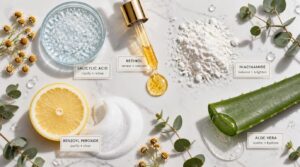
Not all acne-fighting ingredients work the same way — some target bacteria, others clear out clogged pores, and a few tackle the dark spots left behind.
Knowing which ingredient does what helps you build a routine that actually addresses your specific breakouts. Here are the five key players worth understanding before you shop.
Benzoyl Peroxide for Bacteria Control
Think of benzoyl peroxide as a chemical ambush — it floods pores with oxygen and physically destroys bacterial cell walls, killing Cutibacterium acnes on contact. That’s microbicidal action, not just inhibition.
Benzoyl peroxide doesn’t just fight bacteria — it annihilates them by flooding pores with oxygen and destroying bacterial cell walls on contact
It targets acne-causing bacteria before they trigger inflammation. Since it doesn’t work like an antibiotic, bacteria can’t develop resistance, making it one of the most reliable ingredients in long-term acne products.
Salicylic Acid for Deep Exfoliation
Salicylic acid is oil-soluble, which lets it slip directly into pores — where most water-based ingredients simply can’t reach.
It works as a keratolytic exfoliant, dissolving the debris that binds dead skin cells inside follicles. Clear that buildup, and you stop comedones before they form.
Four things it targets:
- Clogged pores through deep pore penetration
- Comedone prevention before blockages become breakouts
- Texture smoothing via consistent exfoliation
- Inflammation reduction in active blemishes
Retinoids for Pore Clearing
Retinoids work differently from most acne ingredients — they don’t just clean the surface. By accelerating cell turnover, they prevent dead skin from piling up inside follicles where blockages start.
Adapalene (0.1% OTC) is the most accessible option. Tretinoin requires a prescription but works faster. Both improve skin texture over weeks, so patience matters. Start two nights a week to reduce irritation.
Niacinamide for Calming Inflammation
When retinoids or benzoyl peroxide leave your skin red and irritated, niacinamide steps in. This form of vitamin B3 works by dampening the inflammatory signals that cause redness and swelling, while reinforcing the skin’s barrier lipids so irritants can’t keep triggering breakouts.
It stabilizes immune responses in the skin, making it a reliable daily companion — especially for sensitive, acne-prone skin.
Azelaic Acid for Scars and Spots
Azelaic acid does something most acne ingredients don’t — it works on what’s left behind. By targeting excess melanin activity, it fades postinflammatory hyperpigmentation and calms residual redness after breakouts clear. It also normalizes how skin cells shed, preventing the keratin buildup that clogs pores.
Gels absorb faster; creams suit drier skin. Expect gradual results with consistent use over several weeks.
Top 10 Best Skincare Products for Acne
Finding the right product can feel like half the battle when you’re dealing with acne. Each pick below was chosen for its active ingredients, ease of use, and how well it fits into a real daily routine. Here are ten products worth knowing about.
1. Neutrogena Oil Free Acne Cleanser
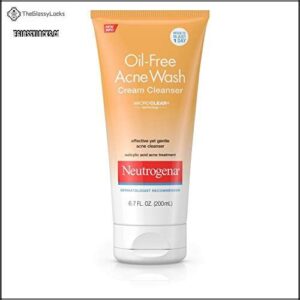
If you’re building an acne routine from scratch, this is a solid place to start. The Neutrogena Oil-Free Acne Cleanser delivers 2% salicylic acid twice daily to dissolve oil and clear clogged pores — and its MicroClear Technology helps the acid actually reach the buildup inside, not just sit on the surface.
The formula is fragrance-free and non-comedogenic, making it workable for sensitive or reactive skin. Follow it with a moisturizer, since consistent use can cause dryness.
| Best For | People with acne-prone or oily skin who want a straightforward, science-backed daily cleanser to help clear and prevent breakouts. |
|---|---|
| Product Type | Acne Face Wash |
| Formula Texture | Creamy |
| Skin Type | Oily & Acne-Prone |
| Key Ingredient | 2% Salicylic Acid |
| Primary Benefit | Clears & Prevents Acne |
| Usage Timing | AM & PM |
| Additional Features |
|
- 2% salicylic acid with MicroClear Technology penetrates deep into pores to dissolve oil and clear out buildup effectively
- Non-comedogenic and oil-free formula makes it suitable for sensitive or reactive skin types
- Works well as a twice-daily cleanser, fitting easily into both morning and nighttime routines
- Can cause dryness with regular use, so a follow-up moisturizer is essentially required
- May feel too harsh for people with highly sensitive skin
- Results vary — it won’t completely eliminate breakouts for every user
2. Differin Acne Treatment Gel Retinoid
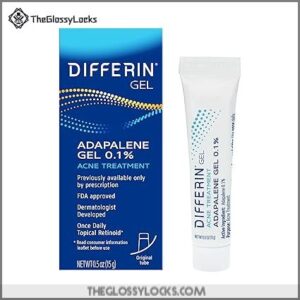
Where salicylic acid cleans the surface, Differin works deeper. This gel uses adapalene 0.1% — the first FDA-approved OTC retinoid — to normalize cell turnover inside the pore, clearing existing blockages and stopping new ones before they surface.
Clinical data shows up to 87% fewer breakouts after 12 weeks. The formula is water-based, oil-free, and fragrance-free. Expect some dryness early on — that’s normal. Just pair it with sunscreen daily, since adapalene increases photosensitivity.
| Best For | Anyone dealing with persistent acne — including blackheads, whiteheads, and inflammatory breakouts — who wants a clinically proven, dermatologist-recommended treatment that goes beyond surface-level clearing. |
|---|---|
| Product Type | Retinoid Treatment |
| Formula Texture | Gel |
| Skin Type | All Skin Types |
| Key Ingredient | Adapalene |
| Primary Benefit | Reduces Breakouts |
| Usage Timing | AM or PM |
| Additional Features |
|
- Contains adapalene 0.1%, the only FDA-approved OTC retinoid, targeting acne at the source by normalizing cell turnover inside pores
- Clinically shown to reduce breakouts by up to 87% after 12 weeks, with a lightweight, water-based formula that’s oil-free and fragrance-free
- Helps prevent acne-related scarring and hyperpigmentation while improving overall skin texture and tone over time
- An initial purging phase is common, with temporary increases in breakouts, redness, dryness, and peeling during the first few weeks
- Increases photosensitivity, making daily sunscreen non-negotiable — adding a step to your routine
- Results require patience and consistency — meaningful improvement takes 6 to 12 weeks of regular use
3. Mario Badescu Blemish Treatment Kit
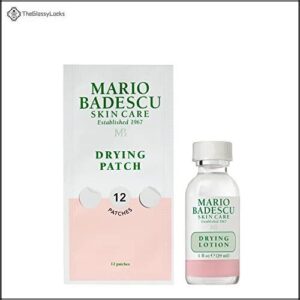
Think of this kit as a targeted strike team. The Drying Lotion — formulated with salicylic acid, sulfur, and zinc oxide — goes on overnight with a cotton swab dipped into the pink sediment at the bottom. Don’t shake it.
Daytime calls for the Drying Patches, which layer niacinamide and vitamin C over active spots discreetly. The Buffering Lotion combats deeper, under-skin bumps. Three products, three blemish types — each addressed on its own terms.
| Best For | Anyone dealing with multiple types of blemishes who wants a day-and-night treatment routine that targets surface spots, deeper bumps, and inflammation all at once. |
|---|---|
| Product Type | Spot Treatment Set |
| Formula Texture | Lotion & Patch |
| Skin Type | All Skin Types |
| Key Ingredient | Salicylic Acid & Sulfur |
| Primary Benefit | Targeted Blemish Treatment |
| Usage Timing | Night & Day |
| Additional Features |
|
- Dual-action system lets you treat blemishes overnight with the Drying Lotion and keep up treatment discreetly during the day with the ultra-thin patches
- Clean formula — vegan, cruelty-free, and free of sulfates, parabens, phthalates, and gluten
- Versatile enough to use on the face, back, chest, and neck, and even works on insect bites
- Strong medicinal scent and potential for lotion residue to flake onto your pillowcase make nighttime use a little messy
- You have to use a cotton swab carefully without shaking the bottle — a bit fiddly compared to simpler spot treatments
- Frequent use on the same area can dry out skin, so it’s best used sparingly rather than as an everyday go-to
4. Olay Gentle Cleansing Balm Remover
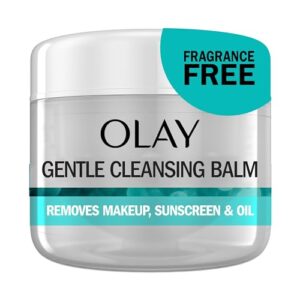
Once the targeted treatments are working, your skin still needs a clean canvas to start from. The Olay Gentle Cleansing Balm takes care of that first step — melting away makeup, sunscreen, and excess oil without stripping your skin.
Keeping your cleanser gentle matters even more when you’re layering one active at a time, so this daily skin cleansing routine for acne shows how to fit it in.
At $12.99 for 5.51 ounces, it’s practical. The fragrance-free, non-greasy formula suits oily and sensitive skin equally well. Pair it with a water-based cleanser afterward to clear any remaining film — that double-cleanse routine sets up everything that follows.
| Best For | Anyone with sensitive or oily skin who wants a gentle, no-fuss first step to melt away makeup, sunscreen, and excess oil before a full cleanse. |
|---|---|
| Product Type | Cleansing Balm |
| Formula Texture | Balm |
| Skin Type | All Skin Types |
| Key Ingredient | Cleansing Oils |
| Primary Benefit | Removes Makeup & Oil |
| Usage Timing | As Needed |
| Additional Features |
|
- Fragrance-free and non-greasy, making it a safe pick for sensitive and oily skin types
- Effectively breaks down makeup, sunscreen, and facial oils without harsh scrubbing
- Budget-friendly at $12.99 for a solid 5.51 ounces
- Often leaves a film behind, so a follow-up water-based cleanser is pretty much required
- Stubborn eye makeup may take more than one application to fully remove
- Jar packaging can feel unhygienic without a spatula on hand
5. ZO Skin Health Clarifying Serum
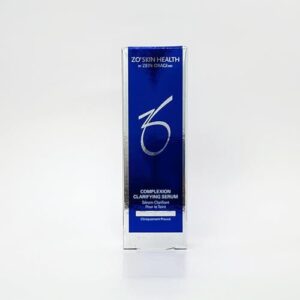
After double-cleansing, your pores are ready for something targeted. The ZO Skin Health Complexion Clarifying Serum steps in here — a lightweight, water-gel formula designed specifically for oily and blemish-prone skin.
Water-soluble salicylic acid penetrates pores to loosen debris, while the Z SEB³ plant complex controls excess sebum without over-drying. The ZO-RRS2 antioxidant mix helps barrier health and reduces visible redness. At $125 for 50ml, it’s an investment — but the fragrance-free, fast-absorbing texture layers cleanly under moisturizer.
| Best For | Anyone with oily or blemish-prone skin who wants a lightweight, fast-absorbing serum that targets clogged pores and excess sebum without a heavy or sticky feel. |
|---|---|
| Product Type | Facial Serum |
| Formula Texture | Liquid |
| Skin Type | All Skin Types |
| Key Ingredient | Proprietary Blend |
| Primary Benefit | Skin Improvement Treatment |
| Usage Timing | Daily |
| Additional Features |
|
- Fast-absorbing, non-sticky formula that layers easily under moisturizer
- Fragrance-free and designed to reduce visible redness and support skin barrier health
- Salicylic acid actively works to clear pores and control oil at the source
- At $125 for a small amount, it’s a significant investment compared to similar serums
- Thin, watery consistency may feel less substantial than traditional serums
- Results vary by user and may take time to become noticeable
6. Neutrogena Fragrance Free Daily Moisturizer
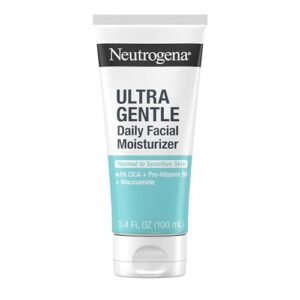
Moisture is the step acne-prone skin most often skips — and skipping it usually backfires. When skin feels dry or stripped, it overproduces oil to compensate.
The Neutrogena Fragrance Free Daily Moisturizer fixes that without making things worse. Its niacinamide, vitamin E, and CICA complex calms reactive skin and reinforces the barrier. The lightweight, non-comedogenic formula absorbs fast, leaves a matte finish, and works on your face and neck — morning or night.
| Best For | Acne-prone, sensitive, or reactive skin types that need a lightweight daily moisturizer without fragrance, oils, or pore-clogging ingredients. |
|---|---|
| Product Type | Face Moisturizer |
| Formula Texture | Lightweight Lotion |
| Skin Type | Sensitive & Dry |
| Key Ingredient | Niacinamide & CICA |
| Primary Benefit | Strengthens Skin Barrier |
| Usage Timing | AM & PM |
| Additional Features |
|
- Niacinamide, vitamin E, and CICA work together to calm redness, strengthen the barrier, and soothe irritated or reactive skin
- Absorbs quickly with a matte, non-greasy finish — making it a great base for sunscreen or other products
- Free from fragrance, parabens, mineral oil, and dyes, so it’s a safe pick for even the most sensitive skin types
- The protective foil seal on the nozzle can be frustratingly difficult to remove
- Results may vary depending on how your skin responds to individual ingredients like niacinamide or CICA
- Easy to over-apply — a little goes a long way, which takes some getting used to
7. Drmtlgy Clear Face Sunscreen SPF 45
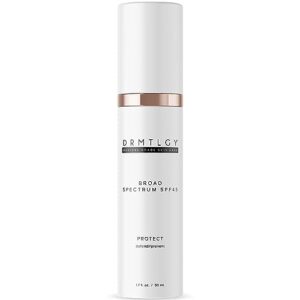
Sunscreen is the step most acne-prone routines drop first — usually because typical formulas leave a white cast or clog pores. The Drmtlgy Clear Face Sunscreen SPF 45 sidesteps both problems. Its hybrid filter system combines zinc oxide with chemical UV blockers, delivering broad-spectrum SPF 45 in a lightweight, non-greasy layer that blends invisibly across skin tones.
Niacinamide and hyaluronic acid keep skin calm and hydrated without heaviness. At $28, it’s FSA and HSA eligible too.
If you’re chasing thicker, healthier growth rather than just a calm scalp, this guide to the best scalp treatments for hair growth breaks down which ingredients actually make a difference.
| Best For | Acne-prone and oily skin types who want daily sun protection without clogged pores, white cast, or a greasy finish. |
|---|---|
| Product Type | Facial Sunscreen |
| Formula Texture | Lightweight Fluid |
| Skin Type | All Skin Types |
| Key Ingredient | Niacinamide & Hyaluronic Acid |
| Primary Benefit | Broad Spectrum Sun Protection |
| Usage Timing | Daily AM |
| Additional Features |
|
- Hybrid SPF 45 formula blends seamlessly on all skin tones with no white cast
- Niacinamide and hyaluronic acid hydrate and calm skin without heaviness
- FSA/HSA eligible, making it an affordable pick at just $28
- Zinc oxide can leave a chalky or unpleasant scent that some users find off-putting
- May cause eye irritation or stinging for sensitive individuals
- Cap durability has been flagged as an issue for travel use
8. Inkey List Oat Cleansing Balm
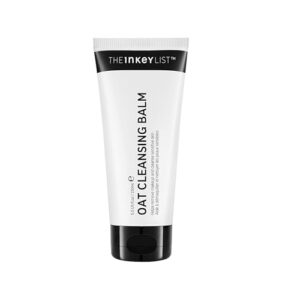
When your skin is already reactive, the last thing you need is a cleanser that strips it bare. The INKEY List Oat Cleansing Balm takes a gentler approach — a balm-to-oil formula built around Oat Kernel Oil and Colloidal Oatmeal that melts away makeup and SPF without pulling moisture from the skin.
At just $13, it punches well above its price. Apply it to dry skin, massage it in, and it emulsifies cleanly with water — no greasy film left behind.
| Best For | Anyone with sensitive or reactive skin who wants a gentle, affordable cleanser that removes makeup — including waterproof formulas — without drying out or irritating the skin. |
|---|---|
| Product Type | Cleansing Balm |
| Formula Texture | Rich Cream |
| Skin Type | Sensitive |
| Key Ingredient | Colloidal Oatmeal |
| Primary Benefit | Gentle Makeup Removal |
| Usage Timing | AM & PM |
| Additional Features |
|
- Packed with skin-loving ingredients (Oat Kernel Oil, ceramides, omega 3 & 6) that cleanse while actually nourishing your skin barrier
- Doubles as a 10-minute mask, making it more versatile than your average cleanser
- At $13, it’s a genuinely great value for a formula this thoughtfully made
- Needs to be applied to dampened skin for a proper rinse, which takes a little getting used to
- May require some extra massaging technique to fully dissolve stubborn or long-wear makeup
- Balm textures aren’t for everyone — those who prefer a foaming or gel cleanser might find the adjustment tricky
9. First Aid Beauty Cleansing Oil Remover
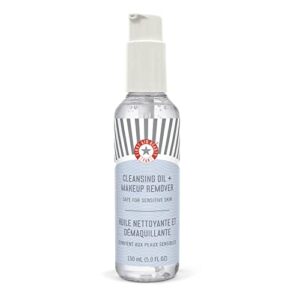
First Aid Beauty’s Cleansing Oil Remover bridges the gap between a dedicated makeup remover and a daily cleanser. The gel-oil hybrid melts waterproof and long-wear products on contact, then transforms into a light foam when you add water — no separate remover step needed.
It’s built around Glycerin, Calendula, and Colloidal Oatmeal, so it cleans without stripping. Silicone-free, sulfate-free, and dermatologist tested, it’s a smart pick if your skin is both reactive and regularly dealing with heavy makeup.
| Best For | Anyone who wears heavy or waterproof makeup regularly and wants a single-step cleanser that won’t irritate sensitive or dry skin. |
|---|---|
| Product Type | Cleansing Oil |
| Formula Texture | Gel-Oil |
| Skin Type | Sensitive & Dry |
| Key Ingredient | Glycerin & Calendula |
| Primary Benefit | Single-Step Cleansing |
| Usage Timing | AM & PM |
| Additional Features |
|
- Removes waterproof and long-wear makeup in one step without leaving an oily film behind
- Glycerin, Calendula, and Colloidal Oatmeal keep skin hydrated and calm while cleansing
- Free from silicones, sulfates, allergens, and nuts — a solid choice for reactive skin types
- The thick texture needs manual spreading to get even coverage across the face
- Heavy makeup days may call for multiple pumps to get full removal
- Makeup residue can transfer to towels when drying, which some users find frustrating
10. Naturium Niacinamide Gentle Cleansing Gelee
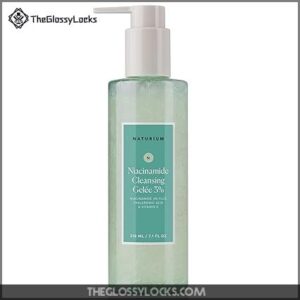
Rounding out this list is a cleanser that pulls double duty without overwhelming your skin. The Naturium Niacinamide Gentle Cleansing Gelee uses 3% niacinamide to regulate sebum and fade post-inflammatory hyperpigmentation — two things acne-prone skin constantly needs.
Its essence-like gel texture dissolves makeup and oil, then rinses clean. Glycerin and sodium hyaluronate keep moisture intact, so you’re not left tight or dry. Fragrance-free, pH-balanced at 5.50–6.50, and gentle enough for twice-daily use — it’s a reliable foundation for any acne-focused routine.
| Best For | Anyone with acne-prone, oily, or combination skin who wants a gentle daily cleanser that also doubles as a makeup remover and light treatment mask. |
|---|---|
| Product Type | Gel Cleanser |
| Formula Texture | Essence Gel |
| Skin Type | All Skin Types |
| Key Ingredient | 3% Niacinamide |
| Primary Benefit | Oil Control & Cleansing |
| Usage Timing | AM & PM |
| Additional Features |
|
- The 3% niacinamide helps control oil and fade post-acne marks over time, making it genuinely useful beyond just cleansing
- PH-balanced formula (5.50–6.50) means it won’t strip or irritate skin, even with twice-daily use
- Versatile enough to work as a makeup remover, daily cleanser, or a 5-minute mask — solid value for one product
- Not reliable for heavy or waterproof makeup, so you may still need a dedicated remover on full-glam days
- Some users notice an odd skin sensation when first starting out, which can be off-putting even if it’s temporary
- The pump may need a safety seal to avoid leaking in transit, which is a minor but annoying packaging issue
Best Skincare Routine Steps for Acne
Building an effective acne routine doesn’t have to be complicated — it just has to be consistent. The right steps, done in the right order, make a real difference in how your skin responds over time. Here’s what your daily routine should include.
Gentle Cleansing Twice Daily
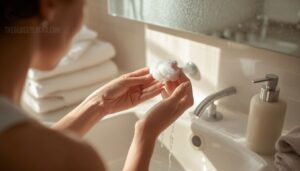
Think of cleansing as resetting your skin’s baseline — not punishing it. Wash with a non-comedogenic cleanser twice daily using lukewarm water and fingertips only; scrubbing worsens inflammation. Rinse until no residue remains, since leftover cleanser clogs pores.
After sweating, cleanse promptly. If your skin feels tight afterward, your cleanser is working against your skin barrier, not for it.
Non-Comedogenic Moisturizing After Cleansing
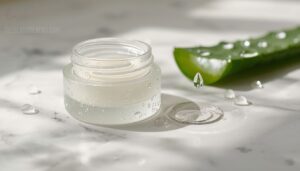
Once you’ve cleansed, your skin needs moisture back — fast. Apply a lightweight gel or lotion while your face is still slightly damp; humectants like hyaluronic acid bind that surface water directly into skin.
Skip coconut oil or lanolin-heavy creams. They clog pores. Ingredients like niacinamide and ceramides repair your barrier without interfering with whatever acne treatment comes next.
Daily SPF to Prevent Scar Darkening
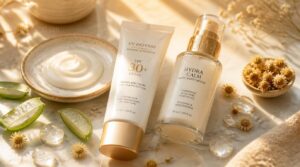
Your moisturizer creates the perfect base for the final protective step. Once acne heals, those marks stay UV-sensitive — UVA and UVB rays can deepen pigmentation before you’d ever notice a tan or burn.
Use broad-spectrum SPF 30 or higher every morning, rain or shine. Outdoors longer? Reapply every two hours to maintain real coverage and keep healing skin from darkening further.
Spot Treatments for Active Blemishes
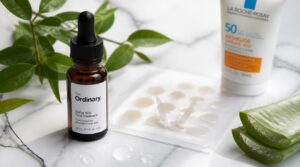
Once SPF is set, keep a spot treatment nearby for blemishes that appear throughout the day. Hydrocolloid pimple patches absorb fluid and protect the area from bacteria. Sulfur calms inflammation without the bleaching risk that benzoyl peroxide carries — it can ruin pillowcases and towels on contact.
Apply treatments to clean, dry skin to reduce irritation and improve absorption.
When to Try Professional Acne Treatments
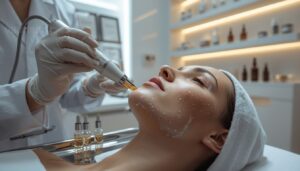
Sometimes over-the-counter products just aren’t enough, and that’s a sign your skin needs more targeted care. A dermatologist can offer treatments that go beyond what any drugstore shelf has to offer. Here’s what professional acne treatment actually looks like.
Prescription Retinoids and Oral Antibiotics
When over-the-counter options stop working, prescription-strength treatments step in. Topical retinoids like tretinoin prevent microcomedone formation — stopping clogs before they start — and work best as ongoing maintenance, not a quick fix.
Oral antibiotics target stubborn inflammatory lesions but aren’t meant for long-term use. Antibiotic resistance prevention matters here: combining them with benzoyl peroxide and a retinoid keeps resistance from developing while controlling breakouts faster.
Chemical Peels and Microneedling Options
When breakouts leave behind textured scars and uneven tone, in-office procedures close the gap.
Chemical peels use acids like glycolic or trichloroacetic acid at controlled depths — superficial peels refresh surface texture, while medium-depth options tackle stubborn pigmentation.
Microneedling goes further, triggering collagen repair through precise needle depths. Radiofrequency microneedling adds thermal energy for deeper scar remodeling. Both require strict sun protection afterward.
Hormonal Acne and Dermatologist Guidance
Hormonal acne isn’t just a teenage problem. For many women, monthly cycle changes, pregnancy, or menopause trigger persistent cystic breakouts — often along the jawline and chin.
Androgens like testosterone and DHT drive excess oil production, clogging pores from within. Board-certified dermatologists may test serum androgen levels and prescribe spironolactone, which blocks androgen receptors, or oral contraceptives to stabilize hormonal fluctuations when standard treatments aren’t enough.
Treating Persistent Scars and Hyperpigmentation
Even after breakouts clear, post-inflammatory hyperpigmentation and uneven texture can linger for months. Vitamin C brightens dark marks, while retinoids accelerate cell turnover to smooth rough patches. Chemical exfoliation helps — but overuse worsens irritation and deepens discoloration.
Daily broad-spectrum sunscreen is non-negotiable; UV exposure slows every treatment you’re using. For stubborn acne scars, fractional laser remodeling requires multiple sessions but delivers real structural change.
Frequently Asked Questions (FAQs)
What is the best skincare brand for acne?
No single brand wins outright — ingredient efficacy matters more than the label. Look for benzoyl peroxide, salicylic acid, or adapalene in pharmacy brands; they’re dermatologist-recommended and consistently effective.
Which skin care is best for acne?
The right skincare depends entirely on what’s driving your acne. Acne actives like benzoyl peroxide, salicylic acid, and retinoids target bacteria, clogged pores, and cell turnover — making them the most effective starting point for most skin types.
What’s the best skin care routine for acne?
The best routine pairs consistent cleansing with targeted actives and daily SPF. Cleanse twice daily, moisturize with a noncomedogenic formula, apply acne treatments, then sunscreen every morning to protect healing skin.
What is the best skincare set for acne?
A good skincare set for acne pairs a salicylic acid cleanser, benzoyl peroxide treatment, non-comedogenic moisturizer, and SPF — targeting bacteria, clearing pores, and preventing scar darkening in one compatible routine.
Which skin care products should I use if I have acne?
Your product choices depend on your acne type and triggers. Start with a non-comedogenic cleanser, add benzoyl peroxide or salicylic acid, then layer a lightweight moisturizer and oil-free SPF 30.
What are some of the basic skincare tips to prevent acne?
Wash your face twice daily with a gentle, non-abrasive cleanser, moisturize with a noncomedogenic formula, and apply SPF 30+ every morning. Avoid picking blemishes — it worsens inflammation and increases scarring risk.
What is the best skincare routine for acne?
Think of your skincare regimen like a daily prescription — skip a dose and progress stalls. Cleanse twice daily, moisturize to support your barrier, apply sunscreen every morning, and use spot treatments only on active blemishes.
What are the best acne treatments?
The best acne treatments combine active ingredients like benzoyl peroxide, salicylic acid, and retinoids to target bacteria, unclog pores, and renew skin. Severe cases may need prescription-strength options from a dermatologist.
How do I choose the right acne treatment?
Matching treatment to your acne type is the starting point. Comedonal or mild acne often works with OTC actives, while moderate-to-severe inflammatory acne usually needs professional evaluation before you see real results.
What skincare is best for acne?
A thousand products promise clear skin, but the ones that actually deliver pair non-comedogenic formulas with proven actives — salicylic acid, benzoyl peroxide, or a retinoid — layered over a simple, consistent routine your skin can handle daily.
Conclusion
The right routine doesn’t just clear your skin—it completely transforms how you show up every day. Best skin care for acne isn’t about using more products. It’s about using the right ones, in the right order, consistently.
Salicylic acid, retinoids, and niacinamide each target a different part of the breakout chain. Pick your products with that chain in mind. Stay consistent. Your skin thrives on systems, not experiments.