This site is supported by our readers. We may earn a commission, at no cost to you, if you purchase through links. This content is for general informational and educational purposes only and is not a substitute for professional medical, dermatological, or nutritional advice.

Your forehead shines by noon while your cheeks feel tight enough to crack. Sound familiar? That’s combination skin doing exactly what it’s built to do — your T-zone packs more oil glands per square inch than anywhere else on your face, while your cheeks run thinner and drier by comparison.
Most routines fail because they treat your whole face like one climate zone. It’s not. Building the best skin care routine for combination skin means treating your T-zone and cheeks as two different territories, each with its own rules.
Get the order and ingredients right, and that midday shine-and-tightness combo stops running the show.
Table Of Contents
- Key Takeaways
- What is Combination Skin?
- Key Ingredients for Combination Skin
- Step-by-Step Morning Skincare Routine
- Step-by-Step Evening Skincare Routine
- How to Treat Oily and Dry Zones
- Top 10 Products for Combination Skin
- 1. Glycolic Acid Face Cleanser
- 2. La Roche Posay Toleriane Gentle Cleanser
- 3. Pixi Glow Tonic Glycolic Acid Toner
- 4. Glow Recipe Avocado Ceramide Serum
- Paula’s Choice Omega Complex Serum
- 5. CeraVe Moisturizing Cream for Dry Skin
- 6. Youth To The People Green Tea Face Cream
- 7. Neutrogena Hydro Boost Face Moisturizer
- 8. Cetaphil Purifying Clay Exfoliating Mask
- 9. Soothing Facial Moisturizer for Sensitive Skin
- Ingredients and Habits to Avoid
- Seasonal Adjustments for Combination Skin
- Expert Dermatologist Tips for Combination Skin
- Frequently Asked Questions (FAQs)
- What is a Simple skincare routine for Combination Skin?
- How do I develop a skin care routine for Combination Skin?
- How do I choose the best skincare for Combination Skin?
- Do you have combination skin?
- Do I need a skincare routine if I have Combination Skin?
- What does having combination skin mean?
- What is the best skin care routine for combination skin?
- What is the 4 2 4 rule in skincare?
- What’s a good skin care brand for combination skin?
- What’s better for combination skin?
- Conclusion
Key Takeaways
- Combination skin needs zone-specific care since your T-zone has more oil glands and runs oily while your cheeks have fewer oil glands and run dry, so treating your whole face the same way is the main reason routines fail.
- Key ingredients work best when matched to each zone: salicylic acid and niacinamide for oil control in the T-zone, and lactic acid, hyaluronic acid, and ceramides for hydration and barrier repair on dry cheeks.
- A proper morning and evening routine follows a set order—cleanser, toner, serum, zone-specific moisturizer (gel for T-zone, cream for cheeks), and daily SPF—with evening routines adding double cleansing and occasional chemical exfoliation or retinoid use.
- Avoiding harsh habits like alcohol-based toners, over-exfoliating, and comedogenic oils (like coconut oil), while adjusting product textures seasonally (lighter gels in summer, richer creams in winter), keeps combination skin balanced year-round.
What is Combination Skin?

Combination skin isn’t one thing, it’s two working against each other. Your T-zone plays by different rules than your cheeks do, and both deserve attention. Here’s what’s actually happening on your face, zone by zone.
Getting the balance right often comes down to technique, so learning how to properly apply facial moisturizer for best results can help you hydrate cheeks without overloading your T-zone.
Oily T-Zone Characteristics
Ever wonder why your forehead gets shiny by noon while everything else looks fine? Blame sebum gland density — your T-zone simply has more oil glands than your cheeks.
Genetics loads the gun; hormones pull the trigger. Hormonal oil spikes during your cycle or stress ramp up production, while excess sebum mixes with dead skin, causing pore congestion and that classic greasy shine. You can manage this by using non-comedogenic moisturizers to maintain hydration without clogging pores.
Dry or Normal Cheeks
Now flip to your cheeks, and it’s a different story. Fewer oil glands here means less natural cushioning, so barrier lipids run thin and moisture escapes fast.
That’s why cheeks in combination skin often feel:
- Tight after cleansing
- Rough or flaky in texture
- Prone to redness
- Reactive to harsh products
Left untreated, dry patches can worsen, dulling skin hydration your moisturizer works hard to restore.
Midday Shine and Tightness
By noon, your T-zone gleams while your cheeks feel papery—that’s oil-water imbalance at work. Heat and humidity worsen shine, spreading sebum fast.
Tightness often means dehydration, not just dryness. Fix it by blotting, not rubbing, oil away, and layering lightweight hydration underneath sunscreen.
Balancing skin moisture zone-by-zone keeps combination skin steady, not swinging between greasy and tight.
How Makeup Wears Differently
That oil-water imbalance doesn’t just affect your skin, it hijacks your makeup. Foundation longevity zones vary: T-zone breaks down fast, cheeks stay put.
Texture-based blending matters here. Cream products melt into dry patches but slide on oil. Smart primer application strategies and setting powder techniques (light dusting, T-zone only) keep complexion balancing intact—even under harsh lighting finish effects.
Key Ingredients for Combination Skin

Combination skin needs ingredients that can multitask, treating oil and dryness at the same time without picking a side. The right formula won’t punish one zone to please the other. Here are the five ingredients worth knowing before you build your routine.
Salicylic Acid for Oily Zones
Salicylic acid is your T-zone’s best friend. This BHA is oil-soluble, so it slips into clogged pores, dissolving trapped sebum and dead skin cells.
That’s pore-level acne prevention and blackhead reduction working together. It calms redness, refines texture, and controls shine over time.
Start with 0.5–2% strength, a few times weekly. Overdo it, and dry cheeks pay the price.
Hyaluronic Acid for Hydration
Ever wonder how one ingredient can hydrate both oily and dry patches without playing favorites? That’s hyaluronic acid.
As a humectant, it binds water right into your skin’s outer layers, boosting hydration levels without added grease. Layer it on clean, damp skin morning or night, then seal with moisturizer to lock in moisture retention. Lightweight serums work great under sunscreen; richer formulas suit nighttime barrier support.
Lactic Acid for Dry Patches
Those flaky patches on your cheeks need gentler treatment than your T-zone gets. Lactic acid fits the bill: it’s a humectant that draws water into skin while easing exfoliation without stripping.
It also reinforces barrier function, sometimes boosting ceramide levels. As ammonium lactate, it grips rough, keratolytic buildup nicely.
Start slow, a few times weekly, to manage sensitivity, then moisturize after chemical exfoliation.
Niacinamide for Sebum Control
Think of niacinamide as your T-zone’s thermostat, quietly turning oil production down instead of just blotting the mess. At 2% concentration, studies show measurable sebum reduction within 2 to 4 weeks, using instrument-based readings on skin.
Keep in mind, results vary by demographic, some see faster change than others. Pair it with hyaluronic acid or ceramides for multi-ingredient teamwork that balances combination skin without over-drying.
Vitamin C and E Antioxidants
Vitamin C (ascorbic acid) and vitamin E work as a tag team, not solo acts. C is water-soluble, mopping up free radicals in hydrating layers; E is fat-soluble, protecting cell membranes through lipid peroxidation protection.
This water-lipid phase teamwork means C actually regenerates spent E molecules, keeping your antioxidant protection running longer—an antioxidant redox cycle your combination skin routine genuinely benefits from.
Step-by-Step Morning Skincare Routine

Mornings set the tone for how your combination skin behaves all day long. Get the order right, and you’re balancing oil control with hydration before you even walk out the door. Here’s exactly what that five-step routine looks like, step by step.
Gentle Cleanser First
Wash first, wonder later — that’s the golden rule for combination skin. Your morning routine starts with a gentle cleanser, using lukewarm water to protect your skin barrier and pH balance. Avoid stripping surfactants that leave cheeks tight and T-zones raw. Massage briefly, rinse thoroughly, then pat dry. This simple step sets the tone for every product that follows in your skincare regimen.
Alcohol-Free Toner
Skip the alcohol-based stuff — it strips your barrier and leaves cheeks tighter than before. Instead, reach for a toner using humectants like glycerin or hyaluronic acid to pull in moisture. Bonus points for calendula or allantoin, which calm redness. Look for:
- Fragrance-free formulas
- Balanced pH
- Barrier-supporting ceramides
- Gentle, non-drying exfoliation
This keeps your skin balanced, not stripped.
Lightweight Hydrating Serum
Once toner sets, it’s time for your serum. Reach for one with hyaluronic acid, which pulls up to 1000 times its weight in water into skin.
Sodium hyaluronate’s smaller molecular weight helps it absorb faster, usually within 1 to 3 minutes. Non-comedogenic, water-based formulas won’t clog pores, so oily zones stay balanced while dry cheeks drink up the hydration they’re craving.
Zone-Specific Moisturizer
Here’s where texture layering pays off. Your T-zone wants something light—a gel that hydrates without feeding shine. Dry patches need richer emollients to soften rough spots.
- Gel for oil-prone zones
- Cream for cheeks and jawline
- Apply thinner layers where shine hits
- Build thicker coverage on flaky areas
- Smooth it out at the jaw to avoid harsh lines
That’s targeted hydration, not guesswork.
Broad-Spectrum SPF 30+
Last step, and the one people skip most: sunscreen. Look for broad-spectrum SPF 30+, meaning it blocks UVB (sunburn) and UVA (aging, DNA damage). Mineral filters like zinc oxide cover both without irritating oily zones. Check for "critical wavelength" on the label—that’s your UVA guarantee.
Reapply every two hours. Water-resistant formulas hold up better if you’re sweating or outdoors.
Step-by-Step Evening Skincare Routine

Nighttime is when your skin does its real repair work, so your routine needs to pull its weight. This isn’t the time to skip steps or rush through with a single wipe of a cleansing cloth. Here’s exactly how to break it down, zone by zone.
Each product earns its place, much like the steps outlined in a targeted skin care routine for hyperpigmentation, where layering matters as much as the ingredients themselves.
Double Cleanse With Oil Cleanser
Ever notice how sunscreen just won’t budge with a splash of water? That’s why oil dissolves oil — your first evening step should be an oil cleanser, melting away makeup and SPF before anything else touches your skin.
- Massage gently in circles onto dry skin
- Choose oil or balm based on preference
- Let it emulsify as you add water
- Avoid heavy, pore-clogging formulas if acne-prone
- Rinse fully before your second cleanse
Follow With Water-Based Cleanser
Rinse off the oil cleanser, then reach for a gentle cleanser with a water-based formula to finish the job.
| Cleanser Type | Targets | Texture |
|---|---|---|
| Oil-based | Makeup, SPF | Balm |
| Water-based | Sweat, grime | Gel |
| Micellar | Light debris | Water |
| Foaming | Water-soluble debris | Lather |
Surfactants lift residue as you rinse, leaving combination skin clean, not stripped.
Weekly Chemical Exfoliation or Retinoid
Rarely does one product fix combination skin overnight, so this is where patience pays off. Pick one or two nights weekly for a chemical exfoliant (glycolic or salicylic acid) or retinol, never both together. Build tolerance slowly. Redness soon after applying signals irritation; new bumps in acne-prone spots suggest purging. When in doubt, skip a night. Recovery matters as much as the active itself.
Gel Moisturizer on T-Zone
Think of your T-zone as needing a drink, not a blanket. A gel-based, oil-free moisturizer absorbs fast, delivering humectants like hyaluronic acid without residue. That’s shine control done right, prepping skin for makeup that won’t slide by noon.
Come summer, this lighter texture keeps combination skin comfortable when creams feel like overkill. Apply sparingly across the forehead, nose, and chin.
Rich Cream on Dry Cheeks
Your cheeks need what your T-zone doesn’t: a true occlusive barrier. Rich, creamy moisturizer with ceramides and fatty acids locks in hydration from your serum below.
Apply on slightly damp skin for better spread. Use a thin layer—just enough to melt in, not sit tacky. This combats dry patches without ever touching your oily zones.
How to Treat Oily and Dry Zones
Your T-zone and cheeks aren’t playing by the same rules, so why treat them like they are? Combination skin needs a split strategy, one that respects each zone’s mood. Here’s where to start.
Emollients for Dry Areas Only
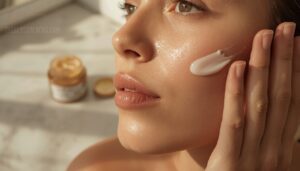
Here’s the trick: your T-zone doesn’t need emollients, but your dry patches definitely do.
- Occlusive ointments seal in moisture for very dry cheeks
- Humectants like glycerol pull water into skin
- Physiologic lipids rebuild your barrier
- Creams suit mild dryness; ointments suit severe
- Apply within minutes after bathing, while skin’s damp
Skip oily zones entirely—save the rich moisturizer for where you actually need it.
Top 10 Products for Combination Skin
Knowing your ingredients is one thing, but finding them in the right product is another. You don’t have time to read every label at the store, so I’ve done that homework for you. Here are ten tried-and-true picks worth adding to your combination skin routine.
1. Glycolic Acid Face Cleanser
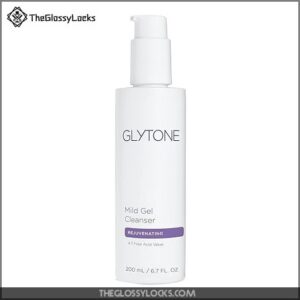
Glycolic Acid Face Cleanser ($36, model C73480) packs a 4.7% glycolic acid punch into a lightweight gel that cleanses and exfoliates in one step. That concentration sits comfortably in the daily-use range, dissolving the "glue" holding dead cells together without stripping your barrier.
It’s vegan, fragrance-free, and suited for normal to combination skin. Just rinse thoroughly and follow with SPF—glycolic acid increases sun sensitivity, so skipping sunscreen kind of undoes the work.
| Best For | People with normal to combination skin who want a gentle daily exfoliating cleanser to smooth texture and even out skin tone. |
|---|---|
| Fragrance-Free | Yes |
| Cruelty-Free | Yes |
| Skin Type Focus | Normal-Combination |
| Non-Comedogenic | Not specified |
| Hydration Focus | Moderate |
| Product Format | Gel Cleanser |
| Additional Features |
|
- Gently exfoliates with a daily-use-friendly 4.7% glycolic acid concentration
- Lightweight gel formula cleanses and hydrates without stripping skin
- Vegan, cruelty-free, and fragrance-free—gentle enough for sensitive skin
- Increases sun sensitivity, so daily SPF is a must
- Not formulated for skin types outside normal to combination
- Requires thorough rinsing to avoid residue on face and neck
2. La Roche Posay Toleriane Gentle Cleanser
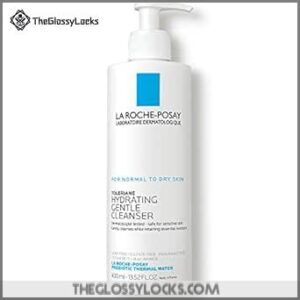
- La Roche Posay Toleriane Gentle Cleanser ($19.99) swaps exfoliation for pure barrier repair. Its non-foaming cream texture cleanses without stripping, thanks to niacinamide, ceramide-3, and prebiotic thermal spring water working together.
This one’s built for normal to dry, sensitive skin, so oilier T-zones might crave more. But if your cheeks flake while your forehead shines, it soothes redness and helps restore your skin’s natural pH. Soap-free, fragrance-free, dermatologist tested. Simple, dependable, no drama.
| Best For | People with normal to dry, sensitive skin who want a gentle daily cleanser that repairs their skin barrier without stripping moisture. |
|---|---|
| Fragrance-Free | Yes |
| Cruelty-Free | Not specified |
| Skin Type Focus | Normal-Dry-Sensitive |
| Non-Comedogenic | Yes |
| Hydration Focus | High |
| Product Format | Cream Cleanser |
| Additional Features |
|
- Soothes redness and helps restore the skin’s natural pH balance
- Formulated with niacinamide, ceramide-3, and prebiotic thermal spring water
- Soap-free, fragrance-free, and dermatologist tested for sensitive skin
- Not ideal for very oily skin types
- No foaming action, which may disappoint those who prefer a lathering cleanser
- Doesn’t offer exfoliation, so extra products may be needed for that step
3. Pixi Glow Tonic Glycolic Acid Toner
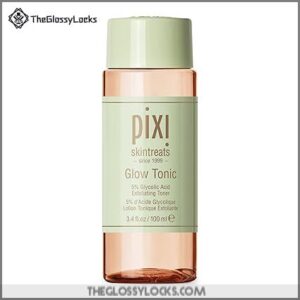
- Pixi Glow Tonic Glycolic Acid Toner ($19) trades barrier repair for straight-up radiance. Its 5% glycolic acid sloughs off dull surface cells while aloe vera calms things down after.
Oily zones love it. Cheeks might not, so patch test first and ease in every other night. Follow with sunscreen the next morning, since fresh skin sunburns faster.
Alcohol-free, budget-friendly, cult favorite for a reason. Just don’t layer it with retinoids the same night.
| Best For | Anyone with oily or dull-looking skin who wants a budget-friendly toner to brighten tone and smooth texture without a heavy routine. |
|---|---|
| Fragrance-Free | No |
| Cruelty-Free | Yes |
| Skin Type Focus | All Skin Types |
| Non-Comedogenic | Not specified |
| Hydration Focus | Moderate |
| Product Format | Exfoliating Toner |
| Additional Features |
|
- 5% glycolic acid gently exfoliates to reveal smoother, more even-toned skin
- Alcohol-free formula with aloe vera and ginseng helps soothe skin after exfoliation
- Affordable, cruelty-free, and versatile enough for face, neck, and hands
- Active acid formula means it’s not ideal for sensitive or reactive skin without easing in slowly
- Increases sun sensitivity, so daily SPF becomes non-negotiable
- Shouldn’t be paired with retinoids on the same night, which limits routine flexibility
4. Glow Recipe Avocado Ceramide Serum
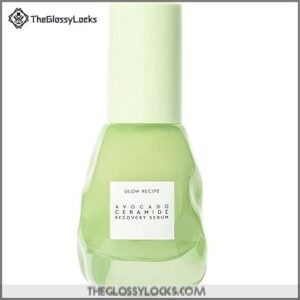
- Glow Recipe Avocado Ceramide Serum ($34) shifts gears entirely, favoring comfort over exfoliation. Its milky texture delivers five ceramides plus avocado and rice milk, softening dry cheeks without clogging your T-zone.
Allantoin calms redness, while oleic and linoleic acids seal in moisture fast.
Suited for sensitive, dehydrated skin, morning or night. Layer it under sunscreen or your nighttime cream, and dry patches stay quenched instead of flaky.
| Best For | People with dry, sensitive, or dehydrated skin looking for a lightweight, calming serum to ease redness and lock in moisture. |
|---|---|
| Fragrance-Free | Yes |
| Cruelty-Free | Yes |
| Skin Type Focus | Dry-Sensitive |
| Non-Comedogenic | Not specified |
| Hydration Focus | High |
| Product Format | Milky Lotion |
| Additional Features |
|
- Combines five ceramides, avocado, and rice milk to strengthen the skin barrier
- Milky texture absorbs quickly without feeling heavy or greasy
- Free from parabens, sulfates, silicones, fragrances, and other common irritants
- Not formulated for oily or acne-prone skin needing oil control
- Small 1-ounce size may not last long with daily use
- Price point ($34.70) is higher than some basic moisturizing serums
Paula’s Choice Omega Complex Serum
- Paula’s Choice Omega Complex Serum ($42) targets oil-water balance with omega 3, 6, and 9 fatty acids that strengthen your lipid matrix and slow transepidermal water loss.
Vitamin E adds antioxidant protection while keeping texture featherlight.
Great non-comedogenic hydration for oily zones, gentle enough for barrier repair on cheeks. Pairs well with niacinamide or hyaluronic acid already in your routine.
5. CeraVe Moisturizing Cream for Dry Skin
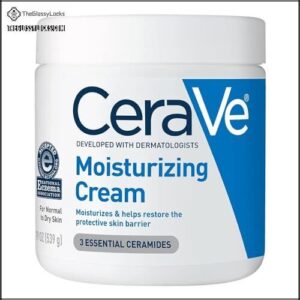
- CeraVe Moisturizing Cream ($19) is a heavyweight for your dry cheeks, packed with three ceramides (1, 3, 6-II) plus hyaluronic acid to lock in moisture.
Its patented MVE Technology releases hydration slowly, so you get relief for a full 24 hours, not just an hour after applying.
Fragrance-free and non-comedogenic, it even carries the National Eczema Association Seal. Save the rich layer for cheeks only; your T-zone won’t thank you for it.
Pair it with a gentle eczema-friendly body wash in the shower to keep your skin barrier calm from head to toe.
| Best For | Anyone with dry, itchy, or sensitive skin who wants a heavy-duty moisturizer for both face and body, including hands that need extra care. |
|---|---|
| Fragrance-Free | Not specified |
| Cruelty-Free | Not specified |
| Skin Type Focus | All Skin Types |
| Non-Comedogenic | Not specified |
| Hydration Focus | High |
| Product Format | Facial Oil |
| Additional Features |
|
- Three essential ceramides plus hyaluronic acid work together to restore the skin barrier and lock in moisture
- Patented MVE Technology delivers a slow, steady release for 24-hour hydration
- Fragrance-free, non-comedogenic formula carries the National Eczema Association Seal of Acceptance
- Rich texture may feel too heavy for the T-zone or other oilier areas of the face
- Formulated specifically for dry skin, so it may not suit normal or oily skin types
- Large 19-ounce container takes up more storage space than smaller jars
6. Youth To The People Green Tea Face Cream
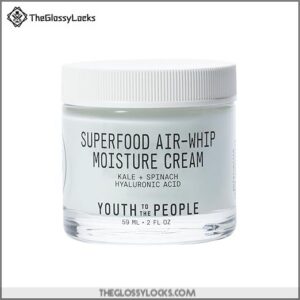
- If you want antioxidants doing double duty, Youth To The People Green Tea Face Cream ($49) blends green tea, kale, and spinach extracts with triple weight hyaluronic acid for plumping without grease.
Squalane keeps things lightweight, and the gel-cream texture absorbs fast, no white cast, no residue. It’s non-comedogenic and vegan, offering 48 hours of moisture.
One catch: it carries a light herbaceous scent, so patch test first if you’re fragrance-sensitive.
| Best For | People with oily, acne-prone, or sensitive skin who want a lightweight, hydrating moisturizer that also works as a makeup primer. |
|---|---|
| Fragrance-Free | Yes |
| Cruelty-Free | Not specified |
| Skin Type Focus | Dry |
| Non-Comedogenic | Yes |
| Hydration Focus | High |
| Product Format | Body/Face Cream |
| Additional Features |
|
- Delivers up to 48 hours of continuous moisture without feeling heavy or greasy
- Non-comedogenic and vegan, making it safe for acne-prone and sensitive skin types
- Doubles as a dewy primer, layering well alone or mixed with foundation
- Contains a light herbaceous scent, so it’s not truly fragrance-free
- Those with high sensitivity to natural extracts should patch test before regular use
- No plastic seal under the lid, which some may see as less secure for shipping or storage
7. Neutrogena Hydro Boost Face Moisturizer
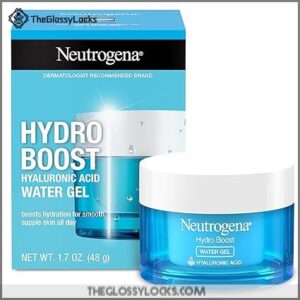
- Sometimes the simplest formula wins, and Neutrogena Hydro Boost Face Moisturizer ($20) proves it. The hyaluronic acid water gel absorbs fast, hydrates for 24 hours, and leaves zero grease behind.
It’s oil-free, non-comedogenic, and dries to a matte finish, so your T-zone stays balanced. No SPF here, and the fragrance might bother sensitive types, but as a daily base or makeup primer? Hard to beat for the price.
| Best For | People with normal, oily, or combination skin who want lightweight, all-day hydration without a greasy feel. |
|---|---|
| Fragrance-Free | No |
| Cruelty-Free | Not specified |
| Skin Type Focus | Acne-Oily-Sensitive |
| Non-Comedogenic | Yes |
| Hydration Focus | High |
| Product Format | Gel-Cream |
| Additional Features |
|
- Delivers clinically-proven 24-hour hydration while feeling weightless on the skin
- Non-comedogenic and oil-free, making it a solid pick for acne-prone or breakout-sensitive skin
- Doubles as a smooth, hydrating base for makeup application
- Contains a signature fragrance that may not sit well with those with sensitive skin
- Offers no SPF, so extra sun protection is still needed
- Container size feels a bit small compared to the price
8. Cetaphil Purifying Clay Exfoliating Mask
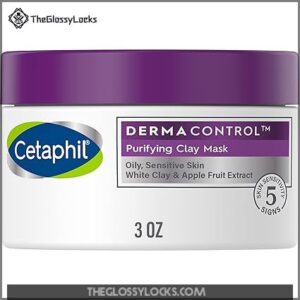
- Masks aren’t just a spa-day indulgence — used right, they’re a weekly reset button for oily zones. Cetaphil’s Purifying Clay Exfoliating Mask blends bentonite and Amazonian kaolin to pull excess oil and grime straight out of pores, while gentle exfoliation smooths rough patches without scrubbing.
Apple fruit and cucumber seed extracts keep things calm, so cheeks don’t feel stripped afterward. It’s fragrance-free and non-comedogenic — a smart once-a-week addition for T-zone congestion.
| Best For | Anyone with oily or sensitive skin looking for a weekly deep-clean that won’t leave their face feeling tight or irritated. |
|---|---|
| Fragrance-Free | No |
| Cruelty-Free | Not specified |
| Skin Type Focus | Normal-Oily-Combination |
| Non-Comedogenic | Yes |
| Hydration Focus | High |
| Product Format | Water Gel |
| Additional Features |
|
- Dual clay formula (bentonite and Amazonian kaolin) draws out excess oil and impurities without over-drying
- Fragrance-free, hypoallergenic, and non-comedogenic — gentle enough for sensitive, reactive skin
- Apple fruit and cucumber seed extracts help maintain hydration while exfoliating
- Formulated specifically for oily and sensitive skin, so it may not suit other skin types
- Small product volume relative to its packaging size means it may run out faster than expected
- Works best as part of a full Dermacontrol routine rather than as a standalone product
9. Soothing Facial Moisturizer for Sensitive Skin
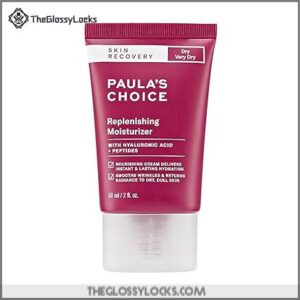
- Sensitive skin doesn’t get a pass just because you have combination skin — those dry cheeks can still flare up. This soothing moisturizer leans on ceramides 1, 3, and 6 plus niacinamide to patch up your barrier, while panthenol and allantoin calm things down without scraping.
Aloe, chamomile, and calendula add gentle relief, and it’s completely fragrance and dye-free. Patch-tested for low irritation, it works daily on both your T-zone and cheeks. Gel-cream texture, no greasy residue!
| Best For | People with sensitive, dry, or redness-prone skin (including rosacea or eczema) who want intensive hydration and anti-aging support without irritation. |
|---|---|
| Fragrance-Free | Yes |
| Cruelty-Free | Not specified |
| Skin Type Focus | Oily-Sensitive |
| Non-Comedogenic | Yes |
| Hydration Focus | Moderate |
| Product Format | Clay Mask |
| Additional Features |
|
- Hyaluronic acid and plant-derived oils deliver deep, lasting hydration
- Antioxidants and peptides help soften wrinkles and even out skin tone
- Fragrance-free formula helps strengthen and support the skin barrier
- Rich oil content may feel too heavy for oily or acne-prone skin
- Not ideal for those wanting a lightweight, fast-absorbing texture
- Higher price point compared to basic drugstore moisturizers
Ingredients and Habits to Avoid
Sometimes the fastest way to fix your skin isn’t adding something new, it’s cutting out what’s already hurting you. Combination skin is especially sensitive to a few common culprits hiding in your routine. Here’s what you’ll want to steer clear of, and why.
Alcohol-Based Toners and Bar Soaps
Ever wonder why your toner leaves skin feeling "clean" but tight an hour later? That’s denatured alcohol at work, stripping natural oils fast.
Bar soaps aren’t kinder—their high pH disrupts your skin barrier, too.
Watch for:
- Redness after toning
- Increased transepidermal water loss
- Tightness post-cleansing
- Rising sensitivity
Choose pH-balanced, alcohol-free cleansers instead. Your barrier will thank you!
Over-Exfoliation and Physical Scrubs
Bar soaps strip too hard, but so does going overboard on scrubs. More exfoliation doesn’t mean smoother skin, it often means microtears and a damaged barrier.
| Habit | Effect | Fix |
|---|---|---|
| Daily scrubs | Redness, sensitivity | 2-3x weekly max |
| Harsh chemical exfoliator | Sebum rebound | Start low % |
| Physical grit | Microtears | Choose acids instead |
Comedogenic Oils Like Coconut Oil
Coconut oil sounds gentle, but for combination skin it’s often a comedogenic culprit. Its fatty-acid makeup is high in lauric acid and low in linoleic acid, the stuff that keeps sebum soft instead of thick and pore-clogging.
Raw oil applied straight to acne-prone zones is riskiest. If you love the hydration, look for noncomedogenic alternatives like jojoba or argan oil instead.
Seasonal Adjustments for Combination Skin

Combination skin doesn’t stay the same all year, and your routine shouldn’t either. What works great in July can leave your T-zone begging for mercy by January. Here’s how to adjust as the seasons shift.
Lightweight Gels in Summer
Summer heat turns combination skin into a juggling act, oily T-zone, thirsty cheeks, both fighting for attention. Lightweight gels solve this with water-based hydration that absorbs fast, no greasy film left behind.
Hyaluronic acid pulls moisture in without weighing you down, keeping midday shine in check. Gels also play nice under makeup, so foundation glides instead of pilling. Simple swap, real comfort.
Richer Creams in Winter
Cold air strips moisture fast, so combination skin needs winter barrier repair—rich creams with ceramides and fatty acids smooth rough patches.
Look for humectants like glycerin, sealed by emollients, to lock hydration in. Practice strategic zone moisturizing: creamy moisturizer on dry cheeks, lighter gel on the T-zone. This prevents seasonal breakouts while keeping your skin barrier comfortable, even when indoor heating dries everything out.
Adjusting Exfoliation by Season
Rarely does one exfoliation schedule work all year for combination skin. Warmer months bring humidity and sweat, so oily zones tolerate more frequent beta hydroxy acid use.
Cold air raises seasonal sensitivity, meaning cheeks need gentler alpha hydroxy acid sessions.
Whatever the season, don’t skip UV protection—exfoliated skin sunburns faster, and daily SPF keeps your renewed barrier safe.
Expert Dermatologist Tips for Combination Skin
You’ve got the routine down, but a few insider tips can take it further. Board-certified dermatologists spend years studying combination skin, and they know the small tweaks that make a big difference. Here’s what five of them want you to know.
Dr. Corey L. Hartman’s Advice
Dr. Corey L. Hartman, board-certified dermatologist and founder of Skin Wellness Dermatology in Birmingham, keeps things simple: stick with your routine instead of chasing new products every month. He favors facts over fear, avoiding overcorrection that leaves skin looking "weird."
His conservative approach applies to combination skin too—steady sebum control and pore refinement beat drastic changes, supporting healthy aging without harsh surprises.
Dr. Nkem Ugonabo’s Advice
Ever notice how combination skin needs balance, not just products? That’s the heart of good advice here: treat barrier health as your foundation, keep your microbiome steady, and manage sensitivity zone by zone.
Sebum control and pore refinement matter, but so do lifestyle habits—sleep, stress, diet. When your routine still feels off, a professional consultation helps you fine-tune what’s actually happening on your skin.
Dr. Karen Kagha’s Advice
Dr. Kagha keeps it simple: prove it works, then use it. She favors targeted actives over "miracle" products, matching strength to what each zone tolerates.
Introduce actives gradually, protect your barrier first, and moisturize even your oily T-zone. Cleanse strategically—don’t overwash dry cheeks. Sunscreen stays non-negotiable, since sun exposure worsens irritation and uneven tone across combination skin.
Dr. Whitney Bowe’s Advice
Your skin doesn’t lie—it’s a mirror of what’s happening inside. Dr. Bowe ties inflammation to stress, sleep, and gut health, not just topical products.
Your skin doesn’t lie—it mirrors the inflammation caused by stress, poor sleep, and gut health
Her Skin Cycling Method simplifies routines while addressing this skin-gut connection. Before any procedure, she conducts lifestyle habit audits, asking about sleep and stress first.
Because circadian health affects how long results last, treating your skin barrier from both directions—inside and out—matters more than you’d think.
Dr. Jessica Wu’s Advice
Dr. Whitney Bowe looks inward; Dr. Jessica Wu looks at your whole face before touching a single product. She insists on individualized treatment plans, studying bone structure and movement before recommending injectables, lasers, or peels.
She won’t push products she hasn’t tested herself. That’s clinician patient trust in action—diet, lifestyle, and skin all considered together, because complete skin health never comes from a one-size-fits-all routine.
Frequently Asked Questions (FAQs)
What is a Simple skincare routine for Combination Skin?
Think of your face as two roommates with different needs: your oily T-zone wants space, your dry cheeks want comfort. A gentle cleanser, lightweight moisturizer, and daily SPF handle both, keeping combination skin balanced without overcomplicating your routine.
How do I develop a skin care routine for Combination Skin?
Build it by zonal product layering: gel cleanser and lightweight moisturizer for your oily T-zone, richer cream for cheeks. Add a targeted serum, daily SPF, and shift textures seasonally, this customizing approach balances skin textures while managing midday oil naturally.
How do I choose the best skincare for Combination Skin?
Why does one product rarely work for your whole face? Because combination skin needs zone-specific care.
Identify oily and dry areas, then customize product layers—lightweight gels for oil control, richer creams for hydration—to restore comfortable oil-water balance.
Do you have combination skin?
Picture a shiny T-zone by noon with drier, sometimes flaky cheeks — that’s your tell. Mapping these facial zones and tracking midday changes helps you spot the classic oily-and-dry pattern that defines combination skin before building your routine.
Do I need a skincare routine if I have Combination Skin?
Yes, but it doesn’t need to be complicated. A simple skincare routine—gentle cleanser, lightweight moisturizer, daily SPF—helps maintain skin barrier health and oil-water balance, keeping oily and dry zones in check without overwhelming your skin or your shelf space.
What does having combination skin mean?
Your face can’t seem to make up its mind, and that’s the joke: combination skin means uneven sebaceous gland density creates oily and dry areas simultaneously—a shiny T-zone with excess sebum production, paired with tighter cheeks from regional moisture imbalance.
What is the best skin care routine for combination skin?
Success comes down to zone-specific product layering: a gentle cleanser, alcohol-free toner, hydrating serum, and moisturizer matched to each area, plus daily SPF.
This balances oily T-zone sebum while optimizing hydration on drier cheeks, keeping skin comfortable and consistently maintained.
What is the 4 2 4 rule in skincare?
Ten minutes can feel both rushed and endless. The 4-2-4 rule times your cleanser: 4 minutes oil-based to dissolve makeup, 2 minutes water-based for residue, 4 minutes rinsing warm-to-cold—a Korean skincare method combination skin loves before moisturizer and sunscreen.
Sensitive or reactive skin types can adapt this timing with gentler formulas, as outlined in this guide to DIY natural skincare routines for sensitive and allergy-prone skin.
What’s a good skin care brand for combination skin?
CeraVe and La Roche-Posay stand out as dermatologist-developed formulas with fragrance-free, non-comedogenic options that balance your barrier. Both offer affordable drugstore picks combining ceramides and niacinamide, perfect for a combination skin routine without breaking your budget.
What’s better for combination skin?
Funny how "one size fits all" never actually fits combination skin. What works best is zone-specific moisturizing: gel formulas balancing sebum on your oily T-zone, richer creams hydrating cheeks — customizing layers keeps your oil-water balance steady without overwhelming either zone.
Conclusion
Funny thing: skin that can’t make up its mind ends up thriving on the routine that treats it like two separate faces. Your T-zone isn’t fighting your cheeks, it just needs different rules.
Once you accept that, the best skin care routine for combination skin stops feeling like guesswork and starts feeling like fluency. Zone by zone, product by product, your skin finds its balance. Shine fades. Tightness eases. Clarity, finally, wins.