This site is supported by our readers. We may earn a commission, at no cost to you, if you purchase through links. This content is for general informational and educational purposes only and is not a substitute for professional medical, dermatological, or nutritional advice.

Androgenetic alopecia, telogen effluvium, alopecia areata—these aren’t interchangeable, and neither are their solutions. Treating the wrong type doesn’t just waste time; it can delay the window where intervention actually works.
Hair follicles don’t disappear overnight. They miniaturize gradually, which means the best way to prevent hair loss is catching the pattern early and responding with tools that match the biology.
From clinically proven treatments like minoxidil and finasteride to dietary changes and scalp-focused habits, the evidence points to a layered approach that tackles root causes rather than surface symptoms.
Table Of Contents
- Key Takeaways
- Find Your Hair Loss Cause
- Start With Proven Treatments
- Eat for Stronger Hair
- Choose Supplements Carefully
- Protect Hair From Breakage
- Build a Scalp Friendly Routine
- Frequently Asked Questions (FAQs)
- Is hair loss permanent?
- Do hot showers cause hair loss?
- Does caffeine stop hair loss?
- Can stress cause hair loss?
- Do hair transplants help hair loss?
- Does smoking cause hair loss?
- How to prevent hair loss?
- How do you get rid of hair loss at home?
- How can I Stop my Hair from falling out?
- Can you stop hair loss?
- Conclusion
Key Takeaways
- Diagnosing your specific hair loss type—whether androgenetic alopecia, telogen effluvium, or alopecia areata—is the essential first step, because the wrong treatment wastes time and delays results.
- Minoxidil, finasteride, and corticosteroid injections have the strongest clinical backing, but each targets a different mechanism, so matching the treatment to the cause matters more than starting fast.
- Nutritional gaps in iron, zinc, and vitamin D quietly accelerate shedding, and correcting them through diet or targeted supplementation produces measurably better outcomes than guessing.
- Daily habits—scalp massage, loose hairstyles, gentle washing, and stress management—compounds over months and form the protective foundation that clinical treatments build on.
Find Your Hair Loss Cause

Before you can stop hair loss, you need to know what’s actually causing it. The right treatment depends entirely on the type you’re dealing with — and there are a few clear signs that point you in the right direction.
If beard patchiness is part of the picture, understanding how alopecia affects beard growth and how to treat it can help you narrow down what you’re actually dealing with.
Here’s what to look for.
Pattern Thinning Signs
Pattern thinning rarely announces itself overnight. In androgenetic alopecia, the earliest signals include a widening part, temple recession forming the classic M-shape, and crown thinning noticeable in photos or bright light.
Gradual density loss stems from miniaturized hair—finer, weaker strands replacing healthy ones. This process reflects a slow, progressive change driven by underlying factors.
Scalp health, nutritional deficiencies, and genetics collectively contribute to this evolution. However, the primary driver is DHT binding to follicles, which progressively shrinks hair roots.
Patchy Hair Loss
Not all hair loss follows a neat receding line. Patchy loss tells a different story — and reading it correctly changes everything.
- Alopecia areata appears as smooth, coin-shaped patches; corticosteroid injections outperform topical treatment here
- Tinea capitis leaves broken hairs with scaling — a dermatological red flag needing antifungal care
- Traction alopecia targets edges stressed by tight styles
- Inflammatory scalp conditions and nutritional deficiencies can quietly accelerate patchy shedding; nail pitting sometimes signals systemic involvement
Sudden Shedding Triggers
Unlike patchy loss, sudden shedding often traces back to telogen effluvium — where stress, illness, or hormonal imbalance pushes follicles into early rest. A high-fever infection, postpartum hormone shift, thyroid imbalance, medication-induced shedding, or severe calorie cut can each trigger a delayed surge about two to three months later.
Nutrient deficiency, particularly low iron or vitamin D, compounds the problem.
Scalp Symptoms to Check
Your scalp tells its own story. Dandruff patterns, scalp redness, and itching & burning sensations often signal seborrheic dermatitis or psoriasis — conditions involving active scalp inflammation.
Watch for lesion types and scaling texture changes like oily yellow flakes or thick silvery plaques.
Maintaining scalp health routines and supporting scalp circulation can help you catch problems before they accelerate hair loss.
Start With Proven Treatments
Regarding stopping hair loss, guessing isn’t a strategy — evidence is.
Several treatments have solid clinical backing, ranging from topical solutions you apply at home to in-office procedures performed by a dermatologist. Here’s what actually works.
Topical Minoxidil Use

Topical minoxidil remains the most accessible starting point for androgenetic hair loss. Vehicle selection matters — foam causes less scalp irritation than alcohol-based solutions for many patients.
Apply directly to thinning areas using the dropper for accurate dosage measurement, twice daily, consistently.
Initial shedding in the first few weeks is normal and signals follicle cycle shifts, not treatment failure.
Clinical studies confirm density improvements within four months of regular topical solution application.
Oral Minoxidil Considerations

Low-dose oral minoxidil offers a practical alternative when topical application fails, though its off-label status requires individualized dosage titration, often starting around 1 mg daily. Early shedding may occur, so don’t panic during initial treatment phases.
Cardiovascular screening is essential beforehand, as this oral medication affects circulation.
Monitor for fluid retention and unwanted hair growth throughout treatment.
Finasteride for DHT

Finasteride works through enzyme inhibition — specifically blocking 5-alpha-reductase — which drives DHT inhibition and slows follicle miniaturization in androgenetic alopecia. This oral medication reduces DHT by roughly 70%, lowering further loss risk by ~85% over two years.
Key facts to know before starting:
- Dose optimization usually starts at 1 mg daily
- Long-term efficacy builds over months, not weeks
- Side effect monitoring should include libido and mood changes
- Male fertility impact is real — sperm count can decrease
- Antiandrogen therapy isn’t suitable during pregnancy or for women who may conceive
Corticosteroids for Alopecia Areata
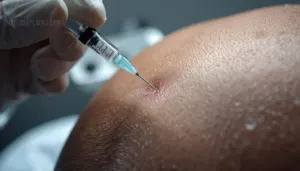
Alopecia areata is an immune system attack on follicles that leaves patchy, nonscarring bald spots. For this autoimmune alopecia, corticosteroid injections are the most effective medical hair loss therapy, delivering treatment directly into affected patches rather than broadly across the scalp. Intralesional injections outperform topical options because they reach the dermis faster.
Clobetasol foam, applied 5 days weekly, also shows meaningful regrowth at 12 weeks.
Watch for steroid side effects like folliculitis or skin thinning with long-term use.
PRP Treatment Options
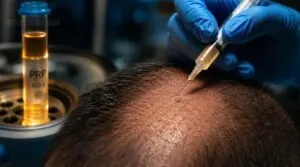
Platelet-rich plasma therapy turns your own blood into a concentrated source of platelet-derived growth factors, injected directly into thinning areas via a grid-pattern injection protocol. PRP preparation involves centrifuging a small blood draw, then delivering multiple microinjections under one hour.
Patient eligibility usually favors early pattern thinning. Side effect management is straightforward — expect brief redness.
Combination therapies pairing PRP with minoxidil show stronger results in clinical trials on hair loss.
Eat for Stronger Hair

What you eat directly affects what grows out of your scalp.
Hair follicles are some of the most metabolically active cells in your body, which means they’re quick to reflect nutritional gaps.
Hair follicles are among your body’s most metabolically active cells — and the first to reveal what your diet is missing
To keep them working in your favor, focus on putting on your plate nutrient-rich foods that support their health.
Protein Rich Meals
Hair is built on protein — skip enough of it and your follicles pay the price. Aim for 25–30 grams per meal as your Portion Size Guidance standard.
A protein-rich diet doesn’t have to be complicated:
- Eggs and grilled salmon for Complete Amino Sources
- Lentils and black beans for Animal vs Plant balance
- Greek yogurt paired with vegetables for Protein Fiber Pairing
- Rotate chicken, tofu, and tuna for Meal Prep Variety
Mediterranean Diet Staples
Beyond protein, what you eat daily shapes your scalp’s environment. A Mediterranean diet—built on olive oil, whole grains, legumes, and fresh fruit—delivers Olive Oil Benefits, Fruit Polyphenols, Whole Grain Phytochemicals, and Legume Fiber that support follicle health.
Nut Omega-3s from almonds and walnuts reduce inflammation, further contributing to scalp wellness.
Research confirms that adhering to this dietary pattern at least three days weekly correlates with measurably better hair outcomes.
Iron and Zinc Sources
Iron and zinc deficiencies are quietly behind more hair loss cases than most people realize. Your follicles depend on both.
- Heme Iron Foods: Red meat, oysters, and liver are absorbed fastest.
- Non-heme Iron Boosters: Beans and spinach paired with Vitamin C Pairings like bell peppers improve iron absorption.
- Zinc-rich Seafood: Oysters lead all sources.
- Phytate Reduction Techniques: Soak legumes to release more zinc.
Since low iron is a sneaky, often-overlooked culprit behind thinning strands, it’s worth ruling out before assuming genetics with this guide on natural ways to encourage thicker hair growth.
Vitamin D Support
Zinc and iron aren’t the only micronutrients working behind the scenes. Vitamin D deserves equal attention — hair follicles contain receptors that respond directly to it, and vitamin and mineral deficiency here quietly stalls regrowth.
| Factor | Detail | Why It Matters |
|---|---|---|
| Vitamin D Testing | 25-hydroxyvitamin D blood test | Confirms actual deficiency below 20 ng/mL |
| Sunlight Exposure | Varies by season, latitude, skin tone | Seasonal variation affects production |
| Dietary Sources | Fortified dairy, fatty fish | Enhances dietary vitamins for hair health |
| Supplement Dosing | 600–800 IU daily maintenance | Micronutrient supplementation without overdose risk |
Test first, then act — nutritional supplements for hair work best when correcting a documented gap, not guessing.
Crash Diet Risks
Crash diets promise fast results but quietly sabotage your hair. Severe low-calorie diets trigger metabolic slowdown, electrolyte imbalance, and micronutrient deficiency — all known drivers of telogen effluvium.
Drop dietary protein intake too low, and your follicles stall.
Yo‑yo cycling adds gallstone risk and mental health impact that nutritional supplements for hair can’t fully undo.
Choose Supplements Carefully

Supplements can help, but they’re not a free pass — the wrong ones can do more harm than good. Knowing when your body actually needs them makes all the difference.
Here’s what the evidence says about choosing wisely.
When Supplements Help
Supplements don’t work in a vacuum — they work when they’re filling a real gap. Targeted Deficiency Testing through a blood panel identifies low Vitamin D, iron, or zinc before you spend money guessing. From there, Supplement Form Bioavailability matters: your body absorbs some forms better than others.
Pair that with Ideal Dosage Timing, Synergistic Nutrient Pairing, and Third-Party Certification on multivitamins, saw palmetto, or protein supplements, and you’re building on evidence, not hope.
Biotin Deficiency Signs
Not everyone needs biotin supplements, but if you’re seeing hair thinning alongside nail brittleness, skin dermatitis, or conjunctival irritation, your levels may be worth checking. Hair brittleness often appears early, before other symptoms become obvious.
Neurologic lethargy and irritability can follow.
Biotin and zinc synergy facilitates keratin production, so nutrient supplementation works best when you’ve confirmed an actual deficiency first.
Saw Palmetto Evidence
Saw palmetto shows genuine promise, though the clinical evidence still has real limits. Studies report these outcomes across androgenetic alopecia and telogen effluvium patients:
- Improved overall hair quality
- Measurable increases in hair count
- Higher hair density in most participants
- Stabilized progression in a portion of cases
Dosage variability, formulation types, and inconsistent study quality mean you can’t treat all products equally.
Avoiding Excess Vitamin A
More isn’t always better — and with vitamin A, it can quietly work against you. Exceeding 3,000 mcg daily from dietary supplements triggers toxicity, including sparse, coarse hair and eyebrow thinning, undermining hair loss prevention strategies. Reading labels is crucial here.
| Risk Factor | Key Detail |
|---|---|
| Upper Intake Limits | 3,000 mcg/day preformed vitamin A |
| Toxicity Symptoms | Sparse hair, dry skin, blurred vision |
| Pregnancy Teratogenic Risk | Causes severe birth defects |
| Beta-Carotene Alternatives | Safer; body self-regulates conversion |
| Mediterranean Diet | Provides vitamin A without excess risk |
Opting for beta-carotene alternatives offers a safer pathway, as the body self-regulates conversion to vitamin A. Embracing a Mediterranean Diet naturally balances intake, minimizing overdose risks while supporting overall health.
Protect Hair From Breakage

Breakage is one of the sneakier contributors to thinning hair — and it’s almost entirely preventable. The way you wash, style, and sleep can either protect your strands or quietly wear them down over time.
Here’s what to change first.
Gentle Washing Habits
Your washing technique matters more than you’d think. Stick to a sulfate-free shampoo with a balanced pH cleanser formula, and rinse with lukewarm water—hot water strips the scalp’s natural barrier.
Minimal wash frequency reduces unnecessary friction, while thorough rinsing prevents residue buildup that causes itching and flaking.
A consistent, gentle styling approach and scalp health maintenance routine can meaningfully reduce breakage over time.
Heat Styling Limits
Heat is one of the fastest ways to invite hair shaft damage—and most people don’t realize it until breakage is already visible.
- Match temperature thresholds to your hair type: 120–150°C for fine hair, up to 200°C for coarse
- Always ensure hair is completely dry before using heating tools
- Apply heat protectant usage as a non-negotiable pre-styling step
- Practice pass time control—quick strokes beat prolonged contact
- Invest in tools with reliable tool temperature accuracy to avoid accidental overexposure
Harsh hair treatments and chemical hair processing compounds damage from heat injury fast.
Looser Hairstyles
Tight ponytails and braids don’t just pull—they silently damage follicles over time, leading to traction alopecia.
Smart tension distribution means switching your part, rotating hairstyle placement, and using wider bands instead of thin elastics. Good clip placement spreads pressure across a larger area.
Loose styling tools and hairstyle rotation also improve scalp airflow, reducing irritation that accelerates hair thinning prevention efforts.
Silk Pillowcase Benefits
Switching to a silk pillowcase transforms friction reduction from a concept into a nightly habit. Unlike cotton, silk’s smooth weave minimizes snagging, which prevents hair breakage while you sleep. It also supports moisture retention, ensuring your scalp stays hydrated overnight.
Hypoallergenic comfort, temperature regulation, and improved hair shine follow—quietly safeguarding hair follicle health every night.
Wet Hair Handling
Wet hair is at its most fragile — stretching and snapping far more easily than dry hair. Your hair care routine in those first minutes post-wash matters more than most people realize.
- Blot with a microfiber towel using gentle blotting, never rubbing
- Apply a wet detangling spray before reaching for your wide-tooth comb
- Detangle ends first, working upward to prevent breakage
- Allow a partial air-dry before any heat styling
This approach is your foundation for real hair breakage prevention.
Build a Scalp Friendly Routine
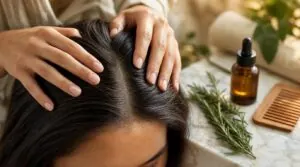
Your scalp is the foundation everything else builds on, and treating it right doesn’t have to be complicated. A few consistent habits can make a real difference in how your follicles respond over time.
Here’s what a solid scalp-friendly routine actually looks like.
Daily Scalp Massage
Daily scalp massage is one of the simplest tools you can add to your routine. Using Finger Circles with light Pressure Control for 4–20 minutes daily increases blood flow to the scalp by 15–20% per session.
Brush Integration helps maintain consistent coverage.
For natural oil scalp massage, essential oils like rosemary must be diluted first — always patch-test for Oil Safety.
Session Length matters: six months of consistency yields real results.
Low Level Laser Therapy
Light-based scalp treatment has earned its place in evidence-backed routines. FDA-cleared low-level laser devices use precise Wavelength Selection—usually around 650 nm—to stimulate follicles without heat. Critical factors like Dosage Parameters, Spot Size Mapping, and consistent Device Types all influence outcomes.
Laser phototherapy and laser comb efficacy studies demonstrate density gains comparable to minoxidil over six months.
Adherence to Safety Guidelines is essential, with usage recommended at least three sessions weekly for optimal results.
Rosemary Oil Dilution
Rosemary oil shows real promise for hair growth, but dilution ratios matter more than most people realize. A 2% concentration—about 12 drops per ounce of carrier oil—suits most adults for regular scalp massage. Sensitive skin does better at 1%.
Always conduct a patch test first: apply, wait 24 hours, and check for redness. Following these safety guidelines keeps essential oils effective without irritation.
Stress Reduction Habits
Stress-induced hair loss — telogen effluvium can begin within weeks of a prolonged stress response. Building a Wind Down Routine each evening, practicing Controlled Breathing (4 seconds in, 6–8 out), and taking Movement Breaks during the day to reduce stress arousal.
Add Mindful Reset pauses, yoga, and regular Social Check-Ins to your stress management techniques to keep follicles out of the danger zone.
Smoking Cessation Benefits
Smoking quietly starves your follicles — cutting off blood flow, spikes oxidative stress, and drives inflammation deep into the scalp.
Studies show hair loss affects 85% of smokers vs. 40% of non-smokers.
Quitting reverses smoking-induced follicle damage gradually: enhanced blood flow returns, reduced oxidative stress eases inflammation, and improved oxygenation reaches follicles that were virtually running on empty. Healthier follicles follow.
Frequently Asked Questions (FAQs)
Is hair loss permanent?
Like a wound that heals differently depending on follicle damage, hair loss permanence varies based on the extent of follicle injury.
Scarring Alopecia destroys follicles permanently, while conditions such as telogen effluvium and Autoimmune Reversal often allow full hair regrowth with Early Intervention.
Do hot showers cause hair loss?
Hot showers don’t directly destroy follicles, but high water temperature causes cuticle lifting, strips scalp oils, and triggers scalp irritation —
These effects turn healthy strands brittle, leading to breakage that mimics hair loss.
Does caffeine stop hair loss?
Caffeine-infused products show promise in lab studies, but evidence limitations mean they can’t replace proven topical treatments.
Formulation types, effective concentration, and application duration all affect whether caffeine as a vasodilator actually reaches your follicles.
Can stress cause hair loss?
Yes, stress causes real hair loss. Psychological stress triggers telogen effluvium, hormonal stress pathways, and stem-cell suppression.
Alopecia areata triggers and stress-related behaviors compound shedding, commonly begins three months after the stressor.
Do hair transplants help hair loss?
Hair transplants restore coverage by moving DHT-resistant follicles from the donor site to thinning areas.
Since these transplanted follicles can still be affected by lifestyle factors, it’s worth understanding how nicotine exposure impacts hair growth and follicle health before and after the procedure.
With FUE, 90% graft survival is achieved, though post-transplant shedding occurs before regrowth becomes visible.
Does smoking cause hair loss?
Smoking does cause hair loss. Nicotine follicle toxicity, reduced scalp perfusion, oxidative stress, and androgen pathway impact all accelerate thinning.
Smoking-induced follicle damage also triggers premature hair graying and chronic inflammation, making cessation one of your smartest moves.
How to prevent hair loss?
Preventing hair loss means targeting the root cause first. Key factors include Hormonal Balance, Sleep Hygiene, a protein-rich diet, scalp massage, and Hair Cycle Optimization.
These elements collectively play measurable roles in keeping follicles active and minimizing shedding.
How do you get rid of hair loss at home?
Think of your scalp as soil — it needs the right conditions to grow. At home, combining scalp massage, essential oils, protein-rich meals, and multivitamin supplements can meaningfully reduce shedding.
How can I Stop my Hair from falling out?
Stopping hair loss starts with pinpointing the cause. Minoxidil and finasteride address androgenetic thinning.
Meanwhile, protein intake, biotin levels, hormonal balance, and sleep quality all influence the speed at which your follicles recover.
Can you stop hair loss?
You can’t always stop hair loss completely, but minoxidil, finasteride, low-level laser light therapy, protein intake, biotin, genetic testing, hormone optimization, sleep hygiene, scalp pH balance, and limiting air pollution exposure all meaningfully slow it down.
Conclusion
An ounce of prevention is worth a pound of cure—and nowhere is that truer than with hair loss. The best way to prevent hair loss isn’t one dramatic intervention; it’s a consistent stack of smart choices: the right diagnosis, clinically backed treatments, nutrient-dense eating, and a scalp routine that nourishes follicle health over time.
Start early, stay consistent, and let the biology work in your favor before miniaturization gets ahead of you.