This site is supported by our readers. We may earn a commission, at no cost to you, if you purchase through links. This content is for general informational and educational purposes only and is not a substitute for professional medical, dermatological, or nutritional advice.
You know that feeling when your hair starts to crunch instead of bounce? Turns out, about 60% of people deal with dry, damaged hair at some point—thanks to hot tools, chemical treatments, and even plain old tap water. It’s not just the weather drying you out; every shampoo, every rinse, every heat wave chips away at your hair’s natural shield.
The good news: you don’t need a fancy salon visit or a mystery bottle of “miracle serum.” With a handful of pantry staples and a little know-how, you can whip up DIY home remedies for dry hair repair that tackle dryness from root to tip. Ready to reclaim your shine and softness? Let’s break down the simple steps that actually work.
Table Of Contents
- Key Takeaways
- Causes of Dry, Damaged Hair
- Prep Hair Before DIY Treatments
- Moisturizing Home Hair Masks
- Strengthening Remedies for Breakage
- Frizz and Shine Repair Rinses
- Top 5 Dry Hair Repair Items
- Maintain Results After Treatment
- Frequently Asked Questions (FAQs)
- What is the best home remedy for extremely dry hair?
- How to fix dry, damaged hair naturally?
- How do you bring dry, damaged hair back to life?
- How do I rehydrate my dry hair?
- What is the best home remedy for dry damaged hair?
- How to quickly repair dry hair?
- How often should I apply natural oils to dry hair?
- Are there any home remedies for dry scalp treatment?
- Can I leave hair masks on dry hair overnight?
- How long does it take to repair severely dry hair?
- Conclusion
Key Takeaways
- Dry, damaged hair usually stems from overwashing, heat styling, chemical treatments, hard water, or nutrient gaps, so fixing it starts with identifying the actual cause.
- Prepping hair with detangling, clarifying buildup, sectioning, and patch testing makes DIY masks absorb better and work more effectively.
- Moisturizing ingredients like coconut oil, avocado, banana, and honey hydrate strands, while protein-rich options like egg yolk and rice water strengthen and repair breakage, but protein treatments should be limited to once a month to avoid stiffness.
- Long-term results depend on ongoing habits like washing less often, always conditioning, sleeping on silk, reducing heat styling, and eating hair-healthy foods rich in omega-3s and vitamins.
Causes of Dry, Damaged Hair

Dry, brittle hair doesn’t just happen out of nowhere, there’s always a reason behind it. Sometimes it’s your daily habits, and sometimes it’s things you can’t fully control, like the weather. Let’s break down the five biggest culprits so you know exactly what you’re up against.
If you’re curious about nourishing your hair and preventing dryness, check out this in-depth guide comparing hair serums and hair oils for targeted solutions.
Overwashing and Harsh Shampoo
Ever wash your hair daily and still feel like it’s begging for water? That’s sulfate stripping at work—harsh surfactants strip sebum, weakening your scalp’s barrier and increasing transepidermal water loss. Your scalp panics, overproduces oil, and boom: rebound oiliness. You wash more, dryness worsens. Sound familiar?
Swap daily washing for a gentler, less-frequent routine to break the cycle and restore real hydration. You might notice scalp irritation symptoms like itching or redness if you’re washing too often.
Heat Styling Damage
Your straightener isn’t just styling hair, it’s breaking hydrogen bonds to force new shapes. That process invites heat-induced dehydration and moisture evaporation, leaving cuticles rough and dull.
Quick damage checklist:
- Tools running above 300°F
- Daily flat-ironing
- Skipping heat protectant
- No deep conditioning treatments
- Ignoring thermal texture changes
Before chemical processing enters the picture, cool it on the heat.
Chemical Processing
Coloring, perming, relaxing, bleaching—each one messes with your hair’s chemistry, not just its look. Dye and bleach rely on oxidation damage that breaks down melanin and raises porosity. Perms and relaxers cause disulfide bond disruption using alkaline formulas that reshape hair from the inside out. All that pH shifting leaves cuticles rough, thirsty, and begging for repair.
Weather and Hard Water
Weather and hard water team up to dry hair out fast. Summer evaporation concentrates calcium and magnesium, while winter scale builds up in pipes and appliances. Heavy rain dilutes minerals; dry spells concentrate them. That mineral film coats your strands, blocking moisture retention and making DIY hydration treatments work overtime just to keep damage repair on track.
Nutrient Gaps
What’s hiding in your diet might matter as much as what’s on your shelf. Folate deficiency slows cell turnover in follicles, while B12 anemia risks and iron oxygen delivery issues starve hair of what it needs to grow strong.
- Low zinc weakens amino acid availability for keratin
- Skimping on protein invites dryness and breakage
- DIY hair treatments help, but nutrition seals the deal
Prep Hair Before DIY Treatments

Before you slather on any mask or oil, your hair needs a little groundwork. Skipping this part is like painting a wall without cleaning it first, the good stuff just won’t stick. Here’s exactly how to get your strands ready for repair.
Detangle Gently First
Ever try tugging a knot straight from the roots? That’s how you end up with hair in your brush and tears in your eyes.
Start at the ends, working conditioner in for slip, finger-loosening tangles before combing.
| Step | Tool | Purpose |
|---|---|---|
| 1 | Fingers | Loosen knots |
| 2 | Wide-tooth comb | Glide through |
| 3 | Sections | Control tension |
Sectional detangling prevents breakage and improves texture instantly.
Clarify Product Buildup
Why do those DIY masks sometimes just sit on top instead of soaking in? Blame waxy film residue from old conditioners and styling products, made worse by hard water minerals.
Before anything else, clarify product buildup with a diluted apple cider vinegar rinse. It resets your scalp’s pH balance, cuts through scalp sebum mixing, and clears the way for real moisture penetration—no more dullness from buildup.
Section Hair Evenly
Grab a tail comb and get sectioning—it’s the difference between a mask that works and one that just sits there. Part hair from ear to ear using the comb’s tip, keeping lines even and continuous. Clip each section near the scalp, avoiding metal clips that snag.
Keep sections uniformly thick for even coverage, then detangle ends-first before applying your homemade hair treatment root to tip.
For extra nourishment, try using oils that are USDA certified organic and cold pressed for maximum hair protection in your treatment.
Patch Test Ingredients
Skin reactions to natural ingredients happen more than people think. Dab a small amount of your mask mixture on your inner elbow, then wait 24 hours before slathering it on your whole head.
Watch for redness or itching, especially with fragrance allergens, plant resin reactions, or surfactant sensitivities lurking in oils and honey. Better safe than sorry—your scalp will thank you.
Use Warm Towels
Warm towels aren’t just spa fluff—they’re a game changer for product absorption. Heat softens the hair shaft and loosens follicles, letting your mask sink in deeper instead of sitting on top.
Warm (not hot) a damp towel, wrap your masked hair for 10-15 minutes. This traps moisture, boosts scalp comfort, and softens buildup for an easier rinse. Swap towels if they cool too fast.
Moisturizing Home Hair Masks
Once your hair is prepped, it’s time for the fun part: masking. These five recipes use ingredients probably sitting in your kitchen right now, each one bringing its own kind of moisture magic. Grab a bowl and let’s get mixing.
Coconut Oil Treatment

Nothing beats a warm coconut oil mask for thirsty, damaged strands. Melt a small amount until liquid, then work it through mid-lengths to ends—this helps it penetrate the hair shaft instead of sitting on top.
- Warm gently on low heat
- Apply to damp or dry hair
- Leave on for a few hours, then shampoo out
Rinse thoroughly to avoid greasy buildup and reduced shine.
Avocado and Olive Oil

Kitchen staples double as hair saviors. Both oils lean heavy on monounsaturated fatty acids, coating strands for real moisture lock-in.
| Oil | Best For |
|---|---|
| Avocado | Dry, brittle ends |
| Olive Oil | Overall shine + softness |
| Combo Mask | Deep weekly repair |
Their natural antioxidants keep oils stable, so apply slightly warm for max coverage—never hot, which strips benefits fast.
Banana Moisture Mask
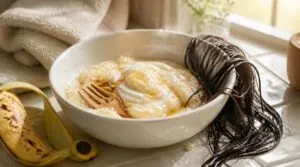
Got a spotty banana sitting on your counter? Don’t toss it, mash it. Ripe bananas break down smoothest, and their natural sugars act as humectants, pulling moisture into dry strands.
- Mash until lump-free for even coverage
- Apply post-shampoo for maximum slip and easy detangling
- Add honey or yogurt for extra softness
Rinse thoroughly with lukewarm water—banana bits love to hide, and nobody wants crumbs in their DIY hair mask.
Pumpkin and Honey Mask

Halloween’s favorite gourd isn’t just for pie. Pumpkin puree has natural enzymes that gently exfoliate your scalp, while honey locks in moisture behind it.
| Ingredient | Amount | Job |
|---|---|---|
| Pumpkin puree | 3 tbsp | Exfoliates |
| Honey | 1 tbsp | Moisturizes |
| Mix time | Until smooth | Prevents streaks |
Apply for 10-15 minutes, then rinse until water runs clear—no sticky residue allowed.
Yogurt Softening Mask
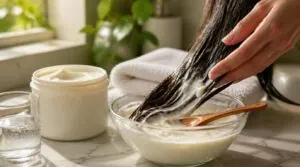
Reach into the fridge for that tub of plain yogurt—it’s a softening powerhouse for dry hair. Lactic acid exfoliation sloughs off buildup, while live cultures and protein create a light barrier that locks in moisture.
Grab full-fat yogurt (2 tbsp), work it through strands, and leave on 8-10 minutes. Rinse with lukewarm water, then moisturize. Simple, soothing, effective.
Strengthening Remedies for Breakage
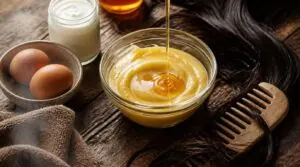
If your hair snaps before it even gets long, breakage is likely the culprit, not just dryness. The good news? Your kitchen has some serious protein-packed fixes waiting to be put to work. Let’s break down five strengthening remedies that’ll have your strands holding tough in no time.
Egg Yolk Protein Mask
Ever notice how eggs hold everything together in baking? They do the same for damaged hair. Egg yolk delivers lecithin, a natural fat that blends oil and water, creating a smooth, emulsified texture that coats strands.
Whisk one yolk, apply to damp hair for 20 minutes, then rinse with cool water. Amino acids leave hair feeling stronger and smoother.
Rice Water Rinse
Rice water works like a starchy spa day for stressed strands. That starch coats each strand, smoothing the surface for better hair texture improvement and easier detangling.
Simmer rice in water 15 minutes, cool, then strain. For extra punch, ferment it 24 hours—the dropping pH boosts amino acid strength and inositol’s conditioning power. Rinse through hair, wait 15 minutes, then wash out.
Coconut Milk Treatment
Ever wonder why coconut milk feels richer than plain water on your strands? It’s the emulsion—coconut flesh blended with water creates fat-rich texture that coats hair, sealing in moisture.
Lauric acid offers antimicrobial support for a calmer scalp, while monolaurin adds extra conditioning punch. Massage in, cover 20 minutes, rinse. Your hair gets natural cleansing without stripping away moisture it desperately needs.
Limit Protein Treatments
More protein isn’t always better—too much and hair turns stiff, straw-like, and snap-happy. Protein overload shows up as brittleness and rough texture, undoing the softness you’re after.
Balance is key:
- Use protein masks once monthly, max
- Watch for stiffness after treatments
- Alternate with moisturizing masks
- Skip if hair already feels hard
- Rinse thoroughly, don’t overdo timing
Focus on Damaged Ends
Your ends take the brunt of daily wear, so they deserve extra love during any treatment. Focus protein masks there, avoiding roots to prevent buildup and limit cuticle abrasion.
| Ends Need | Roots Need |
|---|---|
| Protein + oil | Light rinse |
| Extra time | Minimal contact |
| Sealing | Volume focus |
This targeted approach curbs strand snapping and stops split ends from traveling upward.
Frizz and Shine Repair Rinses

Once your hair feels stronger, it’s time to tackle that frizzy, dull look for good. A good rinse can smooth your cuticle (that’s the outer layer of your hair) and bring back some serious shine. Here are five rinses worth keeping in your back pocket.
Apple Cider Vinegar Rinse
Since your hair sits at a naturally acidic pH (around 4.5-5.5), ACV helps restore balance while smoothing hair cuticles and removing residue.
Mix 1 part apple cider vinegar to 2-3 parts water, apply after shampoo, and rinse thoroughly with warm water. This proper dilution ratio prevents irritation and mitigates that vinegar smell.
Stop if you notice burning or dryness.
Honey Shine Treatment
Honey shine treatment works differently than vinegar, it draws moisture in instead of sealing cuticles shut. Honey’s a natural humectant, pulling water into each strand while trace keratin helps prevent brittle breakage.
Mix 1 tablespoon raw honey with 2 tablespoons warm water, work through damp hair, and let sit 20 minutes before rinsing. Your ends will thank you.
Black Tea Gloss Rinse
Ever notice how tea stains your favorite mug? That same tannin cuticle smoothing works on hair, flattening strands for serious shine.
Brew it strong enough to tint the water dark, cool it, then rinse through clean, damp hair for a few minutes. The polyphenol surface film also softens texture temporarily.
Heads up: this can add subtle darkening on brown or black hair.
Jojoba Hot Oil Treatment
Jojoba oil isn’t technically an oil, it’s a liquid wax that mimics your scalp’s own sebum. Warm a small amount indirectly (bowl in hot water works great), then massage into your scalp for 5-10 minutes before working through lengths.
Apply pre-wash, let it soak in, then shampoo out. Result? Deep hydration without the greasy buildup.
Aspirin Buildup Rinse
Crush 8 non-enteric aspirin tablets (325 mg each) into 1 cup warm water — that’s your rinse. As it sits, acetylsalicylic acid hydrolysis creates salicylic acid, a gentle exfoliant that dissolves stubborn tablet residue and product buildup on your scalp.
Pour it through clean, damp hair, let it sit 2-3 minutes, then rinse thoroughly. Never swallow — this rinse is strictly topical.
Top 5 Dry Hair Repair Items
Ready to stock your DIY hair-repair kit but not sure where to start? You don’t need a cabinet full of products, just a handful of trusted staples that actually work. Here are the five items worth keeping on hand.
1. Eat Pretty Seasonal Nutrition Beauty Guide

Great hair doesn’t start in the shower, it starts on your plate. Eat Pretty by Jolene Hart is packed with over 85 beauty-boosting foods, sorted by season, so your diet actually works with what you’re slathering on top.
It breaks down biotin, omega-3s, and antioxidants in plain terms, then pairs them with nearly 20 recipes. Think of it as your beauty pantry cheat sheet, stocking ingredients that strengthen strands from the inside out while your masks handle the outside.
| Best For | Anyone who wants to improve their skin, hair, and nails through diet and is looking for a seasonal, food-first approach to beauty rather than products or treatments. |
|---|---|
| Natural Origin | Research-based |
| Hair Benefit | Diet-based hair health |
| Format | Book, 208 pages |
| Primary Use | Educational guide |
| Certification | N/A |
| Shelf Presence | Gift-worthy |
| Additional Features |
|
- Covers 85 foods and nearly 20 recipes, making it easy to shop and cook with purpose
- Explains the science behind biotin, antioxidants, and omega-3s in simple, approachable language
- Organized by season, so it fits naturally into everyday meal planning
- Published in 2014, so some nutritional research may be outdated
- Focuses on lifestyle and diet only, not medical or dermatological treatments
- Requires consistent effort to prep recipes and follow dietary changes to see results
2. Pure Peppermint Essential Oil
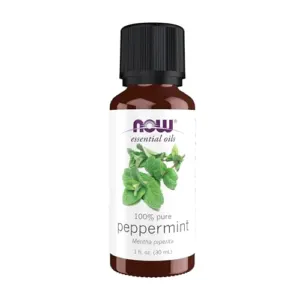
That tingly scalp buzz you feel from mint shampoo? That’s menthol, and this oil is loaded with it. Steam distilled and 100% pure, just a few drops in your mask wakes up circulation and leaves a cooling, refreshed feeling behind.
It’s strong stuff, so always dilute before touching your scalp, and patch test first since sensitive skin can react. Skip applying it neat. A little goes a long way toward a spa-worthy DIY session.
| Best For | Anyone wanting to add a cooling, invigorating mint boost to DIY hair masks, diffusers, or homemade beauty routines. |
|---|---|
| Natural Origin | 100% Pure |
| Hair Benefit | Scalp stimulation |
| Format | 1 oz bottle |
| Primary Use | Aromatherapy/topical |
| Certification | Purity tested |
| Shelf Presence | Child-resistant cap |
| Additional Features |
|
- 100% pure, steam-distilled oil with no dilution fillers
- Delivers a refreshing, circulation-boosting tingle when used in scalp masks
- Vegan formula backed by in-house purity and identity testing
- Highly concentrated, so it must be diluted before skin or scalp use
- Strong minty scent may be too intense for sensitive noses
- Requires a patch test first, adding an extra step before use
3. Raw Extra Virgin Organic Coconut Oil
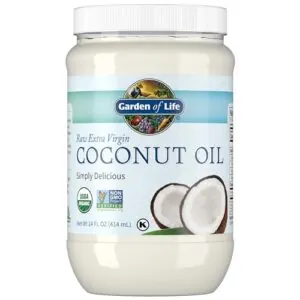
One jar, endless uses: this is the tub that does double duty in your kitchen and your bathroom. It’s cold-pressed and raw, meaning it skips bleaching or deodorizing, so you keep every bit of its natural lauric, caprylic, and capric acids intact.
Solid at room temp? Normal. Just scoop a small amount and warm it between your palms before working it through dry ends. USDA Organic and Non-GMO certified, this 14-ounce jar is a pantry-to-vanity multitasker that pulls its weight in over 27 servings.
| Best For | Anyone who wants a single, versatile jar for cooking, baking, and DIY beauty routines without added chemicals or processing. |
|---|---|
| Natural Origin | Raw & Organic |
| Hair Benefit | Deep conditioning |
| Format | 14 oz jar |
| Primary Use | Cooking & topical |
| Certification | USDA Organic, Non-GMO |
| Shelf Presence | Nutrient-preserving |
| Additional Features |
|
- Cold-pressed and raw, so it retains natural lauric, caprylic, and capric acids
- USDA Organic and Non-GMO Project Verified for added quality assurance
- Doubles as a kitchen staple and a hair or skin moisturizer, offering great value across 27 servings
- Solid at room temperature, requiring a warm-up step before topical use
- Health-related benefits haven’t been evaluated by the FDA
- Single-ingredient formula may not suit those seeking added fragrance or texture enhancers
4. Pompeian Organic Robust Extra Virgin Olive Oil
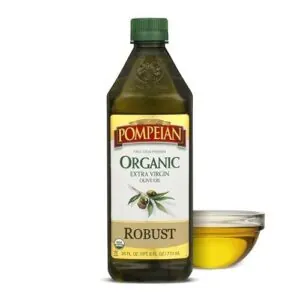
Peppery, grassy, and bold, this oil doesn’t play it safe, and neither should your hair mask. Cold-pressed with naturally occurring polyphenols, it’s USDA Organic, Non-GMO, and Kosher certified.
Warm a tablespoon between your palms and massage it into dry mid-shafts and ends for twenty minutes before rinsing. Its vitamin E content acts as an emollient, sealing moisture into each strand. Just remember: strong flavor means a strong smell, so a light rinse afterward keeps things fresh.
| Best For | This oil is best for home cooks who want a bold, full-flavored, certified-organic extra virgin olive oil for sautéing, dressings, marinades, and finishing dishes. |
|---|---|
| Natural Origin | Organic Certified |
| Hair Benefit | N/A – culinary use |
| Format | 24 fl oz bottle |
| Primary Use | Cooking & finishing |
| Certification | USDA Organic, Kosher |
| Shelf Presence | Authenticity certified |
| Additional Features |
|
- USDA Certified Organic, Non-GMO Project Verified, and Kosher certified, with authenticity backed by the North American Olive Oil Association
- First cold-pressed with naturally occurring polyphenols for a robust, full-bodied flavor
- Naturally gluten-free and non-allergenic, making it a versatile, diet-friendly pantry staple
- Bold, peppery flavor can overpower more delicate recipes
- As a liquid product, it requires careful handling to avoid spills
- Ingredients list is limited to olive oil only, so it’s not suited for recipes needing blended or flavored oils
5. Organic Pumpkin Puree

Yes, the same stuff you carve into jack-o’-lanterns can double as a hair mask. This 100% organic, pureed pumpkin is packed with beta carotene, which your body converts into vitamin A for a healthier scalp.
Mix two tablespoons with a spoonful of honey, apply for 15 minutes, then rinse. The pulp’s fiber helps the mask cling to strands instead of sliding off. Coming in a three-pack of 15-ounce tubs, you’ll have plenty for regular treatments.
| Best For | Home bakers who want a convenient, organic pumpkin puree on hand for pies, pastries, and other baking projects. |
|---|---|
| Natural Origin | 100% Organic |
| Hair Benefit | N/A – culinary use |
| Format | 15 oz x 3 pack |
| Primary Use | Baking ingredient |
| Certification | Organic certified |
| Shelf Presence | Pantry staple |
| Additional Features |
|
- Made with 100% organic ingredients for a clean, trusted pantry staple
- Smooth, pureed texture works well in pie fillings and a variety of baked goods
- Comes as a pack of 3, so you’re stocked up for multiple recipes
- Multi-pack format may be more than needed for occasional bakers
- Requires proper storage once opened
- Fixed 15-ounce containers may not match exact recipe measurements
Maintain Results After Treatment

You did the work, so let’s keep that hair looking good for the long haul. A few small habit changes can stretch your results out for weeks, not days. Here’s what to add to your routine starting today.
Shampoo Less Often
Ever notice your roots stay fresher longer once you stretch out wash days? That’s scalp oil adaptation at work.
Cutting surfactant exposure protects moisture and improves texture retention.
- Skip a day, rinse with water
- Try dry shampoo at the roots
- Watch for buildup
- Clarify occasionally
- Adjust based on your scalp
Balancing cleanliness with hydration is key to real dry hair repair.
Condition Every Wash
Skipping conditioner isn’t an option if you want real repair. Use lukewarm water, work product from mid-lengths to ends, and let it sit a few minutes before rinsing cool. Distribute with fingers or a wide-tooth comb for even coverage. Blot dry afterward, don’t rub. This locks in moisture and keeps strands smooth between DIY treatments.
Conditioner is essential for locking in moisture and keeping hair smooth—never skip it if you want lasting repair
Sleep on Silk
Swap cotton for silk, and your pillow stops fighting your hair care routine. Cotton grabs at strands and creates friction all night, undoing what your mask just fixed.
Silk lets hair glide instead of snag, cutting down on tangles and split ends. It also wicks moisture and regulates temperature, so hair stays hydrated, not dried out by a hot, sweaty pillow. Bonus: it’s hypoallergenic, so your scalp stays calmer too.
Reduce Heat Styling
Once your hair’s gliding on silk, don’t let heat tools undo all that hydration. Stick to low heat settings, work with dry hair, and speed up styling by sectioning. Always use a heat protectant before blow-drying or flat ironing.
Pairing your heat protectant with one of the best hair styling products for women helps your style hold longer, whether you’re working with fine or thick strands.
Let hair air dry whenever you can, and finish with a cool shot to lock in shine and prevent breakage.
Eat Hair-healthy Foods
Power up your results by eating for healthy strands. Aim for fatty fish—think salmon or mackerel—for omega-3s, which keep your scalp comfy and your hair shiny.
Snack on berries and peppers for vitamin C to help build collagen.
Lean on quinoa and oats for protein and minerals, and don’t skimp on vitamin D from sardines or eggs.
Frequently Asked Questions (FAQs)
What is the best home remedy for extremely dry hair?
For extremely dry hair, a coconut oil pre-wash treatment works wonders. Apply coconut oil to the lengths and ends, leave it for 30–60 minutes, then rinse. This method deeply hydrates, improves texture, and helps retain moisture.
How to fix dry, damaged hair naturally?
Picture someone rinsing their hair with rice water for cuticle repair, eating salmon for essential nutrients, and sleeping on silk. Fix dry, damaged hair naturally with DIY masks, scalp microbiome care, mineral buildup solutions, and natural color alternatives.
How do you bring dry, damaged hair back to life?
To bring dry, damaged hair back to life, start by using natural oil masks like coconut or avocado for deep moisture, limit protein treatments to once a month, clarify buildup, and prioritize scalp health for lasting hydration retention.
How do I rehydrate my dry hair?
They say, “You can’t pour from an empty cup,” and it’s true for your hair. Start with damp strands, use lukewarm water, apply a DIY mask, and seal moisture in with a light oil.
What is the best home remedy for dry damaged hair?
The best home remedy is a coconut oil mask, since lauric acid penetrates deeply to boost elasticity and seal moisture. For protein, try an egg yolk treatment monthly. Pair these with dietary biotin and omega-3s for lasting repair.
How to quickly repair dry hair?
For a fast fix, warm coconut or olive oil, apply to damp ends, and wrap in a warm towel for 15–20 minutes. This boosts moisture sealing and softness without weighing hair down.
How often should I apply natural oils to dry hair?
Think of oil like a candle flame on dry strands, warming and softening what’s brittle. Apply 2 to 3 times weekly for dry hair, adjusting by hair type and scalp oiliness, always focusing on ends over roots to prevent buildup.
Are there any home remedies for dry scalp treatment?
Yes—your scalp deserves love too. Try a coconut oil massage or aloe vera application left on 20-30 minutes, or dilute tea tree in a carrier oil mix. Always rinse with lukewarm water for lasting scalp health.
Can I leave hair masks on dry hair overnight?
Sure, sleep in a swimming pool while you’re at it—only if the mask is truly leave-on friendly. Moisturizing formulas suit overnight use; protein-heavy or clay masks risk brittleness or dryness. Check porosity, patch test, and protect your pillowcase with silk.
How long does it take to repair severely dry hair?
Severely dry hair usually needs 6 to 12 months for real repair, since growth replaces damage—it can’t reverse overnight. Staying consistent with masks and trims keeps breakage down, though full recovery for extreme cases can stretch to 1-2 years.
Conclusion
Think of your hair like a garden after a drought—crack the soil open, and nothing grows. Water it right, and roots come back strong. That’s the heart of diy home remedies for dry hair repair: small, consistent care instead of one big fix.
Coconut oil, honey, rice water—these aren’t magic, they’re daily nourishment. Skip a step, and dryness creeps back. Stick with it, and your hair rewards you with real, lasting shine. Your kitchen shelf just became your best beauty tool.