This site is supported by our readers. We may earn a commission, at no cost to you, if you purchase through links. This content is for general informational and educational purposes only and is not a substitute for professional medical, dermatological, or nutritional advice.

That jar of henna sitting in your cabinet since last summer? It’s not the same powder you bought. Lawsone, the molecule responsible for henna’s rich color, breaks down over time, especially once heat and moisture get involved.
So does henna expire? Yes—both powder and paste lose potency, just on different timelines. Unopened powder can hold strong for 2 to 3 years, but mixed paste starts fading within 48 hours at room temperature.
Knowing the difference saves you from a disappointing, patchy stain.
Table Of Contents
- Key Takeaways
- Does Henna Expire? Yes—Powder and Paste Lose Potency
- How Long Does Henna Last?
- Signs Your Henna Has Expired
- Is Expired Henna Safe to Use?
- How to Store Henna So It Lasts Longer
- Frequently Asked Questions (FAQs)
- How long does henna last in the freezer?
- How long does henna paste last?
- Does henna go bad?
- Do henna cones expire?
- How do you know if henna is expired?
- What happens if I use old henna?
- Is henna still good after 2 years?
- How do I know if my henna is bad?
- Does henna expire if unopened and sealed properly?
- Can you refresh old henna paste with water or liquid?
- Conclusion
Key Takeaways
- Unopened henna powder stays potent for 2-3 years if kept cool and dry, but mixed paste starts losing strength within just 24-48 hours at room temperature.
- Freezing paste in single-use portions at -18°C is your best bet for long-term storage, keeping it usable for 3-4 months without the quality loss that comes from repeated thawing.
- Trust your senses over the calendar: a sour or musty smell, dull gray color, or lumpy texture all signal it’s time to toss your henna.
- Old henna won’t just give you a weak, patchy stain, it can also harbor bacteria and mold, so always patch-test before applying and store everything in airtight, moisture-proof containers.
Does Henna Expire? Yes—Powder and Paste Lose Potency
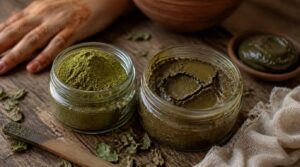
So does henna actually expire? Yes, and both the powder and the paste lose strength over time, just on different timelines. Here’s what changes as they age, and why it matters for your stain.
Unopened powder typically holds its dyeing power for one to three years if kept cool and dry, so it’s worth checking how many ounces of henna powder you’ll need for shoulder-length hair before stocking up.
Henna Powder Shelf Life
Left sealed and dry, henna powder stays potent for 2 to 3 years, though opened jars fade faster—use within 6 to 12 months. Heat above 28°C and moisture speed up lawsone breakdown, causing color fading.
- Store below 25°C
- Use airtight containers
- Keep dark and dry
- Avoid refrigerator condensation
Proper storage conditions greatly extend henna’s usability, especially when kept in a cool, dark place to prevent lawsone degradation.
Henna Paste Shelf Life
Powder keeps for years, but once you mix it with liquid, the clock speeds up fast. Room-temperature paste turns unusable within 12 to 48 hours as oxidation and moisture loss set in.
Refrigerator storage in airtight containers stretches that to 5-7 days. Freezing single-use portions preserves paste 3-4 months—just don’t refreeze thawed paste, since repeated cycles invite microbial contamination and weaker dye.
Lawsone Dye Breakdown
So what’s actually happening chemically while that paste sits around? Lawsone ring cleavage is the culprit. Microbial lawsone degradation converts the dye into salicylic acid and catechol byproducts, while photochemical dye breakdown from sunlight generates reactive oxygen species. Both processes disrupt the chromophore, causing oxidative degradation, weaker dye release, and poor color intensity retention—especially between 25-30°C.
Opened Versus Unopened Henna
Once that seal breaks, the clock speeds up. Unopened powder can hold potency for 2 to 5 years, but opened powder needs use within 6 to 12 months.
Paste follows the same pattern: sealed paste stays viable for years, while opened paste turns risky after 1 to 3 months, inviting mold and microbial contamination if left loose.
Natural Versus Premade Henna
Since additives change the equation, premade henna and natural henna age differently. Pure powder relies on lawsone content alone, degrading predictably with heat and moisture.
Premade mixes with preservatives or metallic salts may resist spoilage longer but risk PPD-driven allergic reactions. Natural henna stains muted red-brown, deepening gradually; premade delivers bolder, inconsistent color. Skin reactions run higher with synthetic additives, so patch-test both before committing.
How Long Does Henna Last?
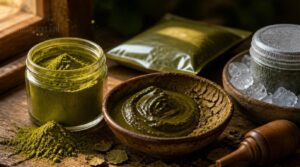
So how long does your henna actually have before it loses its power? The answer depends on whether it’s powder or paste, opened or sealed, sitting on a shelf or tucked in the freezer. Here’s what to expect at each stage.
Unopened Powder Longevity
An unopened bag can outlast your patience for using it—up to 12-24 months when kept cool, dry, and away from sunlight.
Once you’ve waited out that shelf life, timing matters just as much with your strands—check out this guide on when it’s safe to curl hair after a keratin treatment before reaching for hot tools.
- Airtight packaging blocks moisture intrusion, the top cause of potency loss
- Pure henna (no oils or fats) resists spoilage longer
- Intact seals slow oxidation and color fading
Store smart now, thank yourself later.
Opened Powder Freshness
Cracking that seal starts a clock. Air rushes in, oxidation speeds up, and lawsone begins fading within weeks.
Reseal within an hour of each use to slow the damage. Toss in a silica packet—clumping happens fast once humidity above 60% sneaks in.
Keep it dark and dry. A sour or fishy smell means bacteria won, and it’s time to discard.
Room Temperature Paste
Mixed paste on the counter is already on borrowed time. Oxidation kicks in fast at room temp, and dye strength drops noticeably after 24 hours, spoiled within 48.
Watch for texture separation—liquid pooling from solids—and any sour or musty odor. Trust your nose during sensory evaluation. Always keep paste in an airtight container, away from heat and sun, to slow degradation while it lasts.
Refrigerated Henna Paste
Want more time? The fridge buys it. Refrigeration at 1 to 4°C slows oxidation, stretching usable paste to 5-7 days, sometimes longer if untouched.
Keep it in an airtight, non-metallic container—glass or BPA-free plastic only. Dye release turns gradual, not rushed, giving steadier stains. Run your usual texture assessment and olfactory freshness test before applying; sour smell or graininess means toss it.
Frozen Henna Paste
Freezing is your best long-game move. At −18°C, paste holds for 3 to 4 months, staying usable 6-12 hours after slow thaw.
Portion into 4-6 oz airtight blocks first—never refreeze. Thawed texture may turn slightly grainy; remix gently.
Skip sunlight while thawing, patch test after, and discard anything smelling sour.
Signs Your Henna Has Expired
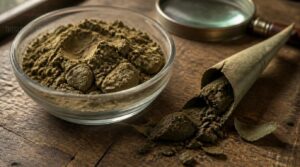
Not sure if your henna’s still good? Your senses will tell you before any date on a label does. Here’s what to look, sniff, and feel for.
Dull Brown or Gray Color
Fresh henna sits at a vivid green-brown on the color spectrum. Once it slides toward dull brown gray, that’s oxidative degradation talking, lawsone breaking down fast. Think weathered wood or dried earth: natural materials fade this way too.
A quick visual inspection protocol—checking color changes before mixing—saves you from a disappointing, weak stain later.
Sour or Musty Smell
Color tells one story, your nose tells another. A sour or musty smell signals bacterial growth, sometimes Staph aureus, moving in as shelf life ends.
- Fishy, sour notes replace earthy, grassy scent
- Musty smell suggests moisture and microbial growth
- Off notes like eucalyptus or cloves signal spoilage
Trust that smell test. Dilute odors mean weak dye and real skin risk.
Lumpy or Separated Texture
Smell’s one clue. Touch is another—run your fingers through the paste and feel for trouble.
Fresh henna stays smooth. Expired paste turns grainy or separates into layers, a sign powder and liquid never emulsified properly, often from rushed stirring, wrong water ratios, or reactive metal containers. Clumps mean patchy color ahead, with pigment clustering unevenly instead of releasing consistently.
Weak Dye Release
Texture tells you something’s wrong; dye release tells you how wrong. Weak release happens when lawsone concentration drops too low to bind keratin properly.
Three culprits usually blame:
- Oxidized, aged powder
- Poor paste pH balance
- Coarse particle size slowing diffusion
Cold mixing water and essential oil additives compound the problem, blocking dye from ever reaching your skin.
Faint or Uneven Stain
Once dye release weakens, staining goes patchy fast—expect 300% lighter results with visible unevenness. Think uneven pressure while applying, inconsistent tool contact, or rushing before edges dry.
Wood-staining pros know the fix: control pressure, keep a wet edge, manage humidity. Same logic applies here.
Degraded henna simply can’t compensate for technique, so faint, blotchy stains often confirm expired paste, not application error.
Is Expired Henna Safe to Use?
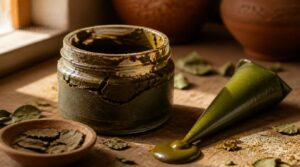
So your henna’s showing its age—can you still use it? Sometimes, but not without trade-offs, and a few of them matter more than others. Here’s what actually happens when you reach for that old batch anyway.
Weak Hair Color Results
Expired henna won’t burn your scalp, but it will disappoint you: stains turn 300% lighter as lawsone breaks down. Add high porosity, hard water minerals, or leftover chemical residue from past treatments, and you get patchy, uneven pigmentation instead of rich color.
Weak processing plus poor technique just compounds the fade—so freshness matters as much as application.
Skin Irritation Risks
Fading color isn’t the only worry—old henna can genuinely bite back. Oxidation byproducts irritate skin more aggressively than fresh lawsone. Watch for "black henna" cones with PPD, a coal-tar additive causing burns in 1 of 40 users.
Preservatives cause independent sensitivity, and prior hair-dye allergies trigger cross-reactivity. Temperature swings form crystalline irritants too. Always patch test; choose allergenfree formulations when possible.
Microbial Contamination Concerns
Old henna doesn’t just fade—it can turn into a petri dish. Testing has found bacterial counts up to 57,000 CFU/g in commercial batches, with Staphylococcus aureus showing up in 44% of samples and Pseudomonas in over 20%. Fungal spores, including Aspergillus, survive drying and reactivate once moisture returns.
Old henna can turn into a petri dish, with bacterial counts reaching 57,000 CFU/g in commercial batches
Risks include:
- Folliculitis from bacterial buildup
- Fungal infections in broken skin
- Contamination worsened by humidity above 60%
Prevention’s simple: buy from certified producers, store paste properly, and toss anything smelling off or clumping strangely.
Premade Cone Safety
Premade cones bring their own trouble. Check seal integrity before buying—damaged tips invite contamination. Never share cones between clients; that’s cross-contamination waiting to happen. If you’re pairing cone application with scalp treatments, applying the same careful evaluation to ingredients matters, so consider this guide to choosing the right hair growth serum for your hair type before combining products.
| Do | Don’t |
|---|---|
| Freezer storage | Room heat exposure |
| Patch testing first | Skip allergen labels |
| Airtight resealing | Reuse compromised tips |
| Texture assessment method | Ignore separation |
When to Throw It Away
So when’s the real cutoff? Trust your senses over the calendar.
Toss powder or paste showing a moldy smell, gray color, or gritty texture changes.
Brow henna gets 6 months after opening; mixed paste, 2 days refrigerated.
Failed the thawed refrozen paste test? Discard it.
Wet spoon contamination or heat spoilage speeds this up—when in doubt, throw it out.
How to Store Henna So It Lasts Longer
Good henna doesn’t happen by accident, it happens because you store it right. A few small habits stand between you and a jar of dull, disappointing paste. Here’s exactly what to get in place.
Airtight Container Storage
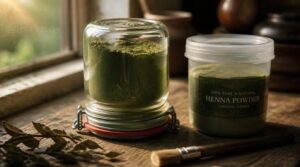
Seal quality makes or breaks your henna’s shelf life. Choose glass or HDPE containers with intact gaskets; test seal integrity by flipping the jar upside down—no leaks, no air whistling.
Pick container size to match your stock, minimizing air space. A tight seal blocks moisture and oxygen, slowing oxidation and preserving lawsone content for months longer.
Cool Dark Storage Spots
A tight seal only works if the spot around it stays stable. Where you put that jar matters just as much as the container itself.
- Dark cupboard away from stove heat
- Pantry shelf, back corner, away from light
- Closet storage in a cool interior room
- Basement storage for stable, low temps
- Fridge drawer for opened powder
Humidity and Heat Control
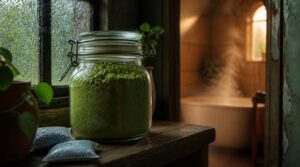
A cool spot isn’t enough if moisture creeps in. Humidity above 60% causes clumping and cuts stain intensity by 40%, while temperature above 28°C speeds lawsone breakdown fast.
Drop a few silica packets in with your powder. Keep containers airtight, ventilate damp bathrooms or kitchens, and hold that temperature humidity balance steady for real staining power later.
Freezing Single-Use Portions
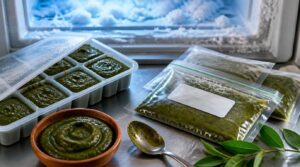
Got extra paste? The freezing process buys real time. Portion henna into single-use portions, seal each in an airtight container or lay-flat bag, and freeze at −18°C for 3–4 months.
Thaw only one portion at a time, stir well, and skip refreezing. That habit protects paste quality and avoids the texture breakdown repeated thawing causes.
Labeling Dates After Opening
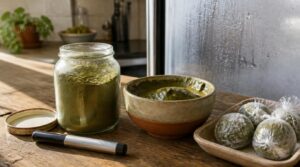
A single date scrawled on the lid solves more trouble than you’d think. Mark the day you open each container with a permanent marker, since open life differs from the sealed expiry date.
- Powder: 2–3 months once opened
- Fresh paste: 2–3 days, refrigerated
- Frozen portions: log freeze date separately
- Recheck scent and color weekly
Shelf life tracking beats guessing every time.
Frequently Asked Questions (FAQs)
How long does henna last in the freezer?
Room temperature spells trouble within hours; your freezer buys months. Stored in airtight containers at -18°C, paste lasts up to six months. Freeze single-use portions, thaw once within 24 hours, and skip refreezing to protect lawsone potency.
How long does henna paste last?
Mixed paste peaks 8–12 hours in, then fades fast: room temp degradation hits within 24–48 hours. Refrigeration stretches usability to 5–7 days; freezing in airtight containers holds it 3–4 months, guarding against oxidation and moisture above 28°C.
Does henna go bad?
Yes, henna goes bad. Powder oxidizes, paste ferments—both lose lawsone potency over time.
Watch for sour smells, dull gray color, or clumping texture. Storage conditions and moisture exposure determine whether your henna stains beautifully or disappoints entirely.
Do henna cones expire?
Cones definitely expire. Check the printed expiration date, keep unopened cones sealed and cool, and once opened, refrigerate or freeze single-use portions—airtight sealing and humidity control slow potency loss and dye degradation a lot.
How do you know if henna is expired?
Your henna will practically shout at you when it’s done: think dull, ashy paste instead of rich green powder. Watch for color shift, musty odor, lumpy texture, weak dye release, and faint stains—clear degradation markers signaling it’s trash-bound.
What happens if I use old henna?
Old henna risks weak, faded stains from oxidized lawsone, plus gritty texture and poor dye release. Worse, bacterial growth raises allergic dermatitis and infection odds—disappointing results and real skin trouble, especially past 18 months of storage.
Is henna still good after 2 years?
Think of it like fine wine turning to vinegar. Properly sealed powder can stay usable near two years, but oxidation and moisture speed decline—run a scent change detection and stain strength test before trusting it on skin.
How do I know if my henna is bad?
Trust your senses. Run a color check, odor check, and texture test: dull gray tint, sour smell, or lumps mean trouble. Weak dye release and faint stain strength confirm it—fresh henna darkens; degraded batches stay disappointingly orange.
Does henna expire if unopened and sealed properly?
Sealed like a time capsule, your powder can hold strong for years. Unopened, properly sealed henna powder stays potent 3–5 years in cool, dry storage—but lawsone dye breakdown creeps in slowly, so check for fading color before applying.
Can you refresh old henna paste with water or liquid?
Water restores texture, not potency. Lawsone has already broken down through oxidation, so refreshed paste stains lighter and less evenly. Always patch-test first, and check for sour odor or grainy texture before applying—signs it’s better tossed than trusted.
Conclusion
Henna doesn’t ghost you overnight, but it fades quietly on its own clock. So does henna expire? Yes, and treating it like fresh spice, not pantry dust, makes the difference between a bold stain and a disappointing smudge.
Powder rewards patience; paste demands speed. Check the color, sniff for sourness, trust your eyes before your skin. Store it cold, dark, and sealed, mix small batches, and every application will earn the color you paid for.