This site is supported by our readers. We may earn a commission, at no cost to you, if you purchase through links.
You’ve probably heard it from a friend, read it online, or even considered trying it yourself—the idea that shaving your head will make your hair grow back thicker, darker, and faster. It’s one of those persistent beliefs that refuses to die, passed down through generations like an urban legend.
But here’s the truth: your razor has zero influence on what’s happening beneath your scalp. Hair follicles sit millimeters below the surface, completely untouched by your blade, operating on a predetermined genetic schedule that shaving can’t override.
What you’re actually experiencing after a fresh shave is an optical illusion—blunt tips and uniform length creating the appearance of thickness that was always there.
Table Of Contents
- Key Takeaways
- Does Shaving Your Head Increase Hair Growth?
- How Hair Grows: The Scientific Facts
- Common Myths About Shaving and Hair Growth
- Real Effects of Shaving Your Head
- Proven Ways to Support Healthy Hair Growth
- Frequently Asked Questions (FAQs)
- Is shaving your head good for hair growth?
- Should I shave my head if my hair is thinning?
- Will my hair grow straight if I shave it?
- How often should you shave your head?
- Does a shaved head affect hair growth?
- What can one do to improve hair growth?
- Does shaving make hair grow faster?
- What are the benefits of shaving ones head?
- How can one prevent scalp irritation after shaving?
- Are there specific tools recommended for head shaving?
- Conclusion
Key Takeaways
- Shaving your head does not increase hair growth rate or thickness—it only cuts the visible shaft while hair follicles beneath your skin continue operating on their genetically predetermined schedule of roughly 1.0 to 1.3 centimeters monthly.
- The illusion of thicker, faster regrowth after shaving comes from blunt-cut tips that reflect more light and uniform length that eliminates visible gaps, not from any actual change in follicle activity or hair density.
- Real hair growth depends on follicle health driven by nutrition (adequate protein, iron, biotin), hormonal balance, scalp circulation, and stress management—factors that razors cannot touch or influence.
- If you are experiencing hair loss exceeding 100 strands daily, patchy bald spots, or persistent scalp inflammation, skip the razor myths and consult a dermatologist for evidence-based treatments that address the root cause.
Does Shaving Your Head Increase Hair Growth?
Why does everyone believe shaving triggers faster hair growth? Simple: it doesn’t. Shaving removes only the visible hair shaft above your skin—it never touches the follicle health below, where actual hair regrowth originates. The root remains safely tucked beneath the surface, completely unaffected by your razor’s path.
Many people also worry about shaving sensitive areas, but proper technique for shaving your butt can minimize irritation without changing how hair grows back.
Shaving doesn’t boost hair growth—it only cuts the visible shaft while the follicle beneath your skin remains completely untouched
Here’s the truth about growth stimulation: it doesn’t happen from shaving. Your follicles produce new hair at a genetically predetermined rate, roughly 1.0 to 1.3 centimeters monthly. No amount of shaving techniques will accelerate that baseline speed.
So why does fresh growth feel different? After you shave your head, all hairs regrow simultaneously with blunt tips. This creates an illusion of thicker hair and fuller coverage. But those hair regrowth patterns aren’t actually denser—they’re just uniform in length and texture.
Scalp conditions might improve with better hygiene post-shave, but that’s about cleanliness, not follicle manipulation. Bottom line: shaving won’t increase hair growth, period.
How Hair Grows: The Scientific Facts
Before you decide whether shaving will jumpstart your hair growth, you need to understand what’s actually happening beneath your scalp.
Hair doesn’t grow randomly—it follows a precise biological process that operates on its own timeline.
Let’s break down the science so you can separate fact from fiction.
The Hair Growth Cycle Explained
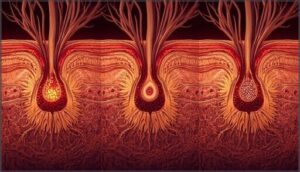
Your hair growth cycle runs on its own schedule, not yours. Each follicle cycles through three growth phases—anagen (active growth) lasting 2–7 years, catagen (a brief 2–3 week shutdown), and telogen (a 3–4 month rest before shedding).
This cycle drives hair growth patterns and determines texture, length, and regrowth timing. Cell regeneration happens deep in the follicle, independent of what’s happening at the surface.
Role of Hair Follicles and Roots
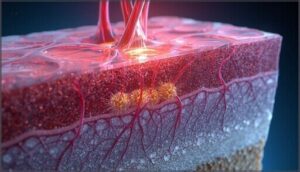
Beneath your scalp, hair follicles and roots run the show—your personal growth factories working 24/7. The dermal papilla delivers nutrients through blood vessels, while matrix cells in the hair bulb multiply and harden into the shaft you see.
Regular scalp massage benefits for hair include improved circulation to the dermal papilla, which can stimulate dormant follicles and support stronger growth.
Root health depends on this microanatomy: stem cells in the bulge area regenerate follicles, and sebaceous glands keep everything lubricated. Trichology confirms what matters most:
- Blood flow fuels cell regeneration at the root
- Follicle structure dictates growth patterns and texture
- Hormones reshape follicles and hair type
- The pilosebaceous unit integrates muscle, gland, and follicle
- Protective care maintains your follicle microenvironment
Shaving won’t touch these deep processes—hair regrowth starts where razors can’t reach. For more on how hair follicles determine growth, see the latest research.
Factors Influencing Hair Growth Rate

Your follicle performance depends on far more than genetics. Hormonal balance—androgens, thyroid, estrogen—sets the pace, while nutrient deficiency (iron, biotin, protein) can stall hair regrowth entirely.
Scalp circulation delivers oxygen your hair follicle needs; environmental factors like UV and pollutants damage cuticles. Genetic predisposition determines your baseline hair growth rate, but lifestyle tweaks—nutrition, stress management—enable better hair growth techniques without a single shave.
For a deeper look at these influences, see how a balanced diet and vitamin intake contribute to healthy hair growth.
Common Myths About Shaving and Hair Growth

You’ve probably heard the old claim that shaving makes hair grow back thicker and faster. It’s one of those things that sounds logical—until you look at what’s actually happening beneath your scalp.
Let’s break down the most persistent myths and see what the science really says.
Why Hair Appears Thicker After Shaving
You’ve probably noticed your hair looks thicker after shaving—but it’s all smoke and mirrors. Here’s what’s really happening:
- Hair Edge Perception: Razor-trimmed blunt tips reflect more light, making regrowth appear denser than it actually is
- Cuticle Exposure: Cut edges feel stiffer to touch, creating a temporary illusion of thickness
- Uniform Length: Even baseline growth minimizes visible gaps between hairs, enhancing the density illusion
Shaving doesn’t alter your hair growth rate or follicle count—it just changes how your scalp visibility and hair appearance register to your eye.
Shaving Vs. Hair Follicle Health
Shaving doesn’t damage hair follicles—they’re too deep under your scalp for a razor to reach. Poor shaving techniques, however, can trigger scalp irritation and folliculitis, an inflammation that disrupts regrowth temporarily.
Proper follicle care means using a sharp blade with gentle strokes to minimize trauma. Think of your follicles as underground factories: surface-level shaving won’t shut them down, but harsh treatment can slow production.
Hair Growth Rate Misconceptions
Impatience fuels the biggest hair growth myth: that shaving accelerates regrowth. Your scalp hair grows 1.2 to 1.7 centimeters monthly regardless of razors.
Shaving won’t alter growth patterns, follicle health, or hormonal balance. Hair thickness appears different post-shave due to blunt tips, not faster cycles.
Scalp conditions and hair loss stem from deeper issues—not surface-level hair regrowth mechanics.
Real Effects of Shaving Your Head
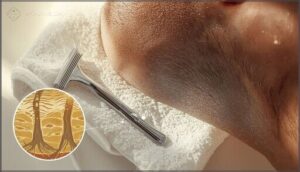
So you’ve grabbed the razor and gone for it—now what actually happens? Shaving your head won’t turbocharge your follicles, but it does trigger some real changes you’ll notice right away.
Let’s break down what you can expect from your scalp, your hair texture, and your daily routine after you make the cut.
Changes in Hair Texture and Appearance
You’ll notice right away that your hair feels different after a razor touches your scalp. The blunt tips create stiffer regrowth—that’s texture changes you can feel for two to six weeks.
Hair density looks fuller during early regrowth cycles because short stubble eliminates visible gaps. Color variations also pop up as sun exposure lightens tips faster than protected longer strands. Scalp sensitivity spikes temporarily too.
Scalp Health and Maintenance Post-Shave
Your scalp becomes a fresh canvas demanding different care after a razor pass. Cleanse daily with a sulfate-free wash to clear sweat and oil without stripping moisture—lukewarm water prevents drying.
Exfoliate once or twice weekly to stop dead skin buildup and support hair follicle health. Moisturize immediately post-shave with ceramide-rich products, then slap on broad-spectrum sunscreen before heading outdoors. That’s scalp care reimagined.
Benefits and Drawbacks of Head Shaving
Choosing a shaved look comes with tradeoffs worth weighing before you commit. Here’s what you’ll gain—and lose:
- Time savings: Skip styling and cuts, reclaiming minutes daily for what matters.
- Scalp sensitivity risks: Frequent shaving techniques irritate skin, especially without proper skin protection.
- Sun exposure: UV damage accelerates without hair coverage—sunscreen becomes non-negotiable.
- Simplified grooming habits: Less product, fewer decisions, total control.
- Visible hair regrowth phases: Patchy stages test patience during shaving and hair regrowth cycles.
Proven Ways to Support Healthy Hair Growth

Now that you know shaving won’t magically speed up your hair growth, let’s talk about what actually works. Your follicles respond to real interventions—not razor tricks.
Here are three science-backed strategies that give your hair the best shot at growing strong and healthy.
Nutrition and Scalp Care
Your follicles thrive on real fuel, not miracle serums. Scalp nutrition starts with adequate protein (about 0.8 g per kg of your body weight daily) to build strong keratin fibers.
Add omega balance through fatty fish or supplements, iron-rich leafy greens, and hydration tips like drinking water consistently. Dietary changes beat empty promises.
Hair supplements like biotin or vitamin D can help when your diet falls short, supporting genuine hair health from within.
Managing Stress and Hormonal Factors
Your stress hormones, especially cortisol balance, wield surprising power over your hair growth strategies. Chronic stress can push follicles into extended shedding phases, while thyroid function irregularities quietly sabotage hair health and wellness.
Mindful practices like meditation and consistent sleep actively stabilize these hormonal swings. For androgenetic alopecia or persistent hair loss, hormone therapy under professional guidance might become your hair restoration breakthrough.
When to Seek Professional Advice
If hair shedding exceeds 100 strands daily or you spot patchy bald areas, that’s your hair loss warning. Scalp inflammation, burning, or persistent redness demands medical evaluation—fast.
A dermatology consultation or trichologist visit clarifies whether you’re facing alopecia, hormonal imbalance, or scalp issues requiring professional guidance. Don’t wait six months hoping for improvement. Early hair restoration intervention makes all the difference.
Frequently Asked Questions (FAQs)
Is shaving your head good for hair growth?
No. Shaving your head won’t accelerate hair growth or restore hair loss—that’s pure myth.
What it does do: creates the illusion of thicker regrowth through blunt-cut ends, while your follicles continue their normal rhythm unchanged.
Should I shave my head if my hair is thinning?
You can shave if it gives you control over thinning hair’s appearance and simplifies routines.
But shaving won’t reverse hair loss or stimulate regrowth—consider proven solutions and treatments instead.
Will my hair grow straight if I shave it?
No. Your follicle orientation and scalp geometry determine hair straightness, not shaving.
Genetics set your curl pattern—trimming the hair shaft won’t alter follicle biology or regrowth texture, though blunt ends may feel different temporarily.
How often should you shave your head?
Most folks find their ideal schedule ranges from every three to seven days based on personal preference and skin sensitivity.
Razor care matters—sharp blades and proper shaving techniques prevent irritation during regular head shaving sessions.
Does a shaved head affect hair growth?
No—your follicle health keeps cycling through growth phases on their own schedule.
Shaving doesn’t alter growth cycles, or hair thickness. What changes is texture and appearance during regrowth, not actual hair growth rate.
What can one do to improve hair growth?
You can boost hair growth through diet planning rich in protein and iron, scalp massage to improve circulation, and hair oils or growth serums.
For persistent hair loss prevention, consult a dermatologist about hair restoration options.
Does shaving make hair grow faster?
No—shaving cuts the hair shaft, not the root. Your follicles control growth speed, averaging 3 to 5 millimeters daily. Shaving myths persist, but follicle health and growth patterns remain unchanged.
What are the benefits of shaving ones head?
You’ll enjoy real perks with a shaved head: simpler grooming saves time and money, a cooler scalp in heat, plus many people feel more confident and authentic embracing the bold look.
How can one prevent scalp irritation after shaving?
You need a sharp blade, gentle technique, and smart post-shave care. Rinse with cool water, apply alcohol-free soothing products, and moisturize daily to prevent razor burn and ingrown hairs.
Are there specific tools recommended for head shaving?
You don’t need a dozen gadgets. Electric shavers with pivoting heads and wet-dry capability give cleaner passes than safety razors.
Pair them with quality shaving cream, keep blades sharp, and you’re set.
Conclusion
Your razor is just a surface-level tool—it can’t rewrite the genetic code running your hair follicles like a predetermined program. The myth that shaving your head increases hair growth crumbles under scientific scrutiny.
What changes is perception, not biology. If you want genuine results, shift your focus to proven strategies: nutrient-rich foods, scalp care, stress management, and professional guidance when needed. Your follicles respond to health, not blades.