This site is supported by our readers. We may earn a commission, at no cost to you, if you purchase through links. This content is for general informational and educational purposes only and is not a substitute for professional medical, dermatological, or nutritional advice.

Your moisturizer might be doing half the job. Hyaluronic acid pulls water in, glycerin keeps pulling when the air turns dry, and ceramides seal it all so nothing escapes by noon.
Most people grab one product and wonder why their cheeks still feel tight by lunch. The truth is that gentle skin hydration methods work differently, and the wrong match for your skin can leave you shiny and flaky at once. A gel that saves oily skin in July can fail dry skin in January.
Here’s how each option compares, so you can build a routine that fits your skin and holds up all day.
Table Of Contents
- Key Takeaways
- Hyaluronic Acid Vs Glycerin Vs Ceramides: Which Hydrates Best
- Gel Vs Cream Vs Toner: Matching Hydration Products to Skin Type
- Humectants, Emollients, and Occlusives: How to Layer for Maximum Moisture
- Daily Routine Vs Occasional Hydration: Why Consistency and Timing Matter
- Dermatologist-Backed Fixes for Dehydrated Skin and a Weak Barrier
- Frequently Asked Questions (FAQs)
- What is the most hydrating thing to put on your skin?
- What is the most effective hydration method?
- What is the Korean 7 skin method?
- Should you rub in moisturizer or let it sit?
- What is the best form of hydration for your skin?
- What is the best hydrating skin treatment?
- What hydrates the skin the most naturally?
- How often should gentle hydration be applied?
- Can sensitive skin use multiple hydrating products?
- What causes skin to lose moisture overnight?
- Conclusion
Key Takeaways
- You’ll get the best hydration by pairing a humectant like glycerin or hyaluronic acid, which draws water in, with ceramides, which keep it there.
- You should match texture to your skin and climate, choosing lightweight gels for oily skin and humid weather, and rich creams for dry or flaky skin and cold air.
- You’ll lock in moisture best by layering in order, applying a humectant serum to damp skin, then a cream, and adding an occlusive like petrolatum only when you need it, since it can aggravate acne-prone skin.
- You’ll only see lasting results if you moisturize twice daily, within minutes of washing, because occasional hydration gives a short boost that fades.
Hyaluronic Acid Vs Glycerin Vs Ceramides: Which Hydrates Best
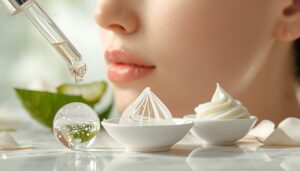
How do you pick between three hydration ingredients? Start by knowing what each one actually does.
If your skin feels tight or flaky no matter what you apply, these facial care tips for dry skin conditions can help you match the right ingredient to your skin’s needs.
Hyaluronic acid serums give you instant plumping. High molecular weight versions sit on the surface and soften it right away, while low molecular weight ones sink deeper. Molecular weight, measured in kilodaltons, sets hyaluronic acid’s penetration depth, with anything over 1,000 kDa staying on the surface and anything under 500 kDa reaching deeper layers. Look for a mix of both.
Glycerin is the workhorse. In direct clinical comparisons, it’s the most effective single humectant, and it keeps working even when the air is dry.
Ceramides play a different game. They make up about half of your skin’s lipid matrix, so they handle skin barrier repair and lock water in. That’s real moisture retention.
Pair a humectant with ceramides. One draws water in, the other keeps it there. Neither one shines alone.
Pair a humectant with ceramides, because one pulls water in while the other keeps it there
Gel Vs Cream Vs Toner: Matching Hydration Products to Skin Type
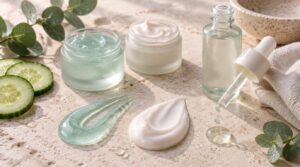
Now put those ingredients into a texture you’ll actually enjoy using. Your skin type and climate decide which one fits.
| Product | Best for |
|---|---|
| Lightweight gels | Oily or combination skin, humid weather |
| Rich creams | Dry or flaky skin, cold air |
| Humectant-rich toners | A light layer, not a moisturizer swap |
Texture isn’t the whole story, though. A gel with alcohol or fragrance can still sting sensitive skin, so read the ingredient list before you trust the label.
If razor bumps keep coming back, it helps to understand what aftershave lotion actually does for razor bumps so you can match the formula to your skin.
Oily skin can still feel dehydrated, so try a gelcream texture if lightweight gels feel too thin but rich creams feel heavy. If you see flaking, choose a cream built for skin barrier repair over a toner alone. Skin responds differently, so always patch test first.
Humectants, Emollients, and Occlusives: How to Layer for Maximum Moisture
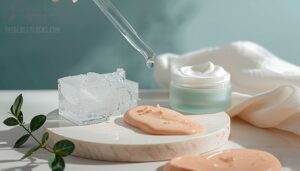
Once you’ve picked your texture, the order matters just as much. Hydration layering works because each product type does a different job.
- Mist or dampen your face first, since humectants need water to bind.
- Apply a humectant serum, like glycerin or hyaluronic acid.
- Smooth on a cream with emollients to soften roughness.
- Add occlusives, such as petrolatum, only when you need extra moisture retention.
- Skip any step that repeats another.
Occlusives don’t add water. They just slow its escape, so they work best over a moisturizer.
If your skin runs dry, start with a humectant serum and seal it in afterward, and these affordable skin hydration treatments make that routine easy on any budget.
Be careful with heavy seals, though. Occlusion can push irritating actives deeper, and it may aggravate acne-prone skin. If your skin feels greasy or breaks out, drop the occlusive and keep the lighter layers.
Daily Routine Vs Occasional Hydration: Why Consistency and Timing Matter
Layering only pays off if you repeat it. Your stratum corneum needs about 30% water to keep its barrier working, and one good night won’t hold that.
Daily hydration regimens keep natural moisturizing factors topped up, while occasional effort gives a short bump that fades. Skin below 25% water also sheds poorly, so you feel tight and flaky.
| Habit | What happens | What you notice |
|---|---|---|
| Daily, consistent application | Water stays bound | Smooth, calm skin |
| Once or twice weekly | Brief hydration spike | Tightness returns |
| Skipped after washing | Moisture escapes | Flaking, stress |
Timing matters too. Skip a day, and it shows. Moisturize within minutes of washing, and use gentle skin hydration methods morning and night to support skin barrier function and moisture retention.
Dermatologist-Backed Fixes for Dehydrated Skin and a Weak Barrier
Tight, flaky, or stinging skin is your cue to act. Dermatologists break the fix into two clear parts: spotting the signs and rebuilding what’s been damaged. Below, you’ll find both, so you can repair your skin barrier with confidence.
Signs of Dehydrated Skin
Does your face feel tight right after you cleanse? That’s your skin asking for help.
Dehydrated skin lacks water, and the skin hydration basics start with spotting it:
- Tightness after washing
- Itchy, flaky patches
- Dull, rough texture
- Oily shine with a tight feel
- Makeup clinging to dry spots
Catching these signs early protects your skin barrier function and moisture retention.
Barrier Repair Techniques
The fastest barrier repair starts with less, not more. Swap harsh cleansers for a gentle one, and skip fragrance while you heal.
Then replace what’s missing. Look for a cream with ceramides, cholesterol, and fatty acids, and apply it to damp skin. Add petrolatum for a moisture lock that slows trans epidermal water loss. Your protective barrier needs steady support.
Frequently Asked Questions (FAQs)
What is the most hydrating thing to put on your skin?
Think of your skin as a leaky bucket. Hyaluronic acid pours water in, glycerin’s role is pulling it deeper, and ceramide importance shows in patching holes.
That protective barrier is what drives lasting moisture retention.
What is the most effective hydration method?
The best of the gentle skin hydration methods is layering. Pair effective hydration ingredients like glycerin with ceramides, seal with petrolatum, and use consistent application twice daily. Dermatologist recommendations agree: moisture retention depends on routine.
What is the Korean 7 skin method?
The Korean 7 skin method layers watery toner in up to seven thin passes. It’s one of the gentle skin hydration methods, and seven isn’t required. Stop when skin feels hydrated, and keep application consistent.
Should you rub in moisturizer or let it sit?
Skin’s a sponge, not a frying pan. Press, don’t rub.
Pat cream over humectant-rich toners for moisture binding, choosing texture compatibility. Barrier repair within two to three uses, gentle enough for sensitive and young skin.
What is the best form of hydration for your skin?
Layer, don’t choose. Match your skin hydration types, then start with humectant-rich toners, follow with ceramides, and finish with barrier creams.
That sequence boosts moisture retention, so your skin stays plump, calm, and comfortable longer.
What is the best hydrating skin treatment?
Your skin is a thirsty garden, and water is rain it can’t keep.
Apply hyaluronic acid serum to damp skin, then seal with glycerin, ceramides, and barrier creams. It boosts moisture retention in hydration skincare.
What hydrates the skin the most naturally?
For natural skin hydration, start with water and damp-skin habits. Glycerin and ceramides give you moisture lock and barrier function support. Check labels for ingredient transparency.
Eating bone broth won’t directly boost your skin moisturization.
How often should gentle hydration be applied?
Make twice daily your moisturization frequency, morning and evening. After gentle cleansing, press hydrating serums onto damp skin within a minute.
Stick with this daily hydration routine, since consistency builds longlasting moisture. Don’t skip days.
Can sensitive skin use multiple hydrating products?
Barrier strength often improves in four weeks. Yes, sensitive skin care can handle layers: use fragrancefree skincare, noncomedogenic formulas, dermatologist tested picks, and pHbalanced cleansing. Add one product weekly, and watch how your skin responds.
What causes skin to lose moisture overnight?
Your skin leaks most water between 9 and 11 p.m.
Warm skin, shifting pH and dry heated air boost transepidermal water loss, stressing your moisture barrier and barrier function. Sensitive skin care needs waterbased ingredients.
Conclusion
Ready to stop guessing at the bathroom mirror? Any solid gentle skin hydration methods comparison points to the same truth: match the product to your skin, then layer it right.
Pair a humectant with an emollient, lock both under an occlusive, and apply on damp skin. Do it twice daily, even when your face feels fine.
Your skin isn’t asking for more products. It’s simply asking for the right ones, used consistently, day after day.