This site is supported by our readers. We may earn a commission, at no cost to you, if you purchase through links. This content is for general informational and educational purposes only and is not a substitute for professional medical, dermatological, or nutritional advice.

Tranexamic acid used to sit in dermatologists’ offices, tucked into prescription-strength treatments for melasma. Now it’s sitting in a $14 bottle at your local drugstore, paired with niacinamide and wearing a fragrance-free, gel-textured disguise.
That combination raises a fair question: can a budget serum actually deliver the pigment-fading results that pricier derm favorites promise, or is this just clever marketing riding on trendy ingredient names?
This Good Molecules Discoloration Correcting Serum review breaks down what’s really in the bottle, how it performs on skin week by week, and whether it earns a spot in your routine for fading dark spots, post-acne marks, and sun damage.
Table Of Contents
- Key Takeaways
- Good Molecules Discoloration Correcting Serum Review
- How Tranexamic Acid and Niacinamide Fade Dark Spots
- Real Results: Does This Serum Actually Work?
- How to Use The Serum for Best Results
- Pros, Cons, and Where to Buy
- Frequently Asked Questions (FAQs)
- What is the best serum for hyperpigmentation?
- What is good molecules discoloration correcting serum?
- Is good molecules discoloration correcting a good product?
- Is discoloration correcting serum worth it?
- What is the benefit of good molecules discoloration correcting serum?
- Does the discoloration correction serum work?
- Which good molecule serum is best for hyperpigmentation?
- Does good molecules discoloration correcting serum work?
- What is the best serum for discoloration on face?
- Can the serum be used with retinoids?
- Conclusion
Key Takeaways
- This serum pairs 2% cetyl tranexamate mesylate (a stable, skin-penetrating tranexamic acid derivative) with 4% niacinamide, tackling pigment from two different angles instead of relying on one active alone.
- You’ll typically notice early brightening within the first week, with fuller results for post-acne marks and sun spots building over 8-12 weeks of consistent daily use.
- None of this works without daily broad-spectrum SPF 30+, since unprotected sun exposure can undo whatever progress the actives make.
- At around $14, it’s a solid, gentle option for mild discoloration and post-acne marks, but melasma or deeper pigmentation usually needs professional treatment like oral tranexamic acid, peels, or microneedling.
Good Molecules Discoloration Correcting Serum Review
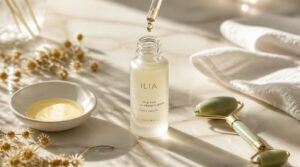
Before you add any new serum to your routine, it helps to know exactly what you’re working with. This one has a few things worth breaking down, from what’s actually in the bottle to how it feels on your skin. Here’s what you need to know before deciding if it earns a spot in your cabinet.
If you want the full breakdown of ingredients, texture, and results, this in-depth TruSkin Vitamin C serum review covers everything before you commit.
Key Ingredients and Formula Overview
Two actives carry this formula: cetyl tranexamate mesylate (a penetration-enhanced tranexamic acid derivative) at 2%, and niacinamide at 4%.
- Tranexamic acid function targets pigment production directly
- Niacinamide benefits include blocking melanin transfer
- Humectant mix (glycerin, propanediol) prevents dryness
- Fragrance free, non comedogenic, formula stability maintained
This dual-action, water-based approach suits most skin types without clogging pores.
Texture, Scent, and Application Feel
This serum has a lightweight gel texture that glides on without dragging, absorbing in about 30 seconds to a non greasy, non-tacky finish.
Fragrance free with only a faint clinical scent that fades fast, it delivers gentle brightening with a smooth application glide, no residue, no shine, just satin-soft skin. These impressions align with formal sensory evaluation testing protocols used across the cosmetics industry to assess texture, absorption, and finish.
| Sensory Trait | What You’ll Notice |
|---|---|
| Texture | Lightweight gel |
| Absorption | 30 seconds |
| Finish | Non greasy |
| Scent | Fragrance free |
Who This Serum Works Best For
That satin finish sets up a fair question: who actually benefits most? This formula fits several Hyperpigmentation Solutions seekers, especially those with post acne marks, oily and acne prone skin, or sensitive skin needing fragrance free care.
Good for:
- Dark Spot Beginners starting simple
- Mid Range Enthusiasts wanting proven niacinamide
- Acne-prone users fading marks
- Sensitive skin needing gentle brightening
How Tranexamic Acid and Niacinamide Fade Dark Spots

If you want to know whether a serum will actually fade discoloration, you have to look past the marketing and understand what’s happening at the cellular level.
Ingredients like tranexamic acid and niacinamide target melanin production directly, which is why comparing options through this guide to top-rated skin brightening serums can save you months of trial and error.
This formula leans on two active ingredients that work through different pathways, which matters more than you might think.
Here’s how each one functions, and why pairing them makes sense for uneven skin tone.
Cetyl Tranexamate Mesylate Explained
Regular tranexamic acid struggles to cross skin’s oily outer layer. Good Molecules solves this with Cetyl Tranexamate Mesylate, a lipophilic tranexamic acid derivative attached to a fatty cetyl chain for deeper penetration. The mesylate salt adds stability, keeping the formula effective on shelves.
Once absorbed, it disrupts pigment transfer within melanosomes, targeting hyperpigmentation at its source while offering mild humectant conditioning benefits along the way.
Niacinamide’s Role in Even Tone
At 4% concentration, niacinamide works by blocking melanosome transfer, the process that ships pigment to skin’s surface. It also strengthens skin barrier support, curbs excess sebum, and calms inflammation tied to post-acne marks.
Gentle enough for multi-skin type use, it delivers gradual brightening without the irritation harsher actives often bring.
Dual-Action Approach to Hyperpigmentation
If one active works on melanin production and the other stops pigment from spreading, why not use both? That’s the logic behind Tranexamic Niacinamide Partnership in this formula.
- Tranexamic acid triggers Melanin Pathway Blockade
- Niacinamide drives Pigment Transfer Reduction
- Together they create Dual Mechanism Brightening
- Rebound pigmentation risk drops
- Results compound faster than single-active hyperpigmentation treatment
Humectants for Barrier Support
Underneath the brightening actives sits glycerin, quietly doing barrier work. This humectant pulls water into the stratum corneum, activates aquaporin channels, and slows transepidermal water loss, so skin resists the dryness that often accompanies active treatments.
That’s why irritation stays minimal here. Barrier friendly skincare matters most when you’re actively fading pigment, since a compromised barrier only prolongs discoloration.
Real Results: Does This Serum Actually Work?

Ingredients only tell you what a serum is supposed to do, not what it actually does on your skin. Real results depend on your timeline, your discoloration type, and how consistent you are with sunscreen. Here’s what you can realistically expect, broken down stage by stage.
Week-by-Week Results Timeline
How fast does it work? Faster than you’d think, if you’re consistent.
By week one, expect early brightening signs around the cheeks and forehead. Week two brings redness reduction, softer dark spots near the nose and chin. Week three starts post-acne mark fading. Week four means pore refinement. By week five, niacinamide and the tranexamic acid derivative deliver noticeable tone uniformity.
Fading Post-Acne Marks and Sun Spots
Not all dark spots fade the same way, so timelines vary.
PIH from acne usually clears within months, while sun spots from years of UV exposure often need longer, more consistent treatment. Good Molecules’ niacinamide and tranexamic acid derivative work both angles, but daily SPF 30 remains essential.
- Fresh PIH: 4-8 weeks
- Older PIH: 2-3 months
- Light sun spots: 8-12 weeks
- Deeper sun spots: 3-6 months
- Gentle exfoliation: accelerates turnover
When Melasma Needs Extra Treatment
Melasma plays by different rules. Hormonal triggers keep it cycling back, so this serum helps with skin brightening but rarely finishes the job alone. If patches persist past 12 weeks, ask a dermatologist about oral tranexamic acid, chemical peels, or microneedling.
Even after remission, melasma needs long-term maintenance to prevent relapse, unlike typical post inflammatory hyperpigmentation.
Why Daily Sunscreen Matters Most
Here’s the truth: no serum outworks unprotected sun exposure. Broad-spectrum sunscreen (SPF 30 or higher) blocks UVA/UVB damage that worsens discoloration.
No serum outworks unprotected sun exposure—broad-spectrum SPF 30+ is what stops discoloration from winning
Daily habits that matter:
- Apply sunscreen every morning, rain or shine
- Reapply every 2 hours outdoors
- Choose SPF 30+ minimum
- Pair with shade, hats, sunglasses
Skip this step, and fading spots return.
How to Use The Serum for Best Results
A good ingredient list only gets you halfway there; how you actually use the serum determines whether you see results in weeks or wonder why nothing’s changing.
Application order, frequency, and what you pair it with all matter just as much as the formula itself.
Here’s exactly how to work this serum into your routine without wasting product or risking irritation.
Application Steps and Recommended Frequency

Consistency beats intensity here. Cleansing first, then 2-3 drops pressed in for 10-15 seconds, waiting 1-2 minutes before moisturizer.
| Week | Frequency | Notes |
|---|---|---|
| 1-2 | Once daily | Monitor tolerance |
| 3+ | Twice daily | If no irritation |
| Ongoing | Adjust as needed | Pause if redness |
Daily use, applied consistently within your AM skincare routine, matters more than amount.
Layering With Retinol and Vitamin C
Once your skin tolerates daily use, you can layer smarter, not harder. Apply vitamin C in the morning before sunscreen, and save retinol for nights, alternating with the serum to avoid stacking actives.
- Morning: vitamin C, then serum, then SPF
- Night: retinol, alternating with the serum
- Follow retinol with a barrier moisturizer
- Never combine tranexamic acid derivative actives with strong acids same night
Building a Morning and Night Routine

Rotating actives works best inside a routine that stays simple. Morning: cleanse, tone, apply serum, moisturize, then SPF 30. Night: double cleanse, serum or retinol, moisturizer.
| Time | Steps |
|---|---|
| AM | Cleanse, tone, serum, moisturize, SPF |
| PM | Cleanse, actives, moisturize |
This two-step foundation keeps niacinamide and tranexamic acid working without overwhelming sensitive skin.
Avoiding Irritation With Strong Acids

A gentler formula still deserves careful pairing. This serum is fragrance free, alcohol free, and generally nonirritating, but strong acids demand spacing.
- Patch test first on your inner arm
- Alternate nights with retinol or vitamin C
- Avoid alcohol toners nearby
- Increase frequency gradually, then moisturize after acids
No tingling or irritation? You’re layering correctly.
Pros, Cons, and Where to Buy
No serum is perfect for everyone, and this one is no exception. Before you add it to your cart, it helps to know exactly what you’re getting into, both the wins and the trade-offs. Here’s what stands out, what to watch for, and where to find the best deal.
Benefits for Sensitive, Fragrance-Free Skin
If your skin flares up at the mention of "fragrance," this formula plays it safe: it’s fragrance free, alcohol free, and never tested on animals.
| Feature | Function | Sensitive Skin Benefit |
|---|---|---|
| Fragrance free | No allergens | Less redness, itching |
| Glycerin/propanediol | Humectants | Barrier support, hydration |
| No essential oils | Avoids sensitizers | Nonirritating formula |
Potential Drawbacks to Consider
Even a fragrance free, alcohol free formula isn’t perfect. Five things worth knowing:
- Irritation risk and temporary stinging on compromised skin
- Variable results, especially with deeper spots
- Limited long-term data past several months
- Availability issues with stockouts
- Patch testing recommended before full use
If your skin’s sensitive, start slow and expect gradual results, not overnight fixes.
Price, Availability, and Refund Policy
At roughly $6 to $12 for a 1 oz bottle, this serum won’t strain your budget. Find it at the Good Molecules site, Ulta (over 4,500 reviews there), or Amazon; stockouts happen, so check bundle deals for savings. International orders may incur duties. If you’re hunting for a gift instead, this budget-friendly serum pairs nicely with picks from these facial skincare gift sets for every skin type.
A 60-day satisfaction guarantee covers unopened refunds, though return shipping costs usually fall on you.
Frequently Asked Questions (FAQs)
What is the best serum for hyperpigmentation?
If your dark spots had a dollar for every "miracle" serum that failed them, you’d fund actual research. Skip gimmicks: pair tranexamic acid with niacinamide for proven fading, minus the empty promises.
What is good molecules discoloration correcting serum?
This lightweight, water-based serum pairs niacinamide and cetyl tranexamate mesylate (a tranexamic acid derivative) to fade dark spots and rebalance uneven tone. Fragrance-free and non-comedogenic, it’s built for daily use, paired with sunscreen, to gradually correct hyperpigmentation.
Is good molecules discoloration correcting a good product?
Yes, it delivers on fading dark spots and evening tone. Niacinamide and tranexamic acid work together on hyperpigmentation, offer solid value for money, suit sensitive skin, and back it up with a reassuring refund policy.
Is discoloration correcting serum worth it?
For the price, it’s worth trying. Tranexamic acid and niacinamide tackle dark spots and hyperpigmentation together, delivering real long-term results with consistent use, strong sun protection, and realistic expectations about pace and payoff.
What is the benefit of good molecules discoloration correcting serum?
Think of it as a dimmer switch for uneven color: it turns down dark spots gradually. Niacinamide and tranexamic acid team up for dark spot reduction, even skin tone, and stronger barrier support, without stinging or greasy residue.
Does the discoloration correction serum work?
For most users, real fading shows up gradually, not overnight. Clinical data backs this up: an 8-week trial found a 9% reduction in melanin, matching what testimonials describe once niacinamide and tranexamic acid work together consistently.
Which good molecule serum is best for hyperpigmentation?
For hyperpigmentation, the Good Molecules Discoloration Correcting Serum stands out, pairing niacinamide with tranexamic acid to fade dark spots. It’s a gentle, sensitive skin formula that layers well with vitamin C, delivering gradual, science-backed results over weeks.
Does good molecules discoloration correcting serum work?
Yes, with consistent use: niacinamide and tranexamic acid work together to fade dark spots and post-acne marks, improving tone within weeks. Skin compatibility is generally excellent.
Just pair it with daily sunscreen and expect gradual, steady progress, not instant change.
What is the best serum for discoloration on face?
No single serum works for everyone, but formulas pairing niacinamide with a tranexamic acid derivative, like Good Molecules Discoloration Correcting Serum, fade dark spots and post-acne marks fastest when paired with daily sunscreen.
Can the serum be used with retinoids?
Pairing with retinol works well if you space applications out. Its 5 pH suits both actives, so try the serum in the morning and retinol at night, keeping this layerable skincare combo effective without compromising tranexamic acid or niacinamide stability.
Conclusion
Spots fade, but patience doesn’t run out overnight, and this Good Molecules discoloration correcting serum review proves gradual can still be great.
At $14, it won’t outshine prescription-strength treatments, but it holds its own for mild post-acne marks and sun spots.
Use it consistently, pair it with daily sunscreen, and give it eight to twelve weeks before judging results.
Melasma needs more firepower.
For everything else, this little bottle earns its shelf space, quietly and reliably.