This site is supported by our readers. We may earn a commission, at no cost to you, if you purchase through links. This content is for general informational and educational purposes only and is not a substitute for professional medical, dermatological, or nutritional advice.

Shorter CAG repeats in your androgen receptor gene can push oil production up to three times higher than average. That’s not a hygiene failure. That’s biology, and no amount of daily washing fixes it.
Genetics load the gun, but your routine pulls the trigger. DHT stimulates sebocytes directly, so the wrong shampoo, water temperature, or wash frequency can turn manageable shine into a frustrating cycle of greasy roots by noon.
Just as scalp changes deserve attention, so does your skin elsewhere—identifying age spots on your hands early helps you tell harmless discoloration apart from marks that genuinely need a dermatologist’s opinion.
The fix isn’t stripping your scalp raw. It’s building a hair care routine for oily hair that respects your biology while controlling output, step by step.
Table Of Contents
- Key Takeaways
- What Causes Oily Hair and Scalp
- Step-by-Step Oily Hair Wash Routine
- Weekly Scalp Care for Oil Control
- Top 8 Shampoos for Oily Hair
- 1. Garnier Fructis Pure Clean Shampoo
- 2. K18 Peptide Prep Detox Shampoo
- 3. Kérastase Specifique Balancing Shampoo
- 4. Hairstory New Wash Rich Moisturizing Cream
- 5. Redken Detox Clarifying Shampoo
- 6. Davines Sea Salt Scrub Cleanser
- 7. R+Co Television Perfect Hair Shampoo
- 8. Innersense Organic Beauty Natural Shampoo
- Tailor and Troubleshoot Your Routine
- Frequently Asked Questions (FAQs)
- What’s the best hair routine for oily hair?
- What not to use for oily hair?
- What can I do if I have oily hair?
- How do I fix my oily dandruff hair?
- How do I get rid of oily hair & scalp?
- How should I hydrate oily hair?
- What is the best hair care routine for oily hair?
- How do I make my hair less oily?
- What should I use if my hair is oily?
- What is the best treatment for greasy hair?
- Conclusion
Key Takeaways
- Your genes set your baseline oil production, but shorter CAG repeats in the androgen receptor gene can push sebum output up to three times higher than average.
- Washing daily strips your scalp’s natural oils, which triggers rebound greasiness, so stretching to every other (or every third) day lets your sebaceous glands recalibrate over 1-3 weeks.
- Apply conditioner only from mid-lengths to ends, since your roots already get enough moisture from natural sebum, and heavy products on the scalp just feed buildup.
- Weekly clarifying and gentle exfoliation with ingredients like salicylic acid clear the follicular buildup that regular shampoo leaves behind, keeping oil production in check without over-stripping your scalp.
What Causes Oily Hair and Scalp
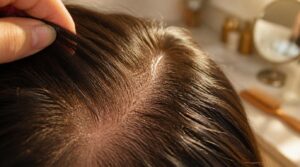
Greasy roots don’t happen by accident—your scalp is responding to specific triggers, some biological and some entirely within your control. Understanding which factor is driving your oil production helps you fix the actual problem instead of guessing. Here are the five main culprits behind that shine you can’t seem to shake.
If you’re layering in treatments like scalp serums, applying your hair growth serum correctly can prevent buildup that worsens greasy roots.
Hormonal and Genetic Oil Production
Before blaming your shampoo, check your genes. Androgen receptor sensitivity and SRD5A2 gene variants drive DHT-fueled sebum output more than any product ever could.
- Shorter CAG repeats mean 2-3x more oil
- Active SRD5A2 raises local DHT by 30%
- NCOA1 variants spike sebum after stress
- DHT triggers sebocyte lipogenesis directly
- Genetic alopecia often links to oiliness
This happens because sebocytes rely on androgen homeostasis regulation to control how much oil your scalp actually produces.
Overwashing and Rebound Greasiness
Genetics loads the gun, but your wash habits pull the trigger. Daily washing strips the lipid barrier, so sebaceous glands overcompensate within hours, a cycle called rebound oil production.
Genetics loads the gun, but daily washing pulls the trigger, stripping oil only to trigger rebound production
Fix it gradually: wash every other day, then stretch to three, adding one day every 1-2 weeks. Your scalp needs 1-3 weeks to recalibrate. Frustrating, but avoiding overwashing beats chasing shine daily.
Product Buildup on The Scalp
Overwashing isn’t the only culprit. Gels, dry shampoo, and conditioner residue layer on top of sebum, creating product buildup that traps oil at the follicle.
Hard water minerals compound this, leaving films regular shampoo can’t lift. Use a clarifying shampoo weekly and brush gently to break up residue before it congests your scalp.
Heat, Humidity, and Lifestyle Triggers
Buildup isn’t the only environmental factor at play. Hot, humid weather slows sweat evaporation, leaving your scalp damp and triggering excess sebum.
Sweaty workouts, sun exposure, and stress hormones like cortisol all raise oil output too. Rinse your scalp after outdoor exertion, wear breathable hats, and manage stress and diet to keep sebaceous glands calm.
Hair Type and Oil Distribution
Strands aren’t all built the same, and that shapes how oil travels.
Straight, fine hair lets sebum spread fast, while coily, porous strands slow sebum spread speed and trap oil near roots.
- Straight hair: quickest oil distribution
- Wavy hair: moderate spread rate
- Curly hair: slower travel, drier ends
- Coily hair: oil rarely reaches tips
- Mixed scalps: oily roots, dry ends
Step-by-Step Oily Hair Wash Routine
Your scalp needs structure, not guesswork, to break the oil cycle for good. Every step in this routine works together, from timing your wash days to choosing the right products. Follow these five steps in order, and you’ll build a routine your scalp actually reacts to.
Set a Consistent Wash Schedule

Your scalp needs a predictable rhythm, not daily stripping. Start by washing oily hair every other day for four to six weeks, letting sebum production recalibrate.
Track results as you go. If roots stay fresh longer, stretch to every third day. Use dry shampoo on off-days to buy time without overwashing, building a consistent routine your scalp can actually trust.
Choose a Lightweight Clarifying Shampoo

Not every clarifying shampoo suits oily hair. You need a lightweight clarifying shampoo with mild surfactants that lift oil without stripping moisture. Choose sulfate-free formulas for sensitive scalps and fine textures.
Look for salicylic acid or tea tree oil for gentle oil control, plus zinc pyrithione for sebum regulation. Skip heavy bases that leave residue after scalp exfoliation and rinsing.
Shampoo Scalp With Lukewarm Water

Water temperature makes or breaks your wash. Use lukewarm water, around 100°F, to soften the scalp and dissolve sebum without triggering extra oil production.
- Loosens dirt and buildup gently
- Gets cuticles ready for shampoo
- Avoids scalp irritation
- Helps with comfortable, balanced cleansing
Skip scalding water; it strips moisture and worsens scalp oil production. Skip icy rinses too, they won’t clear residue effectively.
Condition Mid-lengths and Ends Only
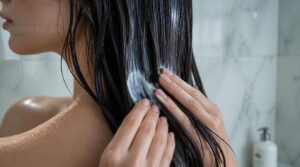
Skip your roots entirely when conditioning; that’s where sebum production already does the moisturizing for you.
Apply conditioner from mid-lengths to ends only, using a lightweight conditioner with hydrolyzed wheat protein. Rinse with cool water to seal cuticles.
This targeted approach helps scalp health, prevents buildup, and keeps oily hair care routines balanced without weighing down fresh roots.
Apply Dry Shampoo Between Washes

Think of dry shampoo as a sebum sponge for rest days. Hold the bottle six inches from your scalp, spray roots in sections, then wait 30 seconds before massaging in. Brush thoroughly to prevent cakey buildup.
Cap use at two consecutive days, this bridges wash cycles without disrupting sebum regulation while you train your scalp toward washing every other day.
Weekly Scalp Care for Oil Control
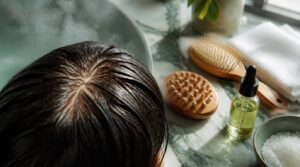
Daily washing only gets you so far, your scalp needs a deeper reset once a week. Buildup from oil, product, and dead skin settles into your follicles no matter how consistent your routine is. Here’s what that weekly reset should actually include.
Clarify Oily Roots Once Weekly
Once weekly, clarify your roots to strip buildup that regular shampoo leaves behind. Apply a clarifying shampoo directly to the scalp, massage for 30 seconds, then rinse with lukewarm water. This helps sebum regulation without over-stripping.
Pair it with gentle scalp exfoliation and your usual wash-every-other-day routine for balanced oil control between clarifying sessions.
Use Salicylic Acid for Buildup
Clarifying shampoo pulls oil off the surface, but salicylic acid gets underneath it. This beta-hydroxy acid loosens the bonds holding dead skin cells together, clearing follicular blockages that trigger rebound oiliness.
Look for 0.5-2% concentrations in a rinse-off scalp cleanser. Massage in, leave briefly, rinse well. Watch for dryness, it means cutting back frequency.
Exfoliate Gently With AHAs
While salicylic acid dissolves oil at the follicle, AHAs work the surface layer differently. As water-soluble exfoliants, glycolic and lactic acid lift dead cells without stripping sebum entirely.
Choose gentle, pH-balanced formulations under 10% concentration. Apply every other day initially, then space applications 3-7 days apart. This measured scalp exfoliation frequency helps with sebum regulation without triggering irritation or compensatory oiliness.
Hydrate With Water-based Formulas
Exfoliation strips buildup, but your scalp still needs moisture back. Reach for water-based moisturizers with glycerin and hyaluronic acid for humectant hydration that won’t clog follicles.
These non-comedogenic formulas use lightweight gel textures and pH-balanced ingredients (4.5-5.5), supporting scalp health without greasy buildup. Try lightweight layering: mist first, hydrate, then style.
Top 8 Shampoos for Oily Hair
Knowing what to look for in a shampoo is one thing, finding it on a crowded shelf is another. Ingredients like salicylic acid and hydrolyzed proteins won’t jump out at you from a label. Here are eight formulas that actually deliver on the science.
1. Garnier Fructis Pure Clean Shampoo
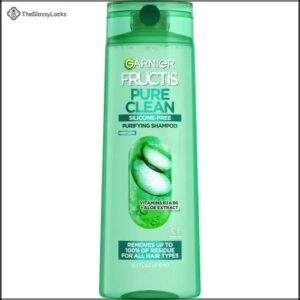
Water tops the ingredient list here, which tells you this formula prioritizes rinsability over heavy coating. Sodium laureth sulfate and cocamidopropyl betaine handle the cleansing work, backed by aloe extract for scalp comfort and niacinamide plus pyridoxine (vitamins B3 and B6) to support scalp function.
Polyquaternium 10 adds light conditioning without the weigh-down risk that thicker formulas carry. It’s silicone-free, paraben-free, and cruelty-free certified.
Massage it into damp hair, rinse until foam clears, and expect a fresh, lightweight finish suited to daily washing.
| Best For | People with normal to oily hair who want a lightweight, daily clarifying shampoo that rinses clean without buildup. |
|---|---|
| Sulfate Free | No |
| Use Frequency | Daily |
| Silicone Free | Yes |
| Paraben Free | Yes |
| Color Treated Safe | Unspecified |
| Key Cleansing Agent | Sodium Laureth Sulfate |
| Additional Features |
|
- Removes up to 100% of dirt, oil, and residue while leaving hair feeling soft and light
- Infused with aloe, Vitamin B3, and Vitamin B6 to support scalp comfort and health
- Paraben-free, silicone-free, and Leaping Bunny certified cruelty-free and vegan
- Some users report a greasy feeling or leftover residue after washing
- Bottle/pump design can be awkward to open and may cause discomfort
- Fragrance is only average and may not appeal to everyone
2. K18 Peptide Prep Detox Shampoo
For scalps drowning in buildup, K18 Peptide Prep Detox Shampoo works like a reset button. It strips away 99% of product residue and 95% of sebum in one wash, using activated charcoal and salicylic acid to pull grime from clogged follicles.
The patented K18PEPTIDE sets this formula apart from typical clarifying shampoos. Instead of just stripping oil, it works to reduce protein loss, so you get a deep cleanse without sacrificing hair strength.
Use it weekly, not daily. This is a treatment, not a maintenance shampoo, and overuse can leave hair feeling dry. Follow it with a lightweight conditioner on your ends to restore softness.
At $39 a bottle, it’s an investment, but for color-treated or fine hair needing a genuine detox, the payoff shows fast.
| Best For | Anyone with color-treated, fine, or product-heavy hair who wants a weekly detox that clears buildup without wrecking their strands. |
|---|---|
| Sulfate Free | Yes |
| Use Frequency | Weekly |
| Silicone Free | Unspecified |
| Paraben Free | Unspecified |
| Color Treated Safe | Mixed Reviews |
| Key Cleansing Agent | Salicylic Acid |
| Additional Features |
|
- Removes 99% of product buildup and 95% of sebum in a single wash
- K18PEPTIDE helps reduce protein loss, protecting hair strength and color vibrancy
- PH-optimized formula cleanses deeply without stripping essential moisture
- Premium price point at $39 makes it a bigger investment than everyday shampoos
- Not meant for daily use—overuse can lead to dryness for some hair types
- Mixed reviews on color safety, with some users noting fading with regular use
3. Kérastase Specifique Balancing Shampoo
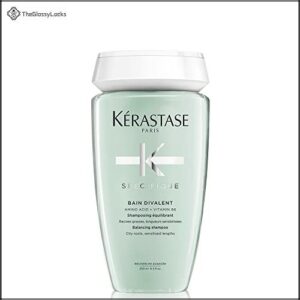
Think of this shampoo as damage control for a scalp that overproduces oil while your ends stay parched. Kérastase built this formula around amino acids and Vitamin B6, ingredients chosen to calm sebaceous activity at the root without stripping moisture where you need it most.
The texture stays ultra-light, so it won’t leave residue behind to feed more oiliness later. It’s dermatologically tested, which matters if your scalp reacts easily to harsher clarifying formulas.
You’ll find it in 250 ml and 500 ml bottles, built for regular use rather than an occasional deep clean. Massage it into a wet scalp to boost circulation, then rinse. Users report 61% more volume on flat, oil-weighted hair, a real payoff for anyone tired of limp roots by midday.
| Best For | Anyone dealing with an oily scalp and dry, brittle ends who wants a gentle, dermatologically tested formula that extends time between washes. |
|---|---|
| Sulfate Free | Yes |
| Use Frequency | Regular Use |
| Silicone Free | Unspecified |
| Paraben Free | Unspecified |
| Color Treated Safe | Unspecified |
| Key Cleansing Agent | Amino Acids |
| Additional Features |
|
- Balances oily roots and dry ends with amino acids and vitamin B6
- Adds noticeable volume (61% more) to flat, oil-weighted hair
- Leaves hair soft, shiny, and silky while removing impurities
- Some users report scalp irritation or sensitivity
- Mixed reviews on how well it actually controls oiliness
- Pricier than many customers expect for the results delivered
4. Hairstory New Wash Rich Moisturizing Cream
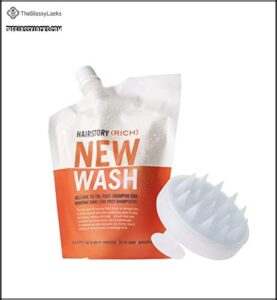
Skip shampoo entirely and your oily roots might actually thank you. New Wash Rich replaces both cleanser and conditioner with a single cream built on aloe barbadensis leaf juice and glycerin, ingredients that draw moisture in rather than stripping it out.
Cetyl and stearyl alcohols provide slip without heaviness, so scalp oils get balanced instead of triggered into overdrive. Wet your hair, work the cream from scalp to ends, then add water until it turns milky. Let it sit two to three minutes before rinsing.
It’s formulated for thicker or drier hair types, which means finer oily hair may feel weighed down. Reviewers confirm this: some report greasiness after use, and the thick texture makes dispensing frustrating from its current packaging.
| Best For | People with thick, dry, or color-treated hair who want to simplify their routine and cut down on fading, frizz, and dryness. |
|---|---|
| Sulfate Free | Yes |
| Use Frequency | Regular Use |
| Silicone Free | Yes |
| Paraben Free | Yes |
| Color Treated Safe | Yes |
| Key Cleansing Agent | Aloe Barbadensis Juice |
| Additional Features |
|
- Combines cleansing and conditioning into one simple step
- Helps preserve hair color and reduce fading from washing
- Free of detergents, sulfates, parabens, and synthetic fragrances
- Can leave hair feeling greasy or weighed down, especially for finer or oilier hair types
- Thick consistency makes it hard to dispense from the packaging
- Pricier than many comparable hair care products
5. Redken Detox Clarifying Shampoo
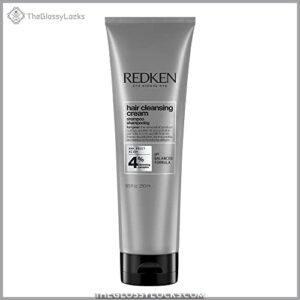
Buildup doesn’t just sit on your hair, it suffocates your follicles. Redken’s Detox Clarifying Shampoo cuts through that mess with a silicone-free formula powered by AHA fruit acids, giving oily scalps a legitimate reset rather than a temporary fix.
In one wash, it strips product residue, pollution particles, and excess sebum, without stripping the moisture your mid-lengths actually need. The AHAs do double duty here: they dissolve buildup while gently exfoliating the scalp, which helps healthier oil regulation over time.
Use it once weekly, or whenever your regular shampoo stops keeping grease at bay. It’s gentle enough for color-treated hair, so vibrancy stays intact even with regular clarifying sessions.
If your roots go flat by day two no matter what you try, this is the kind of deep-clean reset worth building into your routine.
| Best For | People with oily, flat-by-day-two roots who want a weekly deep-clean reset to clear buildup, hard water minerals, and product residue without dulling color-treated hair. |
|---|---|
| Sulfate Free | Yes |
| Use Frequency | Weekly |
| Silicone Free | Yes |
| Paraben Free | Unspecified |
| Color Treated Safe | Yes |
| Key Cleansing Agent | AHA Fruit Acids |
| Additional Features |
|
- Deeply purifies with AHA and fruit acids, removing dry shampoo, oil, and pollution residue
- Strengthens the hair cuticle and boosts shine without overstripping
- Safe for color-treated hair, preserving vibrancy and softness
- Not meant for daily use, only effective as a once-weekly or as-needed treatment
- Small 1.7 oz bottle may run out quickly for frequent users
- Can feel harsh on mid-lengths and ends if applied beyond the scalp
6. Davines Sea Salt Scrub Cleanser
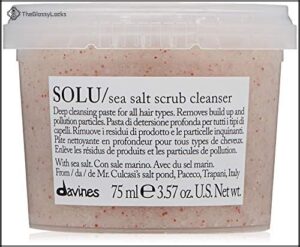
A weekly scrub can do what shampoo alone can’t: physically slough away what’s clogging your follicles. Davines’ formula uses sea salt as its primary exfoliant, paired with jojoba beads and beet sugar extract for mechanical cleansing that lifts product residue and dead skin off the scalp.
Massage a generous amount into wet hair and it lathers like a shampoo, so you won’t miss the suds. Buckwheat extract adds a regenerative element, supporting scalp health while the salt does its work.
Use it every second or third wash, not every day. It’s a reset tool, not a replacement for your regular routine, and rinses clean without leaving residue behind.
| Best For | People with oily scalps who deal with regular product buildup and want a weekly reset that leaves hair feeling lighter and cleaner. |
|---|---|
| Sulfate Free | Yes |
| Use Frequency | Every 2-3 Washes |
| Silicone Free | Unspecified |
| Paraben Free | Unspecified |
| Color Treated Safe | Unspecified |
| Key Cleansing Agent | Sea Salt |
| Additional Features |
|
- Sea salt formula physically lifts product residue and dead skin from the scalp
- Lathers like a regular shampoo, so it’s easy to work into wet hair
- Leaves hair feeling smooth, shiny, and soft without residue
- Small container size means it may run out quickly with regular use
- Some customers have reported underfilled or damaged packaging
- Mixed opinions on whether the price matches the amount you get
7. R+Co Television Perfect Hair Shampoo
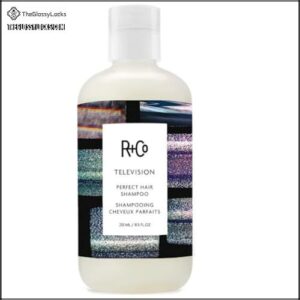
If the Davines scrub is your reset button, R+Co Television Perfect Hair Shampoo is your everyday driver. Its sulfate-free base cleanses without stripping natural oils, targeting excess sebum while keeping the scalp barrier intact.
Panthenol and conditioning polymers add body and shine without weighing hair down, which matters when oily roots already fight against volume. Formulated free of parabens and mineral oils, it’s suited to daily use across dyed, wavy, thick, or fine hair.
The scent runs woodsy and bold, closer to cardamom and bamboo than florals. Some scalps react with dryness or flaking over time, so watch for that and adjust frequency if irritation shows up.
| Best For | Anyone wanting an everyday shampoo that gently cleanses oily roots while adding body and shine to dyed, wavy, thick, or fine hair. |
|---|---|
| Sulfate Free | Yes |
| Use Frequency | Daily |
| Silicone Free | Unspecified |
| Paraben Free | Yes |
| Color Treated Safe | Yes |
| Key Cleansing Agent | Sulfate-Free Base |
| Additional Features |
|
- Sulfate-free formula cleanses without stripping natural oils or disrupting the scalp barrier
- Panthenol and conditioning polymers add body and shine without weighing hair down
- Free of parabens and mineral oils, making it gentle enough for daily use
- Some users notice dryness or flaking on the scalp with prolonged use
- The bold, woodsy cardamom and bamboo scent may not appeal to everyone
- Higher price point may not feel cost-effective for frequent, everyday use
8. Innersense Organic Beauty Natural Shampoo
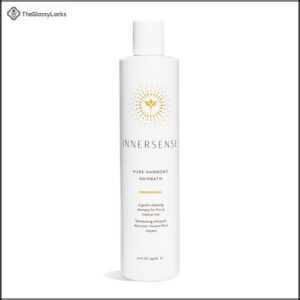
If R+Co leans bold and woodsy, Innersense goes the opposite direction: quiet, plant-based, closer to the scalp’s own chemistry.
Its sulfate-free base relies on quinoa, rice extracts, and coconut oil to cleanse without disrupting the moisture barrier. Certified organic sourcing keeps synthetic additives out of the formula, which matters if you’re managing sensitive or reactive skin alongside oily roots.
Lather builds fast with minimal product, and the silicone-free base won’t coat fine strands. Some users report a slightly drying finish, particularly on fine or already oil-prone hair. That’s not always a flaw. Controlled dryness can mean less rebound oil days later, though results vary by scalp type and water hardness.
| Best For | People with wavy, fine, curly, or color-treated hair who want a gentle, plant-based cleanse without silicones or synthetic additives. |
|---|---|
| Sulfate Free | Yes |
| Use Frequency | Regular Use |
| Silicone Free | Yes |
| Paraben Free | Unspecified |
| Color Treated Safe | Yes |
| Key Cleansing Agent | Quinoa Cleanser |
| Additional Features |
|
- Sulfate-free, silicone-free formula that lathers well with minimal product
- Nourishing blend of quinoa, rice extracts, shea butter, coconut oil, and avocado oil
- Defines curls and reduces frizz while leaving hair soft and smooth
- Can leave hair feeling greasy or, alternatively, slightly dry for some fine or oily hair types
- Pricier than many other organic shampoos
- May require double washing or extra product for a full, effective lather
Tailor and Troubleshoot Your Routine

No two scalps behave the same way, so your routine needs to match your specific hair type and history. Fine strands, curls, and color-treated hair each demand small adjustments to keep oil in check without causing new problems.
Here’s how to fine-tune your approach and dodge the common mistakes that sabotage your progress.
Fine or Straight Oily Hair
Fine strands show oil fast: less surface area, more visible sebum. Focus root oil control with fingertip massage, letting rinse water cleanse lengths. Use a lightweight clarifying shampoo and lightweight conditioner only on ends. Apply dry shampoo directly to roots.
For a deeper dive into why fine hair behaves this way and how to stay ahead of it, this guide to managing oily fine hair covers product picks and daily habits worth knowing.
Weekly scalp exfoliation clears follicular buildup, protecting scalp health without stimulating extra oil production.
Curly or Coily Oily Hair
Coils trap sebum near roots while ends stay parched, an uneven split most routines ignore. Wash every other day, apply lightweight conditioner only mid-shaft, and keep scalp exfoliation weekly for buildup control.
- Massage jojoba oil at roots only
- Preserve curl definition with diffusing
- Protect strands nightly using a satin bonnet
- Balance scalp hydration without weighing curls down
Color-treated or Damaged Hair
Since dye oxidizes the cuticle, color-treated oily hair needs sulfate-free formulas plus gentle cleansing.
| Priority | Why It Matters |
|---|---|
| Color-safe shampoo | Slows fading |
| Bond strengthening | Rebuilds weak strands |
| Protein repair | Fights brittleness |
| pH balanced ingredients | Protects cuticle |
| Lightweight conditioner | No root buildup |
Moisture balance stays essential, but skip roots entirely.
Mistakes That Worsen Greasy Roots
Small habits sabotage even the best routine. Watch for these:
- Applying oil or serum straight to the scalp
- Conditioning roots instead of mid-lengths only
- Daily heat styling, which spikes sebum production
- Overusing dry shampoo, causing buildup within 24 hours
Weekly exfoliation stays essential too, skip it and follicles clog fast.
Track Results for 4–6 Weeks
Guessing won’t fix greasy roots, tracking will. Log wash intervals, oil timing, and scalp comfort weekly, then compare same-angle photos to judge real change in sebaceous activity.
| Week | What to Track |
|---|---|
| 1-2 | Baseline oiliness, itching |
| 3-4 | Shine onset timing |
| 5-6 | Comfort, oil control gains |
Stay consistent with product amounts. Patterns emerge by week four.
Frequently Asked Questions (FAQs)
What’s the best hair routine for oily hair?
Your scalp isn’t a deep fryer, so stop treating it like one. Wash every 2-3 days with clarifying shampoo, condition only mid-lengths to ends, rinse with lukewarm water, and use dry shampoo to manage oil between washes.
If you’ve recently colored your hair, it’s worth checking whether Herbal Essences is a good shampoo for colored hair before it goes in your shower rotation.
What not to use for oily hair?
Skip heavy oils, thick conditioners on roots, and sulfate formulas that strip sebum. Avoid hot water washing, scrubbing too hard, clarifying overuse, and incomplete rinsing, these trigger rebound oil production and worsen buildup fast.
What can I do if I have oily hair?
Frustrated by roots that grease up overnight? Wash every 1-2 days with clarifying shampoo containing salicylic acid, condition only ends, use dry shampoo sparingly, and avoid touching hair, it disrupts sebum production and worsens greasy roots.
How do I fix my oily dandruff hair?
Target oily dandruff with a clarifying shampoo containing salicylic acid, ketoconazole, or pyrithione zinc. Wash every other day, condition ends only, and exfoliate weekly to control sebum, buildup, and Malassezia-driven flaking.
How do I get rid of oily hair & scalp?
It’s a fine line to walk, but taming sebum production starts smart: adjust shampoo frequency, use clarifying shampoo with salicylic acid, exfoliate weekly, condition ends only, and skip heavy oils weighing down your scalp.
How should I hydrate oily hair?
Apply a lightweight conditioner only to mid-lengths and ends, never roots. Choose water-based formulas with hyaluronic acid over heavy oils. Light hydration sprays maintain moisture balance without disturbing sebaceous activity or triggering rebound greasiness.
For targeted recommendations on formulas that pair well with moisture-focused routines, in-depth hair product reviews for every hair type can help you identify lightweight options that won’t undo your sebum balance.
What is the best hair care routine for oily hair?
Think of your scalp as a furnace running too hot. Wash every other day with clarifying shampoo, condition only mid-lengths to ends, and add weekly scalp exfoliation to keep sebum production and buildup under control.
How do I make my hair less oily?
Wash every other day with a clarifying shampoo, keep conditioner off your scalp, use lukewarm water, and layer in dry shampoo between washes. This calms sebum production without triggering rebound greasiness or stripping your scalp’s natural balance.
What should I use if my hair is oily?
Reach for a clarifying shampoo with salicylic acid to dissolve sebum buildup, pair it with a lightweight conditioner on ends only, use dry shampoo sparingly, and add a water-based moisturizer for balanced scalp health.
What is the best treatment for greasy hair?
Weekly clarifying with a sulfate-free formula targets sebum without over-stripping. Add salicylic acid treatments for buildup, scalp exfoliation for dead skin, and lightweight conditioner on ends only. This trains sebum production down over four to six weeks.
Conclusion
Two people can share identical CAG repeat lengths and still land on opposite ends of the shine spectrum by 3 p.m., because routine decides what genetics only suggests. That’s the real lesson here.
Your hair care routine for oily hair isn’t punishment, it’s calibration, matching wash frequency and ingredients to your sebaceous output. Track your scalp for six weeks. Adjust one variable at a time. Control isn’t luck. It’s precision, applied consistently.