This site is supported by our readers. We may earn a commission, at no cost to you, if you purchase through links. This content is for general informational and educational purposes only and is not a substitute for professional medical, dermatological, or nutritional advice.

Your hair can start locing for free, or it can cost you $1,400 before you leave the chair. Both are real prices for the same hairstyle.
So how much do dreads cost? A freeform start runs $0, while a traditional install lands between $150 and $650+. Then come the retwists, which add $80 to $200+ every 4 to 8 weeks. Your hair length, your density, and your city can swing the total by hundreds of dollars.
You deserve to know where every dollar goes before you book. Here’s what each style costs, what upkeep adds up to, and how to keep the price in your control.
Table Of Contents
Key Takeaways
- Your upfront cost depends mostly on the style you pick, from $0 for freeform locs and $150 to $650+ for traditional locs, up to $1,500+ for Sisterlocks.
- Most of what you pay is labor, so longer, thicker, or coarser hair, smaller locs, and an experienced loctician all push your quote higher, as does living in a pricey city like New York.
- Upkeep keeps costing you after install, with retwists of $80 to $200+ every 4 to 8 weeks plus a few hundred dollars a year in products, and skipping visits can lead to costly fixes later.
- You can keep the price in your control by asking for a written quote, checking whether extension tips are included, and trying beauty school clinics that charge 40 to 60 percent less.
How Much Do Dreads Cost Upfront?
Your upfront cost depends mostly on the type of locs you choose, and the range is wide. Starting prices run from $0 for freeform locs to $1,800 or more for Sisterlocks. Here’s what you can expect to pay for each style, so you can plan your budget with confidence.
If you’re leaning toward the high end of that range, this guide to what Sisterlocks are and why people choose them explains what the extra cost actually gets you.
Traditional Locs and Comb Coils
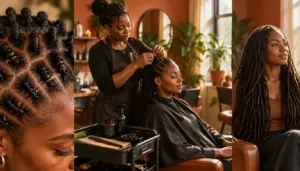
The average cost of traditional locs runs $150 to $650+, depending on your hair length, density, and loctician. Comb coils sit at the low end, usually $75 to $250.
Installation time explains much of that gap. Comb coils take about 45 minutes to 1.5 hours, while a full traditional install can take 4 to 8 hours. Longer sessions cost more. Comb coils also stay affordable to maintain because they only need a retwist every 4 to 6 weeks, focused on the roots.
Microlocs and Sisterlocks

Smaller locs mean a bigger bill. Microlocs usually cost $500 to $1,000+ to install, while Sisterlocks run $700 to $1,500+ because of the certified technique.
Here’s what that looks like:
- Microlocs install: 6 to 24 hours
- Sisterlocks install: 8 to 36 hours
- Microlocs retwist: $100 to $300
- Sisterlocks retightening: $200 to $400+
Expect maintenance visits every 4 to 7 weeks.
Since most extensions need a refresh well before the hair itself wears out, this guide to how long hair extensions last explains how to plan for removal and reuse.
Freeform Locs and Faux Locs

Not every route costs a lot. Freeform locs are the budget pick, since you mostly pay with time and patience. Since freeform locs need very little styling, a simple freeform locs care kit with residue-free shampoo and light oils covers most of what you’ll need.
| Style | Upfront cost | Time |
|---|---|---|
| Freeform locs | $0 | Months to a year |
| Faux locs | $150 to $300 | 6 to 9 hours |
| Human hair faux locs | $580 to $2,500 | Varies |
Faux locs are temporary, lasting about 3 months, so budget for removal.
Factors That Drive Dreadlock Prices
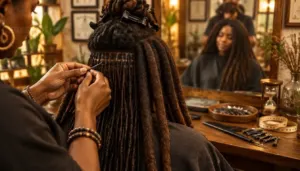
Two people can ask for the same style and get very different quotes. Why? A handful of details behind the price tag explain it.
Think of it as time. Most of what you pay for is hours of hands-on work, so anything that adds hours adds to the bill.
A color service like balayage can run anywhere from $30 to $600, so checking current Master Cuts prices helps you see how much each extra hour adds.
Most of a loc price is really the labor, so every extra hour of work raises what you pay
- Hair length: Longer hair means more sections to handle, so installation takes longer and costs more.
- Hair density: Thick, full hair needs more individual locs and a longer appointment.
- Hair texture: Coarse hair doesn’t bind or twist easily, which can bring extra fees.
- Loc size: Smaller sections take more time than larger ones, so microlocs cost more than traditional locs.
- Loctician experience: Skilled pros charge higher rates, and certified Sisterlocks consultants add a premium.
Ask for a quote based on your own hair before you book.
Regional Price Differences Across The US
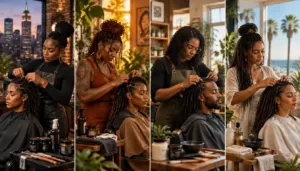
Where you live can change your final bill more than you’d expect. Regional price variations come down to local rent, demand, and how many skilled locticians work nearby.
The Northeast runs highest. In New York City, starter locs range from $275 to $950, and long, thick hair can top $1,400. Philadelphia locticians often charge around $300 per hour.
The Southeast is gentler. Atlanta installation runs $300 to $400 for short hair, $400 to $600 for medium, and up to $1,000 for extra long, thick hair.
Midwest rates sit in the middle, with starter locs averaging about $117. West Coast cities like Los Angeles and San Francisco usually cost 15 to 25 percent above the national average.
Texas and the Southwest land somewhere between the coasts and the Midwest.
Ongoing Maintenance and Product Costs

How much will you keep spending once your locs are installed? Quite a bit less than the start, but it adds up. Most people book retwist sessions every 4 to 8 weeks, and each visit usually runs $80 to $200+. In big cities, full head work can hit $200 to $350.
Skipping visits sounds like a saving, yet unraveling and thinning often cost more to fix later.
Then there are loc product costs. Clarifying shampoos, gels, oils, and sprays run $10 to $35 each, which means a basic routine lands in the low hundreds yearly.
Hair washing frequency matters too. Wash starter locs every 2 to 3 weeks. A salon vs DIY comparison favors home care, since you’d pay for products only.
Extensions and Add-on Fees

Closed tips or extension attachments can add $100 to $200 to a single service, which surprises many people at checkout. Dreadlock extensions are where a modest budget can quickly grow, so it helps to know the pieces.
- Individual strands: $13 to $20 each, adding roughly 20cm for short or 50cm for long.
- Synthetic extensions: $100 to $300 for the hair itself.
- Human hair extensions: $300 to $800+ before installation fees.
- Loc extension installation: $200 to $1,000+ depending on location, technique, and hair type.
- Retightening: $60 to $75 per hour, usually every 6 to 8 weeks.
Ask which hair extension methods your loctician uses and whether tips are included upfront. That one simple question keeps your final bill far more predictable.
Ways to Find an Affordable Loctician
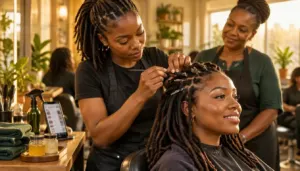
Beauty school clinics often charge 40 to 60 percent less than established locticians, and some, like Aveda Institute, price services at half. That’s a big drop for the same basic result, and supervised students handle the work.
Start there if your budget’s tight. Then check Booksy and Vagaro, where new clients can find a first-time client special, sometimes just $1 for a retwist or 10% off a starter loc consultation.
Ask about loyalty points and referral bonuses too. Prebooking and buying retail products can earn credits toward future visits. Instagram and Facebook groups also post wash, retwist and style deals.
Mobile locticians may cost less because they skip salon overhead. Booking with a friend can split the cost, too.
Frequently Asked Questions (FAQs)
How long do dreadlocks typically last?
With regular retwists and good scalp care, your locs can last anywhere from 2 to 10+ years, and many people keep them for life. Extension-based sets are shorter, usually a few months.
How long do dreadlocks take to fully mature?
Wondering when your locs will finally feel settled? Most take 12 to 18 months to fully mature, though thick, curly hair can get there sooner. Finer hair may need up to two years.
Can dreadlocks damage your hair or scalp?
Is it true that dreads wreck your hair? Not on their own. Damage comes from too much tension, so keep installs loose, retwist rarely, and skip heavy extensions. Spot tenderness early, and hair loss prevention gets easy.
Can dreadlocks be removed without cutting hair?
Yes, you can. A slow comb-out with conditioner, starting at the tips and working toward your roots, undoes locs without cutting. Expect hours of patience, though. Mature locs take longer, and some shed hair will come out.
How often should dreadlocks be washed?
Think of your locs like a garden: too little water and nothing breathes, too much and everything washes away. Most people land on once a week, but oily scalps may need it sooner, dry ones less.
How should you sleep to protect your locs?
Think a bonnet is too much hassle? It takes five seconds, and it saves you from lint and breakage. Cover your locs in satin or silk, and add a satin pillowcase as backup.
Conclusion
So, how much do dreads cost for you? Somewhere between $0 and $650+ upfront, plus retwists of $80 to $200 every few weeks.
Your hair length, density, and city shape that number, but you hold the controls. Ask for a written quote, compare a few locticians, and budget for upkeep, not just installation. Questions at booking save real money later. Spend wisely now, and your locs will keep growing long after the bill is paid.