This site is supported by our readers. We may earn a commission, at no cost to you, if you purchase through links. This content is for general informational and educational purposes only and is not a substitute for professional medical, dermatological, or nutritional advice.

Most people shave their legs on autopilot—same routine, same razor, same results. But here’s something worth knowing: shaving too often can quietly damage your skin’s protective barrier, leaving legs drier and more irritated over time. The right frequency isn’t one-size-fits-all. It depends on how fast your hair grows, how sensitive your skin is, and even the season.
Knowing how often you should shave your legs—and what helps healthy skin between shaves—makes a bigger difference than most people expect. The answers are more specific, and more useful, than the generic advice floating around.
Table Of Contents
- Key Takeaways
- How Often Should You Shave Legs
- What Affects Leg Shaving Frequency
- Daily Vs Weekly Leg Shaving
- Prep Legs Before Every Shave
- Best Direction to Shave Legs
- Prevent Razor Burn and Ingrowns
- Care for Legs After Shaving
- Replace Razors at The Right Time
- Top 3 Leg Shaving Products
- Frequently Asked Questions (FAQs)
- Are Gen Z shaving their pubes?
- Can I shave 2 days after shaving?
- How often should I remove leg hair?
- How often should I shave for growth?
- Can I shave legs during pregnancy?
- How does menstruation affect leg hair growth?
- Should seasons change my shaving routine?
- Are electric razors better than manual ones?
- Is professional waxing worth the investment?
- Can waxing replace shaving for smooth legs?
- Conclusion
Key Takeaways
- Your ideal shaving frequency—whether every 2 days or once a week—depends on your hair growth speed, skin sensitivity, and the season, so there’s no single right answer for everyone.
- Shaving too often breaks down your skin’s protective barrier, leading to razor burn, ingrown hairs, and irritation, so spacing out sessions gives your skin real time to recover.
- Good prep work—warm water, gentle exfoliation, and a quality shaving gel—makes a bigger difference in your results than the razor you use.
- Replacing your blade regularly, moisturizing right after shaving, and wearing loose clothing afterward are simple habits that keep your skin calm and smooth between sessions.
How Often Should You Shave Legs

There’s no single answer that works for everyone — your ideal shaving schedule depends on a few personal factors. Most people find a rhythm that keeps their skin happy without overdoing it.
Paying attention to how your skin reacts after each shave is key — tips on preventing razor burn on your legs can help you fine-tune that personal rhythm.
Here’s a breakdown of the most common approaches to help you find yours.
Typical Shaving Schedule for Most People
Honestly, there’s no single answer to how often you should shave your legs — and that’s actually good news.
Best shaving frequency guidelines exist, but your personal rhythm matters most.
Hair regrowth pace, lifestyle compatibility, and skin healing time all shape your ideal shave frequency.
Most people land somewhere between every two days and once a week, and that interval flexibility is completely normal.
Leaving a day or two between shaves lets the skin recover, as allow skin to recover helps prevent irritation.
When Every 2–3 Days Makes Sense
A 2–3 day shave frequency works well when fast regrowth periods leave your legs feeling scratchy by day two. If your office dress code or vacation packing ease means bare legs most days, this rhythm keeps things smooth without much effort.
Seasonal humidity shifts can also speed regrowth, making shorter intervals feel necessary. Just make sure skin is calm before each pass.
When Every 3–5 Days is Better
If your skin is prone to being sensitive or your hair is fine and light, stretching to a 3–5 day shave frequency is actually the smarter call. It promotes skin irritation prevention, gives your skin time to breathe, and even helps with budget blade usage.
For travel shaving or eco-friendly razor choices, fewer sessions also mean less waste — and real psychological comfort in knowing your skin stays calm.
How to Tell Your Legs Need Shaving
Your legs will usually tell you when it’s time. Run your hand down your shin — if the surface smoothness is gone and that prickly stubble visibility kicks in, you’re due.
Hair tip bluntness after shaving makes regrowth feel coarser than it actually is.
Watch for regrowth shadows in bright light, or a clothing snag on your tights. That’s your cue.
What Affects Leg Shaving Frequency

No two people shave on the same schedule, and that’s completely normal. How often you need to reach for your razor depends on a handful of factors unique to you.
Here’s what actually shapes your shaving frequency.
Hair Growth Speed Differences
Not everyone’s hair grows at a different rate for the same reasons — and that gap matters when you’re figuring out how often you should shave your legs.
- Gender Disparities: Men’s legs grow hair at 0.3–0.5 mm daily; women average 0.2–0.4 mm
- Ethnic Growth Rates: Asian hair grows fastest, Caucasian next, then African descent
- Age Related Growth: Peak growth hits between 15–30, slowing after 40
- Hormonal Influence: Testosterone and estrogen directly shape your hair growth cycle
- Genetic Variants: Your AR and EGR3 genes set your ideal shaving frequency guidelines
Skin Sensitivity and Irritation Risk
If your skin stings after every shave, your shaving frequency is probably too high.
Sensitive skin loses its barrier faster, making it vulnerable to razor burn, ingrown hairs, and irritant contact dermatitis.
Hard water irritation and fragranced products make this worse.
Stick to fragrance-free formulas, exfoliate before shaving, and follow recommended shaving frequency guidelines — spacing shaves further apart gives barrier strengthening a real chance.
Personal Preference for Smoothness
Ultimately, your personal smoothness goal drives everything. Some people can’t stand even a day’s stubble — that desired tactile feel of silky skin is non-negotiable. Others are perfectly comfortable with three to five days of regrowth.
There’s no universal ideal shaving frequency guideline here. Ask yourself: how smooth does your skin actually need to feel? That answer sets your comfort vs frequency sweet spot.
Seasonal Dryness and Cold Weather
Winter changes the game. Heated rooms drop indoor humidity to as low as 15–20%, which pulls moisture from your skin fast — that’s your cue to stretch your seasonal shaving schedule to every 3–5 days.
Wind chill impact strips your skin’s protective oils outdoors, while hot showers risk weakening your barrier further. Lean on barrier repair creams and protective clothing to stay comfortable between shaves.
Hormonal Changes and Faster Regrowth
Your hormones quietly run the show. An androgen surge during puberty hormones or conditions like PCOS impacts hair regrowth cycle speed, turning finer hairs thicker and darker. Estrogen decline — common during menopause or menstrual cycle fluctuations — can shift texture too.
Hormones quietly run the show — surges and declines shape how fast, thick, and dark your leg hair grows
If hormonal conditions like PCOS affect your shaving frequency, every 2–3 days may become your new normal. Listen to your body.
Daily Vs Weekly Leg Shaving

How often you shave comes down to more than just preference — it’s a real skin health decision. Shaving every day hits differently than once a week, and your skin will let you know which one works for it.
Here’s what you need to know about both ends of the spectrum.
Is Daily Shaving Safe
Daily shaving is safe — if your skin can handle it. The real test is Tolerance Assessment: does your skin bounce back overnight, or do you wake up with lingering redness?
| Condition | Daily Shaving Risk | What To Do |
|---|---|---|
| Normal skin | Low | Moisturize after each shave |
| Sensitive skin | High | Skip a day minimum |
| Active razor burn | Very high | Stop shaving immediately |
| Dull blade | High | Replace before shaving |
| Dry skin | Moderate | Hydrate first |
Blade Hygiene Practices matter here too. A clean, sharp blade cuts cleanly — a dull one drags, breaks your Skin Barrier Recovery, and raises Infection Risk Management concerns quickly. Always prioritize postshave moisturization to keep irritation from compounding.
Benefits of Shaving Less Often
Pulling back on how often you shave actually gives skin room to breathe. Less friction means reduced inflammation, fewer nicks, and a stronger barrier between sessions.
| Benefit | What It Means for You |
|---|---|
| Enhanced skin health | Barrier recovers fully |
| Less frequent nicks | Fewer healing days |
| Cost savings | Blades last longer |
| Time efficiency | Fewer grooming sessions |
That’s the quiet win of ideal shaving frequency guidelines — less is genuinely more.
Risks of Shaving Too Frequently
Shaving too often stacks the risks fast. Skin Barrier Damage happens when blades strip more than hair — each pass removes protective layers.
Micro-Cut Infections sneak in through those invisible nicks, and about 9% of frequent shavers report actual infections.
Razor Burn Frequency climbs. Ingrown Hair Frequency spikes. Folliculitis Risk follows.
| Risk | What Happens |
|---|---|
| Razor burn | Skin reddens and stings |
| Folliculitis | Follicles inflame and bump |
| Ingrown hairs | Hair curls back inward |
Best Intervals for Sensitive Skin
If your skin is still red the next day, that’s your irritation threshold talking. For sensitive skin, a 3–5-day recovery time is ideal — allowing sufficient skin barrier rest before the next shave.
| Skin Type | Comfort Index | Recommended Frequency |
|---|---|---|
| Sensitive | Low | Every 3–5 days |
| Normal | Medium | Every 2–3 days |
| Resilient | High | Every 2 days |
Adaptive scheduling — tailoring shaving frequency to your skin’s actual response — outperforms rigid routines.
Prep Legs Before Every Shave

Good prep work is honestly half the battle for a clean, comfortable shave. Skipping is where most people go wrong — and then wonder why their legs feel irritated.
Here’s what to do before the razor ever touches your skin.
Warm Water and Shower Shaving
The shower is your best prep tool. Warm water does two things at once — Steam Softening the hair shaft and Pore Opening the follicles, which gives your razor a cleaner path. That’s Razor Glide working in your favor.
- Aim for Ideal Water Temperature: comfortably warm, not scalding
- Shaving in the shower keeps legs wet for consistent Skin Hydration
- Shaving after shower? Rewet immediately — hair stiffens fast
Gentle Exfoliation Before Shaving
Exfoliating right before you shave makes a real difference. Loose dead skin creates drag, so clearing it first lets the blade glide cleanly. Use an exfoliating mitt, a Microbead Scrub, or an Enzyme Wash with gentle circular motions — light pressure only.
| Exfoliant Type | Best For |
|---|---|
| Exfoliating Mitt | Sensitive or dry legs |
| Microbead Scrub | Normal skin, light buildup |
| Lactic Acid Prep | Rough texture, dull skin |
| Enzyme Wash | Reactive or easily irritated skin |
Exfoliation Timing matters: do it in the same shower step, right before you reach for your razor.
Choosing Shaving Gel or Foam
Both shaving gel and foam work, but they’re not interchangeable. Gel wins on Glide vs Cushion — its denser layer gives more protection and Visibility Control for precise strokes. Foam covers faster but rinses in seconds, risking friction mid-pass.
For Fragrance Sensitivity, choose options with Ingredient Simplicity.
A hydrating shaving cream blends both benefits, setting you up for smoother postshave skin care and moisturization.
Why Dry Shaving Causes Irritation
Skipping shaving cream might save a minute, but your skin pays the price. Without lubrication, Friction Heat Build-up starts immediately — the blade drags instead of gliding.
Repeated Blade Contact disrupts your Epidermal Barrier, causing Accelerated Skin Inflammation quickly.
A wet shave with warm water and shaving cream keeps Lack of Hydration in check, preventing dry skin after shaving and real skin irritation.
When to Avoid Shaving Damaged Skin
Your skin sends clear signals — learn to read them. Open wounds, active acne, an eczema flare, or psoriasis plaques all mean put the razor down.
Shaving over broken or inflamed skin worsens irritation, slows skin healing time, and raises your folliculitis prevention stakes.
Healing irritation needs breathing room, not blade contact. Wait until your skin looks calm, intact, and smooth before shaving again.
Best Direction to Shave Legs
The direction you shave matters more than most people think.
It affects how close the shave feels, how your skin responds, and whether you end up with irritation or ingrowns. Here’s what you need to know before your next pass.
First Pass With The Grain

Your first pass sets the tone for everything that follows. Always shave in the direction of hair growth — that’s your Hair Direction Mapping step. On legs, this generally means working from the knee down to the ankle.
Follow these five principles for a clean, controlled first pass:
- Apply light pressure — a Minimal Pressure Pass protects your skin
- Use short, deliberate strokes for Blade Angle Control
- Keep a Gentle Initial Stroke rhythm, never forcing the razor
- Practice Skin Tension Technique, especially around curved areas
- Rinse the blade often to maintain glide
When to Shave Against The Grain

Going against the grain is a tool, not a rule. Save it for a second pass — only after reapplying gel — when Event Smoothness matters most.
Your Personal Irritation Tolerance and Hair Texture Type both determine how often this works for you.
Always do a Blade Condition Check first. Dull blades make against-the-grain strokes harsh. If redness follows, respect that Skin Recovery Window and skip it next time.
Curly Versus Straight Leg Hair
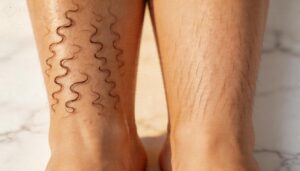
Your Follicle Shape decides a lot. Curly hair grows from oval follicles, giving it Shaft Geometry that bends back toward the skin — that’s why Curl Visibility makes regrowth look faster.
Shave curly hair from knee to ankle to reduce ingrown risk. Straight hair lies flatter, so ankle-to-knee works well.
Both follow the same Growth Cycle Timing, but feel completely different against the razor.
How to Shave Around Knees Safely

The knee is trickier than the shin — it’s bony, curved, and full of creases. Bend it to a 90-degree knee bend to create taut skin tension across the kneecap.
Then use short, horizontal shave strokes instead of long sweeping ones. A light pressure grip keeps the blade from catching. Finish with a cool water rinse to calm the area down.
Using Light, Slow Strokes

Once you’ve handled the tricky curve of the knee, the way you move the razor the rest of the way down matters just as much. Think of it as stroke rhythm — slow and steady win here.
- Pressure Control: Let the blade do the work; a light touch prevents razor burn and bumps
- Blade Glide: Slow strokes keep clean contact with the skin surface
- Skin Tension: Keep the skin slightly taut for consistent, even passes
- Moisture Management: Reapply gel if lubrication feels thin mid-shave
When you shave your legs and follow recommended shaving frequency guidelines, using techniques to prevent razor burn and bumps — like shaving with the grain and choosing to shave in the direction from the knee down to the ankle — makes every pass cleaner and gentler on your skin.
Prevent Razor Burn and Ingrowns

Razor burn and ingrown hairs don’t have to be part of your routine. A few small adjustments to how you shave can make a real difference in how your skin feels afterward.
Here’s what to focus on every time you pick up a razor.
Using a Sharp, Clean Razor
A dull blade is one of the fastest routes to razor burn.
Do a quick Blade Sharpness Check before every shave — if it snags or pulls, that’s your Edge Dullness Signs telling you it’s time to switch your razor.
Rinse between strokes using the Cleaning Pass Technique, dry it with Storage Airflow in mind, and replace your razor often for proper blade maintenance and replacement.
Avoiding Too Much Pressure
Most people grip the razor way too tightly without realizing it. That tension travels straight to the blade and turns a gentle stroke into a scrape.
Practice pressure awareness by loosening your hold and letting the razor angle do the work. Light grip, skin tension from your free hand, and shaving with the grain are enough — avoid applying pressure to prevent nicks and cuts.
Reapplying Gel for Second Passes
Always reapply shaving gel before a second pass — don’t skip this step. After the first pass, your original layer is patchy and broken up by stubble.
Rewet your skin first, then add a thin, even coat. Transparent gel helps with targeted area coverage so you can see exactly where you’re working. Layered lubrication keeps the razor gliding instead of dragging.
Reducing Razor Bumps on Legs
Razor bumps usually come down to a few fixable habits. Using pre-shave oil softens hair and gives better blade angle control, so the razor cuts cleanly instead of tugging.
Consistent skin exfoliation benefits ingrown hairs by clearing the path before the blade even touches skin.
After shaving, apply anti-inflammatory serums or a cold compress for relief, and focus on skin barrier repair to keep bumps from returning.
Preventing Nicks and Missed Patches
Nicks usually happen when you rush. Keep your skin taut — that tensioned skin stretch flattens uneven spots around the knee and ankle so the blade tracks cleanly.
Use short stroke technique with light pressure, and rinse the blade often to clear buildup. Good visual lighting checks help you catch missed patches before you’re done.
Care for Legs After Shaving

The shave is done, but your skin’s job isn’t over yet. What you do in the next few minutes makes a real difference in how your legs feel and look.
Here’s what to do right after you step out of the shower.
Rinsing Away Leftover Shaving Cream
Don’t skip the rinse — leftover shaving cream sitting on your skin turns tacky fast. Do an immediate rinse timing check right after your last stroke. Lukewarm water dissolves foam cleanly without stressing freshly shaved skin, and a cool water calming finish helps settle any surface heat.
- Rinse blades with a blade residue brush or fingertip to clear buildup
- Check for streaky patches — slick spots mean cream is still there
- Confirm post‑rinse skin texture feels smooth, not coated, before moisturizing
Patting Skin Dry Gently
Grab a soft towel — your towel softness choice matters more than you’d think after a shave, after shower. Patting pressure tips come down to one rule: light taps, no rubbing friction.
Avoiding rubbing friction keeps shins and knees calm. Your post-shave patting routine should leave skin slightly damp, not bone dry — that moisture retention balance sets up your moisturizing postshave step perfectly.
Moisturizing Immediately After Shaving
While your skin is still slightly damp, that’s your window — moisturizer after shaving absorbs best right then. Immediate Application Timing is everything for Barrier Support Strategies.
Reach for CeraVe Moisturizing Cream or Aveeno Positively Smooth Moisturizing Shave Gel with Aloe — both offer solid Humectant Selection with ceramides and glycerin.
Stick to Fragrance-Free Options if your skin runs sensitive, and try a Layered Moisturizer Technique for lasting postshave skin care.
Soothing Razor Burn Quickly
Even with the best moisturizer after shaving, razor burn can still sneak up on you. Here’s how to calm it fast:
- Press a Cool Compress on irritated spots for 5–10 minutes
- Dab on Aloe Vera gel or Witch Hazel with a cotton ball to reduce redness
- Use a thin layer of Hydrocortisone Cream for stubborn inflammation, or try an Oatmeal Bath for wider areas
Good postshave skin care makes all the difference.
Wearing Loose Clothing Afterward
Once razor burn is calmed, what you wear next matters more than most people realize. Clothing choice is quiet shaving aftercare.
| Factor | Best Choice | Why It Helps |
|---|---|---|
| Breathable Fabric | Cotton or linen | Heat management and airflow |
| Reduced Friction | Loose pants or soft shorts | Protects skin recovery |
| Sweat Control | Relaxed joggers | Keeps follicles dry |
| Seam Contact | Seam-free styles | Fewer razor bumps |
| Skin Sensitivity | Wide-leg cuts | Less direct pressure |
Replace Razors at The Right Time
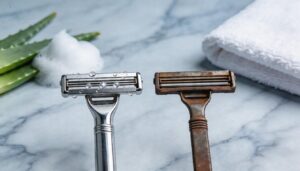
Your razor matters just as much as your technique. dull or dirty blade can undo all the prep work you’ve put in, leaving your skin irritated instead of smooth.
Here’s what you need to know to keep your razor working for you.
How Often to Change Blades
Blade lifespan metrics matter more than most people realize. How often you shave legs directly shapes your blade maintenance and replacement schedule.
Daily shavers need fresh blades every 5–7 shaves. Shave twice weekly? Every 4–6 weeks works.
Here’s a simple blade wear tracking guide:
- Daily shaving: replace every 5–7 uses
- Every other day: swap every 2–3 weeks
- Twice weekly: change every 4–6 weeks
Rust prevention starts with dry storage — keep razors out of the shower.
Signs Your Razor is Too Dull
Your body usually tells you when it’s time to swap out a blade. Increased tugging, a rough glide, and persistent stubble are the clearest signs. A clogged blade mid-shave or frequent nicks mean the edge is gone.
| Warning Sign | What It Means |
|---|---|
| Rough glide or drag | Blade is worn and dull |
| Frequent nicks | Edge can no longer shear cleanly |
Cleaning and Storing Razors Safely
Storing your razor well is just as important as how you shave. Keep your razor clean by rinsing it thoroughly after every use, then patting it dry before setting it aside.
Here’s a simple routine for blade maintenance and replacement schedule success:
- Do a Blade Disinfection Soak in isopropyl alcohol weekly
- Use Hygienic Razor Cases or a ventilated stand for Dry Storage Tips
- Apply Rust Prevention by keeping it away from shower steam
Post‑Shave Blade Care and consistent razor blade hygiene extend blade life noticeably.
Why Sharing Razors is Unsafe
Sharing a razor might seem harmless, but it opens the door to serious Cross-Contamination Risk. Every use picks up bacteria, skin cells, and oils — sometimes microscopic blood from tiny nicks. That’s how Bacterial Build-up and Fungal Transmission happen.
| Risk | What Transfers | Why It Matters |
|---|---|---|
| Bloodborne Pathogen Transmission | Microscopic blood | Hepatitis B exposure |
| Skin Infection Outbreaks | Staph bacteria | Folliculitis, impetigo |
| Fungal Transmission | Dermatophyte fungi | Ringworm spread |
| Blade dullness | Worn edge | Razor bumps, irritation |
| Bacterial Build-up | Skin residue | Infection risk from shaving |
Keep razor blade hygiene personal. Your blade, your skin — always.
Blade Count and Sensitive Skin
more blades don’t always mean a better shave — especially for sensitive skin. multi-blade irritation is real: each extra edge repeats the same path, stacking blade pressure impact on already-reactive skin.
- lubrication strip benefits fade fast, so reapply gel on second passes
- blade count trade-offs matter — two or three blades often reduce razor bumps
- earlier blade wear timing prevents the pulling that triggers ingrown hairs
Top 3 Leg Shaving Products
The right products can make a real difference in how your legs feel before, during, and after every shave. Having a solid razor, a good shave gel, and a reliable moisturizer in your routine covers all the bases.
Here are three products worth keeping on your shelf.
1. Schick Hydro 5 Razor Refills
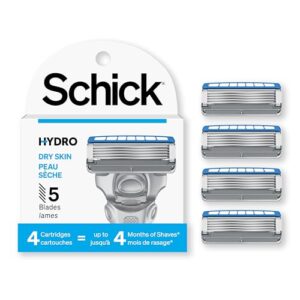
The Schick Hydro 5 Razor Refills take a lot of the guesswork out of leg shaving. Each cartridge has five blades with built-in Skin Guards that cushion your skin as you shave — a real plus if your legs tend to get irritated.
The built-in gel reservoir releases aloe and vitamin E with every stroke, so you don’t always need extra cream.
One cartridge can last around 18 shaves, making it a practical pick for regular use.
| Best For | Anyone with sensitive skin who wants a low-maintenance shave without loading up on extra creams or gels. |
|---|---|
| Skin Benefit | Reduces irritation |
| Hydration | Aloe & Vitamin E gel |
| Skin Type | Sensitive skin |
| Body Areas | Face, legs, underarms |
| Post-Use Feel | Smooth, hydrated |
| Package Size | 4 cartridge refills |
| Additional Features |
|
- Five blades with Skin Guards means less tugging and fewer nicks — great for legs, underarms, and the neck.
- The built-in gel reservoir does double duty, releasing aloe and vitamin E with every pass so your skin stays hydrated throughout.
- One cartridge lasts roughly 3–4 weeks for daily shavers, so you’re not swapping blades every few days.
- The first few shaves can feel slippery — the gel release is heavy out of the gate and takes a bit to settle down.
- After a couple of weeks, the lubrication can get inconsistent — sometimes too much, sometimes barely anything.
- It doesn’t quite match the grip and closeness of premium systems like the Gillette Fusion Power, and tight spots can be tricky without a dedicated precision blade.
2. Aveeno Positively Smooth Shave Gel
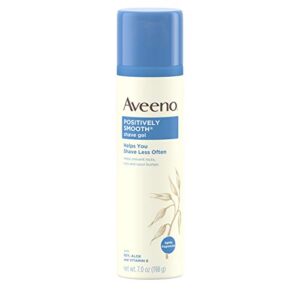
If your skin feels tight or irritated after shaving, your gel might be the problem. Aveeno Positively Smooth Shave Gel is formulated with soy extract, aloe, and vitamin E — a combination that softens hair and hydrates skin while you shave.
It lathers into a light, creamy foam that stays put on your legs, giving the razor a smooth path without dragging. It’s designed for sensitive skin, helping reduce razor bumps and nicks.
The light oatmeal-vanilla scent is a nice bonus too.
| Best For | Anyone with sensitive skin who wants a close, smooth shave with less irritation and softer regrowth over time. |
|---|---|
| Skin Benefit | Minimizes razor bumps |
| Hydration | Soy extract conditioning |
| Skin Type | Sensitive skin |
| Body Areas | Legs, face, scalp |
| Post-Use Feel | Hydrated, bump-free |
| Package Size | 7 oz tube |
| Additional Features |
|
- Soy extract and conditioning agents moisturize as you shave, leaving skin feeling hydrated — not stripped
- Gentle formula reduces razor bumps, nicks, and post-shave redness, great for legs, face, or scalp
- Light oatmeal-vanilla scent is calming without being overpowering
- Only one fragrance option, so it’s a no-go if you’re sensitive to scent
- Pricier than drugstore generics, which can add up with regular use
- Lather is on the lighter side — if you love a thick, dense gel, this one might feel underwhelming
3. CeraVe Moisturizing Cream Face Body
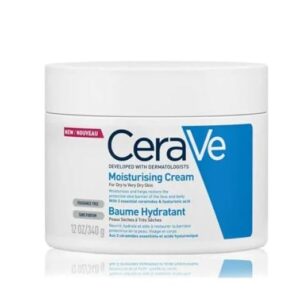
Once you’ve shaved, your skin needs something to seal the deal. CeraVe Moisturizing Cream is a go-to post-shave moisturizer for good reason.
It’s packed with three essential ceramides and hyaluronic acid, which work together to restore your skin barrier and lock in hydration. The MVE technology keeps releasing moisture for up to 24 hours, so your legs stay soft — not just right after you apply it.
Fragrance-free, non-greasy, and gentle enough for daily use.
| Best For | Anyone with dry or combination skin who wants a reliable post-shave moisturizer that hydrates without clogging pores. |
|---|---|
| Skin Benefit | Restores lipid barrier |
| Hydration | Barrier moisture lock |
| Skin Type | Dry to combination |
| Body Areas | Face, hands, body |
| Post-Use Feel | Non-greasy, absorbed |
| Package Size | 12 oz jar |
| Additional Features |
|
- Restores your skin barrier with ceramides and locks in moisture for up to 24 hours
- Fragrance-free and non-greasy — easy to layer over serums or other skincare
- Works well on face, hands, and body, making it a versatile everyday pick
- The thick texture can leave residue if you apply makeup right after
- Can feel a bit heavy on oily or acne-prone skin, especially in hot and humid weather
- A small number of sensitive skin types may still experience irritation, even without fragrance
Frequently Asked Questions (FAQs)
Are Gen Z shaving their pubes?
Gen Z is very much in the grooming conversation. Surveys show most young adults do groom — trimming, shaving, or waxing — though plenty are embracing more natural styles too.
It’s all personal choice.
Can I shave 2 days after shaving?
Yes, you can shave 2 days after shaving — as long as your skin feels calm and irritation-free. If you notice redness or bumps, wait until day 3 or beyond.
How often should I remove leg hair?
Most people shave their legs every 2 to 3 days for consistent smoothness. If you’re not chasing perfectly bare skin, every 3 to 5 days works just fine.
How often should I shave for growth?
Think of leg hair like a garden — it grows at its own pace. For most people, shaving every 2–3 days keeps things smooth without stressing your skin.
Can I shave legs during pregnancy?
Shaving your legs during pregnancy is completely safe. Your skin may feel more sensitive, so use a sharp razor, shaving gel, and take your time — especially as your belly grows.
How does menstruation affect leg hair growth?
Your period can make leg hair feel like it’s growing faster, but it’s mostly hormonal shifts making the same growth rate feel more noticeable — not your follicles actually speeding up.
Should seasons change my shaving routine?
Yes, seasons absolutely matter. Cold, dry air pulls moisture from your skin, making it more sensitive and prone to irritation.
In winter, shave less often and moisturize more. Summer skin tolerates frequent shaving better.
Are electric razors better than manual ones?
neither one wins outright. Electric razors are gentler and faster, while manual razors cut closer and cost less upfront.
Your best pick depends on your skin type and how smooth you want to go.
Is professional waxing worth the investment?
Professional waxing can be worth it. You stay smooth for 3–6 weeks, skip daily razor routines, and regrowth comes back finer over time. For busy schedules, that trade-off makes real sense.
Can waxing replace shaving for smooth legs?
Waxing absolutely can replace shaving. Results last three to six weeks, versus just a few days with a razor.
If you prefer longer-lasting smoothness and don’t mind planning ahead, waxing is a solid swap.
Conclusion
Shaving your legs is like painting a masterpiece, requiring the right strokes at the right time. Finding the perfect how often should one shave their legs routine is key.
By considering your hair growth and skin type, you’ll achieve smooth results with minimal irritation. This tailored approach ensures every shave enhances your skin’s health and appearance.
Ultimately, this meticulous process transforms a routine task into a work of art, leaving your skin feeling healthy and looking great.