This site is supported by our readers. We may earn a commission, at no cost to you, if you purchase through links. This content is for general informational and educational purposes only and is not a substitute for professional medical, dermatological, or nutritional advice.

You’ve got seven products lined up on your bathroom counter, and your skin still looks confused. Sound familiar? That’s usually not a product problem — it’s a skin type mismatch. Slather rich cream on oily skin and you’ll clog pores; use a gel cleanser on dry skin and you’ll strip it raw.
Here’s the thing estheticians know that TikTok skips: knowing how to create a skin care routine for your skin type comes before any ingredient shopping. Once you nail down what you’re actually working with, the rest — cleansers, actives, layering order — falls into place fast.
Let’s figure out your type first.
Table Of Contents
- Key Takeaways
- Identify Your Skin Type First
- Essential Steps for Every Routine
- Top Cleansers for Every Skin Type
- Build Your Morning Skincare Routine
- Build Your Nighttime Skincare Routine
- How to Exfoliate The Right Way
- Key Ingredients and Their Benefits
- Customize Your Routine for Concerns
- Adjust Your Routine Seasonally
- Frequently Asked Questions (FAQs)
- What is the 4 2 4 rule in skincare?
- How do I create my own skincare routine?
- What is the 1% rule in skincare?
- What are the 7 steps of skincare?
- How to build a skincare routine for your skin type?
- How do I figure out my skin care routine?
- What products should I use for acne-prone skin?
- Can I use the same skin care products year-round?
- How often should I exfoliate my sensitive skin?
- What are the benefits of using a facial spray?
- Conclusion
Key Takeaways
- Identify your skin type first (using the bare-faced test) before choosing products, since mismatched routines cause clogged pores or stripped, irritated skin.
- Every routine needs the same core steps in order—gentle cleansing, hydration plus moisturization, and daily broad-spectrum SPF 30+—applied thinnest to thickest to keep actives effective.
- Target specific concerns with proven ingredients like niacinamide for pores, retinol for fine lines, vitamin C for brightening, and salicylic acid for acne, introducing new actives slowly to avoid irritation.
- Adjust your routine seasonally (richer, ceramide-based moisturizers in winter) and stay consistent for three to four months, since real skin improvement takes time, not quick fixes.
Identify Your Skin Type First
Before you buy a single product, you gotta know what you’re actually working with. Every great routine starts with figuring out your skin type — no guessing, no going off what worked for your bestie. Here’s how to spot yours in just a few easy checks.
Once you’ve nailed down your skin type, you can zero in on picks that actually deliver, like this roundup of top-rated facial skin care products worth trying.
Try The Bare-Faced Test

Ever wonder what your skin’s actually doing without ten products layered on top? That’s the bare-faced test. Wash with a gentle cleanser, pat dry, then go bare for 60 minutes — no moisturizer, no toner, nothing.
During that baseline skin assessment, watch for shine, tightness, or redness. This observation window shows your skin’s true oil and moisture levels, JIC you’ve been masking a concern all along.
Signs of Normal Skin

Lucky you if this is your result — normal skin means balanced sebum without shine or tightness.
Texture’s smooth, pores stay small, and your complexion looks even-toned with a natural glow.
A healthy skin barrier helps maintain this perfect hydration and texture.
Minor breakouts happen, but nothing chronic. Basically, your skin’s low-maintenance and comfortable — build a simple daily skincare routine and stick with it.
Signs of Dry Skin

Not so lucky if this is you — dry skin means your barrier’s struggling to hold onto moisture.
Watch for:
- Post-shower tightness that won’t quit
- Itching, redness, or irritation
- Rough, flaky texture
- Scaling, cracking, or an ashy look on darker tones
TBH, a solid moisturizer is your best friend here for restoring hydration.
Signs of Oily Skin

On the flip side, oily skin’s got its own drama — think persistent facial shine by midday, no matter how much you blot.
Watch for enlarged visible pores, frequent blackheads, and blemishes popping up on your forehead, nose, and chin.
Makeup sliding off fast? Classic sign your sebum production’s in overdrive and needs some regulation.
Signs of Combination Skin

Combination skin is basically your face throwing a split personality party. T-zone oiliness (forehead, nose, chin) shows up shiny and pore-visible, prone to blackheads — while your cheeks stay dry, sometimes flaky.
That contrast is uneven sebum production doing its thing. If you’re noticing skin texture imbalance — greasy here, tight there — combination skin’s likely your answer, and your routine needs to address both concerns.
Essential Steps for Every Routine

Okay, so now that you know your skin type, let’s talk basics. No matter what your skin’s doing, every routine needs the same four building blocks to actually work. Here’s what you need to get right, in order.
Cleansing Your Skin
Every good skin care routine starts here — no shortcuts. Use lukewarm water (hot strips moisture, cold barely helps) and massage a gentle, pH balanced cleanser for 30-60 seconds. Wearing makeup or sunscreen? Double cleansing removes buildup properly. Why it matters:
- Prevents clogged pores
- Protects your moisture barrier
- Preps skin for what’s next
Moisturizing for Hydration
Hydrating and moisturizing aren’t twins — they’re more like teammates. Hydration adds water; moisturization locks it in.
| Type | Job |
|---|---|
| Humectant | Pulls water in |
| Occlusive | Seals it, stops loss |
Skip moisturizer and flaking creeps back, barrier weakens. So layer both, daily — your skin’s moisture retention depends on it.
Applying Broad-Spectrum Sunscreen
Sunscreen’s your last line of defense against sun damage — and most people skimp on it.
Grab a broad-spectrum SPF 30+, use the two-finger method for your face, and don’t forget ears, neck, and hairline. Reapply every 2 hours (sooner if you’re sweating or swimming).
Mineral vs chemical? Both work — pick what feels good on your skin.
Correct Product Layering Order
Order matters more than most people think — slap on a thick cream before your serum, and that serum’s just sitting on top, useless.
Thinnest to thickest is the rule: watery toners first, then serums, then moisturizer, oils last. Eye cream goes after treatments, before face moisturizer. Let each layer sink in for a minute — it prevents pilling and keeps your active ingredients actually working instead of rolling off.
Top Cleansers for Every Skin Type
Okay, so cleansing sounds simple, but the wrong one can wreck your whole routine. Skin type matters here more than anywhere else on your shelf. Here are five cleansers worth knowing, no matter what your skin’s throwing at you.
1. CeraVe Foaming Facial Cleanser
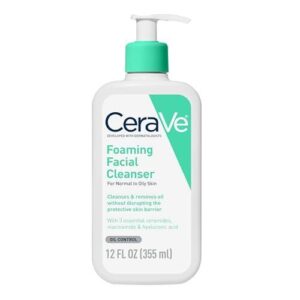
If you’ve got oily or acne-prone skin, this one’s a workhorse. It’s got a gel-to-foam formula that lathers up and actually cuts through oil, dirt, and makeup — no greasy residue left behind.
Even though it foams, it won’t strip you dry. That’s thanks to three ceramides plus hyaluronic acid and niacinamide working behind the scenes to keep your barrier intact.
It’s non-comedogenic, fragrance-free, and works as a face, body, or hand wash — solid multitasker.
| Best For | People with normal to oily or acne-prone skin who want a deep-cleaning face, body, or hand wash that won’t leave their skin feeling stripped. |
|---|---|
| Cleanser Type | Gel-to-foam |
| Fragrance | Fragrance-free |
| Non-Comedogenic | Yes |
| Skin Type | Normal to oily |
| Usage Frequency | Daily AM/PM |
| Application Area | Face, body, hands |
| Additional Features |
|
- Gel-to-foam formula lifts away excess oil, dirt, and makeup without leaving residue
- Ceramides, hyaluronic acid, and niacinamide help maintain the skin barrier and calm irritation
- Non-comedogenic, fragrance-free, and paraben-free, so it’s gentle enough for daily morning and night use
- Not suitable for dry skin types, since it’s formulated specifically for normal to oily skin
- Fragrance-free formula may feel less "spa-like" to those who enjoy scented products
- Foaming cleansers in general can be less hydrating than cream-based options for some users
2. CeraVe Hydrating Facial Cleanser
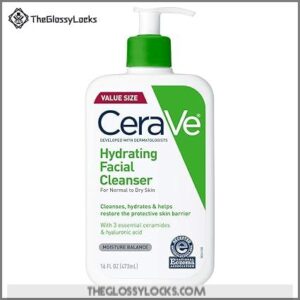
Now if you’ve got dry or sensitive skin, swap the gel for something creamier — that’s where this one comes in.
It’s a lotion-style, non-foaming cleanser that basically melts away dirt and makeup without any stripping. Same three ceramides, plus hyaluronic acid, but this version skips the lather completely.
TBH it feels more like applying a light moisturizer than washing your face. National Eczema Association certified too, so if your skin’s prone to freaking out, this is a safe bet.
| Best For | People with normal to dry or sensitive skin, including those prone to eczema, who want a gentle, non-stripping cleanser for daily AM/PM use. |
|---|---|
| Cleanser Type | Non-foaming lotion |
| Fragrance | Unspecified |
| Non-Comedogenic | Yes |
| Skin Type | Normal to dry/sensitive |
| Usage Frequency | Daily AM/PM |
| Application Area | Face, body, hands |
| Additional Features |
|
- Non-foaming, lotion-like formula cleanses without stripping natural oils
- Contains three essential ceramides and hyaluronic acid to support the skin barrier and lock in moisture
- National Eczema Association certified, making it a safe choice for sensitive or reactive skin
- Not ideal for oily or acne-prone skin types
- Non-foaming texture may feel unfamiliar if you’re used to traditional gel cleansers
- May not feel thorough enough for those who prefer a deep-clean, lathering wash
3. La Roche Posay Toleriane Gentle Cleanser
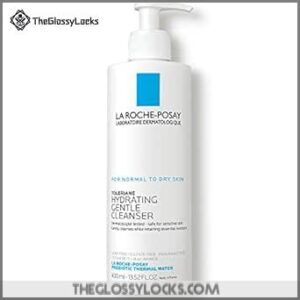
Another creamy pick, but this one leans into thermal spring water — La Roche-Posay’s whole thing.
It’s got niacinamide and ceramide-3 plus prebiotic thermal water to calm irritation while it cleans. Non-foaming, soap-free, fragrance-free — basically built for skin that reacts to everything.
Dermatologist tested, clinically proven to fade discoloration too. So if redness or sensitivity is your main issue (not just dryness), this one’s worth the $19.99.
| Best For | People with normal to dry, sensitive, or reactive skin who want a gentle, soothing cleanser that fades discoloration without stripping moisture. |
|---|---|
| Cleanser Type | Non-foaming cream |
| Fragrance | Fragrance-free |
| Non-Comedogenic | Yes |
| Skin Type | Normal to dry/sensitive |
| Usage Frequency | Daily |
| Application Area | Face |
| Additional Features |
|
- Contains niacinamide, ceramide-3, and prebiotic thermal spring water to soothe skin while cleansing
- Soap-free, oil-free, and fragrance-free — gentle enough for reactive or sensitive skin
- Dermatologist tested and clinically proven to help visibly fade discolorations
- Non-foaming formula may disappoint those who prefer a lathering cleanser
- Not ideal for very oily skin types
- Cream texture may feel too rich for some users in humid climates
4. Neutrogena Ultra Gentle Hydrating Cleanser
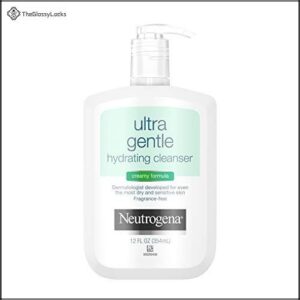
If drugstore budget-friendly is more your speed, Neutrogena’s Ultra Gentle Hydrating Cleanser is a solid swap. Fragrance-free, paraben-free, with glycerin and cetearyl alcohol doing the moisture work while polyglyceryl-10 laurate does the actual cleansing part.
Texture’s more gel-cream than thick balm, and it rinses clean without that tight, squeaky feeling. Built for dry and sensitive skin, but honestly works fine as a gentle daily option even if your skin’s just normal and low-maintenance.
| Best For | People with sensitive, acne-prone, or easily irritated skin who want a gentle, no-fuss daily cleanser without fragrance or foam. |
|---|---|
| Cleanser Type | Non-foaming cream |
| Fragrance | Fragrance-free |
| Non-Comedogenic | Yes |
| Skin Type | Sensitive (acne, eczema, rosacea) |
| Usage Frequency | Daily |
| Application Area | Face |
| Additional Features |
|
- Gentle, non-foaming formula that cleanses without stripping or over-drying skin
- Minimal, hypoallergenic, non-comedogenic ingredients suitable for acne, eczema, and rosacea-prone skin
- Dermatologist developed with a skin-nourishing polyglycerin base for daily use
- Non-foaming texture may feel unfamiliar to those used to traditional lathering cleansers
- No fragrance or essential oils, which may disappoint users who prefer scented products
- Creamy, balm-like consistency may not appeal to those who prefer lighter, gel-based cleansers
5. Paula’s Choice 2% BHA Exfoliant
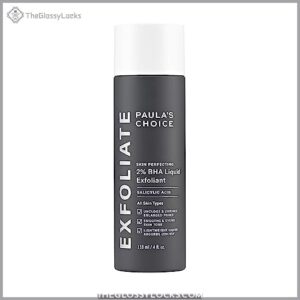
Now if your skin’s more "shiny by noon" than sensitive, this one’s a totally different animal. Paula’s Choice 2% BHA swaps gentle hydration for salicylic acid exfoliation — it works inside the pore lining to clear out oil and dead skin buildup.
It’s a leave-on liquid, not a rinse-off, so it stays put and keeps working. Great for blackheads, texture, and that dull, congested look. Fragrance-free and non-comedogenic, but start slow — once daily, then build up as tolerated.
| Best For | People with oily, congested, or blackhead-prone skin who want a daily leave-on exfoliant to smooth texture and clear out pores. |
|---|---|
| Cleanser Type | Leave-on liquid |
| Fragrance | Fragrance-free |
| Non-Comedogenic | Not specified |
| Skin Type | All skin types |
| Usage Frequency | Daily |
| Application Area | Face and neck |
| Additional Features |
|
- Deeply exfoliates inside the pore to reduce blackheads and clogged pores
- Fragrance-free, paraben-free, and non-abrasive formula suitable for daily use
- Also helps smooth texture, fade fine lines, and even out skin tone
- Leave-on format requires consistent, ongoing use to see results
- May be too strong for sensitive skin without a slow introduction period
- Limited to facial and neck use only
Build Your Morning Skincare Routine
Mornings are all about protecting your skin for the day ahead, not fixing it (that’s what nighttime’s for). Good news: you really only need three steps to get it right. Here’s how your AM routine should go, in order.
Cleanse and Hydrate
Warm water — not hot — is your morning move. Hot water strips your barrier; lukewarm water dissolves oil without wrecking it.
Massage cleanser onto damp skin for 30-60 seconds, tops. Rinse well.
Apply moisturizer to slightly damp skin (better spreadability). Look for humectants like hyaluronic acid plus occlusives to lock moisture in — that’s real barrier protection, not just a quick splash-and-go.
Apply Targeted Serums
Now’s when you bring in the good stuff — face serums packed with active ingredients for your specific skin concerns.
Use just a few drops, tap (don’t rub) into cheeks, forehead, and neck. Rubbing = irritation risk.
Thin formulas first, thicker ones after. Give each layer a minute or two to absorb — this prevents pilling and keeps actives where they belong.
New serum? Patch test on your arm for 24 hours first.
Lock in With Sunscreen
Last step, don’t skip it: broad-spectrum SPF 30+ (SPF 50 if you’re outside a lot). Two-finger amount, covering ears, neck, hands.
Quick rules:
- Reapply every 2 hours outdoors
- Reapply after sweat or towel-drying
- Set a phone alarm — you’ll forget otherwise
TBH, sunscreen’s your #1 anti-aging tool. It’s not a green light to bake at noon, though — pair it with shade during peak hours.
Sunscreen is your best anti-aging tool, but it’s no excuse to skip the shade at midday
Build Your Nighttime Skincare Routine

Nighttime is when your skin actually gets to work fixing itself, so this routine looks a little different from your morning one. No sunscreen needed here — instead, it’s all about cleaning off the day and letting your actives do their thing while you sleep. Here’s exactly how to build it out, step by step.
Double Cleanse if Needed
Wore SPF or full makeup today? Then oil first, water second — that’s the whole trick.
| Step | Job |
|---|---|
| Oil cleanser | Melts makeup/SPF |
| Water cleanser | Rinses residue |
Once nightly is plenty. Skip it on bare-skin days — over-stripping just leaves your barrier tight and cranky.
Apply Treatment Actives
This is where the magic happens — clean, dry skin is prime real estate for active ingredients.
Got a zit? Spot-treat first, let it dry 1-2 minutes. Then thinnest to thickest: retinol or vitamin C serum, then niacinamide. Wait for absorption between layers — rushing causes pilling (gross little product balls, no thanks). New actives? Start 2-3x/week, not nightly, so your skin can adjust without freaking out.
Seal With Night Moisturizer
Last step: night moisturizer, your final lock-in.
While you sleep, skin loses water fast (overnight hydration loss is real). A good cream creates an occlusive film that traps everything underneath — serums, actives, moisture — while barrier repair ingredients like ceramides work overtime.
Pea-sized amount, pat it in. This is nocturnal skin recovery mode — don’t skip it, whatever your skin type.
How to Exfoliate The Right Way

Exfoliating sounds simple, but it trips up a lot of people (too much, too little, wrong type for their skin). There’s actually two totally different ways to do it, and picking the right one matters more than you’d think. Let’s break down your options and how often you should actually be using them.
Chemical Exfoliants Explained
Ever wonder why your face feels smoother after certain products with zero scrubbing involved? That’s chemical exfoliation at work — acids or enzymes dissolving the "glue" between dead skin cells.
AHA vs BHA matters: AHAs (glycolic, lactic) suit dullness and texture; BHA (salicylic) is oil-soluble, great for pores. Polyhydroxy acids like lactobionic offer gentler options for sensitive types. Enzymes like papain work more mildly, breaking down surface buildup naturally.
Physical Exfoliants Explained
Now flip the script: physical exfoliants work with mechanical friction, not acids. Think sugar, salt, or ground coffee scrubs, plus brushes, washcloths, or mitts.
- Scrubs (sugar, salt, coffee)
- Exfoliating brushes
- Cloths or mitts
- Dry brushing
- Pro treatments (microdermabrasion, dermaplaning)
They buff away dead skin for real texture improvement — but go easy, since over-scrubbing causes irritation fast.
How Often to Exfoliate
So how often, exactly? Depends on your skin type — there’s no one-size-fits-all schedule here.
Oily and normal skin can handle chemical exfoliants 2-3x/week. Dry or sensitive skin? Start once weekly, tops.
Watch for overexfoliation signs — redness, roughness, extra breakouts. That means your skin barrier’s taking a hit. Scale back immediately if you notice irritation, and always patch-test new actives first.
Key Ingredients and Their Benefits

Okay, so once you’ve got your routine down, it’s time to talk ingredients. This is where you actually target your specific skin goals, whether that’s hydration, acne, or fine lines. Here are five you’ll wanna know by name.
Hyaluronic Acid for Hydration
Think of it as a water magnet for your face. Hyaluronic acid is a humectant — it grabs moisture and holds it in your skin.
Best practice:
- Apply on damp skin post-cleanse
- Layer thin-to-thick
- Seal with moisturizer
This locks in hydration, eases tightness, and keeps your skin barrier comfy — no matter your skin type.
Niacinamide for Pores and Tone
Why does niacinamide get so much hype? Because it multitasks — sebum regulation keeps oil in check, which means less debris clogging pores and stretching them out over time.
It also works on pore texture improvement and helps even skin tone from sun damage. Bonus: it strengthens your barrier, so your complexion feels calmer no matter your skin type.
Retinoids for Fine Lines
Want real proof against wrinkles? Retinol’s your answer. Not sure where to start? This roundup of top-rated retinol creams for wrinkles breaks down concentrations and results so you can pick the right strength for your skin.
- Boosts collagen production for firmer skin
- Speeds cell turnover, smoothing texture
- Fades photoaging over months, not days
Start slow — 2-3 nights weekly on dry skin, JIC irritation hits. Prescription tretinoin packs more punch than OTC retinol. Either way, sunscreen’s non-negotiable; retinoids make skin sun-sensitive.
Vitamin C for Brightening
Ever wonder why your dark spots won’t budge? Vitamin C blocks tyrosinase, the enzyme behind melanin — that’s how it fades hyperpigmentation and evens out your complexion.
Bonus: it’s an antioxidant, fighting UV-related dullness. Pair it with sunscreen every morning for the one-two punch. Look for stable ascorbic acid formulas — they oxidize fast otherwise. It also nudges collagen production, so skin looks smoother, not just brighter.
Salicylic Acid for Acne
Blackheads driving you nuts? Salicylic acid is your fix — it’s oil-soluble, so it slides into pores and dissolves the gunk causing them.
It also:
- Calms redness fast
- Fights acne bacteria
- Unclogs pores deep down
- Controls excess oil
Stick to 0.5%-2% concentrations for daily use. It’s a staple for acne-prone skin without wrecking your barrier.
Customize Your Routine for Concerns

Once you’ve got the basics down, it’s time to get specific. Different skin concerns need different game plans – what works for acne won’t necessarily touch dark spots or fine lines. Here’s how to tweak your routine based on what you’re actually dealing with.
Routine for Hyperpigmentation
Dark spots don’t fade on their own — you gotta work for it.
Morning: vitamin C serum, then sunscreen (reapply if you’re outside).
Night: retinoid or azelaic acid on dry skin. Skip mixing actives that clash. Watch for irritation — it causes post-inflammatory marks, which just adds more pigmentation.
Snap progress photos monthly. Consistency’s everything here.
Routine for Bacterial Acne
Bacteria’s the real culprit here, so your routine needs to fight it directly. Since acne is bacterial at its core, pairing benzoyl peroxide with the right exfoliating acid matters — this guide to chemical exfoliants for acne-prone skin breaks down which ones clear pores without wrecking your barrier.
Cleanse twice daily, then use benzoyl peroxide as a leave-on or spot treatment (watch it — it bleaches towels and pillowcases). Alternate with salicylic acid to clear pores, but don’t overdo it — irritation makes things worse, not better. A hypochlorous spray adds antimicrobial backup. Moisturize and wear SPF daily, even through breakouts.
Routine for Fine Lines
Fine lines call for patience, not panic.
Retinol is your MVP — apply at night on dry skin, 2-3x weekly to start. Layer hyaluronic acid underneath for plumpness, and vitamin C each morning (never mix with retinol) to support collagen production. Daily SPF is non-negotiable — sun damage undoes all that work. Give it three to four months before judging results.
Routine for Sensitive or Rosacea-Prone Skin
Redness and stingy skin need a break from actives. Keep it simple: fragrance-free cleansing, barrier-repair moisturizer with ceramides, and mineral SPF 30+ daily.
- Wash with lukewarm water (heat triggers flares)
- Pat dry, don’t rub
- Apply calming moisturizer while damp
- Use zinc-based sunscreen last
- Stop any product that burns or stings
Adjust Your Routine Seasonally

Your skin doesn’t act the same in July as it does in January—so your routine shouldn’t either. Weather shifts mess with your moisture levels more than you’d think. Here’s what to switch up when it gets cold.
Richer Moisturizers for Winter
Winter air steals moisture fast, so your skin needs backup. Swap to a richer moisturizer with barrier-repairing ceramides, plus glycerin or hyaluronic acid (winter humectant blends that hold water even in dry heat).
Look for occlusive ingredients like shea butter or squalane — they seal in hydration for hours. Bottom line: heavier texture now, happier skin later. Your dry skin will thank you.
Frequently Asked Questions (FAQs)
What is the 4 2 4 rule in skincare?
Does a 10-minute cleanse actually work better than a 30-second face wash? Kinda, yes.
The 424 rule: 4 minutes oil cleansing, 2 minutes water-based cleanser, then 4 minutes rinsing warm-to-cold — a K-beauty cleansing method that dissolves buildup without over-stripping skin.
How do I create my own skincare routine?
Start with your skin type and top concerns, then follow cleanse, treat, moisturize daily.
Layer thin to thick, patch test new actives, avoid conflicting ingredients (like retinol + vitamin C), and stay consistent — adjusting products seasonally as your skin’s needs shift.
What is the 1% rule in skincare?
Picture ingredients lined up like a red carpet — top spots get the glory, bottom ones barely get a nod. The 1% rule means anything listed after the "line" is likely 1% or less — great for decoding INCI lists past the marketing hype.
What are the 7 steps of skincare?
Cleanse, tone, treat, hydrate, protect — with exfoliation and eye cream rounding things out. That’s your daily skincare routine backbone: cleanse, tone, exfoliate (a few times weekly), targeted serum, moisturize, eye cream, then sunscreen — layered thinnest to thickest, always.
How to build a skincare routine for your skin type?
Figure out your skin type first, then follow cleanse, treat, moisturize, and use sunscreen daily.
Patch test new actives, keep morning/night steps distinct, watch for seasonal shifts, and stay consistent — real results take three to four months, not days.
How do I figure out my skin care routine?
Nail your skin type like it’s a detective case, then keep it simple: cleansing, moisturizer, and sunscreen daily. Skin type shifts with seasons, so patch-test new products, stay consistent, and skip DIY hacks — your routine should grow with you, not gamble.
What products should I use for acne-prone skin?
Go for salicylic acid or benzoyl peroxide to clear pores and kill bacteria, niacinamide for oil control, and adapalene at night. Cleanse gently, moisturize with a non-comedogenic formula, and don’t skip sunscreen — acne-prone skin still needs protection.
Can I use the same skin care products year-round?
Using the exact same routine every single day of the year is like wearing a winter coat in July — technically possible, painfully uncomfortable.
Seasonal texture shifts matter: swap richer creams for gel moisturizers, ease actives, but sunscreen stays non-negotiable, always.
How often should I exfoliate my sensitive skin?
Once a week, tops — go chemical over physical (gentler on rosacea-prone skin). Watch for stinging, lasting redness, or dryness — those mean pull back. Prioritize barrier repair and adjust frequency weekly based on how your skin actually reacts.
What are the benefits of using a facial spray?
Like a Victorian lady’s fan but for your face — facial sprays give an instant hydration boost, refresh makeup mid-day, soothe irritated skin, prep your skin barrier, and offer portable moisture whenever your complexion feels tight or dull.
Conclusion
Picture a client who bounced between six routines in a year and got nowhere — turns out she’d combination skin treating it like it was oily. One swap in cleanser, and her redness calmed down in two weeks. That’s the whole game.
Learning how to create a skin care routine for your skin type isn’t about buying more, it’s about buying right. Get the basics dialed in, and your skin finally stops guessing — and starts thriving.
- https://www.medicalnewstoday.com/articles/dermatologist-recommended-skin-care
- https://laserskinsolutionsportland.com/your-skin-care-checklist-2026-build-a-routine-that-works
- https://cosmeticplastics.com/medical-spa/skincare-treatments-medical-spa/how-to-build-an-effective-medical-grade-skincare-routine-2026-what-to-buy-when-to-use-it-and-why-it-matters