This site is supported by our readers. We may earn a commission, at no cost to you, if you purchase through links. This content is for general informational and educational purposes only and is not a substitute for professional medical, dermatological, or nutritional advice.
Egg masks don’t make new follicles, but they can help fragile strands stop snapping before they reach their potential. That distinction matters when your ponytail feels thinner at the ends, even though growth appears at the scalp.
A whole egg brings protein, while oil softens the mixture and helps it spread through damp hair. Used carefully, this treatment can leave hair smoother, shinier, and less prone to breakage. The goal isn’t a miracle, it’s better length retention.
For anyone learning how to egg mask for hair growth and thickness, proportions, application method, and rinse temperature make the difference.
Table Of Contents
- Key Takeaways
- How to Make an Egg Mask for Hair Growth and Thickness
- Best Egg Hair Mask Recipes
- How to Apply an Egg Mask
- How Often to Use Egg Masks
- Do Egg Masks Support Hair Growth?
- Frequently Asked Questions (FAQs)
- What types of eggs are best for hair growth and thickness?
- Are there any other ingredients I can add to an egg mask?
- Does an egg mask work for all hair types?
- Can egg masks be used on color-treated hair?
- How can I remove egg odor after rinsing?
- Can leftover egg hair mask be stored safely?
- Are egg masks suitable for low-porosity hair?
- Which egg type works best for oily scalps?
- Conclusion
Key Takeaways
- Egg masks don’t create new follicles — they protect the strands you already have, so your hair actually reaches the length it’s capable of growing.
- Cool water is non-negotiable when rinsing: hot water cooks egg protein onto your strands and defeats the whole purpose of the treatment.
- More isn’t better — once or twice a week is enough, and going overboard with protein leaves hair stiff, brittle, and more prone to breakage.
- If shedding keeps up for months or your scalp is itching and inflamed, no mask can fix that — it’s time to see a dermatologist, not add another ingredient to your bowl.
How to Make an Egg Mask for Hair Growth and Thickness
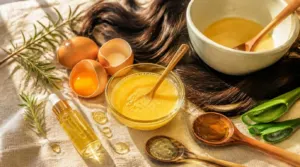
Making this mask at home takes just a few minutes and three simple ingredients. The recipe scales easily depending on your hair length, so you won’t end up with too little — or a bowl full of leftovers. Here’s exactly what you need and how to put it together.
For more nourishing combinations, explore these easy homemade hair mask recipes tailored to different hair needs.
Basic Three-Ingredient Recipe
Three ingredients are all you need: an egg, oil, and water. This egg mask helps hair growth and hair thickness.
- Freshness check: no cracks, no odd smell
- Room temp ingredients only, not from the fridge
- Whisking technique: mix egg yolk and egg white, then add oil
- A water adjustment fixes a mix that won’t spread
Your egg oil ratio: one egg per tablespoon. For even better results, honey acts as a natural moisture-retaining humectant that helps lock hydration into the hair shaft.
Egg, Coconut Oil, and Aloe
When you add coconut oil and aloe vera to your egg mask, the results go beyond basic protein. This trio works on hair growth and hair thickness from three different angles at once.
| Ingredient | Key Benefit |
|---|---|
| Egg | Protein Loss Prevention |
| Coconut Oil | Moisture Balance Restoration |
| Aloe Vera | Scalp Nourishment |
| Egg + Aloe | Hair Elasticity Boost |
| Coconut Oil + Aloe | Frizz Control Method |
Measurements by Hair Length
Your hair length determines how much of each ingredient you need for this egg mask. Short hair works with one whole egg.
Medium-length hair takes one egg plus an extra yolk. Long or thick hair needs two whole eggs.
If your hair is braided, undo a small section, straighten it, then measure to avoid compressed strands. Always measure it dry.
Mixing The Mask Until Smooth
Use a clean, room-temperature glass or ceramic bowl. Whisk eggs for 30–45 seconds until frothy, with no white strands remaining. Gradually incorporate oils, aloe, or honey while whisking.
- Sift powders first
- Add lemon juice last
- Keep ingredients below 40°C
- Aim for thin pancake-batter texture
- Thin with water, one teaspoon at a time
A smooth egg mask spreads evenly, supporting protein, biotin, and sulfur care for hair growth and thickness.
For more home remedies for hair growth, pair egg masks with gentle scalp care and consistent conditioning.
Best Egg Hair Mask Recipes
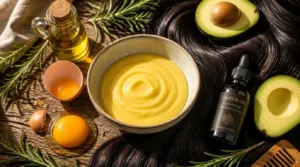
The best egg mask depends on what your hair and scalp need most right now. Choose a recipe that matches your main concern, whether it’s dryness, breakage, or flakes. Here are five simple options to try.
Whole Egg Growth Mask
A whole egg growth mask gives your strands protein, biotin and sulfur to support strength, shine, and better hair elasticity. Beat 1 egg for short hair, 2 for longer hair, with 1 tablespoon castor oil and 1 teaspoon lemon juice per egg.
Apply to damp hair, massage your scalp for 2–3 minutes, then cover for 20–30 minutes. Rinse cool. Protein absorption is gradual, so use weekly.
Egg Yolk Moisture Mask
When dryness makes strands feel rough, this hydrating hair mask can help. Whisk 2 egg yolks with 1 tablespoon coconut oil until smooth.
- Helps yolk water retention
- Creates a natural humectant effect
- Helps soften hair texture
- Coats dry lengths with moisture
Apply from roots to ends, cover 20 minutes, then rinse cool. This DIY hair mask may improve the appearance of hair thickness and hair growth by limiting breakage.
Egg and Honey Repair Mask
When damage leaves your strands weak, this egg and honey repair mask helps restore softness helps restore softness and strength. Whisk 1 whole egg with 1 tablespoon raw honey until smooth. Egg delivers protein, biotin and sulfur to support hair repair and damage prevention, while honey improves moisture retention. Apply to damp hair for 15–20 minutes, then rinse thoroughly with cool water.
Egg and Yogurt Dandruff Mask
Flakes can cling, but this egg and yogurt dandruff mask helps loosen them. Whisk 1 whole egg with 2 tablespoons plain yogurt until smooth. Yogurt’s lactic acid exfoliation lifts dandruff, while egg protein helps strands for hair growth and thickness.
Section hair, massage onto the scalp, pull through lengths, and cover for 20 minutes. Rinse with cool water, then shampoo.
Egg and Olive Oil Mask
Egg and olive oil make a simple mask for dry, breakage-prone hair. Whisk 1 whole egg, including egg white protein, with 1 to 2 tablespoons olive oil until creamy and smooth.
Apply to clean, damp hair from roots to ends, then cover for 20 to 30 minutes. Olive oil helps retain moisture, while egg protein helps strengthen strands for hair growth. Rinse with cool water, shampoo thoroughly, and condition if needed.
If your goal is smoother, sleeker strands, you can pair this mask with natural ways to straighten curly hair without heat damage for gentler, longer-lasting results.
How to Apply an Egg Mask
Applying an egg mask correctly helps it sit evenly on your hair and scalp. A few simple steps also make rinsing easier and more comfortable. Follow this order for the best results.
Start With Clean, Damp Hair

Begin with clean, damp hair. Shampoo with warm water to lift surface buildup and help the egg mask, egg white protein, and biotin reach each strand.
- You’ll get more even coverage
- Your hair feels lighter
- Treatment won’t sit on oil
- Breakage-prone areas are easier to spot
Gently squeeze out water, then blot with microfiber. Hair shouldn’t drip. Section thick hair with clips so every area is ready for hair growth support.
Apply From Roots to Ends
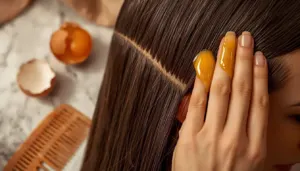
With hair damp and sectioned, apply the egg mask one section at a time, starting 1–2 inches from the scalp. Use downward strokes from roots to ends, adding more to dry mid-lengths and tips.
Work it through with fingers, then a wide-toothed comb. This spreads protein, biotin, and sulfur evenly while limiting tangles and scalp buildup. Check behind ears and at the nape for missed strands.
Massage The Scalp Gently
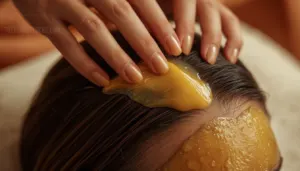
After combing through the mask, use a light pressure technique with your fingertips, never your nails.
- Start at the hairline.
- Use fingertip circular motion.
- Move slowly toward the crown, sides, and nape.
- Massage for 5 minutes.
Keep directional movement controlled and cover each scalp area. This scalp massage distributes the egg mask’s protein and biotin, helps hair grow, and shouldn’t hurt.
Cover Hair With Shower Cap
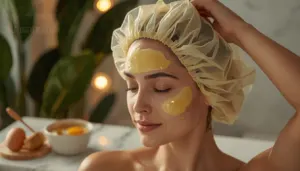
Once your scalp is covered, pull on a secure shower cap. Choose waterproof plastic, nylon, or polyurethane with soft elastic and enough room for curls or braids. It traps gentle warmth, helping the egg mask support hair growth by keeping protein and biotin against the strands. The cap prevents drips, preserves style, and lets you bathe while preserving scalp oils.
Rinse and Shampoo Thoroughly

Remove the cap, then rinse the egg mask with cool to lukewarm water, about 32–38°C. Hot water can set egg proteins, making them cling to strands.
Use a root-focused rinse at the nape and around hair follicles. Run fingers through lengths until water runs clear, then shampoo gently.
Finish with a cool water rinse for shine. If hair feels coated, repeat the second rinse protocol.
How Often to Use Egg Masks
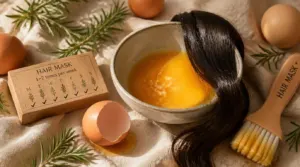
Egg masks can support stronger-looking hair, but timing and technique matter. Using them too often may leave strands feeling stiff or dry. Follow these simple guidelines to get the benefits without overdoing protein.
Use Once or Twice Weekly
Think of an egg mask as strength care, not daily conditioner. For most people, once a week helps hair growth and hair thickness while supplying protein, biotin, and sulfur without upsetting moisture balance.
Use twice weekly for damaged or coarse hair, with 48–72 hours between treatments. Fine hair needs every 7–10 days. If strands feel stiff or break, scale back
Leave on 20–30 Minutes
After applying, leave egg mask on for 20–30 minutes. This is the best time for absorption, when protein and biotin support hair growth without weighing down strands.
Body warmth helps with uptake and delivering nutrients to the scalp. Beyond 30 minutes, benefits level off, and preventing hair stiffness becomes harder. Timing suits a hair mask for hair growth and thickness.
Always Rinse With Cool Water
After 20–30 minutes, rinse the egg mask with cool water, working from roots to ends. This water temperature change helps control scalp temperature and improves final rinse comfort without cooking the egg protein onto strands.
Rinse thoroughly through every layer. A cool water rinse aids residue removal and hair cuticle smoothing, leaving hair cleaner, calmer, and ready for growth care.
Patch Test Before Application
Patch test first. Before any egg mask, place a quarter-sized amount on the inner arm or elbow bend. This Skin sensitivity check keeps your DIY beauty treatment controlled. For cleaner, more consistent placement, skin patch test stickers can help keep a small egg-mask sample on the inner arm.
Leave it on, then watch for delayed redness, itching, stinging, hives, or swelling over 48 hours. Wash it off if symptoms start.
If you’re unsure how to read the results, a strand test guide walks you through checking the dried strand in natural daylight for true undertones.
This Allergy risk test has limits, so a clear result cannot guarantee safety. Use this Patch placement guide before every new natural hair treatment.
Avoid Excessive Protein Treatments
Egg masks supply protein and biotin, but more isn’t always better. Limit this treatment to once or twice weekly, especially if you also use keratin, collagen, or silk-protein products.
Watch for protein overload signs: stiff, rough, dry hair, scalp discomfort, or increased hair breakage. Pause the egg mask, skip strengthening leave-ins, and use a deep conditioner instead. This moisture balancing step helps hair breakage prevention while your hair growth routine resets.
Do Egg Masks Support Hair Growth?
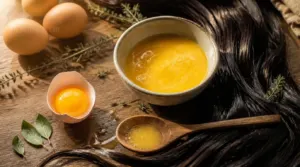
Egg masks can support healthier-looking hair, but they won’t change your natural rate of growth overnight. Their main benefit is helping you protect and maintain the hair already growing from your scalp. Here’s what you can realistically expect, and when it’s time to seek professional advice.
Egg masks support healthier-looking hair by protecting existing strands, not by speeding up natural growth overnight
Strengthening Existing Hair Strands
An egg mask may help hair strengthening by coating existing fibers, not by creating new growth. Protein absorption efficiency is limited, yet egg protein can improve hair fiber alignment and give strands a smoother feel.
Use these strand reinforcement techniques:
- Apply evenly for cuticle strengthening methods.
- Add aloe for elasticity improvement approaches.
- Include coconut oil; biotin helps the hair-growth routine.
Reducing Breakage and Hair Fall
Used wisely, an egg mask can support hair growth by reducing hair breakage, but it won’t treat medical hair fall.
| Focus | Do | Avoid |
|---|---|---|
| Protein balance tips | Pause protein | Hard hair |
| Gentle detangling methods | Ends upward | Pulling |
| Scalp massage techniques | Light touch | Rubbing |
| Moisture for breakage | Condition | Dryness |
Keep heat and chemical limits strict, since damage weakens protein-treated strands over time.
Improving Fullness and Shine
Once breakage is controlled, an egg mask can make each strand look healthier, which improves perceived hair thickness without changing follicle count.
- Protein Volume Boost coats strands for temporary hair volume.
- Lecithin Shine Enhancement helps hair shine.
- Cuticle Smoothing Effect reduces frizz.
- Moisture Retention Benefit and Scalp Nourishment Support help flexible, reflective hair, supporting hair growth conditions at the scalp.
Expected Results and Limitations
Healthier-looking strands can appear within weeks as reduced breakage improves retained length and hair thickness. Expect about half an inch monthly, your natural growth rate, not a sudden surge in hair growth.
An egg mask strengthens existing hair, but it can’t create hair follicles or reverse genetic loss. Use it weekly, avoid protein overload, patch test first, and rinse cool water thoroughly to manage residue and mess.
When to See a Dermatologist
An egg mask can support scalp health, but it cannot restore hair follicles or treat hair loss. See a dermatologist for unexplained hair thinning, itch, or scalp rash symptoms.
- Mole changes or unusual skin growths
- Acne persistence despite basic care
- Shedding that continues for months
A clinician can rule out inflammation, infection, or causes before protein treatment for hair growth.
Frequently Asked Questions (FAQs)
What types of eggs are best for hair growth and thickness?
Think beyond the shell: whole egg offers egg white proteins and egg yolk nutrients. Choose free-range, biotin rich eggs for an egg mask. Their protein for hair may support hair growth, hair thickness, and shine.
Are there any other ingredients I can add to an egg mask?
Try olive or coconut oil, yogurt, aloe vera, avocado, or honey. Herbal additives like neem or tulsi may soothe the scalp. These additions complement egg protein, biotin, and sulfur while improving softness, moisture, and manageability.
Does an egg mask work for all hair types?
Here’s a catch: an egg mask may support hair growth across hair types, but moisture, protein buildup, and scalp health matter.
Use yolk-and-oil on dry curls, less protein for fine hair; patch-test, cool-rinse sensitive scalps.
Can egg masks be used on color-treated hair?
Yes, egg masks can be used on color-treated hair. Use cool or lukewarm water to rinse, and always do a patch test first to check for unexpected changes in color or texture.
How can I remove egg odor after rinsing?
A vinegar rinse cuts through egg odor fast. Mix equal parts water and white vinegar, apply it after shampooing, then finish with a cool water rinse. Lemon juice breaks down the smell just as well.
Can leftover egg hair mask be stored safely?
Don’t push your luck with leftover egg mask. Discard after one use — raw egg spoils fast. If storing briefly, use an airtight container, refrigerate immediately, and toss it if you detect any off smell.
Are egg masks suitable for low-porosity hair?
Egg masks can work for low-porosity hair, but protein overload is a real risk. Your cuticles are already dense with protein, so use egg yolk masks sparingly and always follow up with a moisturizing conditioner.
Which egg type works best for oily scalps?
For oily scalps, egg white is the better pick. It’s lower in lipids than yolk, so it won’t add extra grease. Rinse with cool water and shampoo well after.
Conclusion
What’s the real reason your hair isn’t growing any longer? Most of the time, it’s not the follicle that fails. It’s the fragile strand that snaps.
Learning how to egg mask for hair growth and thickness gives you a reliable, low-cost way to stop that cycle. Apply it consistently, rinse with cool water, and watch length retention improve steadily over time.
The growth was always there. Now you’re giving it a real chance to stay.