This site is supported by our readers. We may earn a commission, at no cost to you, if you purchase through links. This content is for general informational and educational purposes only and is not a substitute for professional medical, dermatological, or nutritional advice.
Your skin makes less hyaluronic acid every year after your twenties, and by 40, levels in the dermis drop fivefold. That decline shows up as dryness, thinner-looking skin, and lines that stick around longer than they used to. It’s not a flaw in your routine. It’s biology.
The good news: this molecule can hold up to 1,000 times its weight in water, and applying it topically helps restore what your skin loses on its own. Understanding the hyaluronic acid anti aging benefits means understanding hydration at a structural level, not just a surface one. Here’s how it works, and how to use it well.
Table Of Contents
- Key Takeaways
- What is Hyaluronic Acid?
- How Hyaluronic Acid Fights Skin Aging
- Key Hyaluronic Acid Anti-Aging Benefits
- Molecular Weight Affects Anti-Aging Results
- Best Hyaluronic Acid Forms for Skin
- How to Use Hyaluronic Acid
- Combining Hyaluronic Acid With Actives
- Safety, Side Effects, and Expectations
- Frequently Asked Questions (FAQs)
- Can hyaluronic acid be used during pregnancy safely?
- Does hyaluronic acid affect skin pigmentation or discoloration?
- Can hyaluronic acid benefit hair or scalp health?
- Does hyaluronic acid interact with prescription medications?
- Does hyaluronic acid work for all skin types?
- Can hyaluronic acid help with acne-prone skin?
- Is hyaluronic acid safe during pregnancy or breastfeeding?
- Conclusion
Key Takeaways
- Your skin’s natural hyaluronic acid production drops fivefold by age 40, so applying it topically helps restore hydration your body no longer makes on its own.
- Molecular weight determines how hyaluronic acid works: larger molecules sit on the surface for instant plumping, while smaller ones penetrate deeper to stimulate collagen production over time.
- Applying hyaluronic acid to damp skin and sealing it with a moisturizer is essential, since skipping this step lets the moisture it draws in simply evaporate.
- Real anti-aging results, like reduced wrinkle depth and improved firmness, take 8-12 weeks of consistent use to show up, not overnight application.
What is Hyaluronic Acid?
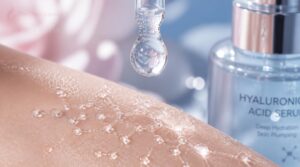
Hyaluronic acid shows up in skincare aisles everywhere, but few people know what it actually is. Your skin already makes it, and understanding that connection changes how you use it. Here’s what you need to know before adding it to your routine. Beyond skincare, this moisture-binding ingredient also works wonders for hair, and hydrolyzed wheat protein pairs with it similarly to strengthen and smooth damaged strands.
If you’re building out a full self-care routine, it’s worth knowing that hydration principles extend beyond skin, as seen in this guide to batana oil for hair growth.
If you’re curious how it pairs with other actives, the numbuzin No.3 skin-softening serum blends it with niacinamide and panthenol for a softer, more hydrated complexion.
If you’re curious how hyaluronic acid pairs with other products, this setting spray review breaks down how a lightweight mist can lock in hydration without disrupting your skin’s natural moisture balance.
Applying it on damp skin and locking it in with why facial moisturizer matters for lasting hydration helps it actually stay put instead of evaporating.
Natural Skin Molecule
Your skin already makes hyaluronic acid on its own. This endogenous hyaluronic acid comes from fibroblasts in your dermis, with keratinocytes pitching in too, and about half of your body’s total supply lives right in your skin. Production peaks in your twenties, then declines. That’s why natural moisture retention fades with age, long before wrinkles show up.
Topically applied hyaluronic acid works differently, acting as a humectant that binds moisture to help compensate for this age-related decline.
Water-Binding Capacity
Water retention is where hyaluronic acid earns its reputation. Each disaccharide unit has carboxyl and hydroxyl groups that form hydrogen bonds with water.
Molecular size matters too: high molecular weight HA sits on the surface, while low molecular weight versions penetrate deeper for lasting moisture binding and skin hydration your skin can actually use.
Role in Skin Structure
Beyond binding water, HA builds architecture. It links with proteoglycans and collagen to form the ECM network, supporting dermal density and structural integrity.
This scaffold keeps tissue open and hydrated, letting nutrients flow. HA also drives fibroblast activation, boosting collagen synthesis. After age 40, skin HA drops fivefold, weakening this matrix support.
How Hyaluronic Acid Fights Skin Aging

Aging skin loses water faster than it can hold on to it, and that shift shows up as fine lines and a dull surface. Hyaluronic acid works against this process through a handful of distinct mechanisms, not just one. Here’s what actually happens when you apply it to your skin.
Humectant Moisture Attraction
Think of hyaluronic acid as a sponge that never stops pulling. Its humectant properties attract water molecules toward your skin’s surface, drawing moisture from humid air or from deeper skin layers when conditions are drier.
Hyaluronic acid acts like a sponge, constantly pulling water from the air or your own skin to keep hydration flowing
This dual-source pull helps both surface moisture retention and deeper skin hydration, giving you a temporary plumping effect that softens your skin’s texture almost immediately.
Reduced Transepidermal Water Loss
Your skin barrier keeps water locked in the stratum corneum, and hyaluronic acid reinforces that barrier to lower transepidermal water loss.
- Less moisture escaping into dry air
- A stronger defense against humidity swings
- Better moisture retention overnight
- Consistent TEWL readings over time
- Smoother, less reactive skin day to day
Pairing this humectant with barrier-supporting ingredients locks in deep hydration more effectively.
Temporary Skin Plumping
That mirror check within minutes of applying a hyaluronic acid serum isn’t in your head. Surface hydration peaks fast, plumping fine lines almost instantly, though the effect fades over 6 to 12 hours depending on molecular weight and your climate.
High molecular weight forms give quick volume; low molecular weight versions sink deeper for longer-lasting skin elasticity gains.
Skin Barrier Support
Your skin barrier isn’t just a wall, it’s a communication network. Hyaluronic acid activates CD44 receptors on keratinocytes, boosting filaggrin production and speeding barrier repair. This biomimetic hydration action works alongside your skin’s natural lipid matrix, ceramides and cholesterol included, cutting transepidermal water loss by up to 40% while calming reactivity to irritants.
Tissue Repair Support
Every micro-injury your skin sustains, from sun damage to a stray pimple, needs repair, and hyaluronic acid runs the crew. It speeds wound healing acceleration by boosting fibroblast migration and collagen production at the site.
- Stimulates collagen synthesis boost
- Encourages angiogenesis promotion
- Helps granulation tissue formation
- Restores skin elasticity through active tissue regeneration
Key Hyaluronic Acid Anti-Aging Benefits

So what does all this hydration and repair actually add up to on your skin? The benefits go beyond a quick moisture boost, touching everything from texture to firmness. Here’s what you can expect when hyaluronic acid becomes part of your routine.
From smoother texture to a plumper, more resilient complexion, understanding how different skin care acids work together can help you get even more out of your hydration routine.
Lasting Skin Hydration
One molecule, three molecular weights, one goal: hydration that doesn’t quit by lunchtime. Multiweight formulas pair high, medium, and low weight HA for layered, lasting effects.
| Weight | Depth | Duration |
|---|---|---|
| High | Surface film | 4-6 hrs |
| Medium | Upper epidermis | 8-10 hrs |
| Low | Deep dermis | 24-48 hrs |
That’s deep layer retention and environmental barrier protection working together, even at low humidity.
Softer Fine Lines
Fine lines soften fast, and that’s the appeal. Surface hydration benefit shows within minutes as high molecular weight hyaluronic acid plumps the film layer.
Low weight molecules go further, though. They penetrate to fibroblasts, spurring collagen production from within. That’s deep tissue stimulation at work.
Multi-weight cooperation means quick smoothing now and steadier fine line reduction over weeks, not just a temporary fix.
Reduced Wrinkle Appearance
Wrinkle reduction goes beyond surface smoothing. Studies show wrinkle depth reduction up to 40% after eight weeks of twice-daily use, with low molecular weight HA driving collagen synthesis stimulation deeper in the dermis.
Results build steadily:
- Depth improves 0.15mm by week four
- Nasolabial folds shrink 23% at three months
- Fine line reduction appears within two weeks
That’s measurable antiaging, not guesswork.
Improved Firmness and Elasticity
Firmness works differently than wrinkle depth. Hyaluronic acid binds directly to collagen and elastin fibers, stabilizing the dermal matrix and improving mechanical stress resistance by 31% in lab testing.
| Molecular Weight | Primary Effect | Measured Outcome |
|---|---|---|
| 2000 kDa | Surface hydration | Barrier protection |
| 130 kDa | Elasticity balance | Improved elasticity scores |
| 50 kDa | Fibroblast stimulation | Collagen synthesis boost |
| Multiweight | Density support | 23% skin density gain |
That’s structural reinforcement, not just plumping.
Smoother Skin Texture
Structural support shows up on the surface too. Skin that’s irritated or dry often looks rougher, so restoring moisture barrier support smooths visible texture.
Your skin hydration routine matters here:
- Apply hyaluronic acid to damp skin
- Seal with a moisturizer
- Repeat morning and night
This surface smoothing benefit builds with consistent use, not overnight.
Molecular Weight Affects Anti-Aging Results
Not all hyaluronic acid works the same way on your skin. Its molecular weight determines how deep it goes and what it actually does once it’s there. Here’s how size changes the results you can expect.
High Molecular Weight Hydration
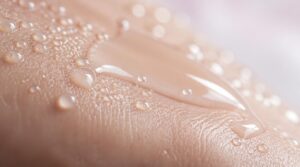
Think of it as a raincoat for your skin. Large hyaluronic acid molecules can’t slip past the stratum corneum, so they sit on top and form a surface hydration film instead.
That film locks in moisture, giving you an immediate plumping effect and softer-looking dryness lines within minutes, while offering steady moisture barrier support all day.
Low Molecular Weight Penetration

Once molecules drop below the molecular weight cutoff of roughly 20 kDa, they cross the lipid barrier for real dermal penetration.
- 50 kDa: three times deeper than 300 kDa
- 5-8 kDa: reaches epidermis and dermis
- CD44 receptor activation triggers collagen synthesis
- Binding occurs within 4-6 hours
- Below 20 kDa raises inflammatory response risk
This is where topical hyaluronic acid meets living cells, not just surface hydration.
Multiweight Formulas Explained

No single molecular weight does it all, which is why formulators mix them. A true multiweight formula combines five distinct fractions, from ultra-high to ultra-low, in ratios controlled through PDI testing for batch consistency.
This creates layered hydration and multiweight balance, triggering a molecular cascade across skin depths instead of one isolated effect.
Surface Versus Deeper Effects

Where does your hyaluronic acid actually work? That depends entirely on molecular weight zones. High molecular weight forms sit on the epidermis, delivering surface hydration and barrier function within an hour.
Low molecular weight fractions achieve deep penetration into the dermis, activating collagen production. This split explains why hydration duration varies: surface effects fade fast, while deeper structural changes build over weeks of consistent topical hyaluronic acid use.
Potential Irritation Differences

Not all weights treat your skin the same. Molecular weight sensitivity matters: low weight fractions penetrate deeper and can trigger stinging in reactive skin, while high weight forms stay surface-level and rarely irritate.
Skin type tolerance varies too, so patch test first. Avoid layering with actives or fragrances that worsen redness. True allergy is rare; most reactions are transient sensitivity, easing once you reduce application frequency.
Best Hyaluronic Acid Forms for Skin

Hyaluronic acid comes in more forms than you might expect, and not all of them work the same way. Some sit on your skin’s surface, while others work through injection or from the inside out. Here’s a look at your main options.
Hydrating Serums
A hydrating serum is often the fastest way to see hyaluronic acid work. Its water-based formula absorbs quickly, delivering immediate surface hydration without heaviness.
Many serums combine glycerin or propanediol with HA to lock in moisture, and multimodal formulas layer different HA weights for both surface plumping and deeper hydration.
They’re gentle enough for sensitive skin and layer easily under moisturizer or sunscreen.
Moisturizing Creams and Lotions
Creams and lotions build on what serums start, sealing in moisture with a thicker, oil-based layer. They pair hyaluronic acid with emollients that support your skin barrier and slow water loss.
Use lotions by day under sunscreen, and richer, fragrance-free creams at night when your skin repairs itself. Pat gently for full absorption, layering thinnest to thickest.
Masks and Targeted Treatments
Sheet masks give hyaluronic acid a concentrated boost your daily serum can’t match. Bamboo and bio-cellulose fibers hold up to 16 times their weight in serum, releasing it steadily over 10 to 20 minutes. Contour-fitting designs press closer to your skin, improving absorption. Multi-molecular formulas target both surface and deeper layers. Use them two to three times weekly for cumulative results.
Injectable Dermal Fillers
Masks work the surface. For real volume, dermal fillers go deeper, injected beneath skin to restore lost structure.
Injection technique and product selection determine outcomes, so choose a licensed provider.
Results appear immediately.
- Immediate volume restoration
- Reversible if unsatisfied
- Repeat treatments needed for maintenance
Cost and maintenance scheduling matter more than a hyaluronic acid serum here.
Oral Supplement Evidence
Fillers work fast, but not everyone wants a needle. Oral supplements offer a slower path.
You swallow hyaluronic acid, and digestion breaks it into smaller fragments before absorption. Clinical trial results are modest, showing gradual hydration gains, not molecule-for-molecule skin delivery.
Supplement quality and dosage effectiveness vary by brand. Check labeled milligrams and formulation stability before choosing a joint health supplement doubling as a skin aid.
How to Use Hyaluronic Acid

Buying the right product only gets you halfway there. How you apply hyaluronic acid determines whether your skin actually holds onto that moisture. A few simple habits make all the difference, starting here.
Even with a great routine, picking at blemishes or skipping SPF can keep acne marks lingering longer than they should, so protect your skin as carefully as you hydrate it.
Apply to Damp Skin
Timing matters as much as the product itself.
Apply hyaluronic acid to damp skin, not dripping wet, right after cleansing. Pat gently with a towel until moisture stays without droplets. This damp canvas helps the formula spread evenly and draws water into the surface, supporting real antiaging skincare results instead of diluted, uneven application.
Seal With Moisturizer
Without a follow-up step, hyaluronic acid’s water can evaporate right off your skin. That’s why you need a moisturizer immediately after, an occlusive sealing move that locks hydration in place.
This Moisture Lock Technique works through hydration layering: humectant first, moisturizer second. The result helps with barrier enhancement and keeps your skin moisture stable, not fleeting, as part of your daily moisture routine.
Morning and Evening Use
Since your skin’s needs shift with the sun’s cycle, timing HA application matters. Mornings call for a lightweight serum layered before sunscreen, strengthening your barrier against UV and pollutants. Evenings favor richer creams applied to damp skin, supporting overnight repair.
- Morning: gel serum
- Evening: cream formula
- Layer under sunscreen
- Apply to damp skin
- Pair with retinol at night
Daily Application Frequency
Once daily usually gets the job done, though twice-daily use can boost the skin plumping effect if your skin tolerates it well. Consistent application matters more than quantity.
If redness or stinging shows up, cut back and run a simple skin tolerance check. Otherwise, stick with your routine. Consistency keeps skin moisture levels steady day to day.
Always Finish With Sunscreen
Hydrated skin still needs a shield. After your hyaluronic acid serum and moisturizer sink in, apply broad-spectrum sunscreen, SPF 30 or higher, about 15 minutes before heading outside.
- Choose broad-spectrum coverage
- Apply SPF 30+ daily
- Reapply every 2 hours
- Layer sunscreen last
Skipping this step lets UV rays undo your progress fast.
Combining Hyaluronic Acid With Actives

Hyaluronic acid works well on its own, but it doesn’t have to work alone. Pairing it with other active ingredients can boost results or protect your skin from irritation. Here’s how it teams up with five common actives in your routine.
Retinoids for Wrinkle Reduction
Retinoids remain the top choice for wrinkle reduction, boosting collagen production over 3 to 6 months of consistent use. Pair them with topical hyaluronic acid to offset dryness, since retinoid skin tolerance improves when moisture stays high.
| Retinoid Type | Potency Level |
|---|---|
| Tretinoin | Strongest |
| Tazarotene | High |
| Retinol | Moderate |
Apply retinoids at night; layer hyaluronic acid serum first.
Vitamin C for Brightening
Pairing hyaluronic acid with vitamin C covers two jobs at once: hydration and brightening.
Vitamin C serum benefits include antioxidant protection against daily stressors and support for skin tone evening, reducing hyperpigmentation over time. Look for L-ascorbic acid at 10-20% concentration.
Apply vitamin C first, let it absorb, then layer hyaluronic acid to lock in moisture without irritation.
Niacinamide for Barrier Support
Vitamin C brightens, but niacinamide rebuilds. It boosts ceramide synthesis by up to 67%, cutting water loss 20-30%.
Paired with hyaluronic acid, you get:
- Stronger lipid matrix restoration
- Calmer, less reactive skin
- Smoother texture within weeks
Use 2-5% niacinamide before hyaluronic acid for real barrier function support and lasting rejuvenation.
Ceramides for Moisture Retention
Niacinamide rebuilds the barrier. Ceramides seal it shut.
These lipids sit in your stratum corneum, forming the ceramide lipid barrier that blocks water loss. Layer them under topical hyaluronic acid, and you get deep hydration that lasts, not just surface plumping.
Skin barrier compromised? Ceramide-containing moisturizers restore what’s missing, especially if you’re managing eczema-prone or reactive skin.
Exfoliating Acids and Sensitivity
Barrier’s sealed, so what about buildup on top? Exfoliating acids clear dead cells but drop skin pH below 4, which can strip moisture if overused. Pair cautiously:
- Patch test first
- Start with low concentrations
- Apply hyaluronic acid after exfoliating
- Space out sensitive-skin routines
Gentle acids like mandelic or gluconolactone work best alongside topical hyaluronic acid for rejuvenation without irritation.
Safety, Side Effects, and Expectations

Hyaluronic acid is generally well tolerated, but it’s not entirely risk-free. Your skin type, climate, and even the treatment method can change what you experience. Here’s what you should know before you start.
Dry Climate Considerations
Live somewhere dry? Hyaluronic acid needs humidity above 50% to pull water from the air. Below that threshold, it draws moisture from your own skin instead, raising water loss. Indoor heating and AC often drop humidity to 20-30%.
Always seal application with an occlusive moisturizer, and consider multiweight formulas for balanced surface and deep hydration.
Sensitivity and Irritation
True allergy to hyaluronic acid is rare. Most reactions trace back to added fragrance or preservatives, not the molecule itself.
Watch for redness, burning, or itching. Low molecular weight formulas penetrate deeper and may irritate sensitive skin more than high weight versions.
- Redness that won’t fade
- Burning that worsens
- Swelling beyond the area
Patch test first. Discontinue at any sign of irritation, and store products in a cool, dark place.
Dermal Filler Risks
Once injected, hyaluronic acid becomes a different story. As a dermal filler, it carries real risks: vascular complications, granuloma formation, infection, and incorrect placement. Improper technique near blood vessels can cause tissue damage or worse.
That’s why provider choice matters. Choose a licensed injector using FDA-approved, properly labeled product. This biocompatible substance is safe when handled correctly.
Realistic Results Timeline
Patience matters here. Immediate hydration effects show within minutes, but progressive anti-aging changes need 8-12 weeks for wrinkle reduction and skin elasticity improvement.
Weekly progress tracking helps you notice early visible changes around week two.
Long-term maintenance over six to twelve months, paired with moisturizing products and vitamin C, helps fibroblast proliferation, unlike dermal filler treatment’s faster results.
When to Consult Dermatologists
Most reactions to hyaluronic acid resolve on their own. But certain signs mean it’s time to call a dermatologist.
- Persistent swelling past 7 days
- Allergic response signs (throat swelling, dizziness)
- Injection site reactions that worsen or spread
- Delayed complications, including firm nodules
- Vision changes after filler treatment
Post-treatment monitoring protects your results and your safety.
Frequently Asked Questions (FAQs)
Can hyaluronic acid be used during pregnancy safely?
Fillers stay off-limits, yet your daily moisturizer routine can stay on. Topical use only is safe for pregnancy and breastfeeding, since hyaluronic acid barely absorbs into skin, so simple, patch-tested products support gentle skin rejuvenation without added risk.
Does hyaluronic acid affect skin pigmentation or discoloration?
Not directly. Hyaluronic acid doesn’t alter melanin production, it’s a hydration tool, not a pigment fix. But by easing dryness and supporting barrier function, it can reduce the dullness and irritation that make discoloration look more pronounced.
Can hyaluronic acid benefit hair or scalp health?
Water is the same molecule that softens skin and calms a dry scalp. Yes, hyaluronic acid helps scalp hydration, dry scalp relief, and hair moisture retention, giving strands a plumper, shinier look while easing everyday irritation.
Does hyaluronic acid interact with prescription medications?
Topical and oral forms carry minimal drug interaction risks, but injections need caution.
Tell your dermatologist about blood thinners, immunosuppressants, or chemotherapy timing.
Choose regulated products, since supplement safety varies and hidden anti-inflammatory drugs can affect bioavailability and prescription medication interactions.
Does hyaluronic acid work for all skin types?
Yes, it does. Being lightweight and non-comedogenic, it suits oily, acne-prone, and combination skin, while dry and sensitive skin types benefit from its gentle hydration, reduced irritation, and calmer, less reactive-looking complexion overall.
Can hyaluronic acid help with acne-prone skin?
It can. As a non-comedogenic moisturizer, hyaluronic acid gives hydration for acne-prone skin without clogging pores, supporting barrier repair and temporary skin plumping, pair it with niacinamide or vitamin C for scars and calmer, balanced skin.
Is hyaluronic acid safe during pregnancy or breastfeeding?
The molecule too big to slip into your bloodstream turns out to be one of your safest skincare picks. Its large molecular weight keeps topical absorption minimal, so hyaluronic acid stays on skin, sparing breastfeeding infants and pregnancy. Still, confirm with your provider.
Conclusion
Your skin loses hyaluronic acid the same way it gained it: quietly, year after year, without asking permission. Replacing it works the same way.
The hyaluronic acid anti aging benefits aren’t dramatic overnight transformations. They’re steady, cumulative gains in hydration, texture, and firmness that build with consistent use. Apply it correctly, pair it with sunscreen, and your skin holds onto water it would otherwise lose. That’s not magic. That’s biology, quietly working in your favor.