This site is supported by our readers. We may earn a commission, at no cost to you, if you purchase through links. This content is for general informational and educational purposes only and is not a substitute for professional medical, dermatological, or nutritional advice.
Your shampoo label reads like a chemistry exam, and that’s the problem. One bottle can hide dozens of chemicals behind a single word: "fragrance." A 2023 analysis found phthalate esters in 95% of commercial shampoo samples tested, and aerosol dry shampoos have shown benzene levels reaching 170 times the FDA’s safety limit.
The ingredients to avoid in hair care aren’t always obvious, either. Some, like fatty alcohols, actually benefit your hair, while their drying cousins strip it bare. Knowing which is which puts you in control of what touches your scalp twice a week, every week, for years.
Here’s what the label isn’t telling you.
Table Of Contents
- Key Takeaways
- Shampoo Ingredients to Avoid or Limit
- Conditioner and Styling Ingredients to Watch
- Hair Dye and Smoothing Chemicals to Avoid
- How Problematic Ingredients Affect Hair and Health
- How to Choose Safer Hair Care Products
- Frequently Asked Questions (FAQs)
- Are there any natural alternatives to conventional hair care products?
- How do I know if a hair care product is safe to use?
- Can damaged hair recover from toxic ingredients?
- How long until hair improves after switching?
- Are expensive products always safer than cheap ones?
- Do natural labels guarantee ingredient safety always?
- Can children use adult hair care products?
- Are natural or organic shampoos always safer?
- Does sulfate-free mean a product is gentle?
- Can frequent washing damage hair over time?
- Conclusion
Key Takeaways
- The word "fragrance" on a label can hide dozens of undisclosed chemicals, including phthalates found in 95% of commercial shampoo samples tested, so choose truly fragrance-free formulas instead of "unscented" ones.
- Aerosol dry shampoos carry a serious contamination risk, with benzene (a known human carcinogen) detected in 70% of tested batches at levels up to 170 times the FDA’s safety limit, making non-aerosol alternatives the safer choice.
- Not all similar-sounding ingredients are harmful—fatty alcohols like cetyl alcohol actually condition your hair, while ethanol and isopropyl alcohol dry it out, so knowing the difference puts you in control of your routine.
- Marketing terms like "clean," "natural," and "non-toxic" have no legal definition and appear on both luxury and drugstore products alike, so the full ingredient list—read in order of concentration—is your only reliable guide to safety.
Shampoo Ingredients to Avoid or Limit
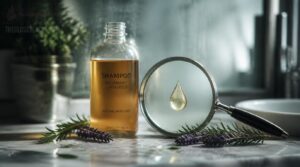
Your shampoo might be the most routine part of your hair care, but its ingredient list is worth a second look. Some of the most common shampoo ingredients can irritate your scalp, strip your hair’s natural oils, or raise broader health concerns with repeated use. Here’s what to watch for before your next wash.
For a deeper dive into the specific offenders, this guide to harmful chemicals in shampoo breaks down which ingredients to skip and what to choose instead.
SLS, SLES, and ALS Sulfates
Sulfates are in most shampoos you own.
Sodium Lauryl Sulfate (SLS) and Sodium Laureth Sulfate (SLES) create foam but can strip your scalp’s moisture barrier. ALS sulfates work the same way. Scan your label for:
- Sodium lauryl sulfate
- Sodium laureth sulfate
- Ammonium lauryl sulfate
- Laureth-2 sulfate
- Ammonium laureth sulfate
SLS has been used in personal care products since the 1930s, functioning as a surfactant that traps oils and dirt by reducing surface tension between water and sebum. Sulfate-free surfactants are gentler, safer alternatives.
Parabens and Formaldehyde Releasers
Preservatives keep your shampoo shelf-stable, but some carry real risks. Parabens like methylparaben and propylparaben are linked to endocrine disruption and have been detected in human urine samples at measurable levels.
If you color your hair, it’s worth checking how these ingredients play out in popular formulas, like in this breakdown of whether Herbal Essences is good for colored hair.
DMDM hydantoin and methylene glycol, also called formalin, slowly release formaldehyde in water-based formulas and can trigger allergic contact dermatitis in sensitized scalps.
Synthetic Fragrance and Hidden Phthalates
Fragrance" on a shampoo label sounds harmless, but that single word can hide dozens of undisclosed fragrance chemicals, including phthalates linked to hormone disruption.
The fragrance loophole lets manufacturers list synthetic fragrances as one ingredient, protecting proprietary blends and leaving you in the dark about what you’re absorbing. A 2023 analysis found phthalate esters in 95% of commercial samples tested.
Selenium Sulfide in Dandruff Shampoos
Hidden chemicals aren’t limited to fragrance. Selenium sulfide, found in dandruff shampoos at 1% to 2.5%, slows scalp yeast but can cause scalp irritation, temporary hair loss, and discoloration without thorough rinsing.
Hair care safety means knowing when a treatment carries systemic risk. Natural hair alternatives like zinc pyrithione offer dandruff control without the concerns linked to harsher carcinogenic ingredients.
Benzene-Contaminated Aerosol Dry Shampoo
Aerosol dry shampoos carry a contamination risk most labels won’t flag. Benzene, a classified human carcinogen, appeared in 70% of tested batches, with some reaching 170 times the FDA’s 2 ppm limit.
Aerosol dry shampoos can harbor benzene, a known human carcinogen, with some tested batches reaching 170 times the FDA’s safety limit
Added fragrance can mask any odor, so you won’t detect the problem by smell.
Switching to a non-aerosol dry shampoo is your safest move.
Many non-aerosol formulas still contain questionable additives, so check labels against this guide to bad ingredients for hair before you buy.
Conditioner and Styling Ingredients to Watch
Your shampoo gets most of the scrutiny, but conditioners and styling products carry their own set of concerning ingredients worth knowing. Some of these work quietly in the background, building up on your strands or blocking the moisture your hair actually needs. Here’s what to watch for when you’re reading those labels.
Non-Water-Soluble Silicones
Dimethicone, phenyl trimethicone, cyclopentasiloxane, cyclomethicone, and cyclohexasiloxane all coat your strands with a smooth conditioning film. That film seals the cuticle, cuts frizz, and adds real detangling slip.
But plain water won’t remove them. That non-water-soluble coating accumulates with repeated washing, leaving your hair progressively heavy and less receptive to moisture.
You’ll need a clarifying shampoo to clear it out.
Mineral Oil and Heavy Occlusives
Like a coat of plastic wrap around each strand, mineral oil lays down a hydrophobic film that plain water can’t lift. Watch for these heavy occlusives on labels:
- Mineral oil (paraffinum liquidum)
- Petrolatum
- Petroleum jelly
- White oil or liquid paraffin
- Silicone buildup agents
Repeated use builds waxy residue, progressively blocking moisture and weighing your hair down.
Drying Versus Fatty Alcohols
Not all alcohols strip your hair. Ethanol and isopropyl alcohol evaporate fast, pulling moisture with them and leaving strands dry and brittle.
Fatty alcohols such as cetyl alcohol behave completely differently, conditioning and softening your hair rather than drying it out. When you spot cetyl or cetearyl alcohol listed on a label, that’s a beneficial emollient working in your favor.
PEGs and Contaminant Concerns
Polyethylene glycols, listed as PEG-40 or similar on labels, function as solvents and moisture-carriers across conditioners and styling products. The issue isn’t the PEG compound itself.
What manufacturing can leave behind is the real problem: 1,4-dioxane, a possible human carcinogen, may persist as a residue you won’t find declared anywhere on the label, because it’s a processing byproduct, not an intentional ingredient.
Styling Polymers and Product Buildup
Acrylics and terpolymers in styling gels create hold by forming thin films on each strand. Layer those films daily without a clarifying rinse, and you get product buildup that stiffens cuticles, dulls shine, and reduces moisture exchange.
Unlike water-soluble silicones or lighter PEG-based carriers, these polymers resist standard shampoos and can trap synthetic fragrances, oils, and pollutants against your scalp.
Hair Dye and Smoothing Chemicals to Avoid
Hair dye and smoothing treatments sit in a chemical category all their own — more concentrated, more reactive, and harder on your scalp than most everyday products. Some of these ingredients have serious safety flags that go well beyond a little irritation. Here’s what you need to watch for before your next salon visit or at-home color session.
PPD in Permanent Hair Dye

If you color your hair at home, paraphenylenediamine (PPD) is the ingredient most likely to cause problems. Found in most permanent hair dyes, it darkens only after oxidation during processing.
The issue is that PPD allergy can trigger severe allergic contact dermatitis, even from a single exposure. Darker shades carry higher concentrations, so your risk scales with the shade you choose.
Coal-Tar Hair Color Ingredients
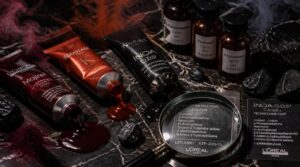
PPD doesn’t work alone. Most permanent and semi-permanent dyes rely on coal tar-derived chemical dyes, a category originally synthesized from petroleum byproducts. These compounds appear on labels as CI numbers, such as CI 76060, and can cause scalp irritation with repeated exposure.
If your dye lists multiple CI codes, you’re applying a mix of synthetic colorants, each carrying its own sensitization potential.
Resorcinol in Dye Formulas

Resorcinol is a hair dye coupler found in most permanent color formulas. It can trigger scalp irritation and carries endocrine disruption concerns, making it one of the toxic chemicals worth tracking.
Five signs to check on your label:
- Resorcinol in oxidative dye formulas
- Scalp redness or itching after coloring
- Recurring contact dermatitis
- No patch-test warning present
- Concentrations above 1.25 percent
Formaldehyde-Based Smoothing Treatments

Scalp sensitizers don’t stop at dye formulas. Keratin smoothing treatments bring a very different kind of risk.
Heat from a blow-dryer or flat iron can cause products containing methylene glycol or formalin to release formaldehyde gas, a recognized carcinogen you’d be inhaling directly. The FDA strongly advises against home use and recommends reading your ingredient labels carefully before you buy.
Ammonia and Persulfate Lighteners
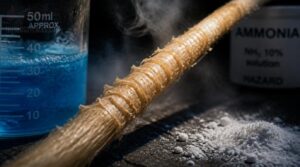
If you bleach your hair, ammonia and persulfates are doing the heavy lifting. Ammonia opens the cuticle so persulfates can reach melanin inside, and unlike milder chemical dyes, these concentrations can climb to 60%.
Both trigger scalp irritation and hair damage. Safety assessments approve them only for brief, rinse-off use, so don’t leave bleach on longer than directed.
How Problematic Ingredients Affect Hair and Health

Knowing which ingredients to avoid only gets you halfway there, because the real question is what they actually do once they’re on your scalp and hair. The effects range from surface-level problems like dryness and irritation to more serious concerns involving hormones and long-term health.
Here’s a clear look at how these common ingredients can affect both your hair and your wellbeing.
Scalp Irritation and Contact Dermatitis
Your scalp is skin, and it reacts to chemistry just like the rest of your body. Sulfates strip natural oils, causing tightness and redness, while Fragrance and Parabens can trigger true allergic dermatitis. PPD in dyes and Formaldehyde in smoothing treatments are stronger offenders. Watch for these warning signs:
- Burning during shampooing
- Persistent itching
- Red, flaky patches
- Oozing or blistering
- Hair shedding
If symptoms persist, ask a dermatologist about patch testing.
Dryness, Breakage, and Color Fading
While irritation shows up quickly, dryness creeps in slowly. Sulfates and Formaldehyde strip moisture, while non-water-soluble Silicones block hydration from reaching the shaft.
Be aware that repeated water exposure alone can cause color fading, and frequent shampooing accelerates it. Skipping conditioner leaves hair brittle, so condition every wash, and dry gently with microfiber instead of rough terry cloth.
Hormone and Reproductive Health Concerns
Hormones work in tiny amounts, so even low-level exposure matters. Parabens and certain phthalates in fragrance can cause endocrine disruption, mimicking estrogen signals. Triclosan hormone effects also appear in studies.
Be aware that hormone disruption may influence reproductive health over time. Choose fragrance-free, paraben-free formulas, especially during pregnancy or when planning a family.
Carcinogen and Contamination Concerns
Cancer risk from hair care usually comes from contamination, not the listed ingredients themselves.
Aerosol dry shampoos have been recalled for Benzene, a carcinogen traced to propellants. Formaldehyde releasers like DMDM hydantoin also pose concern.
Watch for 1,4-dioxane, a byproduct in ethoxylated ingredients like sodium laureth sulfate. Coal-tar dyes carry their own warnings.
Choose products tested for purity, because contamination won’t appear on any label.
Buildup and Environmental Persistence
Some ingredients don’t just sit on your hair, they linger everywhere. Non-water-soluble silicones and mineral oil resist rinse-off, layering wash after wash until hair feels coated and lifeless. Sulfates strip them away, fueling a cleansing cycle.
Parabens and PEGs wash down the drain, where slow degradation lets them persist in waterways. Be aware: what builds up on your head can also build up in the environment.
How to Choose Safer Hair Care Products
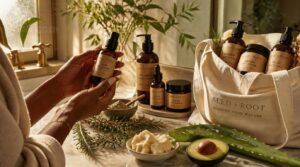
Now that you know which ingredients deserve caution, the next step is building a shopping strategy you can trust.
Reading labels doesn’t have to feel like decoding a chemistry exam, and you don’t need to memorize every INCI name to make smarter choices.
Here are five practical habits that will help you pick safer products with confidence.
Read Complete Ingredient Lists
Flip the bottle over before you trust the front label. The ingredient list is your only complete record of what’s actually inside, listed by weight from heaviest to lightest.
That order matters. If sulfates or parabens appear near the top, they dominate the formula. Chemical dyes and added fragrances hide lower, sometimes under vague terms, so read every line.
Question Vague Marketing Claims
Once you can read the full label, marketing language loses much of its power. Terms like "clean," "non-toxic," and "salon-grade" have no legal definition, so they promise safety without proving it.
Be aware of these common tactics:
- Vague buzzwords with no measurable meaning
- Greenwashing through leaf imagery and earth tones
- Claims of a low hazard rating without citing a source
- Third-party certification logos that don’t exist
- "Fragrance-free" claims hiding ingredient transparency gaps
That last one matters. If a brand won’t disclose what’s in the bottle, you can’t evaluate the cocktail effect of combined exposures. Ask for specifics, not slogans.
Choose Glucoside-Based Cleansers
If you want specifics, look for glucoside-based cleansers. These plant-derived cleansers use ingredients like coco-glucoside, lauryl glucoside, and decyl glucoside instead of harsh sulfates.
Check the label’s first five ingredients. Glucoside surfactants usually appear near the top, often second or third after water. They’re frequently paired with cocamidopropyl betaine for foam and thickness.
Don’t assume every sulfate-free surfactant is equally gentle. Glucosides offer mild cleansing with a skin-compatible pH, making them a solid natural hair care choice.
Select Fragrance-Free Formulas
Mild cleansers only help if the fragrance doesn’t undo them. Choose truly fragrance-free formulas, not "unscented," which can still contain masking scents. Watch for the fragrance loophole, where "parfum" hides undisclosed fragrance ingredients. Scan for "fragrance," "aroma," or "essential oil mix."
Fragrance-free products may still smell slightly of ingredients, and that’s fine.
Use Safety Databases Critically
Finally, lean on safety databases like EWG’s Skin Deep, but use safety databases critically. A low hazard score can simply mean limited data, so check the data availability rating. Pair scores with CIR assessments and FDA opinions, since endocrine disruption and carcinogenic ingredients need context. Remember, chemical straightener dangers emerged through real-world studies, not scores alone. Combine ingredient label reading with multiple sources, and recheck products yearly.
Frequently Asked Questions (FAQs)
Are there any natural alternatives to conventional hair care products?
Yes, natural alternatives exist, and they work well when chosen carefully. Plant-based oils like coconut and jojoba moisturize deeply, while aloe vera calms your scalp without irritation.
Look for fragrance-free, sulfate-free options with glucoside cleansers for safe, effective results.
How do I know if a hair care product is safe to use?
Read the full ingredient list first, checking for sulfates, parabens, and hidden phthalates. Then verify safety with EWG’s Healthy Living app, choosing products scoring 1-2 for low hazard.
Can damaged hair recover from toxic ingredients?
Partially, yes. Once you stop the toxic exposure, scalp irritation calms and hair breakage slows. But chemically damaged hair can’t biologically regenerate, so improvement means appearance and strength, not true repair.
How long until hair improves after switching?
The first changes arrive faster than you’d expect. Scalp relief and less frizz often appear within two or three washes, with your texture and shine improving over two to four weeks as sulfate-driven stress fades.
Are expensive products always safer than cheap ones?
Price doesn’t guarantee safety. Sulfates, parabens, formaldehyde releasers, phthalates, and silicones show up in both luxury and drugstore bottles alike. Your ingredient list, not the price tag, tells you far more about what’s actually safe.
Do natural labels guarantee ingredient safety always?
Natural on the label, natural in the name, but not always natural in what’s actually inside the bottle. Products can still contain parabens, sulfates, formaldehyde, phthalates, and synthetic fragrances. Always check the full ingredient list.
Can children use adult hair care products?
Children’s scalps produce less sebum than adults do, making them more sensitive to sulfates, parabens, and phthalate-laced fragrances.
Silicones and mineral oil can also clog and irritate. Kid-specific formulas are gentler for very good reason.
Are natural or organic shampoos always safer?
Not always. A shampoo labeled organic or natural can still contain documented contact allergens like linalool, limonene, or lavender oil, and preservatives like MI that trigger dermatitis in sensitized skin.
Does sulfate-free mean a product is gentle?
Not necessarily. A sulfate-free shampoo simply swaps sulfates for other sulfate-free surfactants, and some of those still cause scalp irritation. For genuine hair care safety, always read the full ingredient list, not just the front label.
Can frequent washing damage hair over time?
Frequent washing doesn’t directly cause hair loss, but it can strip scalp oils and leave lengths drier over time. How sulfates, silicones, alcohols, and parabens interact with your routine determines the real breakage risk.
Conclusion
Picture your shampoo bottle sitting on the bathroom shelf, seemingly harmless, but quietly loaded with decisions already made for you.
The ingredients to avoid in hair care aren’t hiding in obscure brands or specialty stores. They’re inside your daily routine, tucked into fine print most people never stop to read.
Your scalp absorbs what you apply, and that cumulative exposure compounds steadily over the years.
Read the label. Question the fragrance. Know what you’re choosing.