This site is supported by our readers. We may earn a commission, at no cost to you, if you purchase through links. This content is for general informational and educational purposes only and is not a substitute for professional medical, dermatological, or nutritional advice.

Your face feels tight before you’ve even reached for a towel. You splash on water, pat dry, and within minutes your cheeks pull like they’ve shrunk two sizes. "That tight, squeaky-clean feeling actually means your barrier’s been stripped, not cleaned," I tell patients almost daily.
Dry skin doesn’t stay put, either. Indoor heating, cold wind, and long showers all chip away at your lipid layer before breakfast. A solid morning skin care routine for dry skin fixes this at the source, layering the right products in the right order. Get the sequence right, and that tightness disappears for good.
Table Of Contents
- Key Takeaways
- Identify Dry Skin Morning Needs
- Start With Gentle Cleansing
- Apply Hydrating Toner Correctly
- Layer Moisture-Boosting Serums
- Seal With Barrier Moisturizer
- Protect Dry Skin With SPF
- Add Eye and Lip Care
- Top 10 Morning Skincare Products
- 1. The Beauty of Dirty Skin Book
- 2. Vichy Normaderm Salicylic Acid Cleanser
- 3. Neutrogena Hydro Boost Hydrating Gel Cleanser
- 4. Dickinson’s Original Witch Hazel Toner
- 5. Pixi Glow Tonic Glycolic Acid Toner
- 6. Paula’s Choice Anti Redness Exfoliating Solution
- 7. Olay Super Serum Glow Facial Serum
- 8. Revitalift Hyaluronic Acid Vitamin C Serum
- 9. Roc Multi Correxion Eye Cream
- 10. Kiehl’s Ultra Facial Hydrating Cream
- Keep Morning Dryness Away
- Frequently Asked Questions (FAQs)
- What is the 4 2 4 rule in skincare?
- Can dry skin use niacinamide?
- What skincare routine is best for dry skin?
- What are the 7 steps of skin care?
- How to fix dry skin in the morning?
- What is the order of a good skincare routine for dry skin?
- How do you fix dry skin in the morning?
- What is a good morning skin routine?
- How often should I exfoliate my dry skin in mornings?
- Can I use night cream during the morning routine too?
- Conclusion
Key Takeaways
- Follow a strict layering order—gentle cleanser, alcohol-free toner, hydrating serum, barrier-repairing moisturizer, then SPF 30—applying each product thinnest to thickest on slightly damp skin for maximum absorption.
- Moisturize within five minutes of cleansing to trap water before it evaporates, since waiting too long lets tightness and dehydration set back in.
- Choose barrier-supporting ingredients like hyaluronic acid, ceramides, niacinamide, glycerin, and fatty acids, while avoiding hot water, harsh surfactants, added fragrance, and over-exfoliation (limit to 1-2 times weekly).
- Support your skin barrier beyond products by using a humidifier, drinking enough water, watching for irritation signals, and adjusting your routine seasonally, since consistency over four weeks—not complexity—delivers lasting results.
Identify Dry Skin Morning Needs

Before you reach for a single product, take a minute to actually look at your skin. Dry skin sends out different signals depending on the person, and yours might look nothing like your best friend’s. Here are the five signs worth watching for each morning.
If a few of these signs sound familiar, it’s worth exploring some affordable hydration methods for your face before your skin starts feeling tight and uncomfortable.
Flaking and Rough Texture
Ever run a finger across your cheek and feel tiny sandpaper-like bumps? That’s dead skin buildup, often from a weakened barrier losing moisture faster than it should. "Rough, flaky texture usually signals barrier lipid deficiency," notes Dr. Sarah Chen, dermatologist. Overexfoliating makes it worse. Skip harsh scrubs each morning and let hyaluronic acid-rich moisturizer restore smoothness gradually.
You can improve your complexion by using chemical exfoliators to gently remove buildup.
Tightness After Cleansing
That squeaky, stretched feeling right after washing isn’t a sign your face is "clean"—it’s lipid layer loss in action. Stripped oils speed up stratum corneum dehydration, triggering mechanoreceptor tension you literally feel. It’s a classic barrier disruption sign.
Switch to a gentle cleanser and rinse with lukewarm water; you’ll curb post-wash evaporation and keep your morning skincare routine actually supporting dermal hydration.
Itching or Irritation
That itch that makes you want to scratch? It’s actual nerve signaling, called pruritus, telling your brain something’s off with your skin barrier.
- Contact dermatitis from new products or fabrics
- Scratching worsens irritation, risking lichenification
- Barrier damage invites more itching
- Morning routines with harsh actives often trigger it
Swap suspect products first; irritation rarely resolves itself.
Red Patches
Redness after scratching is normal, but patches that stick around deserve a closer look. Shape matters: pityriasis rosea often starts with one oval "mother patch," while rosacea shows persistent vascular redness with tiny visible vessels.
"When redness comes with texture changes or firmness, that’s your skin barrier waving a flag," notes Dr. Sarah Chen, dermatologist. Watch for scaling, shine, or hardening—not just morning routine irritation.
Weather-related Dryness
Sometimes your skin isn’t reacting to your routine at all — it’s reacting to the room. Indoor heating strips humidity fast, while cold wind and low humidity outside pull moisture straight from the barrier. Add UV dehydration and hard water minerals into the mix, and mornings get rougher.
"Weather is an underrated trigger," says Dr. Chen. Adjust your moisturizer seasonally.
Start With Gentle Cleansing

Your cleanse sets the tone for everything that follows, so it’s worth getting right. Get this step wrong, and you’ll spend the rest of the morning fighting tightness instead of hydration. Here’s exactly what to look for, and what to skip, when you wash your face.
Use Lukewarm Water
Cranking the tap to full heat feels good on a cold morning, but it’s quietly working against you.
Ideal water temperature for cleansing sits around 90-110°F, warm enough to feel comfortable, cool enough to avoid scalding. This temperature-controlled cleansing preserves your skin’s natural oils instead of stripping them, avoiding the shock hot water sends through already-sensitive, dry skin.
Choose Cream Cleansers
Not every cleanser deserves a spot in your morning routine, and dry skin is picky for good reason. Cream cleansers work as oil-water emulsions, dissolving impurities while preserving lipids that hot water and harsh surfactants strip away.
"Nonfoaming, cushiony textures signal a gentler surfactant profile," notes Dr. Leslie Baumann, dermatologist. Look for glycerin and ceramides—ingredients proven to hydrate rather than deplete sensitive, reactive skin.
Try Oil-based Cleansers
Oil dissolving oil—sounds backwards, but it’s chemistry working in your favor. Cleansing oils made from natural plant oils like jojoba or sunflower melt away sebum and sunscreen, then emulsify with warm water into a milky rinse that won’t strip moisture.
Massage onto dry skin for 30-60 seconds. Choose non-comedogenic oil blends if you’re acne-prone. Many dermatologists pair this with a double cleansing technique for thorough, gentle results.
Avoid Stripping Formulas
"Squeaky clean" is a red flag, not a compliment—that tight, stripped feeling means your barrier just lost essential lipids. High-intensity surfactants deplete natural oils fast, throwing off skin pH and inviting irritation.
Dr.’s tip: choose gentler surfactant formulas labeled "hydrating" or "cream cleanser." Morning overcleansing compounds dryness by day’s end. Protect your skin barrier every rinse, not just when flaking shows up.
Skip Hot Morning Showers
That steamy shower feels great, but it’s quietly sabotaging your dry skin. Hot water increases transepidermal water loss, stripping natural oils your barrier needs.
Giving your skin a break from harsh actives and switching to a gentle, fragrance-free cleanser with lukewarm water can help, and this guide on how to repair a damaged skin barrier walks through the full recovery process.
Combine that with over-scrubbing, and your skin can end up feeling raw and irritated — this guide to why your skin feels raw after exfoliating explains how to calm it down.
- Keep water lukewarm, not hot
- Shorten shower time
- Pat skin dry, don’t rub
- Moisturize within minutes
Dr.’s tip: lukewarm cleansing calms irritation while locking in hydration—your morning skincare routine starts with the temperature dial.
Apply Hydrating Toner Correctly
Toner gets a bad reputation, mostly because the wrong kind can undo all that gentle cleansing work you just did. "The right toner should feel like a sip of water for your skin, not a splash of rubbing alcohol," says one dermatologist. Here’s exactly what to look for, and how to apply it, so it actually helps.
Choose Alcohol-free Toner

Skip anything with denatured alcohol or ethanol—they strip moisture your skin desperately needs. Instead, reach for alcohol-free toners built on water or glycerin bases.
"Toner shouldn’t feel like a slap," I tell patients. Look for humectants like hyaluronic acid or glycerin, plus a pH-balanced formula that protects your barrier rather than fighting it every single morning.
Avoid Added Fragrance

Fragrance-free" and "unscented" aren’t interchangeable, and that mix-up trips up a lot of my patients. Labels can hide scent under "parfum" or "natural fragrance," even in essential oil blends.
- Check for "fragrance" or "parfum" on labels
- Skip "natural fragrance" claims
- Avoid essential oils if you’re irritation-prone
- Patch test anything new
Scented lotions on your hands transfer easily to your face during application.
Support Skin PH

Once cleansing’s handled, your toner’s next job is protecting the acid mantle—that thin, slightly acidic film keeping your skin barrier intact. Healthy skin sits around pH 4.7 to 5.75. Stray too alkaline, and you disrupt microbiome balance, inviting dryness and irritation.
"pH-balanced toners restore what cleansing disturbs," I tell patients. It’s a small step protecting your hydrolipid film daily.
Use Calming Floral Waters

Some patients want extra calm without extra steps. That’s where floral waters shine—rose or lavender for gentle hydration, chamomile misted onto red patches, neroli for a mood lift.
"They soothe irritation while lightly hydrating," I tell dry-skin patients. Spritz after toning for a quick aromatherapy boost that leaves your morning routine feeling like self-care, not chores.
Pat Onto Damp Skin

Skip the drip, don’t wipe dry—your skin wants just the right amount of moisture before toner touches down. Too wet and product slides off; too dry and it just sits there.
- Mist toner, then pat—never rub
- Patting vs rubbing spares fragile skin
- Locks in facial hydration
- Avoid product sliding on soggy skin
- Skip this step if using retinoids (penetration risk)
"Patting seals moisture in," I remind dry-skin patients daily.
Layer Moisture-Boosting Serums

Once your toner sets, it’s time to bring in the heavy hitters: serums. This is where you give your skin the concentrated hydration it’s been asking for. Here’s what you need to know before you reach for that dropper.
Hyaluronic Acid Benefits
Hyaluronic acid can hold up to 1,000 times its weight in water, making it the workhorse of any morning skincare routine for dry skin.
| Benefit | Effect |
|---|---|
| Natural moisture retention | Reduces water loss |
| Plumping fine lines | Smoother appearance |
| Reducing skin redness | Calms irritation |
| Wound healing support | Aids repair |
Topical vs oral options both exist—dermatologist advice favors topical serums for direct hydration.
Glycerin for Hydration
Think of glycerin as a sponge for your skin, pulling water toward the surface and holding it there. This humectant draws moisture from both the air and deeper skin layers into the stratum corneum, easing rough texture while reducing transepidermal water loss.
For best results, pat it onto damp skin post-toner—this locks in hydration before your moisturizer seals everything shut.
Niacinamide for Calmness
Redness doesn’t mean your skin needs less care—it needs calmer care, and niacinamide delivers exactly that. This B3 vitamin eases inflammation-driven redness while strengthening barrier strength against daily stressors.
It’s ideal for:
- Acne-related irritation
- Rosacea-prone cheeks
- Eczema-affected patches
"Niacinamide is remarkably gentle," dermatologists note, making it safe for sensitive skin craving soothing serums without added sting.
Apply Before Moisturizer
Order matters more than most people realize in a morning skincare routine. Serum absorption depends on going lightest to heaviest, so your facial serum—hyaluronic acid, glycerin, niacinamide—always precedes moisturizer.
| Step | Product | Texture |
|---|---|---|
| 1 | Toner | Liquid |
| 2 | Serum | Lightweight |
| 3 | Moisturizer | Thick |
"Serum first, seal second," dermatologists advise, since moisturizer locks in what serum delivers.
Use on Damp Skin
Timing is everything here: applying serum to bone-dry skin wastes half its power. That leftover water from cleansing helps moisture occlusion trap hydration longer.
- Faster hydration uptake
- Better ingredient spread
- Less product waste
"Damp, not dripping," is the rule. Wait too long and you lose the window—pat gently, then layer your hyaluronic acid within seconds for real moisture retention.
Seal With Barrier Moisturizer

Your serum did its job pulling water into the skin, but without a moisturizer on top, that hydration can evaporate right back out. "Think of moisturizer as the lid on the jar," says one dermatologist—it locks everything in and keeps your barrier intact. Here’s what to look for when you’re picking one out.
Ceramides for Repair
Ceramides rebuild what dryness strips away, replenishing lipids in the stratum corneum where your barrier lives.
| Without Ceramides | With Ceramides |
|---|---|
| Rough texture | Smoother feel |
| Higher water loss | Better hydration |
| Barrier disruption | Barrier repair |
"Reduced ceramide content is directly linked to barrier-disrupted skin," notes Dr. Lena Voss, dermatologist. Choose creams listing ceramides prominently—undissolved ones won’t work.
Fatty Acids Support Barrier
Fatty acids work alongside ceramides to patch your epidermal barrier from the inside out. Linoleic acid especially cuts transepidermal water loss and keeps skin flexible—low levels mean more dryness and irritation.
"Vitamin F fatty acids rebuild the lipid matrix," says Dr. Voss. Look for sunflower or evening primrose oil in your moisturizer; they boost elasticity while calming reactive, barrier-compromised skin.
Squalane Softens Dryness
Once fatty acids patch the barrier, squalane seals it. This plant-derived lipid mimics your skin’s natural oils—true biomimetic compatibility—forming a lightweight emollient film that traps moisture without clogging pores.
"It reduces tightness almost instantly," notes Dr. Voss. Fast-absorbing and non-greasy, squalane layers beautifully into your morning skincare routine, leaving dry skin softer, bouncier, and comfortable for hours.
Shea Butter Smooths Skin
Squalane seals; shea butter finishes the job. Rich in stearic and oleic acids, it forms a thick emollient film that smooths rough patches and locks in hydration.
"Its bioactive compounds calm irritation while the fatty acids repair the lipid barrier," says Dr. Voss. Melting on contact with skin, shea butter softens texture instantly, leaving dry skin noticeably smoother by morning routine’s end.
Moisturize Within Five Minutes
The clock starts ticking the moment you cleanse. Water evaporates fast, and post-cleansing dehydration creeps in within minutes.
Pat skin damp, don’t dry it fully, then apply moisturizer right away, this best moisturizing window is key for locking in moisture.
"Waiting causes tightness," Dr. Voss notes. Give it five minutes before sunscreen to avoid product pilling while supporting real skin barrier repair.
Protect Dry Skin With SPF

Sunscreen is the final, non-negotiable step in your morning routine, and skipping it undoes everything you just did for your barrier. Dry skin has its own set of sunscreen needs, since some formulas can leave it feeling tighter or flakier by noon. Here’s what to look for before you grab just any bottle from the drugstore shelf.
Use SPF 30 Daily
Skip the sunscreen and every other step in your routine loses ground to UV damage. SPF 30 blocks about 97% of UVB rays, the type behind sunburn and cumulative aging. "Daily use matters more than intensity," dermatologists often note. Even short walks add up over time.
Dry skin doesn’t get a pass here—sunscreen protects against UV exposure, not hydration, so it works alongside your moisturizer, not instead of it.
Choose Broad-spectrum Sunscreen
Two letters make all the difference: SPF alone only tells you about UVB. Broad-spectrum sunscreen covers UVA too, the rays penetrating deeper and driving fine lines and DNA damage. "Confirm both UVA and UVB coverage on the front label," dermatologists advise, since labeling gets confusing fast. Formulas often mix mineral and chemical filters, each targeting different UV wavelengths. Your morning skincare routine deserves that full coverage—dry dry skin already fights enough battles.
Try Mineral Blockers
Mineral sunscreens sit right on top of skin instead of soaking in, which makes them a smart pick for dry, reactive complexions. Zinc oxide and titanium dioxide physically deflect UV rays rather than absorbing them.
- Less stinging on sensitized skin
- Broad UV damage protection
- Fewer breakouts
- Immediate effectiveness, no wait time
The trade-off? A slightly thicker texture. Worth it for your morning skincare routine.
Pick Non-comedogenic Formulas
Non-comedogenic doesn’t mean weightless magic, it means the formula won’t clog your pores while it protects. Look for labels that skip heavy oils and lean on squalane or dimethicone instead, both hydrate without trapping sebum.
Dr. Lisa Chen, dermatologist, notes: "Dry skin still breaks out—clogged pores don’t care about your skin type." Check labels every time.
Reapply When Outdoors
That morning SPF layer isn’t a one-and-done deal. Sweat, towel drying, and water exposure all wear sunscreen down fast, so reapply every two hours outdoors, sooner if you’re sweating or swimming.
Wearing makeup? Blot oil first, then use a mist or stick over it. Don’t forget ears, hands, and the back of your neck, missed spots undo your whole routine.
Add Eye and Lip Care

Your under-eye area and lips have thinner skin than the rest of your face, so they dry out faster and need their own attention. A few small additions to your routine can make a noticeable difference here. Let’s go through exactly what to use and when to apply it.
Use Hydrating Eye Cream
Rarely does the under-eye area get enough attention in a dry skin routine, yet it’s often the first place tightness shows up.
This skin is thinner and more sensitive, so reach for a hydrating eye cream with humectants like hyaluronic acid or glycerin. Dot gently along the orbital bone—never the lash line—and pat it in before makeup application.
Target Fine Lines
Once the eye cream sinks in, pat a peptide or antioxidant serum over crow’s feet and smile lines. Peptides offer structural support, while antioxidants like vitamin C fight oxidative stress that ages skin faster.
"Layering actives here boosts collagen production without overwhelming thin skin," notes most dermatologists. Retinoid users should apply at night only—morning routines stick to hydration and protection.
Protect Dry Lips
Peptides and antioxidants handle your eyes, but lips need their own defense—skin here has no oil glands, so it dries fast.
Skip licking chapped lips; saliva enzymes worsen dehydration. Instead, dab on petroleum jelly to seal moisture against cold air or indoor heating.
Sun exposure damages lips year-round, so choose balm with SPF 30+, reapplying every two hours outdoors.
Choose Nourishing Balms
Petroleum jelly seals moisture, but a nourishing balm goes further, blending shea butter with jojoba or argan oil to actively repair dry, cracked lips.
Look for ceramides or fatty acids on the label; they rebuild your lip barrier rather than just coating it.
Warm a small amount between fingertips before pressing onto lips, corners of the nose, and any rough patches nearby.
Apply Before Makeup
Give every layer time to breathe before makeup enters the picture. Once your moisturizer and lip balm have settled, in about 5 to 10 minutes, skin looks smoother and primer glides on without pilling.
Apply eye products before foundation, this sequencing keeps concealer intact.
Rushing skincare absorption is a classic dry-skin mistake, one that undoes an otherwise solid morning routine.
Top 10 Morning Skincare Products
Knowing the right ingredients is only half the battle, you still need products that actually deliver them. I get asked constantly which brands are worth the money for dry, sensitive skin, so I put together my go-to picks. Here are the ten I recommend most often in my practice.
1. The Beauty of Dirty Skin Book
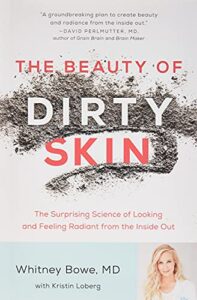
Ever wonder why your cleanser and moisturizer aren’t fixing your dry skin for good? The problem might start in your gut. The Beauty of Dirty Skin explores the gut-brain-skin axis, explaining how diet, sleep, and stress shape your microbiome and, in turn, your complexion.
Its 21-day program pairs internal habits with gentle topical care, addressing root causes behind flaking and irritation rather than just masking them. Consider it required reading before you touch a single product on this list—understanding why your skin misbehaves makes every step that follows more effective.
| Best For | Anyone dealing with chronic acne, rosacea, psoriasis, or eczema who wants to address root causes through diet, sleep, and stress rather than relying solely on topical treatments. |
|---|---|
| Product Type | Book |
| Best For | Overall Skin Health |
| Key Ingredient | Microbiome Research |
| Cruelty-Free | N/A |
| Fragrance-Free | N/A |
| Price Point | Moderate |
| Additional Features |
|
- Explains the science behind the gut-brain-skin axis and microbiome in an accessible way
- Offers a structured 21-day program combining internal habits with gentle topical care
- Provides practical, do-it-yourself strategies for long-term skin improvement
- Requires real commitment to follow the full 21-day program
- Focuses on lifestyle changes rather than medical or prescription solutions
- Not a substitute for individualized advice from a dermatologist
2. Vichy Normaderm Salicylic Acid Cleanser
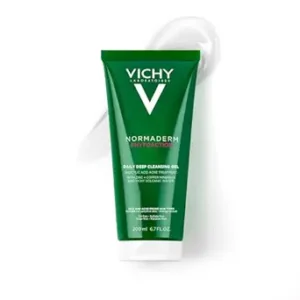
Here’s one honest exception to this list: Vichy Normaderm is built for oily, acne-prone skin, not dry skin. Its 0.5% salicylic acid, zinc, and copper minerals unclog pores nicely, but that same exfoliating action can leave dry-skin types feeling tight and stripped.
If you’re dealing with dehydration alongside occasional breakouts, patch-test first and follow immediately with a rich moisturizer. Otherwise, skip ahead—your skin barrier will thank you.
| Best For | Adults with oily, acne-prone skin who want a deep-cleansing gel wash to reduce breakouts and improve skin texture over time. |
|---|---|
| Product Type | Cleanser |
| Best For | Oily/Acne Skin |
| Key Ingredient | Salicylic Acid |
| Cruelty-Free | Not Specified |
| Fragrance-Free | No (Light Fragrance) |
| Price Point | $23.00 |
| Additional Features |
|
- Targets acne effectively with 0.5% salicylic acid plus zinc and copper minerals
- Free from soap, sulfates, parabens, and alcohol, making it gentler on sensitive skin
- Dermatologist and allergy tested, with a fresh-foaming gel texture that cleanses without over-drying
- Contains a light fragrance, which may not suit fragrance-sensitive users
- Not ideal for dry skin, as it can leave that skin type feeling tight or stripped
- Results take consistent, ongoing use—improvements in tone and texture aren’t immediate
3. Neutrogena Hydro Boost Hydrating Gel Cleanser
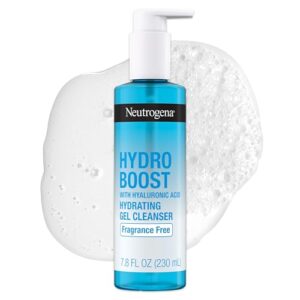
Now here’s a cleanser that actually respects dry skin. Neutrogena’s Hydro Boost Gel uses hyaluronic acid to pull moisture into the skin surface, paired with gentle micelle technology that lifts away dirt and makeup without disrupting your barrier.
The lightweight gel foams just enough to feel effective, then rinses clean—no tight, squeaky afterfeel. It’s fragrance-free, non-comedogenic, and formulated without sulfates or alcohol. Dermatology studies show improved hydration within four weeks, making it a solid daily pick for dry, sensitive, or eczema-prone skin.
| Best For | People with dry, sensitive, or eczema-prone skin looking for a gentle daily cleanser that hydrates while it cleans. |
|---|---|
| Product Type | Cleanser |
| Best For | Sensitive Skin |
| Key Ingredient | Hyaluronic Acid |
| Cruelty-Free | Not Specified |
| Fragrance-Free | Yes |
| Price Point | Moderate |
| Additional Features |
|
- Hyaluronic acid and glycerin help bind moisture so skin doesn’t feel stripped after washing
- BarrierCare micelle technology lifts away dirt, oil, and makeup without disrupting the skin barrier
- Free from parabens, sulfates, phthalates, alcohol, and fragrance, making it suitable for sensitive or reactive skin
- Meant for daily use rather than occasional deep cleansing, so it may not tackle heavier buildup
- Best results depend on pairing it with other Hydro Boost products, which adds to the routine and cost
- Clinical hydration improvements take up to four weeks to show, so it’s not an instant fix
4. Dickinson’s Original Witch Hazel Toner
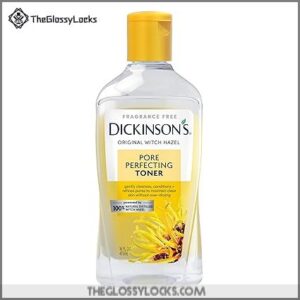
Witch hazel’s been a skincare staple since your grandmother’s medicine cabinet, and Dickinson’s still earns its spot. This 16 fl oz toner uses 100% natural distilled witch hazel, no dyes, no harsh alcohol stripping your barrier.
"Alcohol-free formulas balance pH without overdrying," which matters when you’re already fighting flakiness. It refines pores, soothes redness, and works for sensitive skin, even during pregnancy.
Sweep it on with a cotton pad post-cleanse. Gentle, dermatologist-recommended, and genuinely non-greasy—no small feat for dry skin.
| Best For | People with sensitive, dry, or acne-prone skin—including expectant mothers—who want a gentle, alcohol-free toner to refine pores and balance oil without stripping their skin. |
|---|---|
| Product Type | Toner |
| Best For | Sensitive Skin |
| Key Ingredient | Witch Hazel |
| Cruelty-Free | Yes |
| Fragrance-Free | Not Specified |
| Price Point | Affordable |
| Additional Features |
|
- Made from 100% natural distilled witch hazel with no dyes or unnecessary additives
- Alcohol-free formula soothes and refreshes without overdrying
- Cruelty-free and dermatologist recommended, safe for sensitive skin and pregnancy
- Packaging design may vary from what’s shown in product images
- Only one bottle included per order, so frequent users may need to reorder often
- As a toner alone, it may not provide enough hydration for very dry skin without a moisturizer
5. Pixi Glow Tonic Glycolic Acid Toner
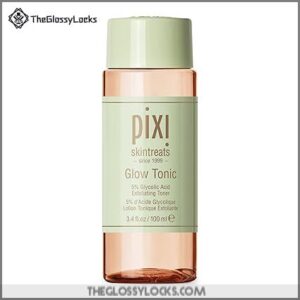
Dry skin and glycolic acid sound like a contradiction, but done right, it’s not. Pixi’s Glow Tonic uses 5% glycolic acid to gently dissolve dead cells, brightening tone and smoothing texture.
Ginseng and aloe vera calm potential irritation, while the alcohol-free formula won’t strip your barrier further.
Start slow: every other day, patted on with a cotton pad. Follow immediately with serum and moisturizer, since exfoliation always increases your skin’s thirst for hydration afterward.
| Best For | those with dry or dull-looking skin who want gentle, consistent exfoliation without harsh stripping or irritation. |
|---|---|
| Product Type | Exfoliant |
| Best For | All Skin Types |
| Key Ingredient | Glycolic Acid |
| Cruelty-Free | Yes |
| Fragrance-Free | Not Specified |
| Price Point | Moderate |
| Additional Features |
|
- Alcohol-free and paraben-free formula helps avoid further drying or irritation
- Ginseng and aloe vera soothe skin while glycolic acid works
- Versatile enough for face, neck, decolletage, and hands
- Must avoid the eye area, limiting where it can be applied
- Requires a follow-up serum or moisturizer to stay effective
- Active acid content means it needs a slow, careful introduction for sensitive or dry skin
6. Paula’s Choice Anti Redness Exfoliating Solution
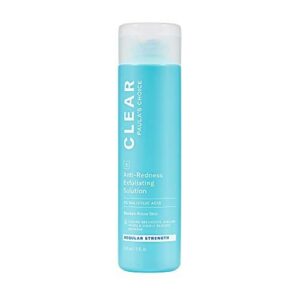
Redness-prone skin needs a gentler exfoliant, and that’s where this one earns its keep. With 2% salicylic acid, it unclogs pores and fades old blemish marks without the grit of a scrub.
Fragrance-free and formulated with allantoin and panthenol, it soothes while it exfoliates. Expect mild tingling at first; that’s normal.
Apply after cleansing, before serum. Dry or sensitive types should patch-test and build up slowly, maybe twice weekly to start.
| Best For | People with redness-prone, sensitive, or acne-prone skin who want gentle chemical exfoliation without harsh scrubbing. |
|---|---|
| Product Type | Toner |
| Best For | Sensitive/Acne Skin |
| Key Ingredient | Salicylic Acid |
| Cruelty-Free | Not Specified |
| Fragrance-Free | Yes |
| Price Point | $37.00 |
| Additional Features |
|
- Unclogs pores and fades old blemish marks with 2% salicylic acid
- Soothing formula with allantoin and panthenol calms skin while exfoliating
- Fragrance-free and lightweight, making it comfortable for sensitive skin types
- May cause mild tingling, especially during initial use
- Requires a slow build-up (twice weekly) for dry or sensitive skin, delaying full benefits
- Best results depend on pairing it with the full Paula’s Choice CLEAR regimen
7. Olay Super Serum Glow Facial Serum
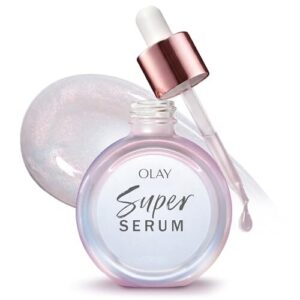
Once your skin can tolerate exfoliation, it’s ready for a serum that brightens and hydrates at once. Olay’s pick pairs niacinamide with 3-O ethyl ascorbic acid (a stable vitamin C form) to even tone, plus sodium hyaluronate for plumping.
Dimethicone gives it a lightweight, non-greasy slip, ideal under morning sunscreen. Dry skin types tolerate it well since it skips heavy fragrance.
Dr. Lisa Chen notes: "Stable vitamin C derivatives like this one deliver brightening without the irritation older formulas caused.
| Best For | Anyone looking to target multiple aging concerns—like uneven tone, fine lines, and dullness—in one step, especially those already comfortable with exfoliating actives in their routine. |
|---|---|
| Product Type | Serum |
| Best For | Aging Skin |
| Key Ingredient | Niacinamide/Vitamin C |
| Cruelty-Free | Not Specified |
| Fragrance-Free | Not Specified |
| Price Point | Moderate |
| Additional Features |
|
- Improves skin texture in as little as one week, with brighter, more even tone by week two
- Lightweight, velvety texture absorbs quickly without leaving a sticky or greasy residue
- Five-in-one formula combines Niacinamide, Vitamin C, Collagen Peptide, Vitamin E, and AHA for well-rounded care
- Requires consistent daily use morning and night to see and maintain results
- Morning application needs to be paired with sunscreen, adding a step to your routine
- Individual results can vary, so full brightening and firming benefits may take up to four weeks to appear
8. Revitalift Hyaluronic Acid Vitamin C Serum
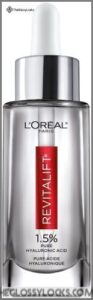
Want a heavier hit of vitamin C? Revitalift brings 12 percent pure vitamin C paired with sodium hyaluronate, in an opaque bottle that guards against oxidation. The multi-weight hyaluronic acid plumps fine lines while drawing moisture to the surface, and the lightweight finish layers well under sunscreen.
Dr. Chen adds: "Higher vitamin C percentages work well for dry skin that can handle it, but patch test first, since concentration this high occasionally causes tingling.
| Best For | This serum is best for anyone with dry, oily, combination, sensitive, or mature skin who wants an extra boost of hydration along with a brighter, more radiant look. |
|---|---|
| Product Type | Serum |
| Best For | All Skin Types |
| Key Ingredient | Hyaluronic Acid |
| Cruelty-Free | Not Specified |
| Fragrance-Free | Yes |
| Price Point | Moderate |
| Additional Features |
|
- Dual-weight hyaluronic acid delivers hydration at multiple depths of the skin
- Vitamin C helps boost radiance while the lightweight gel absorbs quickly
- Fragrance-free, paraben-free, and mineral oil-free formula suits sensitive skin types
- Wrinkle-reduction results are based on a 6-week study, so results may take time
- Effectiveness can vary depending on individual skin type
- Plumping and radiance benefits are gradual rather than instant
9. Roc Multi Correxion Eye Cream
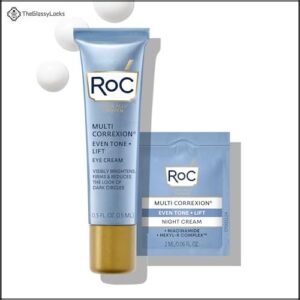
Vitamin C serums brighten, but the eye area needs its own attention, since skin there is thinner and shows fatigue first. RoC’s Multi Correxion Eye Cream uses a hexyl-R complex to target puffiness, dark circles, and crow’s feet at once.
Dr. Chen notes: "It layers easily under concealer, which dry-skinned patients appreciate on rushed mornings."
Apply a rice-grain amount per eye, patting gently into the orbital bone until absorbed, ideally twice daily for visible results within weeks.
| Best For | People with dry or dull skin who want a single eye cream that targets puffiness, dark circles, and crow’s feet while layering smoothly under makeup. |
|---|---|
| Product Type | Eye Cream |
| Best For | Aging/Under-Eye |
| Key Ingredient | Hexyl-R Complex |
| Cruelty-Free | Yes |
| Fragrance-Free | Not Specified |
| Price Point | Moderate |
| Additional Features |
|
- Clinically proven to visibly reduce crow’s feet and dark circles
- Non-comedogenic, hypoallergenic, and dermatologist-tested, plus cruelty-free and paraben-free
- Layers easily under concealer and sunscreen for a smooth morning routine
- Small 0.5 oz size means it may need frequent repurchasing
- Requires consistent AM/PM use over 2–3 months to see full results
- Must be applied sparingly (rice-grain amount) to avoid irritation near the eyes
10. Kiehl’s Ultra Facial Hydrating Cream
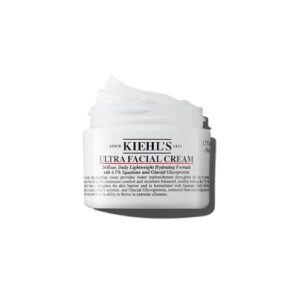
Round out your routine the way you started it: with hydration that lasts. Kiehl’s Ultra Facial Cream leans on glycerin and squalane to lock in moisture for 24 hours, while pro-ceramides quietly strengthen your barrier as the day goes on.
Dr. Chen adds: "It’s lightweight enough to sit under SPF without pilling, which matters for layering-heavy routines."
Apply as your final step, smoothing a nickel-sized amount over face and neck for lasting comfort, even in dry climates.
| Best For | This cream is best for anyone with dry or sensitive skin, including those prone to eczema, who want a rich, barrier-repairing moisturizer for both day and night use. |
|---|---|
| Product Type | Moisturizer |
| Best For | Dry/Eczema Skin |
| Key Ingredient | Ceramides/Squalane |
| Cruelty-Free | Not Specified |
| Fragrance-Free | Yes |
| Price Point | Moderate |
| Additional Features |
|
- Deeply hydrates skin up to 15 layers deep and keeps it moisturized for up to 72 hours
- Fragrance-free, non-comedogenic formula that’s gentle enough for eczema-prone skin and carries the National Eczema Association’s Seal of Acceptance
- Doubles as a smooth makeup primer, helping foundation glide on without settling into fine lines
- Heavier texture than Kiehl’s Ultra Facial Moisturizer, so it may feel too rich for oily skin types
- Hydration claims are based on instrumental studies, not necessarily everyday real-world results
- Takes about an hour to begin repairing the skin barrier, so it’s not an instant fix
Keep Morning Dryness Away

A good routine only works if your environment isn’t working against it. Dryness has habits and triggers that go beyond what you put on your face, and your daily choices matter just as much as your products. Here are five simple habits that help keep your skin balanced, morning after morning.
Use a Humidifier
Bone-dry indoor air undoes your whole morning routine before you’ve even left the bathroom. Running a humidifier overnight keeps skin hydration intact by maintaining 30-50% humidity—the sweet spot for comfort without inviting mold.
Use distilled or filtered water, not tap, to limit mineral buildup. Place the unit away from walls, and empty the tank daily. A simple hygrometer helps you monitor levels accurately.
Drink Enough Water
Rarely does anyone connect their glass of water to their morning skincare routine, but your skin depends on it. The European Food Safety Authority recommends 2.0 liters daily for women, 2.5 for men. Spread intake throughout the day rather than chugging it all at once.
- Watch urine color—pale yellow signals good hydration
- Increase intake during hot weather or exercise
- Persistent thirst means you’re already behind
- Water helps with temperature regulation and tissue moisture
Avoid Harsh Exfoliation
Ever scrub harder thinking it’ll fix flaking, only to end up redder than before? That’s micro-tear prevention failing in real time.
Chemical vs physical exfoliation matters here: swap gritty scrubs for lactic or mandelic acid. Limit exfoliation frequency to once or twice weekly. As one derm colleague puts it, "gentle beats frequent, every time" for skin barrier health.
Watch for Irritation
Your skin talks back if you listen. Stinging or burning right after a product, redness that spreads instead of fading, sudden itch, or swelling near eyes and lips—these mean stop, don’t push through.
As Dr. Elena Marsh notes, "irritation is data, not weakness." Simplify your morning skincare routine to a gentle cleanser and bare moisturizer until your skin barrier calms down.
Irritation is data, not weakness—so simplify your routine until your skin barrier calms down
Adjust With Seasons
Your dry skin routine isn’t static, and neither is the weather. Winter humidity shifts demand rich moisturizers and warm-not-hot, temperature-based cleansing, while summer moisture loss calls for lighter layers.
- Sweaters causing fabric friction? Switch fabrics.
- Skin tighter after washing? Adjust water temp.
- Flaking returning fast? Boost seasonal lipid replacement.
- Indoor heat drying skin? Add a humidifier.
- Still dry outdoors? Reapply sun protection often.
Frequently Asked Questions (FAQs)
What is the 4 2 4 rule in skincare?
Think of it as killing two birds with one stone — a Korean-inspired oil-then-water cleanse: 4 minutes oil cleansing, 2 minutes water-based cleansing, then a 4-minute warm-to-cold rinse, totaling a structured ten-minute cleanse for gentle, thorough dry skin cleansing.
Can dry skin use niacinamide?
Yes — niacinamide suits dry skin beautifully. It helps niacinamide barrier repair, eases irritation, and boosts hydration. Start with lower concentration levels, always patch test
ew actives, and use it daily for calmer, stronger, better-hydrated skin over time.
What skincare routine is best for dry skin?
Is there one universal fix? Not quite. The best routine layers humectants before emollients: hydrating toner, then serum, then moisturizer, then sunscreen — thinnest to thickest, always applied to slightly damp skin for maximum barrier repair.
What are the 7 steps of skin care?
Cleanse, tone, treat, moisturize, protect (SPF), plus eye cream and lip care—that’s the classic skincare routine order.
For dry skin, prioritize a gentle cleanser, hydrating toner, hydration-sequenced serums, and a barrier-repairing moisturizer applied within five minutes.
How to fix dry skin in the morning?
Like Sleeping Beauty waking to a changed world, your skin greets morning having lost moisture overnight. Fix it fast: cleanse gently, then layer hydrating serum and moisturizer on damp skin—locking in water before dry indoor air and seasonal shifts strike again.
What is the order of a good skincare routine for dry skin?
Your best layering sequence runs cleanser, toner, serum, moisturizer, then sunscreen—thinnest to thickest.
Apply serums on damp skin for better absorption, and follow hydration retention timing: moisturize within five minutes.
This consistency-based application locks in skin hydration all day.
How do you fix dry skin in the morning?
Swap hot water for lukewarm, use a gentle cream cleanser, then layer hydrating serum and moisturizer within five minutes while skin’s damp. Add SPF and a humidifier—this barrier repair combo helps with flaking, tightness, and humidity-related dryness fast.
What is a good morning skin routine?
A good routine follows a thinning-to-thickening order: gentle lukewarm cleansing, alcohol-free toner, hyaluronic acid serum on damp skin, ceramide moisturizer within five minutes, then SPF
This layering locks in hydration and rebuilds your barrier every single morning.
How often should I exfoliate my dry skin in mornings?
Stick to 1–2 sessions weekly, ideally with mild lactic acid, never daily. Over-exfoliation shows up as tightness, redness, or flaking, so watch closely. Always follow with moisturizer and SPF, since freshly exfoliated skin sunburns faster and needs extra barrier support.
If breakouts persist despite careful exfoliation, exploring natural whitehead removal methods for home use can help you address underlying congestion without disrupting your skin’s barrier further.
Can I use night cream during the morning routine too?
Borrowing from your evening lineup is fine occasionally, but check ingredients first: retinoids raise sun sensitivity, so daytime use demands strict SPF. Watch for pilling, morning grease, and always confirm your night cream doesn’t skip essential barrier support.
Conclusion
Rome wasn’t built in a day, and neither is a healthy skin barrier. Your morning skin care routine for dry skin works best when you follow the sequence—cleanse, tone, serum, moisturizer, SPF—every single day, not just when your skin feels tight. Consistency, not complexity, makes the difference. Give it four weeks. Your cheeks will stop pulling, flaking will fade, and tightness becomes a distant memory. Small steps, repeated daily, build lasting, healthier skin.