
This site is supported by our readers. We may earn a commission, at no cost to you, if you purchase through links.
Most skincare products quietly wreck your skin’s pH before you even notice. Cleansers strip away your acid mantle, leaving your face temporarily alkaline—and that’s when breakouts, dryness, and irritation sneak in. A well-formulated toner steps in right there, resetting the balance before your skin has a chance to overcompensate.
Natural skin toners take this a step further by skipping the alcohol and synthetic fragrance that cause more problems than they solve. Ingredients like witch hazel, aloe vera, and frankincense bring real chemistry to the table—astringency, hydration, and antioxidant protection without the harsh side effects. Knowing which one fits your skin type makes all the difference.
Table Of Contents
- Key Takeaways
- Top 4 Natural Skin Toners to Try
- Key Benefits of Natural Skin Toners
- Best Natural Toner Ingredients Explained
- Choosing The Right Toner for Your Skin
- How to Use Natural Toners Effectively
- Frequently Asked Questions (FAQs)
- What is the best natural toner for skin?
- How to make natural toner for skin?
- What acts as a natural toner?
- What is a good homemade face toner?
- Is apple cider vinegar a natural toner?
- Is rosewater a natural toner?
- Can toners improve skins resistance to pollution?
- How do toners interact with prescription skincare?
- Are there toners safe for use during pregnancy?
- Do natural toners help reduce sun damage?
- Conclusion
Key Takeaways
- Your cleanser disrupts your natural pH balance, and a good natural toner—free from alcohol and synthetic fragrance—restores it before your skin overcompensates with excess oil or breakouts.
- Ingredients like witch hazel, aloe vera, and frankincense each serve a distinct purpose: witch hazel tightens and controls oil, aloe vera pulls moisture into your skin, and frankincense supports collagen and pore refinement.
- Matching your toner to your skin type matters—oily skin needs astringents like witch hazel or salicylic acid, while dry or sensitive skin does better with hydrating, alcohol-free options like aloe vera or rose water.
- How you apply your toner affects your results—patting it on with clean hands, layering thinnest to thickest, and always patch-testing new formulas are simple habits that protect your skin barrier and cut down on irritation.
Top 4 Natural Skin Toners to Try
Finding a natural toner that actually works for your skin doesn’t have to feel like a guessing game.
These alcohol-free toners for sensitive skin are a great place to start if your skin tends to react badly to harsh ingredients.
These four options cover a range of skin types and concerns, so there’s a good chance one of them is exactly what your routine’s been missing. Here’s a closer look at each one.
1. NutriBiotic Grapefruit Seed Extract Liquid
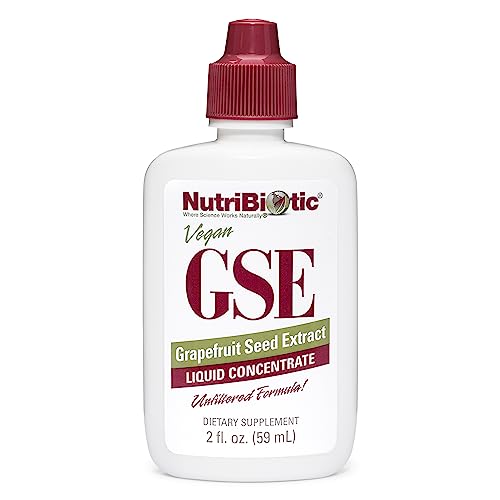
NutriBiotic Grapefruit Seed Extract Liquid is a concentrated, multipurpose formula that pulls serious weight in a tiny 2 oz bottle. It’s made from grapefruit seed extract and vegetable glycerin — no artificial preservatives, no fillers, completely vegan.
As a toner, you dilute 5 to 10 drops per tablespoon of water and apply it to your skin. That acidic pH of around 2.75 helps balance your skin, clear impurities, and even fight fungal issues. A little goes a long way.
| Best For | Travelers, people with weak immune systems, or anyone who gets sick often and wants a natural, multipurpose supplement they can use inside and out. |
|---|---|
| Cruelty-Free | Yes |
| Skin Benefits | Antimicrobial, immune support |
| Topical Use | Yes |
| Artificial Additives | None |
| Formula Type | Concentrated liquid |
| Sensitive Skin Safe | Yes |
| Additional Features |
|
- Incredibly versatile — works internally for immune support and externally for skin, surfaces, and mold prevention
- Clean formula with no artificial additives, gluten, or GMOs, so it fits most dietary needs
- Concentrated liquid with a dropper means a small bottle goes a long way
- The taste is noticeably bitter, which can be hard to get past without mixing it into food or a drink
- May interact with prescription medications or other herbal supplements, so a doctor check-in is a good idea first
- Not a treatment or cure for any medical condition — it’s a supplement, not a substitute for medical care
2. Thayers Alcohol-Free Witch Hazel Facial Toner
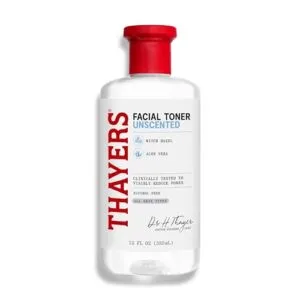
If you want something gentler and ready straight out of the bottle, Thayers is a classic for good reason. It’s built around undistilled witch hazel and certified organic aloe vera — a pairing that tones and hydrates at the same time, without the drying sting that alcohol leaves behind.
It’s dermatologist-tested, non-comedogenic, and works on every skin type, including sensitive. Clinically, it hydrates skin by 50% after just one use.
Simple, effective, and honestly hard to argue with.
| Best For | Anyone with sensitive or combination skin who wants a simple, no-fuss toner that hydrates without irritating. |
|---|---|
| Cruelty-Free | Yes |
| Skin Benefits | Soothes, tones, hydrates |
| Topical Use | Yes |
| Artificial Additives | None |
| Formula Type | Cream/liquid toner |
| Sensitive Skin Safe | Yes |
| Additional Features |
|
- Alcohol-free formula means no drying or stinging — great for daily use
- Certified organic witch hazel and aloe vera work together to tone and hydrate at the same time
- Works for all skin types and pulls double duty as aftershave, makeup prep, or sunburn relief
- Completely unscented, so if you like a little fragrance in your routine, this won’t deliver
- No clear shelf life info on the packaging, which can be annoying for occasional users
- Rare chance of skin irritation — always worth patch testing if your skin runs sensitive
3. Heritage Store Lavender Water Mist
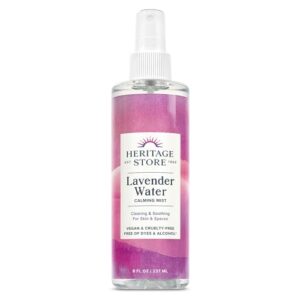
For something even more minimal, Heritage Store Lavender Water Mist keeps it simple — just three ingredients: Vor-Mag water, vegetable glycerin, and lavender oil. That’s it.
No dyes, no alcohol, no parabens. The glycerin pulls moisture into your skin, and the lavender calms both your complexion and your mood.
You can use it as a toner, a setting spray, or even a pillow mist before bed.
It’s dermatologist-tested, hypoallergenic, and comes in eco-friendly packaging — clean skincare without overcomplicating things.
| Best For | Anyone who wants a fuss-free, natural mist that works as a toner, setting spray, or just a calming midday refresh. |
|---|---|
| Cruelty-Free | Yes |
| Skin Benefits | Hydrates, calms, balances |
| Topical Use | Yes |
| Artificial Additives | None |
| Formula Type | Mist spray |
| Sensitive Skin Safe | Yes (if no lavender allergy) |
| Additional Features |
|
- Super clean formula — just three ingredients, no alcohol, dyes, or parabens
- Multi-use: works as a face toner, setting spray, pillow mist, or room spray
- Backed by a 60-day money-back guarantee, so there’s no risk trying it
- If you’re not a lavender fan, this one’s not for you — the scent is the whole point
- It can be pretty potent, so a little goes a long way (which is fine, but worth knowing)
- A rare bad batch has been reported, though it seems like an isolated issue
4. Prime Natural Organic Frankincense Essential Oil
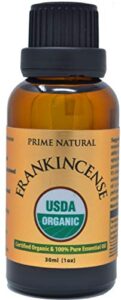
If lavender keeps things simple, frankincense takes your routine a step deeper.
Pair it with a cucumber and aloe vera toner recipe to keep your skin balanced and deeply refreshed throughout the day.
Prime Natural’s Organic Frankincense Essential Oil is USDA certified, made from Boswellia Serrata, and pure — no fillers, no dilution.
As a toner, mix about 10 drops into 100ml of rose water, shake well, and spritz after cleansing.
It tightens pores, promotes collagen, and helps reduce the look of fine lines.
Just don’t skip the dilution step — undiluted essential oils on bare skin aren’t a good idea.
| Best For | Anyone who wants a clean, certified organic frankincense oil for skincare, stress relief, or aromatherapy without worrying about added fillers. |
|---|---|
| Cruelty-Free | Yes |
| Skin Benefits | Soothes, heals, anti-aging |
| Topical Use | Yes (diluted) |
| Artificial Additives | None |
| Formula Type | Essential oil |
| Sensitive Skin Safe | Yes (when diluted) |
| Additional Features |
|
- USDA Certified Organic and made from pure Boswellia Serrata — no dilution, no mystery ingredients
- Works great in a diffuser or as part of a DIY toner to help tighten pores and soften fine lines
- Comes with a euro dropper for easy, controlled use
- Some bottles arrive less than full, which is a bit frustrating at this price point
- The scent runs lighter than expected — not ideal if you want a strong, resinous frankincense smell
- Can dry out your skin if you skip diluting it properly before applying
Key Benefits of Natural Skin Toners
Natural toners do a lot more than just feel revitalizing on your skin. balancing your pH to shrinking the look of pores, they pull real weight in your routine.
Here’s a closer look at the key benefits worth knowing about.
Balancing Skin PH
Think of your skin’s acid mantle as a protective shield — and cleansers can knock it off balance fast. Natural toners restore your skin pH to that sweet spot of 4.5–5.5, keeping your barrier strong and resilient. Understanding how toners can help balance your skin’s pH is pivotal for maintaining ideal skin health and appearance.
Here’s why balancing pH actually matters:
- Alkaline cleansers disrupt your acid mantle, leaving skin vulnerable
- Imbalance consequences include dryness, breakouts and irritation
- Witch hazel stabilizes pH without over-drying
- Ideal pH level helps healthy bacteria defense
- Regular toning maintains your skin’s natural acid mantle long-term
Removing Impurities and Excess Oil
Cleansing your face only gets you so far. Even after washing, leftover makeup, sunscreen, and sebum cling to your skin — and that’s where toner steps in.
Natural toners excel at residue removal, pollutant cleanse, and pore decongestion, dissolving the film your cleanser missed.
Crucially, they also help balance skin pH levels, which is essential for overall skin health.
Regular use aids excess oil control and sebum regulation, keeping oily skin clearer and surface purify goals actually achievable.
Hydrating and Nourishing Skin
Hydrating with a natural toner isn’t just a nice extra step — it’s where real skin nourishment happens. Ingredients like aloe vera and hydrosols deliver lightweight moisture retention without heaviness, while humectants draw water deep into skin for lasting suppleness.
This nutrient infusion also provides an antioxidant boost that strengthens your barrier. Natural toners truly help nourish skin from the very first layer.
Minimizing The Appearance of Pores
Nobody actually has pores that “disappear” — but natural toners can make them look much smaller. Ingredients like witch hazel work as gentle astringents, helping with pore tightening and oil regulation, so excess sebum doesn’t stretch openings wider.
Regular use promotes clear pores, blackhead prevention, and refined texture over time. That’s real skin barrier repair happening, one layer at a time.
Best Natural Toner Ingredients Explained
Not all toner ingredients are created equal, and knowing what’s actually in your bottle makes a real difference. Some work hard to tighten pores, and others focus on calming or hydrating your skin.
Here are the key natural ingredients worth knowing about.
Witch Hazel for Astringency
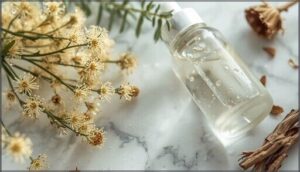
Witch hazel is basically nature’s cleanup crew for your skin. Its tannin chemistry works through protein contraction — tightening pores and mopping up excess oil without wrecking your moisture barrier.
The vasoconstriction effects temporarily shrink visible pores, making it a go-to for oily skin. With pH optimization between 3.0–5.0, it keeps skin balanced and calm.
- Minimizes pore appearance through natural astringency
- Controls excess sebum without over-drying
- Uses natural ingredients at safe concentrations (1–10%)
- Helps a balanced, matte complexion all day
- Works as an effective pore-minimizing toner ingredient
Aloe Vera for Hydration
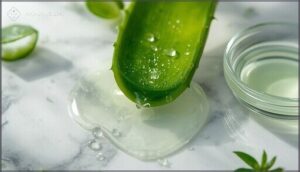
Aloe vera is basically 99% water in plant form — making it one of the most effective natural skincare ingredients for skin hydration in any toner.
Its humectant action pulls moisture from the air directly into your skin, while its polysaccharides strengthen barrier function and reduce water loss.
Skin absorption is rapid, and compound benefits include vitamins A, C, and E working quietly beneath the surface.
Tea Tree Oil for Acne-Prone Skin
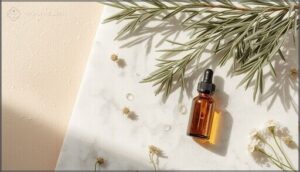
While aloe vera floods skin with moisture, tea tree oil goes on the offense — targeting the bacteria behind breakouts.
Here’s why it works so well for acne-prone skin:
- Its antibacterial efficacy eliminates acne-causing bacteria at just 0.25% concentration
- Anti-inflammatory action calms redness and swelling fast
- Safe concentration guidelines (1–3%) make it gentle enough for daily toner use
Always follow patch test protocol before adding this essential oil to your natural skincare routine.
Essential Oils and Herbal Extracts

Beyond tea tree, essential oils and botanical extracts bring serious backup to your toner. Green tea and calendula deliver antioxidant extracts that fight daily pollution damage.
Hydrosol toners and rose water offer gentle, skin-friendly bases for safe dilution — keeping essential oil levels between 0.5 and 1.2 percent.
Calming botanicals like chamomile help soothe redness, while lavender adds a relaxing touch without overwhelming sensitive skin.
Ingredients to Avoid in Toners

Not every ingredient belongs on your face.
Denatured alcohol, for instance, strips your skin’s natural oils and can actually trigger more oil production as your skin scrambles to compensate. Parabens raise real hormonal concerns, while synthetic fragrance hides irritating chemicals behind a single word. Sulfates and mineral oil clog pores and block absorption.
Denatured alcohol, parabens, synthetic fragrance, sulfates, and mineral oil belong off your face — not in your toner
These are the ingredients to avoid in toners — full stop.
Choosing The Right Toner for Your Skin

Not all toners are created equal, and your skin type makes a big difference in what actually works. wrong pick can leave your skin feeling tight, greasy, or irritated — which nobody wants.
Here’s how to match the right toner to what your skin actually needs.
Toners for Oily and Acne-Prone Skin
Oily, acne-prone skin needs a toner that works smart, not hard. Here’s what to look for:
- Sebum balancing ingredients like witch hazel and niacinamide keep shine in check without stripping your barrier.
- Acne fighting actives — salicylic acid (a BHA) unclogs pores deep down.
- Anti-inflammatory benefits from tea tree oil calm angry breakouts fast.
- Non-comedogenic formulas prevent new clogged pores.
- Skin barrier support keeps oily skin resilient, not reactive.
Solutions for Dry and Sensitive Skin
Dry and sensitive skin needs ingredient-smart toners. Look for alcohol-free formulas with aloe vera or rose water — both calm redness and support skin barrier repair without stripping moisture.
Hypoallergenic choices like centella asiatica and beta-glucan are excellent natural skincare ingredients for rosacea relief.
A simple hydrating mist delivers real toner benefits and usage: soothed, nourished skin every single day.
Options for Combination or Normal Skin
Combination and normal skin hit the sweet spot — but that doesn’t mean they’re maintenance-free. You still need a toner that manages both oily and dry zones without tipping the scales.
Think Silky Finish Toners with Non-Sticky Formulas that deliver pH balance without overloading skin.
Here’s what works best:
- Thayers Witch Hazel offers Dual-Action Moisturizers that hydrate cheeks while controlling T-zone oil.
- Cooling Refresh Sprays with cucumber instantly calm combination flare-ups.
- Vegan Plant-Based Toners using green tea balance oil naturally.
- Kopari’s coconut-rose blend fights acne bacteria while locking in moisture.
- Natural remedies like rose water tighten pores across combination skin evenly.
Customizing Toners for Individual Concerns
Your skin type can shift with the seasons, so your toner should too. Seasonal Ingredient Swaps — like swapping peppermint for chamomile in winter — keep your DIY toner working year‑round.
Use DIY Blend Ratios like aloe vera with glycerin for dry spells.
Fragrance-Free Formulas and Allergy‑Safe Additives protect reactive skin, while Ingredient Synergy Mapping helps Natural skincare ingredients work together for targeted, effective results.
How to Use Natural Toners Effectively

Getting the most from your toner comes down to a few simple habits. It’s not just about splashing it on and hoping for the best — technique, timing, and layering all make a real difference.
Here’s what you need to know to use your natural toner the right way.
Application Methods and Tools
How you apply your toner matters more than you think. Each method changes how much product actually reaches your skin.
- Cotton Pad Method — swipe a cotton round or reusable rounds across your face to lift leftover residue
- Hand Patting Toner — press drops between your palms and pat gently for zero waste
- Toner Mist Spray — spritz a facial mist for quick, even coverage
Always do patch test steps first.
Optimal Timing and Frequency
Timing your toner isn’t complicated, but it does change your results.
Mornings, apply it right after facial cleansing to control oil and prep for product absorption.
Evenings, use it 2–3 minutes before actives to reset your skin’s pH.
New to toning? Start with once daily, then ramp up after a week. In winter, cut back to every other day.
Layering Toner in Your Skincare Routine
Think of layering toner like building a skincare sandwich — each layer has a job.
Follow this layering order for maximum absorption boost:
- Start with your thinnest, most watery toner first.
- Pat each layer gently until absorbed before adding the next.
- Try the seven-skin method for multi-layer hydration.
- Use aloe or rose hydrosol last for skin barrier sealing.
- Adjust your custom layer ratios based on how dry your skin feels that day.
Tips to Minimize Irritation and Waste
Before layering anything new, patch testing saves you from a bad skin day. Dab a pea-sized amount on your inner forearm, wait 24 to 48 hours, and check for redness.
When using organic ingredients or essential oils, stick to safe dilution ratios — around 1 percent for facial toners.
Gentle patting beats rubbing every time, reusable pads cut waste, and cool storage keeps your clean beauty routine fresh longer.
Frequently Asked Questions (FAQs)
What is the best natural toner for skin?
The best toner depends on your skin type. Witch hazel controls oil, aloe vera hydrates, and tea tree fights acne. Match ingredients to your needs for real, measurable results.
How to make natural toner for skin?
Making a DIY toner is simpler than it sounds.
Combine witch hazel, rose water, and aloe vera, then store in a glass bottle. Refrigerate your homemade skincare solution and use it within 30 days.
What acts as a natural toner?
Several kitchen staples double as effective toners — witch hazel, rose water, apple cider vinegar, and green tea all balance pH and remove impurities.
DIY toner options like cucumber hydration mists and chamomile soothing blends work surprisingly well, too.
What is a good homemade face toner?
Think of your face as a garden — it thrives with the right recipe. A simple DIY toner blends rose water, witch hazel, and aloe vera for balanced, glowing skin.
Is apple cider vinegar a natural toner?
apple cider vinegar is a natural DIY toner.
Its acetic acid role helps restore skin pH, offers mild exfoliation effect, and aids acne reduction — but always follow safe dilution ratios first.
Is rosewater a natural toner?
Rosewater absolutely counts as a natural toner.
Pure distilled rosewater is an alcohol-free toner with a non-comedogenic rating of zero, offering antioxidant protection and gentle soothing effects — especially in a fragrance-free formula.
Can toners improve skins resistance to pollution?
Like a shield before battle, toners build your skin’s first line of defense.
Antioxidant Shield ingredients neutralize free radicals, Barrier Reinforcement seals gaps, and Pollution Particle Capture lifts daily grime before it settles in.
How do toners interact with prescription skincare?
Toners and prescription skincare can work beautifully together — or clash badly. pH alignment matters most.
hydrating toner before tretinoin buffers irritation, while retinoid buffering prevents peeling. Smart prescription layering rules keep your skin barrier intact.
Are there toners safe for use during pregnancy?
Absolutely — many pregnancy-safe toners exist. Look for alcohol-free, hormone-free formulas with clean beauty credentials, low EWG hazard ratings, and dermatologist-tested ingredient transparency.
Witch hazel and organic aloe vera are reliable, well-tolerated options.
Do natural toners help reduce sun damage?
Yes, they can.
Ingredients like witch hazel, aloe vera, and green tea offer antioxidant protection, UV-induced inflammation relief, and photoaging prevention — helping with barrier restoration, hyperpigmentation, DNA repair support, skin brightening, and aging skin recovery.
Conclusion
Like an alchemist blending ancient botanicals with modern skin science, choosing the right natural skin toners comes down to knowing your skin and trusting your ingredients. Witch hazel tightens, aloe hydrates, frankincense protects—each one earns its place in your routine.
Skip the alcohol, dodge synthetic fragrance, and layer your toner right after cleansing.
Your acid mantle does the rest. Give it the right tools, and your skin genuinely thrives.
- https://organicmachine.co.za/skin-benefits-organic-face-toner/
- https://beebythesea.com/blog/2024/12/21/the-best-natural-toner-for-face-boost-your-skin-health-naturally/
- https://www.natashanorris.com/post/10-natural-ingredients-to-look-for-in-your-facial-toner
- https://uk.naturaltoneskincare.com/blogs/latest-blogs/discover-the-benefits-of-organic-ingredients-with-natural-tone-skincare
- https://kiwla.com/products/CeraVe-Hydrating-Toner-for-Face-NonAlcoholic-with-Hyaluronic-Acid-Niacinamide-and-Ceramides-for-Sensitive-Dry-Skin-FragranceFree-Non-Comedogenic-Full-Size-6.8-Fl-Oz