This site is supported by our readers. We may earn a commission, at no cost to you, if you purchase through links. This content is for general informational and educational purposes only and is not a substitute for professional medical, dermatological, or nutritional advice.

Peek at most toner labels and you’ll find a fragrance mix, alcohol, and a price tag that makes no sense for what’s basically flavored water. Your kitchen already holds better options. Witch hazel, rosewater, cucumber, even leftover chamomile tea bags can outperform bottles costing three times as much.
That’s not a gimmick, it’s chemistry. Plant-based astringents and humectants have calmed skin and balanced pH for generations, long before "clean beauty" became a marketing term.
Below, you’ll find five natural skin toner recipes built for real skin types, plus the exact steps to mix, store, and apply them without irritation.
Table Of Contents
- Key Takeaways
- 5 Easy Natural Skin Toner Recipes
- Natural Toner Benefits and Key Ingredients
- Best Natural Toner by Skin Type
- How to Make and Use Toner Safely
- Top 3 Natural Toners
- Frequently Asked Questions (FAQs)
- What is the best homemade face toner?
- How can I make a natural toner at home?
- How can I make my own toner?
- What can I use instead of skin toner?
- What is the best homemade skin toner?
- How can I make a toner at home?
- What is the most natural toner for face?
- Is apple cider vinegar good as a toner?
- How long do natural toners stay fresh?
- What’s the best natural toner for rosacea?
- Conclusion
Key Takeaways
- Kitchen staples like witch hazel, rosewater, cucumber, and chamomile can outperform pricey store-bought toners because they work with your skin’s natural chemistry, not against it.
- Matching your toner to your skin type matters most: witch hazel and aloe suit normal skin, rosewater and glycerin help dry skin, cucumber and chamomile calm sensitive skin, and diluted apple cider vinegar tackles oily or acne-prone skin.
- Safety comes first with DIY toners, so always sterilize your bottles, patch test on your inner elbow for 24-48 hours, and refrigerate preservative-free batches, using them up within 2-3 days.
- Toner isn’t just a feel-good step, it rebalances your skin’s pH after cleansing, removes leftover residue, and helps your serum and moisturizer absorb better afterward.
5 Easy Natural Skin Toner Recipes
Ready to whip up your own toner at home? Good news: you don’t need a lab coat or fancy equipment, just a few kitchen staples and five minutes. Here are five easy recipes to match whatever your skin needs.
Whether your skin leans dry, oily, or sensitive, these DIY homemade face toner recipes for every skin type show you exactly which natural ingredients to reach for.
Witch Hazel and Aloe Vera Toner
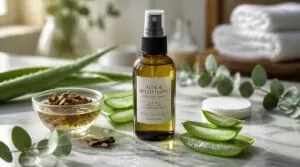
Think of witch hazel and aloe vera as skincare’s classic duo, one tightens, one soothes, both work better together.
This DIY toner blends witch hazel’s astringent power with aloe vera hydration for calm, balanced skin.
- Combine witch hazel, aloe vera gel, distilled water
- Shrinks pores while easing irritation
- Great for sensitive skin care needs
Witch hazel also enhances the skin’s absorption of aloe vera’s active compounds, making this pairing especially effective for soothing and long-term barrier support.
Store in a dark glass spray bottle, shake before each use, and enjoy fresh, natural skincare without harsh chemicals.
Rosewater and Glycerin Toner
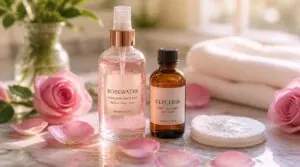
If witch hazel is skincare’s tough-love friend, rosewater and glycerin are the gentle one who just wants you hydrated.
Fill a bottle 4/5 full with rosewater, add 1 part glycerin, shake for 30 seconds.
Soak a cotton pad, swipe across face and neck, avoid eyes, let air dry.
Skin feeling tight? Add more glycerin. Oily? Keep it light.
Always patch test first, this natural skin toner balances pH beautifully for dry, thirsty skin.
Cucumber and Aloe Vera Toner
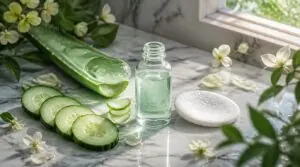
Rosewater and glycerin cool things down, cucumber and aloe vera take it further.
Mix half a cucumber, strain the pulp, and collect the juice. Mix with 3-4 tablespoons fresh aloe gel until slightly runny.
Pour into a sterilized glass bottle, refrigerate, and use within 2-3 days.
Spritz or swipe with a cotton pad after cleansing for instant skin soothing and hydration. This natural astringent mix refreshes tired, thirsty skin beautifully!
Chamomile and Honey Toner

Cucumber cools skin down, chamomile and honey calm it from the inside out.
Steep 1/4 cup dried chamomile in 1 cup hot water, strain, then stir in 1 teaspoon honey while warm until fully dissolved. Let it cool completely before bottling.
Check pH with strips, aiming for 4.5 to 5.5. Refrigerate and use within 2-3 days for stressed, sensitive skin.
Diluted Apple Cider Vinegar Toner

Straight ACV on skin is too harsh, so always dilute first: mix 1 part apple cider vinegar with 3 parts water for a gentler skin pH balance boost.
- Oily or acne-prone skin: try 1:1
- Sensitive skin: go 1:4 or weaker
- Always patch test on your forearm, wait 24-48 hours
Apply with a cotton pad, avoiding the eye area. Refrigerate and discard after 2-3 days.
Natural Toner Benefits and Key Ingredients

Toner does more than just feel soothing on your skin. Each ingredient brings its own job to the table, from balancing pH to tightening pores. Here’s what makes these natural formulas actually work.
Balance Skin PH
Your skin has a built-in shield called the acid mantle, and it thrives at a pH around 5.5. Cleansing (especially with alkaline soaps) knocks that balance off.
Your skin’s acid mantle thrives near pH 5.5, and alkaline cleansers can throw that balance off
Toner helps restore your skin pH balance, supporting your microbiome and barrier function.
Want proof? Grab pH testing strips before and after toning, you’ll see the difference firsthand!
Remove Residual Oil and Makeup
Even after cleansing, your skin can hold onto sneaky leftovers, think stubborn mascara or sunscreen film. That’s why a double cleanse routine matters: oil cleansing first, then toner catches what’s left.
Toner finishes the job by lifting residue that causes:
- Clogged pores
- Dull texture
- Breakouts
Witch hazel’s astringent properties tighten as they clean, giving you that truly bare-skin feel.
Hydrate With Aloe and Rosewater
Thirsty skin? Aloe vera gel and rosewater are your postcleansing step for real relief. Aloe penetrates four times deeper than water, while rosewater’s humectant action locks in moisture. Together, this Aloe Rosewater Teamwork creates a pH balanced mixture near 5.5.
Mix equal parts for a simple Hydration Boost Formula that hydrates and refreshes, supporting lasting moisture retention with regular use.
Soothe With Cucumber and Chamomile
Redness calming down? Cucumber and chamomile are your go-to duo. Cucumber’s 95% water content cools fast, while chamomile’s apigenin eases inflammation within minutes.
- Cool cucumber slices mist
- Calm chamomile-infused steam
- Soft cotton pad glide
- Gentle overnight recovery mist
This soothing pair works as a natural astringent too, perfect for sensitive skin care without stripping your barrier.
Refine Pores With Witch Hazel
Enlarged pores got you reaching for concealer? Witch hazel, a natural astringent pulled from Hamamelis virginiana bark and leaves, tightens tissue on contact for that instant "pores just vanished" feel.
It’s a smart oily skin treatment, too, soaking up excess shine after cleansing. Stick with alcohol-free formulations to avoid rebound oiliness, and always patch test before your first full application.
Best Natural Toner by Skin Type

Not every toner works for every face, and that’s okay. Your skin type calls the shots on which ingredients help most. Here’s how to match your routine to what you’ve got.
Normal Skin: Witch Hazel Aloe
Lucky you: normal skin doesn’t need fixing, just balance. Witch hazel and aloe vera do that beautifully together. Witch hazel’s tannins gently tighten and calm, while aloe’s polysaccharides replenish hydration without heaviness.
Mix them for a toner that clears cleansing residue, soothes mild irritation, and keeps your skin’s barrier happy. This DIY beauty combo is proof that simple botanical teamwork often works best.
Oily Skin: Witch Hazel Tea Tree
Oily and acne-prone skin needs a toner with real astringent properties, and witch hazel delivers. Mix 3 drops tea tree essential oil into 2 ounces witch hazel for quick oil control.
Tea tree’s antimicrobial action targets acne-causing bacteria while calming redness. Swipe onto a cotton pad, focus on shine or blemishes, and follow with moisturizer.
Dry Skin: Rosewater Glycerin
Dry, tight skin craves moisture, not more astringents. Swap witch hazel for rosewater and glycerin, a humectant mix that pulls hydration into skin. Mix 3 parts rosewater to 1 part glycerin in a spray bottle, shake well, and mist onto slightly damp skin.
- Rosewater softens and balances pH
- Glycerin helps the skin barrier
- Shake before each use
- Let it absorb before moisturizer
- Store away from heat
Sensitive Skin: Cucumber Chamomile
Reactive skin needs calm, not more active ingredients. Cucumber and chamomile deliver gentle hydration with almost no irritation risk.
Simmer peeled cucumber, puree, strain, then mix with cooled chamomile tea and a splash of aloe vera gel. Spritz after cleansing.
Cucumber’s mostly water, so it cools and soothes fast. Chamomile calms redness. Patch test first, always.
Mature Skin: Green Tea Hibiscus
As skin matures, it craves antioxidants more than anything else, and this mix delivers. Steep green tea, cool it, then mix with strained hibiscus tea for a antioxidant-rich toner.
Green tea fights free radicals tied to premature aging. Hibiscus offers gentle exfoliation effects from natural acids, brightening tone while boosting hydration, a true anti-aging mix for mature skin.
How to Make and Use Toner Safely

Making your own toner is the easy part. Using it safely is what actually protects your skin. Here’s exactly how to get it right, step by step.
If you’re also looking to lock in shine and protect strands post-toner, this guide on choosing the right hair sealant for your hair type pairs well with your skincare routine.
Pair your homemade toner with the right follow-up care, since understanding the benefits of proper aftershave application can make the difference between soothed skin and unnecessary irritation.
If beard skin needs the same kind of care, pairing your toner routine with a simple beard maintenance routine you can do at home keeps both your skin and facial hair looking their best.
Sterilize Bottles and Tools
Would you brew tea in a dirty pot? Same logic applies here. Sterilize your glass spray bottle and tools before mixing.
Three methods that work:
- Boil parts 5+ minutes
- Cold sterilizing solution, 30 minutes
- Steam sterilizer
Use clean tongs, dry fully on a rack. This prevents recontamination before your patch test.
Measure, Dilute, and Mix
With bottles sterilized, precision matters. Grab measuring spoons or a graduated cylinder, work in milliliters, and aim for a 100 ml batch to start.
For ACV toner, keep a 1:3 dilution ratio (vinegar to water), adding vinegar last into your diluted base. Stir gently, breaking up any clumps, until uniform. Let bubbles settle before bottling. Same container size each batch keeps future scaling simple.
Patch Test Before Facial Use
Before that fresh toner touches your face, test it! Dab a small amount on your inner elbow, wait 24-48 hours, and watch for redness, burning, or hives. No reaction? You’re clear to apply with a cotton pad after cleansing.
If irritation shows up, wash off with lukewarm water immediately and skip reapplying until you’ve checked with a dermatologist.
Refrigerate Preservative-Free Toners
No preservatives means no room for error. Let herbal toners cool completely before bottling, since warm liquid trapped in a sealed jar breeds condensation fast.
Use amber glass bottles, sterilize everything first, then label immediately after filling. Store your DIY skincare toner in the back of the fridge, not the door, and use it within 2-3 days.
Apply Before Serum and Moisturizer
Think of toner as the handshake between cleansing and everything after. Apply toner first, either spritzed directly or swept on with a cotton pad, right after cleansing. Wait 30 seconds, then layer serum, then moisturizer last.
- Skin drinks in actives instead of wasting them
- Serums penetrate up to 40% deeper
- Moisturizer seals everything in
- Timing sequence matters for real results
Top 3 Natural Toners
Not ready to mix your own toner just yet? No worries, store-bought works great too. You just need to know what to look for on the label. Here are three natural picks worth keeping in your skincare rotation.
1. Fresh Rose Deep Hydration Facial Toner

When your skin craves real moisture, this toner delivers. Real rose petals and hyaluronic acid work together for deep hydration, while rose fruit extract helps minimize the look of pores without stripping your skin’s natural oils.
It’s alcohol-free and non-stripping, so daily use won’t leave you tight or irritated, even if you’re prone to sensitivity. Sweep it over your face and neck after cleansing, right before your serum.
A few users notice floating petals or slight residue near the bottle’s end, and pricing runs higher than drugstore options. Still, for soothing, hydrated skin, it’s worth the splurge.
| Best For | Anyone with sensitive or dry skin looking for a gentle, hydrating toner they can use every day without feeling tight or irritated. |
|---|---|
| Alcohol-Free | Yes |
| Skin Type | Sensitive/Dry |
| Key Ingredient | Hyaluronic Acid |
| Hydrating | Yes |
| Exfoliating | No |
| Fragrance Noted | No |
| Additional Features |
|
- Real rose petals and hyaluronic acid provide deep, lasting hydration
- Alcohol-free, non-stripping formula is gentle enough for daily use
- Compact, travel-friendly size makes it easy to bring along
- Some users notice floating rose petals or brown residue toward the end of the bottle
- Pricier than typical drugstore toners, and some feel it’s not worth the cost
- May still cause irritation or redness in certain sensitive skin types
2. Botanics All Bright Hydrating Cleansing Toner
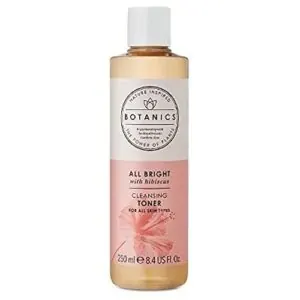
If you want something a bit more active than rose water, this one fits the bill nicely. Botanics All Bright uses hibiscus flower extract as a natural AHA, gently sloughing off dulling skin cells while prepping your face for moisturizer.
It’s water-based, with glycerin and butylene glycol for hydration, so you get exfoliation without that tight, stripped feeling.
A few users report a strong alcohol or fragrance smell, and it’s not the best pick if you’re prone to cystic acne or sensitivity, since some batches have caused irritation. Otherwise, it’s a solid daily brightener that leaves skin looking refreshed and ready for your next step.
| Best For | People with normal to oily skin looking for a gentle exfoliating toner to brighten dull skin and help ease dryness from menopausal skin changes. |
|---|---|
| Alcohol-Free | No |
| Skin Type | Normal/Oily |
| Key Ingredient | Hibiscus AHA |
| Hydrating | Yes |
| Exfoliating | Yes |
| Fragrance Noted | Yes |
| Additional Features |
|
- Uses natural hibiscus-derived AHAs to gently exfoliate and brighten skin
- Water-based formula with glycerin and butylene glycol keeps skin hydrated instead of feeling stripped
- Preps skin nicely for moisturizer and leaves it feeling refreshed after use
- Some batches have a strong, off-putting smell of alcohol and fragrance
- Not ideal for those with sensitive skin, as it may cause rash or irritation
- Not recommended for anyone prone to cystic acne or reactions to toner ingredients
3. Pore Purifying Toner For Oily Skin
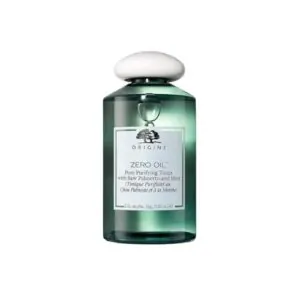
For breakouts and shine, look for a toner built around salicylic acid, a beta hydroxy acid that gets into pores and dissolves the gunk causing congestion. Pair it with witch hazel, which tightens pores and cuts oil production, and you’ve got a solid daily fix for that midday grease.
Apply with a cotton pad after cleansing, sweeping across your forehead, nose, cheeks, and chin. No rinsing needed.
Prone to dryness or sensitivity? Skip the alcohol-heavy versions. Niacinamide-based formulas offer gentler oil control while supporting your skin barrier, so you still get that clear, matte finish without the tightness.
| Best For | This toner is best for people with oily, acne-prone skin who want to control shine and keep pores clear without relying on harsh, drying alcohol. |
|---|---|
| Alcohol-Free | Yes |
| Skin Type | Oily/Acne-Prone |
| Key Ingredient | Salicylic Acid |
| Hydrating | No |
| Exfoliating | Yes |
| Fragrance Noted | Yes |
| Additional Features |
|
- Salicylic acid works into pores to help clear congestion and prevent new breakouts
- Alcohol-free formula cuts shine without leaving skin feeling stripped or tight
- Vegan formula leaves a smooth, matte finish that works well alone or under makeup
- Not the best fit for very dry or sensitive skin types
- The fragrance may bother anyone who’s sensitive to scented products
- The formula has changed from the previous US Balancing Tonic, so longtime users may notice a difference
Frequently Asked Questions (FAQs)
What is the best homemade face toner?
Picture cool water settling over sun-warmed skin, that’s your best toner at work. There’s no single winner, but witch hazel and aloe balances most skin types beautifully, gently refining pores while replenishing moisture your cleanser stripped away.
How can I make a natural toner at home?
Grab simple kitchen staples like witch hazel, aloe, rose water, or diluted apple cider vinegar. Mix, strain if needed, then pour into a sterilized spray bottle. Patch test first, then apply after cleansing for a fresh, balanced feel.
How can I make my own toner?
Mix your base ingredients (like witch hazel, rosewater, or aloe) with distilled water, pour into a sterilized dark glass bottle, patch test on your inner wrist, then store refrigerated and discard after a few days.
What can I use instead of skin toner?
No toner on hand? Try witch hazel on a cotton pad, a rosewater spritz, or diluted apple cider vinegar. Each works as a toner substitute, prepping skin nicely before your moisturizer goes on.
What is the best homemade skin toner?
Funny how the "best" toner is really just the one that matches your skin, not some universal winner. Oily skin loves witch hazel and rose water; dry or sensitive skin thrives with aloe and cucumber. Adjust freely!
How can I make a toner at home?
Combine equal parts rosewater and witch hazel in a spray bottle for a quick rejuvenating toner. Add three or four drops of lavender essential oil for calm. Shake well, refrigerate, and use within 7-10 days.
What is the most natural toner for face?
Beauty’s truly in the eye of the beholder, but if one ingredient earns the crown, it’s rosewater. Gentle, hydrating, and pH-balancing, it suits nearly every skin type while leaving your face smelling like a garden after rain.
Is apple cider vinegar good as a toner?
Yes, when it’s properly diluted. ACV balances pH, fights bacteria, and helps with oily or acne-prone skin. Start weak, around 1 part ACV to 4 parts water, and always patch test first, since undiluted vinegar can easily irritate skin.
How long do natural toners stay fresh?
Fresh toner doesn’t last forever, no matter how alive it smells. Rosewater lasts 3-4 weeks refrigerated, herbal teas 7-10 days, and diluted ACV up to a month. Skip preservatives, and room temperature spoils it within 48 hours.
What’s the best natural toner for rosacea?
Try a chamomile and aloe vera mix.
Chamomile calms redness and inflammation, aloe soothes irritation without stripping your barrier.
Skip alcohol and fragrance entirely, since rosacea skin flares easily.
Brew, cool, mix with gel, refrigerate, and patch test first.
Conclusion
Funny thing: the fridge you raided for cucumber slices was already stocked with your best skincare tool. That’s the quiet magic behind natural skin toner recipes, real ingredients doing real work without the markup.
Mix small batches, patch test first, and store them cold. Your skin will tell you what it likes within days. Trust that feedback more than any label.
Simple, honest, effective. That’s a routine worth keeping.