This site is supported by our readers. We may earn a commission, at no cost to you, if you purchase through links. This content is for general informational and educational purposes only and is not a substitute for professional medical, dermatological, or nutritional advice.
I once read a box of hair dye like it was a chemistry exam. Ammonia, resorcinol, PPD, a fragrance mix hiding who knows what. Your scalp absorbs some of that, wash after wash, and it adds up.
That’s the real case for non toxic hair dye options: not fear, just cumulative exposure math. The good news? Formulas have gotten smarter. Coconut oil, argan, henna paste, even keratin now show up where ammonia used to live.
Six brands stood out during testing, each trading old harsh chemistry for something your hair, and your health, can actually live with.
Table Of Contents
- Key Takeaways
- Top 6 Non-Toxic Hair Dye Options
- How We Evaluated Safer Hair Dyes
- Hair Dye Ingredients to Avoid
- Plant-Based, Semi-Permanent, or Permanent?
- Choosing and Using Safer Hair Dye
- Frequently Asked Questions (FAQs)
- What is the safest non-toxic hair dye?
- What is the most natural hair dye without chemicals?
- Is there a non-toxic way to dye hair?
- What’s the safest color to dye your hair?
- How long do non-toxic hair dyes last?
- Can natural dyes lighten dark hair effectively?
- Are non-toxic dyes safe during pregnancy breastfeeding?
- Do plant-based dyes work on gray hair?
- Whats the cost difference versus conventional dyes?
- How often should you touch up non-toxic hair dye?
- Conclusion
Key Takeaways
- Non-toxic hair dyes swap harsh chemicals like ammonia, resorcinol, and PPD for gentler ingredients like coconut oil, argan oil, and henna, cutting down on cumulative scalp exposure over time.
- The type of formula you choose matters: plant-based dyes need patience and won’t lighten hair, semi-permanent options fade fast but are gentle, and permanent dyes give full gray coverage without ammonia.
- Always patch test 48 hours before coloring, since even "clean" or dermatologist-tested dyes can still trigger allergic reactions in sensitive scalps.
- Watch out for vague labels like "fragrance," which can legally hide dozens of undisclosed chemicals, so look for real transparency and certifications like USDA Organic or MADE SAFE instead of marketing claims alone.
Top 6 Non-Toxic Hair Dye Options
You don’t have to choose between healthy hair and real color payoff anymore. I tested dozens of formulas, and these six actually deliver on both fronts. Here’s what made the cut, and why each one earned its spot.
For the full rundown of every formula, texture, and color-treatment fit, check out this guide to the best color-safe hair products worth adding to your routine.
1. Clairol Natural Instincts Cool Blonde
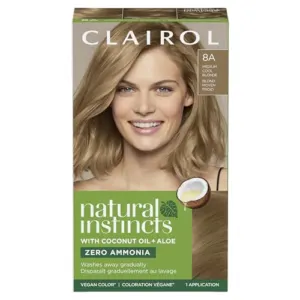
Cool Blonde is quiet rebellion in a box—no ammonia, no drama, just gradual color that fades on your terms.
The formula runs 80% naturally derived, built around coconut oil and aloe for conditioning during processing. Development takes just 20 minutes at room temperature. No heat, no developer step, no fuss.
Shade 7A targets a cool, pale blonde with minimal warmth, blending gray coverage into natural-looking tone. It’s vegan-friendly, semi-permanent, and offers up to 28 washes of color retention. Think of it as a low-commitment trial run for blonde curious about going lighter.
| Best For | Anyone wanting to cover grays or touch up roots at home with a gentle, ammonia-free color that fades gradually instead of leaving harsh regrowth lines. |
|---|---|
| Ammonia-Free | Yes |
| Gray Coverage | Yes |
| Processing Time | 20 minutes |
| Conditioning Agents | Coconut oil, aloe |
| PPD/Paraben Free | N/A |
| Color Longevity | Up to 28 washes |
| Additional Features |
|
- Zero ammonia formula with coconut oil and aloe helps keep hair conditioned during color processing
- Vegan formula gently blurs grays and fades out gradually for a natural look over time
- Comes with everything needed for touch-ups—color cream, activator, shine conditioner, gloves, and instructions
- Color can turn out darker than expected, particularly on porous or overprocessed hair
- Some users notice unwanted warm or brassy tones even when choosing a cool shade
- Newer packaging may use a reformulated version, so results might differ from what past users experienced
2. Rainbow Blonde Henna Hair Color Conditioner
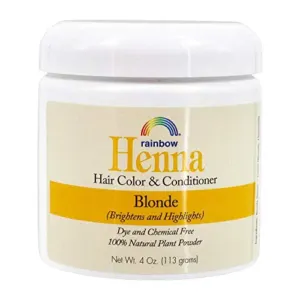
If Cool Blonde is gradual and low-commitment, Rainbow’s henna kit asks for actual effort. This 4 oz plant-based paste mixes into a thick, muddy mix and needs two-plus hours of processing.
Messy? Yes. Worth it? Depends on your patience.
It smooths the cuticle, deposits sun-kissed golden tones, and covers gray with real texture improvement. No synthetic dyes, no shortcuts. Just don’t expect dramatic lightening—this stuff conditions and blends, not transforms.
| Best For | People with light blonde hair who want a natural, chemical-free way to enhance highlights and cover gray without changing their overall color. |
|---|---|
| Ammonia-Free | Yes |
| Gray Coverage | Yes |
| Processing Time | 2+ hours |
| Conditioning Agents | Botanical paste |
| PPD/Paraben Free | Yes |
| Color Longevity | 4-6 weeks |
| Additional Features |
|
- 100% botanical formula with no chemicals, additives, or pesticides
- Smooths the cuticle for added shine, softness, and thickness over time
- Fades gradually over 4–6 weeks for a natural, low-maintenance blend
- Application is messy and takes over two hours, plus thorough rinsing
- Won’t lighten or dramatically change hair color, especially on darker shades
- May leave undissolved particles or a lingering scent if not mixed or rinsed properly
3. Lime Crime Strawberry Jam Hair Dye
Henna asks for patience; Strawberry Jam asks for bleach. This semipermanent, vegan formula deposits muted pink-red on lightened hair, no peroxide or ammonia involved.
Apply to dry hair, leave 20-60 minutes, rinse cool. Cruelty-free and conditioning, but color fades gradually—expect touch-ups every few weeks to keep that jam-toned vibrancy alive.
| Ammonia-Free | Yes |
|---|---|
| Gray Coverage | Yes |
| Processing Time | N/A |
| Conditioning Agents | N/A |
| PPD/Paraben Free | Yes |
| Color Longevity | N/A |
4. Madison Reed Sondrio Neutral Brown Hair Color
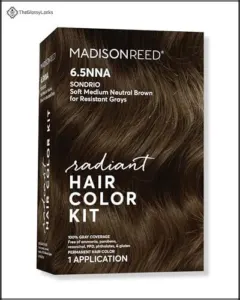
If pink fades were too fussy, Sondrio Brown is the grown-up option: 100% gray coverage on resistant grays, ammonia-free.
Officially shade 6.5NNA, it’s a neutral, balanced tone that skips brassiness. Argan oil and keratin condition while color deposits. Process 45 minutes for stubborn grays.
No PPD, resorcinol, or parabens. Salon results, at home, for $35.
| Best For | Anyone with stubborn, resistant grays who wants a natural-looking neutral brown with full coverage but doesn’t want to deal with ammonia or a strong chemical smell. |
|---|---|
| Ammonia-Free | Yes |
| Gray Coverage | Yes |
| Processing Time | 45 minutes |
| Conditioning Agents | Argan oil, keratin |
| PPD/Paraben Free | Yes |
| Color Longevity | N/A |
| Additional Features |
|
- Delivers 100% gray coverage on resistant grays when processed for the full 45 minutes
- Ammonia-free formula with no PPD, resorcinol, or parabens
- Conditions hair with argan oil and keratin while depositing color
- Stubborn grays may need the longer 45-minute processing time
- Can’t lighten hair that’s already colored, and only lifts natural hair up to 2 levels
- Not a fit if you’re looking for semi-permanent or temporary color
5. Naturcolor Sagebrush Brown Hair Color
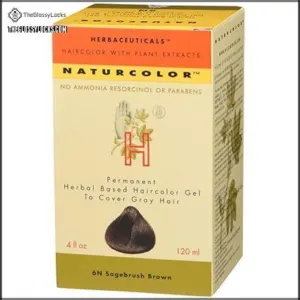
Sagebrush’s a warm 6N, built for neutral-to-warm undertones. Grey blends in fully within the natural series, with 30-45 minute processing—longer for stubborn greys.
Choosing a formula with UV filters and plant-based emollients helps lock in Sagebrush’s warm tones, and understanding how long semi-permanent hair dye lasts can help you plan your next touch-up.
Burdock and nettle extracts condition while dye precursors deposit color, no resorcinol or parabens. Root touch-ups mix seamlessly into existing light brown.
Shake well, patch test 48 hours prior. Mid-range pricing, 4 fl oz bottle, sold online and in select stores. Solid plant-based pick if brown’s your lane.
| Best For | People with light-to-medium brown hair looking for a plant-based, ammonia-free color that covers gray and works well for root touch-ups. |
|---|---|
| Ammonia-Free | Yes |
| Gray Coverage | Yes |
| Processing Time | 30-45 minutes |
| Conditioning Agents | Burdock, nettle extracts |
| PPD/Paraben Free | Yes |
| Color Longevity | 3-4 weeks |
| Additional Features |
|
- Free of ammonia, resorcinol, and parabens, with burdock and nettle extracts to condition hair
- Full gray coverage in the natural series with fast, 30–45 minute processing
- Blends easily for root touch-ups and matches naturally into existing color
- Stubborn gray may need extra processing time or a clarifying shampoo beforehand
- Color can fade or go brassy after 3–4 weeks without a touch-up
- Thick or shoulder-length hair may need two boxes for full coverage
6. Arctic Fox Ritual Hair Dye
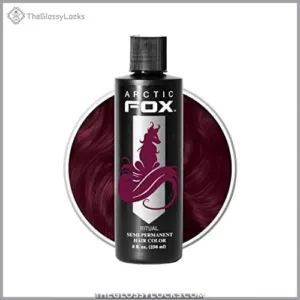
Ready for something bolder? Ritual is Arctic Fox’s vivid line—no ammonia, no peroxide, vegan formula with glycerin and panthenol for conditioning. Colors deposit rather than lift, lasting 4-6 weeks depending on wash frequency.
Apply to dry hair, 20-40 minutes. Fades to pastel gradually—no harsh regrowth line. Downside? It stains everything: tubs, towels, skin. Glove up.
| Best For | Anyone with level seven or lighter hair who wants a bold, multidimensional burgundy shade—or a customizable pastel—without committing to harsh chemicals. |
|---|
- Vegan, cream-based formula free from ammonia, peroxide, ethyl alcohol, and PPD, with conditioning benefits during processing
- Fades gradually with no harsh regrowth line, and can be diluted for custom pastel shades like dusty rose or blush
- Delivers vivid, jewel-toned burgundy results with purple and red reflections
- Stains tubs, sinks, linens, and skin easily if not properly protected
- May bleed in the shower for the first few days after application
- Longevity varies a lot by hair type, with noticeable fading within one to two weeks on dark or frequently washed hair
How We Evaluated Safer Hair Dyes
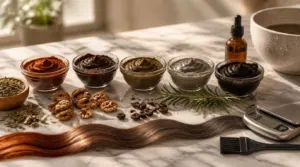
Not every "clean" hair dye lives up to the label, so I put five criteria to the test on each one. I checked ingredients, gray coverage, ease of use, longevity, and price, side by side. Here’s exactly how each category measured up.
Ingredient Transparency
Can you actually read the label? That’s where transparency starts. I checked whether brands named ingredients in plain, INCI-style terms, disclosed sourcing, and flagged allergens clearly. Ammonia-free, paraben-free claims mean little without proof. Certified organic brands backed claims with real documentation, listing processing methods and additives instead of hiding behind "fragrance. Understanding the importance of ingredient transparency helps consumers make safer choices about what they put on their bodies.
Gray Coverage Performance
Gray hair fights back. That’s why coverage mattered most in testing.
Madison Reed delivered even coverage results with true natural gray blending—no orange cast, no patchy roots. Mayraki’s shampoo-style application surprised me; it still covered gray effectively. ONC’s heat-activated performance added a step but paid off. Radico’s organic color delivery built gradually. All stayed PPD free or nearly so, proving ammonia free hair dye can still last.
Application Ease
Will you actually finish before your arms give out? That’s the real test of at-home hair coloring.
Pre-mixed kits and flexible brushes made root sections painless. Twenty-minute processing, nonirritating formulas, and clear instructions kept scalp comfort intact.
- Pre-mixed color, no bowls
- Flexible brush for roots
- Spray application options
- Quick cleanup, minimal mess
- Salon-quality results, zero salon chair
Color Longevity
How long does the color actually stay put? That’s the question that separates a good non toxic hair dye from a great one.
Bonding penetration matters here—smaller pigment molecules seat deeper into the cuticle, resisting wash-out. Fade mechanisms vary by formula, too: plant-based dye builds gradually, while permanent options hold until regrowth. Lightfastness impact and simple wash care tips (cooler water, sulfate-free shampoo) stretch fade resistant color well past the four-week mark.
Price and Availability
Fade resistance won’t matter if you can’t afford to reorder. Prices span $12 to $40 per box—Arctic Fox anchors the low end, Madison Reed and ONC Natural Colors sit higher.
- Bulk purchase discounts and subscription box savings trim costs 10-25%
- Regional price variations and international shipping costs add $5-15
- Seasonal stock fluctuations hit gray-coverage shades hardest
Radico Colour Me Organic and Naturtint ship internationally, easing accessibility.
Hair Dye Ingredients to Avoid
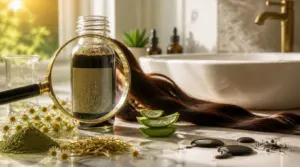
Before you pick a bottle off the shelf, it helps to know what you’re actually trying to avoid. Some ingredients sound harmless but carry real risks with repeated use. Here’s what to check for on that label.
Ammonia and Peroxide
When ammonia meets hydrogen peroxide, the ammonia peroxide reaction turns nasty—fast, hot, and gassy. Standard safety mixing guidelines say never combine them carelessly.
Industrial oxidation applications rely on strict influence pathways plus temperature pH effects to stay safe.
That’s why lowerammonia formulas and truly ammonia free options matter for non toxic hair dye lovers wanting real results without the risk.
Resorcinol
Once ammonia and peroxide settle down, resorcinol’s the next name to know. This benzenediol compound helps dyes bond, but it’s a documented skin irritant with strict regulatory limits in cosmetic use.
Watch for:
- Redness or burning near the hairline
- Products lacking clear ingredient transparency
- Formulas skipping patch-test warnings entirely
Choosing non toxic hair dye means checking labels—hair dye safety starts with knowing what’s missing.
Parabens and Phthalates
Beyond resorcinol, two quieter offenders deserve your attention: parabens and phthalates. Both are endocrine disruptors, absorbed through skin, linked to hormone disruption in lab studies. Regulatory restrictions vary by region—the EU’s stricter than the US here.
Check labels for alternative preservatives instead. Growing consumer awareness demands label transparency. That’s toxic ingredient avoidance in action—real clean beauty means reading past "fragrance.
Undisclosed Fragrances and Additives
Here’s the sneaky one: "fragrance" on a label can legally hide dozens of chemicals as trade secret chemicals. That’s a regulatory labeling gap, plain and simple. Some are allergens, some irritate scalps.
Fragrance on a label can legally hide dozens of undisclosed chemicals, some of them allergens or scalp irritants
Hidden fragrance disclosure matters most for sensitive skin. Demand ingredient transparency—it’s your best defense against greenwashing in beauty and unnecessary chemical exposure.
Plant-Based, Semi-Permanent, or Permanent?
Not all "non-toxic" dyes work the same way, and that matters more than the label. Plant-based, semi-permanent, and permanent formulas each ask something different of you, whether that’s patience, upkeep, or a strong stance on gray coverage. Here’s what actually separates them.
Plant-Based Color Limitations
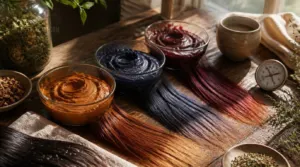
Plant pigments are gorgeous, but chemistry keeps them humble. Heat sensitivity breaks pigments down above 60°C, and indoor light fades blues faster than yellows. Wash fastness suffers too, often within 5-10 washes. pH shifts can flip hues entirely.
That’s why gray coverage stays inconsistent, color fading over time, batch to batch, despite honest ingredient transparency.
Semi-Permanent Dye Trade-Offs
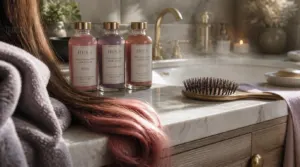
Semi-permanent dye works on surface vs depth: pigment sits on the cuticle, so fade rate is quick, 4-12 washes, no harsh grow-out line.
- Gentler on hair health, no ammonia or peroxide
- Gray blending, not full coverage
- Fade looks soft, not stripey
- Great color versatility for testing shades
Trade-off? Shorter longevity. Fine if you’re PPD free and experimenting.
Permanent Dye Gray Coverage
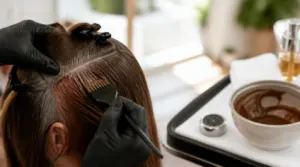
Full gray coverage means going deep, not just topical. Permanent dye penetrates the cortex, replacing pigment entirely, root to tip.
Pigment Load Optimization targets stubborn strands. Developer strength calibration lifts without frying nearby hair. A post processing sealant locks color in, slowing fade.
Madison Reed nails this: even, natural coverage, PPD free, no ammonia smell. Real results, without the harsh trade-offs.
Heat-Activated Color Systems
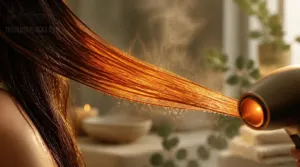
Warmth as a color switch? ONC Natural Colors uses gentle heat to release pigment, a Temperature Activation Mechanism where the coating shifts once it hits threshold warmth.
Three things matter here:
- Color Fastness across repeated heating
- Simple Application Methods, no premixing
- Safety Standards keeping it PPD-free-ish and gentle
Non-toxic, cruelty-free, and refreshingly low-fuss compared to plant-based dyes.
Root Touch-Up Alternatives
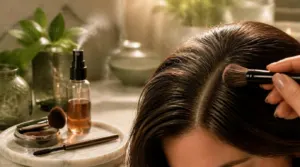
Not ready for full color? Root touch-ups buy you time.
Spray vs Powder comes down to speed versus grip: mineral powder clings longer, resists sweat.
Fiber mascara tips work great for pinpoint grays.
Heat-activated roots skip premixing entirely.
Longevity comparison favors powders over sprays, week to week.
All PPD free hair color, ammonia free, and refreshingly low-commitment.
Choosing and Using Safer Hair Dye
Picking a safer dye is only half the job. How you check it, test it, and apply it matters just as much. Here’s what to keep in mind before you commit to a box or bottle.
Match Dye to Hair Goals
Your undertone drives the decision. Warm skin needs a Warm Undertone Match to avoid coppery cast; cooler skin benefits from a Cool Blonde Selection with violet-based tones.
Thinking about grays? Build a real Gray Coverage Strategy first. Factor in Color Longevity Planning and shade depth, too—plant-based dyes fade differently than permanent ones, so match ingredient transparency and certified organic claims to your actual goals.
Check Shade-Specific Ingredients
Once you know your goal, read the label like an ingredient list, not marketing copy. Look for Natural Pigment Sources or iron oxides instead of vague "color additives."
Check for Silicone Conditioning Agents, Plant Derived Oils, and UV Protection Sealants—these affect Shade Specific Longevity.
Botanical formulas using henna and indigo deposit differently than synthetic dyes. Same shade name, different chemistry.
Look for Trusted Certifications
Marketing claims are cheap. Certification isn’t.
Look for real proof: USDA Organic, ECOCERT COSMOS Organic, MADE SAFE, or Leaping Bunny Certified.
These require third-party audits, ingredient disclosure requirements, and cruelty-free verification, not just a label slapped on a bottle.
- Check the certifying body’s authority
- Confirm dermatologist-tested claims
- Verify eco-packaging standards
- Look for renewal dates
Patch Test Before Coloring
Certifications tell you what’s in the bottle. A patch test tells you how your skin actually reacts to it.
Dab a bit behind your ear, wait 48 hours, watch for redness. Even "dermatologist-tested" nontoxic hair dye can trigger a hair dye allergy in sensitive scalps. Retest every time you switch shades. Jot the date down—simple record keeping saves you from surprises later.
Protect Sensitive Scalps
Since your scalp barrier is the real gatekeeper, treat it kindly. Choose fragrance free, PPDfree, hypoallergenic formulas, and always wash with lukewarm water.
- Look for botanical soothing agents like aloe or oat extract
- Choose sulfate free cleansing shampoos
- Avoid harsh heat styling near roots
- Patch test each new non toxic hair dye
- Pick dermatologisttested sensitive scalp solutions
Frequently Asked Questions (FAQs)
What is the safest non-toxic hair dye?
Your safest bet blends PPD-free formulas with plant-based pigments. Madison Reed’s Sondrio Neutral Brown skips ammonia and peroxide entirely, while Radico’s certified organic herbs suit sensitive scalps.
Both prioritize ingredient sourcing transparency over quick fixes—real safety, not marketing gloss.
What is the most natural hair dye without chemicals?
No fumes, no shortcuts—just roots and rest.
Henna and indigo top the list: pure plant pigments, zero synthetic additives, gradual buildable color. Radico’s certified organic paste delivers rich tone naturally, proving chemical-free hair dye can still mean vegan, eco-conscious, genuinely lasting results.
Is there a non-toxic way to dye hair?
Yes. Choose plant-based dyes or PPD-free formulas with real ingredient transparency and organic certification. Patch test first, prioritize scalp safety, and check long-term effects before committing—your hair (and health) will thank you.
What’s the safest color to dye your hair?
Think of it as picking a gentle handshake, not a chemical wrestling match.
Ammonia-free, low-PPD formulas with USDA Organic or vegan certifications win here—Radico or Madison Reed style options give solid coverage while protecting scalp health and skipping harsh, allergy-triggering additives.
How long do non-toxic hair dyes last?
Your color’s lifespan hinges on formula type. Semi-permanent shades fade in 2 to 6 weeks, permanent non-ammonia dyes hold 6 to 8 weeks, and washing frequency, heat styling, and sun exposure all speed up fading considerably.
Can natural dyes lighten dark hair effectively?
Not really, no. Plant-based dyes deposit pigment through tannin color deposition rather than melanin stripping, so dark strands stay dark.
Real lift needs prelightened hair. Henna lightening potential stays minimal—expect richer tone, not brightness, on unbleached hair.
Are non-toxic dyes safe during pregnancy breastfeeding?
Safe and risky at once, that’s pregnancy chemistry for you. Placental barrier protection isn’t absolute, so ingredient list scrutiny matters more now. Ask your doctor, ventilate well, and lean toward chemical-free hair color backed by real clinical trial findings.
Do plant-based dyes work on gray hair?
Yes, with patience. Henna and indigo deliver permanent, natural pigment coverage, while other plant-based dyes need repeated applications. Gray strands absorb pigment unevenly, so expect richer, subtler tones rather than opaque, salon-flat color on your first try.
Whats the cost difference versus conventional dyes?
Expect $15-40 versus $5-15 for L’Oréal Paris Superiority Crème or Garnier Nutrisse. That price premium gap reflects batch size effects, material waste, and production overhead.
Madison Reed and Arctic Fox charge for cleaner formulas, not fancier marketing.
How often should you touch up non-toxic hair dye?
Plan on root touch-ups every 4 to 6 weeks, depending on growth rate and season. Fast growers may see regrowth lines sooner. Full refreshes stretch to 6-8 weeks, keeping color longevity solid while limiting cumulative exposure and fade.
If brassy tones creep in between appointments, figuring out how many ounces of toner you need for bleached hair can help you keep color fresh without over-processing strands.
Conclusion
There’s one thing your old dye box never told you: your scalp keeps score. Every wash, every application, that math quietens down once you switch.
These six formulas prove non toxic hair dye options aren’t a compromise, they’re an upgrade. Coconut oil instead of ammonia. Henna instead of resorcinol. Real color, real coverage, minus the chemistry exam.
Your hair doesn’t need to suffer for the shade you want. Pick one, patch test, and dye smarter, not harder.